
Research
Welcome to the Anderson Lab!
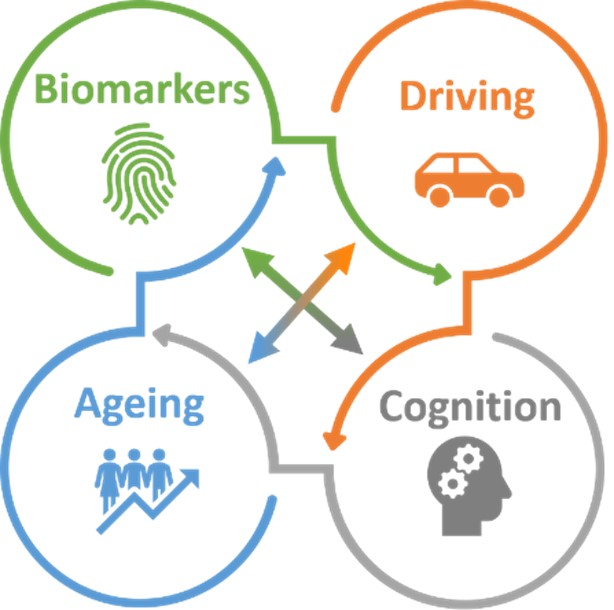 Our Applied Sleep and Circadian Neuroscience program seeks to understand the role of sleep and circadian timing for optimal performance, and to apply this knowledge to improve health and safety outcomes in everyday life. Our program stretches from discovery to translation, with two core areas of impact: Drowsy Driving and Healthy Ageing.
These two programs run in parallel by utilising laboratory- and field-based methodologies, each implementing cutting-edge technological and biological approaches to sleep and circadian measurement. These might include polysomnography, circadian assessment, ocular metrics, metabolomics, and neurocognitive testing. Our group themes of driving, ageing, biomarkers and cognition are inter-related to promote a multi-disciplinary, team-based research program. This ensures we best achieve our overarching goal of developing sleep and circadian strategies to maximise cognition and performance across the lifespan.
Our lab currently comprises post-doctoral research fellow, clinical and research PhD graduate students, Honours students, and undergraduate interns and trainees.
-
 Drowsy Driving Program
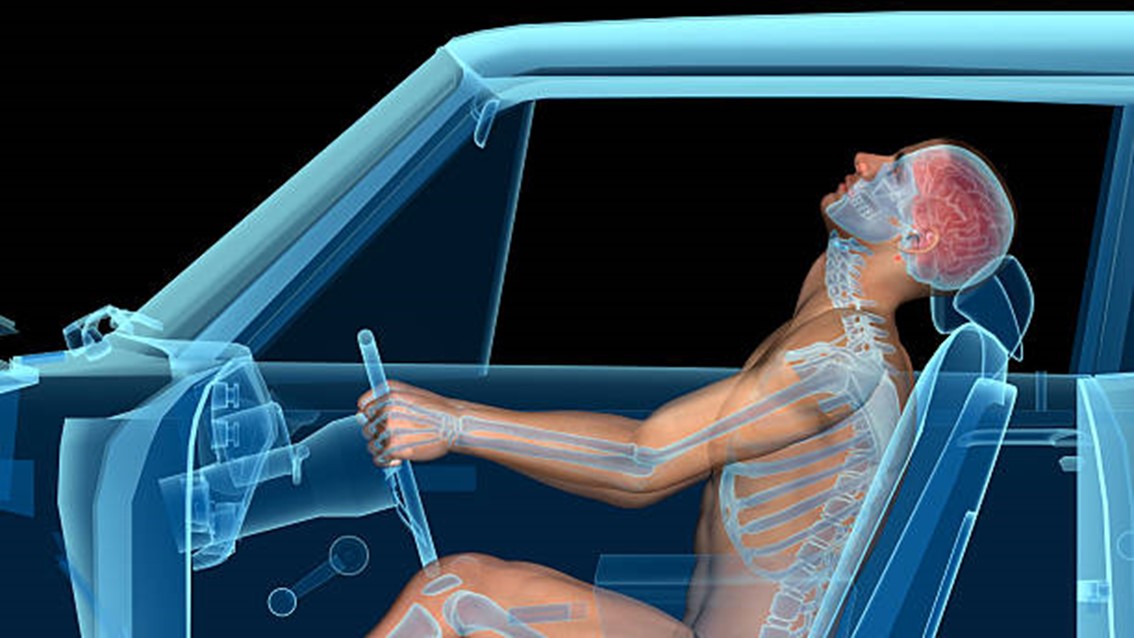
Our Drowsy Driving Program aims to understand the role of sleep for safe driving, and develop and evaluate next generation technologies and biomarkers for accurate detection of the drowsy state.
Project Leader: Associate Professor Clare Anderson.
Projects
-
Sleep and Circadian Ageing Program
Our Sleep, Circadian and Ageing Program aims to understand the role of sleep for optimal cognitive ageing and to develop biomarkers of Alzheimer’s Disease risk, and sleep-circadian intervention strategies, to promote cognition later in life.
Project Leader: Associate Professor Clare Anderson.