
Neurodevelopment
Neurodevelopment Program

-
The human brain undergoes massive developmental change from infancy to early adulthood, particularly in the first 1000 days from conception. While brain development largely follows a genetically determined program, it is also dependent and influenced by environmental factors. Disrupting programmed brain development processes greatly increases the risk for neurodevelopmental disorders, marked by failure to attain appropriate cognitive, communication, academic, social and emotional milestones.
Here at the Turner Institute for Brain and Mental Health, we have leading researchers investigating the mechanisms associated with neurodevelopmental disorders and using this information to develop new interventions to enable thousands of Australian children to reach their full potential. Neurodevelopmental and clinical disorders that we study include Autism Spectrum Disorder (ASD), ADHD, Learning Disorders, Fragile X, William’s Syndrome, and preterm birth.
Our approach and methodology is strongly multidisciplinary. We integrate knowledge from genetics, pharmacology and behavioural, cognitive and developmental neuroscience with that of clinical psychology and psychiatry to enrich our understanding of developmental processes. We employ cutting-edge technologies such as electroencephalography (EEG), oculomotor neurophysiology, transcranial magnetic stimulation (TMS) and structural and functional brain imaging to link brain and behaviour.
Our strong neuroscience focus combined with our rich clinical research ensures that our discoveries are relevant and translatable while being grounded in the biology of the disorders that we study.
We are making a real difference to neurodevelopment in Victoria, Australia and, potentially, the world.
-


 We focus on how children are developing within the digital age. Our goal is to assess the impact that digital technologies have on childhood mental health as well as cognitive, behavioural and academic development. We are interested in creating evidence-based digital technologies to optimise mental and cognitive health in childhood. We've created a series of novel virtual reality and game-based interventions for neurodivergent children that are used globally.
 Neurodevelopmental disorders, such as autism spectrum disorders (ASDs) and attention deficit hyperactivity disorder (ADHD) are highly heritable disorders with negative lifetime outcomes.
 Young school children who struggle to learn face life-long challenges, including grade repetition and reduced likelihood of school completion.
 The diagnosis of attention deficit hyperactivity disorder (ADHD) and autism spectrum disorders (ASDs), and clinical decisions around appropriate treatment options, is made complicated by the clinical diversity of ADHD and ASD symptoms and overlap between the two disorders.
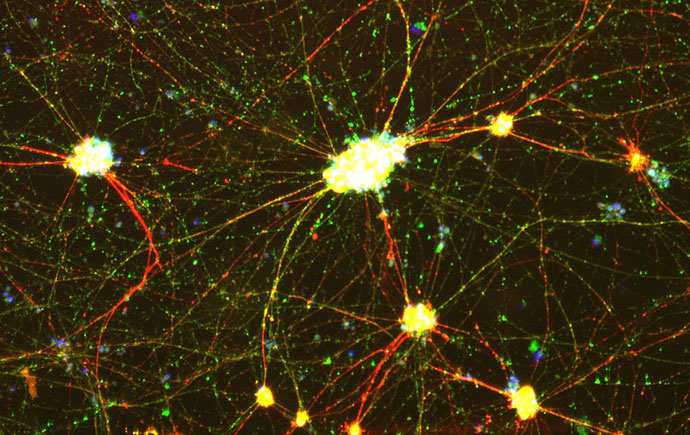 We study how the brain supports core cognitive processes, including attention, decision-making, and cognitive control, and how these processes differ developmentally in neurodivergent children. Our overarching goal is to identify mechanistic pathways that inform diagnosis and targeted treatments for neurodevelopmental and mental health conditions.