Meet our 2024 nominees and winners
Professional Awards
-
The Vice-Chancellor's Excellence Awards for Equity, Diversity and Inclusion recognise those who have made an outstanding contribution to advancing equity, diversity and fostering inclusion at Monash and beyond.

RUCHI SEMBEY (SPECIAL COMMENDATION)
Faculty of Information TechnologyRuchi has been nominated for her exceptional contributions to fostering equity, diversity, and inclusion within Monash University and the broader community. She has demonstrated a commitment to mentoring women, new Teaching Associates and students registered with Disability Support Services, facilitating an IT outreach program to inspire school girls to pursue STEM studies, and aiding in inclusive international student recruitment.
She mentors new Teaching Associates and provides academic support to Disability Support Services registered students in IT courses. Ruchi has helped facilitate the Superbots program at Monash Tech School, engaging over 110 Year 7-9 schoolgirls in STEM. Through her participation in the #ChangeIt campaign, she promoted inclusive student recruitment, aligning with Monash's mission to enhance diversity and create meaningful societal impact.
Ruchi’s efforts have significantly advanced the university's mission to create an equitable and supportive educational environment. Her initiatives have also created a positive social impact, promoting inclusivity and empowering underrepresented groups within the community.

PROFESSOR ELLIE FOSSEY (WINNER)
Faculty of Medicine, Nursing and Health SciencesProfessor Ellie Fossey, as Chair of Monash’s Disability Project Group, has been instrumental in developing the Disability and Accessibility Action Plan (DAAP) 2024-2030. The role of leading this work was taken on a volunteer position, requiring considerable time and dedication beyond her already busy role at the University as Head of Department. Her leadership has driven significant progress in disability inclusion and accessibility, and has seen a wide range of academic experts, as well as lived and living experience experts, develop an impactful Action Plan. The DAAP, set for formal launch in October 2024, is setting Monash on a path to becoming a leader in disability inclusion and accessibility.

DR MOORINA BONINI
Faculty of Art, Design and ArchitectureDr Moorina Bonini has led the unit BLK1000 “Indigenous Australian creative practice and ways of knowing.” BLK1000 is an Indigenous-led and taught unit for the entire MADA faculty. Under Dr Bonini’s leadership, the unit has grown from being taught to three tutorial groups in the 2nd semester of 2023 to 16 tutorial groups across both semesters in 2024, recruiting eight Indigenous Teaching Associates. BLK1000 exemplifies how Indigenous education can be a self-determined space for Teaching Associates – a diverse group of Indigenous cultural practitioners working in the community. Dr Bonini acknowledges the crucial support of Gabi Widders in developing induction processes and guides for staff, and as a lead tutor ensuring the cultural safety of all involved in the unit's teaching.

PROFESSOR TREVOR LITHGOW
Faculty of Medicine, Nursing and Health SciencesProfessor Trevor Lithgow leads a team at the Biomedicine Discovery Institute, addressing antibiotic-resistant bacteria (AMR). In 2020, he founded the Centre to Impact AMR, uniting experts from various fields to find sustainable solutions against AMR. The Centre's equity and diversity policy emphasises engagement with Indigenous students, staff, and communities. Professor Lithgow has forged strong partnerships with the Wurundjeri Woi Wurrung people, appointed an Aboriginal Communities Engagement Leader, and showcased Wurundjeri microbial diversity internationally. This work fosters meaningful Indigenous participation in research and education at Monash University and beyond.

FRANCES DELLA-BOSCA
Office of the Chief Operating Officer and Senior Vice-PresidentFrances has significantly advanced EDI at Monash University. Her innovative efforts in boosting Indigenous staff numbers and streamlining processes have enhanced service delivery and team support. Frances promotes continuous learning and genuine respect through initiatives like the Indigenous Graduate Program. She is consistently reliable, honest in her communications and supportive of flexibility, ensuring the team is always informed. Her collaborative spirit, commitment to mental health, and support for LGBTQIA+ communities highlight her dedication. Her relentless drive for fairness ensures equal opportunities for all, making her a pivotal force in creating an inclusive, supportive, and progressive environment.
WHAT HAPPENS NEXT? PODCAST TEAM
Office of the Chief Operating Officer and Senior Vice-President, Faculty of Arts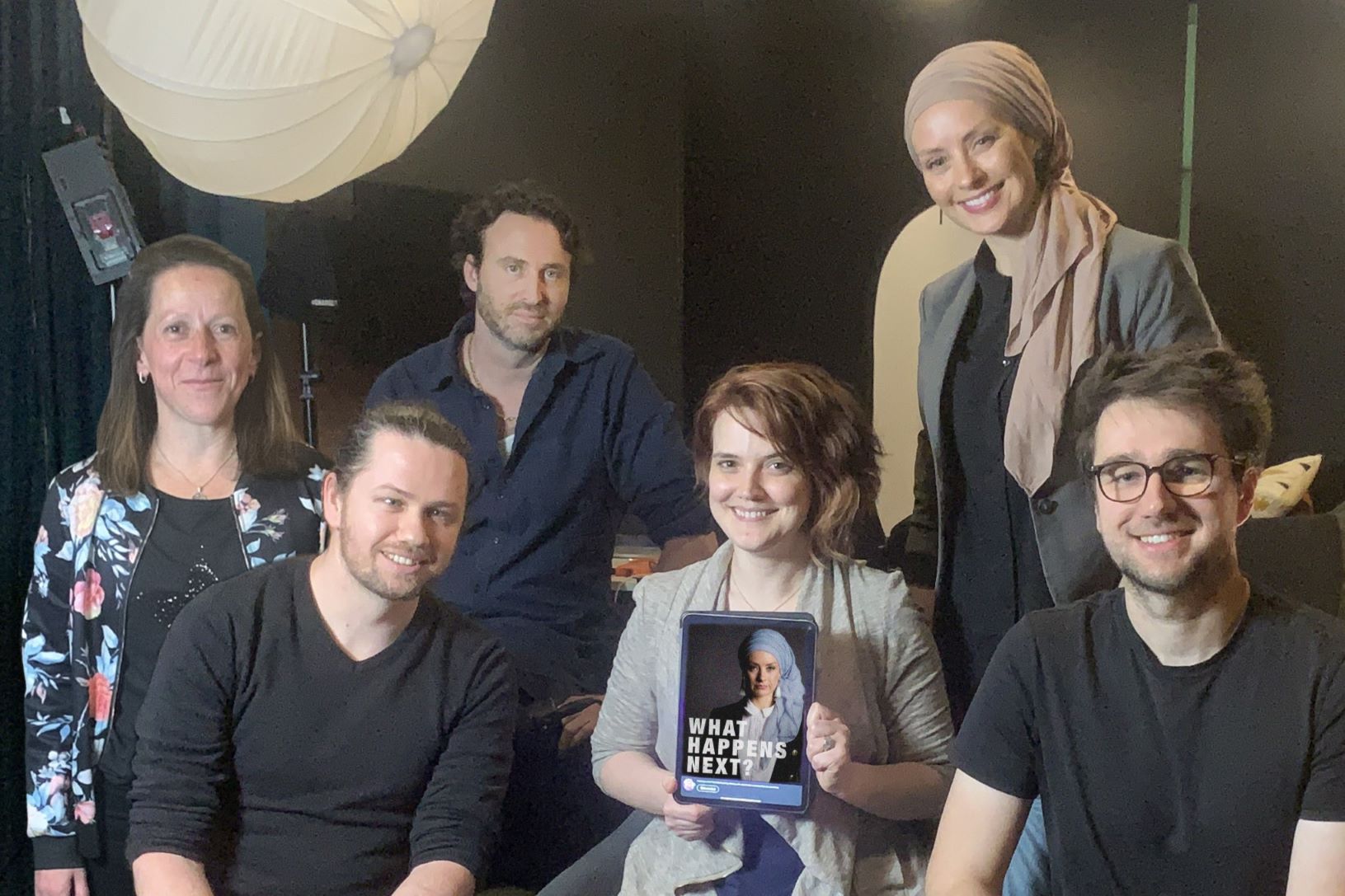
Left to right: Angela Patrick, Warren Clark, Sunny Leunig, Stephanie Summar, Dr Susan Carland and Justin Oleyar
“What Happens Next?” is Monash University's international award-winning podcast that tackles global challenges through an inclusive, multidisciplinary lens. Featuring diverse experts, it explores how different communities are affected by and responding to pressing issues. The podcast educates listeners using an intersectional approach, providing actionable tips for building a more equitable future. With its reach spanning 159 countries and regular appearances on domestic and international podcast charts, “What Happens Next?” has helped position Monash as a leader in equity, diversity and inclusion. By showcasing the University's thought leaders, the podcast embodies Monash's commitment to fostering a more ethical tomorrow.
WONDERLAB (WINNER)
Faculty of Art, Design and Architecture, Faculty of Arts


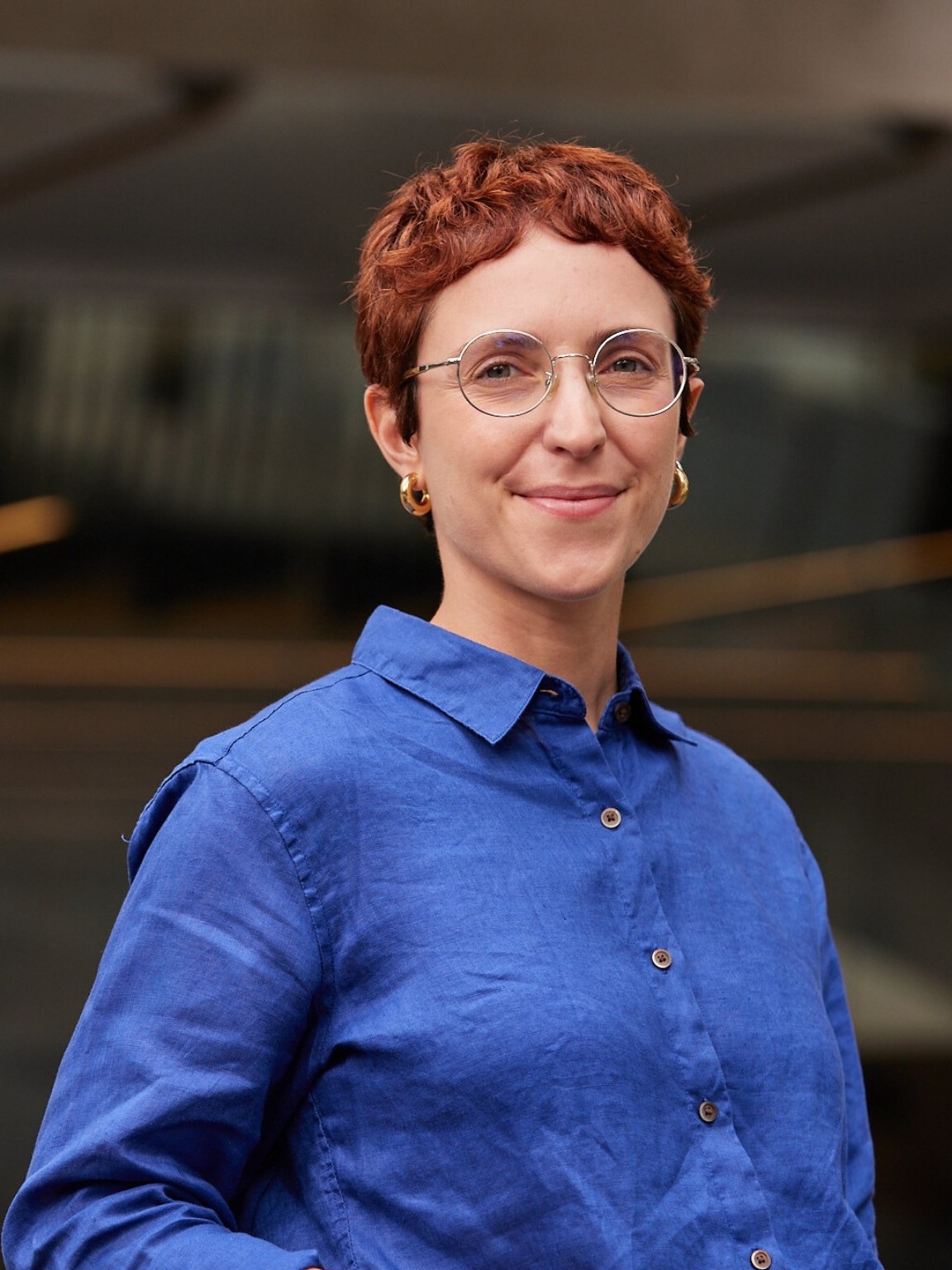





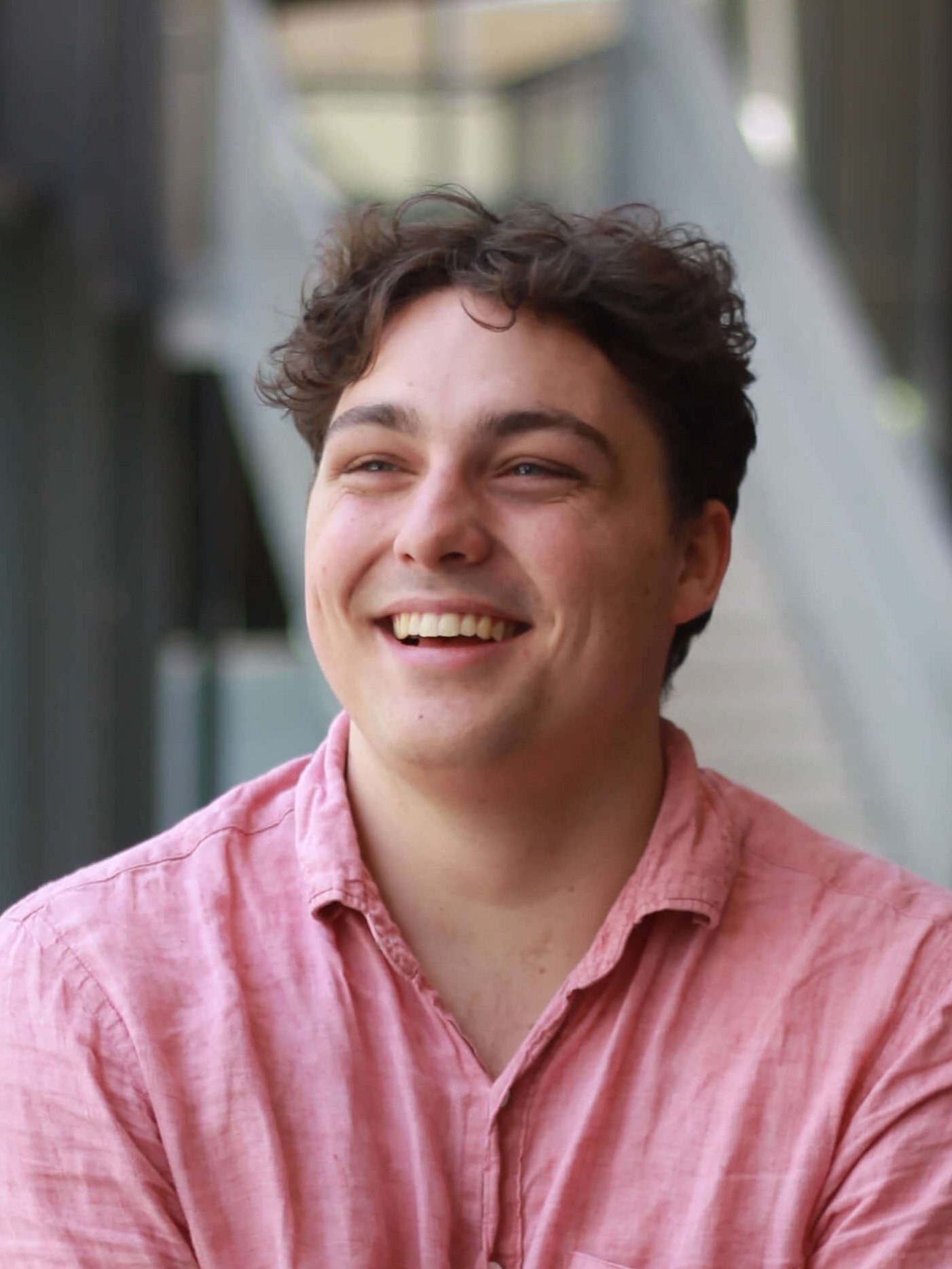
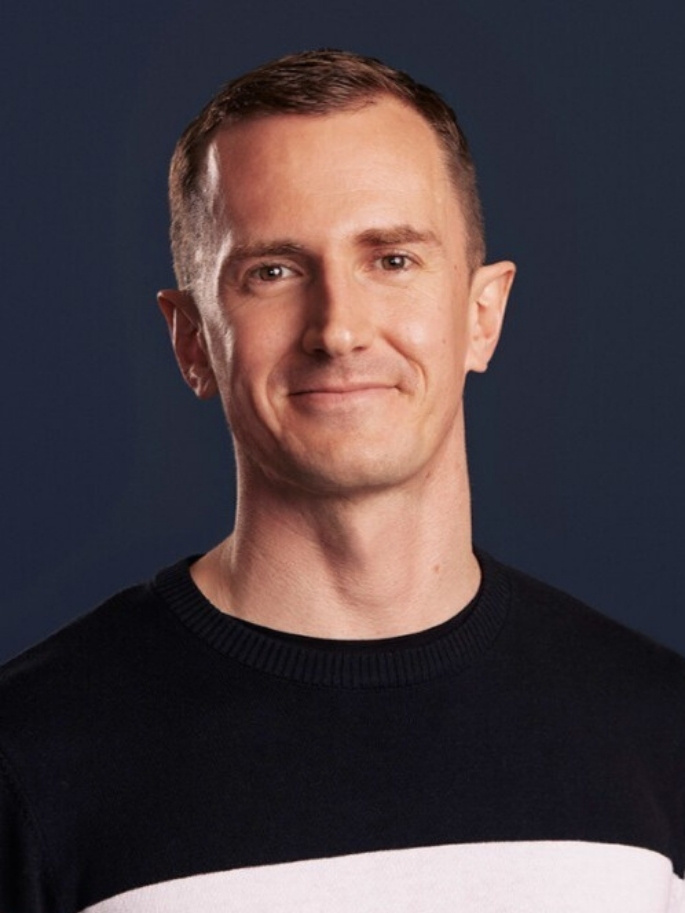












Left to right from top row: Professor Lisa Grocott, Professor Stacy Jones and Associate Professor Shanti Sumartojo, Dr Ilya Fridman, Dr Dion Tuckwell, Dr Giorgia Pisano, Dr Chris Cottrell, Wendy Ellerton, Dr Hannah Korsmeyer, Dr Penni Russon, Dr Laura Hartnell, Myf Doughty, Alison Colwell-Matsuura, Alisdair Gurling, David Robertson, Sean Donahue, Delaram Talebkhan Garoussi, Hong Luo, Hoa Yang, Anna Conrick, Linghao Wu, Paris Balla, Karissa Taylor, Jonathan Graffam, Blayne Welsh, Nicola Hearn, Georgina Harriss and Eugene Ughetti (Leander Kreltszheim, Jingyuan Tan, Mischelle Grigor, Moira Finucane and Edith Lyre not pictured)
WonderLab is a cross-faculty research community of practice invested in HDR education that prioritises responsible research. Our approach to inclusion embraces plural perspectives and belonging, rather than focusing on one type of diversity.
Our commitment to diversity, social justice and creativity is the foundation for our award-winning transdisciplinary approach to shifting systems and co-designing more just and equitable futures. Recruiting and fostering a community where a diverse HDR cohort can thrive asked us to put into practice the kind of reciprocal and relational principles we see as central to responsible research and at the heart of our EDI commitments.
WE ARE WELL PROJECT
Faculty of Education, Faculty of Medicine, Nursing and Health Sciences




Left to right from top row: Aunty Karan Kent (First Nations Industry Fellow), Nikki Browne (First Nations Industry Fellow), Kylie Colemane (First Nations Industry Fellow), Dr Geraldine Burke, Associate Professor Megan Adams, Associate Professor Laura Alfrey, Dr Aislinn Lalor, Professor Keith Hill and Priscilla Pettengell
The We Are Well Project enacts two pillars in the Aboriginal And Torres Strait Islander Framework: embedding Indigenous perspectives and content into the curriculum, upholding traditional knowledge, and respecting Indigenous students, staff and communities. It addresses a significant area of need relating to the limited integration of Indigenous knowledges into teaching and research at the tertiary level. It provides an excellent example of how, working in close partnership with multiple stakeholders (including significant Indigenous Elders from the community), university subjects could be redesigned to make a deep impact on student learning.
MOSAIC
Faculty of Science, Faculty of Pharmacy and Pharmaceutical Sciences





Left to right from top row: Dr Amy Chen, Dr Amandeep Kaur, Dr Nilushi 'Nel' Karunaratne, Dr Sandra Vargas, Professor Betty Exintaris and Marian Costelloe
MOSAIC (Multicultural Outreach and Support for Advancement, Inclusion and Community), founded by Dr Amy Chen, Dr Amandeep Kaur, and Dr Nel Karunaratne, and critically supported and advanced by Dr Sandra Vargas, Professor Betty Exintaris and Marian Costelloe, supports people of colour and those from CALD backgrounds within the Faculty of Pharmacy and Pharmaceutical Sciences at Monash. MOSAIC aims to increase representation of marginalised communities in leadership roles, eliminate barriers, and foster brave conversations. With support from key faculty leaders, MOSAIC has successfully created a positive space for CALD staff and students, promoting participation, retention, and success in academia.
-
The Vice-Chancellor’s Excellence Awards for Health, Safety and Wellbeing (formerly the Occupational Health and Safety Awards) recognise individuals and teams who have made an outstanding contribution by implementing innovative and exciting ideas in the area of health, safety and/or wellbeing at Monash.

DR AMY BRYMORA
Faculty of Medicine, Nursing and Health SciencesDr Amy Brymora has been able to apply extensive knowledge, experience and skills to develop a much safer and more compliant culture at the BDI, demonstrating clear impact and ongoing improvement through increases in training and education rates, a comprehensive library of policies, procedures and signage, and effective communication and consultation. Her comprehensive approach, extensive expertise and incredible commitment have ensured all BDI researchers and others can focus on their core business of research, knowing they are doing so in a safe environment.

MICHELLE MEILAK (WINNER)
Faculty of ScienceMichelle is the Biological Sciences Safety Officer and the Chairperson of the Biological Sciences HSW Committee. She fosters a positive health, safety and wellbeing culture that is continuously improving and displaying best practice with the University. She has a personal passion for HSW and contributes to achieving effective outcomes for the Monash community, and in particular the School of Biological Sciences and the Faculty of Science.

KIM PHU
Faculty of EngineeringKim Phu’s innovative programs have significantly reduced incidents, promoted mental health awareness, and fostered a culture of safety. She embodies Monash's values through proactive discovery, purposeful action, collaborative efforts, and unwavering honesty and fairness. Her contributions have positively impacted staff, students, and the broader community.
SPAHC MASK FIT PROJECT (WINNER)
Faculty of Medicine, Nursing and Health Sciences, Faculty of Engineering


Left to right from top row: Dr Cameron Gosling, Professor Terry Haines, Carlos Garcia, Professor Christian Osadnik and Kerry McManus
Protection of health care workers and students when performing aerosol‐generating procedures is paramount in the sustainability of a healthy work force during pandemics. A non‐inferiority randomised controlled trial was conducted to test the efficacy of using an education and qualitative mask‐fit approach in an attempt to reduce financial and logistical burdens on the University and its affiliate clinical partners. This study confirmed that quantitative mask fit testing remains the gold standard, despite the resources used, to meet required safety control standards.
EHCS HSW COMMITTEE
Faculty of Medicine, Nursing and Health Sciences





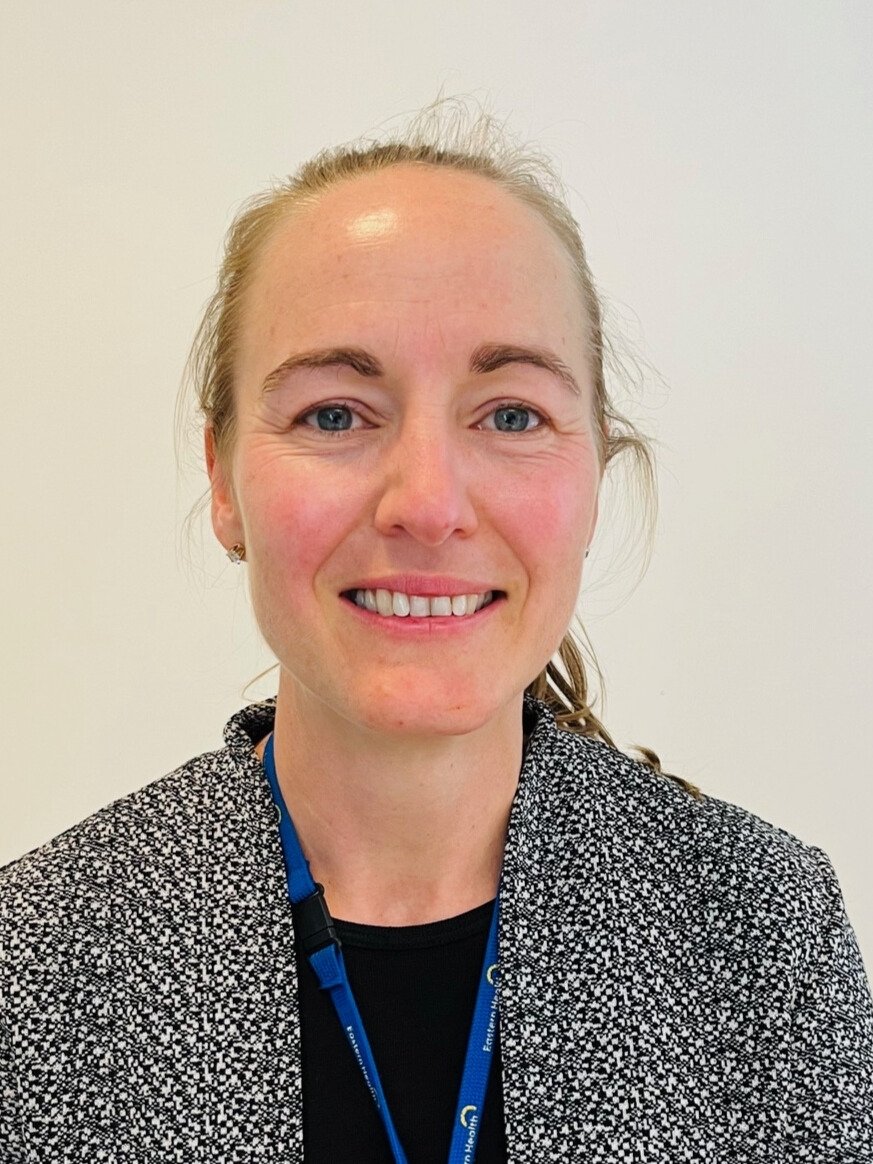
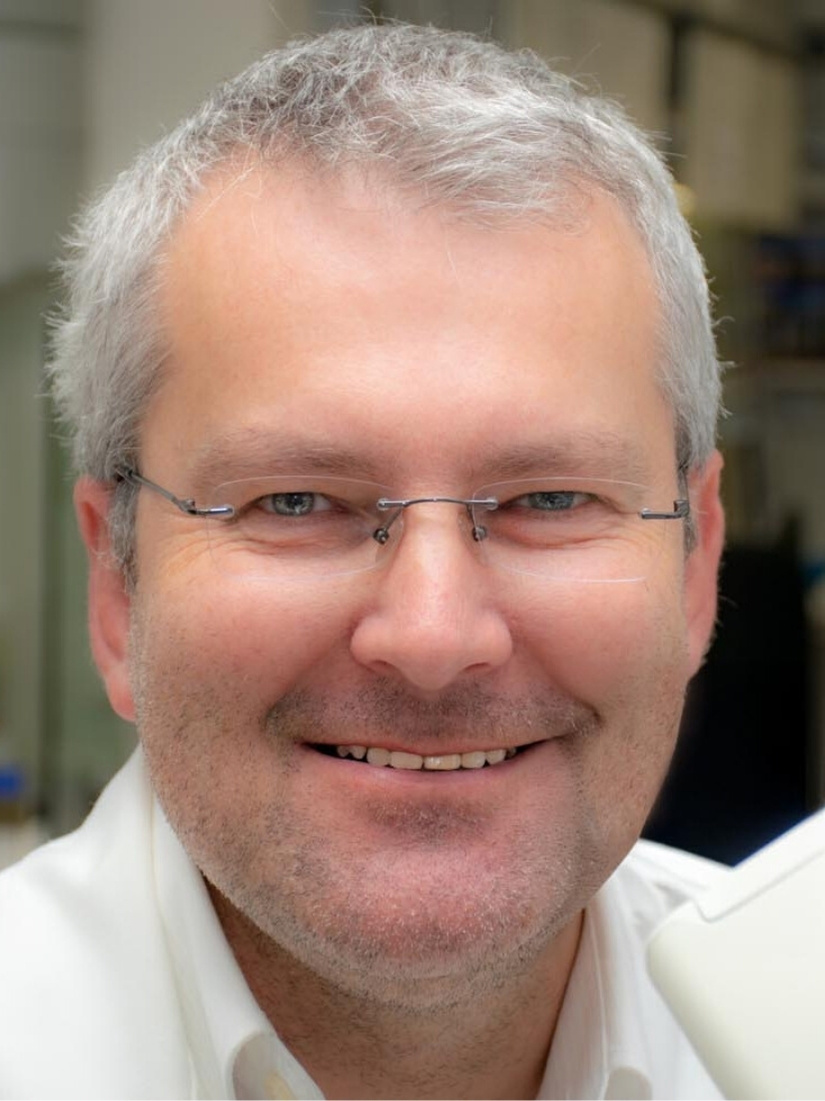
Left to right from top row: Hady Wardan, Yen Pham, Emma McRae, Emily Bevans, Lucy Jackson, Krista Crawford, Ellie McSheedy, Gabrielle Garner and Dr Pavel Sluka
Health, safety, and well-being are top priorities for all in the Eastern Health Clinical School (EHCS). The EHCS HSW committee exemplifies the highest standards of commitment to the principles of HSW and consistently scores amongst the highest in the university for these metrics. This was recently demonstrated by a report from the external ISO 45001 recertification audit, which emphasised the committee’s exceptional quality and identified EHCS processes from which others could learn.
CHEMISTRY SAFETY DAY TEAM
Faculty of Science, Office of the Chief Operating Officer and Senior Vice-President


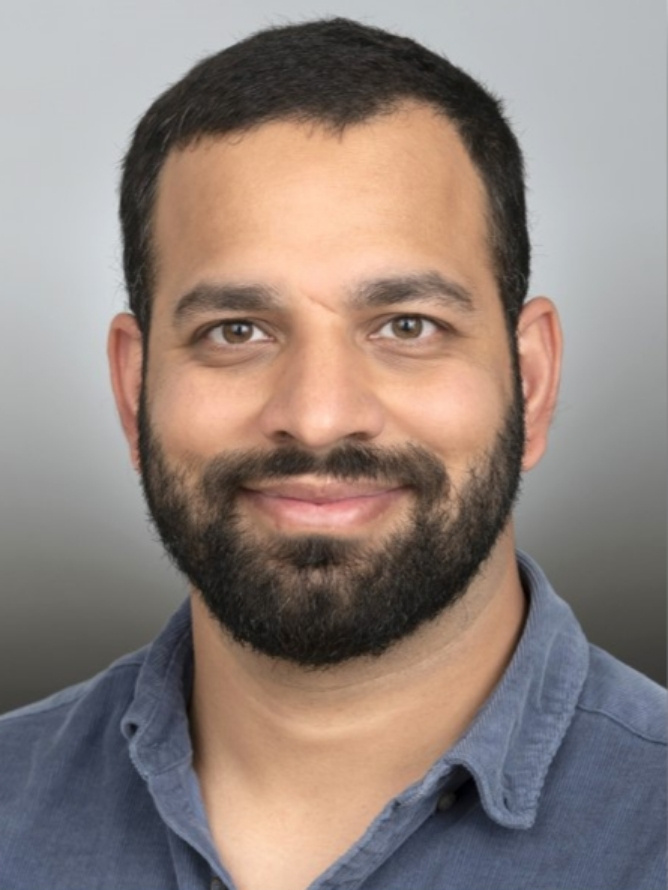



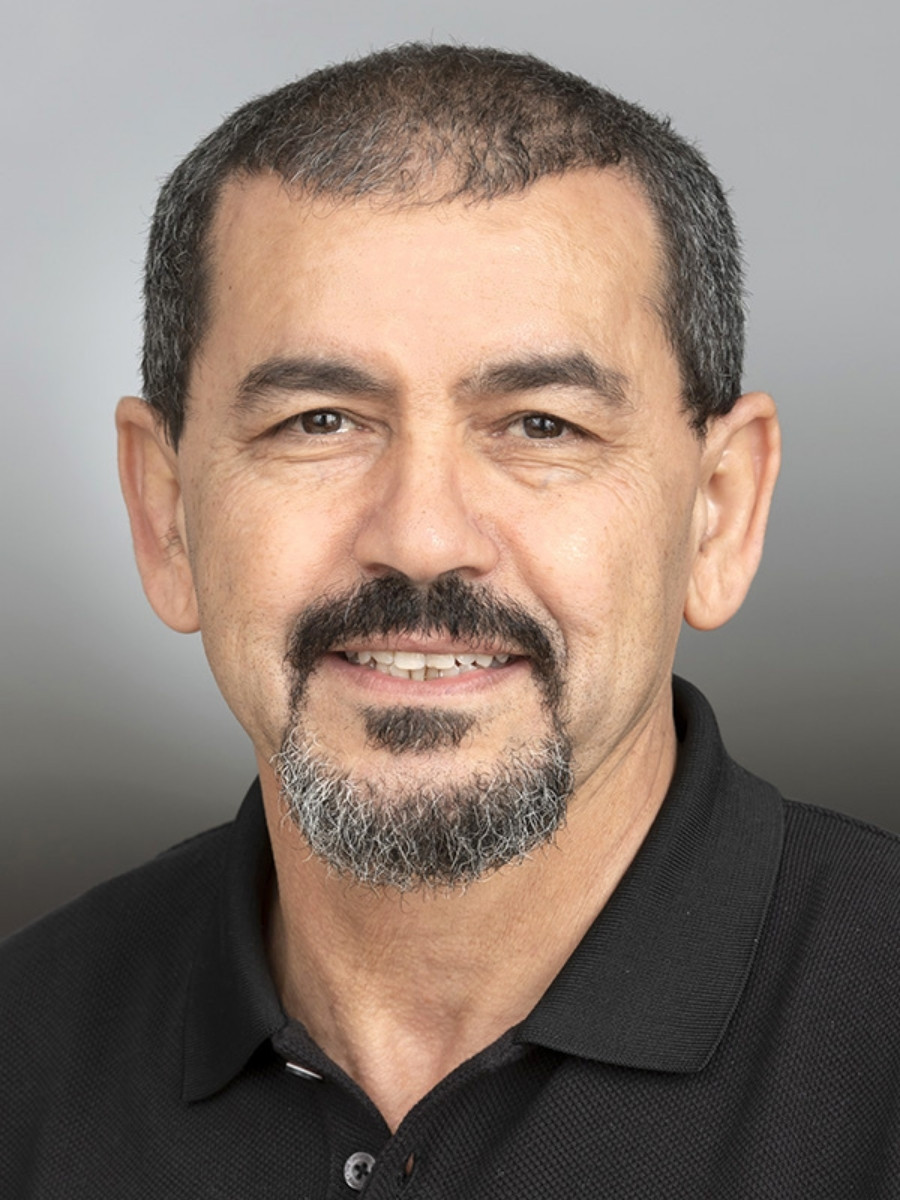
Left to right from top row: Dr Craig Forsyth, Dr Clint Woodward, Maria Triantis, Manny Nagpal, Liza Verdan, Dr Vicki Blair, Tracy McGregor, Kai Robinson, Dr Boujemaa Moubaraki and Dr Alasdair McKay (Debra Bartolo not pictured)
The Safety Day Team has raised the bar for professional excellence by organising a transformative event that greatly improved safety and sustainability in the school. Through careful planning and creative waste management, they removed hazardous materials, repurposed unused resources, and created a safer workspace. Engaging over 120 participants, the team fostered a strong sense of community and purpose, embodying the core Monash values of collaboration and integrity. Their dedication to excellence has not only enhanced the safety of our workspaces but also established a lasting tradition that underscores our ongoing commitment to safety.
STUDENT SERVICES ACTIVITY SUPPORT (WINNER - HELEN POWELL MEMORIAL AWARD)
Office of the Chief Operating Officer and Senior Vice-President, Office of the Vice-Chancellor and President, Vice-President Services










Left to right from top row: Aimee Grant, Kayla Sgambellone, James Constantas, Bec Basile, Cathy Lee, Christina Hui, Darcy Nicolson, David Luu, Pallavi Dasgupta, Judith Little, Janita Hackett, Rose Dauphin, Tracy Cascone, Manisha Sheri and Kristian Goree
The team has demonstrated remarkable collaboration that strengthens the Student Services workforce and enriches workplace culture. The team aims to foster a healthy lifestyle through fitness challenges and mindfulness sessions, promote work-life balance, and build stronger connections through team-building activities and social events. With the teams engaged in intense student services delivery cycles, including scheduling class timetables and managing student assessments, these events provide respite and awareness of health, wellbeing, inclusion and sustainability matters.
-
The Vice-Chancellor’s Excellence Awards for Professional Staff recognise staff whose contributions to the University demonstrate going above and beyond the requirements of their roles to realise significant and sustained achievement.

JEROME CARSLAKE
Monash University Accident Research CentreUnder Jerome's leadership, the NRSPP has greatly advanced road safety and occupational health, becoming a key coordinator for national work-related road safety efforts. His initiatives have promoted safe driving, mental health awareness, and ergonomic improvements. Jerome's leadership has earned the NRSPP recognition in the National Road Safety Strategic Plan and prestigious awards, including a Commonwealth-funded grant and the Prince Michael Award for Promoting Occupational Health Initiatives. His dedication has significantly impacted the Monash community, fostering a safety culture and enhancing the overall quality of life for staff, students and the broader community.

BALAJI NATARAJAN
Faculty of Medicine, Nursing and Health SciencesBala Natarajan is Head of Technology in the Monash FODMAP Team. Over nine and a half years, Bala has made an outstanding contribution, leveraging technology to enable and accelerate the research translation efforts of the Monash FODMAP Team. These efforts have resulted in a suite of technical infrastructure and innovative resources (such as the Monash FODMAP Diet App) that are revenue generating and globally recognised. This fusion of science and technology has seen the science of FODMAPs reach a global audience, and sets a benchmark in the field of translational research, exemplifying the potential for technology to drive research impact.

ISABEL MELLES TABERNER (WINNER)
Portfolio of the Deputy Vice-Chancellor (Student Experience) and Senior Vice-PresidentIsabelle Melles Taberner is a dedicated and influential leader who delivers high impact student experiences. In addition to managing the ongoing challenges involved in safely delivering extracurricular activities, Isabel has developed new programs, improved processes and practices and positively impacted the cultures of our sporting club communities. She has actively engaged with a broad range of internal and external stakeholders, to deliver quality outcomes in the environment in which our sporting clubs operate, and works tirelessly to ensure Monash students have safe and rewarding extracurricular experiences. Student life at Monash University is significantly enhanced by Isabel's efforts.

WILLIAM LOWER
Residential Services, Campus Community DivisionThe Explore Victoria program, which Will Lower created for Monash residents, significantly increased in-person engagement by offering subsidised day trips that enhance accessibility, foster social connections, and promote cultural and environmental awareness. This is particularly important for international students who may lack the local knowledge or confidence to explore independently. Since its 2023 launch, the program has engaged over 1200 residents, enhancing social integration and providing invaluable mental health benefits. Through the commitment to inclusivity, safety and continuous improvement. Explore Victoria has and will continue to exemplify excellence in student community support.

DR ALEX FULCHER
Faculty of Medicine, Nursing and Health SciencesDr Alex Fulcher is dedicated to teaching students and supporting researchers to discover the best optical microscopy techniques to answer their biological questions. By supporting the work-integrated learning (WIL) interns from the Master of Biotechnology program and interns from the Master of Biomedical and Health Science program, the candidate went above and beyond in their role by providing a medium to enhance research support from the MMI Platform, while also providing invaluable work experience and guidance to students in the aforementioned Masters programs to establish their working careers or to pursue further studies.

CAITLIN REID
Faculty of Information TechnologyCaitlin Reid’s proactive and innovative approach to student recruitment, strategic partnerships, and her unwavering commitment to the university’s values have significantly benefited the Faculty of Information Technology and the Monash community more broadly. Her efforts have not only increased enrolments and revenue but also fostered a more inclusive and engaged culture within the faculty. Caitlin’s commitment to transparency, fairness, and regular communication with all stakeholders further exemplifies her professional excellence and advances the objectives of Monash University’s Impact 2030 strategic plan.
CROSS-FACULTY BD LEADERSHIP
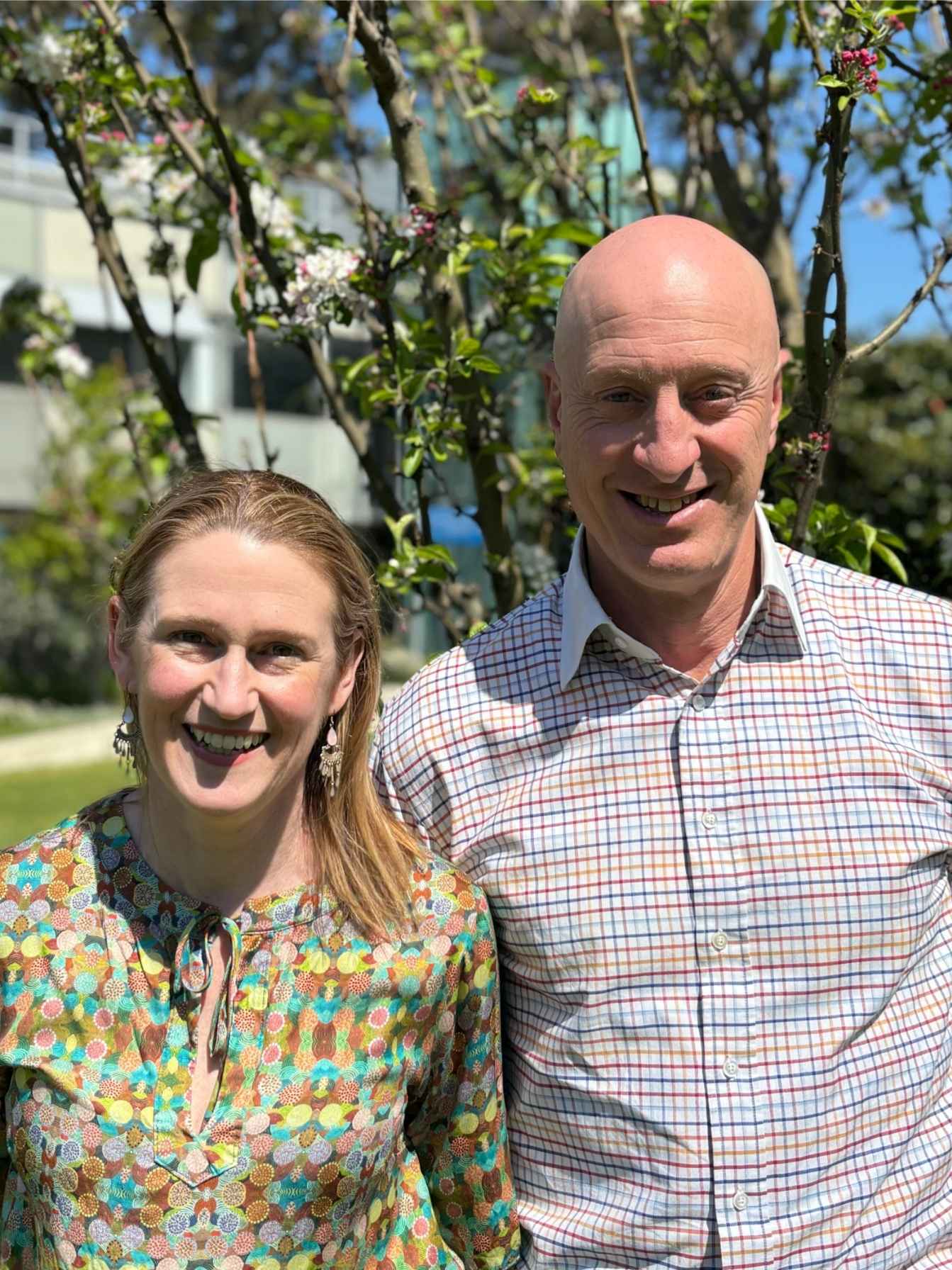
Faculty of Science, Faculty of EngineeringLeft to right: Fiona Broussard and Marc Pizzi
Fiona Broussard and Marc Pizzi have demonstrated leadership and professional excellence through service to the University’s Business Development community. Their collegiality and enthusiasm for knowledge sharing has seen them drive a stream of betterment programs for research business practices in contract negotiations, IP and risk mitigation to the benefit of the wider Monash community. Fiona and Marc have tirelessly fostered workplace collaborations across multiple Portfolio boundaries, geographic domains, and job functions to break down barriers to trust and encourage innovative practice, thus building an engaged culture amongst co-workers and bringing positive impact through a sense of belonging to something bigger.
LEADING THE PREPARATION OF MONASH MALAYSIA’S OCCUPATIONAL HEALTH AND SAFETY MANAGEMENT SYSTEM (OHSMS) FOR CERTIFICATION TO ISO 450001 (2) (WINNER)
Office of the Chief Operating Officer and Senior Vice-President, Office of the President and Pro Vice-Chancellor (Monash Malaysia)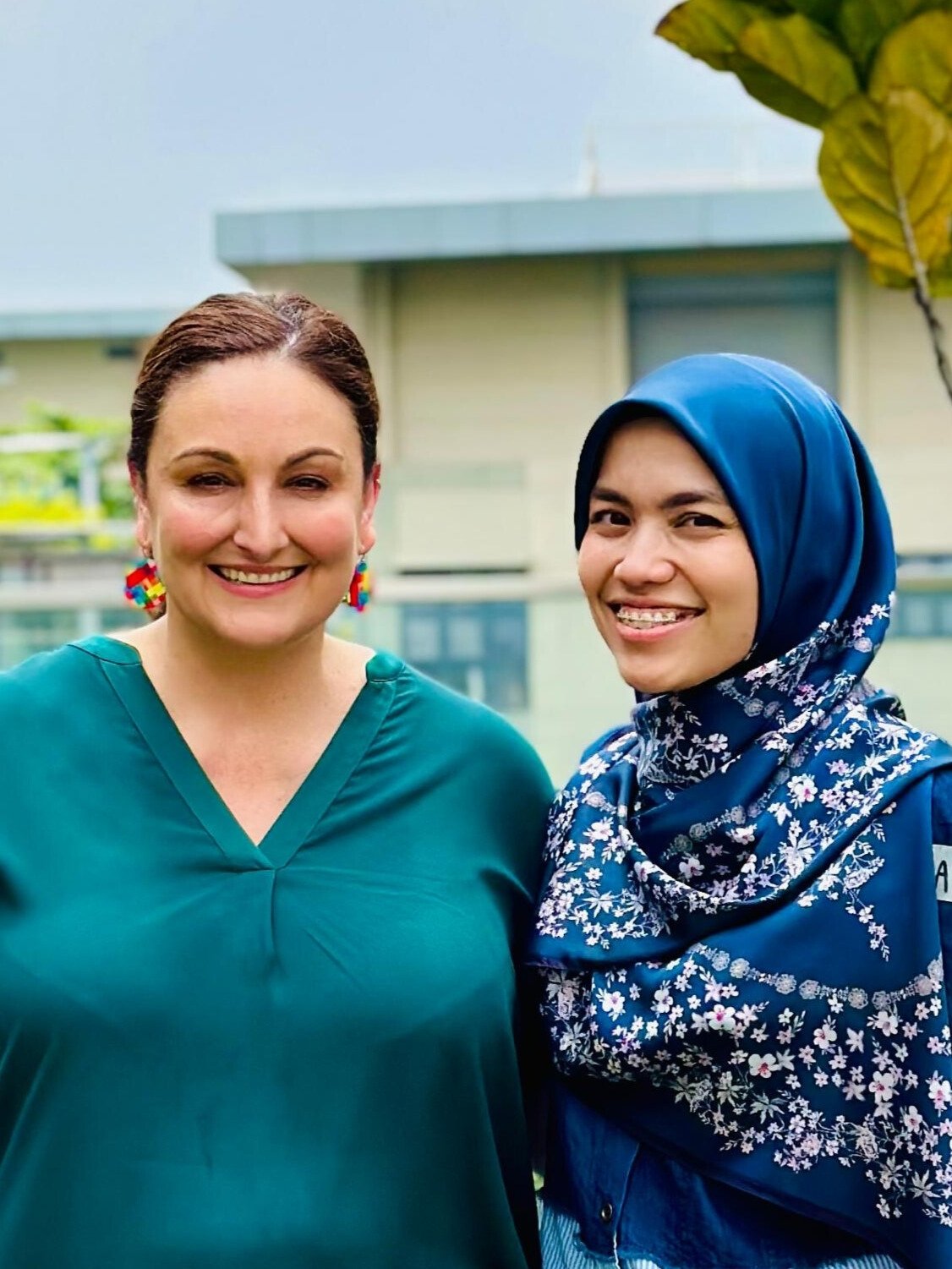
Left to right: Sally Hibbert and Nur Aizaat Sabrani
Sally Hibbert and Aizaat Nur have demonstrated exceptional professional excellence by leading Monash Malaysia’s Occupational Health and Safety Management System (OHSMS) to ISO 450001 certification, matching Monash Australia. This initiative ensures consistent OHS standards, systems, and experiences for employees, students, and visitors across the global Monash group. Their efforts have significantly improved health, safety, and wellbeing at Monash Malaysia, fostering a positive workplace culture and supporting Monash University’s global objectives.
COP28 TASKFORCE AND DELIVERY TEAM
Faculty of Art, Design and Architecture, Faculty of Arts, Faculty of Business and Economics, Monash Energy Institute, Faculty of Engineering, Faculty of Medicine, Nursing and Health Sciences, Faculty of Science, Indian Institute of Technology (IITB) - Monash Research Academy, Office of the Chief Operating Officer and Senior Vice-President, Office of the Deputy Vice Chancellor (Student Experience) and Senior Vice President, Office of the Deputy Vice Chancellor (Research) and Senior Vice President, Monash Sustainable Development Institute, Office of the Deputy Vice-Chancellor (International) and Senior Vice-President, Office of the Provost and Senior Vice-President


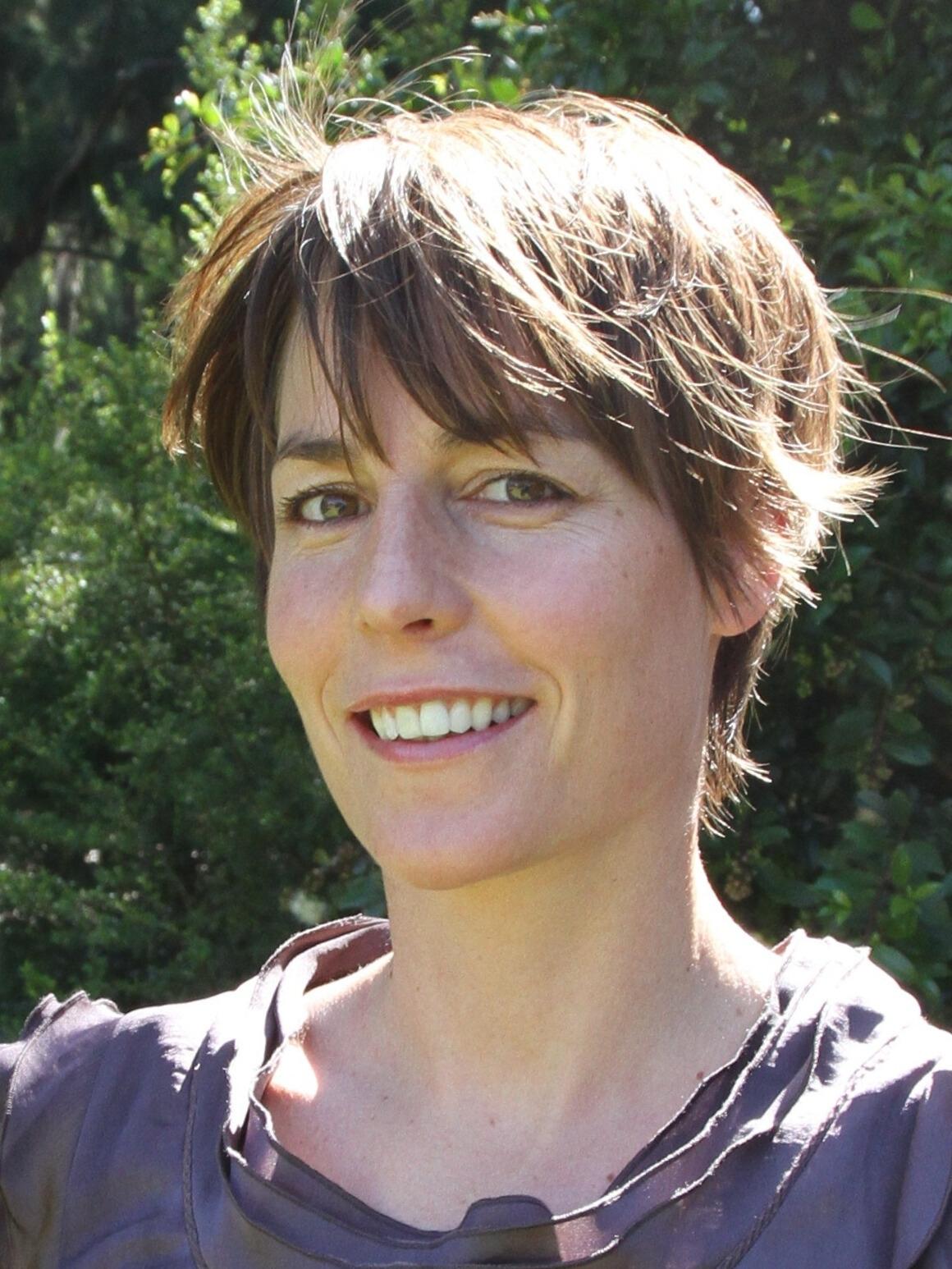


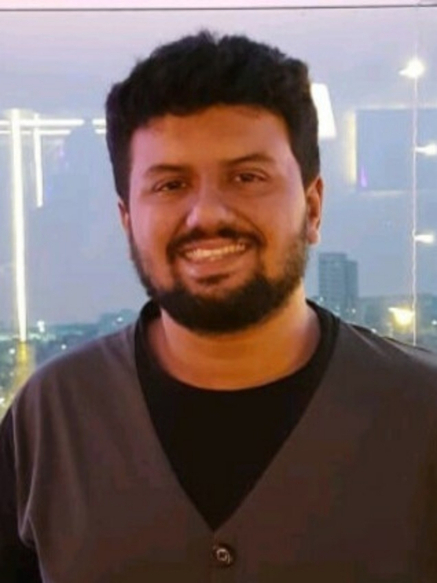

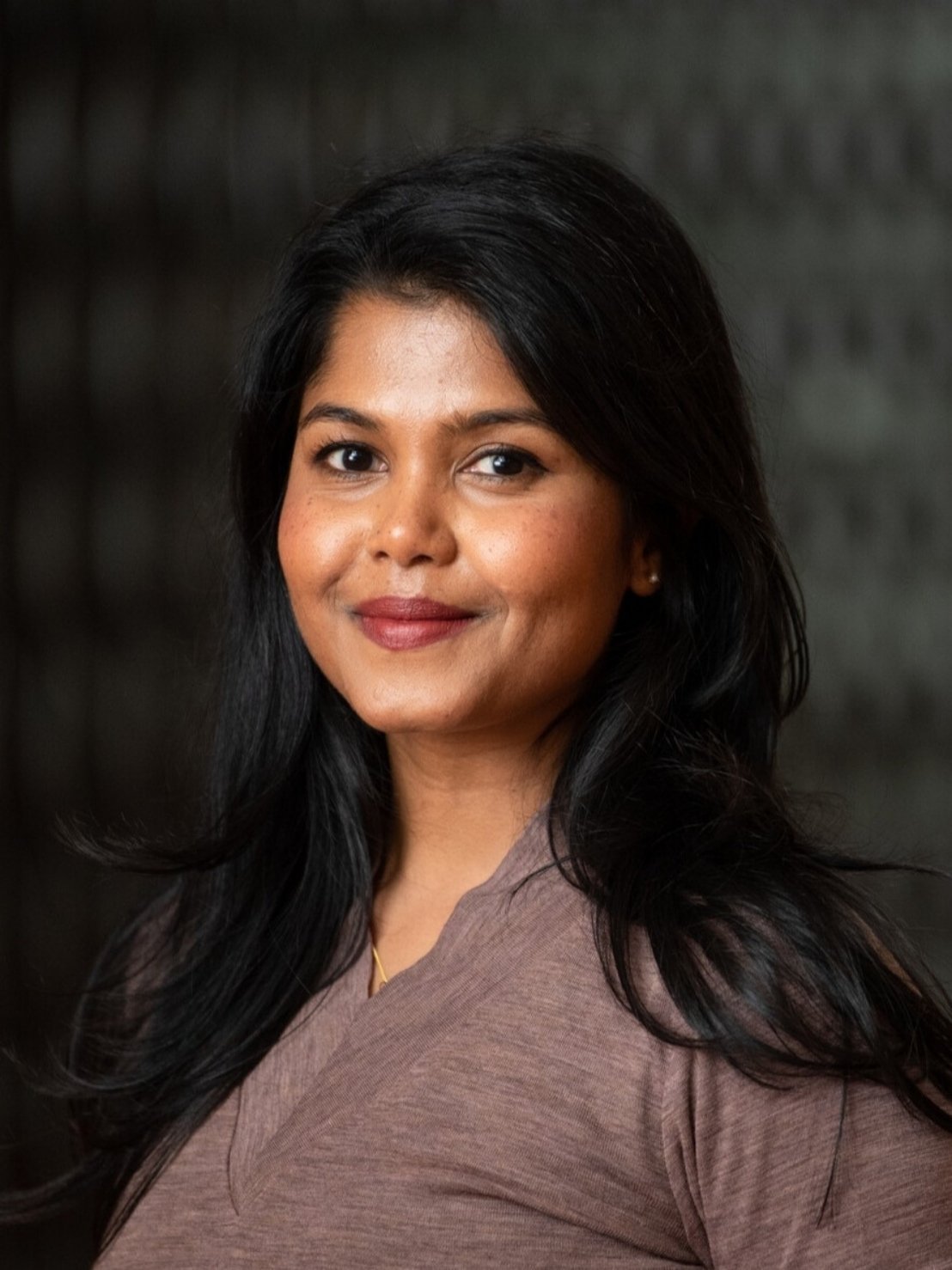





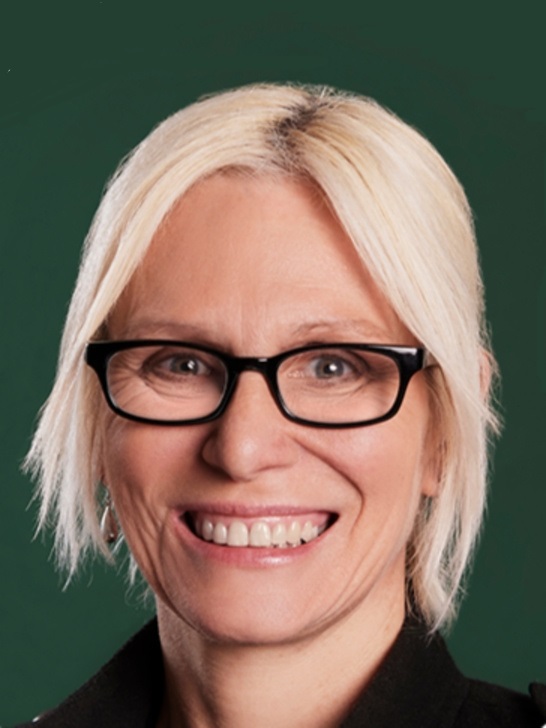

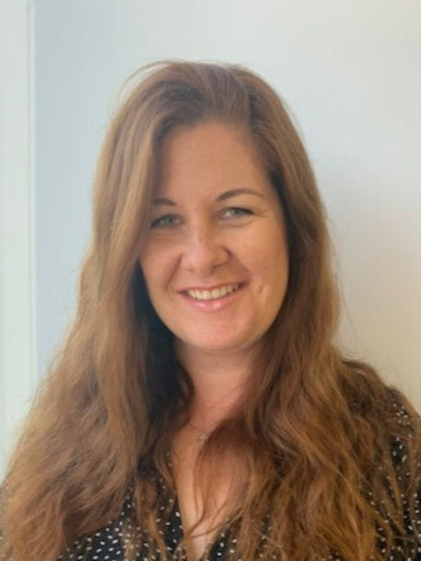





Left to right from top row: Associate Professor Peter Graham, Dr Azliyana Azhari, Dr Ben Thompson, Associate Professor Emma Baulch, Dr Lucy Richardson, Associate Professor Anke Leroux, Associate Professor Roger Dargaville, Shreejan Pandey, Dr Yuan Cheng, Dr Gabriela Fernando, Associate Professor Zerina Tomkins, Associate Professor Ailie Gallant, Sudarshan Rangarajan, Delysha DeMenezes, Mandi Daluwatte, Associate Professor Susie Ho, Associate Professor Matthew French, Associate Professor Angie Bone, Kris Kathiravel, Lucy Donaldson, Associate Professor Sali Bache, Sandy Swanson, Sunny Harris, Professor Cecilia Hewlett, Michael Simmonds, Leah Tassios, Federico Marcon, Jamil Tye, Natalie Emmerson, Vicki Goodwin, Nell Nicholson and Katherine Bancroft
Monash University played a pivotal role at COP28, the most significant global climate change event since Monash launched Impact 2030. A 30-person team led Monash’s presence, establishing the first Indo-Pacific university pavilion in the prestigious Blue Zone. The Pavilion attracted over 9700 visitors from 165 countries, with 68 events hosting 238 world-leading speakers and featuring ten youth-led sessions. The team forged new partnerships across industries, developed student and staff leadership in climate diplomacy, and enhanced Monash’s global reputation for excellence in climate research and education. This success positions Monash as a key non-state actor in the fight against climate change.
UFIT IMPLEMENTATION TEAM
Office of the Chief Operating Officer and Senior Vice-President, Office of the Deputy Vice-Chancellor (Enterprise and Engagement) and Senior Vice-President, Office of the Deputy Vice-Chancellor (International) and Senior Vice-President, Office of the Deputy Vice-Chancellor (Research) and Senior Vice-President


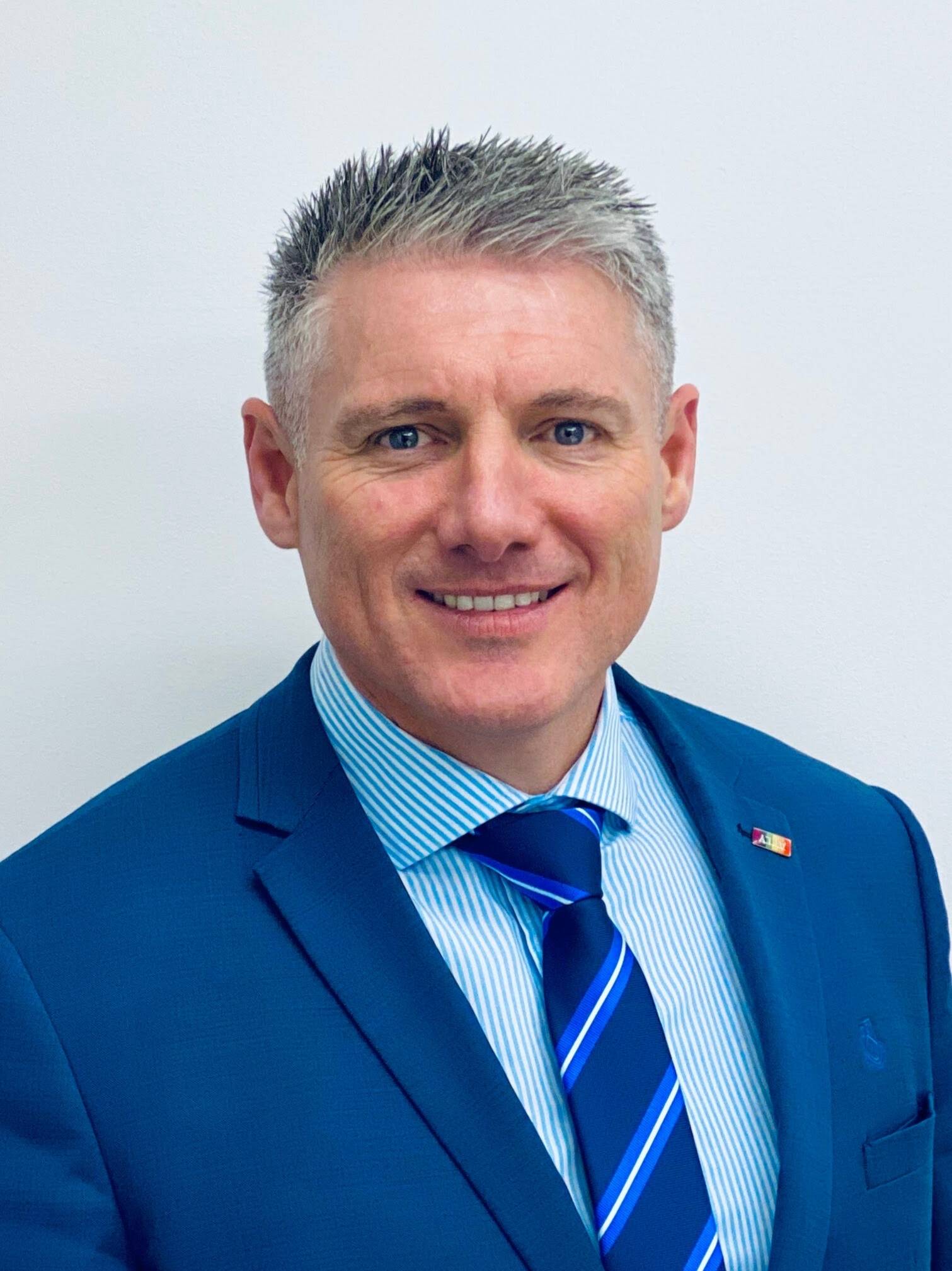




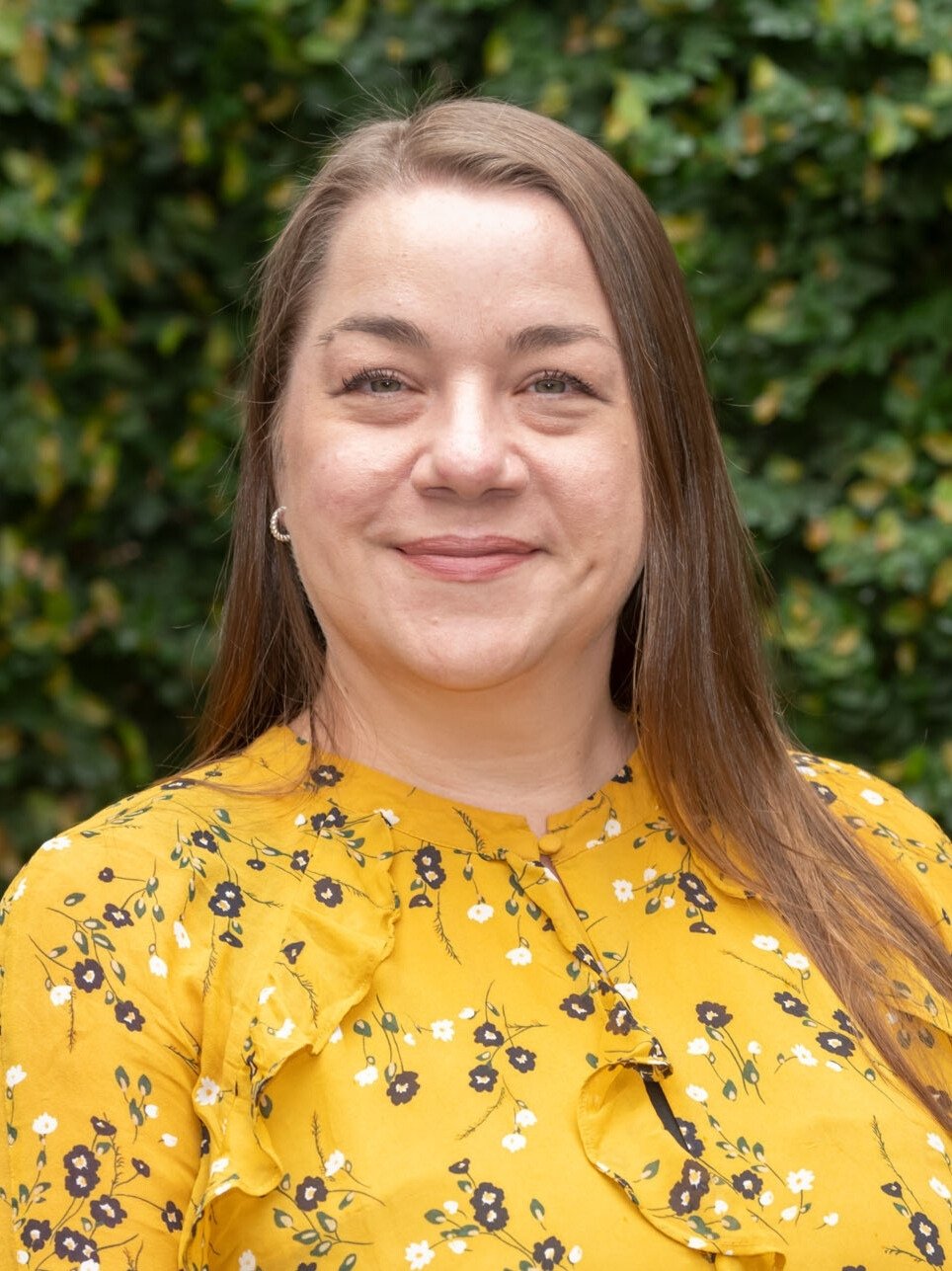


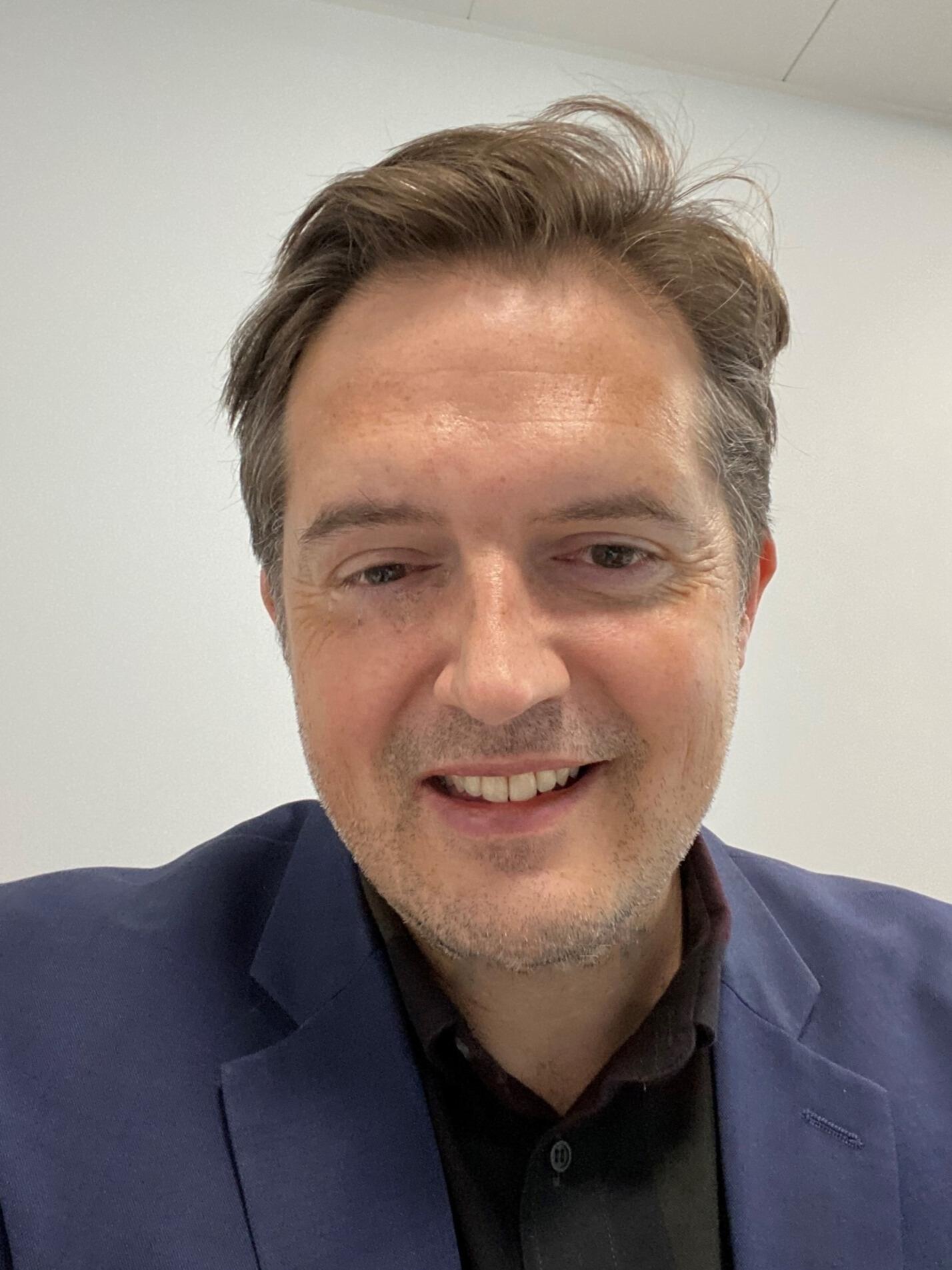
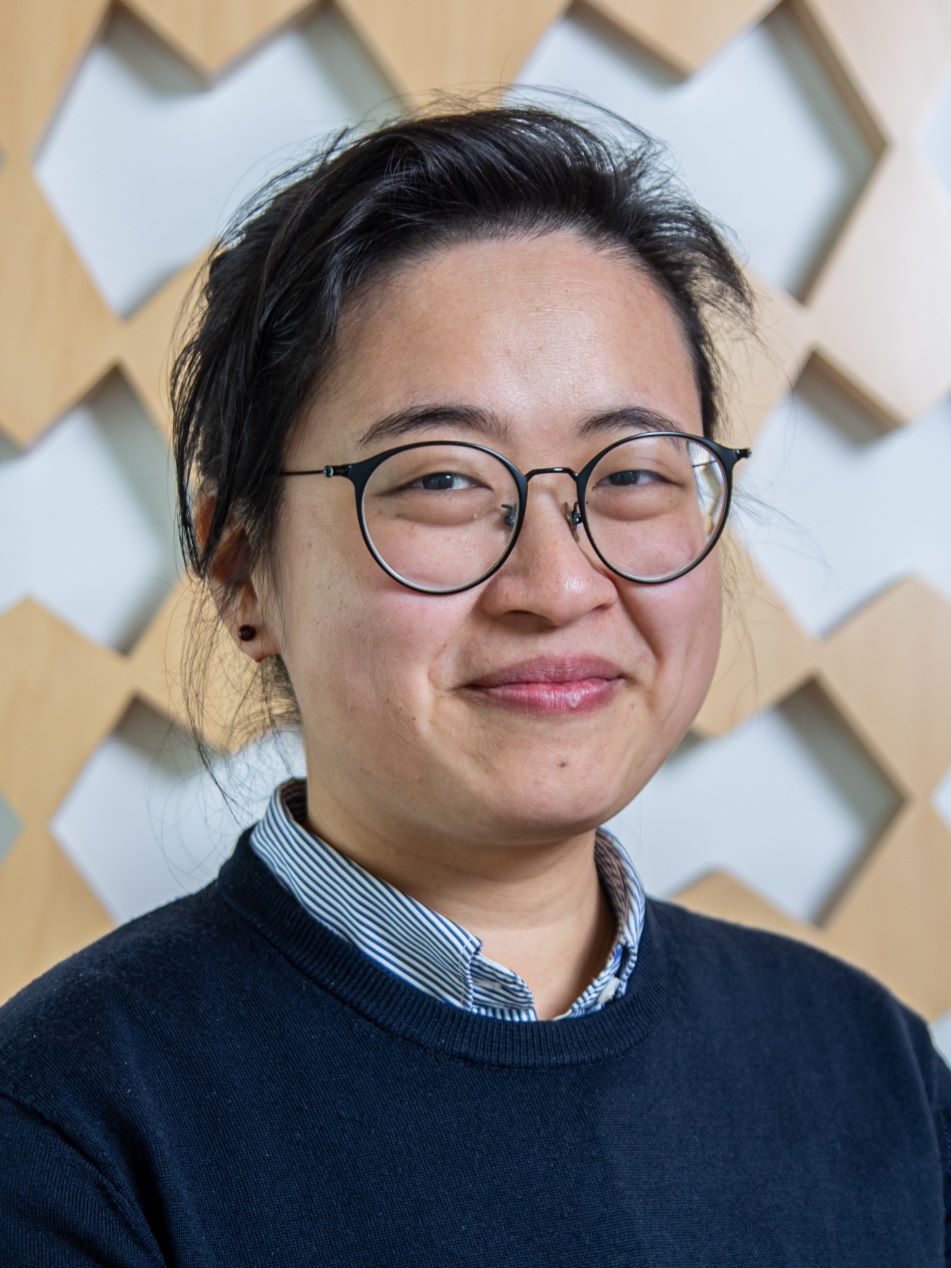







Left to right from top row: Stacey Watson, Angela Nunn, Simon Kupec, Chris Henderson, Jonathon Rhall, Dan Maslin, Belinda Hayes, Sophie Vidinovski, Kylie Thomas, Leisa McGuinness, Darren Liauw, Michael Simmonds, Hui Lin Ng, Bianca Chan, Annette Pitcher, Michelle Mei, Karen Gilbert, Ping Yang, Dr Simon Barrett, Helen Partridge, Donald Speagle, Dr Samantha Young and Nikki McGregor (David Arrowsmith and Kirk Shepherd not pictured)
The team that developed and coordinated the implementation of Monash University’s response and alignment to the Guidelines were faced with the challenge of addressing a new and evolving risk that had implications for many aspects of institutional operations, structure, governance, procedure, process and culture. The team’s response has been multi-layered and involved a sustained effort across portfolios, organisational units and faculties in ongoing consideration of evolving domestic and geopolitical factors. The team’s efforts have successfully managed risk to the University, protected the University’s reputation, operations, staff and students, and ensured Monash’s compliance with the Guidelines and related legislation and measures.
EDUCATION DESIGN & DEVELOPMENT TEAM
Office of the Deputy Vice-Chancellor (Education) and Senior Vice-President
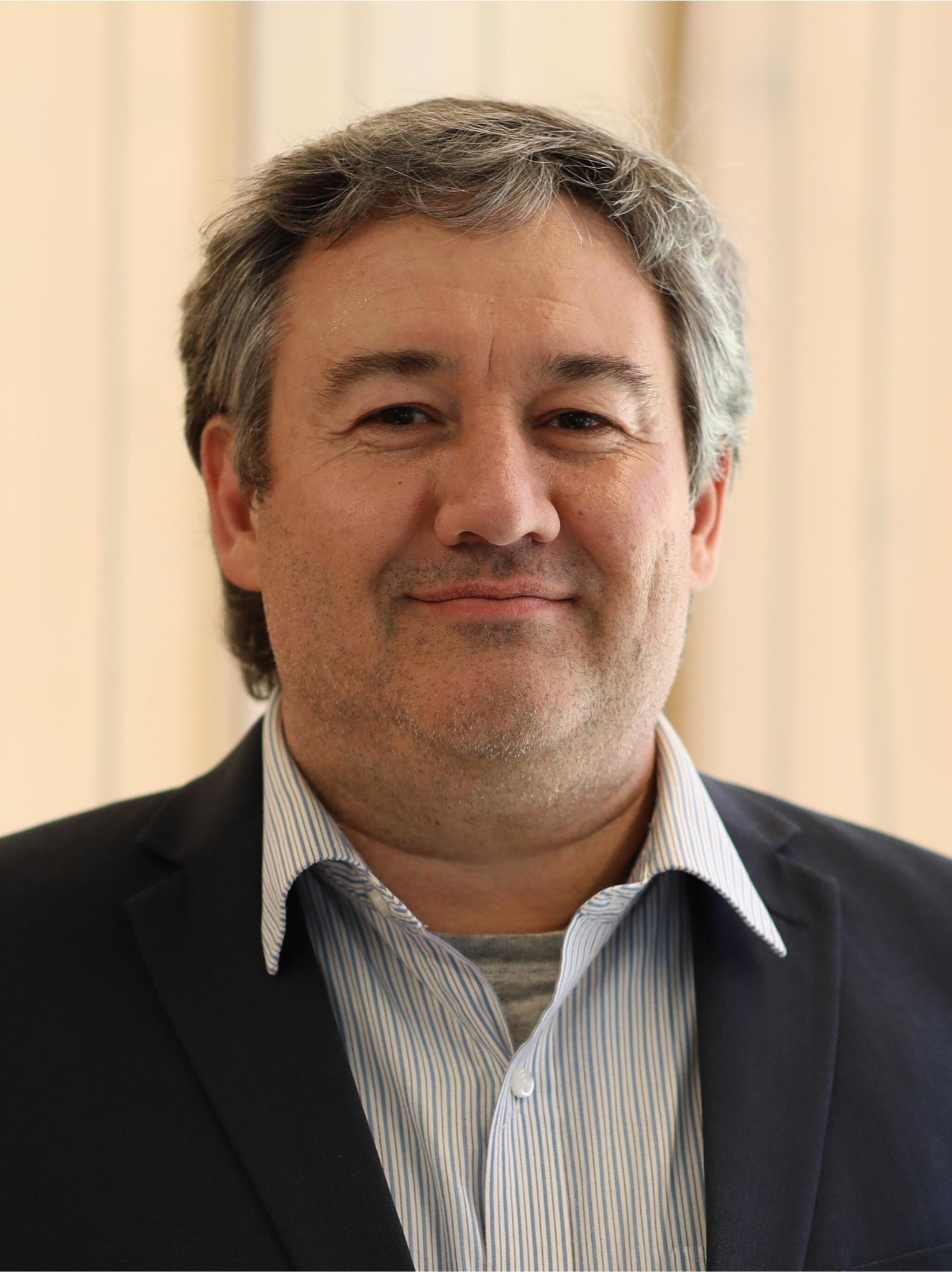
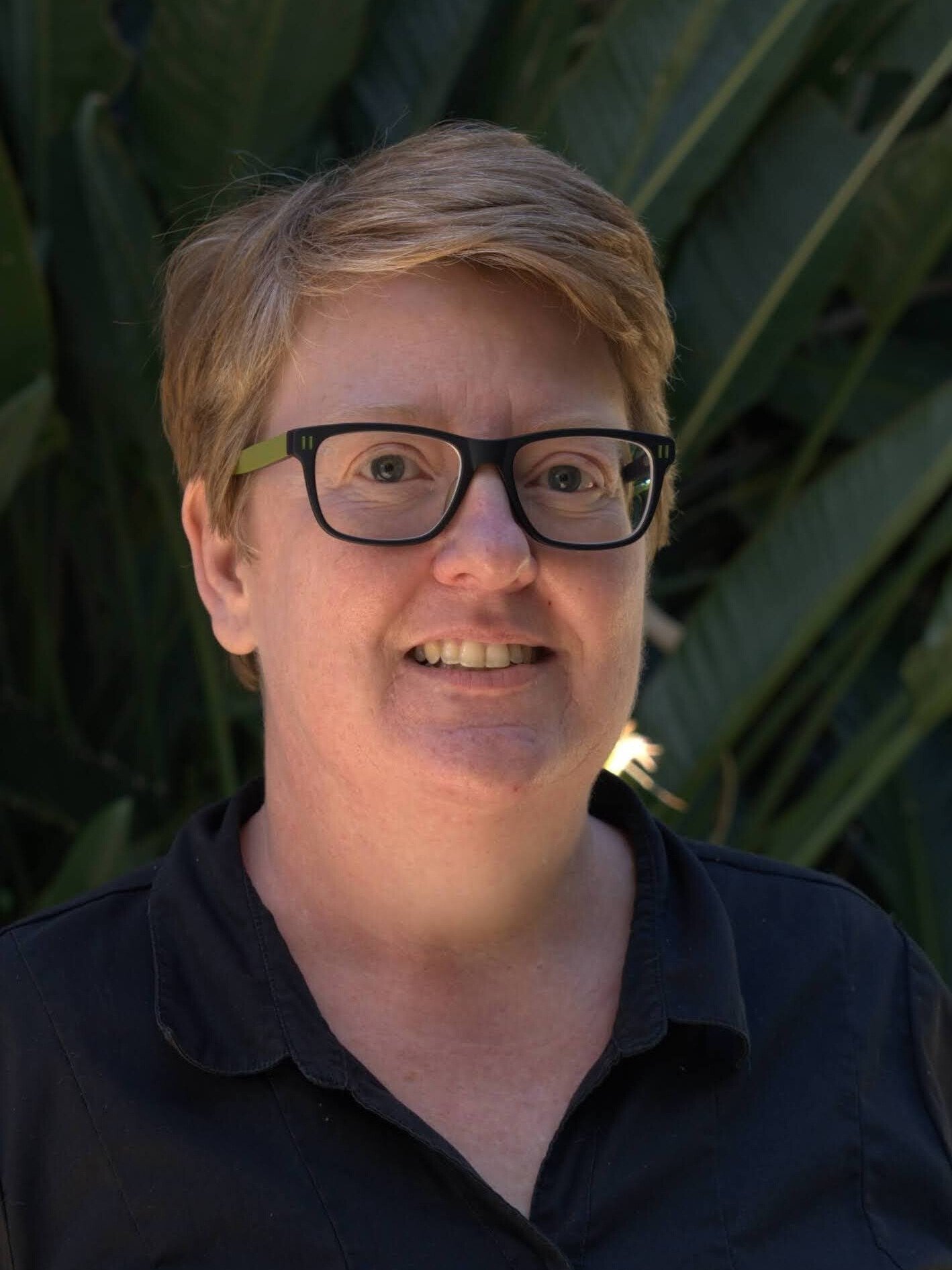

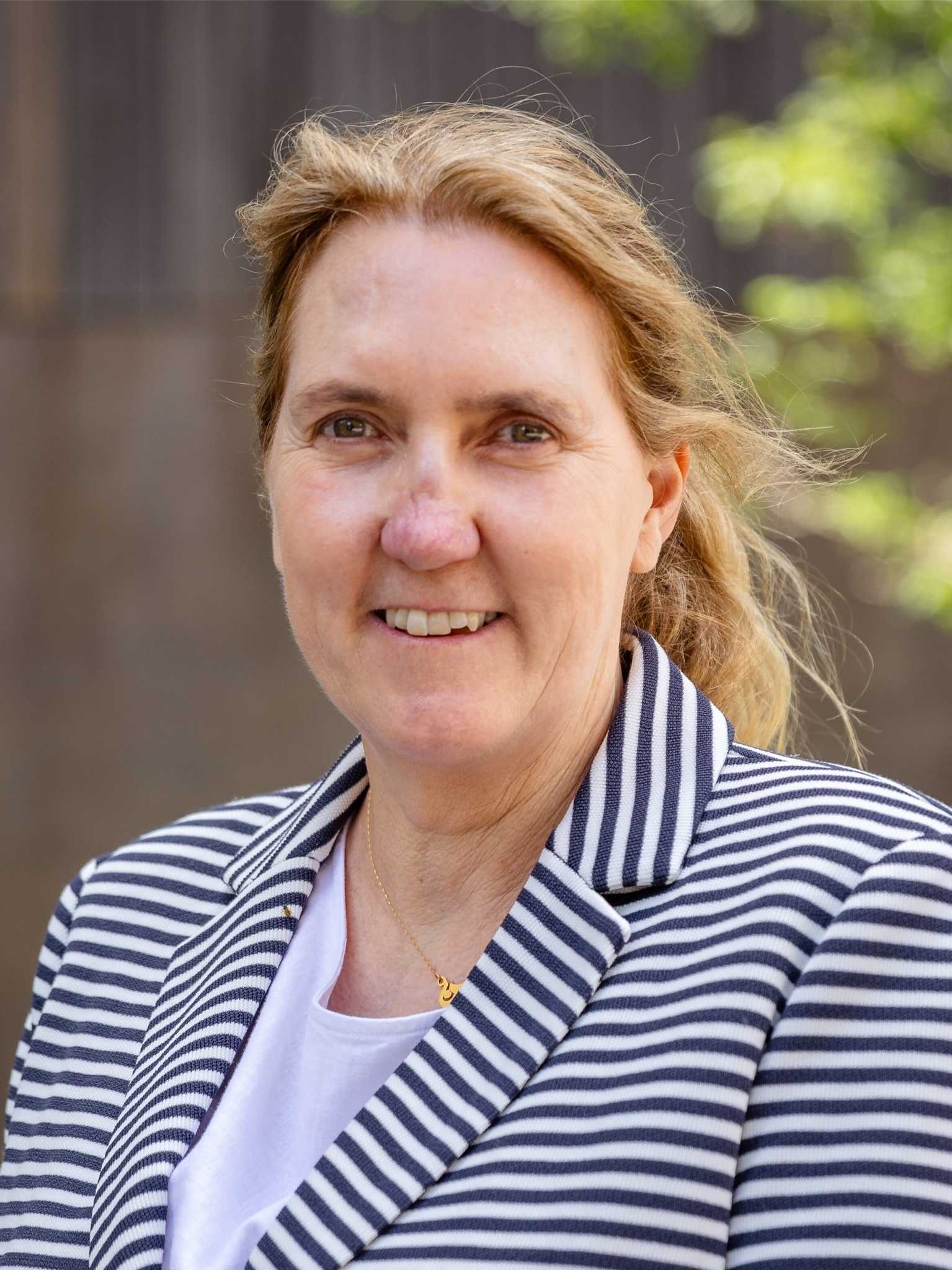
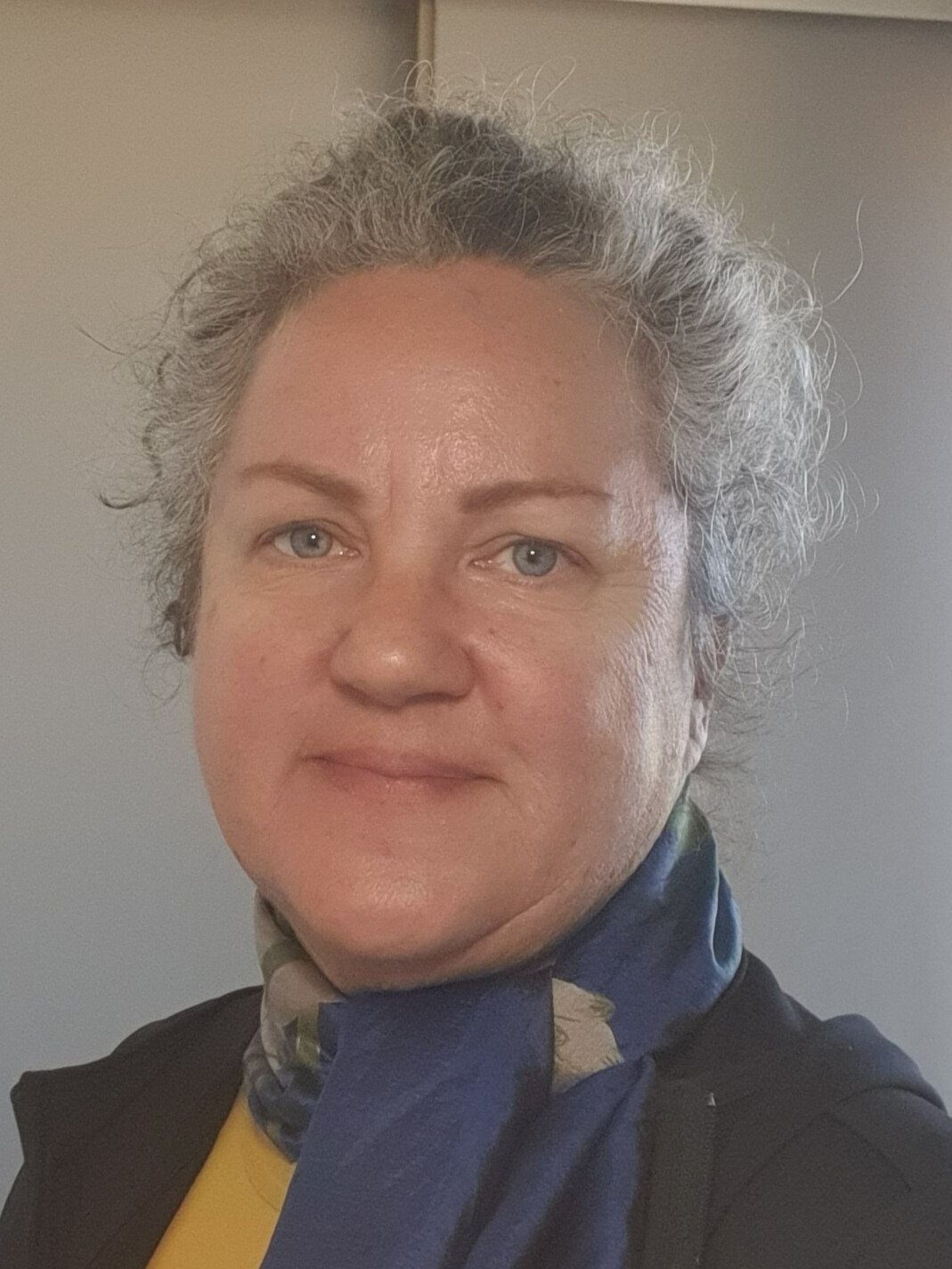




Left to right from top row: Jacqueline Trebilco, Rowan Peter, Derrick Martin, Karin Medew, Bronwyn Gowty, Karen Campbell, Wendy Taleo, Dr Eliani Boton, Darren Hulcombe, Andrew Alford, Mairead Ross, Katrina Mathers, Hunter Hammond and Alyssa Bitanga
The Education Design and Development (EDD) team, a diverse group of educational and multimedia designers, has made significant strides in enhancing educational programs. Through Project Elevate, they’ve directly uplifted 171 units and influenced hundreds more, enriching learning experiences across campuses. Their innovative digital solutions, like the Monash Moodle Unit exemplar and Bento Boxes, have streamlined online learning and resource design, benefiting both educators and students. Through the Monash Educator Advancement Program, EDD delivered personalised, professional development at scale. EDD’s work exemplifies best practice in educational design, showcasing their commitment to continuous improvement and impactful teaching support.
GLOBAL CAMPUS TEAM
Office of the Deputy Vice-Chancellor (International) and Senior Vice-President, Office of the President and Pro Vice-Chancellor (Monash Malaysia)









Left to right from top row: Margery Neoh, Dr Rikki Corry, Deborah Lam, Ewan Smith, Cathy Crupi, Heather MacLeod, Francesca Vivarelli, Maurizio Belli, Mariagiulia Da Riva, Paramita Singh, Loredana D'Elia, Sze Ling Hoo and Syahirah Azmi
Bringing together staff from Australia, Malaysia and Prato, the Global Campus team amplifies the impact of our cross-campus network and highlights the crucial role of internal collaboration in driving innovation and positive change for students. Their efforts have accelerated the return of student mobility to our campuses post-COVID for close to 3000 students and paved the way for a new global programming model, characterised by enhanced operational effectiveness and integrated support. By partnering across our sites, the team has demonstrated excellence in the design and delivery of large-scale global immersion opportunities aligned with the global ambitions of Impact 2030.
Education Awards
-
The Vice-Chancellor’s Citations for Outstanding Contributions to Student Learning shine a light on individuals and teams who are innovative and uplift education excellence at Monash.
EARLY CAREER

DR ANGELINA LIM (WINNER)
Faculty of Pharmacy and Pharmaceutical SciencesWith the scope of pharmacists changing (new prescribing rights and services), Dr Angelina Lim has focused on arming graduates to take on a bigger role than just dispensing medicines, and actively seeks to optimise medication use and educate the public. Through simulation techniques, new assessment designs, mystery shopping and co-designing curriculum with students, Angelina has shown to change the attitude of students to take on more than the usual pharmacist’s role. Angelina’s impact has led to peer reviewed publications with students (recognised by the broader community/key stakeholders), awards (Faculty and Lecturer of the year) and high SETU and unit scores.
GENERAL

DR LILANI ARULKADACHAM (WINNER)
Faculty of Medicine, Nursing and Health SciencesIn 2020, Dr Lilani Arulkadacham embarked on a research project supported by a small grant from the Monash Education Academy (MEA). Through three meticulously planned project phases spanning almost three years, she endeavoured to understand and address the unique challenges faced by online psychology students. The systematic literature review she conducted in the first phase of her research revealed invaluable insights into the predictors of online student success, laying the groundwork for her subsequent research phases. Lilani’s research project has not only resulted in impactful research but has also catalysed innovative educational initiatives that have left a lasting impact on online student experiences within the School of Psychological Sciences and beyond.
EDUCATION IN REPRODUCTIVE SCIENCE (WINNER)
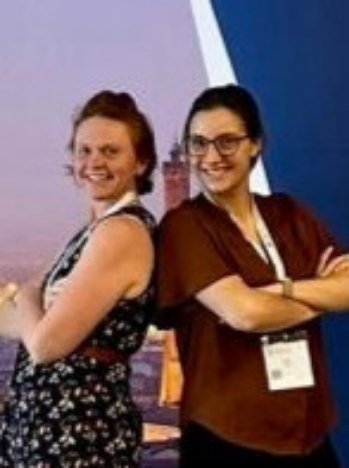
Faculty of Medicine, Nursing and Health SciencesLeft to right: Associate Professor Kiri Beilby and Dr Nicola Rivers
Between 2020 and 2022, Dr Nicola Rivers and Associate Professor Kiri Beilby observed a severe reduction in student motivation and engagement as measured through student evaluations (SETU) and attendance in a cohort of postgraduate science students. To address the problem, they undertook an in-depth evaluation of the student experience using the lens of Self-Determination Theory (SDT) to better understand what motivated students during their studies. Their evaluation resulted in a list of recommendations that were implemented in 2023 and have since significantly improved student engagement.

DR JOAQUIN SANCHIS MARTINEZ (WINNER)
Faculty of Pharmacy and Pharmaceutical SciencesDr Joaquin (Ximo) Sanchis has designed and established an innovative stepwise method to systematically enhance engagement and motivation for online/face-to-face hybrid learning in students of a final year organic-chemistry unit. The approach utilises individual micro F2F interventions early in the semester to create an initial rapport, which is transferred to the online space through inquiry-oriented learning activities. As in a "chain reaction", the connection grows in further phases without the lecturer's intervention and improves the lecturer-student and student-student interactions in the virtual plane. The student satisfaction with the learning process led to this unit being purple for four consecutive years.

DR JESSICA MANT
Faculty of LawDr Mant’s teaching philosophy is strongly geared towards training future lawyers who are aware of barriers to justice and well-equipped to support Australian citizens with ‘everyday’ legal problems. During the last three years, she has implemented this philosophy by incorporating scaffolded innovations into her teaching in both compulsory and elective law units. In different ways, these innovations help students develop the important skill of breaking down legal information to be more accessible for the average citizen. This teaching approach consistently motivates students to learn and has inspired students to pursue future careers in which they now contribute to access to justice.
GUKWONDERUK INDIGENOUS ENGAGEMENT (WINNER)
Faculty of Medicine, Nursing and Health Sciences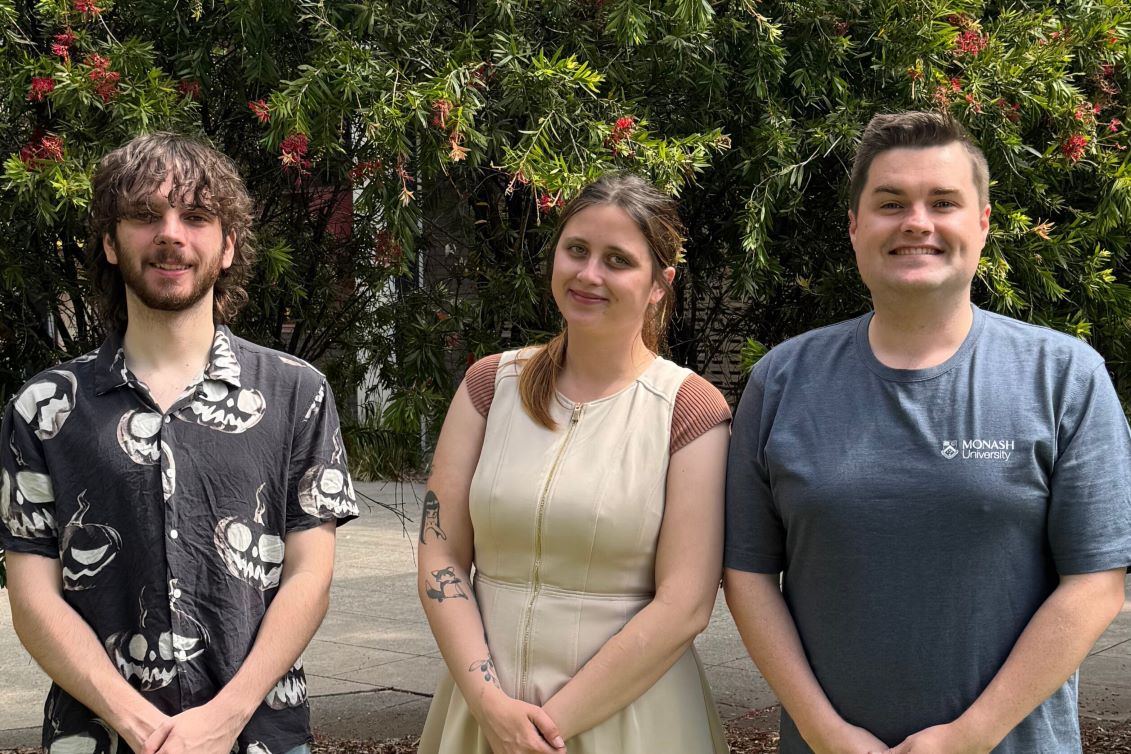
Left to right: Tony Males, Monica Chalmers and Joshua Kennedy
In its first decade since establishment, the Gukwonderuk Indigenous Health Workforces Centre has made significant strides in engaging and supporting Indigenous students through innovative programs, targeted support and strong community connections. The team’s outreach initiatives, academic support structures and workforce transition programs have contributed to improved student outcomes and greater representation of Indigenous people in healthcare fields.
TEACHING ASSOCIATE

DR DHAYANI KIRUBAHARAN (WINNER)
Faculty of Business and EconomicsDr Dhayani Kirubaharan transforms the classroom into a dynamic space where students not only master content but also grasp its real-world implications. By forging strong personal connections, Dr Kirubaharan creates an inclusive environment where students feel valued and motivated to excel. Drawing on her interdisciplinary expertise and passion for lifelong learning, she inspires independent thinking and active participation through innovative teaching strategies. Her philosophy is rooted in adaptability and relevance, ensuring that each student cohort receives a tailored, impactful learning experience. Dr Kirubaharan’s efforts have been recognized by teaching awards, Faculty citation, and most importantly, by her many students.
-
To recognise outstanding education programs delivered across community sectors. It reflects Monash’s commitment to innovate and positively impact through education within enterprises or communities.
MONASH RURAL HEALTH CHURCHILL (MRHC) COMMUNITY-BASED PLACEMENT (CBP) PROGRAM (WINNER)
Faculty of Medicine, Nursing and Health Sciences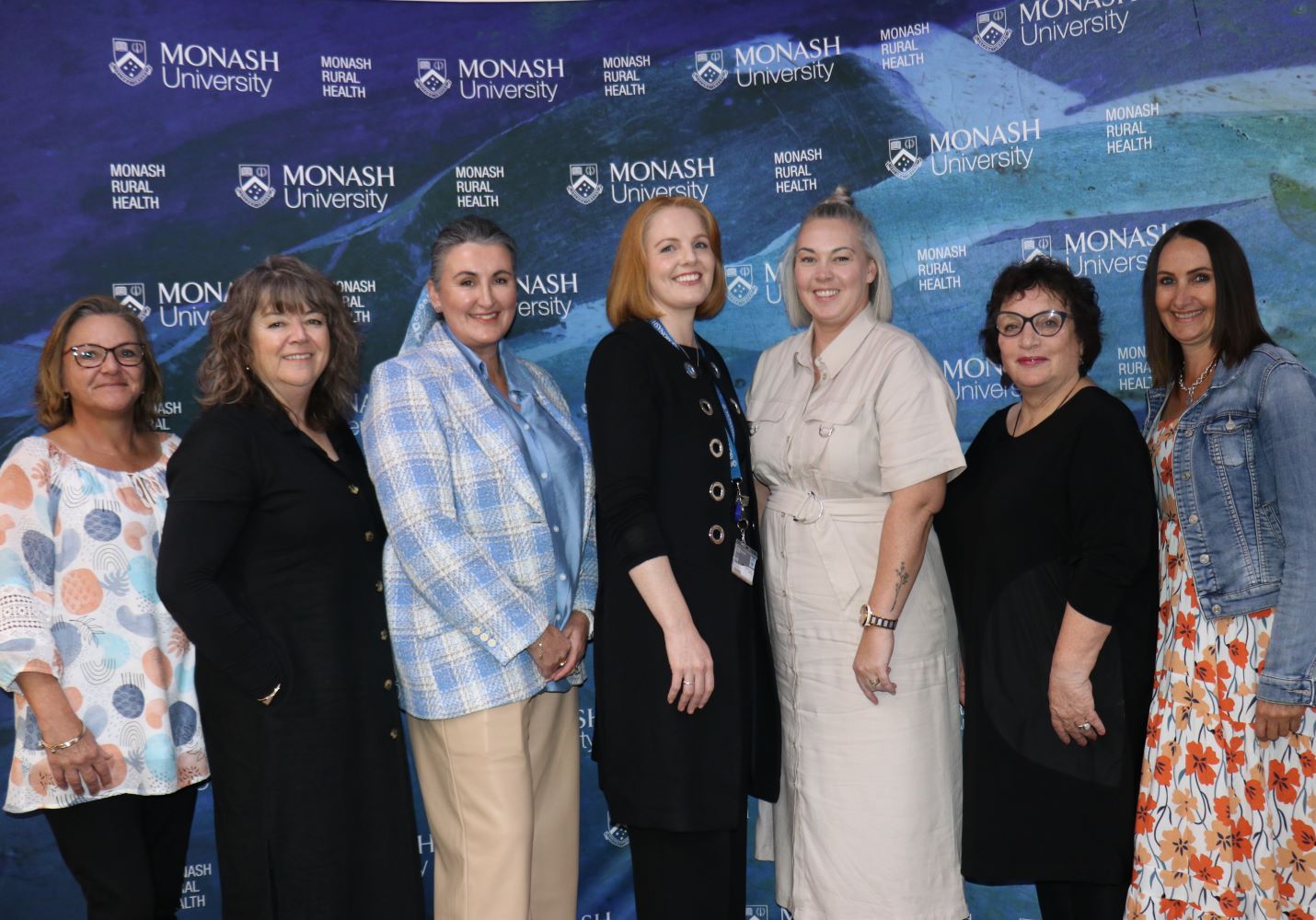
Left to right: Jo Kingsley, Associate Professor Margaret Simmons, Kylie Halsall, Sarah Renn, Krystal Kosakiewicz, Nicola Epps and Natalie Donald
In a regional and institutional first, the Churchill Community-Based education Placement Program (CBP) provides nearly 4000 student placement hours to around 20 Gippsland organisations annually. Gippsland is home to ~300,000 people and experiences significant social and economic disadvantages. CBP enables first-year graduate-entry Monash medical students to ‘give back’ to these local communities. Simultaneously, students learn about non-medical factors that impact health in a tangible way, which better prepares them to be well-informed, compassionate doctors. As Sir John Monash implores our students to “…equip yourself for life, not solely for your own benefit, but for the benefit of the whole community,” CBP, led by the passionate and enthusiastic Churchill team, empowers both medical students and Gippsland communities. Operating successfully since 2008, this scalable, low-cost program is highly valued by students and locals and aligns perfectly with Monash’s Strategic Plan: Thriving Communities.
REFERENDUM LEGAL LITERACY PROJECT
Faculty of Law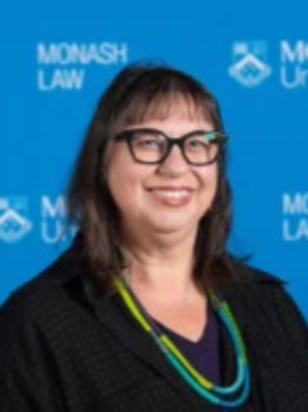
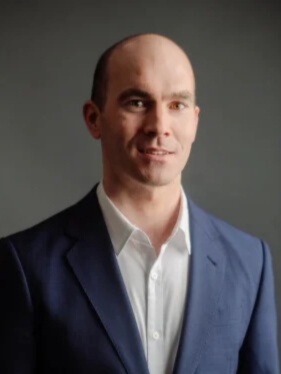






Left to right from top row: Professor Melissa Castan, Professor Luke Beck, Professor Paula Gerber, Dr Katie O'Bryan, Dr Gina Bekker, Scott Walker, Associate Professor Ronli Sifris and Gina Chow
In 2023, Australians were asked to vote on a referendum proposal for a Voice to Parliament, the first constitutional amendment attempted in over 20 years. The Referendum Legal Literacy Project was developed to counter rampant misinformation and disinformation, addressing the limited community understanding of the impact of the proposal and referendum process. As Monash human rights and public law academics and educators, the Project team countered these barriers through community engagement, contributing to systemic reform, deeper justice outcomes, and institutional change for First Peoples. The Project engaged diverse communities through a specialist Voice to Parliament law student clinic, community forums, an interactive online resource platform and extensive mainstream and social media engagement. The Project showcased Monash University’s leading role in transforming communities and established a foundation for the team to continue enhancing legal literacy and human rights education through the Castan Centre for Human Rights Law.
-
To recognise outstanding and significant educational leadership that has positively influenced educational practice at the University and/or faculty level and beyond (in local, national or international settings).
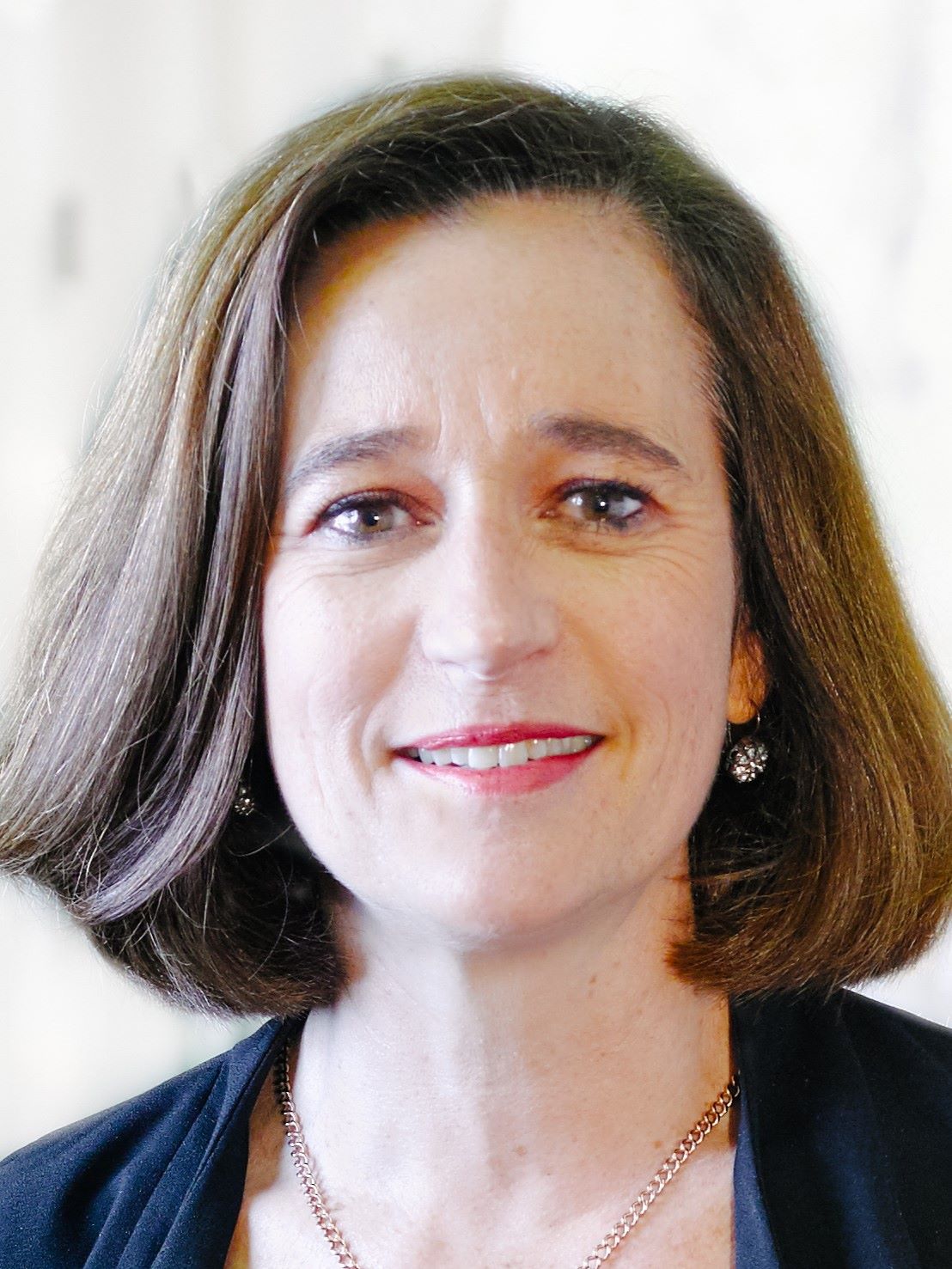
PROFESSOR KIRSTEN GALBRAITH
Faculty of Pharmacy and Pharmaceutical SciencesProfessor Kirsten Galbraith is an internationally recognised expert in practitioner development, encompassing the lifecycle of undergraduates to Advanced Practice Pharmacists, with an overarching vision to improve healthcare. Her leadership spans the continuum between academic and practice settings, integrating key insights from both healthcare and education sectors. She has been instrumental in fostering closer engagement and collaboration between academia and practice, vital to ensuring best practice in healthcare. An unrelenting focus on development and demonstration of competency in pharmacists and learners locally, nationally and internationally, has earned her numerous accolades and has significantly influenced the profession. Through an inclusive, relationship-focused leadership style, Kirsten has influenced the culture of postgraduate studies in pharmacy, and the standing of pharmacy as a key contributor to healthcare. Kirsten’s national leadership profile is further established through her roles as Board Director (and Deputy Chair) for the Australian Pharmacy Council, and Pharmaceutical Defence Limited, and her international influence includes roles as Director and Global Lead for advanced & specialty practice in the International Pharmaceutical Federation (FIP) Hub. Her expertise and strategic input are sought by pharmacy leadership bodies within Australia and internationally.

PROFESSOR DRAGAN ILIC (WINNER)
Faculty of Medicine, Nursing and Health SciencesProfessor Dragan Ilic is the Deputy Head of School (Education) Public Health & Preventive Medicine (SPHPM), Director, Teaching & Learning at the SPHPM and Head of the Medical Education Research & Quality (MERQ) unit. Professor Ilic is recognised nationally and internationally for his expertise in public health, and medical and health professions education research. As an educational leader, Dragan has focused on fostering a holistic and integrated approach to academic excellence, student and staff experience and innovation, underpinned by an evidence-based approach to learning and teaching. His educational leadership has been instrumental in shaping effective organisational policies, strategies, curriculum and course design and implementation, all of which support and promote high-quality teaching and learning environments. By championing an integrated approach to academic practice, Dragan has successfully incorporated teaching, learning, research, scholarship, and administration to create a cohesive and enriching educational experience. Through these efforts he has elevated teaching standards within his School, Faculty, and Monash, and influenced educational practices internationally.
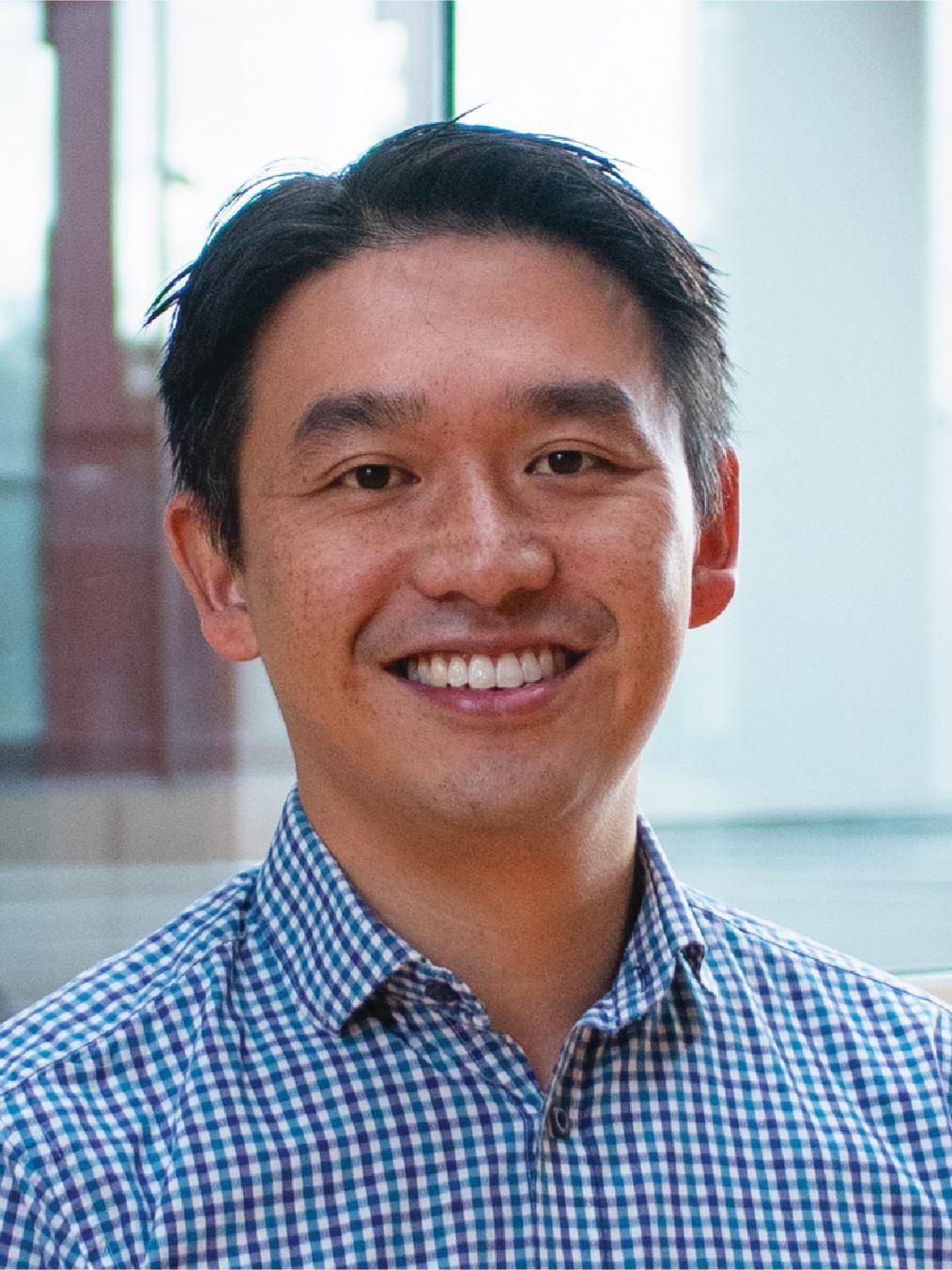
ASSOCIATE PROFESSOR YAN WONG
Faculty of EngineeringAssociate Professor Yan Wong has spearheaded the development of a ground-breaking Biomedical Engineering Undergraduate specialisation at Monash University, marked by its innovative multidisciplinary teaching. Recognised and commended by Engineers Australia, this program bridges the traditional divides between medicine, engineering, and science, providing students with a cohesive learning experience across three faculties and six departments. Despite the absence of a dedicated department, Associate Professor Wong has worked over the last five years to create a sustainable, educational, organisational template for cross-faculty teaching and has instituted robust feedback mechanisms to ensure exceptional teaching quality and support for learning.
Associate Professor Wong’s success is evidenced by increasing student numbers, high satisfaction metrics, and provisional professional accreditation. To address organisational challenges, he has championed the creation of a Biomedical Engineering Board of Studies, Industry Advisory Committee and a Student-Staff Committee, and pioneered an academic advisory program. In addition, he has emphasised a multi-faceted, student-centred approach to learning, by incorporating outreach initiatives, expanding biomedical Co-op programs, mentoring student teams, and facilitating global exchange opportunities. He has also encouraged students to tackle large global issues such as the carbon footprint of the medical industry through leadership in the Medical Pantry charity which diverts excess medical products from landfill.
Associate Professor Wong’s sustained commitment to professional development was recognised by elevation to Fellow grade by Engineers Australia, underscoring his dedication to advancing biomedical engineering education. He has ensured the program's effectiveness and positive impact, and paves the way for excellence in biomedical engineering education.
-
To recognise outstanding education programs delivered across industry sectors. It reflects Monash’s commitment to innovate and positively impact through education within enterprises or communities.
GLOBAL CREATIVE INDUSTRIES KNOWLEDGE EXCHANGE (SPECIAL COMMENDATION)
Faculty of Arts





Left to right from top row: Associate Professor Xin Gu, Associate Professor Shane Homan, Dr Maura Edmond, Dr Ben Eltham, Professor Paul Long and Dr Ben Morgan
Monash partnered with Australia Awards (Indonesia) to deliver an intensive short course for emerging Indonesian entrepreneurs running Micro, Small or Medium Enterprises (MSME) in the Creative and Cultural Industries (CCI). Designed around both work-integrated learning (WIL) and learning-integrated work (LIW), the course immersed participants in the Australian creative industries through workshops, case studies and site visits, with mentoring by local industry professionals. The course helped them to understand the intricacies, challenges, and opportunities for creative and cultural enterprises. It also provided a benchmark for new revenue streams, digital badge and stackable qualifications such as micro-credentials.
KALBE GENERAL MANAGEMENT PROGRAMME (GMP)
Faculty of Business and Economics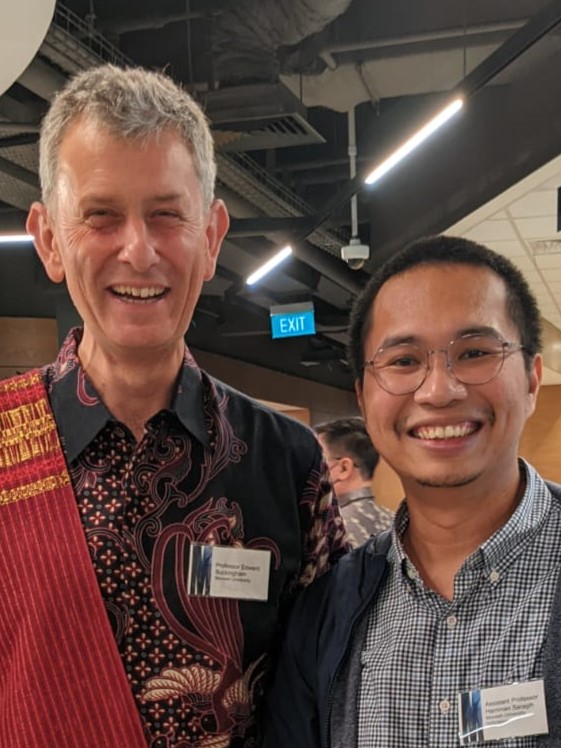
Left to right: Professor Edward Buckingham and Dr Harriman Saragih
Dr Harriman Saragih and Professor Edward Buckingham, from the Master of Business Innovation, led a seven-month executive programme in Jakarta and Melbourne, enabling Kalbe, the leading healthcare company in Southeast Asia, to enhance its competitive edge, while supporting Monash in expanding its global engagement. As international competition intensifies, Kalbe’s partnership with Monash has enhanced its strategic agility and improved the resilience of Indonesia’s healthcare sector. This initiative not only enhanced global mobility but also linked two thriving communities of healthcare professionals. Buoyed by this success, Kalbe will continue the partnership in 2025 and expand the engagement to Monash’s sister campus in Suzhou.
EMERGENCY NURSING TEAM
Faculty of Medicine, Nursing and Health Sciences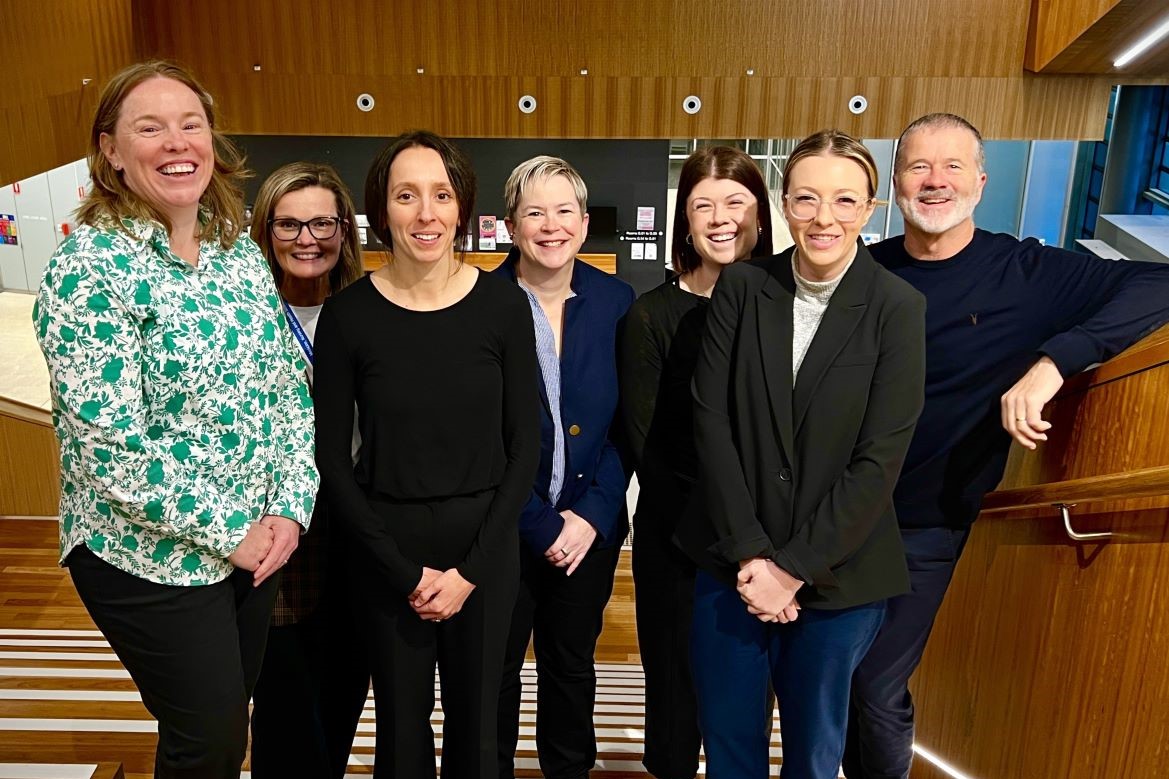
Left to right: Associate Professor Kelli Innes, Dr Tamsin Jones, Kathryn Pristupa, Professor Julia Morphet, Alysha Cowley, Louise Shorten and Associate Professor Cliff Connell (Samantha Dix and Rebecca Winter not pictured)
The day people access an emergency department is often the worst day of their life. Whether this impacts you directly, a loved one, or a member of your wider community – based on the 8.8 million presentations to Australian emergency departments annually – it is likely someone you know has accessed emergency care. Emergency nurses require unique and advanced skills to provide care to the most vulnerable members of the community. The Monash Nursing and Midwifery (MNM) postgraduate emergency nursing team has collaborated closely with industry partners to develop and deliver a program that is contemporary, responsive, and reflective of the needs and challenges faced by emergency department staff across Australia. Over the last eight years the program has expanded nationally, enabling engagement from students and industry partners in metropolitan, regional, rural and remote areas across Australia.
MEDICINES MANUFACTURING INNOVATION CENTRE (MMIC) INTERNSHIP PROGRAM
Faculty of Pharmacy and Pharmaceutical Sciences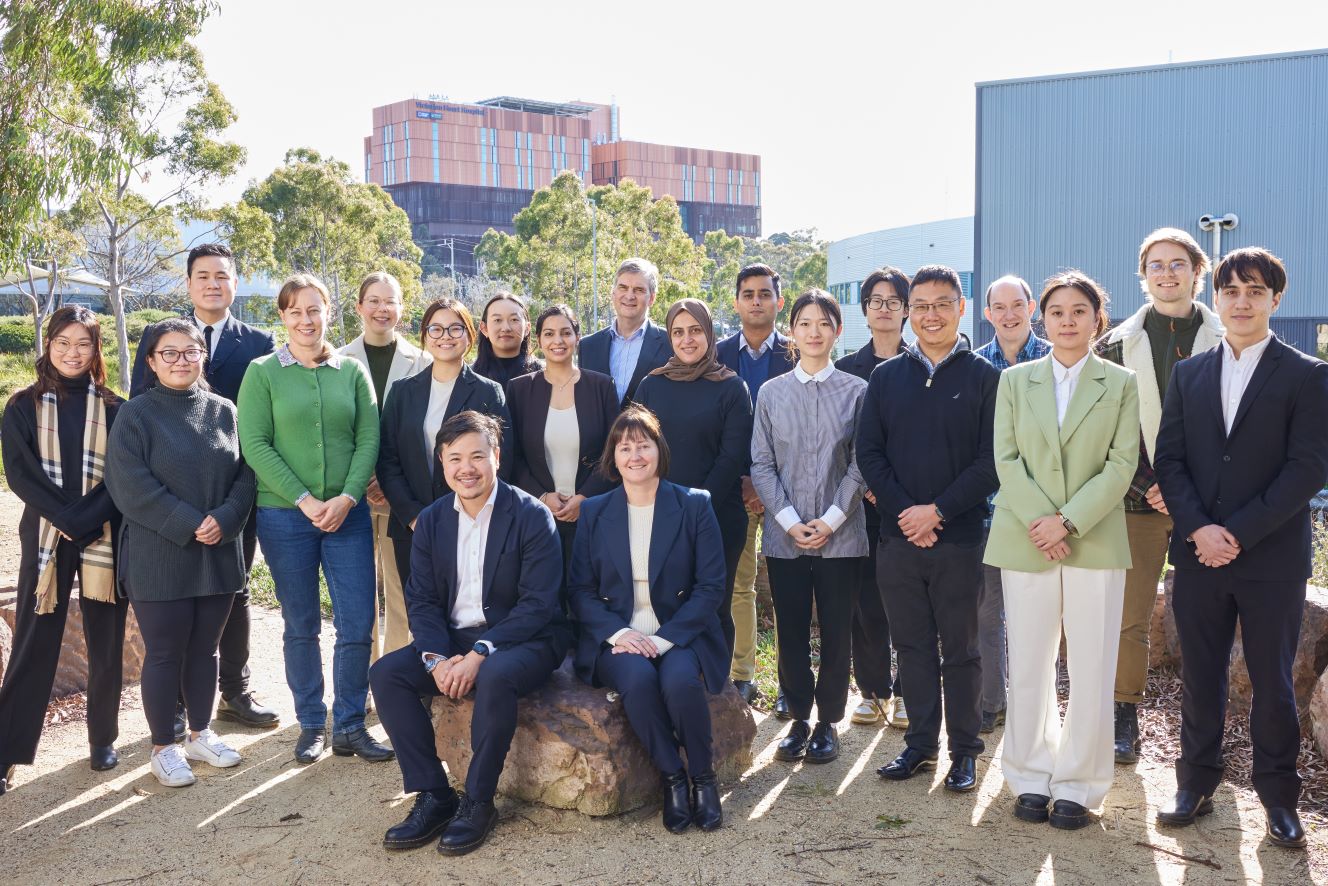
Ruth Howell (back row, fourth from left), Christine Tolotchkov (back row, fifth from left), Dr Paul Wynne (back row, ninth from left), Dr Tri-Hung Nguyen (front, sitting, left), Professor Michelle McIntosh (front, sitting, right) with colleagues from the MMIC
In addition to supporting the pharmaceutical, allied and medtech sectors through advanced research services, the Medicines Manufacturing Innovation Centre (MMIC) 's other key mandate is to support the generation of skilled graduates ready to join this dynamic workforce. This has led to the establishment of the MMIC Internship program which aims to equip participants with foundational technical and professional skills while establishing an early professional network.
The internship program provides an immersive experience where interns are integrated into the team and assigned a mentor throughout their project. Interns actively contribute to research projects for industry and institutional clients, add to the innovative capabilities of the MMIC and also participate in professional development workshops. The program's success is evident, with over 70% of graduate participants working in the sector and over 90% remaining in Victoria and supporting the local economy.
TEAM UNDERGRADUATE CERTIFICATES (TOGETHER EDUCATING AND ADVOCATING MATTERS) (WINNER)
Faculty of Medicine, Nursing and Health Sciences
















Left to right from top row: Kirsty Pope, Dr Phyllis Chua, Dr Paul Kremer, Seema Dua, Dr Michelle Kehoe, Dr Shiva Vasi, Kaylene Hanlon, Dave Peters, Ingrid Ozols AM, Kirsty Rosie, Jackie Conheady, Dr Meaghan Christian, Dr Peta Tehan, Associate Professor Janeane Dart, Dr Eli Ristevski, Dr Pam Harvey, Dr Michael Leach, Associate Professor Bernadette Ward and Dr Zahra Lotfollahi
Since 2021, over $15 million of income has been generated through 3000+ students in three new Undergraduate Certificates (UGC) which respond to global challenges in mental health, aged care and disability. Industry partners recognised their workforce has various backgrounds in qualifications and skills, and is not equipped to address rapidly growing community health needs. Industry professional development offerings cannot address this gap. The UGCs are co-designed with industry, consumers and carers, and include cross-Faculty teaching teams delivering to diverse student groups. They provide accessible quality education addressing the complex lives of learners engaged in the workforce across large geographical areas and service settings. These one-year courses have the potential to be delivered by any university department in partnership with any industry partner. They offer capacity for low cost, high-volume teaching that creates immediate practice implications. The teaching content can easily be converted to other modes of education delivery.
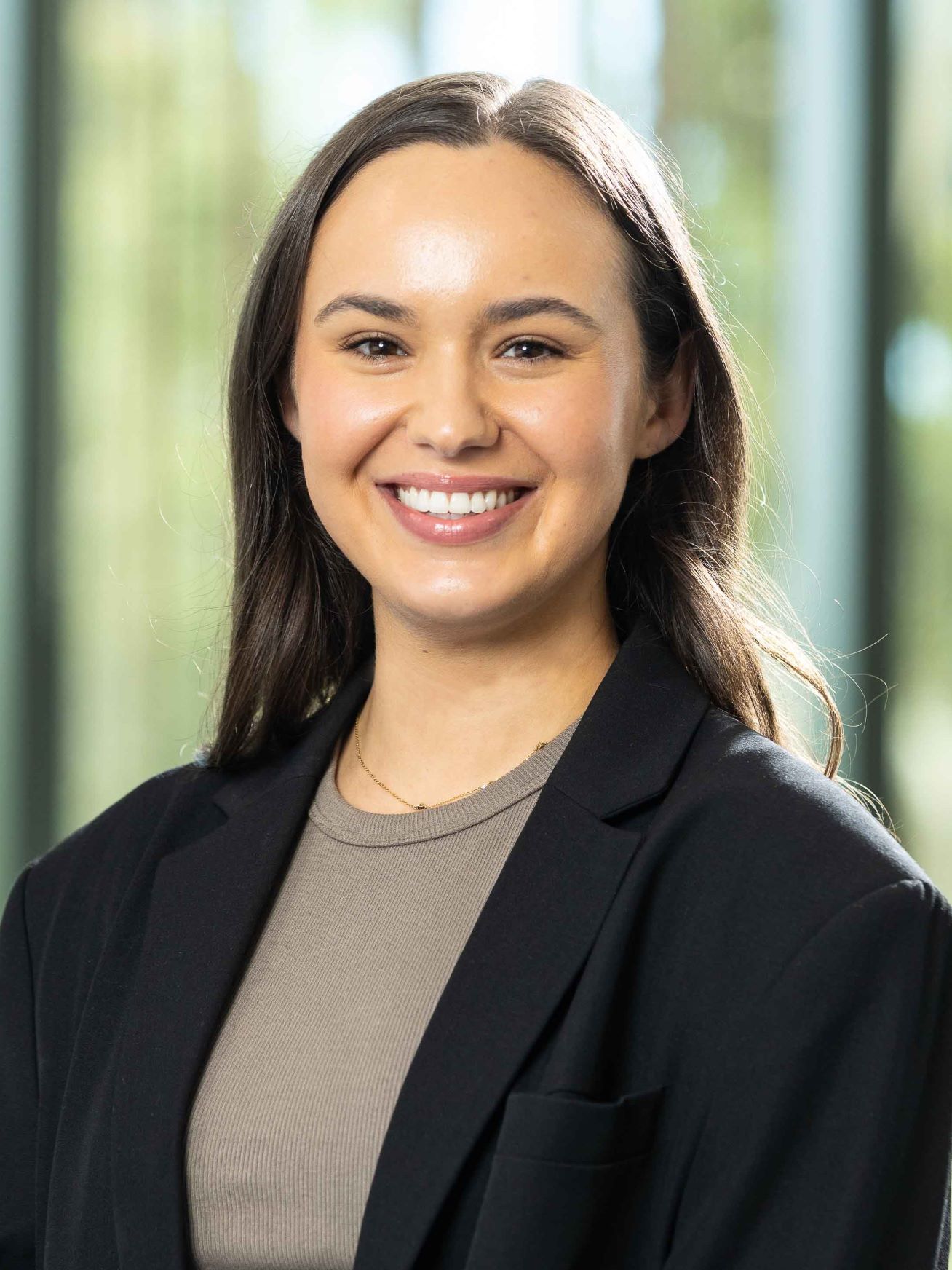
GEORGIA REJACK
Faculty of Medicine, Nursing and Health SciencesSkilled Minds, Strong Partnerships, Healthy Hearts: Educating the Cardiovascular Workforce of the Future.
The Victorian Heart Institute (VHI) has a bold agenda: to deliver education that exceeds the demands of the burgeoning cardiovascular workforce, both on our doorstep and around the globe.
As the academic wheelhouse of the Victorian Heart Hospital (VHH) – Australia’s first dedicated heart hospital – the VHI is nested under the same roof as clinical care. This fosters a unique, multi-disciplinary environment primed for genuine needs-led, market driven and meticulous industry-partnered education initiatives that form the basis of the evolving VHI Education Portfolio.
Georgia Rejack has led the strategic direction and delivery of the portfolio which has consistently responded to industry demand through the craft of strong relationships, robust education offerings and tailored partnerships. The cardiovascular workforce is stronger for her initiative, innovative thinking and ability to bring the right people to the table.
-
To recognise innovation driving improvement in student engagement, teaching, learning or assessment.

DR NATALIE FONDA
Faculty of Medicine, Nursing and Health SciencesDr Natalie Fonda is an AHPRA registered GP and Paramedic, working as a senior lecturer in the Department of Paramedicine and a GP in a regional Aboriginal Medical Service. She considers herself a Paramedic at heart, with a passion for improving integration of primary health services through interprofessional collaboration.
Although Natalie is an early-career educator, she is already a demonstrated innovator with a focus on interprofessional education. In 2022, she received an early career education grant for her proposal to run a bespoke workshop for Paramedic and Midwifery students, and was awarded the 2024 FMNHS Dean's excellence award in teaching and innovation.
THE ELEVATORS
Faculty of Business and Economics


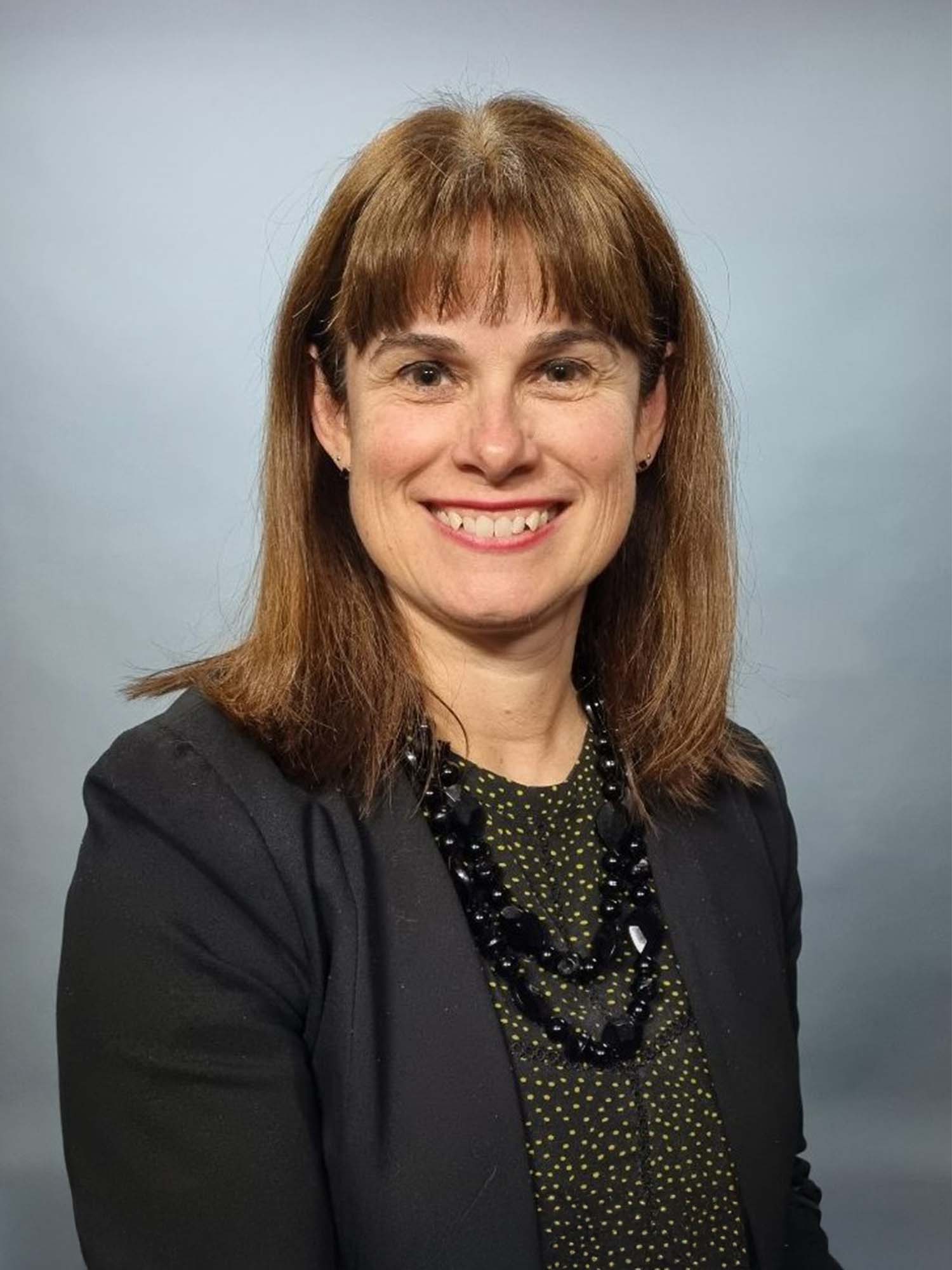
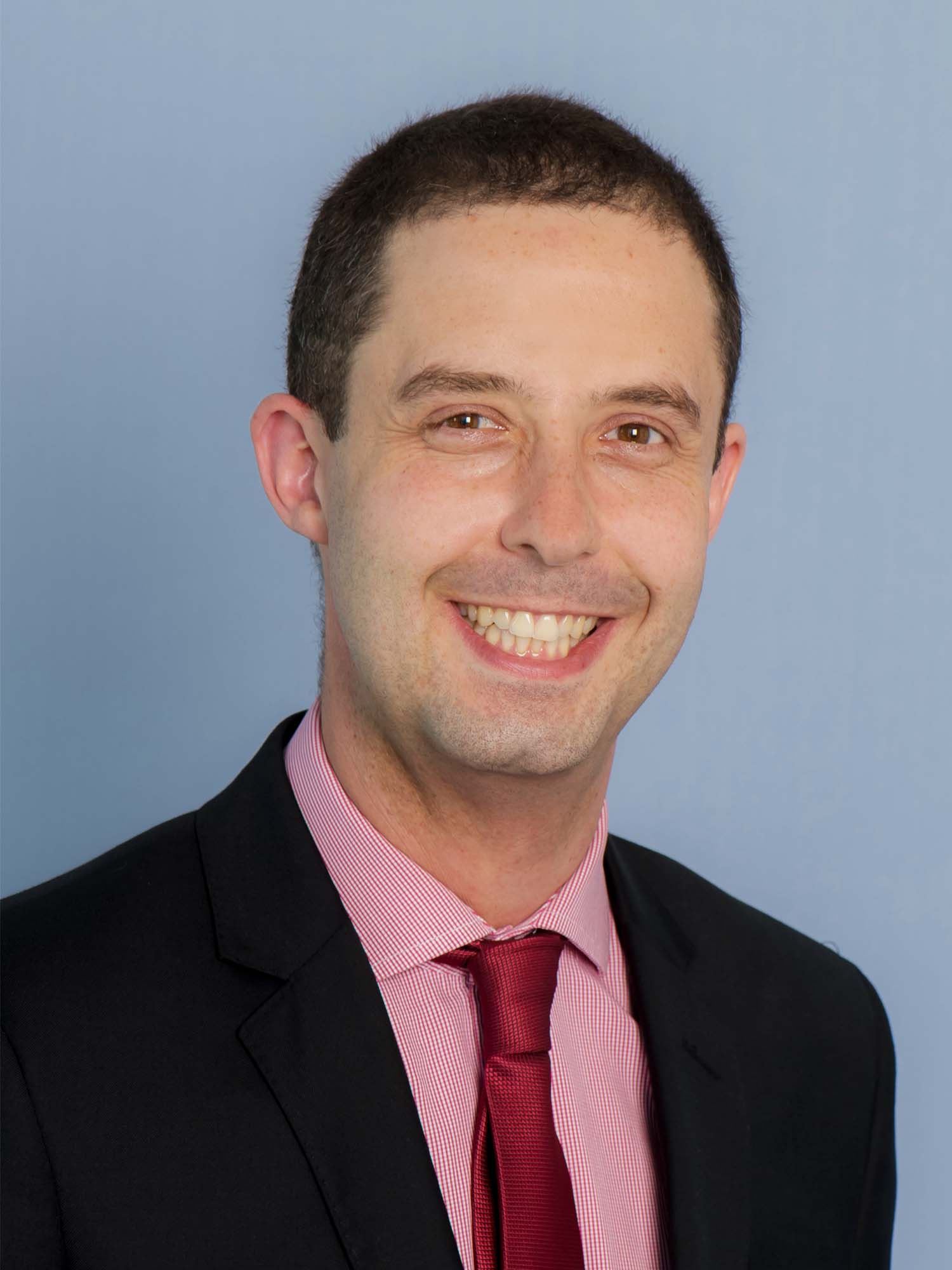
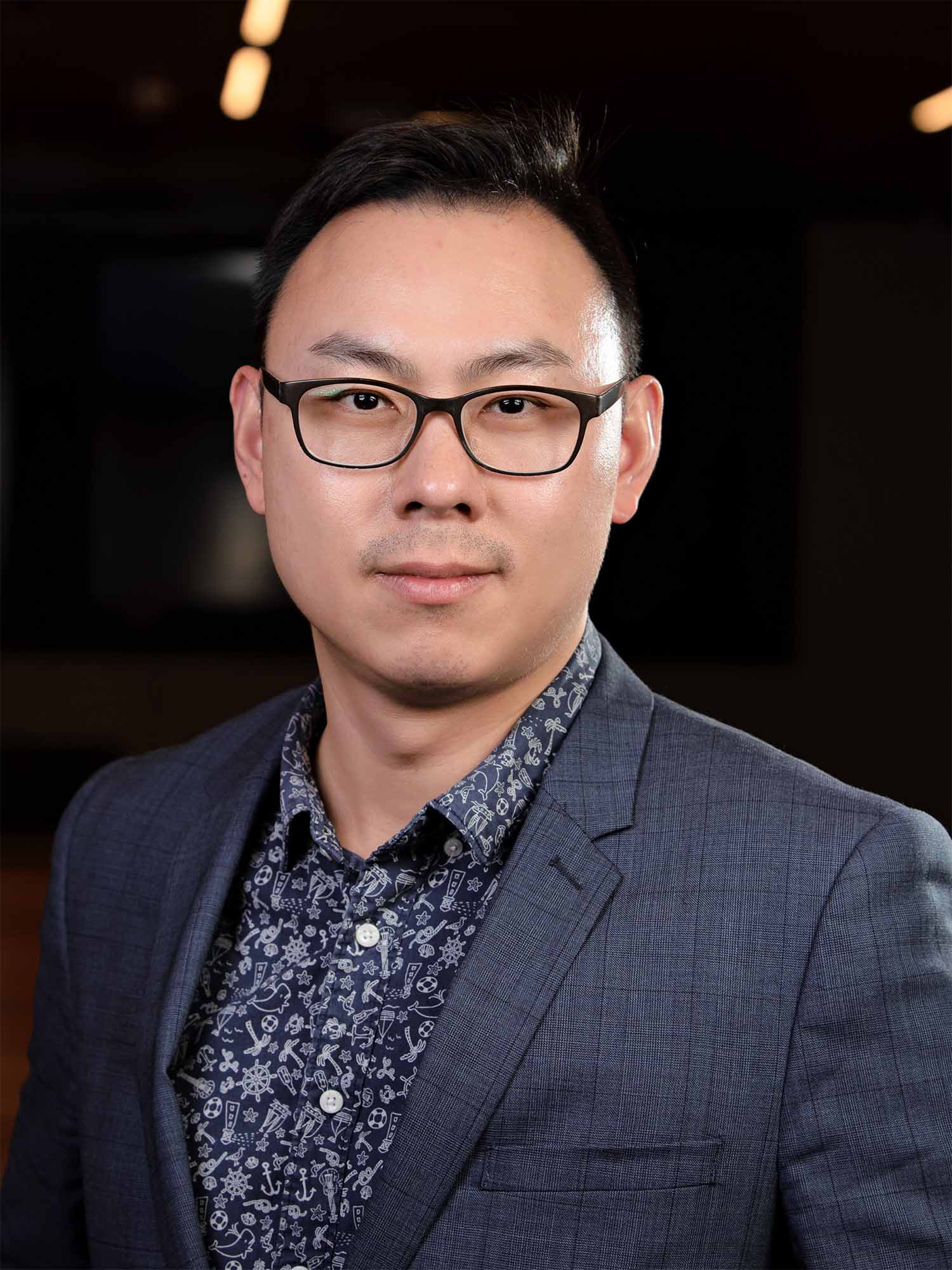
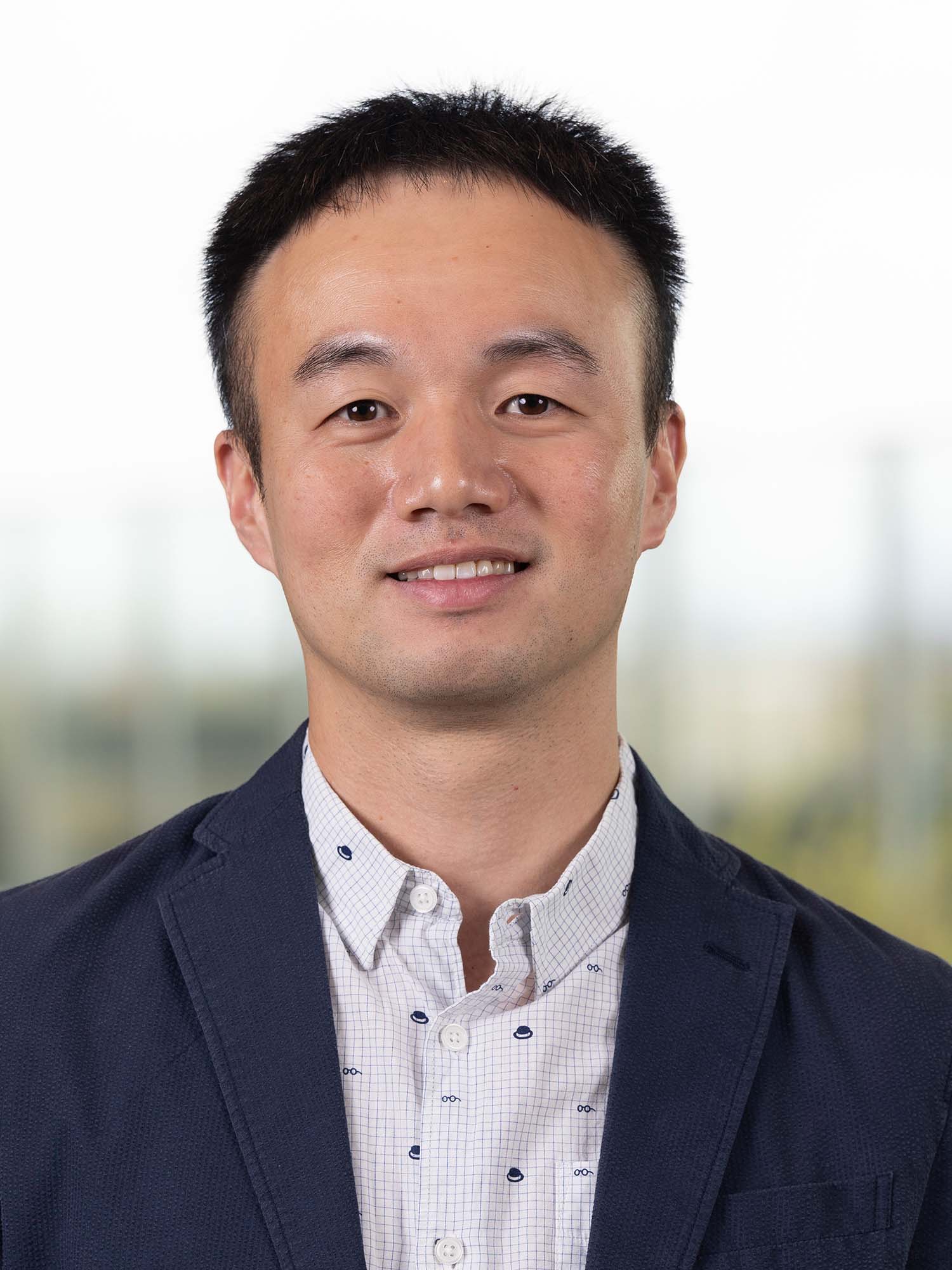







Left to right from top row: Professor Ralph Kober, Dr Chris Adrian, Tristian Cui, Dr Zhiyun Gong, Bronwyn Gowty, Associate Professor Benjamin Hayward, Associate Professor Ting-Chiao Hung, Dr Yi-Hung (Jerry) Lin, Ya Liu, Yeny Lukito, Julie Luu, Karin Medew, Dr Lorena Mitrione, Associate Professor Carly Moulang, Dr Lisa Powell, Wendy Taleo, Dr Edward Tello, Dr Prabanga Thoradeniya and Dr Estelle Wallingford (Andrew Alford, Professor John Bevacqua, Linda Blamey, Dr Eliani Boton, Amy Brown, Dr Nuzi Abdul Cader, Robyn Dyt, Dr Jenny Guan, Kevin Handaya, Darren Hulcombe, Thomas Kern, Associate Professor Soon-Yeow Phang, Dr Ashna Prasad, Dr Jacob Raleigh, Chenlan Song, Dr Aashish Srivastava, Dr Anna Stamatelatos, Jacqueline Trebilco, Dr Lu Yang and Dr Xiaoxiao Yu not pictured)
The Elevate Project successfully redesigned the Monash Business School’s teaching and assessment practices, creating richer learning experiences that resulted in substantial improvements in student pass rates, satisfaction, and engagement. A team of Monash Business School academics and educational designers collaborated with Monash Learning and Teaching to revise teaching approaches, content, learning outcomes and assessment regimes across 26 units in the departments of Accounting and Business Law and Taxation. Underpinning these efforts was a fundamental desire to decrease failure rates for the redesigned units.
NUR1112 & NUR1114 INTEGRATED TEACHING TEAM (WINNER)
Faculty of Medicine, Nursing and Health Sciences
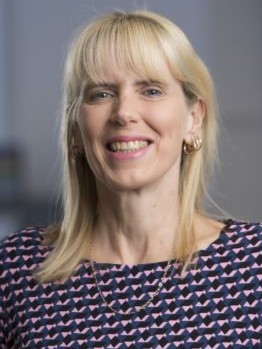
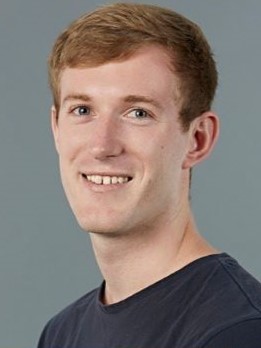








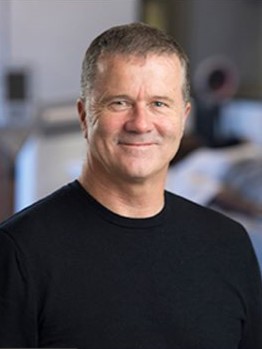
Left to right from top row: Dr Renne Rogers, Dr Andree Gamble, Dr Dylan Fox, Dr Elise Randle-Barrett, Dr Auxillia Madhuvu, Yasmin Zisin, Dr Emma Ashton, James Bonnamy, Dr Natalie Bennett, Jacinta Pitman, Monica O'Halloran and Associate Professor Clifford Connell
The innovative integration of distinct nursing and bioscience units into a single unit each semester has transformed the educational experience for first-year nursing and midwifery students at Monash University. Analysis of this integration shows compelling evidence of improved student academic performance and reduced attrition. This teaching approach has significantly enhanced the clinical preparedness of Monash graduate nurses, as noted by past students and clinical education leaders around Victoria. Educators worldwide have been motivated to implement a comparable curriculum transformation, highlighting the extensive impact of this approach. This integrated curriculum, resulting from an interdisciplinary collaboration of nursing and bioscience academics, fosters a deeper understanding of the practical relevance of fundamental bioscience in clinical nursing practice and addresses long-standing challenges in nursing and midwifery student engagement, performance, and retention. This transformative strategy exemplifies a commitment to educational innovation, leadership, and scholarship in enhancing learning and teaching experiences within the higher education landscape.
INTERACTIVE ORAL EXAMS: DEPARTMENT OF MARKETING TEAM (WINNER)
Faculty of Business and Economics


Left to right: Associate Professor Erica Brady, Peter Wagstaff and Associate Professor Angela Cruz
The desire for authentic assessment and the advent of freely-accessible AI tools have prompted rethinking of current assessment practices. The team has innovated and implemented interactive oral exams to over 3500 students. Their experience shows this approach is feasible at scale and leads to a number of positive outcomes for all students, including: an increase in students’ critical thinking skills, reduced fail rates, increased HD grades, and improved SETUs. Having faced many challenges and developed creative solutions they are now sharing their innovations with a range of stakeholders across Monash and beyond to provide transformative learning experiences for students.
-
To recognise learning and teaching support programs and services that make an outstanding contribution to the quality of student learning and the quality of the student experience.
INCLUSIVE LANGUAGE IN BIOLOGY (SPECIAL COMMENDATION)
Faculty of Science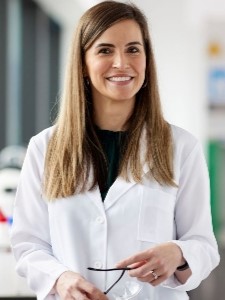

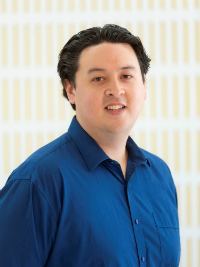

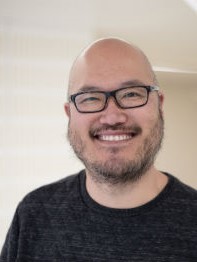
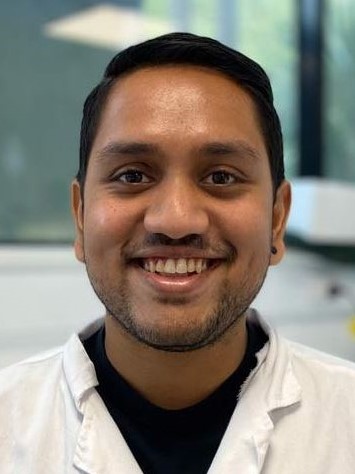
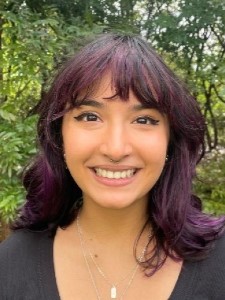
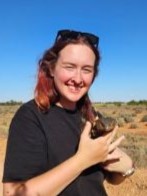

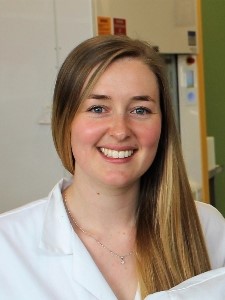


Left to right from top row: Professor Francine Marques, Associate Professor Kathryn Hodgins, Dr Thomas Hiscox, Dr Scarlett Howard, Professor Bob Wong, Dr Rikeish R. Muralitharan, Naomi Drego, Jess Herbert, Caroline Molloy, Dr Hendrika Duivenvoorden, Dr Callum Vidor and Professor Damian Dowling
Our team developed a statement for ‘Inclusive Language in Biology’. This statement focuses on reassessing our language and terminology to teach biology more inclusively. One key focus of the statement was differentiating sex and gender, terms still used interchangeably in many teaching resources including textbooks. The statement was based on consultation with professionals and those with lived experience, following approval by the School’s Executive Committee. It was then uploaded to Moodle across all units taught by the School of Biological Sciences and implemented immediately in several units, receiving positive engagement and student feedback.
DEVOTED ENGINEERING FIRST-YEAR (DEFY) TEAM (SPECIAL COMMENDATION)
Faculty of Engineering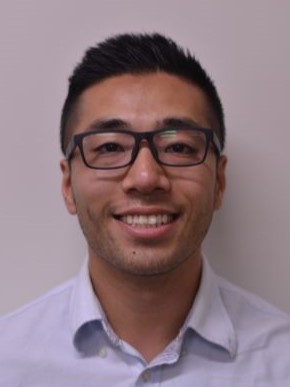

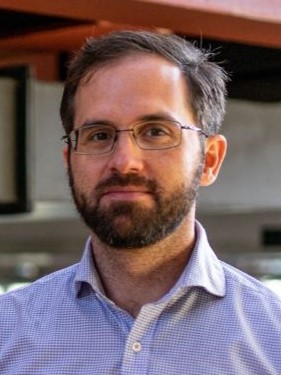


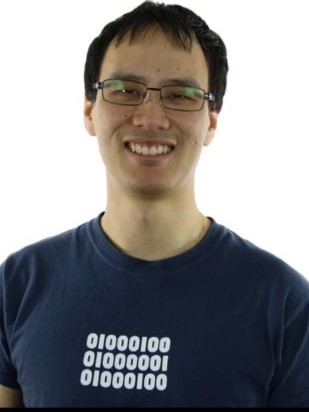
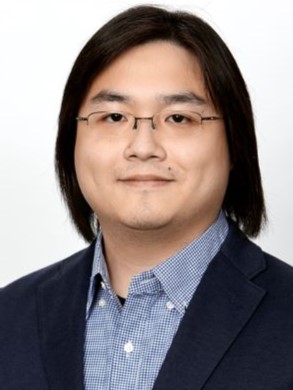
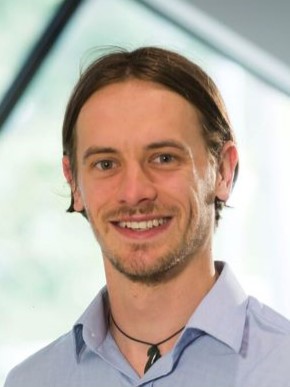
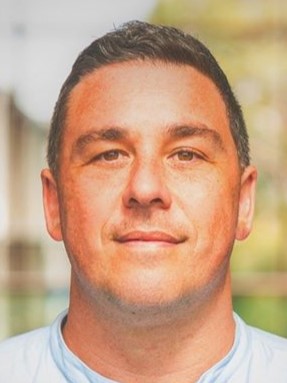
Left to right from top row: Dr Tony Vo, Veronica Halupka, Michael Crocco, Dr Lizi Sironic, Professor Nicoleta Maynard, Associate Professor Jonathan Li, Dr Tian Goh, Dr Andrew Rodda and Associate Professor Scott Wordley
The Devoted Engineering First-Year (DEFY) Team has revolutionised the first-year experience, enhancing student engagement, equity, belonging and success. Their innovative approach integrates essential knowledge, hands-on experiences and ethical principles. This includes pioneering Australia's first Engineering Student Pledge. Their program engages up to 1800 students annually across Australia and Malaysia through research-based practices, collaborative spaces, real-world projects and Makerspace experiences. This evolution in engineering education is crucial for equipping graduates to tackle the escalating environmental, economic and social challenges, ensuring they are resilient, ethically grounded and well-prepared to drive impactful change.
PARKVILLE INTERNATIONAL AND EXCHANGE STUDENTS (PIES) PROGRAM
Faculty of Pharmacy and Pharmaceutical Sciences


Left to right from top row: Dr Nilushi Karunaratne, Dr Betty Exintaris, Dr Suzanne Caliph and Alastair Thomas
The Parkville International and Exchange Students (PIES) Program at Monash University enhances the international student experience by fostering community, connection and wellbeing within the Faculty of Pharmacy and Pharmaceutical Sciences. Launched in 2020, PIES addresses cultural, social and academic barriers faced by international students. The program has organised over 70 events, benefiting more than 100 students through cultural exchange, skill-building and networking opportunities. By collaborating with faculty, staff, and student organisations, PIES aligns with Monash’s goals of diversity and inclusion. Recognised with multiple awards, it serves as a model for international student programs, promoting a supportive and inclusive environment.
MONASH NURSING AND MIDWIFERY ICU TEAM (WINNER)
Faculty of Medicine, Nursing and Health Sciences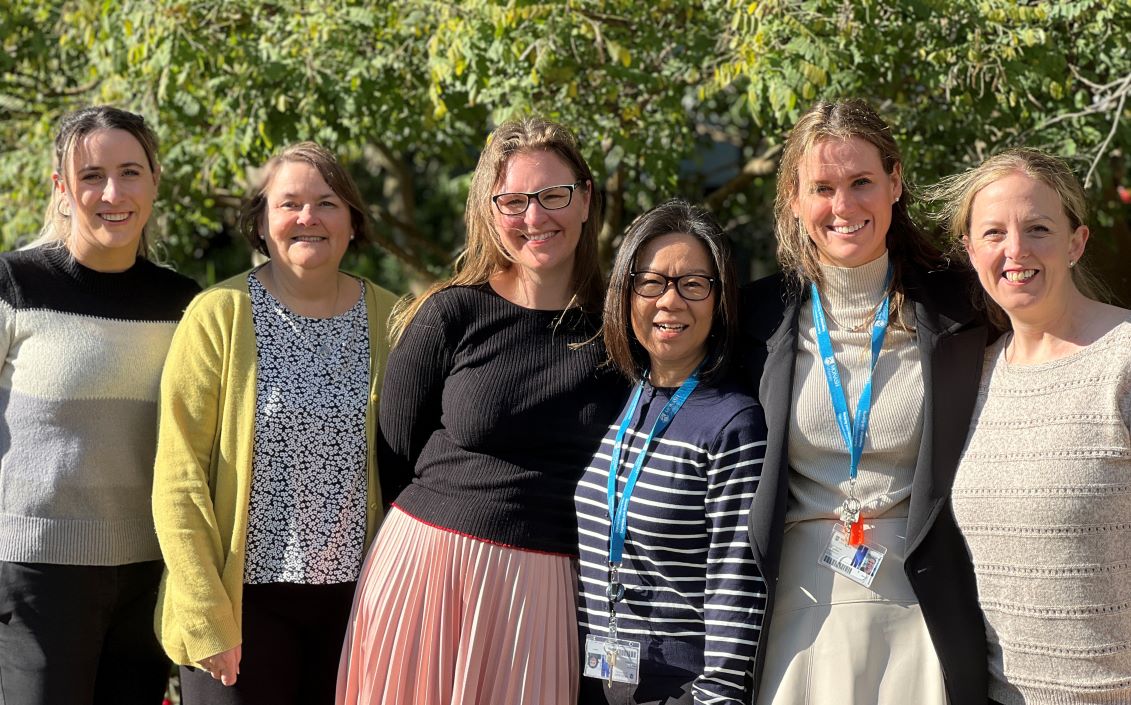
Left to right: Kelly Ottosen, Associate Professor Wendy Pollock, Angelique Clarke, Dr Pauline Wong, Carly Rienecker and Melissa Njoku
Healthcare services face unprecedented intensive care unit (ICU) nursing shortages. Adequate staffing with qualified ICU nurses is associated with reduced mortality and hospital acquired infections, and also lowers hospital costs, improves family satisfaction and reduces burnout and attrition. In collaboration with healthcare partners, the Monash Nursing and Midwifery (MNM) ICU team addresses this challenge by delivering a program that graduates more qualified ICU nurses to provide high-quality, patient-centred care. The team achieved a six-fold growth in enrolments and a four-fold increase in clinical partnerships with major Victorian healthcare services since 2019. Educational innovations, including hybrid content delivery, have broadened geographic participation of healthcare services. Tertiary clinical placements were brokered for Bairnsdale Health regional students, demonstrating a commitment to equity and inclusiveness; improving access, participation and outcomes for students from regional centres. Prompted by feedback on dissatisfaction with current clinical assessment expectations, a tool was co-designed with healthcare partners to better translate theory into practice, ensuring students meet professional standards and provide safe, quality, patient-centred care. COVID-19’s impact on course delivery was evaluated and the feasibility of regional students completing clinical placements in major metropolitan ICUs was explored, highlighting a commitment to advancing the ICU nursing discipline through education and research collaborations.
THE GRADUATE STUDENT LEARNING HUB
Faculty of Education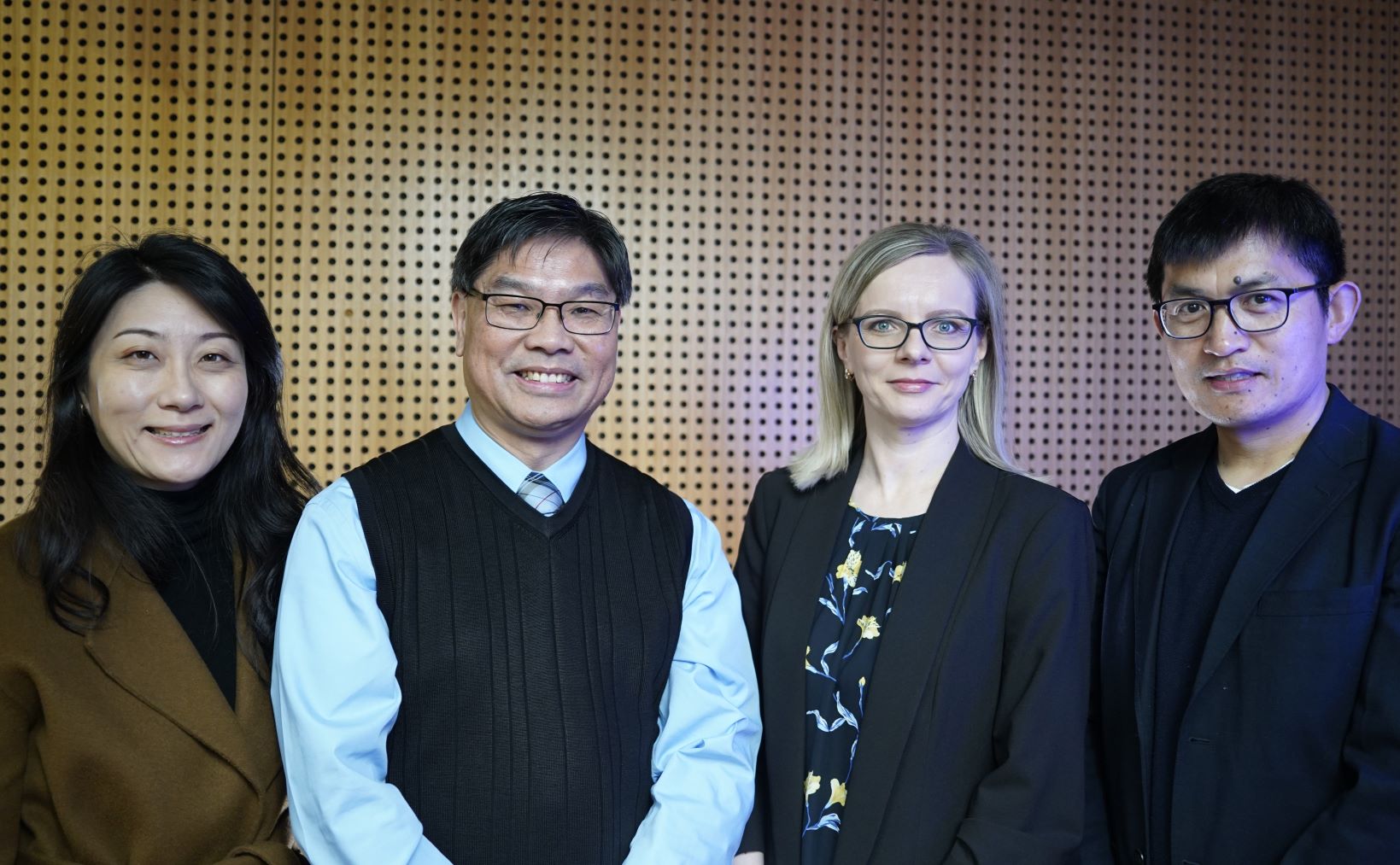
Left to right: Grace Ji, Dr Philip Wing Keung Chan, Dr Katrina Tour and Dr Hongzhi ZhangThe Graduate Student Learning Hub (GSLH) is an educational initiative for the first-year graduate international students that supports diversity and inclusion by improving the quality of student experiences in the Faculty of Education. Established in 2013, the program responds to the ongoing growth of international students at the Faculty of Education who currently account for 42% of the postgraduate population.
There are no programs like GSLH in either the Faculty of Education or Monash University. Delivered each semester on a voluntary basis, GSLH helps international students to develop knowledge about learning at university that is often taken for granted by those who are positioned inside a University and therefore not addressed in the units which significantly affects students’ engagement and achievement. The areas of support include:
● developing awareness about Monash/Faculty practices and resources
● fostering academic skills
● supporting wellbeing
● enhancing employability
● creating community connectionsOver the last eleven years, the program has engaged more than 1900 students and 57 academic and professional staff making a significant contribution to the quality of the newly arrived international students’ learning experience, their academic performance, engagement, growth and wellbeing as well as fostering equity in the Faculty of Education.
-
To recognise educators who deeply engage students and, importantly, who also have made a broad contribution to enhancing the quality of learning and teaching at Monash.
EARLY CAREER
ASSOCIATE PROFESSOR TRIDIB SAHA (WINNER)
Monash University MalaysiaAssociate Professor Tridib Saha has led a transformative approach to engineering education at Monash University Malaysia by redesigning highly theoretical and mathematical units into immersive and holistic learning experiences. This shift, driven by student feedback, evolving learning patterns, and the needs of the Malaysian job market, enhances student learning and outcomes while producing job-ready graduates who can adapt to the changing engineering industry. In 2022, Dr Tridib introduced a series of academic development modules, drawing on his extensive teaching experience and best practices in education. These modules, which emphasise engaging diverse students, implementing authentic assessments, and fostering collaborative learning, are reshaping education at Monash Malaysia. Tridib’s efforts are having a significant impact on student learning and outcomes, establishing him as a leading educator committed to excellence.

DR JESSICA TREVENA-PETERS
Faculty of Medicine, Nursing and Health SciencesDr Jessica Trevena-Peters, an early career educator, has significantly enhanced student learning in the PhD (Clinical Neuropsychology) program. Since mid-2021, Jessica has advanced her teaching, the curriculum, and trainee experience with outstanding feedback. Leveraging her clinical expertise, research skills, passion for teaching, and commitment to competency-based education, she has pioneered evidence-based and practice-led learning experiences. Prioritising student learning, Jessica tailors her innovative educational approaches to individuals’ needs, utilising iterative evaluation to continually refine her practices. She has reshaped the curriculum to empower trainees to be active participants in their learning, facilitating competency-development in their knowledge, skills, and professional attitudes. Jessica has also led impactful initiatives to provide tailored support to trainees, particularly as first-year coordinator. Jessica contributes to the wider progression of Neuropsychology training through research on graduate competencies and industry collaboration. Driven by her commitment to excellence in education, Jessica optimises the student learning experience, striving to produce exceptional graduates.
GENERAL
ASSOCIATE PROFESSOR NATHAN EVA
Faculty of Business and EconomicsAssociate Professor Nathan Eva is a Fulbright Scholar and global trailblazer in leadership education. His ground-breaking research and transformative practices have challenged hegemonic norms on how leaders are educated, resulting in a worldwide shift in leadership education. Through three key themes, his inclusive work supports people from diverse backgrounds to engage and excel in leadership education. First, as Chair of the Leadership Education Academy, he has mentored and educated over 400 leadership educators, directly influencing ~500,000 leaders across six continents. Second, he works with global organisations to redesign their leadership programs and evaluation practices to change what is valued and measured. Finally, his educational research shapes the conversation on inclusive leadership education.
DR CHANTAL HOPPE (WINNER)
Faculty of Medicine, Nursing and Health SciencesDr Chantal Hoppe thrives in evolving landscapes. Her experience pioneering large-classroom active learning, showcases her adaptability and leadership. She crafts engaging, future-focused authentic learning experiences that have inspired students and colleagues. Chantal has led her team by example in the development and implementation of authentic assessments across diverse curricula. This has transformed multiple units, making the learning experience more engaging, relevant, and reflective of real-world scenarios. She has led in the development and strategic implementation of innovative approaches like competency hurdles in labs (ensuring skill mastery and engagement), science communication projects, assessment for learning strategies, and oral viva examinations across Biomedical Science and Science majors. Through her innovative teaching strategies, and commitment to student success, Chantal is at the forefront of education scholarship.
DR MARY JESSELYN CO (WINNER)
Faculty of Business and EconomicsDr Jess Co's transformation of the Introduction to Management unit addresses the critical challenge of student transition, impacting over 6600 students across eight faculties, resulting in a sustained seven-point increase in average marks over five years. Jess redesigned the unit to focus on developing students' coping skills by increasing engagement, enhancing self-efficacy, and fostering resilience. She achieved this through intentionally designed learning environments, incorporating inclusive online resources, collaborative classroom activities, and challenging assessments that apply theory to practice. Her approach is rooted in a transition pedagogy grounded in social constructivism, active learning, and social learning theories, creating an effective learning experience that prepares students for academic success and beyond. The impact of Jess's work extends beyond her unit, influencing practices at other Monash campuses, and through presentations, publications, and mentoring colleagues. Her efforts have been recognised with multiple teaching awards, including an AAUT Citation for Outstanding Contributions to Student Learning (2023).
Research Awards
-
The Vice-Chancellor’s Award for Excellence in Graduate Research Supervision acknowledges and rewards Graduate Research supervisors (HASS) who have demonstrated exceptional supervision, mentoring and training practices to benefit and enrich the experience of their students.

ASSOCIATE PROFESSOR JESS BERRY
Faculty of Art, Design and ArchitectureAssociate Professor Jess Berry delivers outstanding PhD supervision at MADA, combining research, teaching, and professional skill development to ensure successful completions and strong career outcomes for her candidates. She has fostered a dynamic HDR research culture within the Design department, enhancing the collective capabilities of the cohort through tailored events and professional development programs. These initiatives focus on research training, industry engagement, career planning, and networking. Dr Berry’s dedication to her candidates extends well beyond their studies, providing continued mentoring and career support post-graduation, exemplifying her commitment to their long-term success.
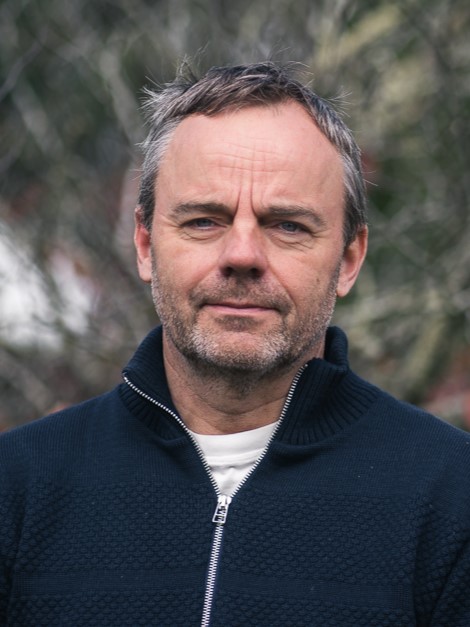
PROFESSOR JAKOB HOHWY (WINNER)
Faculty of ArtsProfessor Hohwy leads the highly successful Monash Centre for Consciousness and Contemplative Studies (Faculty of Arts) where he has created a highly productive postgraduate research environment that is intellectually stimulating and highly interdisciplinary. Professor Hohwy’s exceptional postgraduate mentoring model has resulted in 13 completions since 2019, but more importantly, exceptional outcomes for his students. His postgraduate students have led over 70 publications in leading journals since 2019 and, because of this productivity, now have their own research careers. This is truly unique in the Humanities and comes at a time when they most need to demonstrate their importance to society.

PROFESSOR CHRIS VELD
Faculty of Business and EconomicsOver his career, Chris Veld has supervised 17 PhD-students to completion of which seven graduated from Monash. Three of his former students currently have professorial positions at universities in Europe and Australia. This year's nomination was made by his four students who were recently awarded their PhDs. They stated: "We believe Chris's unwavering commitment to fostering a supportive and inclusive research environment, coupled with his exceptional guidance during our PhDs makes him a truly deserving candidate for this recognition."

DR JENNIFER BLEAZBY
Faculty of EducationDr Jennifer Bleazby draws on her background as a school teacher and a philosopher of education to help her research students connect the insights gained from their own extensive industry experience to rich theories and to the tools of philosophical analysis. Consequently, her students are able to identify and examine significant, pressing, educational and social problems in sophisticated, thought-provoking ways and propose practical solutions to these real world problems.
-
The Vice-Chancellor’s Award for Excellence in Graduate Research Supervision acknowledges and rewards Graduate Research supervisors (STEM) who have demonstrated exceptional supervision, mentoring and training practices to benefit and enrich the experience of their students.
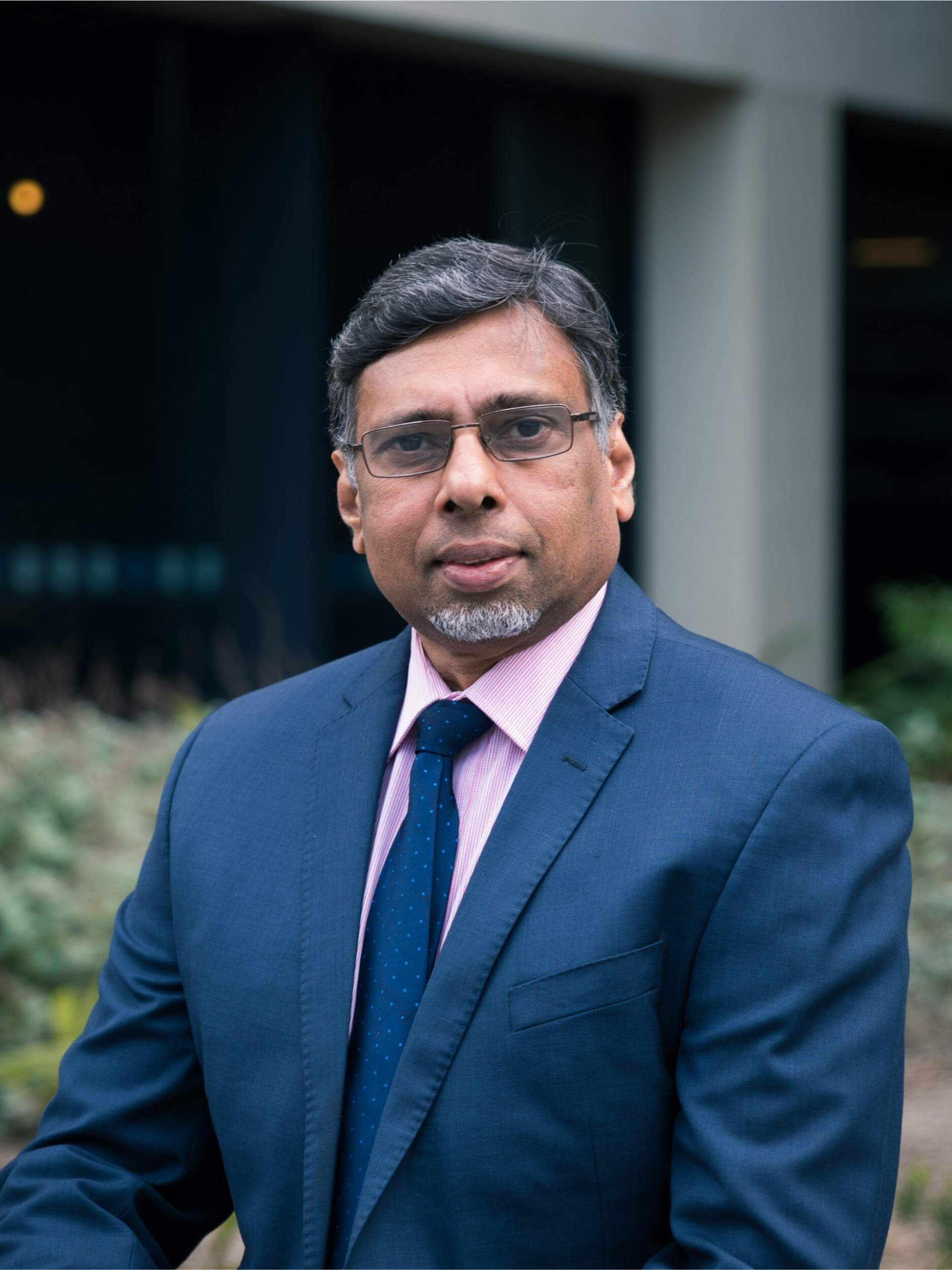
PROFESSOR JAYANTHA KODIKARA (WINNER)
Faculty of EngineeringProfessor Kodikara specialises in geomechanics and geo-infrastructure. He has graduated 52 PhD students and nine Masters students to completion. In the last five years, he has graduated 19 PhD students. He has published around 500 technical papers on diverse topics. His leadership has led to paradigm shifts in buried water pipe management and transport pavements. Over the last ten years, he has attracted over AUD 20m supporting postgraduate research projects. His and his students' contributions have been recognised by local and international innovation water awards, the ARRB Impact Award, VC's awards, and Dean's Awards for Research Enterprise and Innovation in 2019 and 2013.
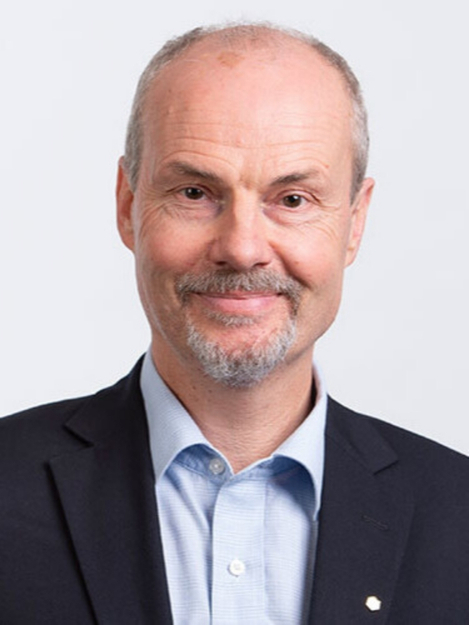
ARC LAUREATE PROFESSOR JOHN GRUNDY (SPECIAL COMMENDATION)
Faculty of Information TechnologyProfessor John Grundy is an Australian Laureate Fellow and Professor of Software Engineering at Monash University. Over the past five years, he has demonstrated exceptional supervision practices, contributing to very high student progression, completion rates, and future careers. His innovative approaches in industry engagement, including PhDs working with industry partners and diverse community collaboration, have enriched the student experience, encouraging growth as independent researchers. Professor Grundy’s dedication to research and mentorship, demonstrated by his work in human-centric, automated, domain-specific visual languages, and model-driven software engineering, has inspired many students to excel and secure prestigious positions in academia and industry.

PROFESSOR KARLA HUTT
Faculty of Medicine, Nursing and Health SciencesProfessor Karla Hutt is an NHMRC Investigator, Deputy Head (Research) of the Department of Anatomy and Developmental Biology, and co-Head of the Development and Stem Cells Discovery Program at Monash University. She leads the Ovarian Biology Laboratory, investigating the mechanisms behind the loss of healthy ovarian function (due to ageing, cancer treatments, infection and environmental damage) to improve women’s health and fertility. Currently supervising nine PhD students, she has previously supervised eight PhD and two Master’s students. Her mentorship approach is highly personalised, focusing on each student's unique learning needs, fostering their growth beyond traditional lab experiences.
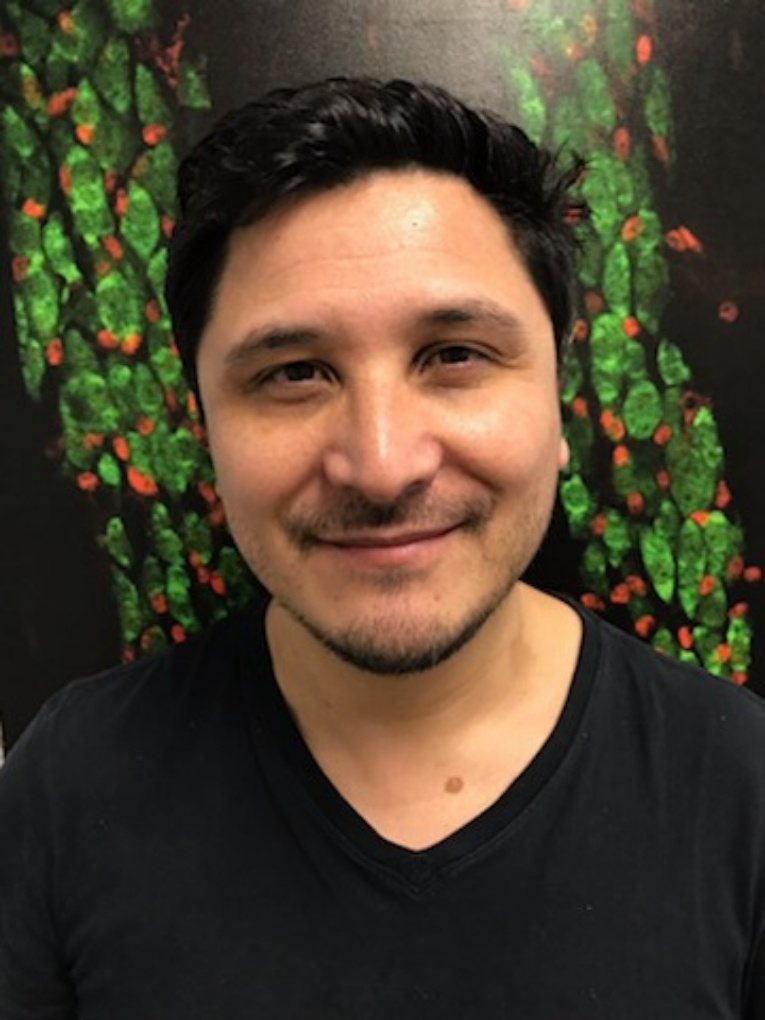
ASSOCIATE PROFESSOR DANIEL PHILIP POOLE
Faculty of Pharmacy and Pharmaceutical SciencesAssociate Professor Daniel Poole is a group leader at the Monash Institute of Pharmaceutical Sciences where he co-directs the ‘Integrated Neurogenic Mechanisms’ laboratory. His research program focuses on the neurobiology of digestive disease, with specific interests in intestinal dysmotility, neurogenic inflammation, and pain. Dan has supervised eight PhD and two MSc completions in the last five years. He has a demonstrated passion for enhancing his HDR supervision and mentoring, reflected by the success of his students, the learning, engagement and employment opportunities that they have pursued, and by the supportive environment that his team has established.
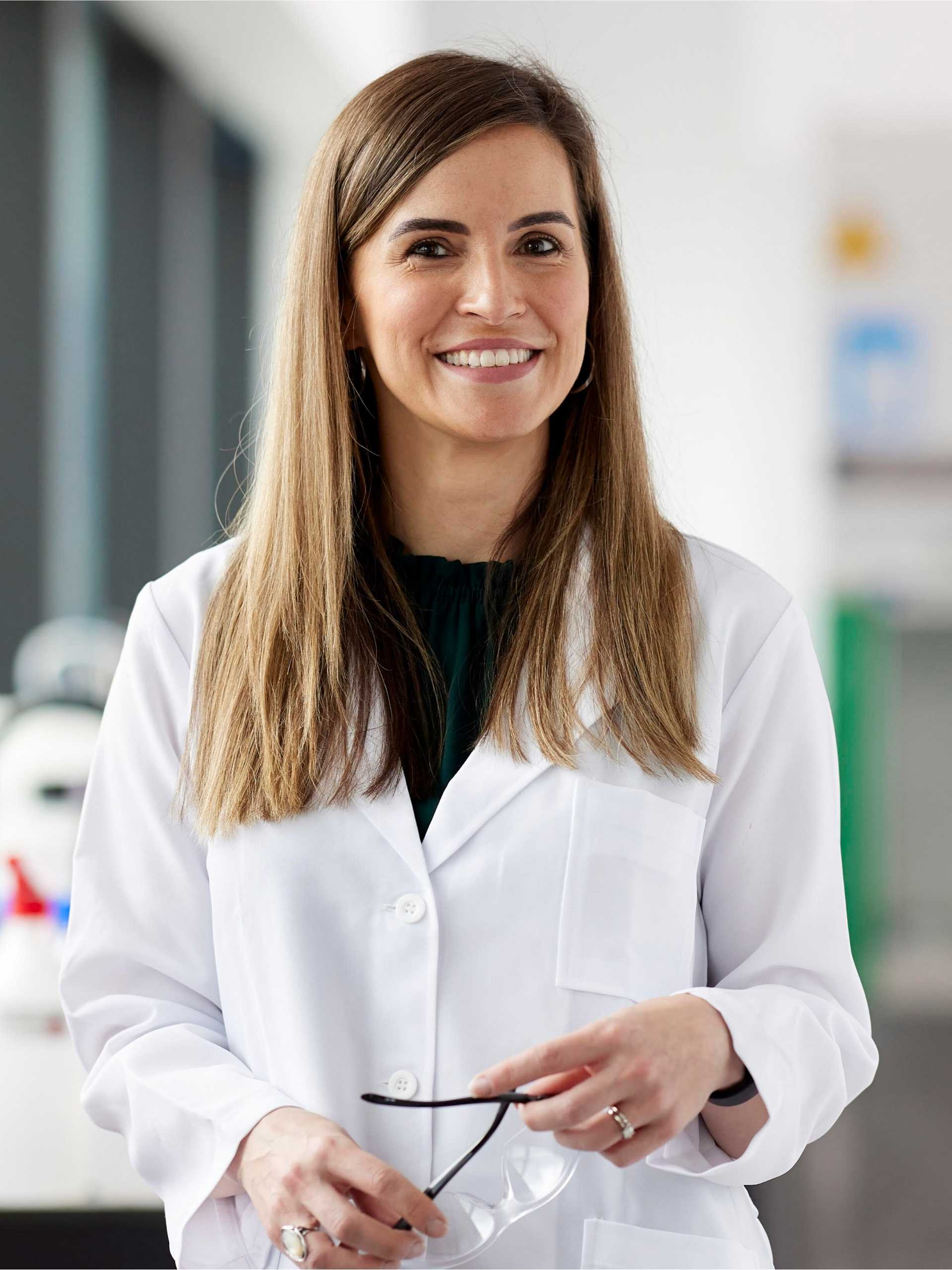
PROFESSOR FRANCINE MARQUES (WINNER)
Faculty of ScienceProfessor Francine Marques is an international expert on blood pressure and the gut microbiome. She is a dedicated supervisor, coach and mentor, committed to fostering a positive research culture that empowers students to pursue collaboration and develop independent and creative thinking. Since joining Monash in late 2018, she has supervised nine PhD students who have produced high-quality theses, with one recognised by the 2022 Vice-Chancellor's Commendation for Thesis Excellence. Her PhD students have published 41 papers (93% in Q1 journals) and four pre-prints, and have won (or were finalists for) 86 national and international awards and travel grants worth >$30K.
-
The Vice-Chancellor’s Award for Excellence in Research Engagement and Impact recognises research staff who have achieved, or are currently achieving, exceptional impact, particularly through transdisciplinary challenge-led research. The award celebrates success in collaborative working, partnerships, engagement and knowledge mobilisation activities that have led to significant community benefit.
INFORMAL CITIES LAB (SPECIAL COMMENDATION)
Faculty of Art, Design and Architecture, Monash University Indonesia, Monash Sustainable Development Institute, Faculty of Medicine, Nursing and Health Sciences, Portfolio of the Deputy Vice-Chancellor (Research) and Senior Vice-President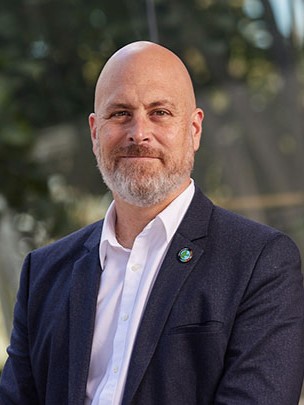
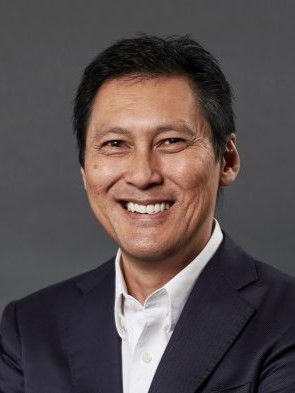

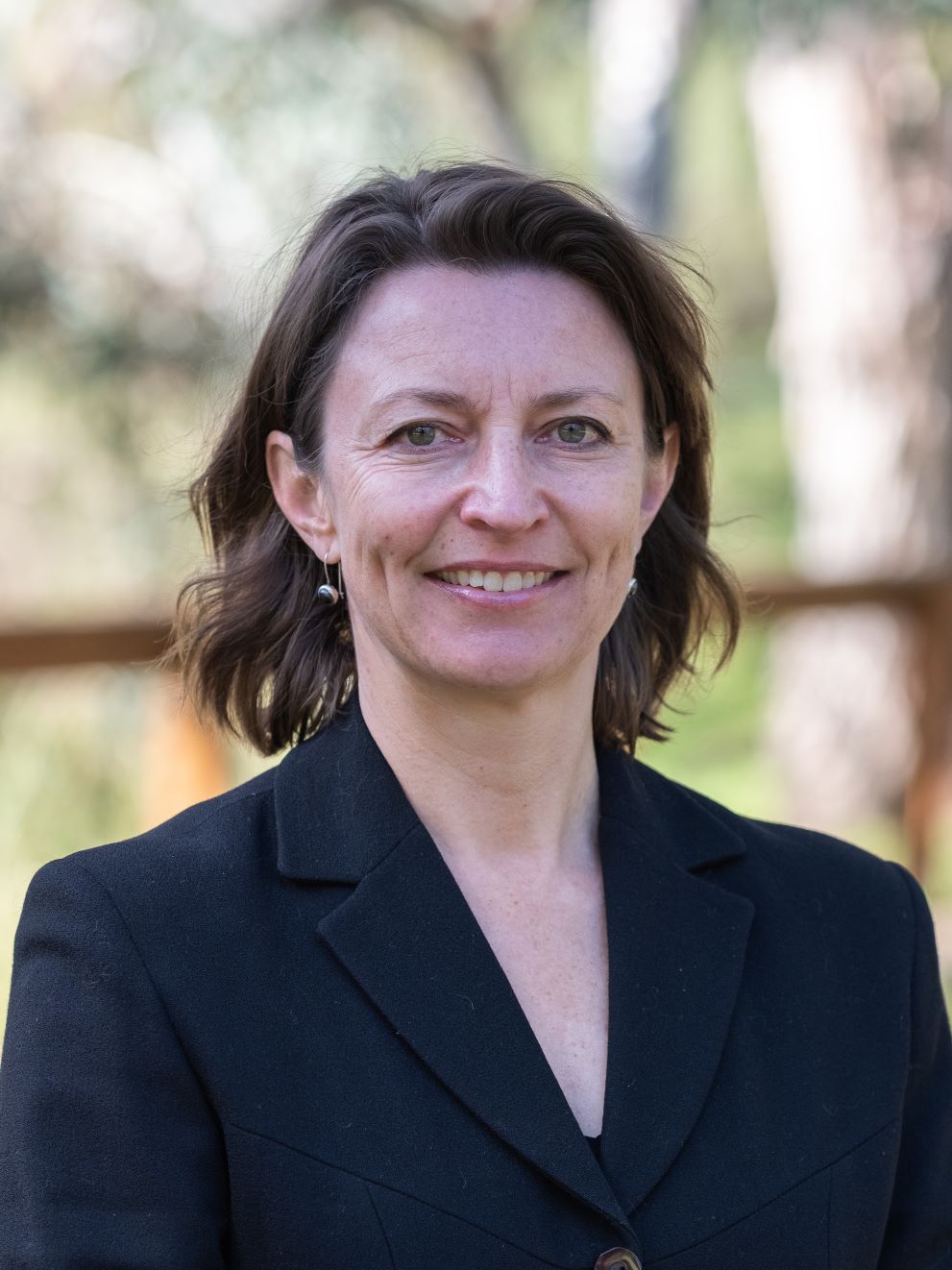

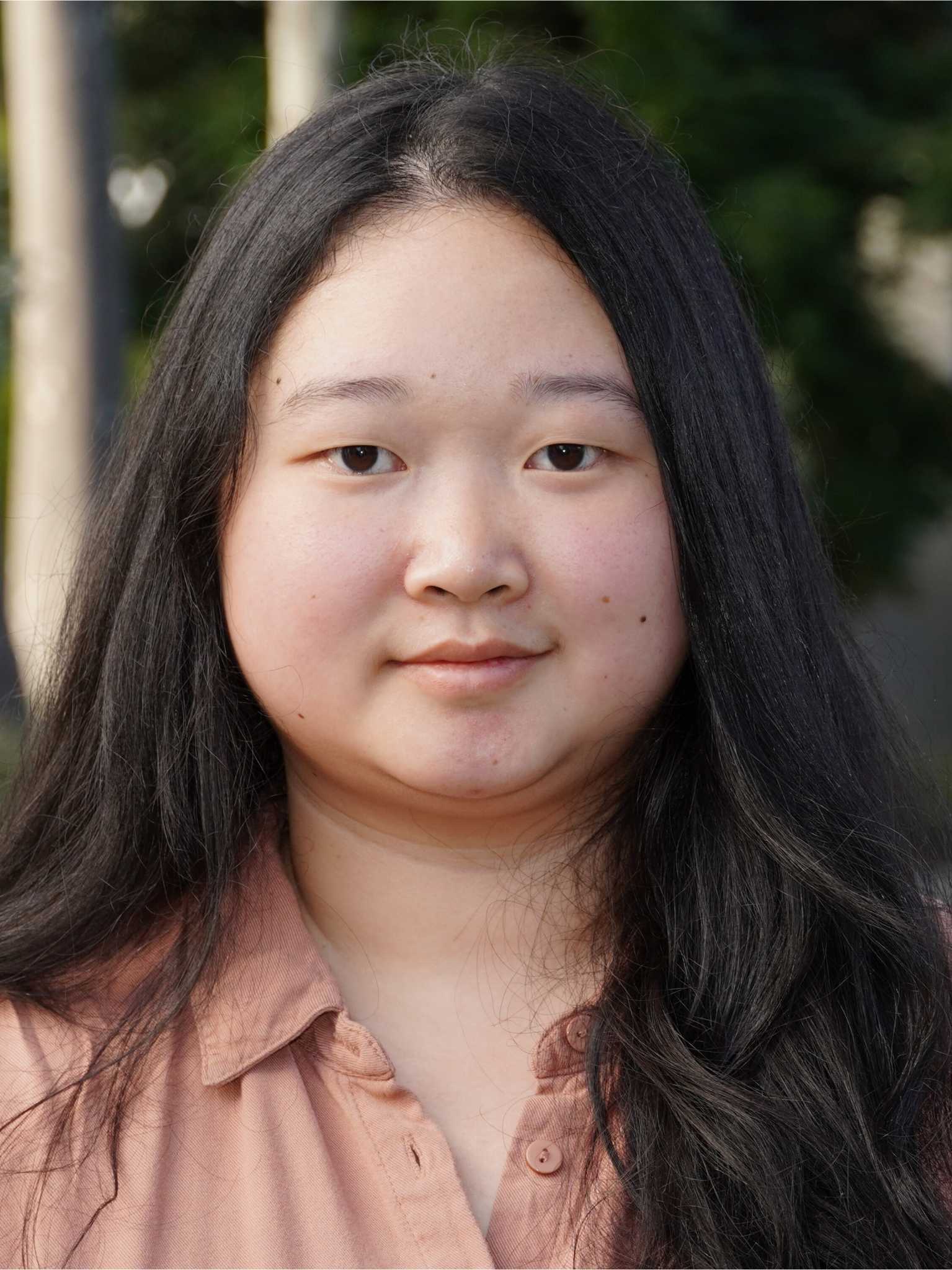

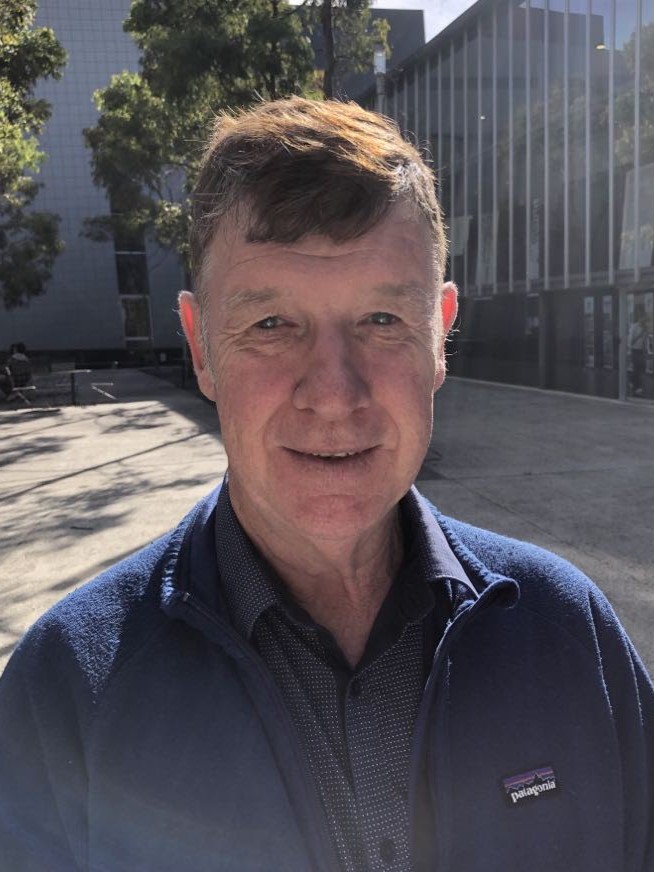



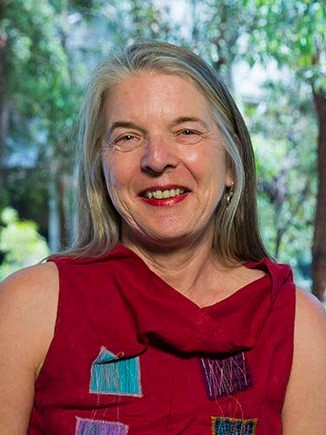
Left to right from top row: Professor Diego Ramirez-Lovering, Professor Tony Wong, Professor Peter Breen, Dr Jane Holden, Dr Michaela Prescott, Dr Tanvi Maheshwari, Dr Brendan Josey, Nanda Astuti, Jess Walters, Tania Wahono, Kerrie Burge, Sean Mulcair, Maily Tran, Professor Karin Leder, Dr Paris Hadfield, Dr Ilya Fridman, Professor Mohamed El-Sioufi, Associate Professor Matthew French and Dr Meredith Dobbie
The Informal Cities Lab leads transformative research tackling urban and environmental challenges in the Asia-Pacific. Through flagship projects like RISE and CARP, the lab delivers scalable, innovative solutions to improve public health and restore ecosystems in vulnerable communities impacted by rapid urbanisation and climate change. Their cutting-edge, community-driven approaches to water, sanitation, and environmental restoration have not only improved lives but also shaped government policies. With a bold, transdisciplinary approach, the lab fosters lasting change by empowering communities and driving action on critical global issues, positioning itself as a leader in delivering high-impact, sustainable solutions at scale.
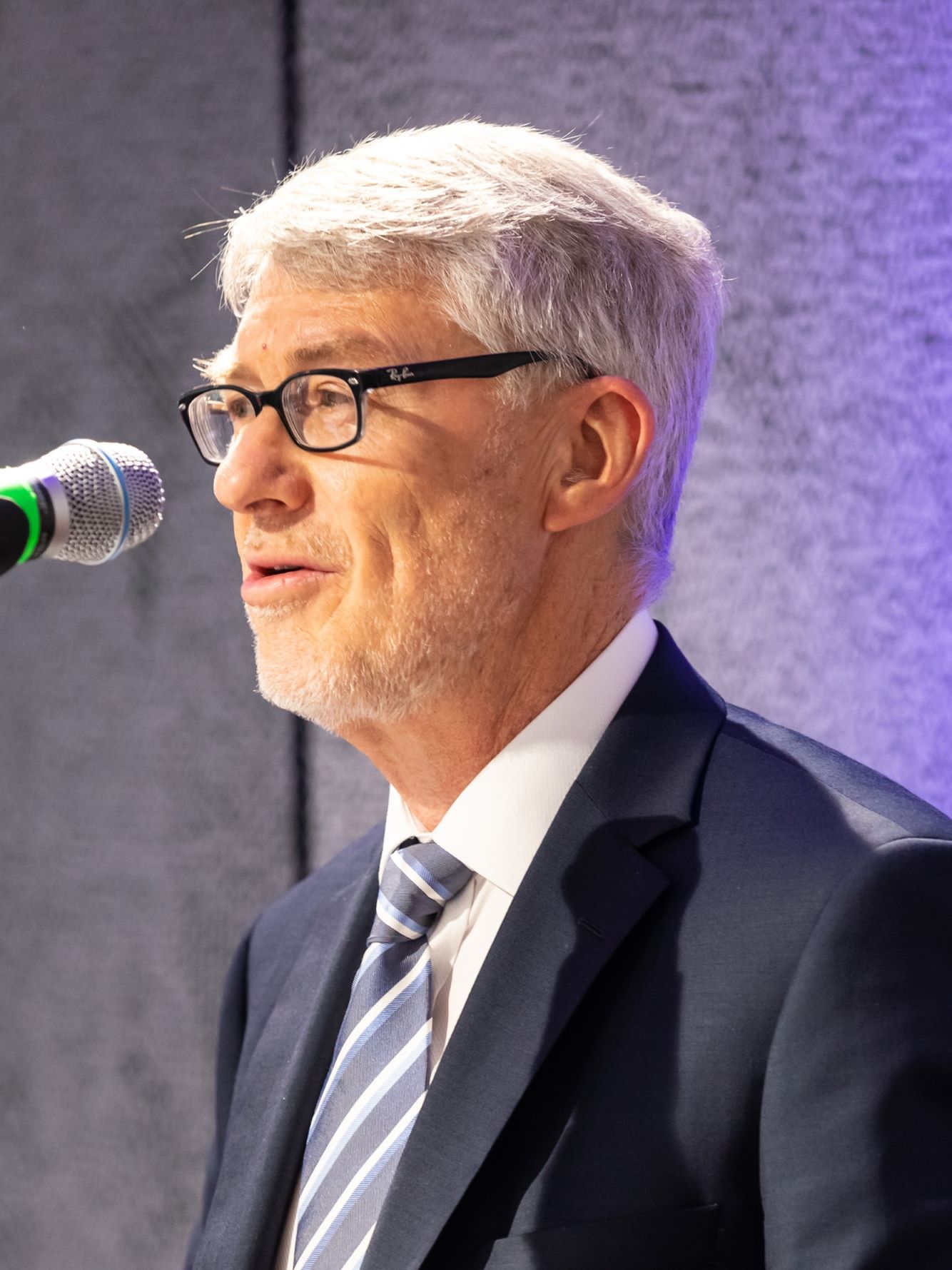
PROFESSOR TONY MOORE
Faculty of ArtsProfessor Tony Moore’s research excellence in engagement and impact is best demonstrated by his leadership of Conviction Politics: the Convict Routes of Australian Democracy, a large-scale ARC LP underpinned by multi-industry Australian and international partnerships with museums, archiving institutions, media producers, unions, and education systems that deliver: large cash contributions that enable the flexibility necessary for transdisciplinary practice-based research innovation beneficial to Partners; in-kind resources from Partners such as archives, other IP and interviewees; and expertise, to translate research into accessible media, and other practice-based outputs; and channels to ensure our discoveries engage large memberships and general public.
THE ONE BOX RESEARCH COLLABORATION – TACKLING FOOD INSECURITY IN AUSTRALIAN COMMUNITIES (SPECIAL COMMENDATION)
Faculty of Business and Economics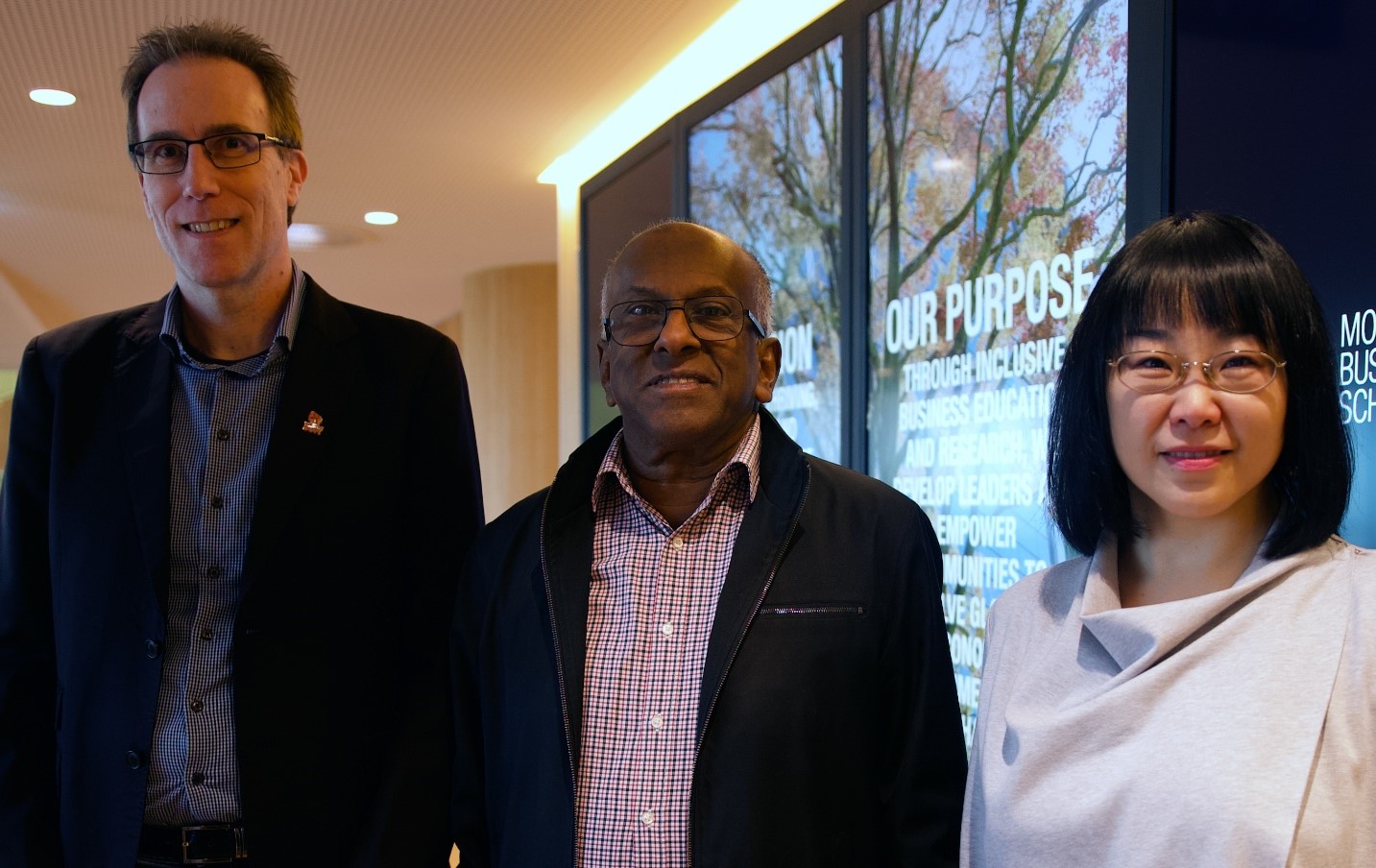
Left to right: Professor Ralph Kober, Associate Professor Paul Thambar and Dr Zhiyun Gong
Since 2020, the team has collaborated in a transdisciplinary project with The One Box (TOB), a food relief charity with an innovative approach to addressing food insecurity in Australia. The team measured the financial efficiency of TOB’s model, then developed a beneficiary-focused impact framework to assess and communicate impacts. They have documented the benefits of TOB’s alternative model of providing a guaranteed weekly box of freshly purchased produce on the health, economic and social wellbeing of recipients. Using their research, TOB has increased its funding allowing it to triple its program, helping over 1800 families across Australia each week.
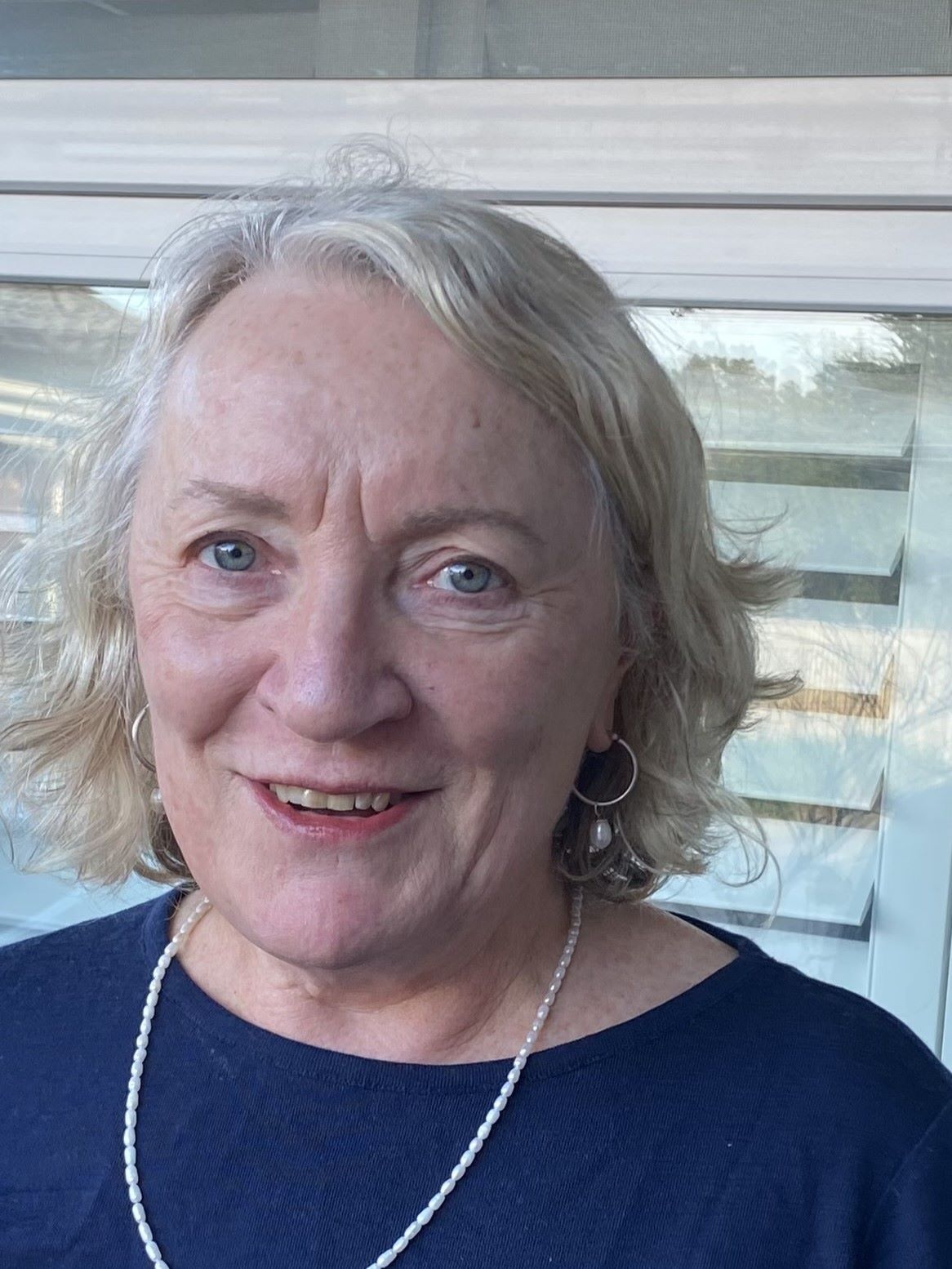
ASSOCIATE PROFESSOR ANNE KEARY
Faculty of EducationResearching intergenerational family play practices with young children holds the potential to show continuity and change across generations, demonstrating how these practices can be transformative and sustainable across time. A study led by Associate Professor Anne Keary expanded the knowledge base of intergenerational family play practices for children’s language/s learning, and the linguistic, cultural and social benefits of these practices for Australia. Communicating the findings in multifarious ways – academically, professionally and with research participants – helped to provide coherent and richly illustrated narratives sensitive to the complexities and multiple perspectives of families supporting the integration of the evidence into practice.
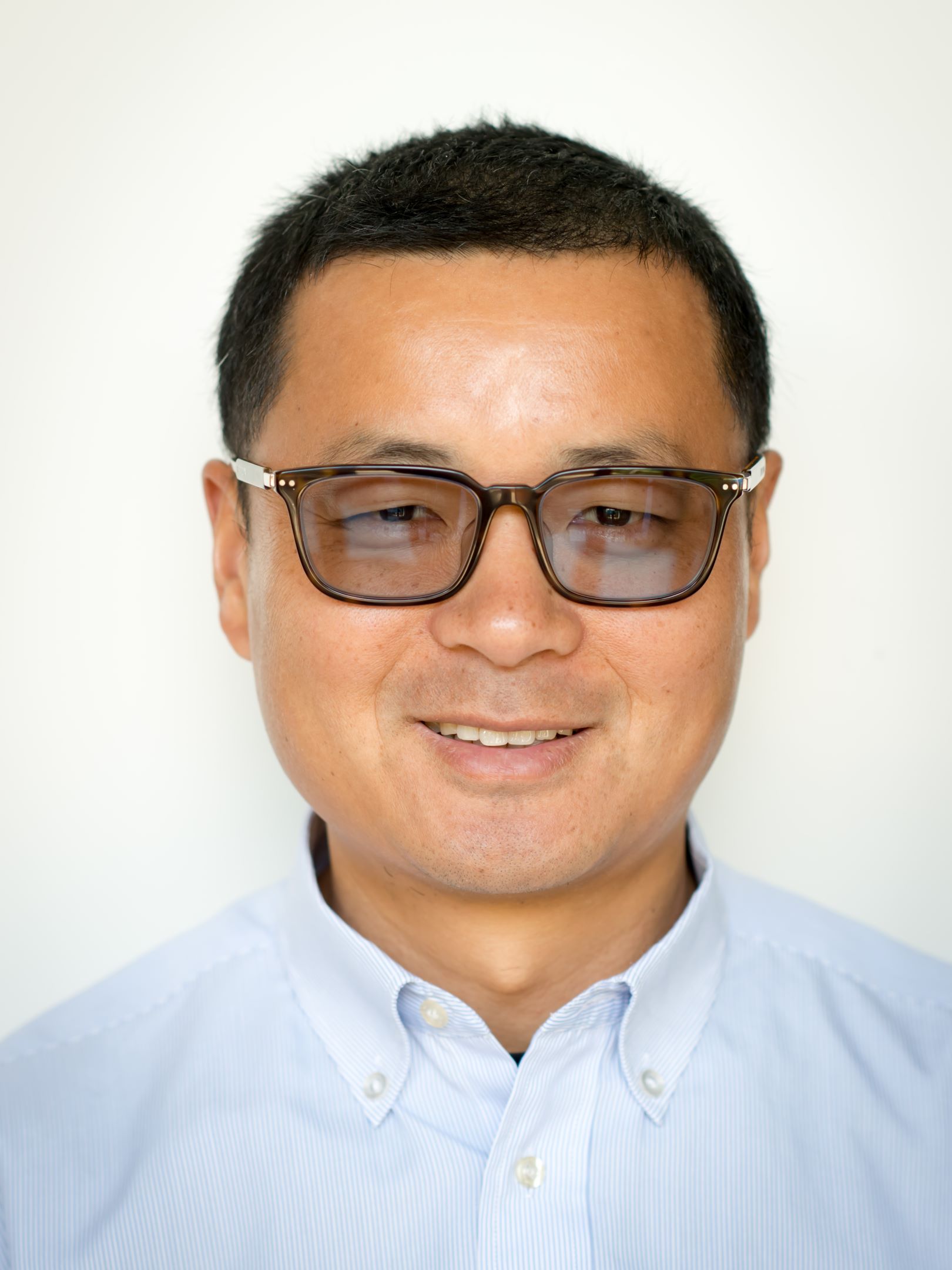
ASSOCIATE PROFESSOR CHAO CHEN
Faculty of EngineeringAssociate Professor Chao Chen is Deputy Head of Department of Mechanical and Aerospace Engineering and Course Director of Robotics and Mechatronics in Monash Engineering. He is also the research leader of Monash Apple Retrieving System (MARS), the founder and academic supervisor of Monash Nova Rover Team (MNRT), and the academic supervisor of the Digital Twin Lab for Smart Manufacturing (DTL_SM) in Monash Innovation Labs. He achieved significant community and sectoral impacts and demonstrated leadership by fostering young STEM students, engineers, and researchers, and promoting robotics and AI in agriculture, space, and manufacturing industries.
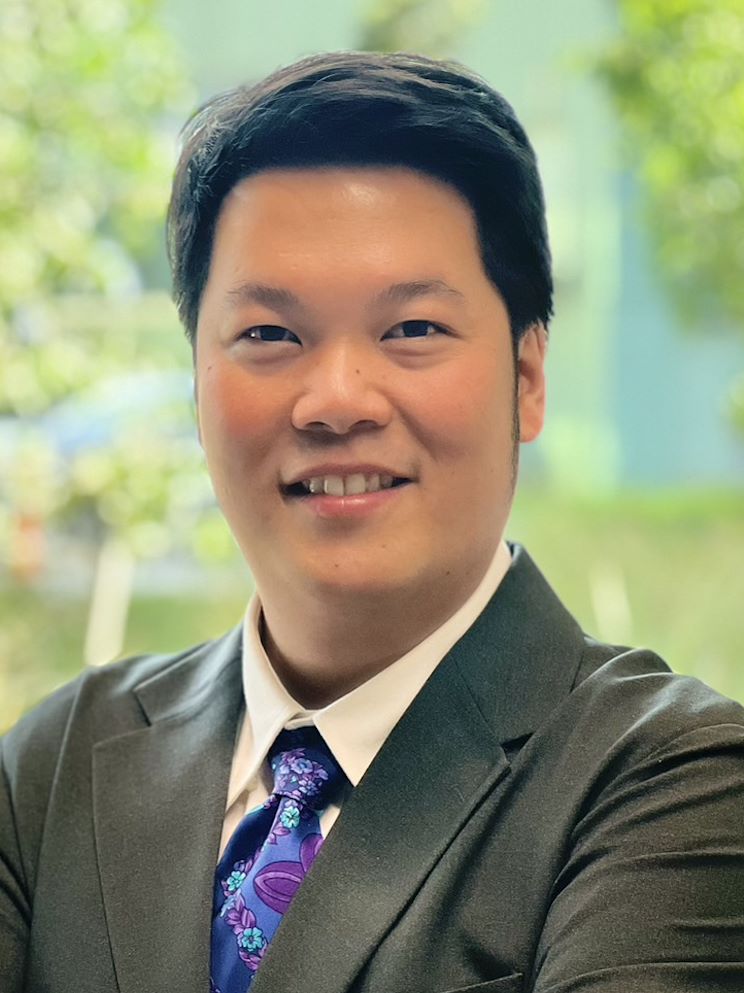
DR KLA TANTITHAMTHAVORN
Faculty of Information TechnologyDr Kla Tantithamthavorn has been a research impact champion who has consistently driven industry-relevant, impactful research. Notable achievements include leading the CSIRO Next Gen Graduates AI Program on Responsible AI Software Engineering, securing partnerships with global organisations like Transurban, and creating multiple industry-funded PhD internships with Atlassian. These efforts have led to innovations in AI for software engineering and software engineering for AI, with widespread adoption by industry and academia. Dr Kla also created a series of research impact literacy workshops and lectures, empowering others to achieve successful engagement and impact in their respective fields.
LEARNING THE LESSONS OF ROBODEBT: REFORMING AUTOMATED GOVERNMENT DECISION-MAKING
Faculty of Law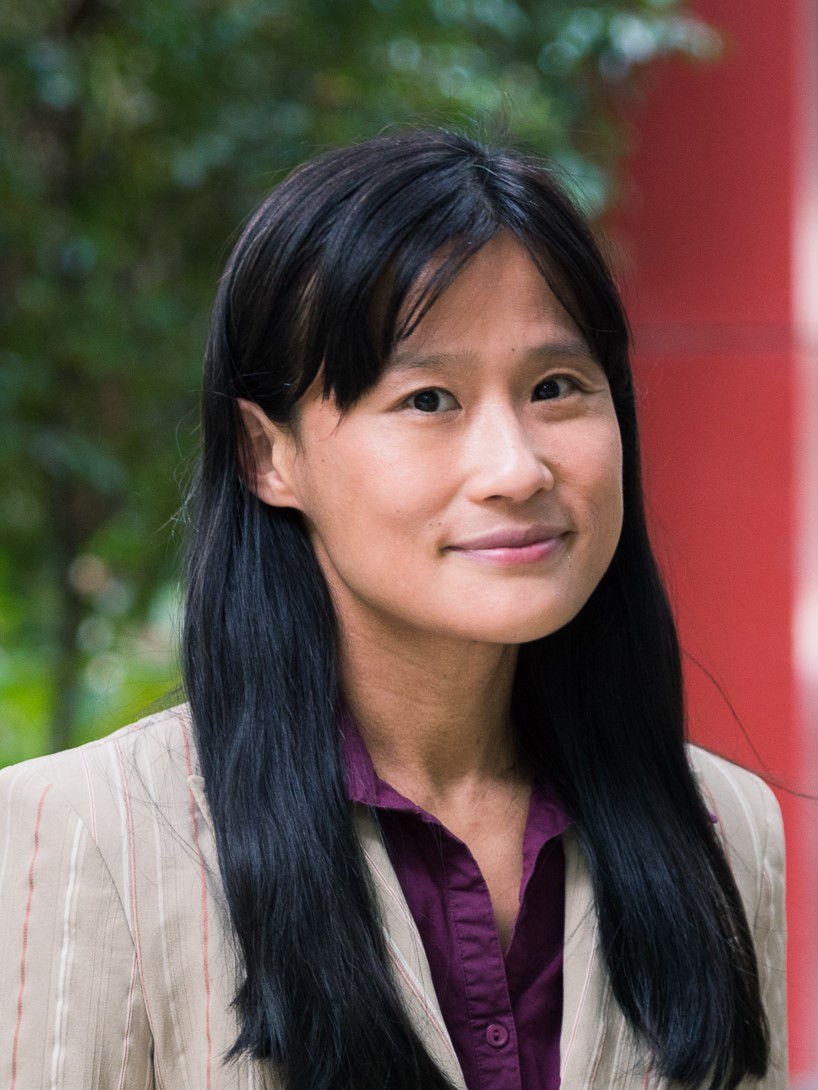

Left to right: Associate Professor Yee-Fui Ng and Associate Professor Joel Townsend
Vulnerable populations have been detrimentally affected by the Australian government’s use of automated processes. The disastrous rollout of Robodebt is illustrative of the issues in automating government decision-making. Errors of methodology of government decision-making resulted in incorrect or inflated debt calculations for over 600,000 individuals. These have reduced public trust in computer-supported government decision-making and have led to grave repercussions for vulnerable low-socioeconomic debtors. This includes indigenous people and individuals experiencing severe mental health issues, with reports of suicide in the affected population. The nominees have contributed significant scholarship regarding Robodebt and reforms to automation in administrative decision making.

PROFESSOR DANIELLE MAZZA AM (WINNER)
Faculty of Medicine, Nursing and Health SciencesProfessor Danielle Mazza AM FAHMS is Head of the Department of General Practice, Monash University and Director of the SPHERE NHMRC Centre of Research Excellence in Sexual and Reproductive Health for Women in Primary Care. Through Professor Mazza’s leadership, SPHERE’s research and advocacy has informed changes in policy and clinical practice aimed at improving access to sexual and reproductive health services for women in Australia. These include the introduction of telehealth for accessing medical abortion, deregulation of medical abortion and federal government funding for initiatives that support primary care professionals to provide long-acting reversible contraception (LARC) and medical abortion services.
AUSTRALIAN AND NEW ZEALAND INTENSIVE CARE RESEARCH CENTRE (ANZIC-RC)
Faculty of Medicine, Nursing and Health Sciences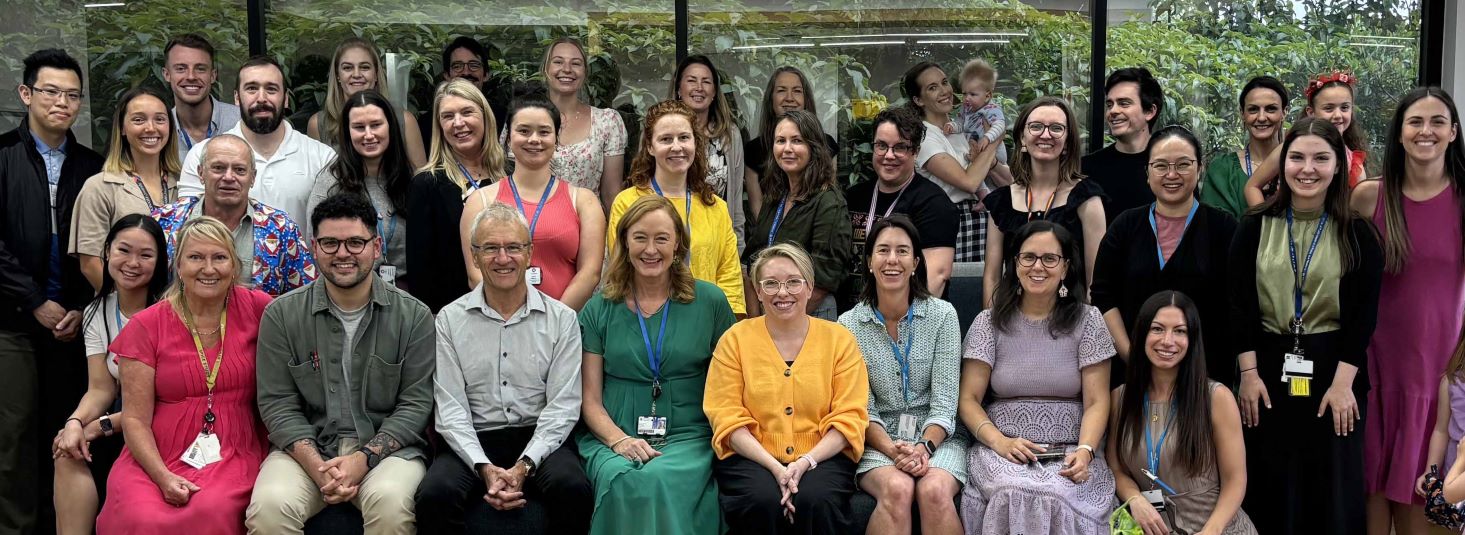
Professor Jamie Cooper, Professor Carol Hodgson, and other members of the ANZIC-RC team (Professor Rinaldo Bellomo and Professor Andrew Udy not pictured)
The Australian and New Zealand Intensive Care Research Centre (ANZIC-RC) leads pivotal, large-scale critical care research, driving global practice improvements, saving lives, and reducing healthcare costs. Its work builds research capacity in the field making it one of Monash University's most successful research groups, with over $121 million in grant funding and more than 2400 publications (274 in 2023). Key achievements include winning the Australian Clinical Trials Alliance (ACTA) Trial of the Year in 2022 (REMAP-CAP - Professor Steve Webb) and 2023 (TEAM Trial - Professor Carol Hodgson), underscoring its global impact in critical care.
THE VICPHAGE CLINICAL PHAGE THERAPY PROGRAM
Faculty of Science, Faculty of Medicine, Nursing and Health Sciences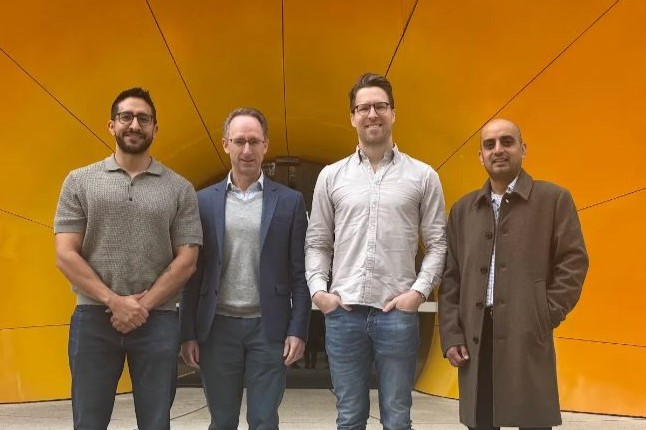
Left to right: Dr Fernando Gordillo Altamirano, Professor Anton Peleg, Associate Professor Jeremy Barr and Dr Dinesh Subedi
The VICPhage team established the first clinical phage therapy service in Victoria. The program helps patients battling life-, limb-, or function-threatening antibiotic-resistant infections where no other treatment options are available. This is a true bench-to-bedside program. We leverage fundamental phage research performed at the School of Biological Sciences and apply it through the clinical administration of phage therapy at The Alfred Hospital. This ground-breaking work was illuminated in the 2024 SBS documentary “Last Chance to Save a Life” which follows patients, doctors, and scientists in nail-biting real time to discover the power and challenges of phage therapy.
-
The Vice-Chancellor’s Award for Excellence in Research Enterprise and/or Commercialisation recognises research staff who have achieved, or are currently achieving, excellence in innovation and collaboration. The award celebrates successful, enduring partnerships with industry, government and other organisations.
MUTUAL VALUE MEASUREMENT (MVM) FRAMEWORK RESEARCH PROJECT
Faculty of Business and Economics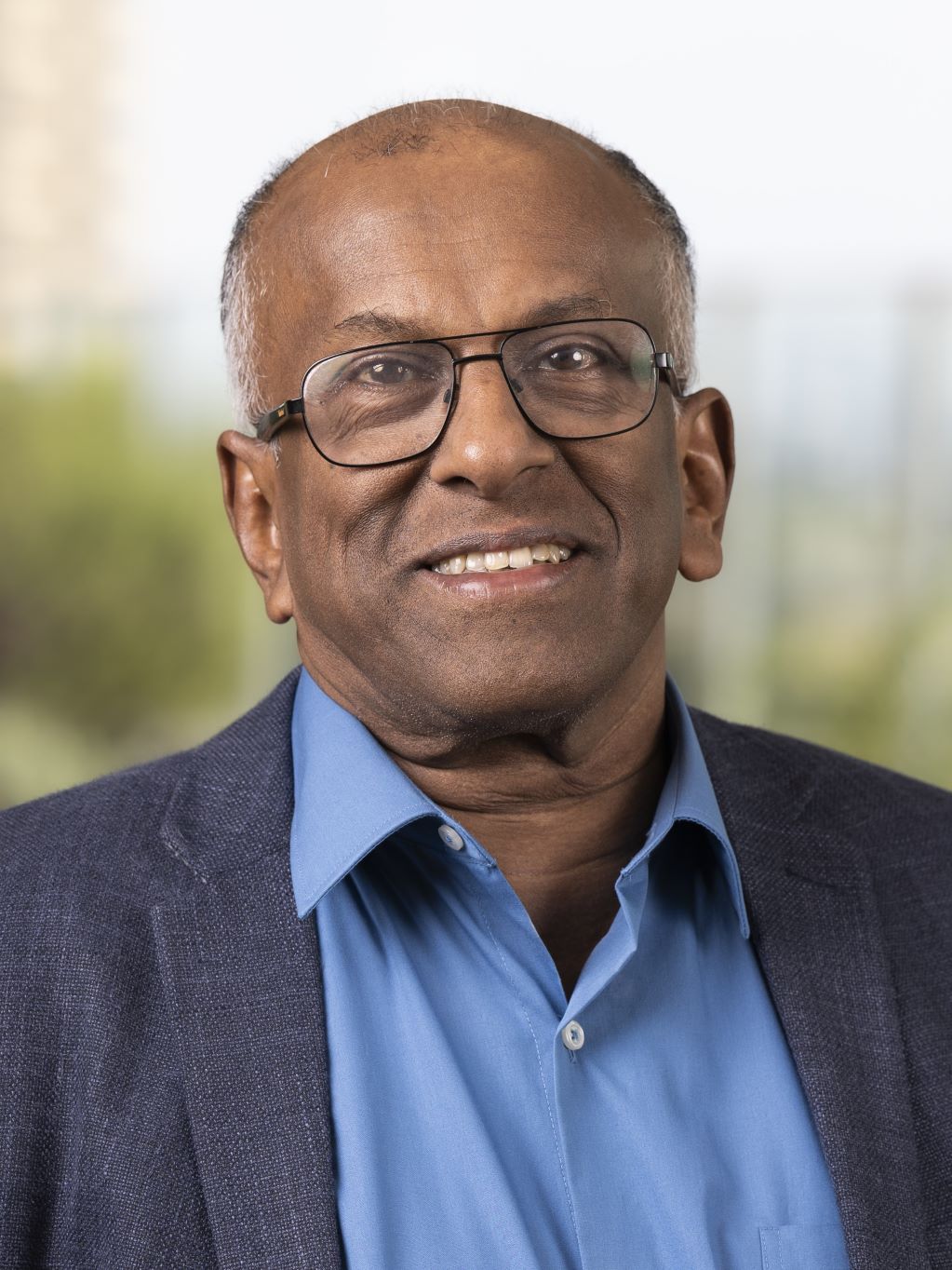

Left to right: Associate Professor Paul Thambar and Professor Matthew Hall
A transdisciplinary AUD 1.1m research program with the peak industry group for cooperative and mutual enterprises in Australia, the Business Council of Cooperatives and Mutuals (BCCM) has delivered a globally awarded strategic impact measurement tool, Mutual Value Measurement (MVM) framework which was commercialised in 2021. The framework has been adopted widely by CMEs in Australia, the UK and the US, and has led to demonstrable societal impacts in a range of industry sectors by enabling existing CMEs to realign their purpose with strategy and operations to deliver benefits and value to key stakeholders, and designing new social care cooperatives in Australia.

DR MICHAEL BURKE
Faculty of EngineeringDr Michael Burke’s work in Robotics and AI is informed by substantial industry experience (>7 years) and time in R&D leadership outside of academia, and aims to create transferable research outputs that address industry needs. A key component of his research enterprise strategy is to strive to build a clear pipeline into industry for our PhD and final year students through internships and research collaborations. As evidenced by the highly successful Dingo Robot project conducted under his supervision, this drives reputational gains, supports industry-driven teaching, and generally strengthens networks to better support the Monash internationalisation strategy more broadly.
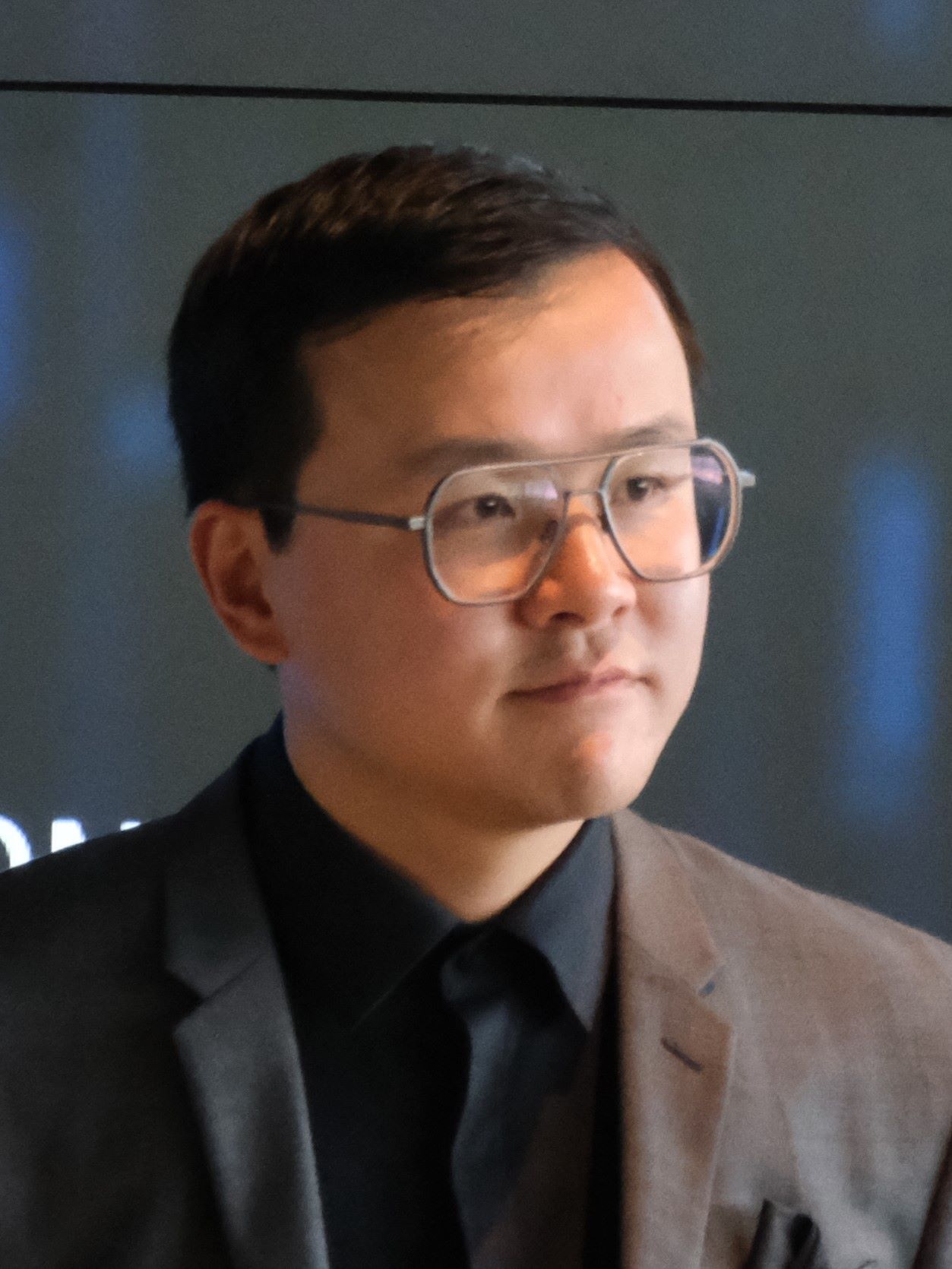
ASSOCIATE PROFESSOR ZONGYUAN GE
Faculty of Information TechnologyAssociate Professor Zongyuan Ge is the Chief Consulting Scientist for AI at the company Optain Health which targets the massive global optometry and optical dispensing market. He has helped Optain Health with closed funding and investment of over 20 million US dollars from various venture capital, family foundation and the Morrison Government. This company has developed the full-stack AI workstation, which can screen for the four leading causes of blindness in adults: CKD, CVD, DR, Cataracts, AMD, and Glaucoma, and sold to all 48 Australian BUPA Optical stores.
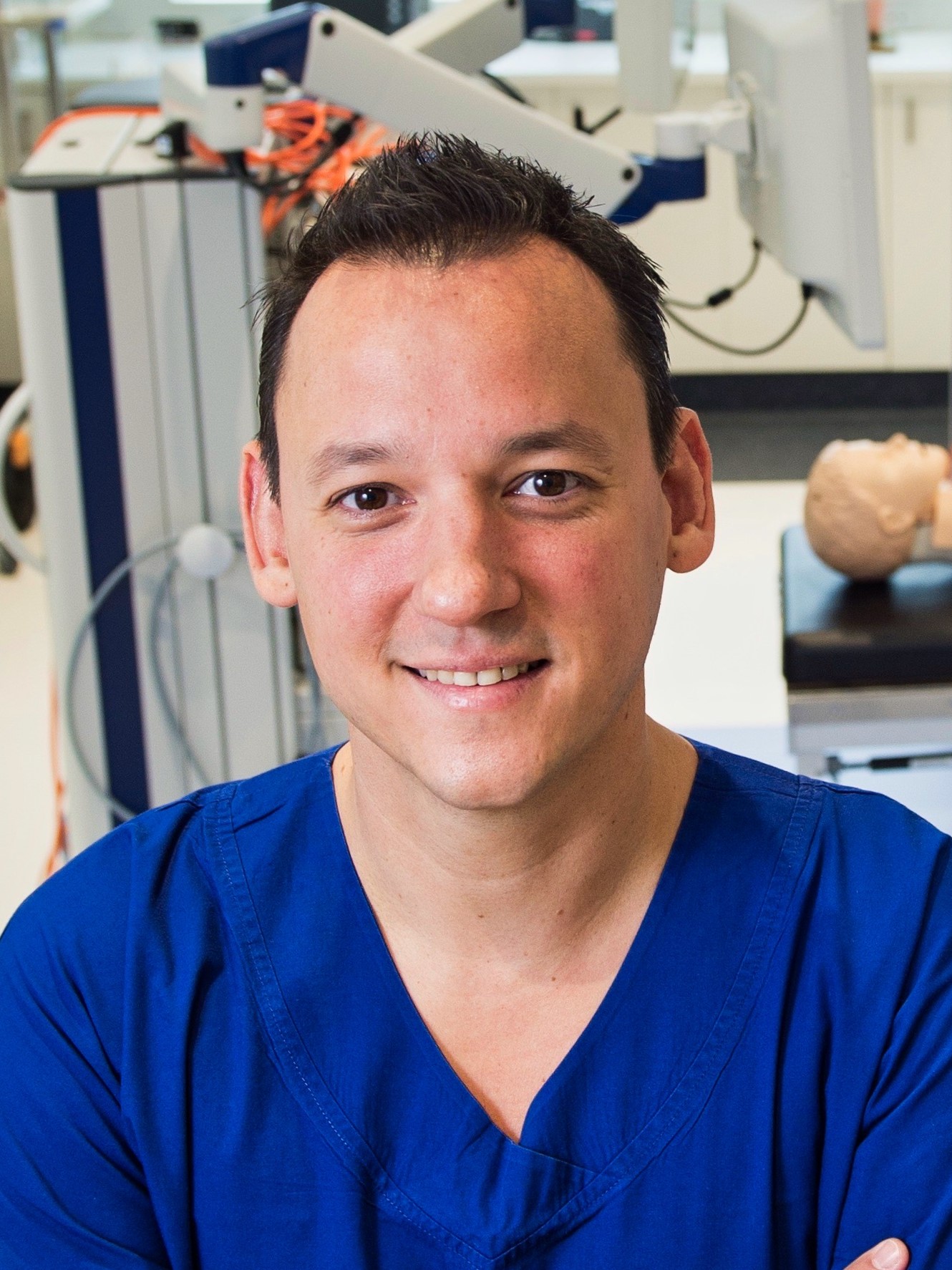
PROFESSOR RAMESH NATARAJA
Faculty of Medicine, Nursing and Health SciencesProfessor Ramesh Nataraja is an academic paediatric surgeon in the Department of Paediatrics, and Director of Monash Children’s Simulation where he has developed a self-sustaining unit with a growing portfolio of virtual national and international courses. A pioneer in minimally invasive surgery and surgical simulation, he designed the first validated paediatric surgical bench trainer in 2002. With over 120 peer-reviewed publications, his work integrates emerging technology to enhance education. Passionate about educational reform in Low- and Middle-Income countries, he has led programmes in Myanmar, Fiji, Samoa, and Papua New Guinea for eight years, including the innovative PIVOTS programme.
TRANSLATION AND COMMERCIALISATION OF NEUROMEDICINES (WINNER)
Faculty of Pharmacy and Pharmaceutical Sciences
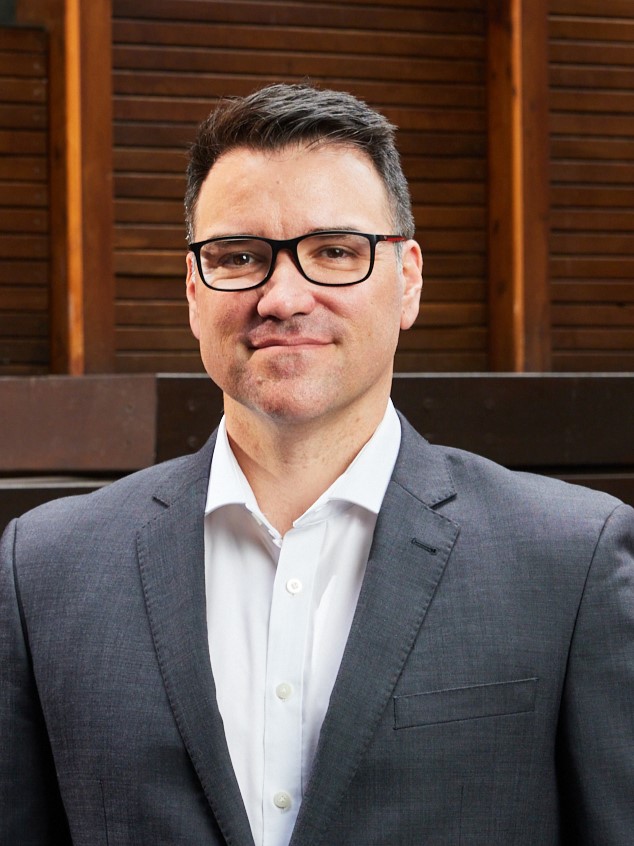
Left to right: Professor Chris Langmead and Dr Greg Stewart
The development of new medicines for mental health and neurological conditions is a major area of unmet need and poorly addressed compared to other therapeutic areas. Through the recently established Neuromedicines Discovery Centre, Professor Chris Langmead and Dr Greg Stewart have established a series of translational and commercial partnerships and ventures to combine the University's expertise in neuroscience and medicines development, resulting in a new pharmaceutical company partnership with Servier (France) and two new biotechnology startups, Pacalis Therapeutics and Phrenix Therapeutics (the latter co-founded with Jess Nithianantharajah at The Florey for the development of new treatments for schizophrenia and cognitive disorders).
-
The Vice-Chancellor’s Research Professional of the Year Award rewards professional staff members who have recently made, or are currently making, exceptional contributions to the success of Monash research. The award celebrates the work of those who go above and beyond to make a positive impact in their areas, demonstrating sustained and significant achievement as part of the Monash Research Community.
THE SEM/FIB TEAM, MONASH CENTRE FOR ELECTRON MICROSCOPY
Portfolio of the Deputy Vice-Chancellor (Research) and Senior Vice-President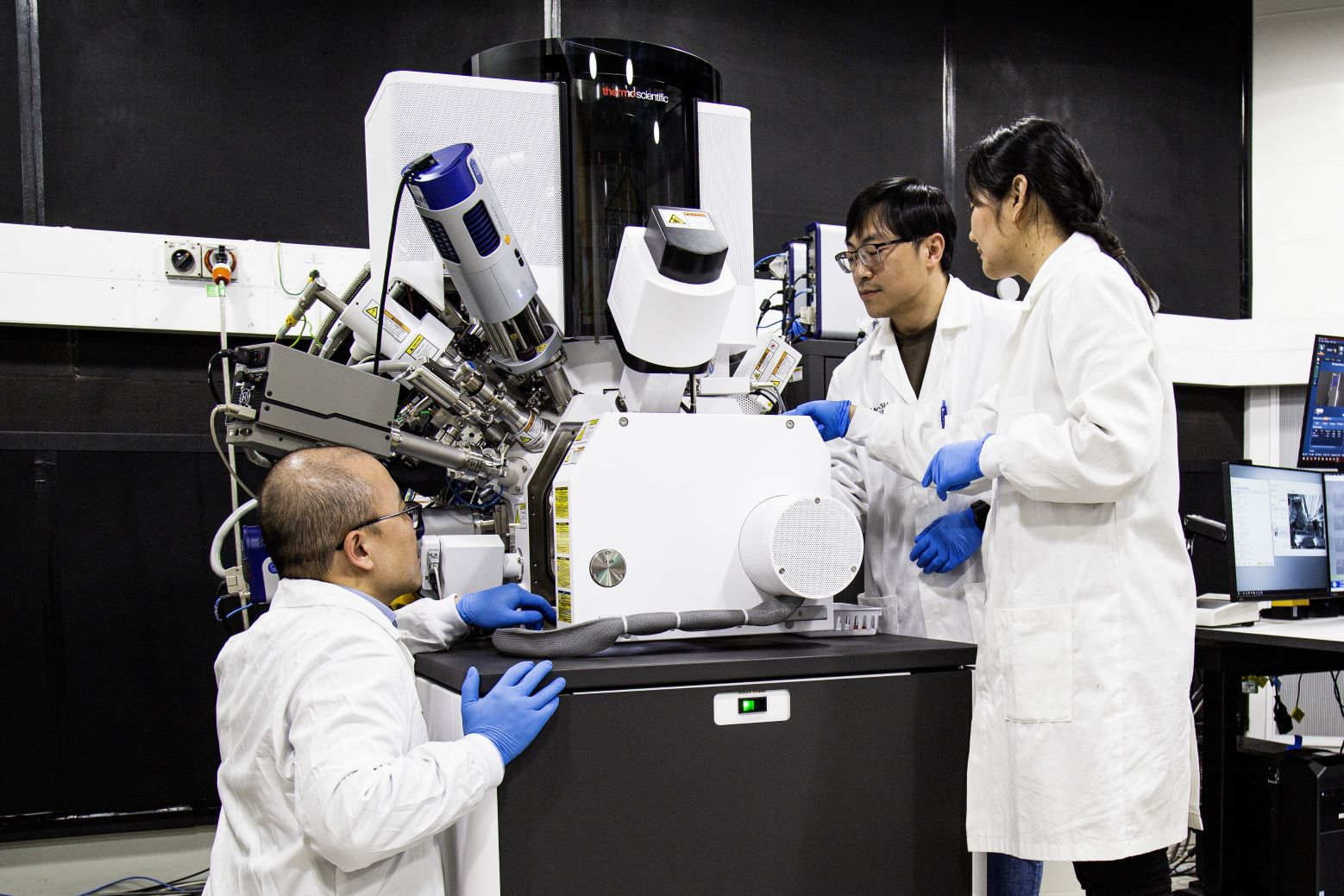
Left to right: Dr Zhou Xu, Dr Yang Liu and Dr Xiya Fang
For the last five years Dr Xiya Fang, Dr Zhou Xu and Dr Yang Liu have worked as a united team at the Monash Centre for Electron Microscopy to serve the Monash University community in the field of scanning electron microscopy and focused ion beam microscopy. They have demonstrated professional excellence by providing research capabilities, supporting the researchers that use them, and training hundreds of students and early-career researchers to use sophisticated instrumentation, resulting in excellent research outputs. They are leading cutting-edge research in technique development to extend capabilities, further enhancing Monash’s reputation nationally and internationally.
DR JANE HOLDEN (WINNER)
Faculty of Art, Design and ArchitectureSince 2016, Dr Jane Holden has been pivotal in supporting the Informal Cities Lab in the Faculty of Art, Design and Architecture, driving global research addressing environmental and climate challenges in vulnerable communities. Leveraging her academic and industry expertise, Dr Holden was instrumental in securing major funding and backed key projects like the Citarum Action Research Program in Indonesia. Her work has strengthened cross-disciplinary collaboration, positioning Monash as a leader in sustainable urban development and climate resilience. Through her efforts, Dr Holden has helped deliver innovative solutions for the Global South, advancing Monash's strategic impact in these critical areas.

JOANNE WITHERIDGE
Faculty of ArtsJoanne Witheridge, Manager of Research Quality and Performance, Research and Enterprise (Faculty of Arts), excels at simplifying workflows, enhancing productivity, and fostering a culture of continuous improvement. Combining her knowledge of the research landscape, service provision and technical expertise she regularly leads and contributes to the design of processes/technologies across a number of portfolios to ensure best fit for implementation. She supports the positioning of the Faculty for research collaboration and growth, enabling the Faculty and University agenda by developing and maintaining connections across the University.

HELEN MATICH (WINNER)
Faculty of Business and EconomicsHelen has demonstrated and continues to demonstrate outstanding professional excellence, fostering collaboration, especially in the establishment of the Pacific Action for Climate Transitions (PACT), and the Impact Labs that strategically align with Monash University’s Impact 2030 initiative. She provides exceptional support to both academic and professional staff at the Faculty, including those at Monash Malaysia and Indonesia. She has been key in the transformation of the Monash Business School’s doctoral program uplift to meet the standard of world’s best practice. She fosters a continuous culture of learning and the application of new learnings in everyday practices.
JASMINE EVANS
Faculty of EducationJasmine Evans has been nominated for the Vice-Chancellor’s Research Professional of the Year award for her dedication and performance in supporting contract research projects in the Faculty of Education. She works to foster cross-team collaboration and communication within the Faculty and the wider University in order to refine the processes of the Development and External Relations team, both at pre–award and post–award level. Jasmine is committed to the values and purpose of the Faculty and Monash University, and always strives to achieve the highest standard in her work.
RESEARCH, GRADUATE RESEARCH AND ENGAGEMENT TEAM (“RESEARCH SERVICES”)
Faculty of Information Technology, Portfolio of the Deputy Vice-Chancellor (International) and Senior Vice-President, Faculty of Business and Economics













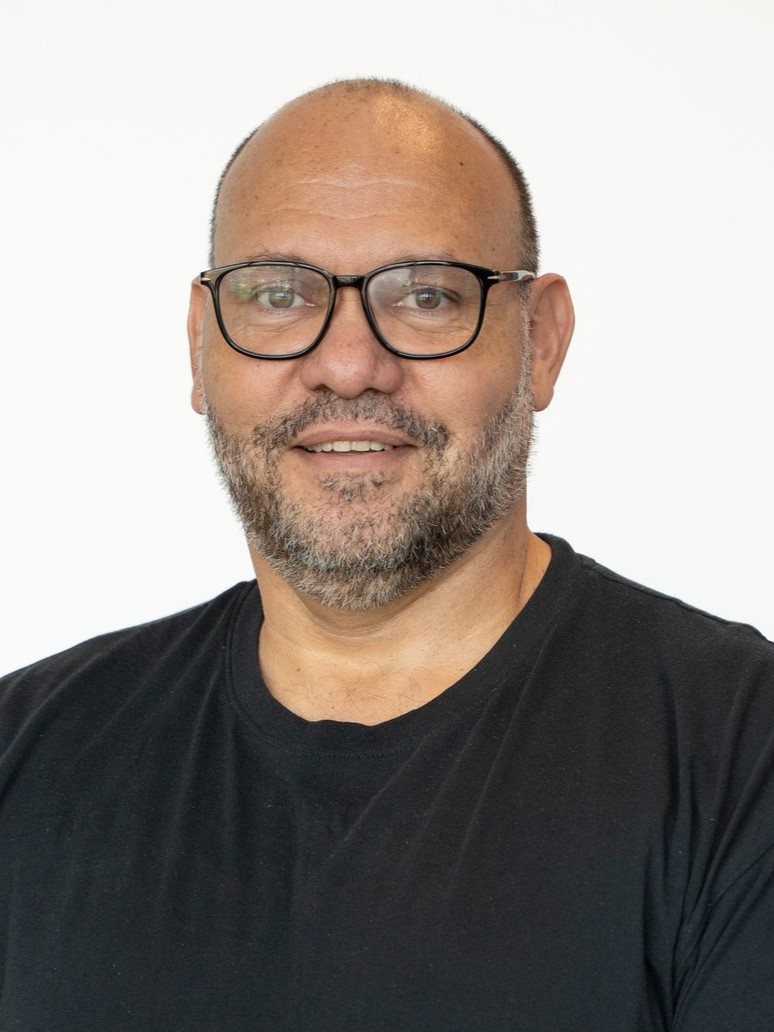
Left to right from top row: Steve Gardner, Dr Athena Bangara, Katherine Knight, Sharon Aburn, Julie Holden, Dr Mingdeng Luo, Sheena Abraham, Mathura Rajalingam, Amanda Teo, Ammie Julai, Allison Mitchell, Rachael Unwin, Tracy Ozcagli, May Chew and Anthony Bevan
Over 2022-23, with no extra resourcing, the Research Services team supported FIT’s research and GR candidatures during a period of strong growth: +61% in T&R staff, +41% post-covid growth in research income (all-time high of $20M, 2023) supporting research across 190 open project funds, and +23% HDR enrolment growth across four campuses with excellent completion rates (81.3%), managing candidatures from enrolment until graduation. The team supported growth in female HDRs (now 37%), with student surveys reporting at least 90% student satisfaction.

DR DAVINA DADLEY-MOORE
Faculty of Medicine, Nursing and Health SciencesDr Davina Dadley-Moore ARM(F) leads the Monash BDI Research Office, supporting over 500 researchers across 120 groups and an 18-member Research Executive. As BDI's first research manager, her career in biomedical research, grant editing, and program management has enabled her to tailor services to the needs of biomedical researchers. This has significantly increased fellowship income, particularly early-career fellowships like NHMRC ECFs and ARC DECRA. She has also developed capacity-building programs for early and mid-career researchers, now vital to BDI's career development. Her commitment to individual support and operational management has been central to BDI's recent successes.
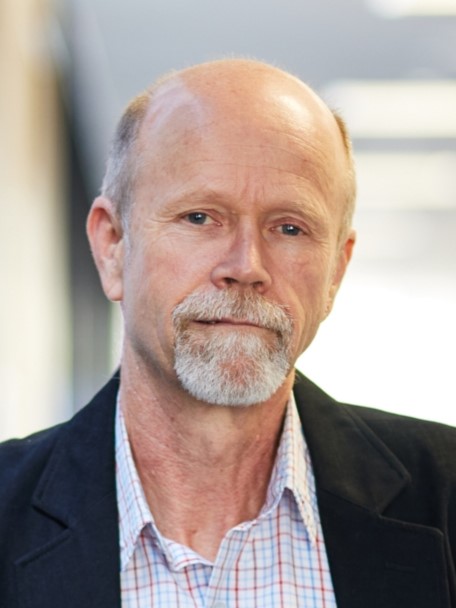
DR MICHAEL CAMPBELL
Faculty of Pharmacy and Pharmaceutical SciencesDr Michael Campbell obtained his BSc at Monash University before joining Biota as a synthetic chemist and undertaking his PhD through the Department of Pharmaceutical Sciences. Mike expanded his training during a postdoctoral role with Professor Bill Charman where he developed methods for GSK. Mike joined the CDCO at its inception in 2003 as the Chemistry Section Leader before becoming the Section Leader for the combined Chemistry/Bioanalytical team in 2019. As a Senior member of the CDCO team, Mike provides outstanding pharmaceutical expertise to support drug discovery programs, leadership to the team and management, and implementation and maintenance of CDCO systems.
-
The Vice-Chancellor’s Early Career Researcher of the Year Award recognises early career researchers (HASS) who have achieved, or are currently achieving, exceptional research excellence and impact.

DR KIRSTEN LYTTLE
Faculty of Art, Design and ArchitectureSince completing her PhD in 2020, Dr Kirsten Lyttle has established herself as a leader in Indigenous practice-based research. As the inaugural Post-Doctoral Research Fellow at Monash’s Wominjeka Djeembana Indigenous Research Lab, she has been bridging Indigenous customary art and contemporary practices. Her work integrates Māori weaving techniques with digital media, advancing Indigenous knowledge systems through both traditional research outputs and major art exhibitions including the NGV’s Melbourne Now 2023. Dr Lyttle’s research, which has gained national and international recognition, exemplifies a unique blend of academic rigour and cultural advocacy, significantly contributing to Indigenous scholarship and public understanding.
DR MOLLY JOHNSTON (WINNER)
Faculty of ArtsDr Molly Johnston is an emerging leader at Monash. Her research program sets a new agenda for HASS research through the systematic engagement of stakeholders and partners to produce translatable, impactful solutions to real-world problems. Her research, recognised by an ARC Industry Fellowship and collaborations with major institutions and the assisted reproductive technology (ART) industry, focuses on improving ART implementation, access, and patient experience in Australia, leading to system changes within industry. Through interdisciplinary research, collaboration and community building, Dr Johnston is advancing the field of bioethics within both industry and academia in Australia and internationally.
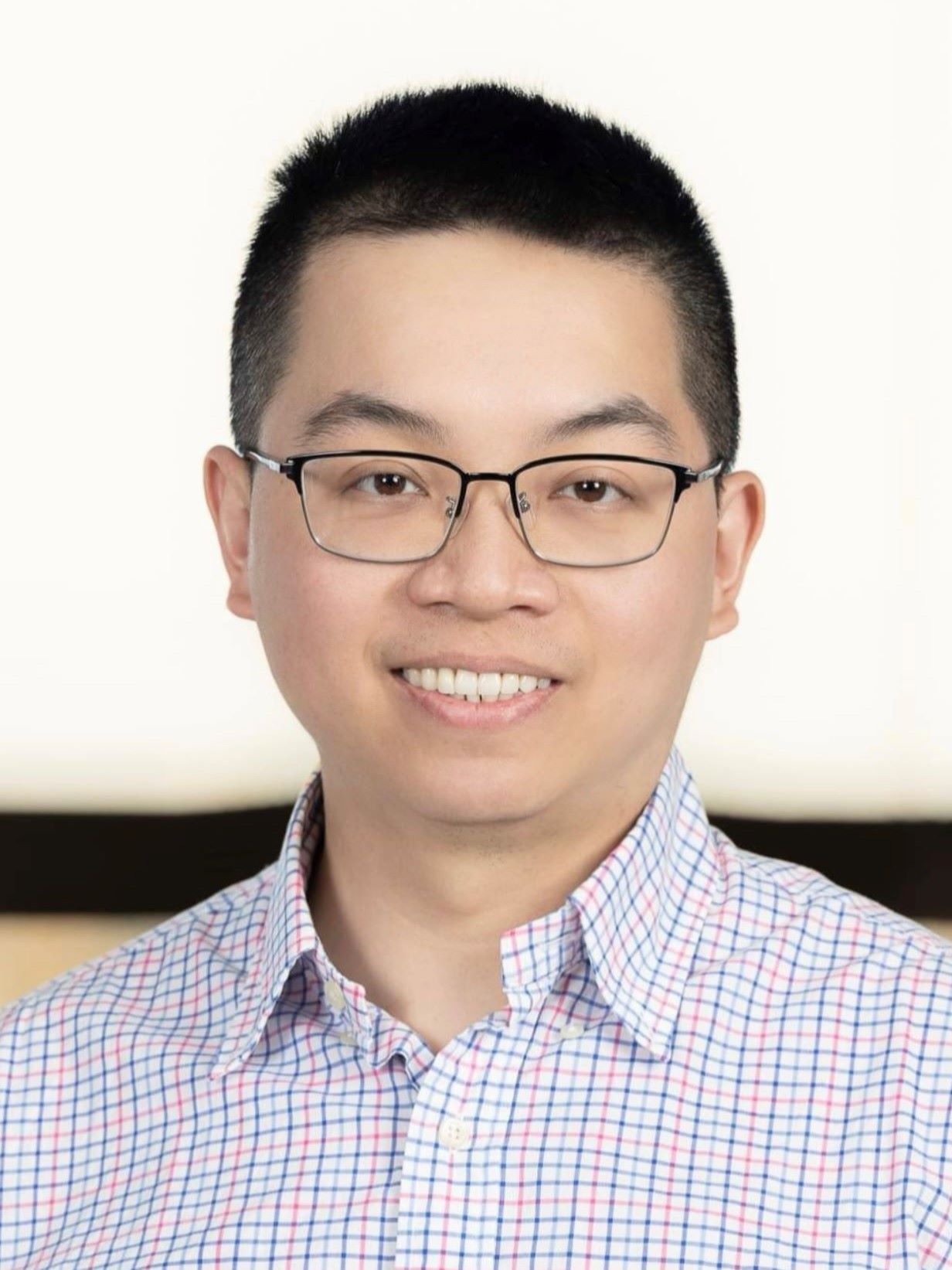
DR TRONG-ANH TRINH
Faculty of Business and EconomicsDr Trong-Anh Trinh is a distinguished Early Career Researcher at Monash University’s Centre for Health Economics, renowned for his significant contributions to understanding the socio-economic impacts of climate change and mental health. His pioneering work, underpinned by prestigious grants such as the ARC Discovery Project, and publications in top-tier journals, exemplifies his profound influence on policy and academic discourse globally. His role as a consultant for international bodies like the World Bank and Asian Development Bank highlights his capacity to translate research into actionable global policies, particularly in addressing climate-induced vulnerabilities and health disparities.

DR STEPHANIE WESCOTT
Faculty of EducationDr Stephanie Wescott is the Faculty of Education nominee for the Vice-Chancellor's Award for Early Career Researcher of the Year Award. Dr Wescott conducts world-leading research that examines the influence of the manosphere in Australian schools, and its implications for women and girls.

DR JESSICA MANT
Faculty of LawDr Jessica Mant's research focuses on the intersection between access to justice and family law. To date, her research projects have focused on: the accessibility of private legal services in family law, the sustainability of the legal aid sector (which predominantly serves family law clients), the appropriateness of out-of-court family dispute resolution processes for those from minority cultural and linguistic backgrounds and, most notably, the accessibility of family courts for self-represented litigants.
-
The Vice-Chancellor’s Early Career Researcher of the Year Award recognises early career researchers (STEM) who have achieved, or are currently achieving, exceptional research excellence and impact.
DR MEHDI GHAZAVI DOZEIN
Faculty of EngineeringGiven Australia's energy transition plan to a net-zero future, Dr Mehdi Ghazavi Dozein has been focusing on addressing real-life challenges and needs in emerging power and energy systems. His research excellence has secured national and international funding, obtained academic and industry awards and recognition, and fostered multidisciplinary national and international collaborations which led to several top-tier publications mostly co-authored by prominent researchers from world-renowned universities. Dedicated to bridging research and education, Mehdi integrates cutting-edge research findings into teaching content, actively engaging a broader Monash community and promoting awareness of challenges and developments in low-carbon power and energy systems.

DR XIAONING DU
Faculty of Information TechnologyDr Xiaoning Du is an emerging world expert in intelligent and automated software engineering. Her research is dedicated to integrating artificial intelligence into devising innovative techniques for various software engineering tasks, while promoting responsible development and adoption of code intelligence. Her research has been published in top-tier conferences and journals and has attracted attention from a majority of industrial practitioners of code language models. Her work on evaluating and improving the quality of code search datasets was nominated for the ACM SIGSOFT Distinguished Paper Award at ICSE 2021. She is also the recipient of the 2024 Google Research Scholar Award.

DR MACSUE JACQUES
Faculty of Medicine, Nursing and Health SciencesIn just two years post-PhD, Dr Macsue Jacques has made significant progress in ageing health and exercise science despite career interruptions. She has published 28 papers, four book chapters, and has an h-index of 16, 692 citations, and an i10-index of 19. Her work has appeared in top journals like FASEB and Aging Cell, and she has presented at major conferences such as AuPS and the Cell Metabolism Conference. She has chaired a session at ARDD, supervised four Master’s students, organised four conferences, and served as an ECR representative at Victoria University, highlighting her dedication to scientific collaboration.

DR ARISBEL BATISTA GONDIN (WINNER)
Faculty of Pharmacy and Pharmaceutical SciencesDr Arisbel Batista Gondin, a research fellow in the Drug Discovery Biology Theme at the Monash Institute of Pharmaceutical Sciences, is an emerging leader in G protein-coupled receptor pharmacology. Her research program integrates molecular pharmacology, structural biology, antibody discovery, and nanotechnology to advance understanding of proteins that are critical for human health and to drive the discovery of new therapies. Her excellence and innovation have been recognised through prestigious fellowships, including the Bridge Researcher Exchange and Development within Industry (REDI) fellowship, ARC Discovery Early Career Researcher Award (DECRA), and NHMRC Emerging Leadership Investigator grant, highlighting her impact as an ECR.
DR MATTHEW SNELSON
Faculty of ScienceDr Matthew Snelson is a Heart Foundation Postdoctoral Fellow, an advanced Accredited Practising Dietitian, and the immediate past-president of the Australasian Human Microbiome Research Network. He leads the Gut Permeability Research Theme at the Hypertension Research Laboratory, serving as Co-Deputy Lab Head. He has secured >$1.4 million in competitive research funding and published 35 peer-reviewed articles (17 as the first or senior author) in leading journals including Science Advances, Circulation, Diabetes, and Hypertension. Dr Snelson has been invited to speak at multiple international conferences and is the most published Australian researcher in gut microbiome and chronic kidney disease (T.7512, SciVal).
-
The Vice-Chancellor’s Research Team of the Year Award rewards teams who have achieved an exceptional research outcome in the previous one to two years. It recognises those who embody the Monash University values and exhibit exceptional collaboration both internally and across the wider research community.
DESIGN HEALTH COLLAB
Faculty of Art, Design and Architecture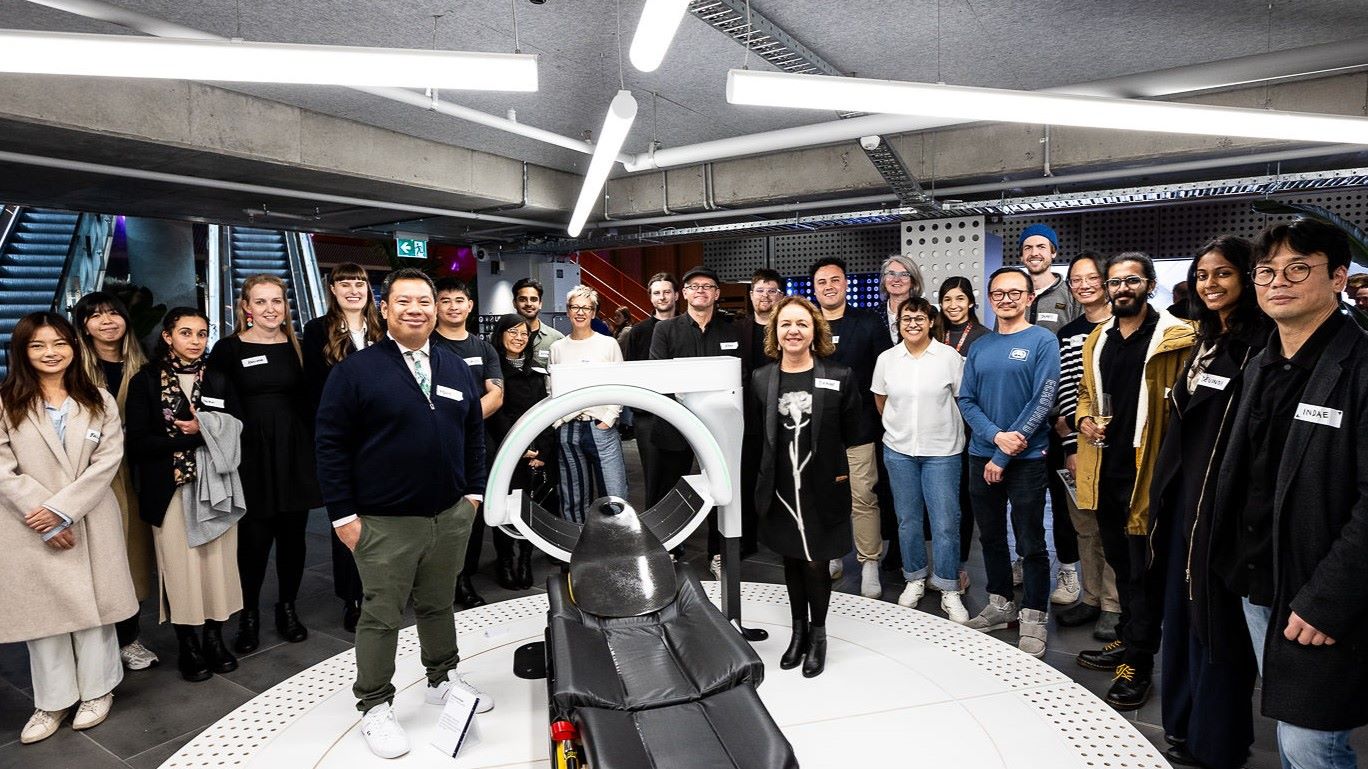
Dr Nyein Chan Aung, Professor Daphne Flynn, Dr Myra Thiessen, Dr Indae Hwang, Richard Morfuni, Maryke Laubscher, Tom Millward, James Robinson, Jonlee Luzuriaga, Shin See, Dr Devindi Wanigasekara, Hingis Ma, Belle Lertruangamorn, Professor Nicole Kalms, Isabella Webb, Associate Professor Selby Coxon, Adjunct Professor Murray Camens, Tyrell Siew, Advaith Menon and colleagues from the Faculty of Art, Design and Architecture.
The Design Health Collab (DHC) is internationally recognised for its ground-breaking innovations that blend design, healthcare, and security. Their pioneering work includes the development of the world’s first mobile CT scanner, which revolutionises stroke diagnosis and has earned prestigious awards. Expanding on this success, DHC partnered with the US Department of Homeland Security to create a Passenger Self-Screening Airport Security Checkpoint, showcased at CES 2024. Currently, they are advancing a mobile full-body CT scanner for distributed healthcare in the US These projects highlight DHC’s leadership in human-centred design, transforming global healthcare and security practices.
MONASH GENDER AND FAMILY VIOLENCE PREVENTION CENTRE (MGFVPC)
Faculty of Arts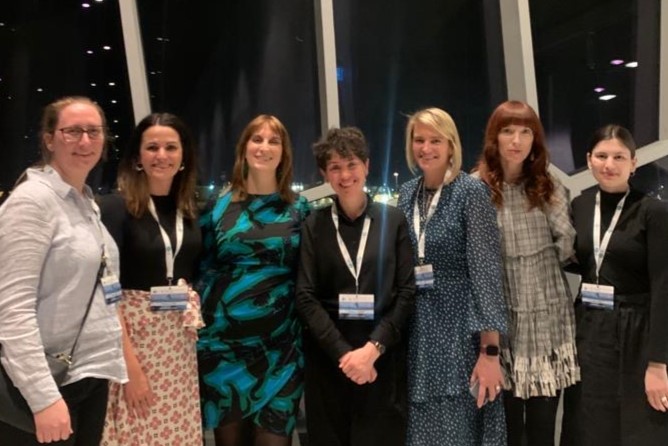
From left: Associate Professor Bridget Harris (third), Dr Jasmine McGowan (fourth), Dr Naomi Pfitzner (sixth) and colleagues from the Faculty of Arts
Domestic and family violence (DFV) has been declared a ‘national crisis’. It is the leading cause of preventable death, illness and homelessness for Australian women. Accompanying this increased focus was a need for research evidence to inform initiatives for reducing and preventing DFV. MGFVPC has been at the forefront of building the evidence-base towards achieving the Australian Government’s ambitious goal of ending violence against women and children in one generation. Our team works across the spectrum of this widespread social problem – from work on preventing violence before it happens through to improving responses for both victim-survivors and perpetrators.
MONASH ROBOTICS
Faculty of Engineering


Left to right from top row: Professor Dana Kulic, Dr Michael Burke, Associate Professor Chao Chen, Dr Hoam Chung, Dr Juxi Leitner, Dr Nicole Robinson, Dr Pamela Carreno-Medrano, Associate Professor Aditya Paranjape and Phil Pawlowski
The Monash Robotics team is a cross-disciplinary research group who is working to advance human-centred robotics, fusing human-centred design and embedded machine intelligence.
CENTRE FOR LEARNING ANALYTICS AT MONASH (CoLAM)
Faculty of Information Technology, Faculty of Education
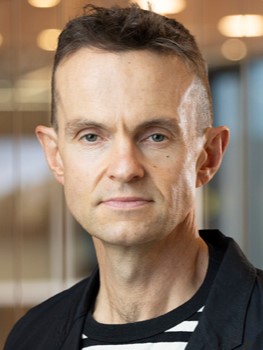
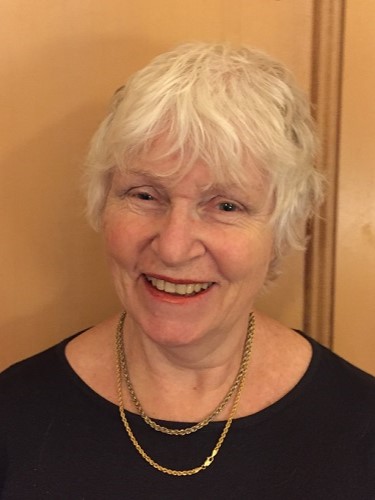




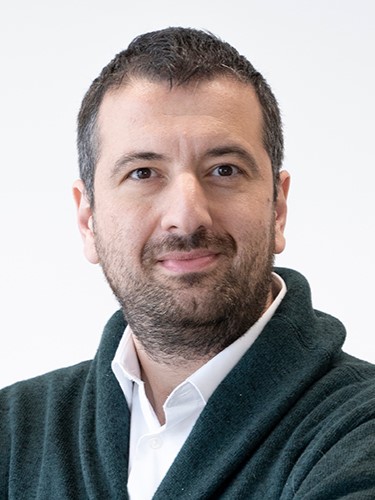

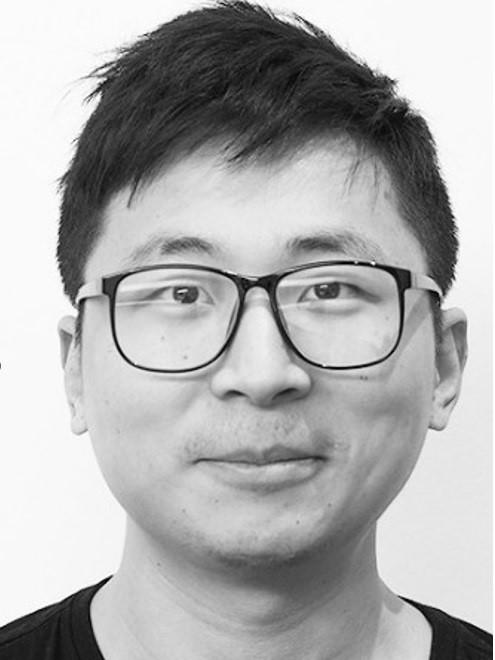


Left to right from top row: Professor Dragan Gasević, Associate Professor Roberto Martinez-Maldonado, Professor Neil Selwyn, Professor Judith Sheard, Dr Guanliang Chen, Dr Yi-Shan Tsai, Dr Zachari Swiecki, Dr Sadia Nawaz, Dr Mladen Raković, Dr Vanessa Echeverria, Dr Lele Sha, Dr Gloria Fernandez Nieto, Dr Jimmie Yan, Dr Xinyu Li, Dr Yinwei Wei, Dr Namrata Srivastava and Dr Shaveen Singh
CoLAM is a world-leading institute in learning analytics and AI in education. Its members have advanced state-of-the-art research, shaping the use of learning analytics and influencing policy nationally and internationally. One of the many impactful contributions of this research team involves the development of FLoRA, a learning platform now integrated in the world’s largest national AI-powered digital learning system to support development of self-regulated learning skills of more than 3 million students and 160,000 teachers in 4369 schools in Taiwan. This is done through CoLAM's partnership with the Taiwanese Ministry of Education and the National Taichung University of Education.
CLIMATE, AIR QUALITY RESEARCH (CARE) UNIT (WINNER)
Faculty of Medicine, Nursing and Health Sciences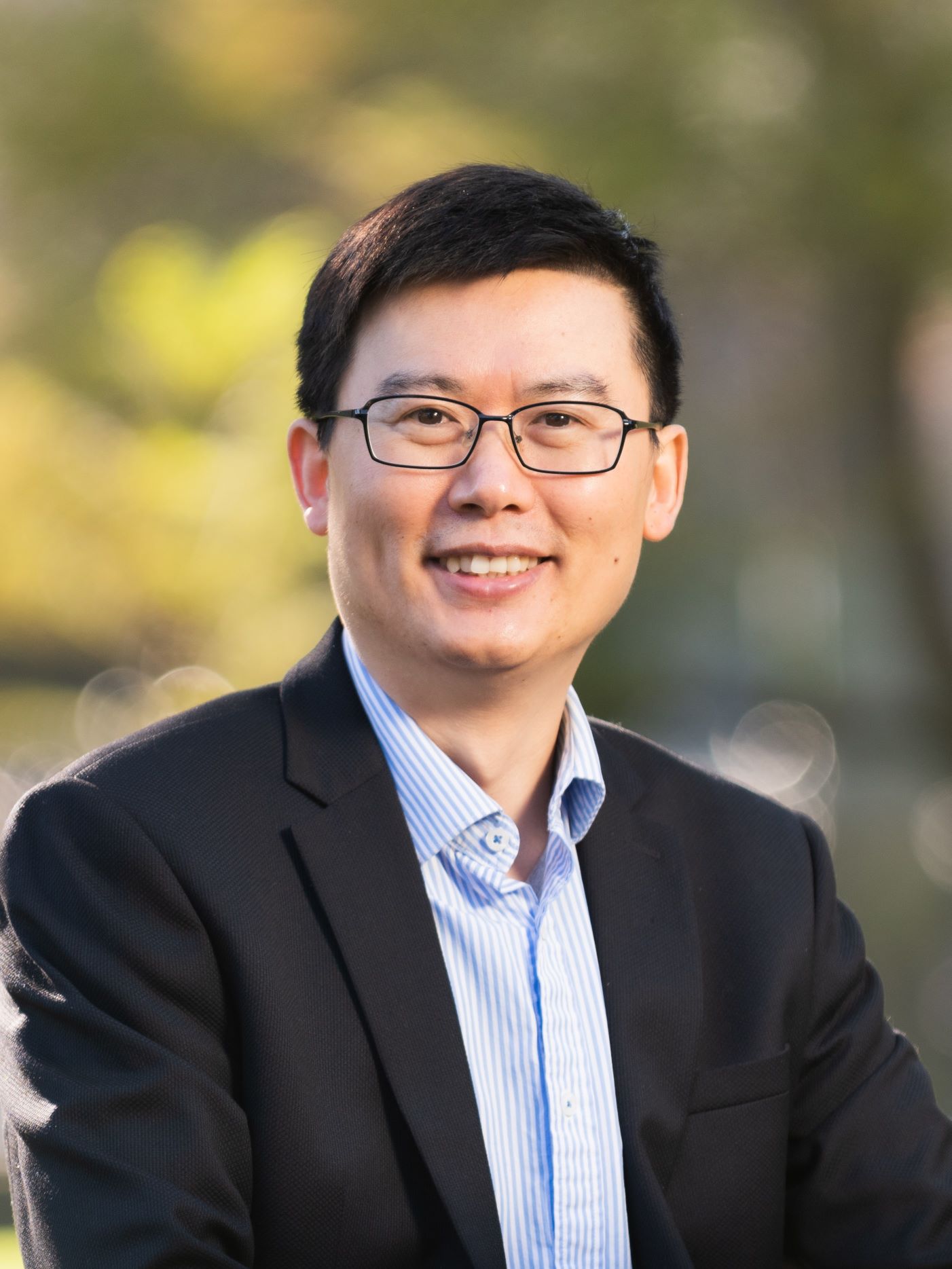


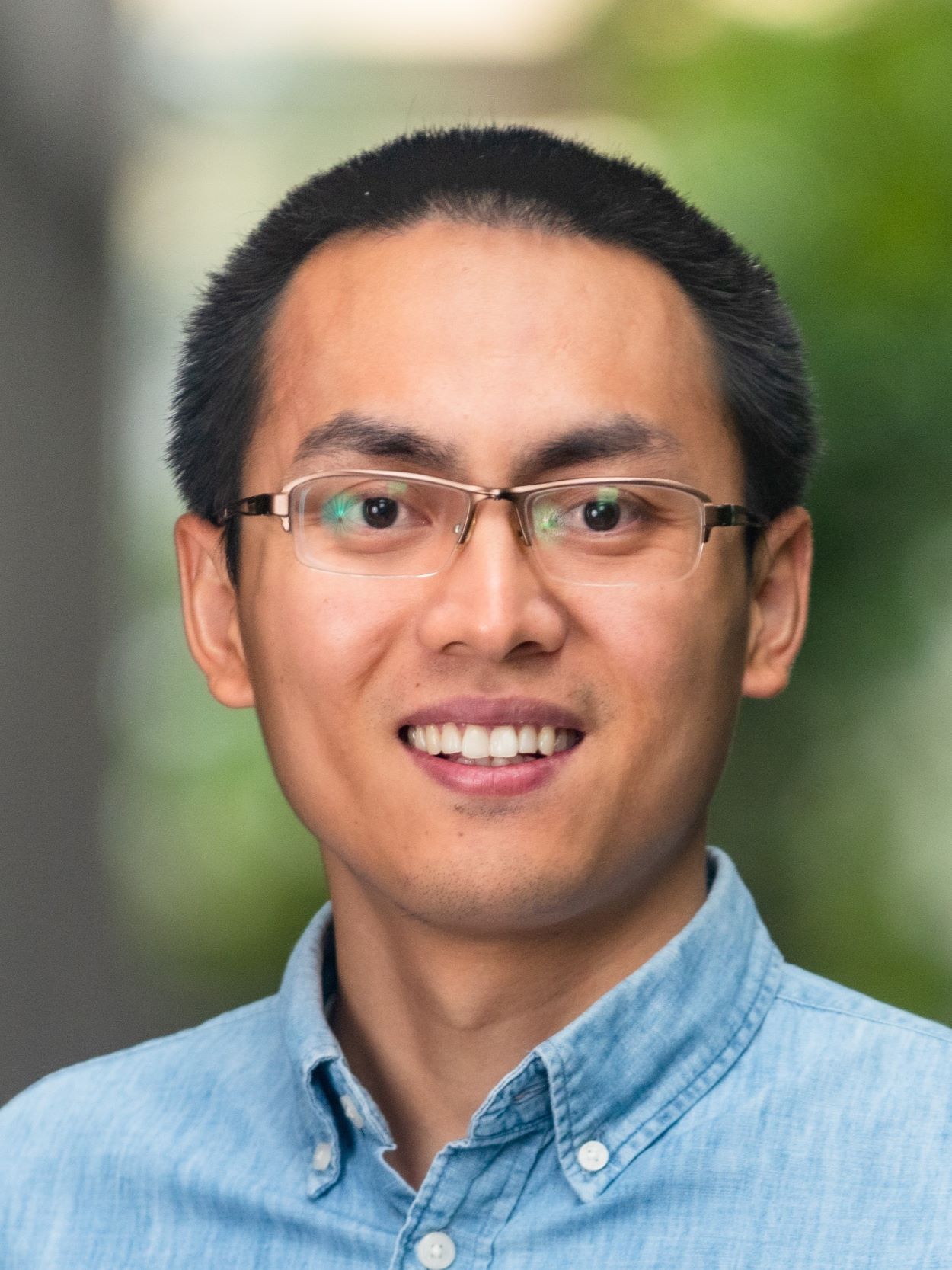
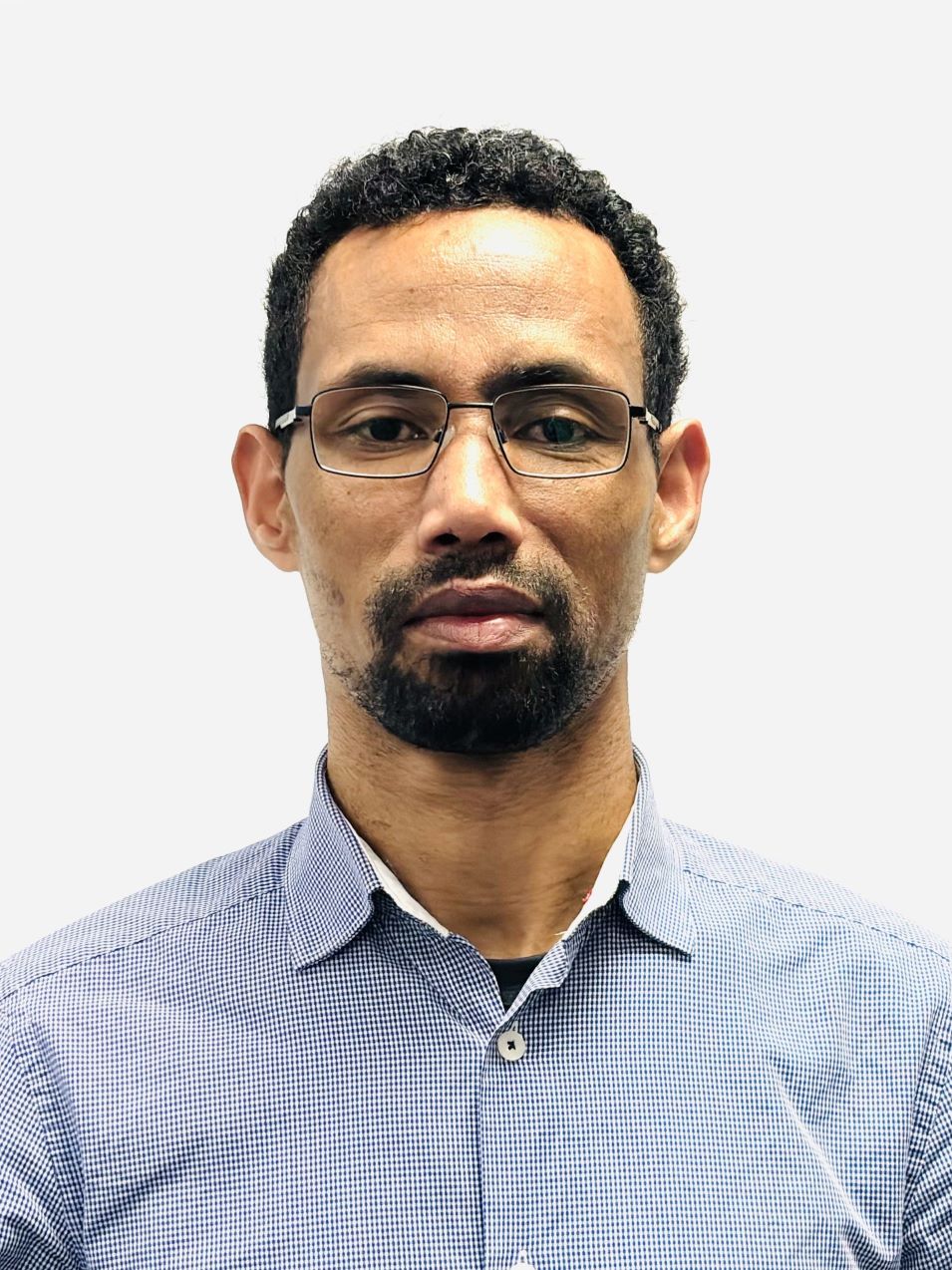
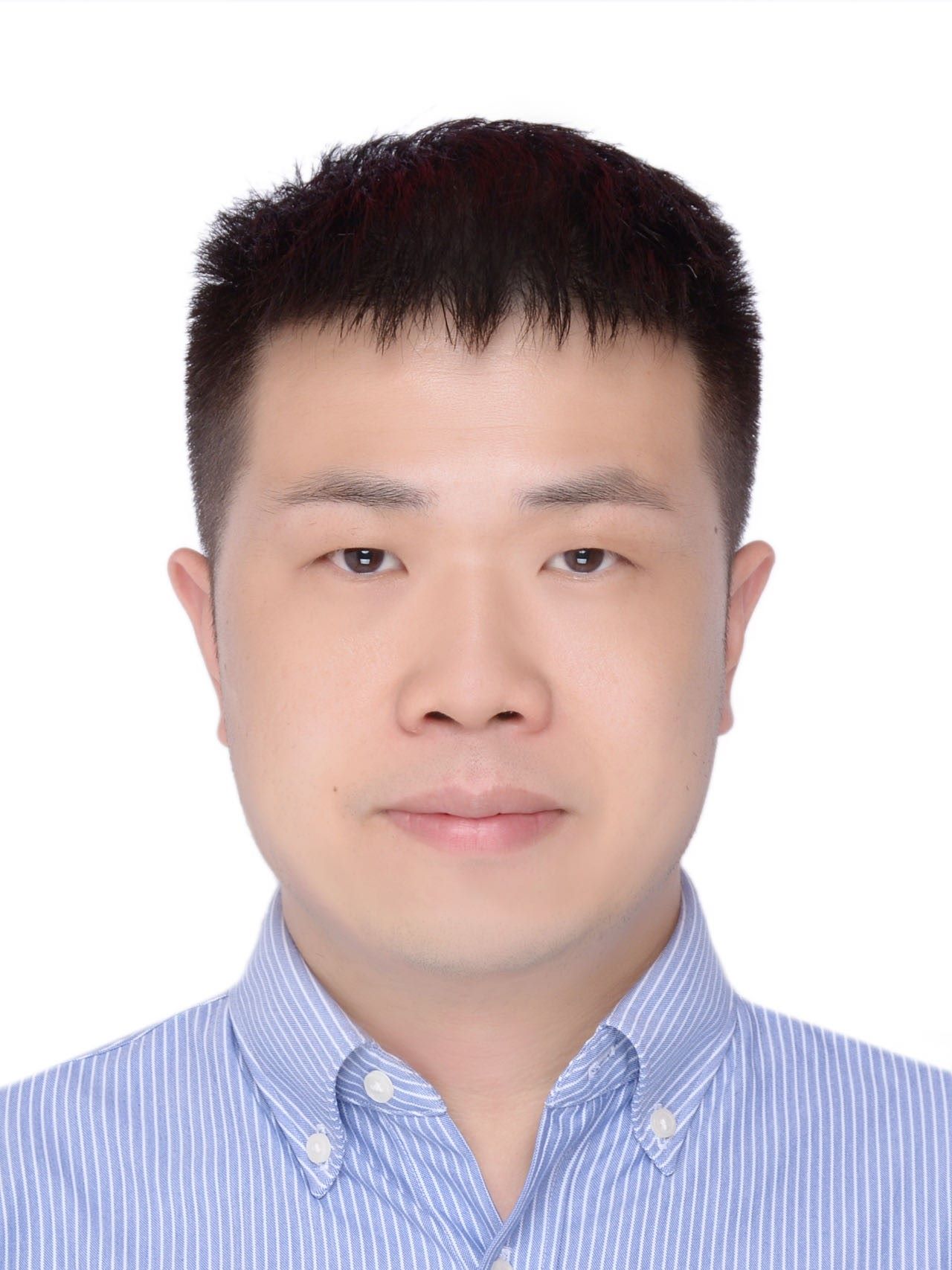
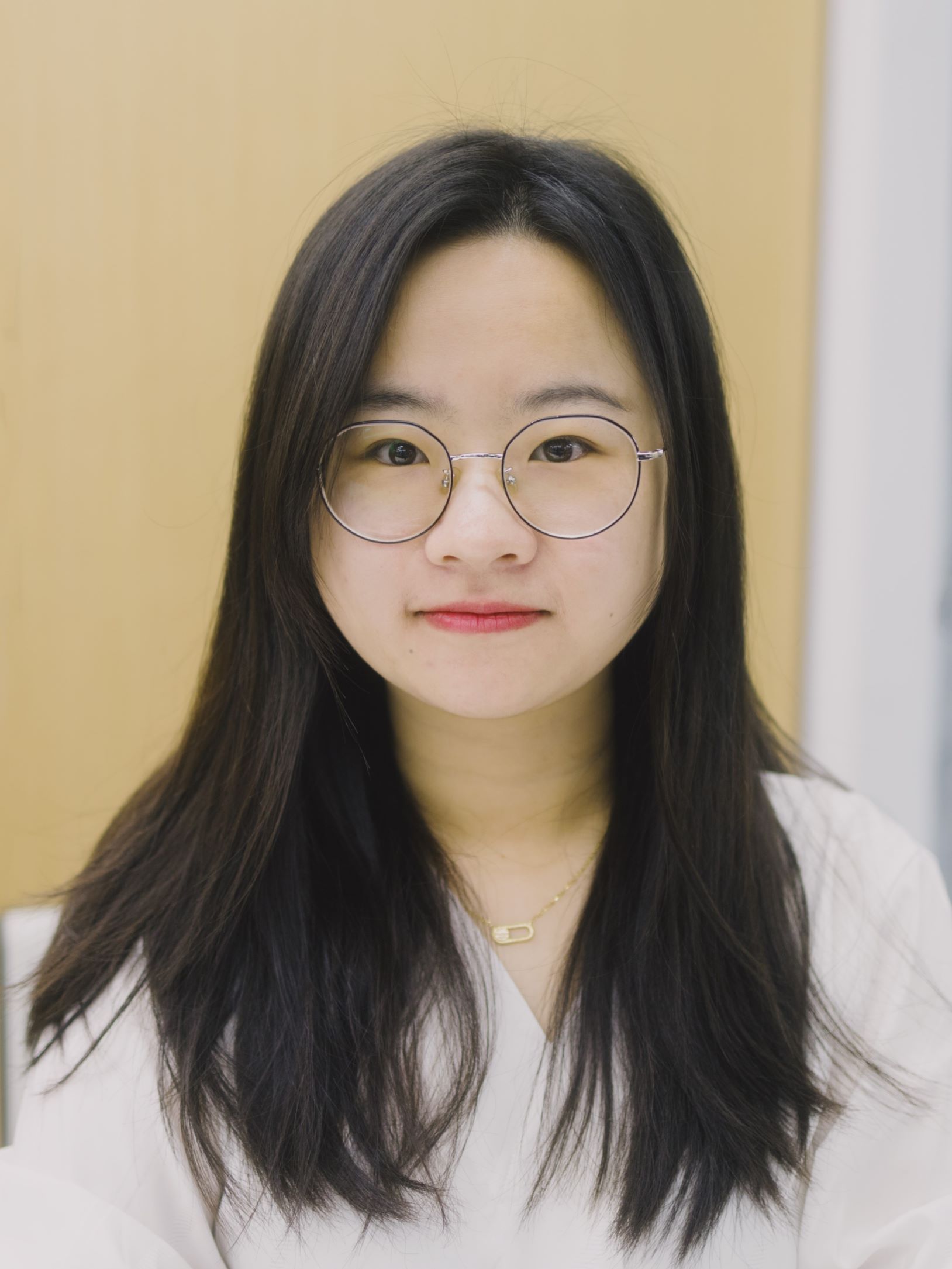
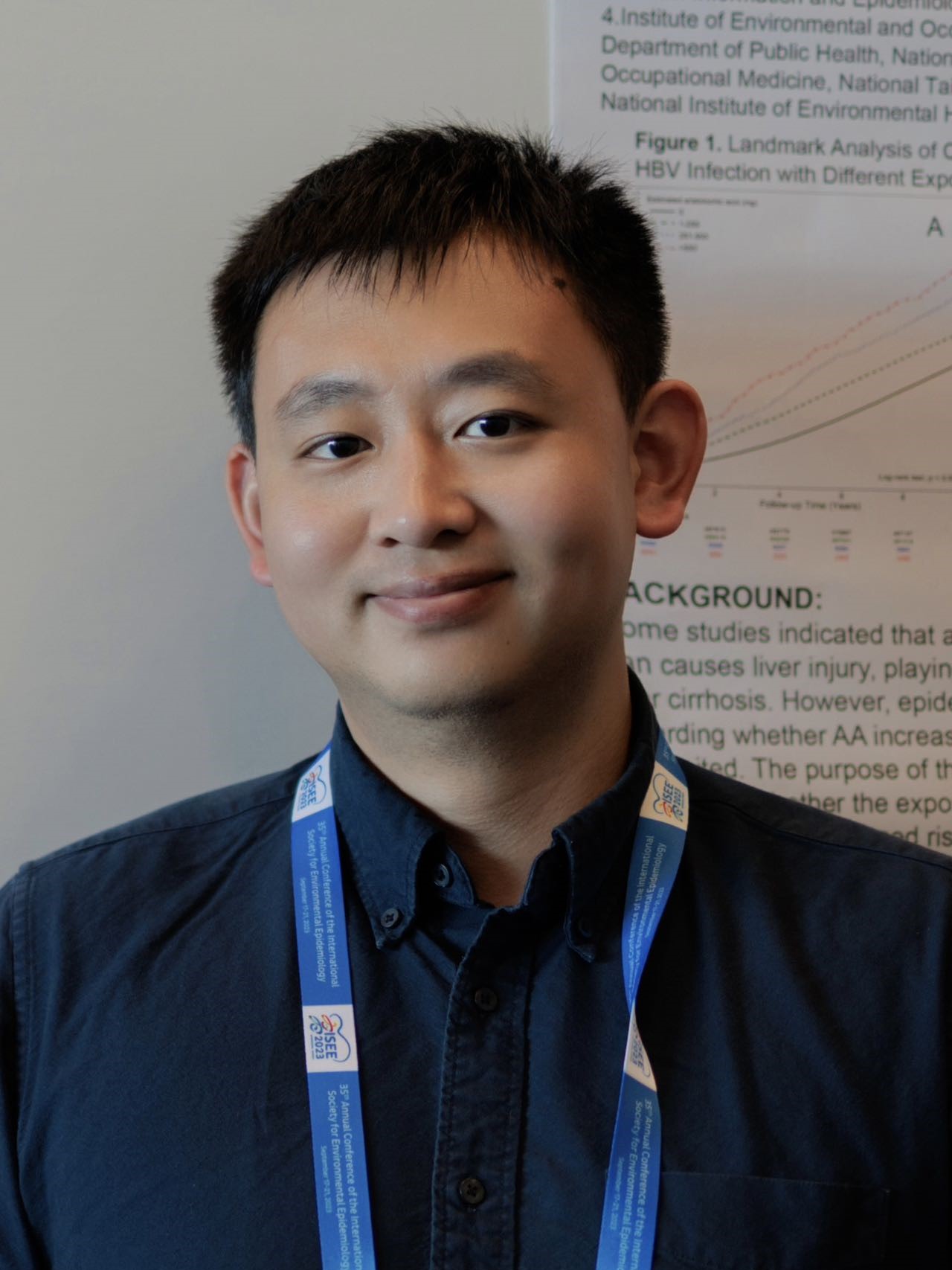

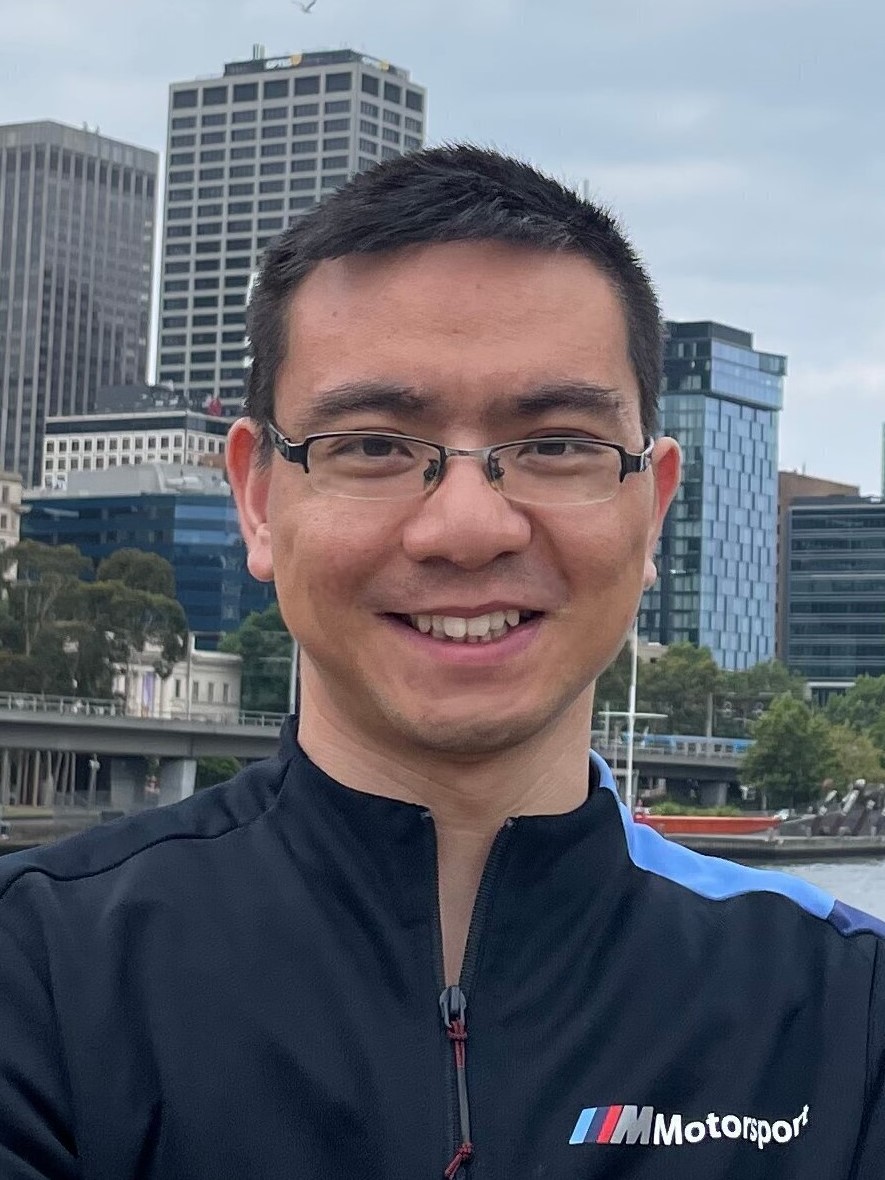
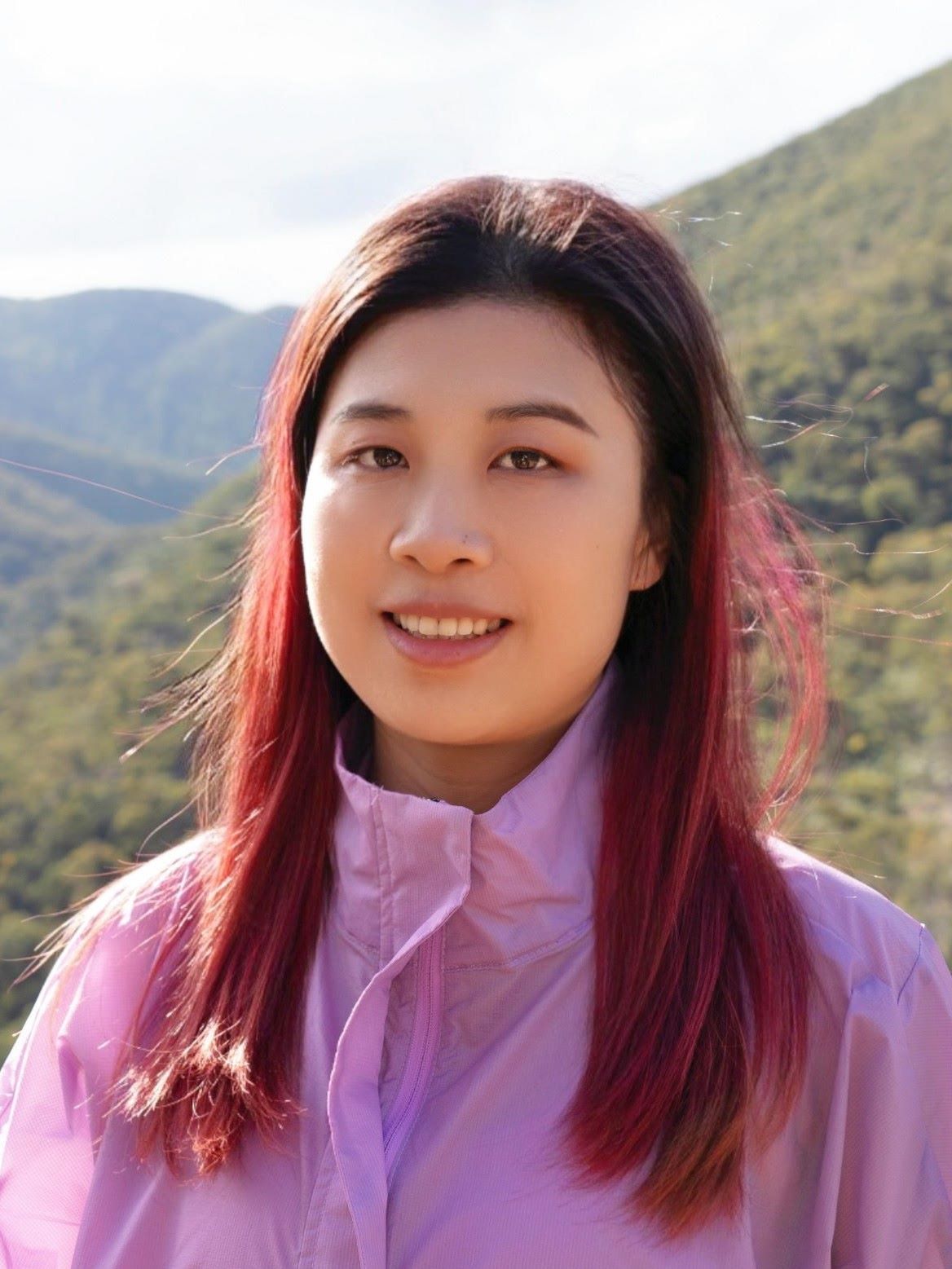
Left to right from top row: Professor Yuming Guo, Professor Shanshan Li, Associate Professor Danijela Gasevic, Dr Rongbin Xu, Dr Samuel Hundessa, Dr Gongbo Chen, Dr Pei Yu, Dr Yanming (Liam) Liu, Dr Shuang Zhou, Dr Wenhua Yu and Dr Tingting Ye
The Climate, Air Quality Research (CARE) Unit has led groundbreaking studies to enhance environmental and climate health assessments, tackling inequities in health risks through innovative technology, novel methods, and big data. They initiated the largest multinational study on environmental health impacts and pioneered the use of machine learning to assess global air pollution. CARE Unit was the first to estimate global daily PM2.5 levels and wildfire smoke dispersion, featured on Nature’s cover. Their research on heat adaptation revealed human adaptability to local climates and emphasised the severe impact of extreme weather and air pollution on vulnerable populations.
METABOLIC GPCR CRYO-EM TEAM
Faculty of Pharmacy and Pharmaceutical Sciences

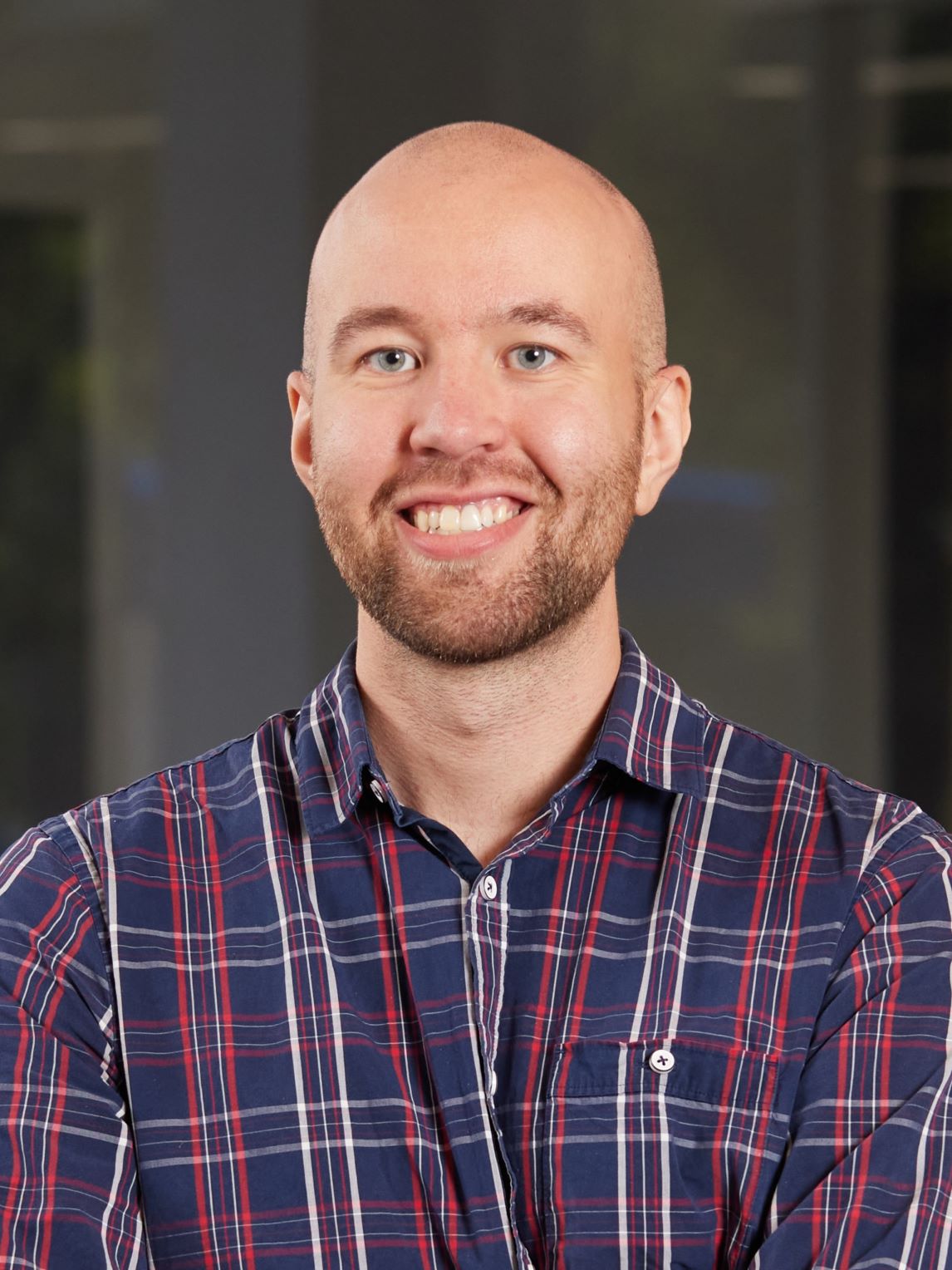
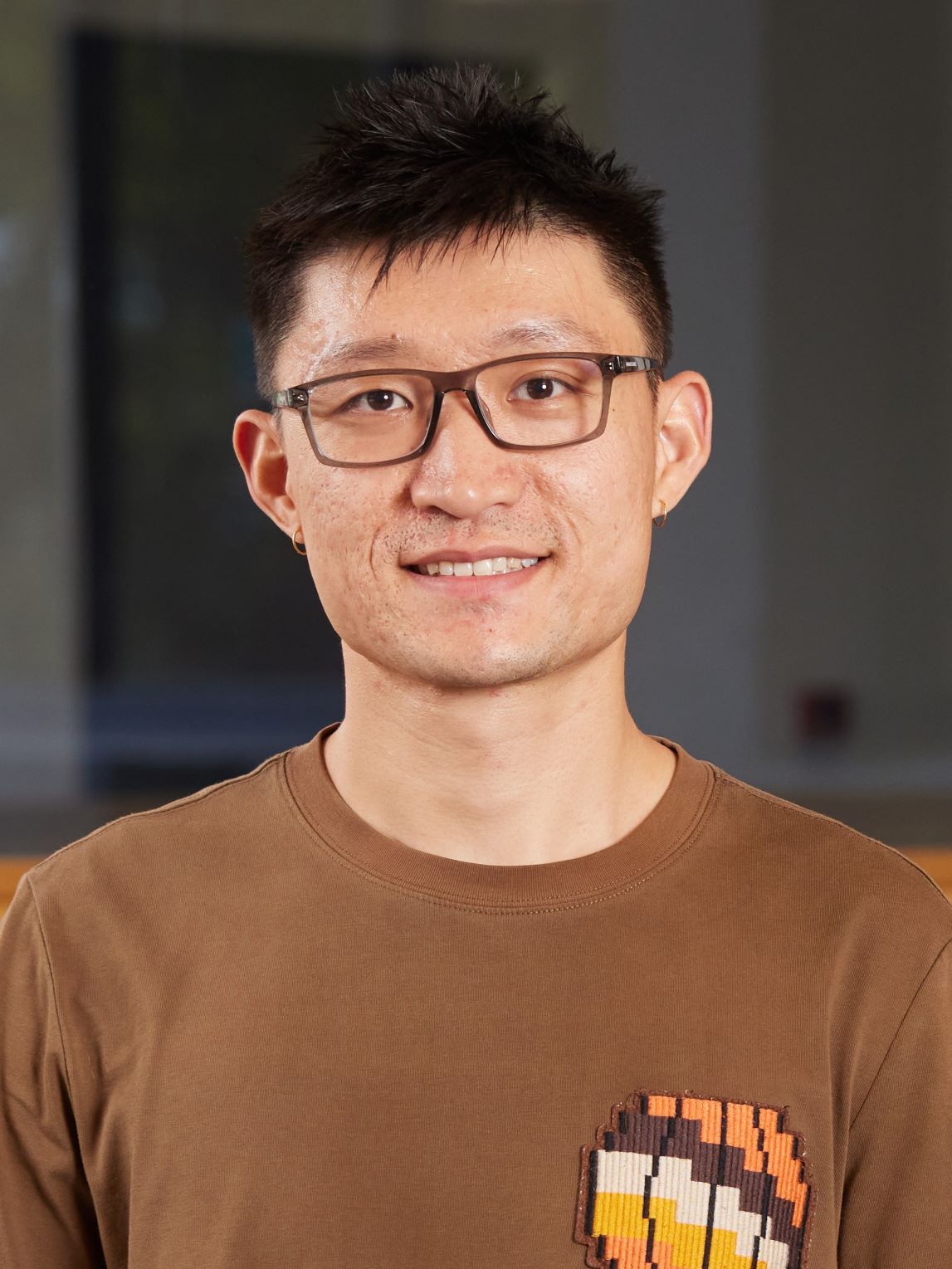
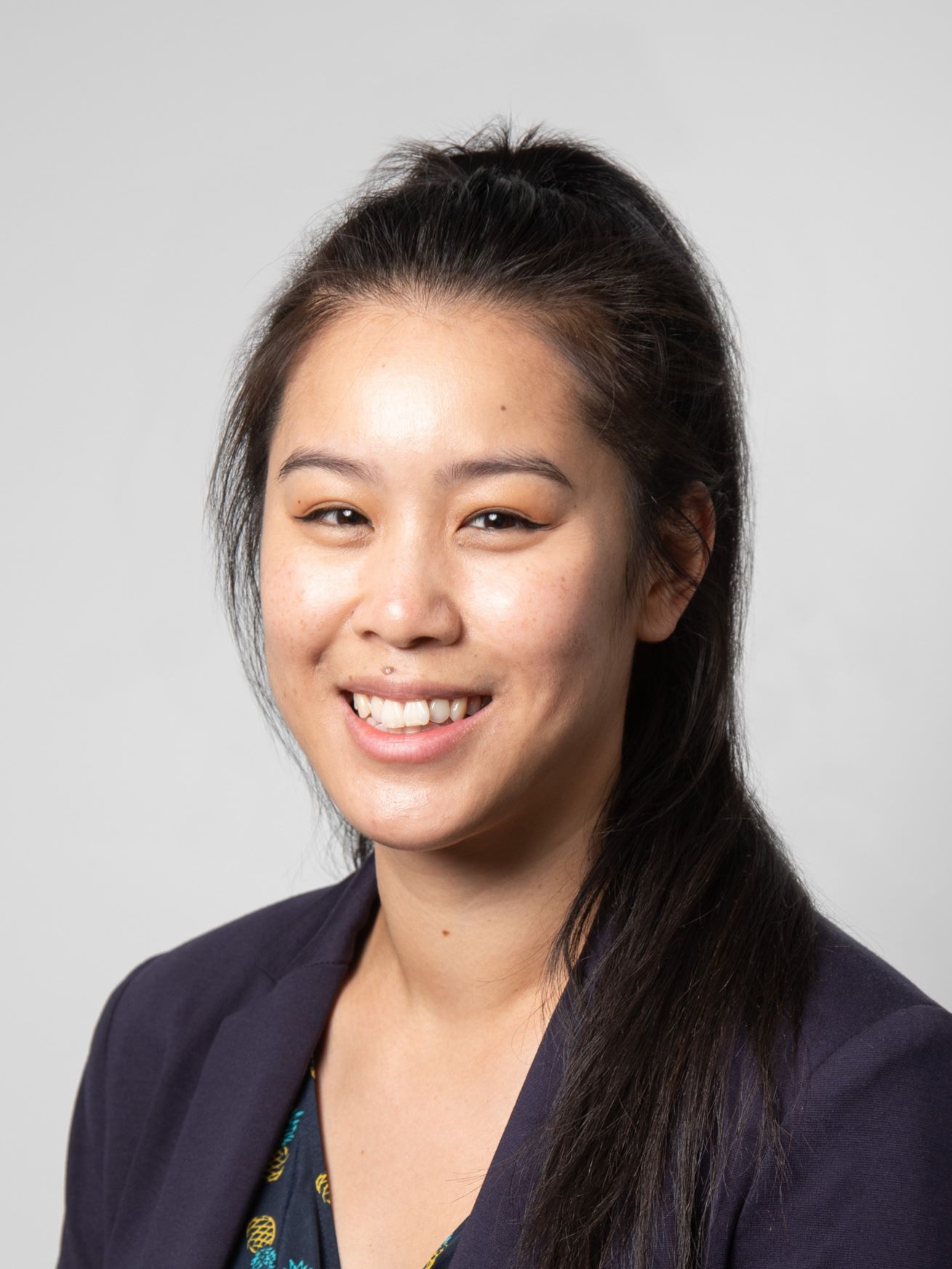
Left to right from top row: Professor Denise Wootten, Professor Patrick Sexton, Dr Matthew Belousoff, Dr Sarah Piper, Dr Xin Zhang, Dr Fabian Bumbak, Dr Brian Cary, Dr Jianjun Cao and Dr Jackie How
The metabolic GPCR cryo-EM team is internationally recognised for their groundbreaking work in the application of cryo-electron microscopy (cryo-EM) to understand the structure and function of GPCRs major targets for drug discovery. They have won major awards for their research. The team constitutes the Monash node of the ARC funded CCeMMP which is focused on research excellence and training industry-ready, world class graduates in cryo-EM for drug discovery. They have been instrumental in building capacity within Australia through delivery of advanced workshops in the theory and practical application of cryo-EM.
WEATHER AND CLIMATE RESEARCH GROUP (WINNER)
Faculty of Science, Faculty of Engineering, Faculty of Business and Economics
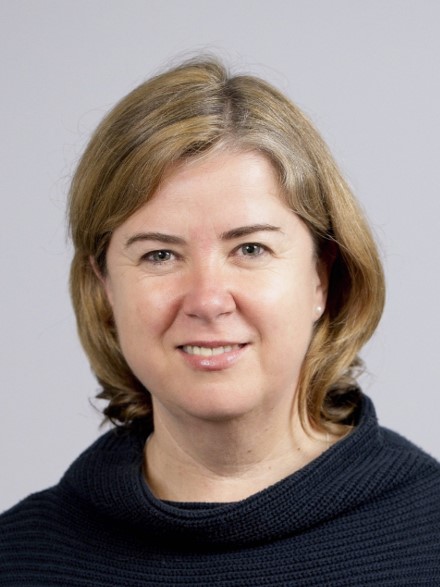

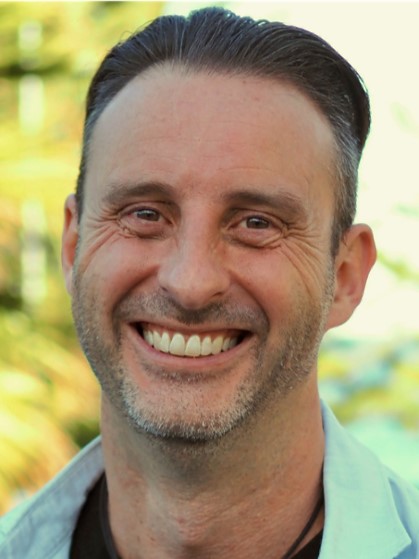

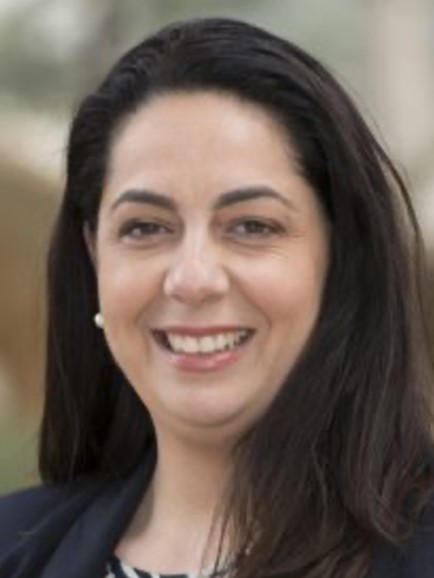
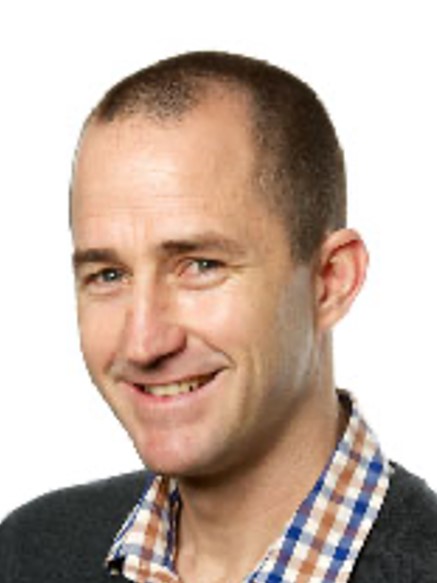





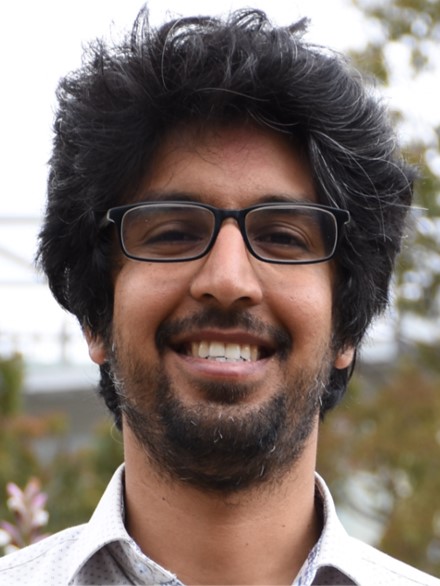


Left to right from top row: Associate Professor Ailie Gallant, Professor Julie Arblaster, Professor Dietmar Dommenget, Stephen Gray, Professor Christian Jakob, Silvana Katragadda, Associate Professor Shayne McGregor, Dr Ariaan Purich, Professor Michael Reeder, Professor Steven Siems, Professor Liz Ritchie-Tyo, Dr Kate Saunders, Dr Martin Singh, Alice Wilson, Dr Holger Wolff (Sook Chor, Georgina Harmer and a talented and dedicated team of postdocs and students in the Faculty of Science not pictured)
The Weather and Climate Research Group work closely to advance knowledge of, and engagement with, climate and atmospheric science. Spanning a range of career stages, the diverse team of academic, professional and technical staff produce world-leading research with real-world impact. Success is reflected through major ARC and other government initiatives with combined funding of approximately $140 million (including leading the ARC Centre of Excellence for Weather of the 21st Century). Over 9000 combined citations in 2023 alone, and recent awards from the Australian Academy of Sciences and the Australian Meteorological and Oceanographic Society demonstrate this as a high-performance research team.
-
The Vice-Chancellor’s Researcher of the Year Award rewards individuals who have achieved exceptional research outcomes in the previous one to two years. It recognises those who embody the Monash University values and exhibit exceptional leadership both internally and across the wider research community.

ASSOCIATE PROFESSOR NICHOLAS MANGAN
Faculty of Art, Design and ArchitectureAssociate Professor Nicholas Mangan is an internationally recognised artist and researcher known for his innovative art installations that address climate, ecological, and economic challenges. His work, exemplified by the award-winning "Core-Coralations" installation, combines art, history, and science to offer new perspectives on urgent environmental issues. Associate Professor Mangan's recent solo survey exhibition, "A World Undone," at the Museum of Contemporary Art, Sydney, attracted record audiences and showcased his research excellence. His interdisciplinary collaborations and ground-breaking contributions have significantly influenced scholarly discourse and public engagement, highlighting art’s potential to address global challenges and inspire transformative change.

PROFESSOR BRUNO DAVID (SPECIAL COMMENDATION)
Faculty of ArtsProfessor Bruno David is a world leading archaeologist who has worked in partnership with Indigenous communities in Victoria and beyond to help them reclaim and preserve their cultural heritage. Professor David’s research partnerships see Indigenous communities lead decision making on research questions, and Indigenous members of the community working alongside and receiving training in archaeological methods to develop community capacity. His research tells Indigenous stories responsibly with members of the Indigenous community, co-authoring research articles on their cultural heritage. By combining archaeology, geomorphology and 3D modelling with Aboriginal knowledge, Professor David’s research partnerships are securing Indigenous heritage for future generations.
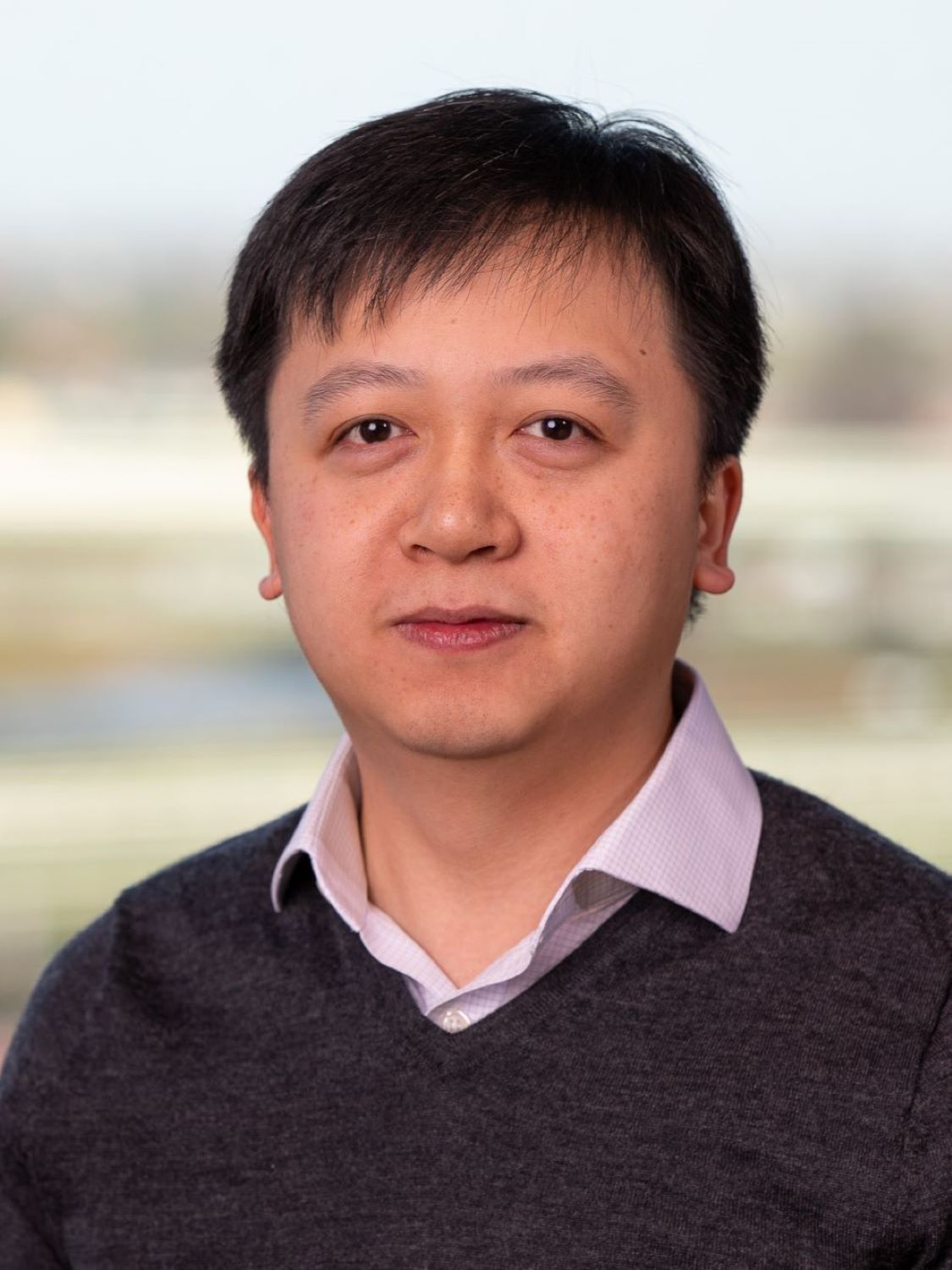
PROFESSOR HUU NHAN DUONG
Faculty of Business and EconomicsHuu Nhan Duong is a Professor of Finance in the Faculty of Business and Economics. His research focuses on identifying the factors that enhance firm value and financial market quality. He has published over 40 papers in prestigious outlets, including the Journal of Financial Economics, Journal of Financial and Quantitative Analysis, and Review of Accounting Studies. His work has received Best Paper awards at several international conferences and funding from the Australian and Canadian governments, and global industry partners. He currently serves as an Editor for the Pacific-Basin Finance Journal, and a Vice President of the Vietnam Finance Association International.
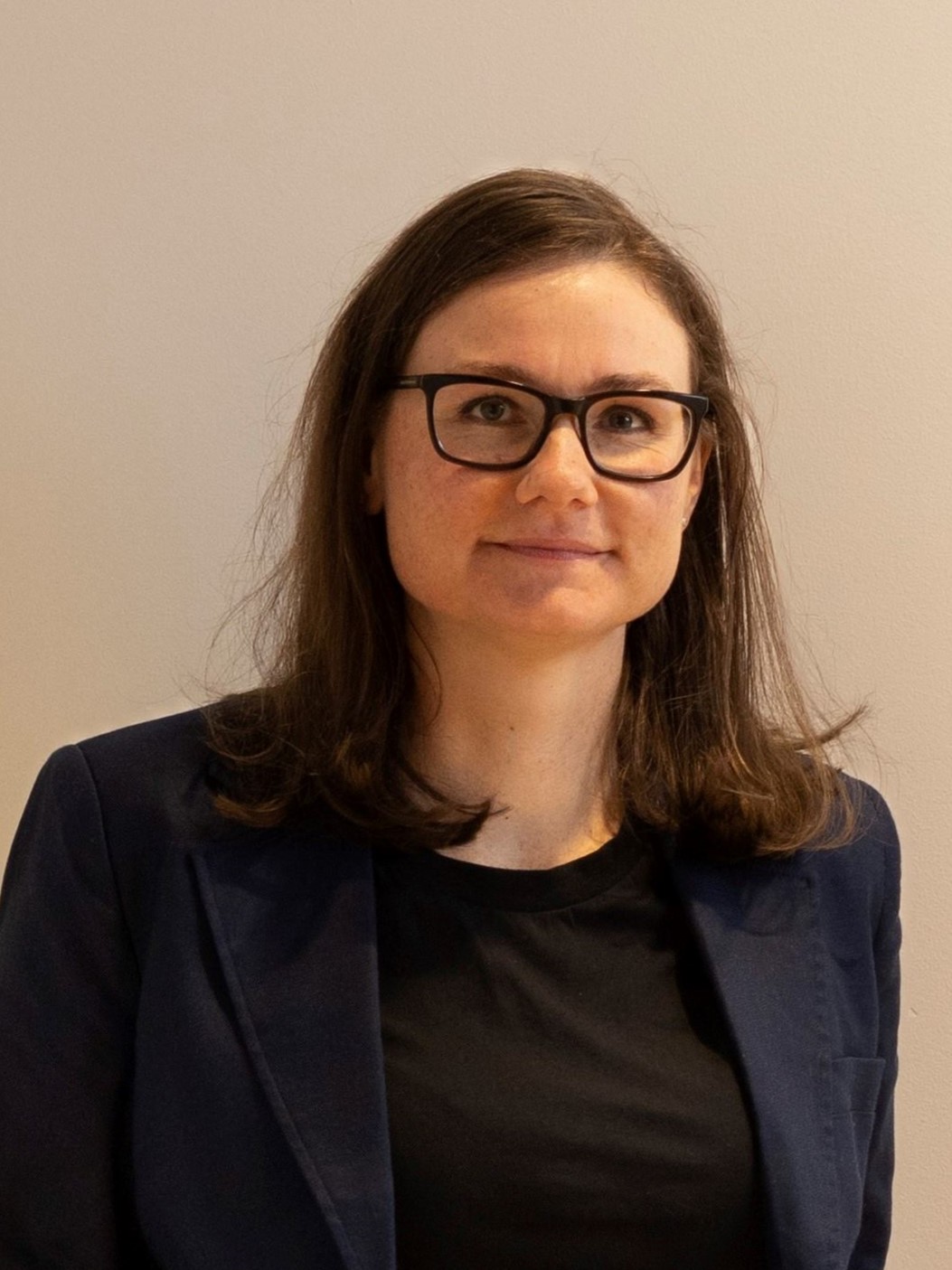
ASSOCIATE PROFESSOR EMILY BERGER
Faculty of EducationAssociate Professor Emily Berger is a leading scholar who has transformed trauma research and interventions. She is recognised in Australia and internationally for her ground-breaking research addressing the effects of disasters, war, incarceration, family violence, and child abuse and neglect. Her research has advanced trauma interventions for Australia’s most vulnerable people (e.g., First Nations, people with disability, rural and remote communities). This has paved the way for improved service provision and systemic support for trauma survivors and frontline workers. Berger's research is widely cited and credited internationally as informing trauma interventions in the UK, US, Canada, Malaysia, Myanmar, Ukraine and Afghanistan.
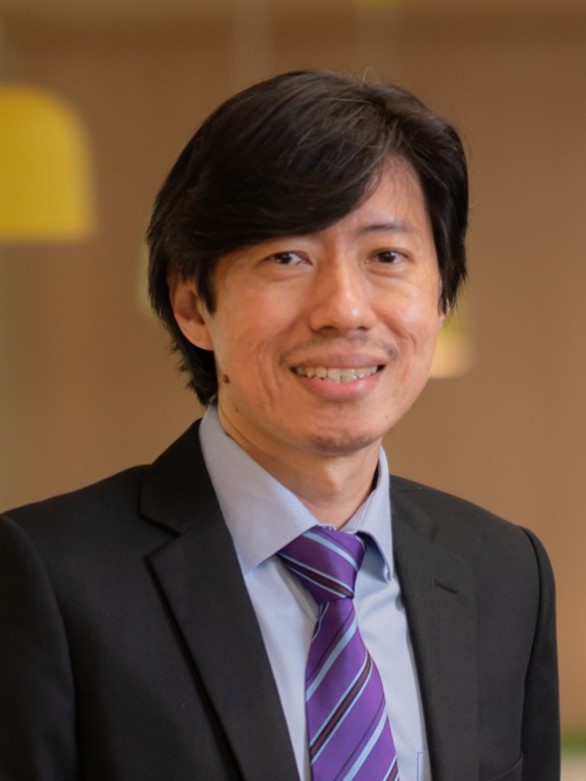
PROFESSOR SIANG PIAO CHAI
Faculty of EngineeringProfessor Siang Piao Chai is the Deputy Head of School (Research) at the School of Engineering, Monash Malaysia. He specialises in heterogeneous catalysis, photocatalysis, and reaction engineering. Professor Chai has made significant contributions to the advancement of the photocatalysis field, particularly in the areas of water splitting into green hydrogen and carbon dioxide reduction into solar fuels. Professor Chai has received numerous awards and recognitions for his achievements in research, including the Highly Cited Researcher title, Top Research Scientist Malaysia, Malaysia’s Research Star Award, and Dean’s Award for Excellence in Research.
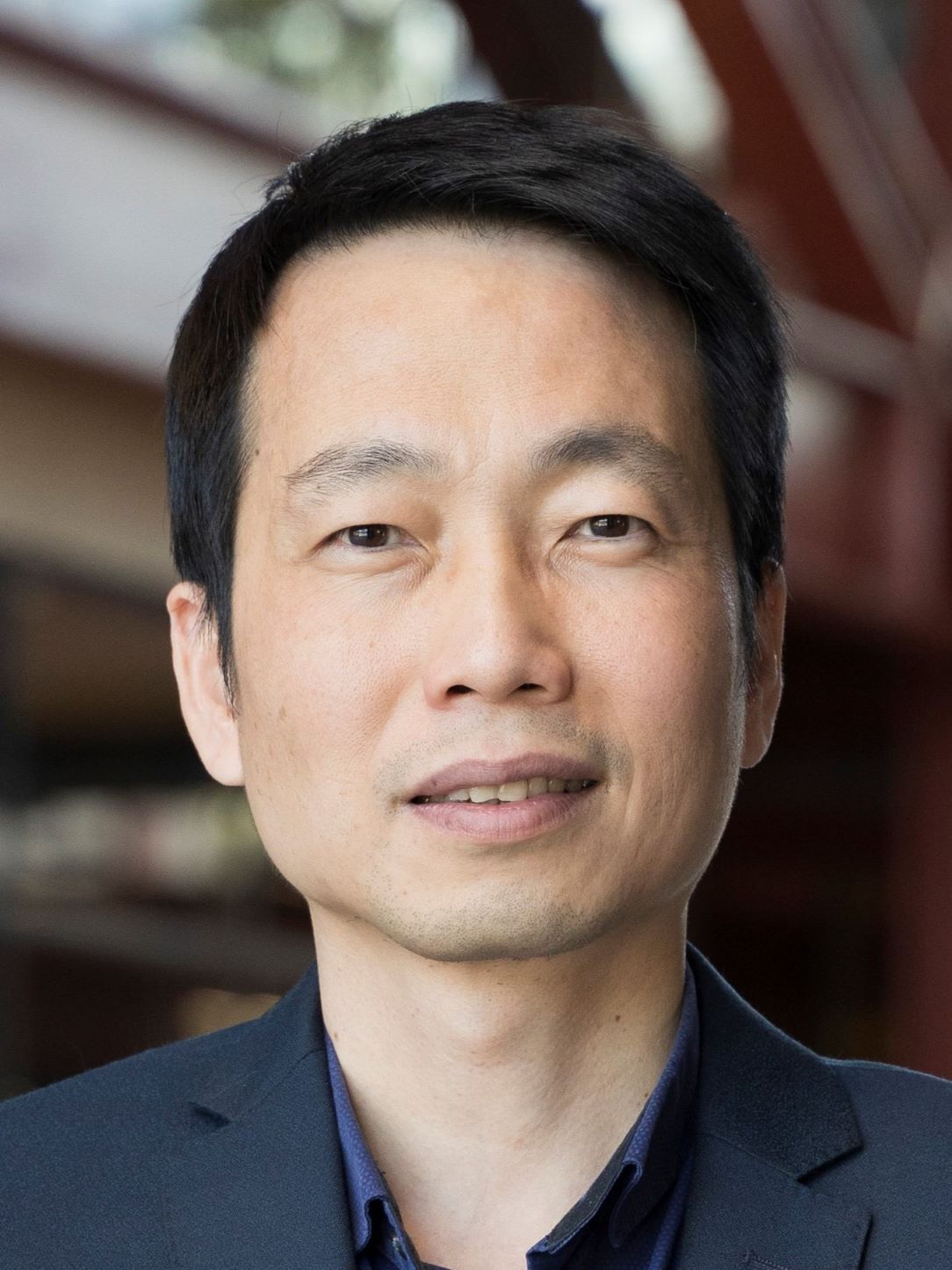
PROFESSOR JIANFEI CAI
Faculty of Information TechnologyProfessor Jianfei Cai is a prominent researcher in multimedia, computer vision, and visual computing. He has published over 150 papers, received numerous awards, and is a Fellow of IEEE. With more than 25,000 citations and an h-index of 73, his work has made a significant impact. In the last 5 years, he has garnered over 20,000 citations. His leadership has advanced major projects, including the MRFF National Critical Research Infrastructure Grant, Building 4.0 CRC, and ARC ITTC for Optimal Ageing. Professor Cai also mentors and inspires the next generation of researchers.
PROFESSOR CHRIS GREENING (WINNER)
Faculty of Medicine, Nursing and Health SciencesProfessor Chris Greening has redefined how life exists. He’s discovered many ecosystems are powered by air, not sunlight as once thought, through hidden activities of microorganisms. He has translated these findings to improve health and sustainability, including through transdisciplinary programs such as SAEF: Securing Antarctica’s Environmental Future. An outstandingly productive researcher, over the last two years, he has published 27 papers in top journals such as Nature and Cell, received the Prime Minister’s Prize for Life Scientist of the Year, and collaborated with over 100 laboratories worldwide. Also an empowering and inclusive leader, he has mentored multiple researchers to independence.
ASSOCIATE PROFESSOR MIKAËL MARTINO
Faculty of Medicine, Nursing and Health SciencesAssociate Professor Mikaël Martino at the Australian Regenerative Medicine Institute (ARMI) has made outstanding contributions to medical research, demonstrated through high-impact studies published in some of the world’s most prestigious journals, led by early-career researchers under his mentorship. His discoveries in tissue repair and regeneration could revolutionise healthcare for millions, and he co-founded two startup companies to translate his research into real-world applications. As part of ARMI's Executive and Head of Industry Engagement, Mikaël has forged key collaborations nationally and internationally. His leadership empowers the next generation of scientists, fosters gender equity, and prioritises wellbeing, making him an extraordinary researcher and leader.

PROFESSOR DENISE WOOTTEN (WINNER)
Faculty of Pharmacy and Pharmaceutical SciencesProfessor Denise Wootten is an exceptional scientist, generous collaborator and mentor, and is internationally recognised for her work deciphering incretin receptor activity and drug response mechanisms. She employs a multidisciplinary approach (structural biology, molecular pharmacology, analytical pharmacology, computational biology and in vivo studies of disease) to investigate the molecular mechanisms of G protein-coupled receptor (GPCR) signalling and biased agonism for exploitation in GPCR drug discovery programs. She has also pioneered a very significant breakthrough in structural studies using cryo-electron microscopy (cryo-EM). She has received major awards, sustained competitive research funding and has published in leading scientific journals including Nature and Science.
PROFESSOR DUSTIN MARSHALL
Faculty of ScienceProfessor Dustin Marshall studies the causes and consequences of variation in biological size, approaching the subject from both fundamental and applied perspectives. His research spans a diverse range of approaches, including empirical life history studies, theoretical modelling, meta-analyses, high-throughput metabolic phenotyping, and biogeographical modelling. Initially focused on marine invertebrates, his work now encompasses a wide variety of study systems, from algae and phytoplankton to E. coli, fish, and mammals. His work has appeared in top journals with 200+ journal publications including papers in Science, PNAS, Current Biology and Nature Ecology & Evolution, with over 14,000 citations.
Monash Honour Roll Inductees
The Monash Honour Roll recognises the University’s most outstanding and generous academic leaders who consistently and generously share their skill and expertise, mentoring colleagues, forging education and research initiatives and collaborations, and fostering a culture of academic excellence.
PROFESSOR CHRISTINA MITCHELL AO |
PROFESSOR JANEMAREE MAHER |