Meet our 2025 nominees and winners
Professional Awards
-
The Vice-Chancellor’s Excellence Awards for Health, Safety and Wellbeing recognise those who have made an outstanding contribution by implementing innovative and exciting ideas in the area of health, safety and/or wellbeing at Monash.
INDIVIDUAL

Dr Mahira Arooj (Winner)
Faculty of Medicine, Nursing and Health SciencesDr Mahira Arooj’s leadership, self-initiative, and future-focused mindset go well beyond her core role. She has led and driven digital transformation initiatives in HSW and operations that enhance compliance, reduce manual workloads, and improve user experiences. Her flagship project, the STM Digital Local OHS Training Log, replaces paper-based processes with scalable, automated workflows that align with Monash’s commitment to innovation, sustainability, and operational excellence. Mahira’s systems improve audit readiness, enable secure record-keeping, and foster transparency and accountability. In late 2025, she is launching an automated Scheduled Drug Training Log and a General Local Area Induction Checklist at the School of Translational Medicine, further reimagining how compliance is managed across the University.

Corinne Ryan
Faculty of Art, Design and ArchitectureCorinne Ryan has transformed health, safety, and wellbeing practices through inclusive leadership that reframes risk management as an enabler of creative practice. Her approach goes beyond strategic-operational responsibilities to deliver solutions addressing physical and psychological wellbeing. Under her leadership, risk management has shifted from compliance to a driver of inclusive culture and creative education. Emphasising service, collaboration, and empowerment, she’s developed robust processes that enable safe engagement with glass blowing, metal work, casting, printmaking, and digital fabrication—turning risk from obstacle to opportunity while upholding exceptional safety standards.

Aster Cosmos
Faculty of Information TechnologyAster Cosmos has transformed wellbeing at the Faculty of IT through sustained, innovative initiatives. As a Mental Health First Aid Ambassador, they promote training, support minority groups, and facilitate accessible mental health conversations through a booking link. They founded the FIT Alliance Network and Neurodivergent Chapter, raised awareness of invisible disabilities, introduced User Manuals to reduce stress, and ran neurodivergent-friendly teaching workshops. These initiatives create safer, more supportive environments for staff and students, demonstrating leadership far beyond their role.
TEAM
Monash University Vape Free Project Team (Winner)
Faculty of Medicine, Nursing and Health Sciences, Office of the Chief Operating Officer and Senior Vice-President, Office of the Deputy Vice-Chancellor (Student Experience) and Senior Vice-President.


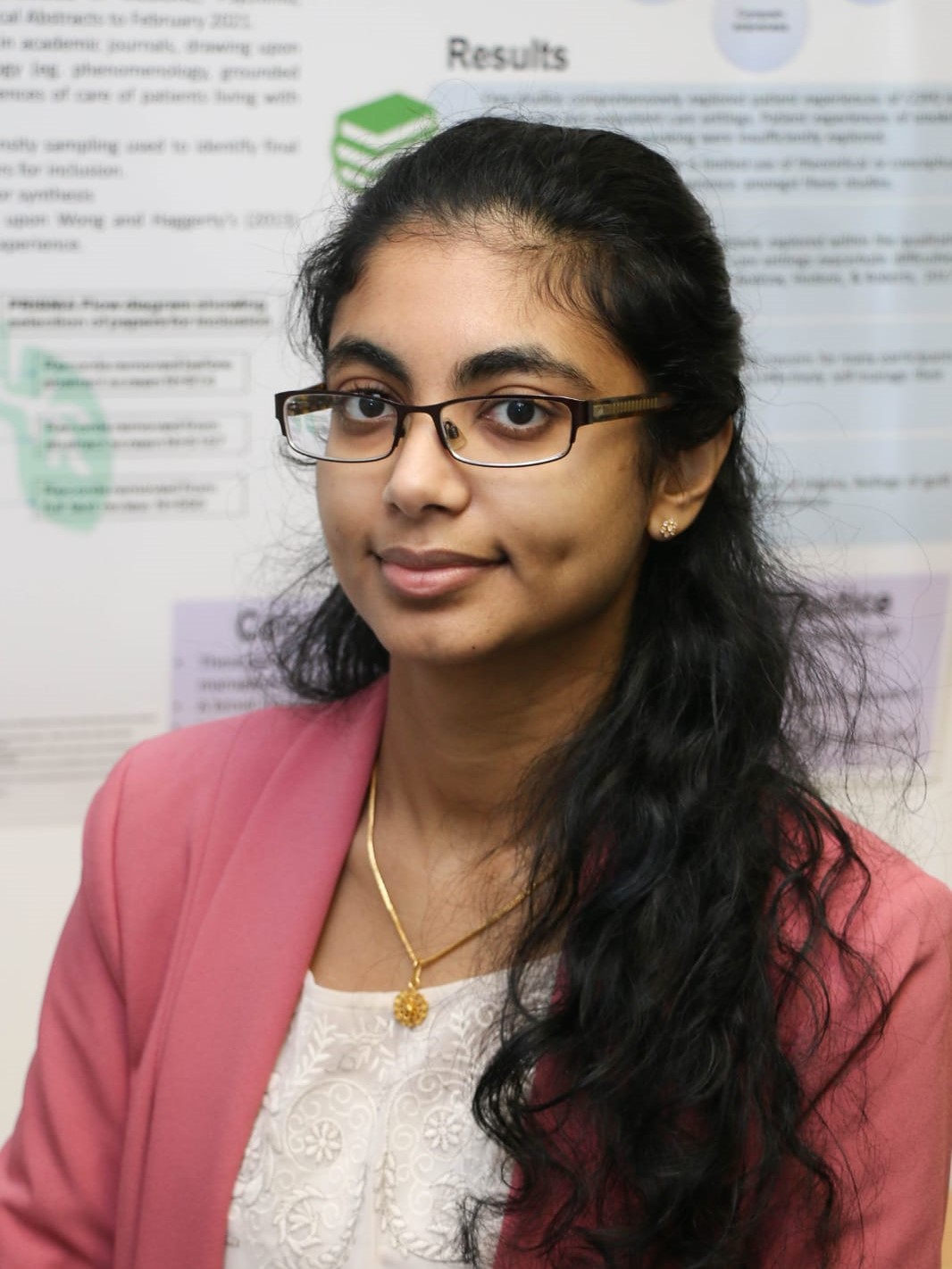



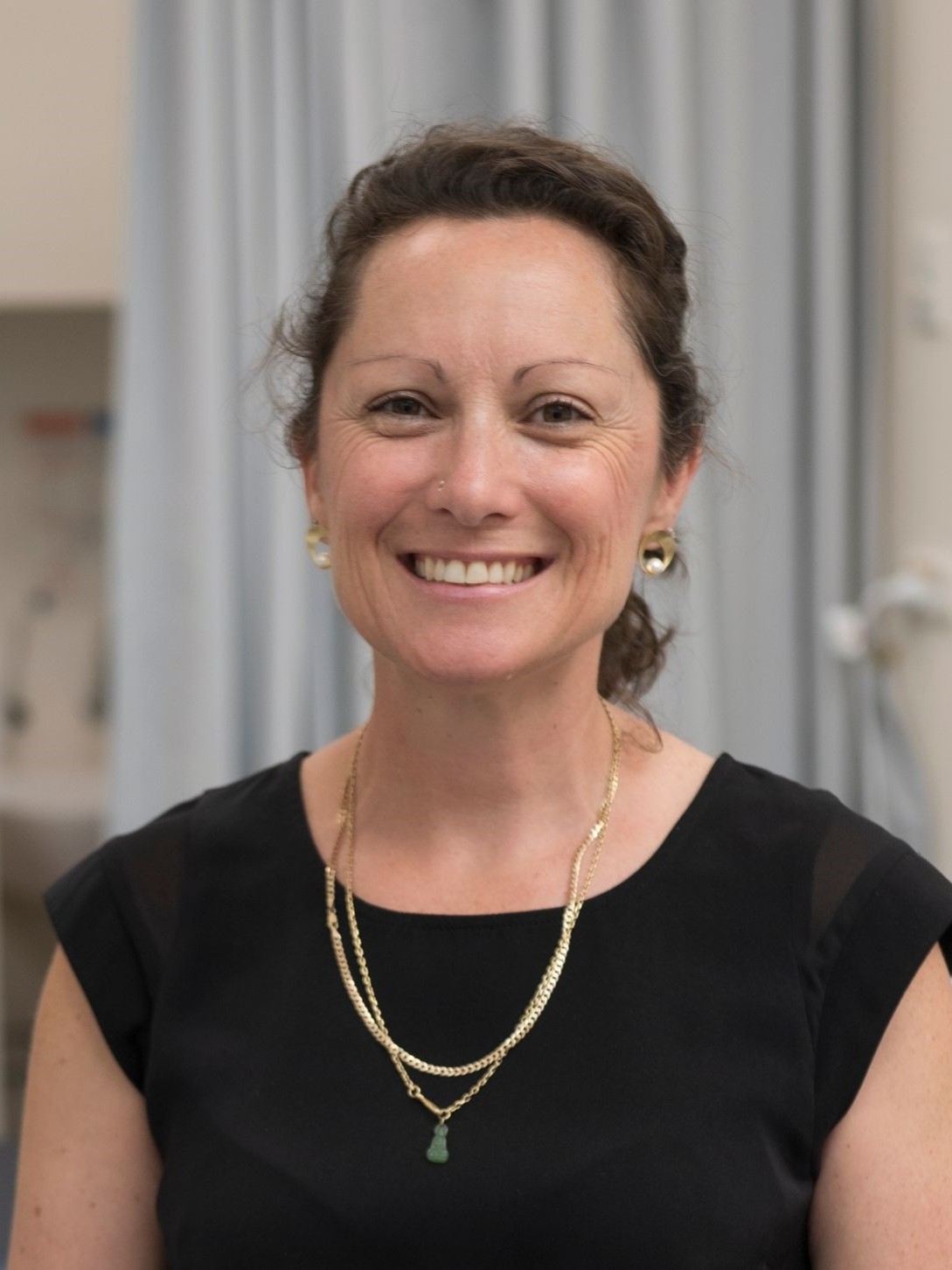

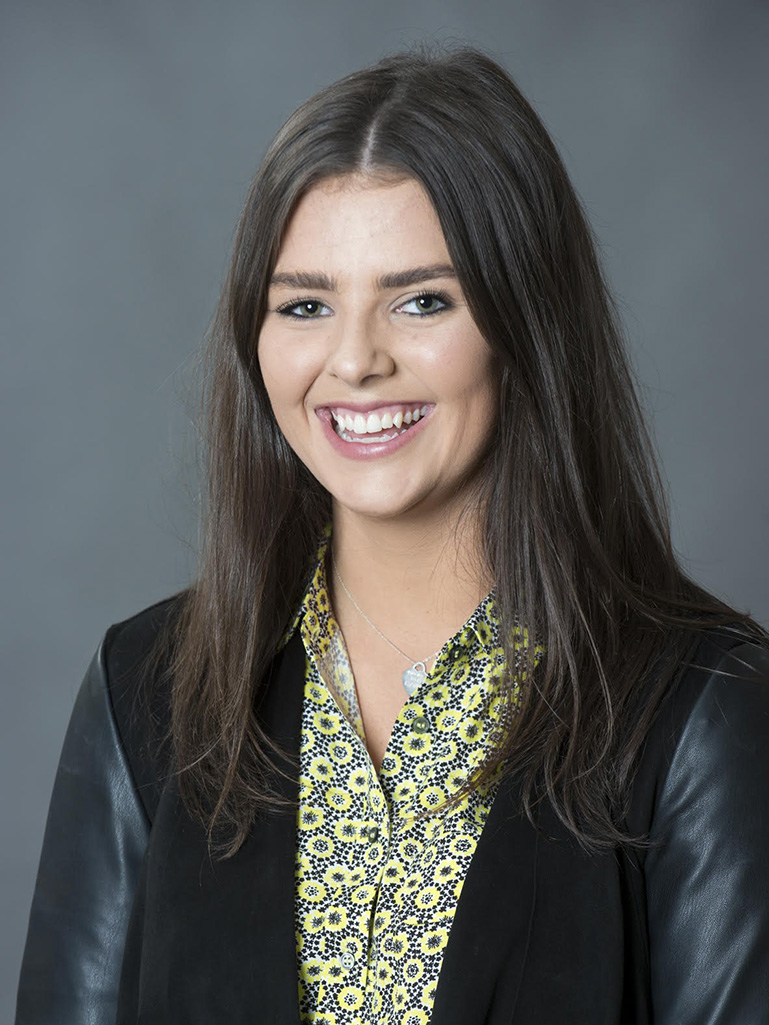
Left to right from top row: Holly Wild, Associate Professor Chris Barton, Dr Melis Selamoglu, Dr Sanduni Madawala, Isabella Papadopoulos, Susan Kotwas, Kim Turudia, Bronwyn Allan, Associate Professor Ines Rio, Dale Cridland
The Monash University Vape Free Project exemplifies cross-university collaboration, bringing together academic, professional, and health service teams to address vaping through an innovative, multi-pronged health promotion campaign. The team delivered engaging, evidence-informed initiatives that empowered students and staff to lead change, increase health awareness and foster wellbeing. The program built enduring partnerships among key stakeholders in student wellbeing across Monash, driving sustained change. A second VicHealth grant has enabled program expansion and continued innovation to strengthen capacity to address vaping and build a positive health and wellbeing culture across the University.
-
The Vice-Chancellor's Excellence Awards for Equity, Diversity and Inclusion recognise those who have made an outstanding contribution to advancing equity, diversity and fostering inclusion at Monash and beyond.
INDIVIDUAL

Professor Laura Jobson (Winner)
Faculty of Medicine, Nursing and Health SciencesProfessor Laura Jobson’s inclusive leadership as Chair of the Athena SWAN Steering Group has driven genuine collaboration across all faculties and amplified the voices of underrepresented and marginalised cohorts. By centring lived experiences in all EDI initiatives, she ensures these translate into meaningful, tangible actions. Under her guidance, Monash became the first Group of Eight university and the first in Victoria to earn Athena SWAN Silver accreditation, highlighting its strong commitment to equity, diversity, and inclusion. Through active engagement and collaboration, Laura has fostered momentum for lasting change, helping to shape a culture where diversity is valued and barriers to equity are addressed.

Dr Kim Johnston
Faculty of Medicine, Nursing and Health SciencesDr Kim Johnston’s work reflects a transformative vision of wellbeing through education, positioning higher education as a platform for mental health prevention, early intervention, and social justice. She is recognised for championing the integration of lived experience expertise to inform and reshape educational practice and policy. Her initiatives span curriculum co-design, inclusive education workshops, development of governance guidelines for lived experience inclusion, strategic advocacy, and sector-leading community collaborations. Her influence is evident in student outcomes, sta0f cultural change, institutional policy, and sustained community partnerships, demonstrating how higher education can drive inclusion and challenge structural inequities.
Aster Cosmos
Faculty of Information TechnologyAster Cosmos has transformed equity, diversity, and inclusion at the Faculty of IT through innovative, practical initiatives. As a visible leader in neurodivergent inclusion, their intersectional, collaborative, and consultative approach weaves together their own lived experience and that of their neurodivergent peers. Their work — from neurodivergence‑focused curriculum workshops, founding the FIT Alliance Network and Neurodivergent Chapter, efforts around parking accessibility, and introducing the User Manual in email signatures— has improved accessibility, fostered cultural change, and built inclusive communities. Working across faculties and central teams, Aster is cultivating a more supportive, inclusive environment—one that produces measurable impact for staff, students, and the broader Monash community.

Dr Rebecca Robinson
Faculty of Information TechnologyDr Rebecca Robinson has led the design and implementation of a proactive academic mentoring program for IT students with disabilities, offering individualised support that enhances student engagement, well-being, and academic success. By collaborating with Disability Support Services and providing training to mentors in mental health and inclusive teaching, the program has created a more equitable learning environment for students while raising the inclusivity capacity of teaching staff. The initiative has demonstrated tangible outcomes and generated meaningful cultural change within the Faculty of IT, contributing to a more supportive and accessible academic community.
TEAM
Library Equity, Diversity and Inclusion (EDI) Action Plan Working Group (Winner)
Office of the Provost and Senior Vice-President, Office of the Deputy Vice-Chancellor (Education) and Senior Vice-President






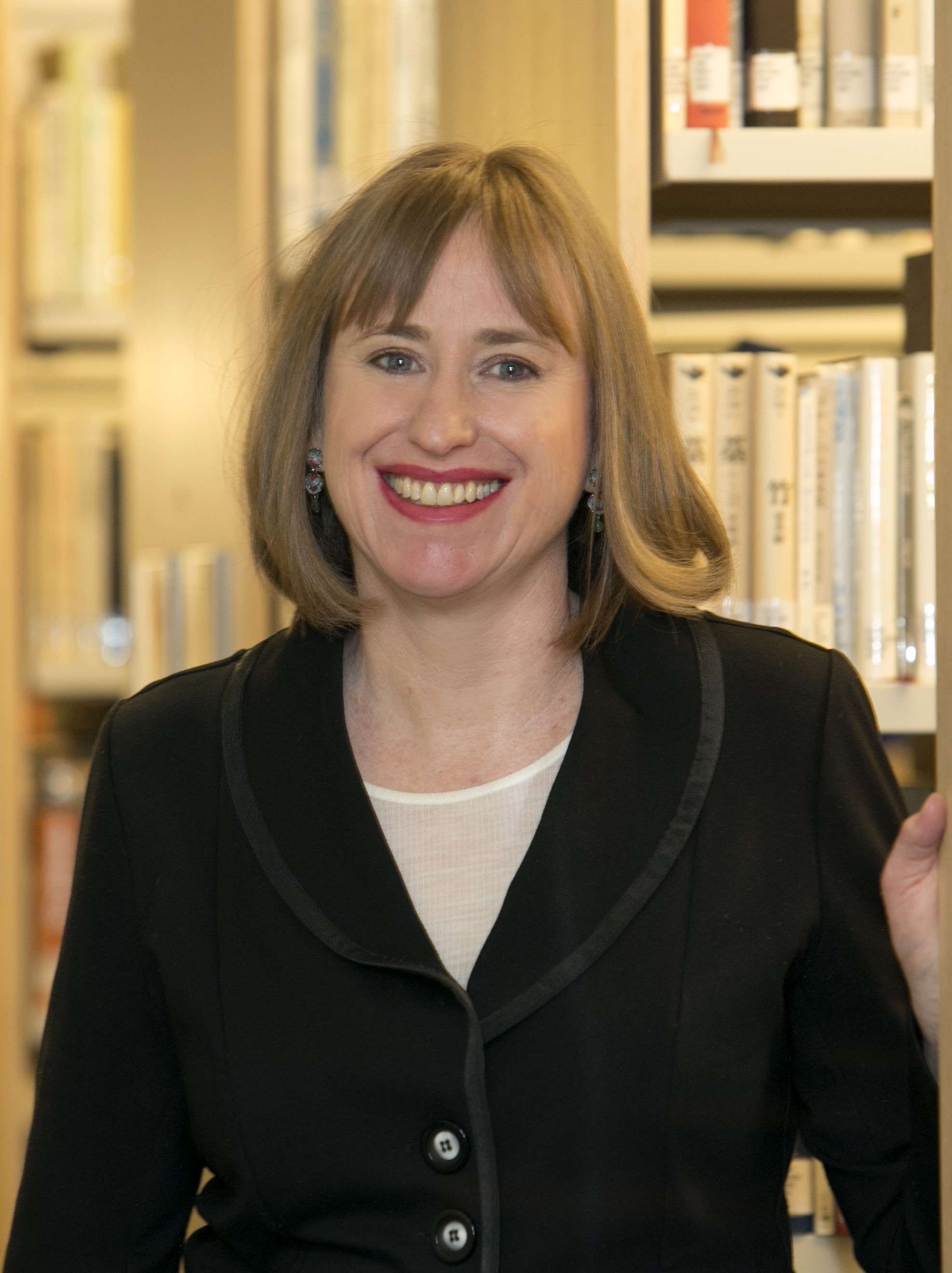
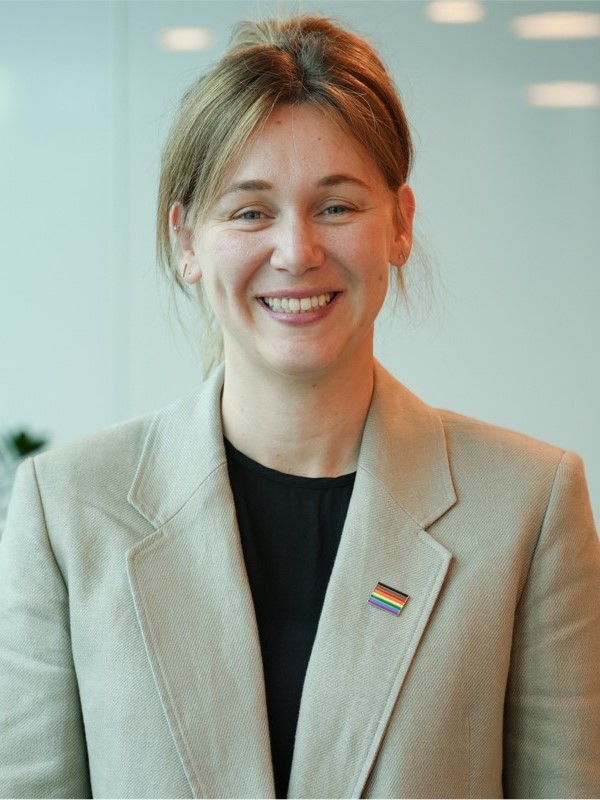




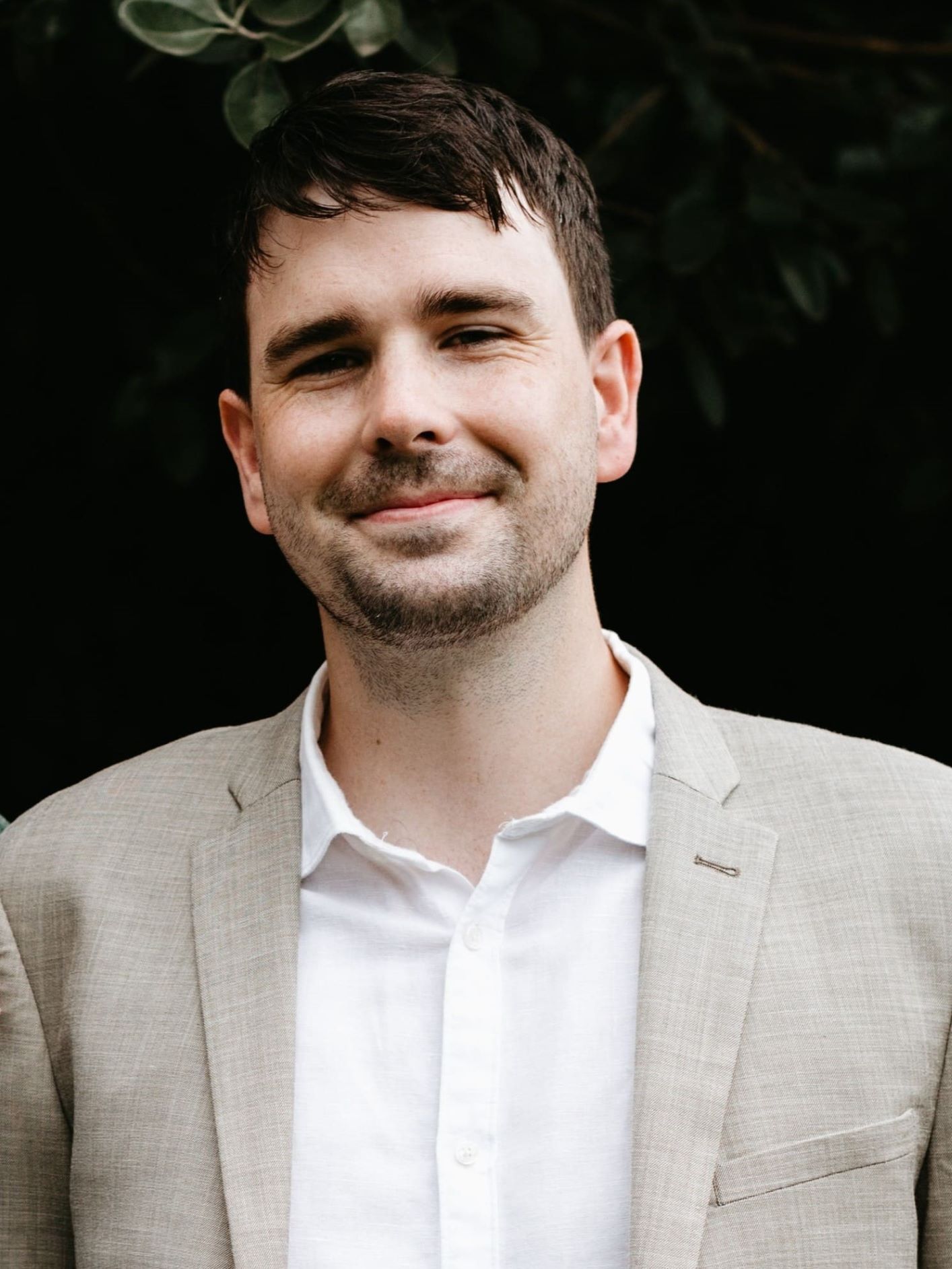



Left to right from top row: Anne Melles, Mandy Swingle, Giorgia Gakas, Michelle Collins, Tuan Truong, Renata Ware, Sophie Wright, Kaye Sullivan, Jayde De Bondt, Carmen Acosta, Lara McKinley, Liam Nixon, Natalie Tuck, Callan Ross, Vanessa Soleman, Fauzia Jannif, Beth Pearson
Not pictured: Eng Ung and Les Thomas.
The Monash University Library EDI Action Plan goes beyond a simple list of initiatives — it represents a comprehensive, integrated, and systematic approach to embedding equity, diversity, and inclusion (EDI) across the Library’s services, spaces, and ways of working. It is sector-leading. Aligned with the broader Monash EDI Framework, the Action Plan is grounded in the lived experiences and perspectives of the Monash community. Its actions were shaped through stakeholder engagement, making it responsive and relevant. The team demonstrated a deep commitment to the Monash EDI objectives and sustained effort over a year to deliver this plan for transformative change.
FIT3176 Education Design Team
Faculty of Information Technology

Left to right: Professor Muhammad Aamir Cheema, Goldi Du, Aster Cosmos
The FIT3176 Education Design Team re-designed Advanced Database Design to embed equity, diversity, and inclusion (EDI) into every aspect of student learning. Using real-world datasets and case studies in weekly labs aligned with social issues such as gender-based violence, Indigenous health, mental health, hate speech, and the gender-pay gap, students gained both technical skills and EDI awareness. The initiative led to improved student engagement, strong SETU results (4.80), and the adoption of EDI content in six additional units across the faculty. It now forms the basis of a national project to embed EDI across six Australian universities.
EDI Sharing Circle
Faculty of Medicine, Nursing and Health Sciences, Faculty of Information Technology, Faculty of Engineering



Left to right: Dana Bui, Helmy Cook, Aster Cosmos, Elizabeth McCarthy, Prudence Perry
The Equity, Diversity and Inclusion Sharing Circle is a grassroots multidisciplinary team of Educational Designers, working above and beyond their usual roles to foster and inform inclusive educational practices. Uniting lived experience and inclusive educational expertise, the team established a consultative platform to support Monash’s goals of inclusive high-quality education, and thriving communities. The team undertook a major mapping project, uncovering 400+ opportunities to embed the Advance HE EDI Framework within STEM education guidelines used globally. This ongoing work bridges disciplinary silos, builds evidence-based EDI capability, and has resulted in a peer-reviewed publication with international reach and an implementation resource for all educators.
-
The Vice-Chancellor’s Excellence Awards for Professional Staff recognise staff whose contributions to the University demonstrate going above and beyond the requirements of their roles to realise significant and sustained achievement.
Individual Operational Excellence
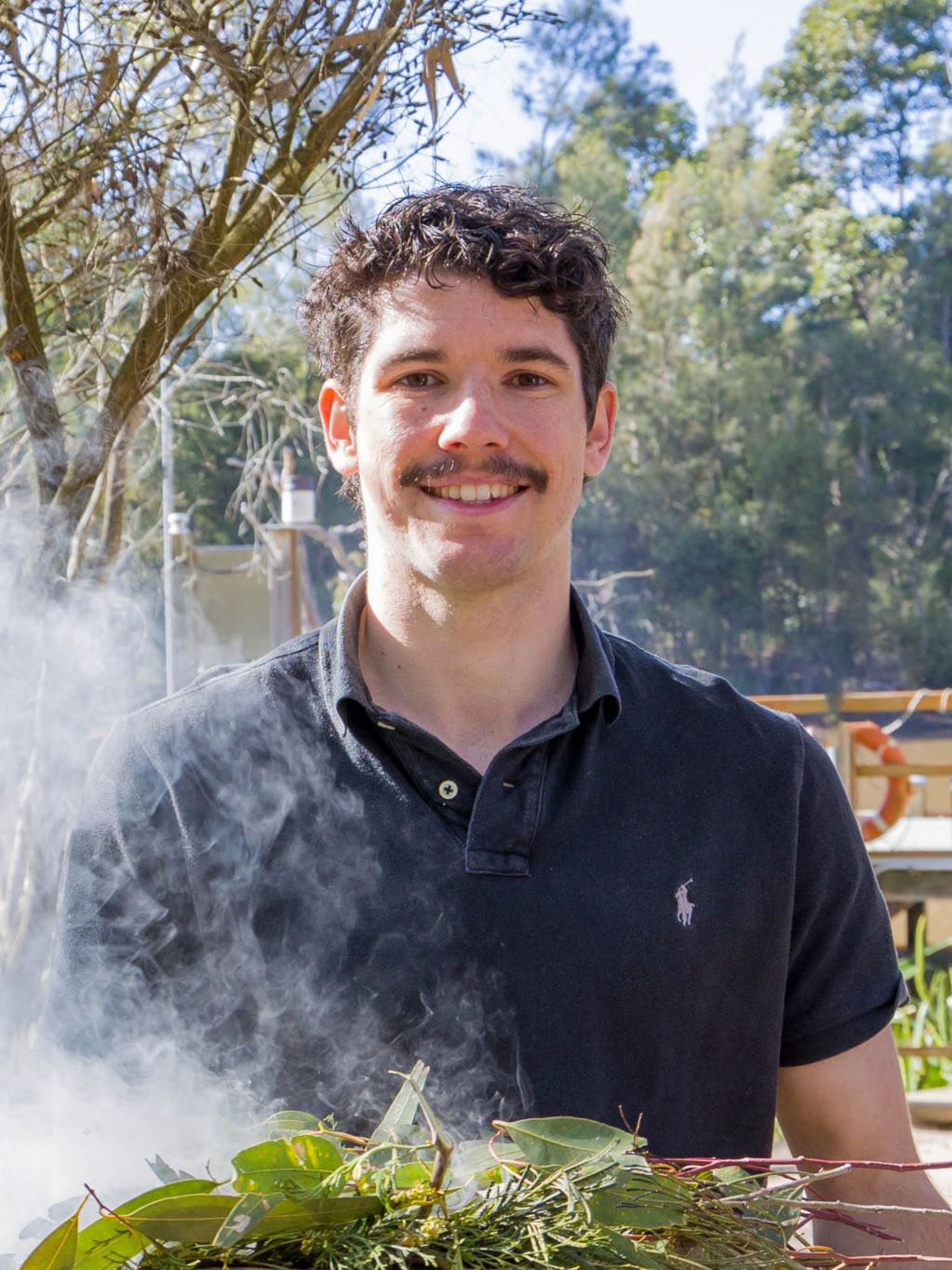
Matt Muir (Winner)
Office of the Chief Operating Officer and Senior Vice-PresidentMatt Muir, a Wiradjuri man and Planning and Design Officer at Buildings and Property, has demonstrated outstanding professional excellence in the development of ‘Understanding Country’, a foundational document that aims to embed Indigenous cultures into the fabric of our campuses to benefit the Monash community.
His exceptional collaboration and engagement with the Monash Indigenous community identified key cultural elements that contributed to ‘Understanding Country’ and the community engagement principles it embodies. Matt’s unique ability to bridge cultural and architectural disciplines will help to create campuses that more visibly reflect and recognise Indigenous cultures in ways that are welcoming, inclusive, engaging, and fully integrated into the Monash University experience.

Georgia Kyranis (Special Commendation)
Faculty of Information TechnologyGeorgia Kyranis, Strategy Implementation Assistant in Strategy and Planning, has delivered transformative contributions well beyond the bounds of her role. From leading EDI process innovation and parenting space upgrades to designing faculty-wide Jira dashboards and streamlining budgeting processes, Georgia has enhanced staff experiences, advanced fairness, and embedded operational excellence. Her collaborative, purposeful, and values-driven work has created a measurable, lasting impact across the Faculty of IT.
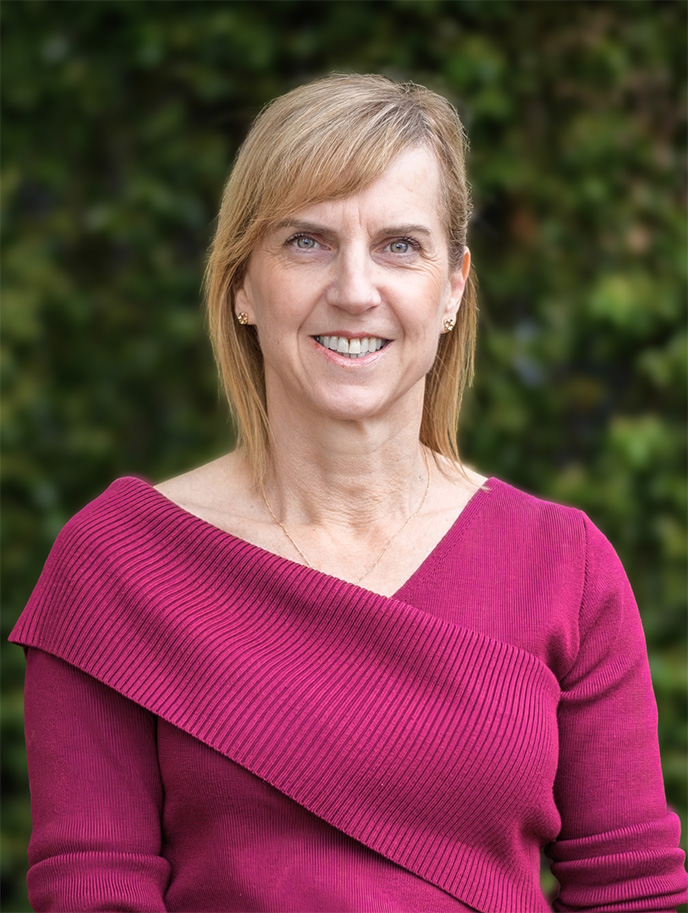
Gabriella Di Camillo
Office of the Deputy Vice-Chancellor (Research and Enterprise) and Senior Vice-PresidentGabriella Di Camillo is the driving force behind the warm, professional, and efficient culture at Monash Biomedical Imaging. Through initiative, positivity, and consistent excellence, she improves daily operations, enhances the staff and student experience, and fosters a collaborative environment that enables others to thrive. Her contributions are often behind the scenes, yet their impact is deeply felt across the centre. She is the kind of colleague every organisation needs—reliable, proactive, fair, and community-minded.
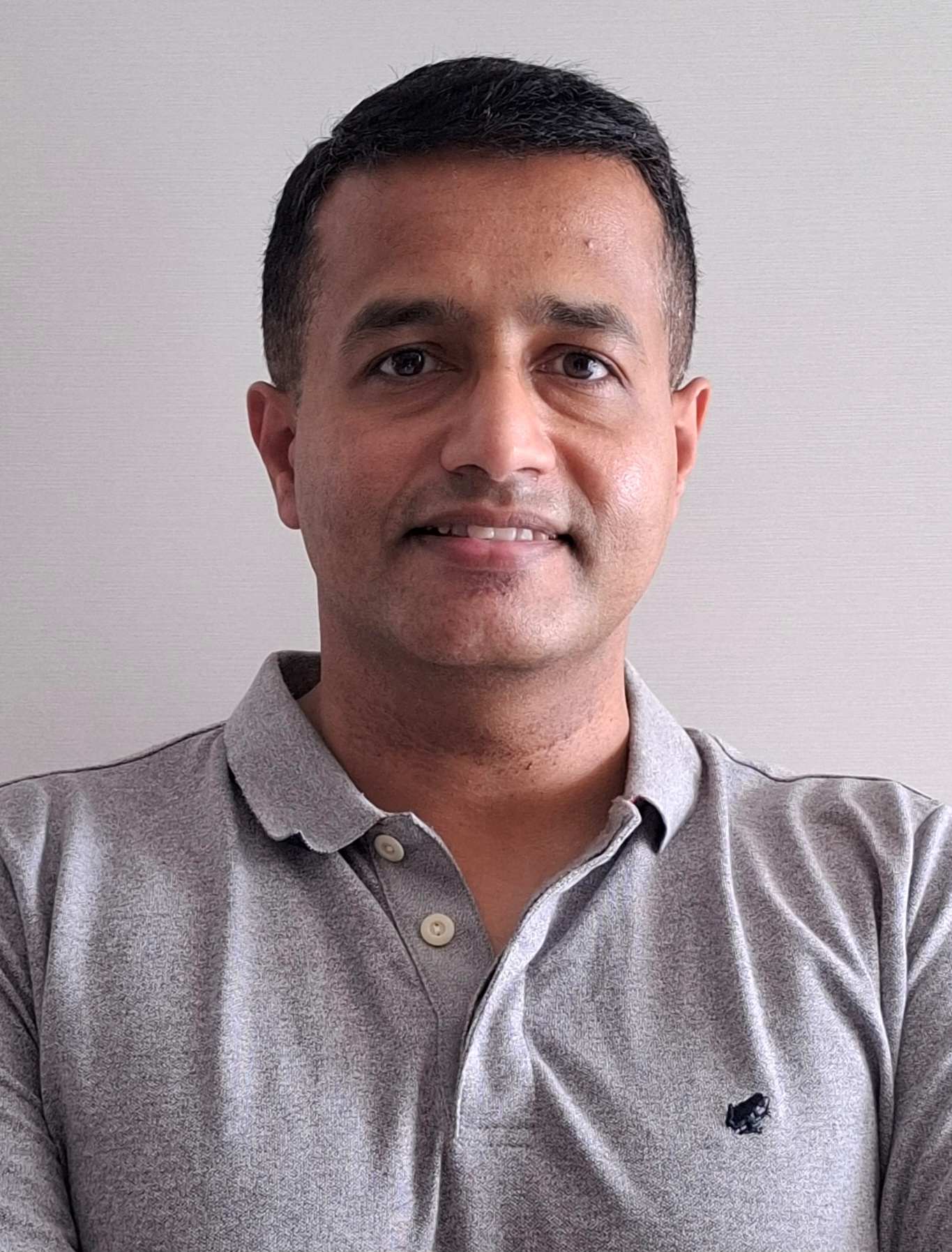
Dr Sanjaya Kuruppu
Faculty of Information TechnologyAs Senior Research Development Coordinator, Dr Sanjaya Kuruppu demonstrates service excellence of the highest standard and is a transformational figure in research development at Monash. With a unique combination of deep research insight, operational expertise, and genuine mentorship, he consistently exceeds the expectations of his role—providing strategic, personalised support that is deeply valued by researchers across the Faculty of IT. His impact is seen not only in submissions, but in the skills and confidence of the researchers he supports.
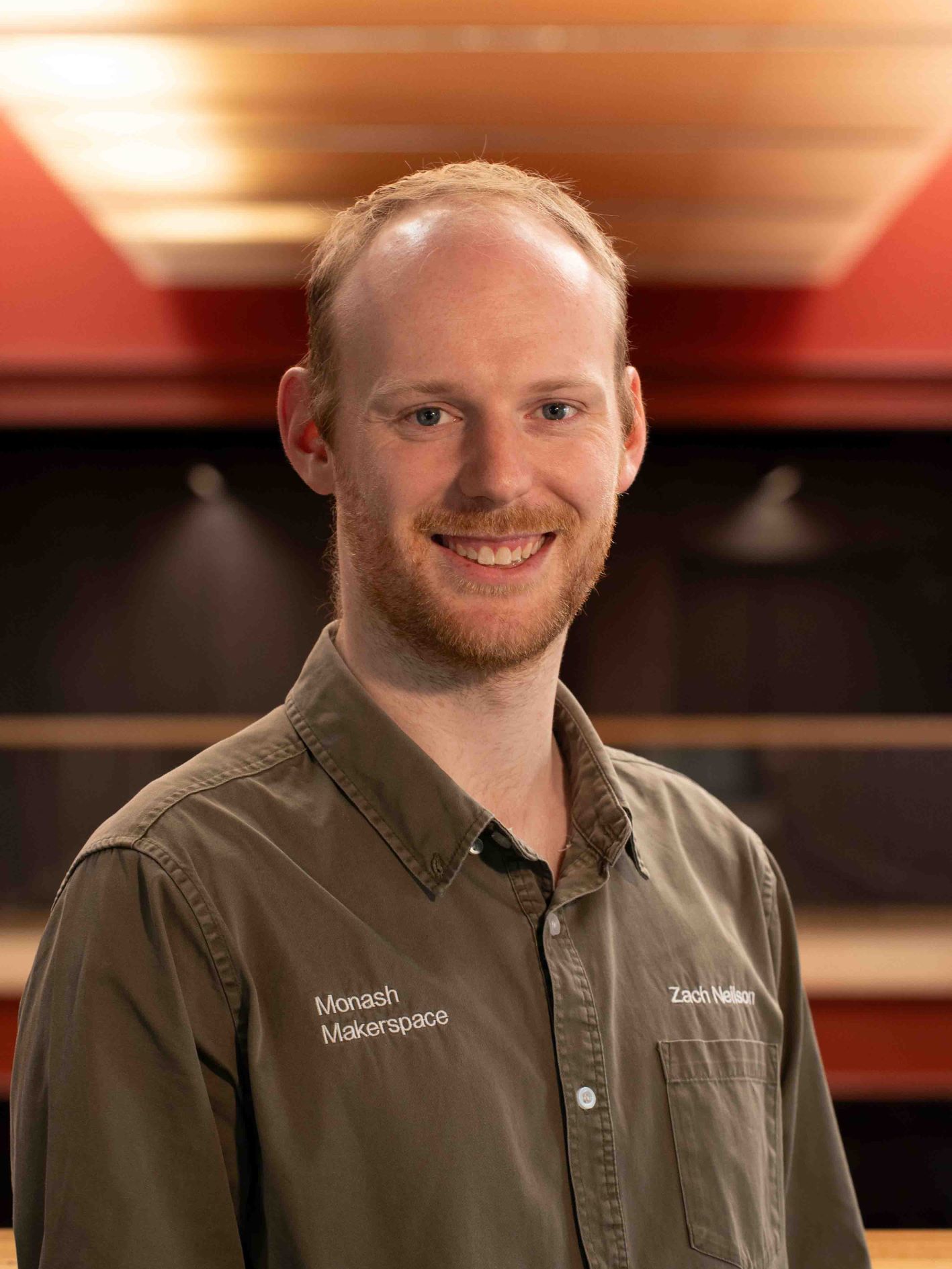
Zach Neilson
Faculty of EngineeringZach Neilson plays a pivotal role in the Design and Build Studios and is a trusted figure in engineering education at Monash. He consistently goes above and beyond to support students—developing tailored technical resources, running inductions on tools such as 3D printers and laser cutters, and even staffing evening sessions to ensure safe access. Zach contributes meaningfully to teaching teams, offering practical solutions and driving continuous improvement. His collaborative approach fosters a culture of learning, creativity, and inclusion. The result is impact that resonates with students and staff, and across the broader teaching environment.
Individual Strategic Excellence

Bernadette Wilson (Winner)
Faculty of Art, Design and ArchitectureBernadette Wilson consistently demonstrates excellence in building high-quality, enduring industry engagement for MADA at both community and state levels. Through innovative partnerships and strategic relationship building, she has elevated the faculty’s profile and created valuable opportunities for students, staff, and the broader community. Bernadette’s outstanding vision and leadership in cultivating relationships with prestigious organisations—such as the Australian Institute of Architects—have significantly enhanced MADA’s reputation and institutional impact. Her work exemplifies the power of purposeful collaboration and continues to shape a more connected, opportunity-rich future for Monash.

Nicole De Rycke (Special Commendation)
Faculty of ScienceNicole De Rycke consistently delivers outstanding administrative support across HDR and research, making a significant contribution to student success and research excellence. Renowned for her exceptional problem-solving, warmth, collaboration, and dedication, she swiftly resolves complex challenges—always prioritising student welfare and enabling seamless research grant submissions. Her innovative and proactive approach has strengthened the School’s community and research culture. Nicole is the most frequently acknowledged individual in student theses, a testament to her impact. She strategically manages student and ECR grant applications and donor engagement with precision and care. Year after year, she provides support of a calibre that cannot be taught—earned through deep experience and thoughtfully applied effort.

Rachel Byrne
Office of the Deputy Vice-Chancellor (Education) and Senior Vice-PresidentRachel Byrne’s collaborative approach, innovative thinking, and unwavering commitment to expanding educational access exemplify the values and aspirations of Monash University. In her role as Business Manager for the Cranlana Centre for Ethical Leadership, Rachel consistently goes above and beyond—delivering excellence in core responsibilities while creating lasting value for students, staff, and the broader community. Her work demonstrates the transformative impact professional staff can have in driving meaningful change, fostering collaboration across traditional boundaries, and contributing directly to the University’s Impact 2030 agenda.

Dr Martina Kocan
Office of the Deputy Vice-Chancellor (Research and Enterprise) and Senior Vice-PresidentDr Martina Kocan has made a lasting impact on the Monash research community through exceptional leadership, integrity, and dedication. As a stabilising force during times of change, she has built a resilient, high-performing team and fostered a collaborative, empowered workplace culture. Her strategic foresight and hands-on approach have improved staff morale, reduced turnover, and enhanced operational efficiency. Her ability to manage competing priorities with professionalism and care has consistently delivered service excellence beyond the scope of her formal role. Widely acknowledged in the research community, Martina exemplifies the values of Monash 2030 and has elevated the role of professional staff in driving institutional excellence.

Sarah Smith
Office of the Deputy Vice-Chancellor (Research and Enterprise) and Senior Vice-PresidentSarah Smith is a nationally recognised leader in Indigenous-led systems transformation, community resilience, and cultural governance. As Executive Director, Community at Monash Sustainable Development Institute, she helps to lead the award-winning Fire to Flourish program, advancing disaster recovery led by Aboriginal and regional communities. Through her visionary and values-driven leadership, Sarah is redefining how institutions engage with truth-telling, justice, and Indigenous knowledge. Her work exemplifies professional excellence, innovation, and lasting impact—within Monash and far beyond.
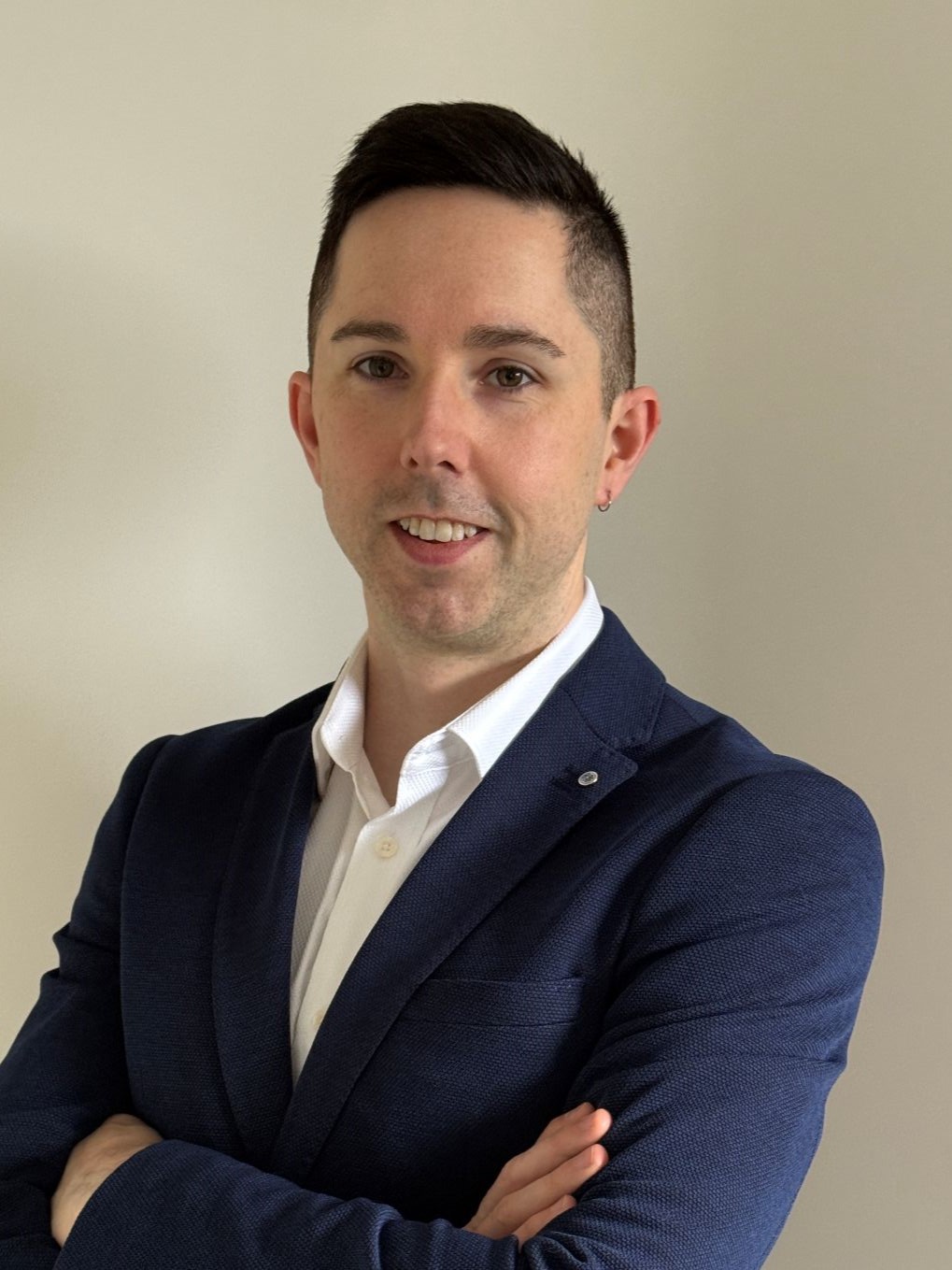
Kyle Birchill
Faculty of Medicine, Nursing and Health SciencesAs Senior Faculty Admissions Coordinator for the Faculty of Medicine, Nursing and Health Sciences, Kyle Birchill has transformed medicine admissions through innovation and equity. In close collaboration with the Indigenous Gukwonderuk Unit, he has driven a tripling of Indigenous enrolments, a 39.6% rise in rural applications, and rural enrolment that exceeds targets. Kyle has processed 12.3% more applications without additional staffing, introduced AI-generated interview stations, and unified international admissions processes. His data-driven improvements to web infrastructure have significantly reduced student enquiries and staff workload. Through visionary leadership and operational excellence, Kyle continues to expand access, strengthen sustainability, and position Monash as a national leader in admissions innovation.

Rod Heath
Office of the Deputy Vice-Chancellor (Research and Enterprise) and Senior Vice-PresidentRod Heath's visionary leadership at Monash Food Innovation has transformed it into a recognised hub connecting research, education, and industry. He has played a key role in collaborating with the Faculty of Science to grow the Master of Food Science and Agribusiness program, aligning academic strength with real industry needs. Rod’s passion for teaching and training, along with his commitment to purposeful innovation, have enhanced student employability and supported the wider Monash community. By fostering collaboration, empowering staff and students, and championing practical solutions, Rod has bolstered Monash’s reputation and created an inclusive environment where innovation and learning flourish.

Catherine Karavias
Faculty of Information TechnologyCatherine Karavias is the Manager, Student Engagement and Employability in the Faculty of IT and a transformative leader whose work has empowered hundreds of Monash IT students to thrive both personally and professionally. Through initiatives like the WIT Mentoring Program, Programming Bootcamp, and Postgraduate Mentoring, she has advanced equity, expanded opportunity, and modelled authentic, values-driven leadership. Her impact is lasting, strategic, and deeply aligned with Monash’s mission.
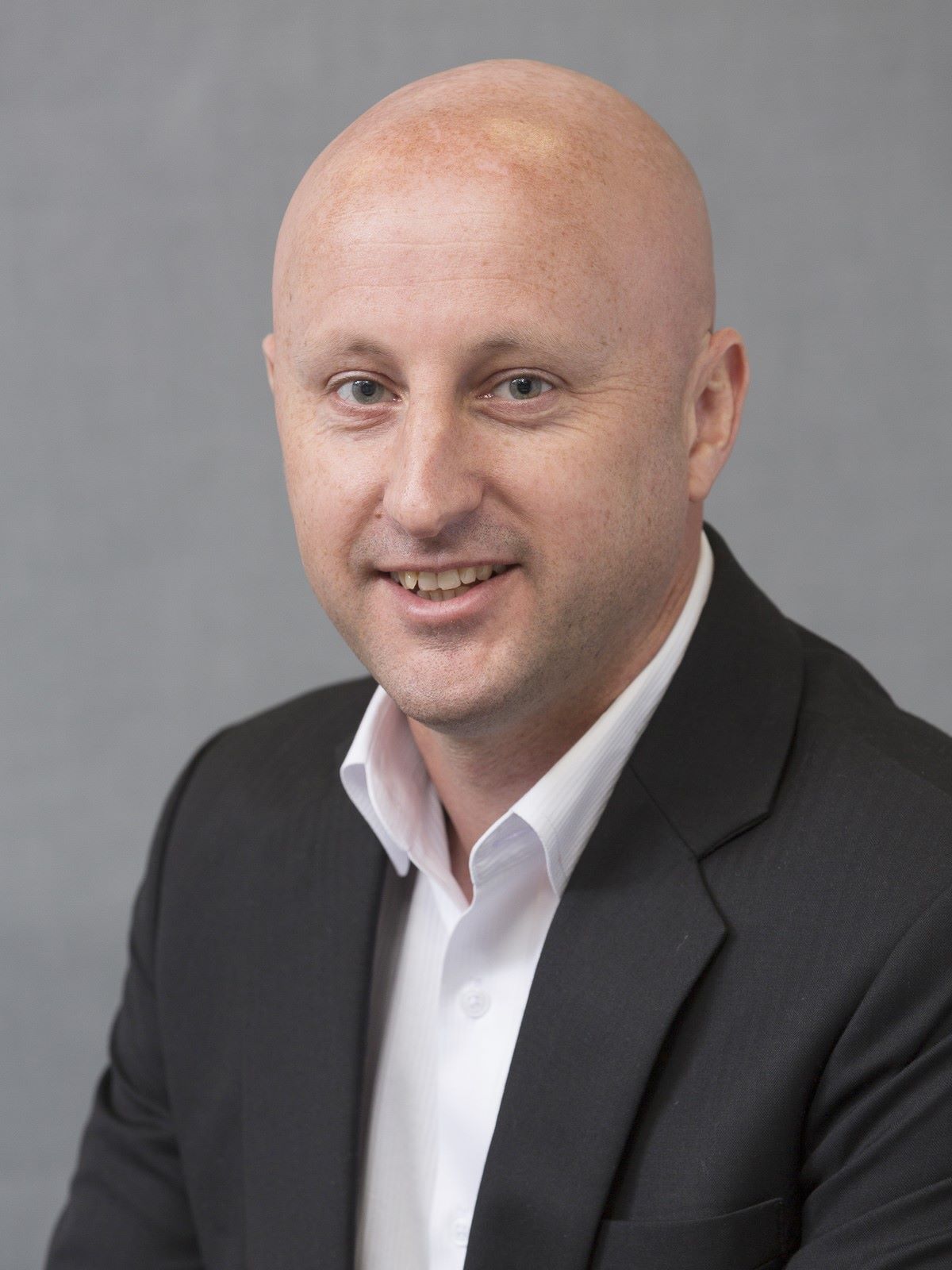
Andrew Crosthwaite
Office of the Chief Operating Officer and Senior Vice-PresidentAndrew Crosthwaite strives to create a culture of trust, growth, and collaboration—empowering staff at all levels to lead with confidence and impact. His support has enabled the Business Analysis Community of Practice to flourish and become a cross-campus network that shares knowledge, promotes consistency, and elevates professional standards. Through his advocacy for people development, technical excellence, and thoughtful planning, he has elevated capability across disciplines. Despite a demanding role, Andy always makes time for people—whether offering mentorship, support, or simply listening. He genuinely cares, and it shows. His leadership has shaped not only better outcomes, but also a stronger, more connected Monash.
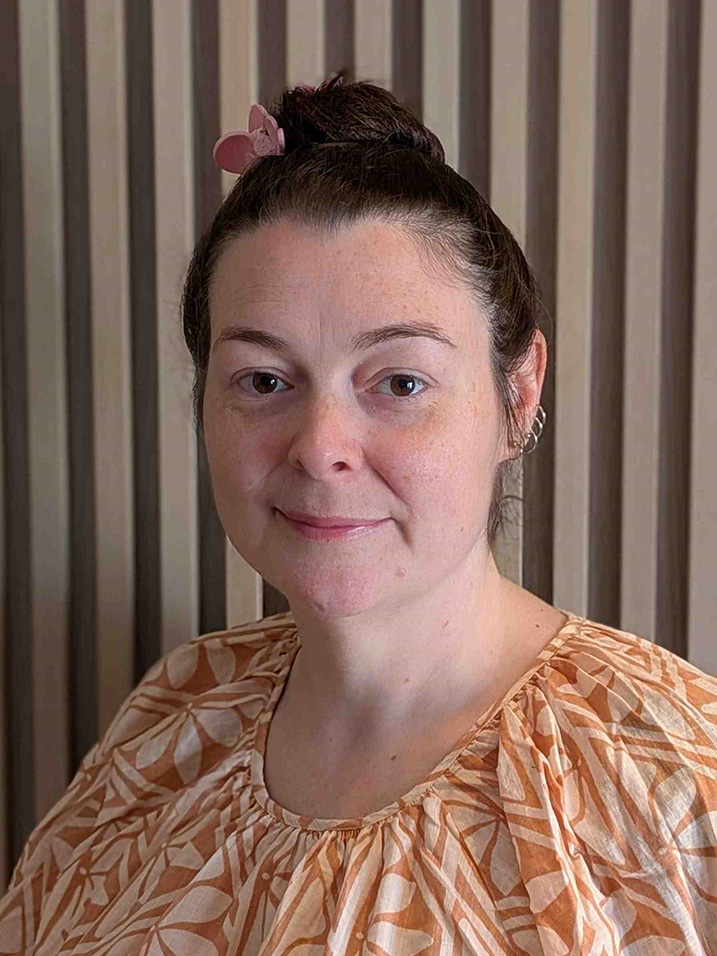
Rhyannon Fricker
Office of the Chief Operating Officer and Senior Vice-PresidentA highly valued member of the Office of the General Counsel, Rhyannon Fricker consistently goes above and beyond in her role and across the broader Monash community. With over 20 years of service, she brings deep institutional and sector-relevant knowledge, coupled with a collaborative spirit and unwavering commitment to excellence. Rhyannon plays a key role in advancing the University’s strategic priorities through her thoughtful contributions and dedication to impactful outcomes. Her passion for Monash’s development is evident in her proactive approach to outreach and active participation in initiatives that strengthen the University’s functions and processes.
TEAM
Commonwealth Prac Payment (CPP) Project Team (Winner)
Office of the Chief Operating Officer and Senior Vice-President, Office of the Deputy Vice-Chancellor (Student Experience) and Senior Vice-President, Office of the Chief Financial Officer and Senior Vice-President, Faculty of Education, Faculty of Medicine, Nursing and Health Sciences







Left to right: Brett Dackiewicz, Desiree Beitz, Kirsty Lavin, Karmen Lam, Julia Voye, Cameron Goodwin, Mayur Katariya, Prue Miller, Ronald Vega, Britta Morrison, Josephine Gray
The Commonwealth Prac Payment CPP Project Team exemplified strategic leadership, agility, and collaboration to implement a complex, first-of-its-kind government initiative supporting students on mandatory placements. Navigating evolving legislation, they co-designed a sustainable, student-centred solution through discovery, advocacy, and deep cross-functional engagement. Their work ensured equitable access, protected vulnerable cohorts, reduced faculty burden, and strengthened Monash’s reputation. Over 1,200 students were supported with $300,000 in funding in the first four weeks of applications opening. With transparency and integrity at the core, the team built trust across the University and delivered meaningful impact. They transformed complex policy into streamlined, values-driven support for student success.
Student Scam Prevention Project Team (Winner)
Office of the Chief Operating Officer and Senior Vice-President, Office of the Deputy Vice-Chancellor (Education) and Senior Vice-President, Office of the Deputy Vice-Chancellor (Student Experience) and Senior Vice-President, Monash College
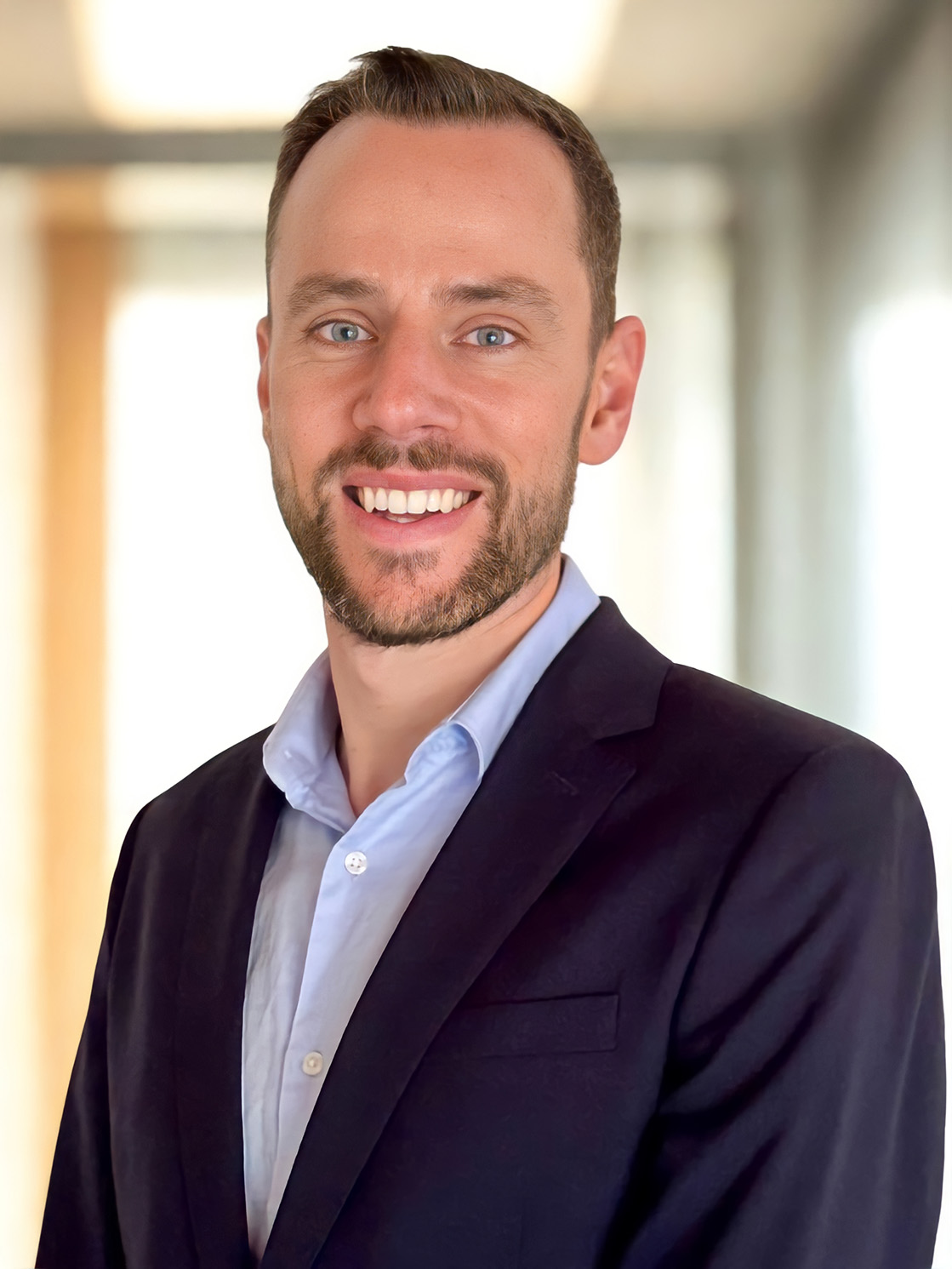
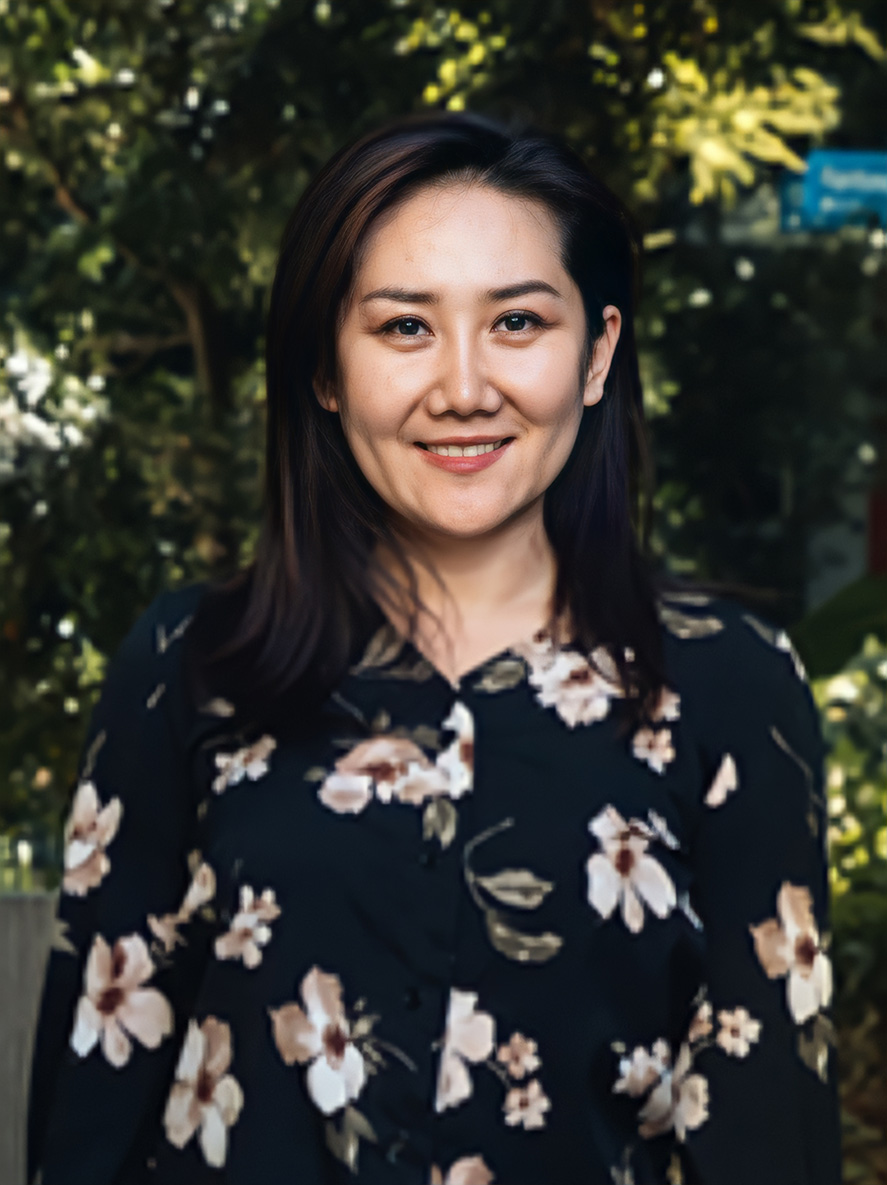



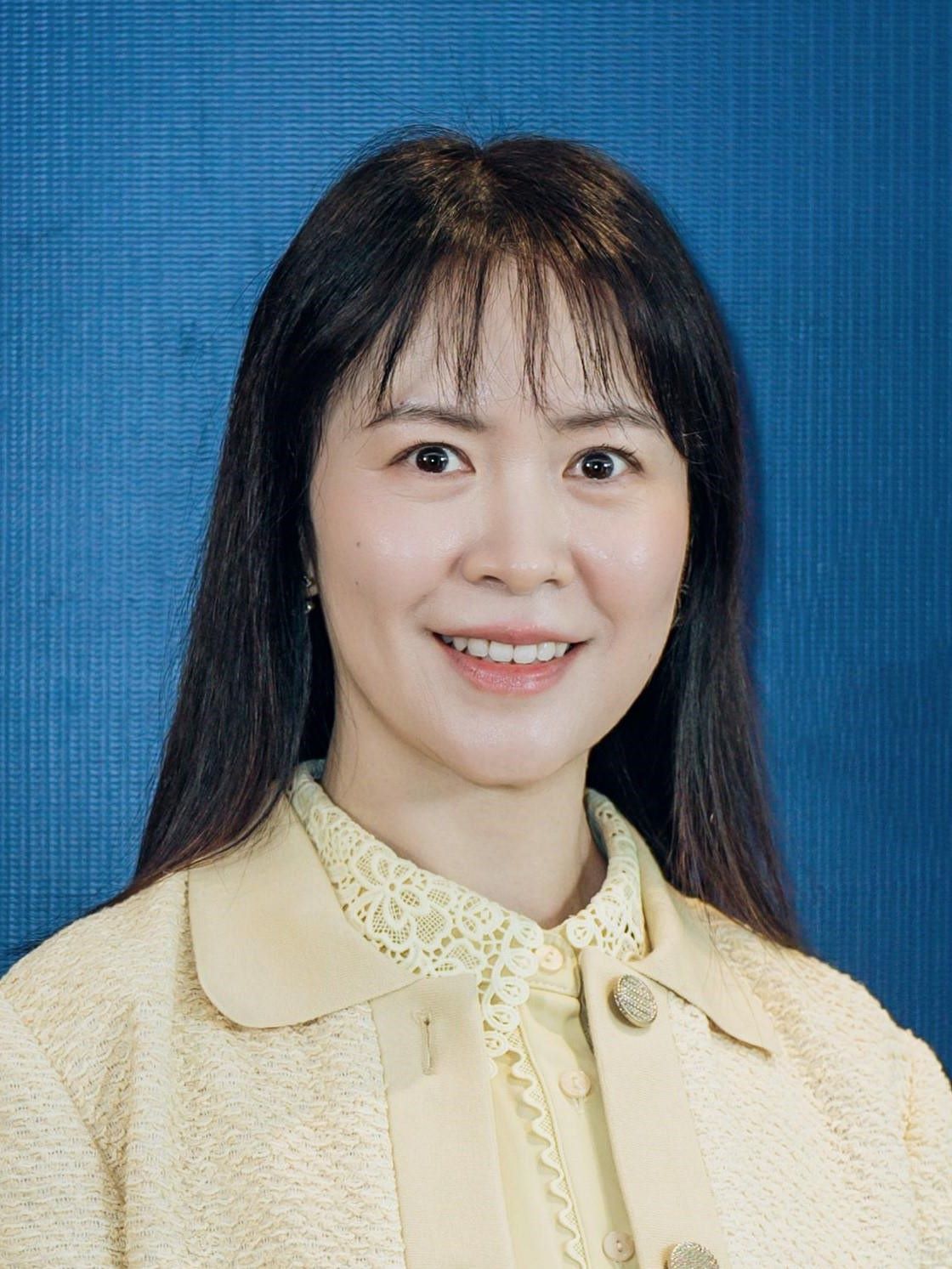






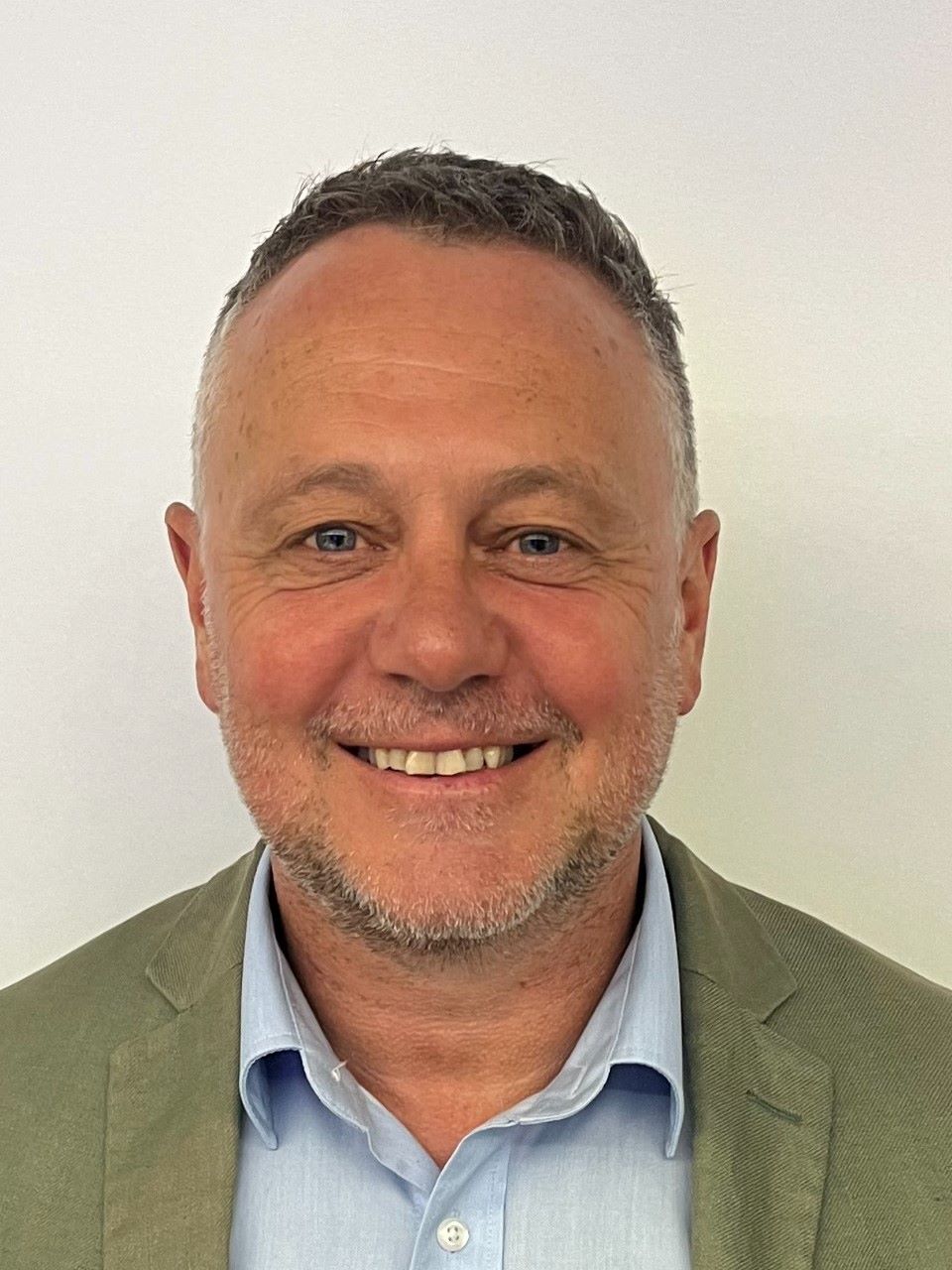

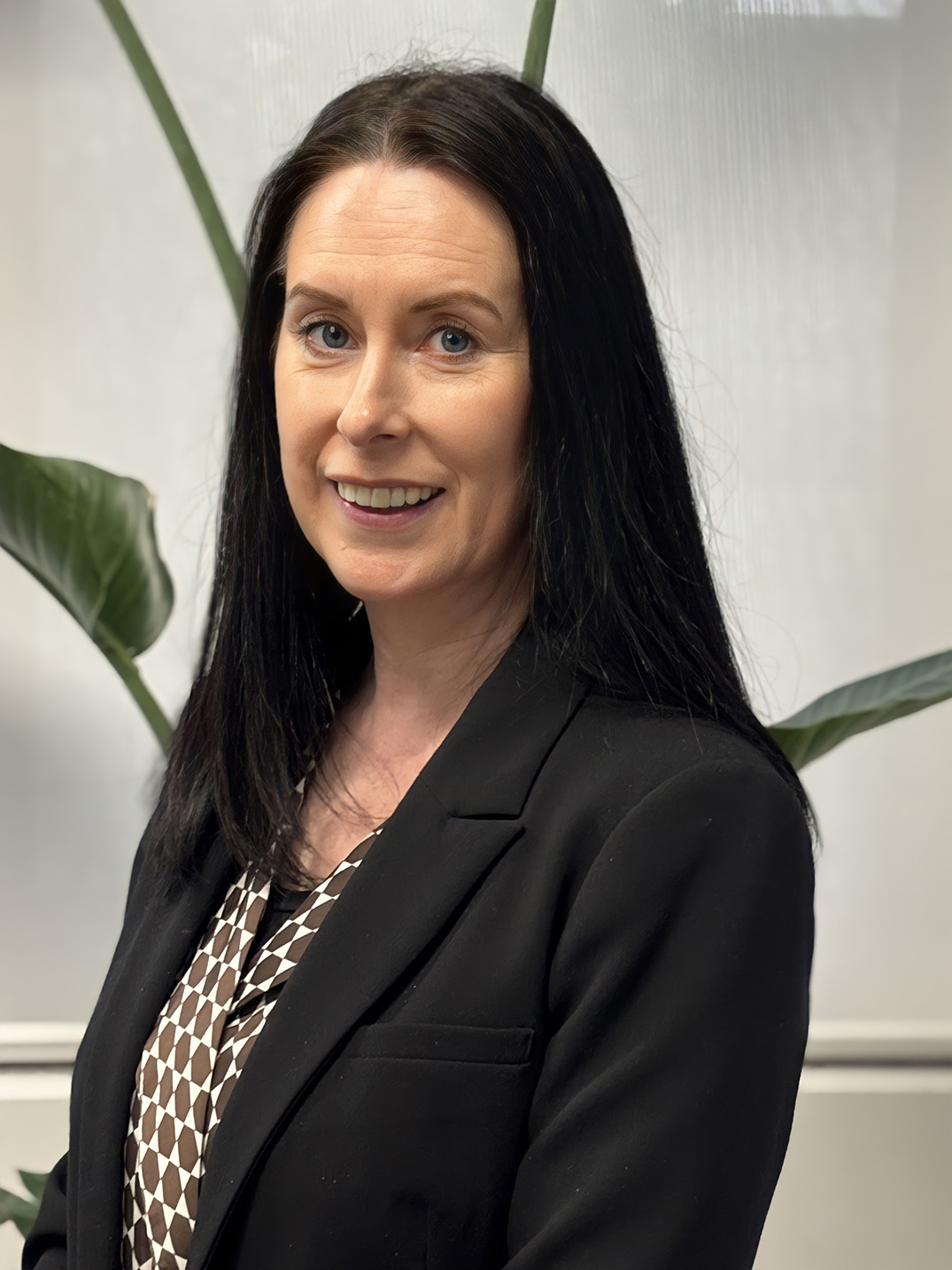


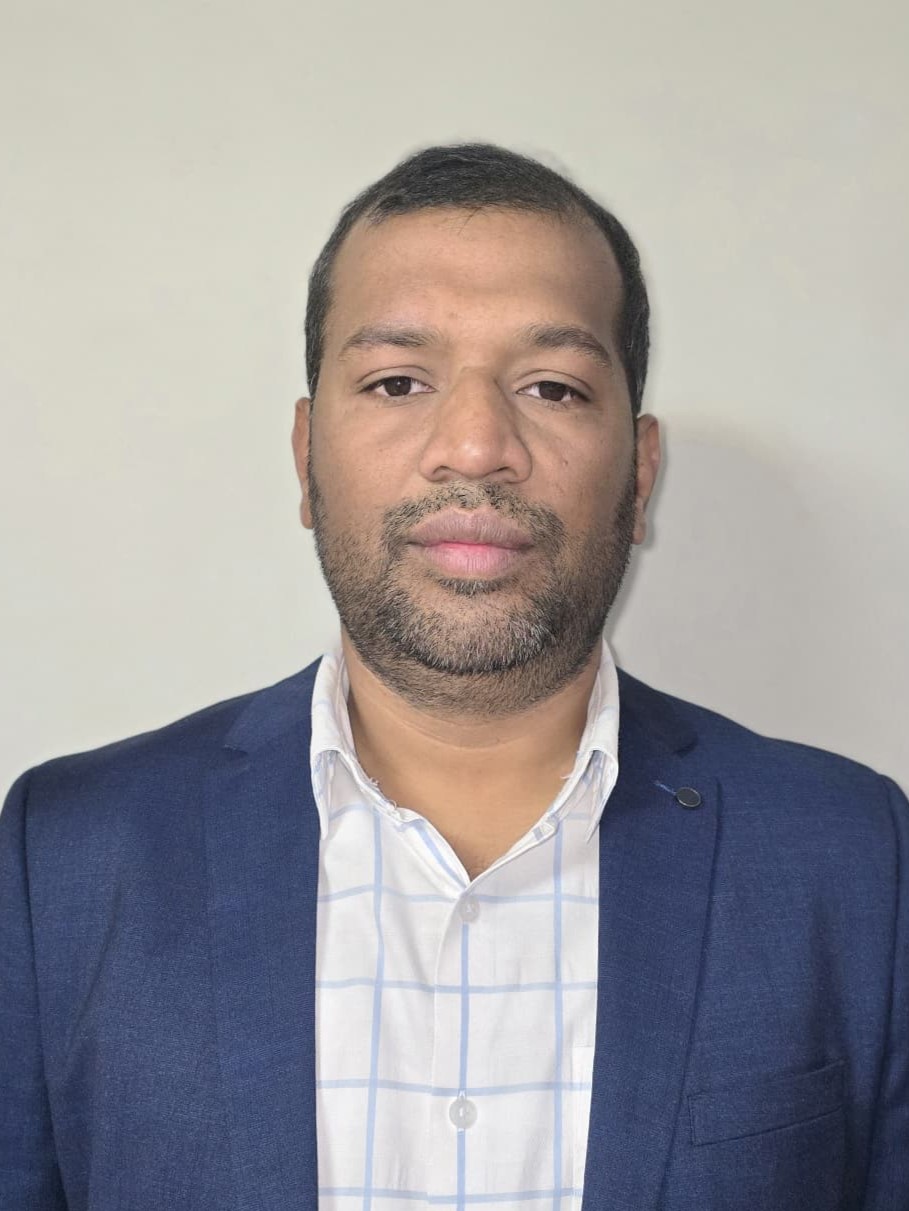

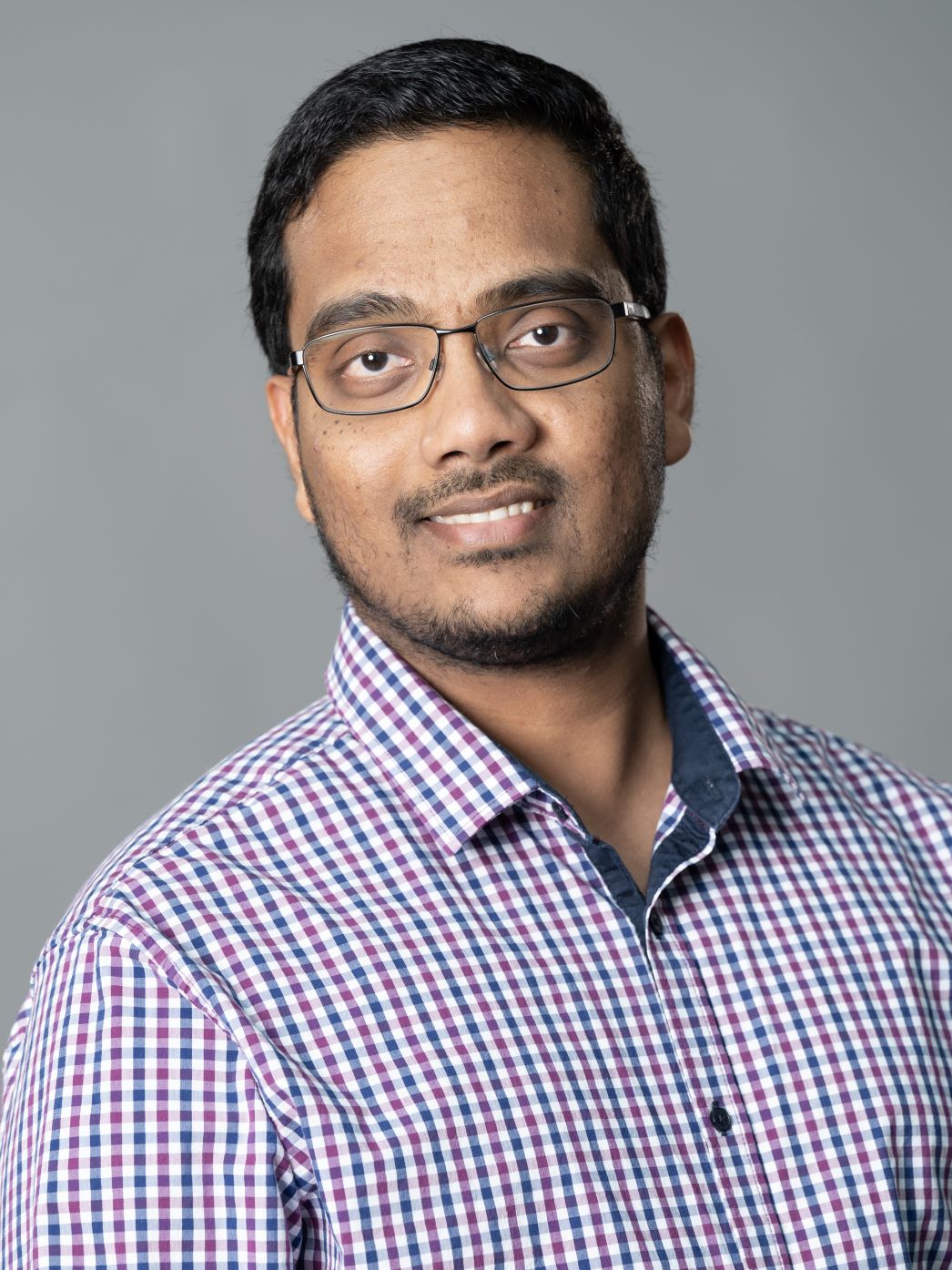



Left to right: Jessica Prakash, Josh Sessler, Tong Wang, Gerard Hindle, Sharnie Hewlett, Lara Simpkin, Karen Zhang, Cara Zhu, Diro Yang, Vanessa Liu, Sean Tran, Sibyl Stafford, Julie Baxter, Georgina Bleich, Evelina Thapa, Dr Candice Menidis, Nick Stewart, Param Artputhanathan, Chris Richardson, Elise Barklamb, Emma Fletcher, Jessica Pimm, Fiona Collie, Ankur Agrawal, Reshma Kamath, Arjun Chennai Vijaybalaji, Jude Little, Panpan Zhang, Martina Tan, Patrick Ashe, Michael Howie
Not pictured: Nicholaas Sosrowibowo.
The Student Scam Prevention Project team excelled in project management and innovation, overcoming challenges through clear priorities, virtual collaboration, and adaptive problem-solving. To address critical gaps in knowledge and reduce risk for international students amid rising scam activity, Monash University rapidly mobilised a cross-functional working group—including student ambassadors—to co-design and deliver targeted scam prevention resources, pioneering a proactive, student-informed education initiative that went beyond standard requirements, reaching students at key transition points.
Monash Indigenous Leadership Program (MILP)
Office of the Deputy Vice-Chancellor (Indigenous) and Senior Vice-President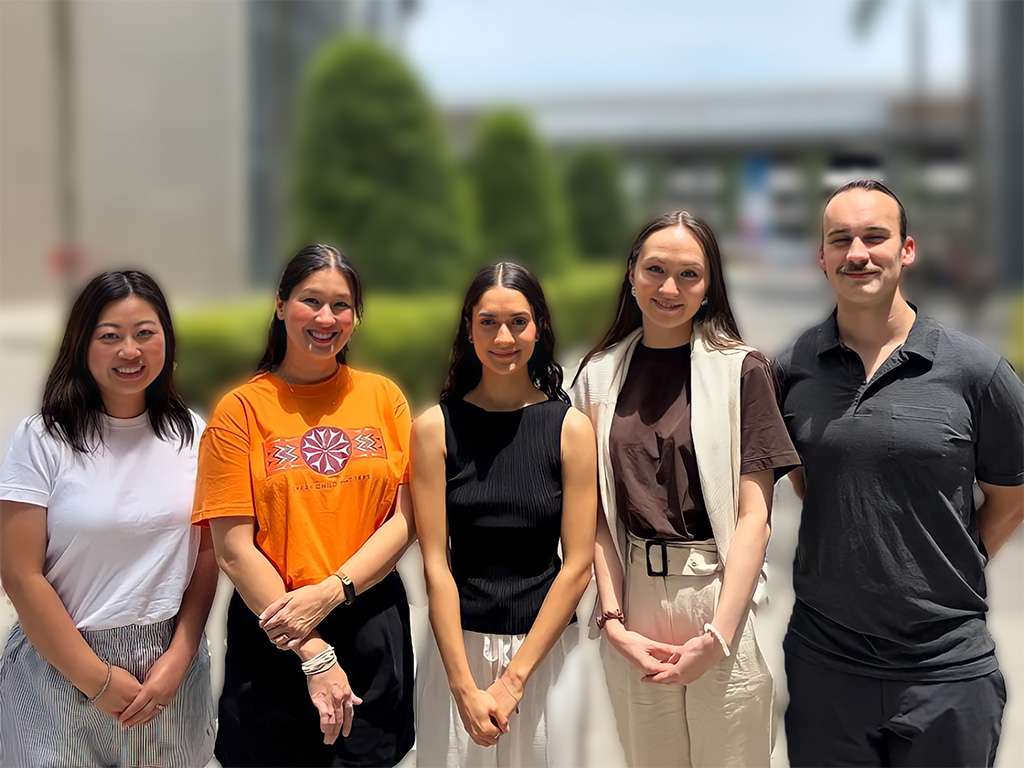
Left to right: Kim Tang, Fay Alikhani (collaborator), Kaimani Hendry, Enna Rossy, Ryan Conneely (collaborator), Adrienne Vedan (collaborator not pictured).
The Monash Indigenous Leadership Program (MILP) is more than a leadership initiative; it is a sacred act of Indigenous nation-building across borders. Through its reciprocal partnership with the University of British Columbia’s Indigenous Global Connections program, MILP fosters deep, lasting relationships between First Nations and Aboriginal and Torres Strait Islander students. Program participants share ceremony, cultural knowledge, and community, building a multi-generational network of global Indigenous leaders. MILP is a living example of Indigenous sovereignty, solidarity, and connection—woven together across oceans, lands, and generations.
DVCE Equity, Diversity Inclusion Team / 2025 Victorian Higher Education Summit on Gender-based Violence Prevention and Response
Office of the Vice-Chancellor (Education) and Senior Vice-President




Left to right: Fiona Marshall, Jayde De Bondt, Carmen Acosta, Kat Costello, Natasha Bucker, Bailey Webb, Maddy Bell
As part of Monash University’s continued efforts to prevent and respond to GBV, the DVCE Equity, Diversity and Inclusion (EDI) Team led the development and delivery of the Victorian Higher Education Summit on GBV Prevention and Response in February 2025. With over 200 attendees, the summit fostered collaboration, showcased sector commitment, and promoted leading practices. It enabled cross-university engagement, co-design, and knowledge-sharing to improve safety and inclusivity. Despite peak workloads, the EDI Team demonstrated exceptional leadership by building sector capability.
eSolutions Team
Office of the Chief Operating Officer and Senior Vice-President, Office of the Deputy Vice-Chancellor (Education) and Senior Vice-President



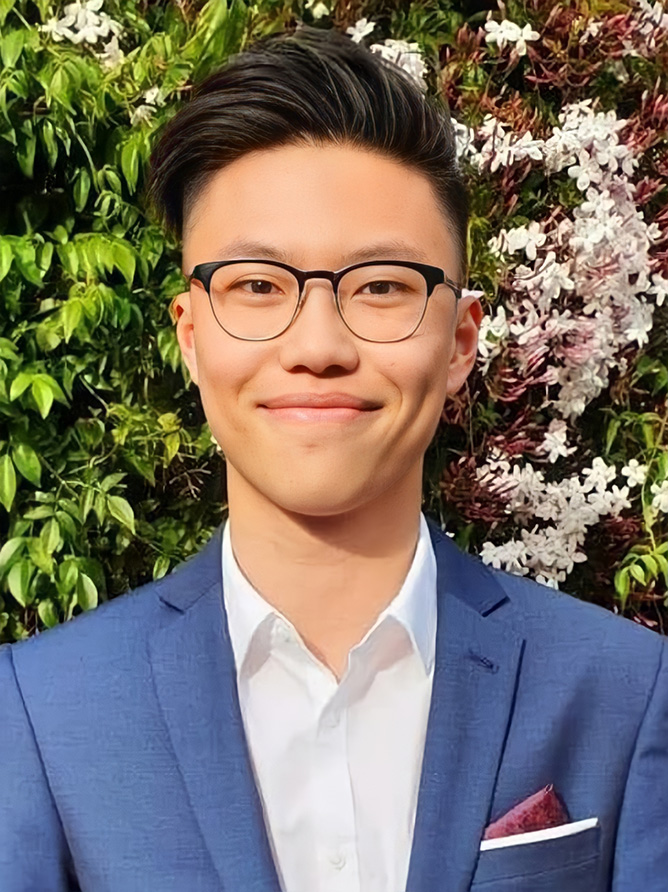
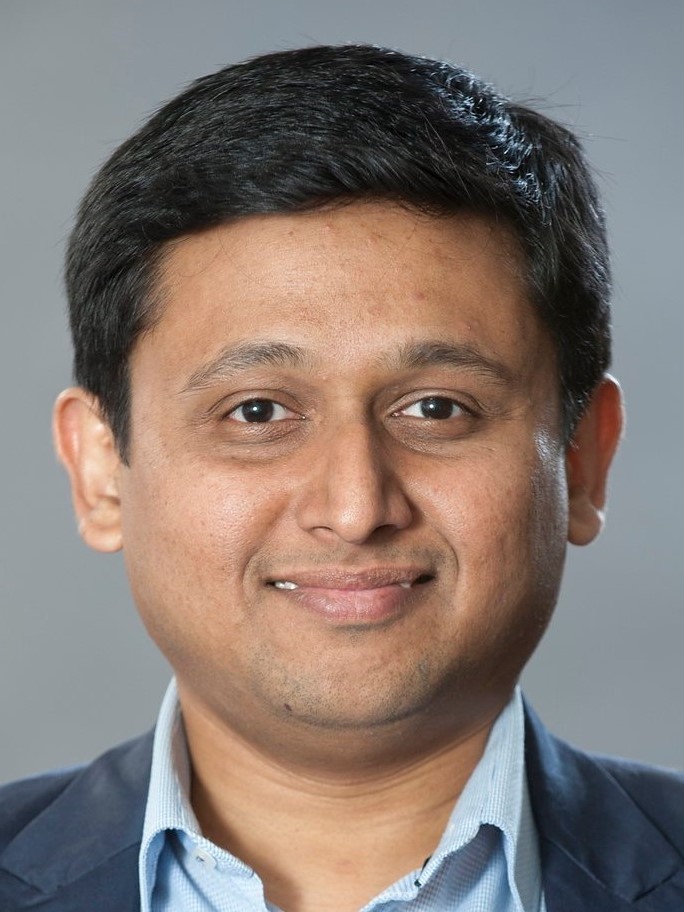


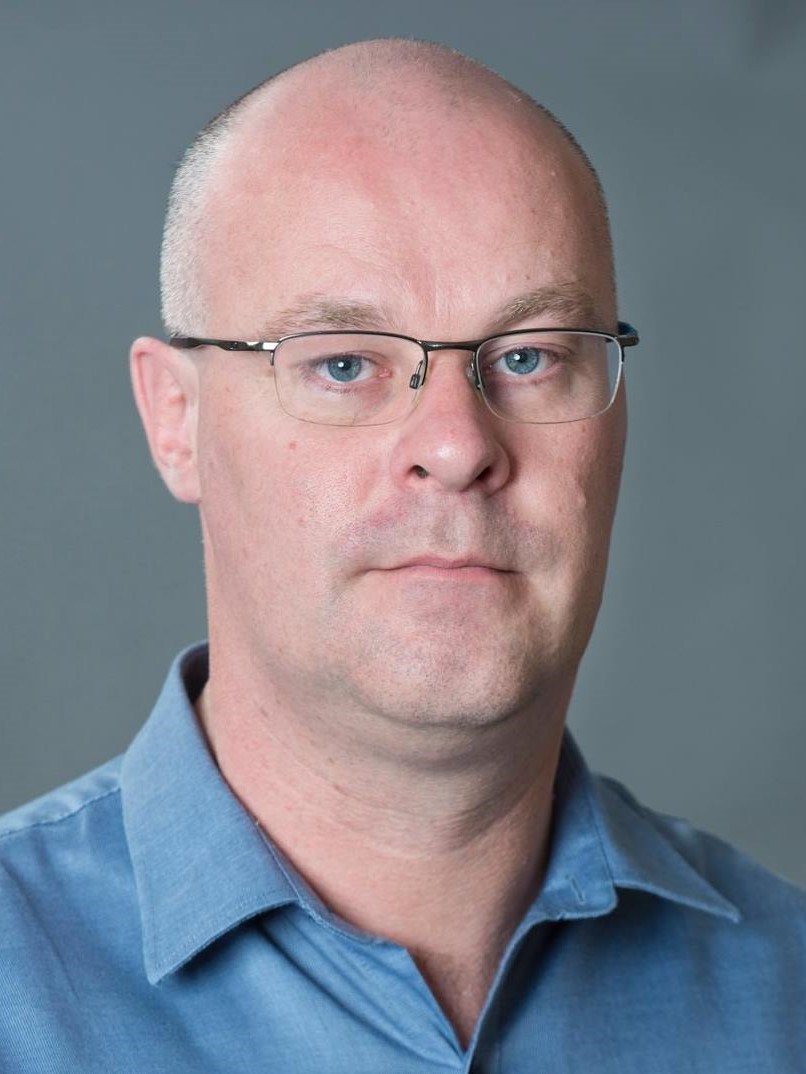
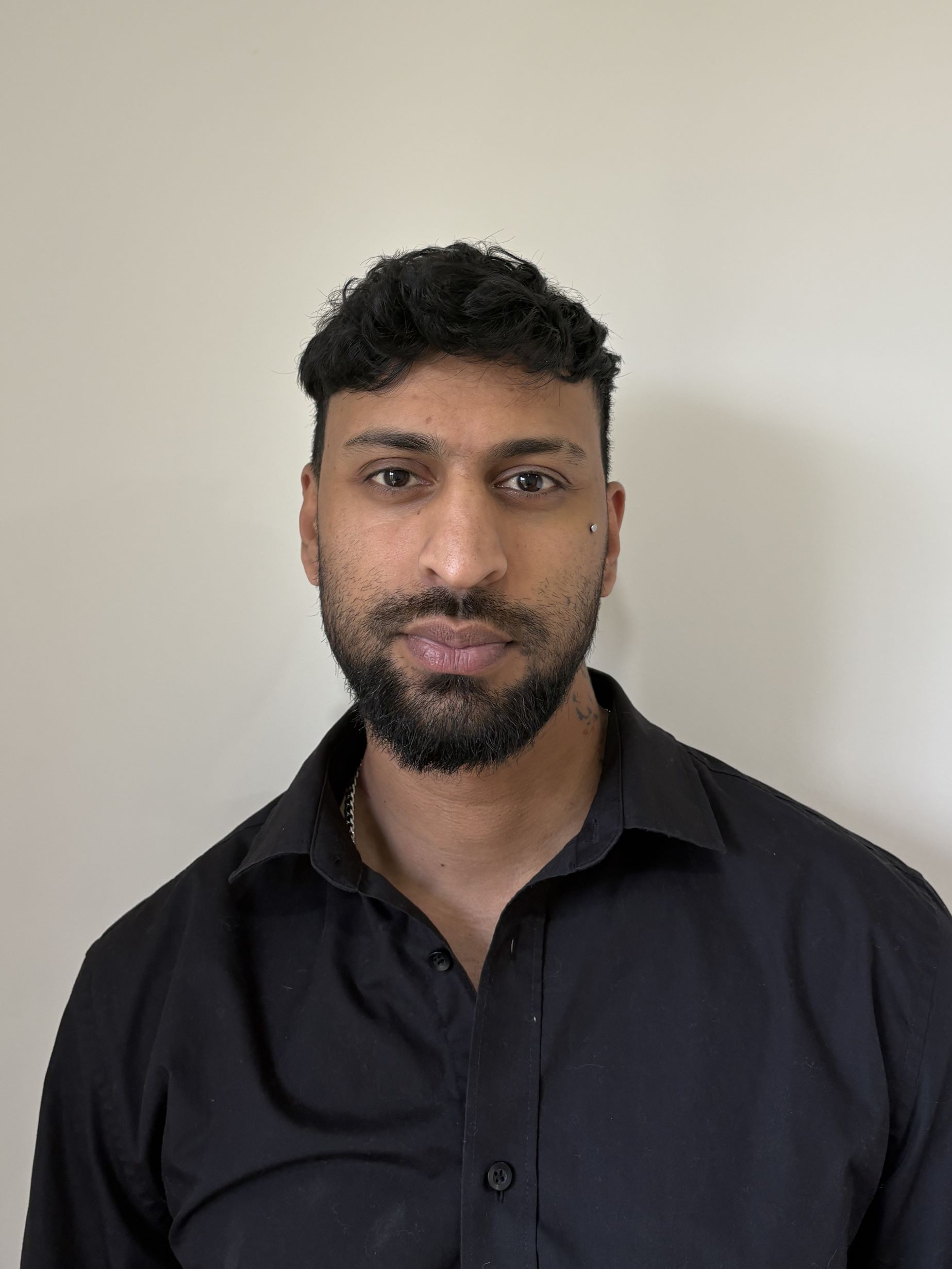


Left to right: Jason Marshall, Ankur Agrawal, Joseph Dinh, Darren Bourke, Long Sien, Alice Sien, Ping Song, Josh Loong, Chinmay Desai, Shelby Graham, Lila Cumming, Steve Mitchell, Sanooj Saddatisse, Manjunath Krishnareddy, Ariel Salmon, Liou Liu, Jian Wu, Saurabh Joshi (not pictured)
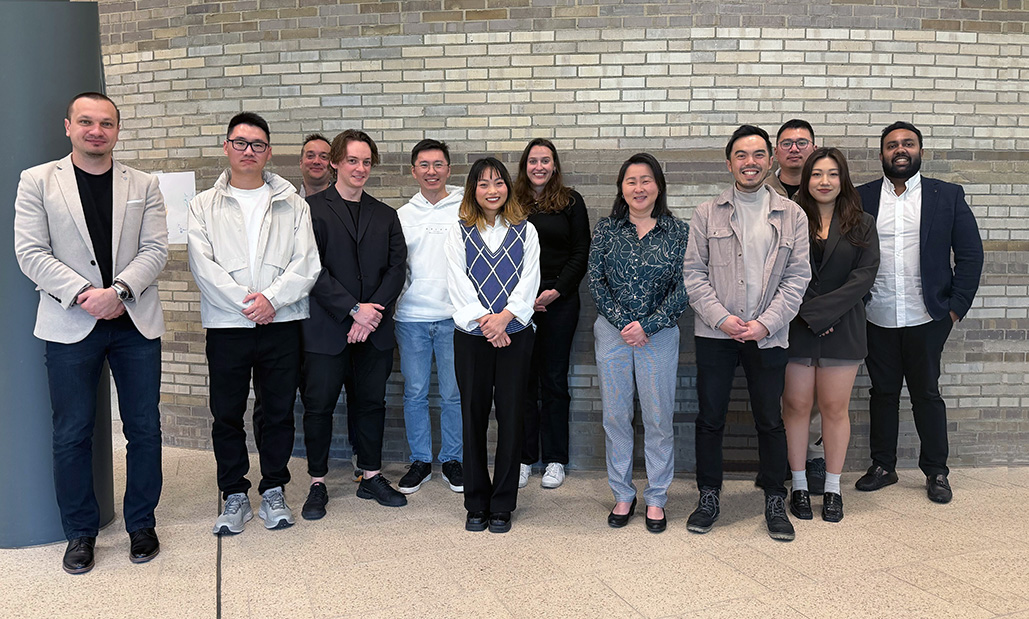
Left to right: Mike Ohrimenko, Joe Qiao, Richard Moult, Julian Davies,Chris Leong, Angela Ly, Bianca Gabel, Hong Lee, Jason Lee, Ivan Zhu, Claire Lee, Janitha Yatawara
The eSolutions Team delivered a sector-first achievement: a fully integrated digital experience built with students, for students. This pioneering initiative, comprising both a student portal and mobile app, has consistently received high ratings, significant user engagement, and strong App Store performance. The platforms are available across Monash University Australia, Malaysia, Indonesia, and Monash College, with the app accessible in Australia and Malaysia—exemplifying Monash’s commitment to aligning the student experience across its global network. This work sets a new benchmark for student-centred digital innovation, demonstrating how genuine partnership, engagement, and co-design with students can produce sustainable, impactful solutions that enhance wellbeing, connectivity, and success.
Education Awards
-
The Vice-Chancellor’s Citation for Outstanding Contributions to Student Learning recognises individuals and teams who are contributing to student learning through inspiring teaching approaches, innovative educational resources, evidence-based practices, and/or transformative leadership.
EARLY CAREER

Alice Svikers (Winner)
Faculty of Medicine, Nursing and Health SciencesAlice Svikers identified inconsistencies in evaluating neonatal resuscitation competence in paramedicine training. Using Miller’s Pyramid and a social constructivist lens, she redesigned the model with early curriculum integration, a low-stakes formative OSCE, and a hands-on workshop co-delivered with industry experts. The results are clear: higher pass rates, greater confidence, over 90% uptake of the formative OSCE, and excellent student feedback – equipping future paramedics for critical moments where every second counts.

Amanda Taylor-Hall
Faculty of Medicine, Nursing and Health SciencesIn paramedicine education, students are often trained to manage clinical chaos but not the emotional, ethical, and cultural complexities of care. Amanda Taylor-Hall has designed immersive, narrative-based initiatives, including Carpool Conversations and placements at the Asylum Seeker Resource Centre, that place human experience at the centre of learning. Supporting over 140 students annually, these programs foster critical thinking, cultural humility, and self-awareness alongside clinical skill, with students describing the experience as “transformative” and “empowering.”

Dr Lisa Young
Faculty of EducationDr Lisa Young makes it her mission to ensure students are not only heard, but see their voices acted upon, shaping how and what they learn while building a strong sense of belonging. Dr Young embeds student voice, agency, and inclusive pedagogies across all units. Strategies such as co-created rubrics, flexible assessment modes, and weekly exit slips transform classrooms into dynamic and responsive partnerships between educators and students. Her impact is evident in consistently high SETU scores, rich student feedback, and recognition, including the 2024 Dean’s Award.

Dr Brittany Vining
Faculty of Medicine, Nursing and Health SciencesAs an early career educator, Dr Brittany Vining is committed to creating inclusive, active, and collaborative learning environments that empower students to connect theory with practice. Drawing on social constructivist philosophy, Dr Vining uses peer-led strategies, case studies, and structured group engagement to foster critical thinking, communication, and confidence. Recognised with a 2024 Excellence in Teaching Award from the faculty, Dr Vining continues to strengthen her educational practice and impact, advancing her professional journey through a Fellowship of the Higher Education Academy.
Narges Mahdavian
Faculty of Pharmacy and Pharmaceutical SciencesNarges Mahdavian draws on her extensive background in pharmacy and scientific research to design curriculum that bridges theory with real-world application. She simplifies complex topics with practical insights and employs creative strategies such as Kahoot! quizzes and themed prizes to boost motivation and foster classroom connection. Guided by student feedback, Narges continually adapts and improves her teaching, demonstrating a lasting commitment to student-centred learning and engagement.
GENERAL
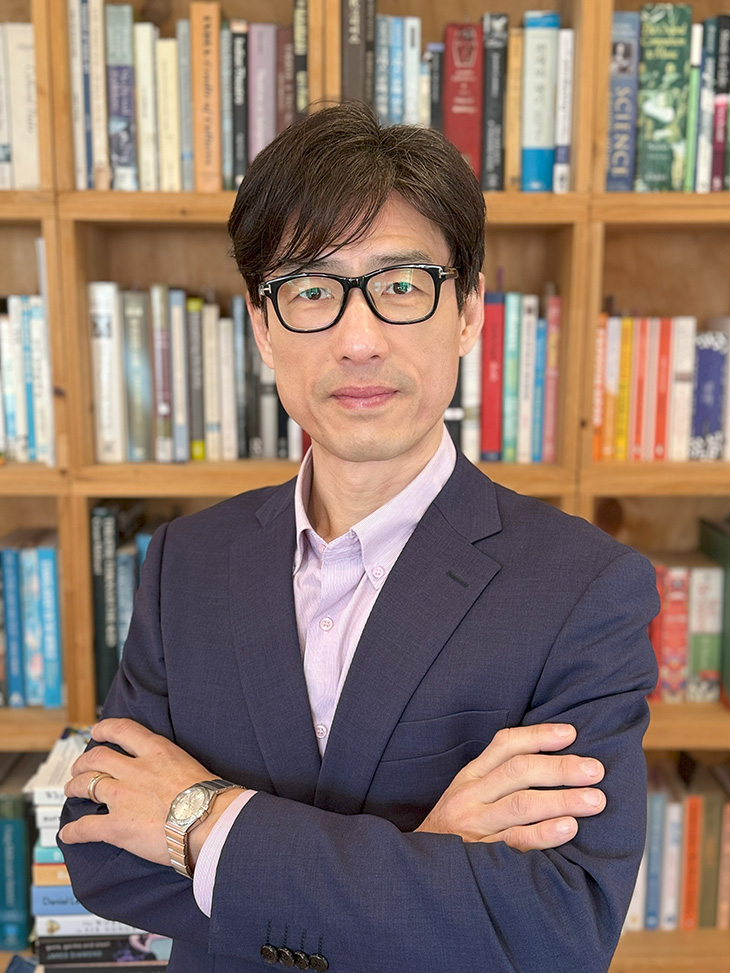
Dr JooYeoul (JY) Ryu (Winner)
Faculty of ArtsDr JooYeoul (JY) Ryu draws on his background as an actor, drama producer, and theatre lecturer to transform Korean language learning. Integrating actor-training techniques, he engages over 200 undergraduates each semester in embodied, multisensory practice through speech, emotion, and movement. This whole-body approach fosters expressive authenticity, pragmatic competence, and memory retention, bridging linguistic understanding with cultural expression and creating immersive, affectively rich environments that deepen engagement beyond grammar and structure.
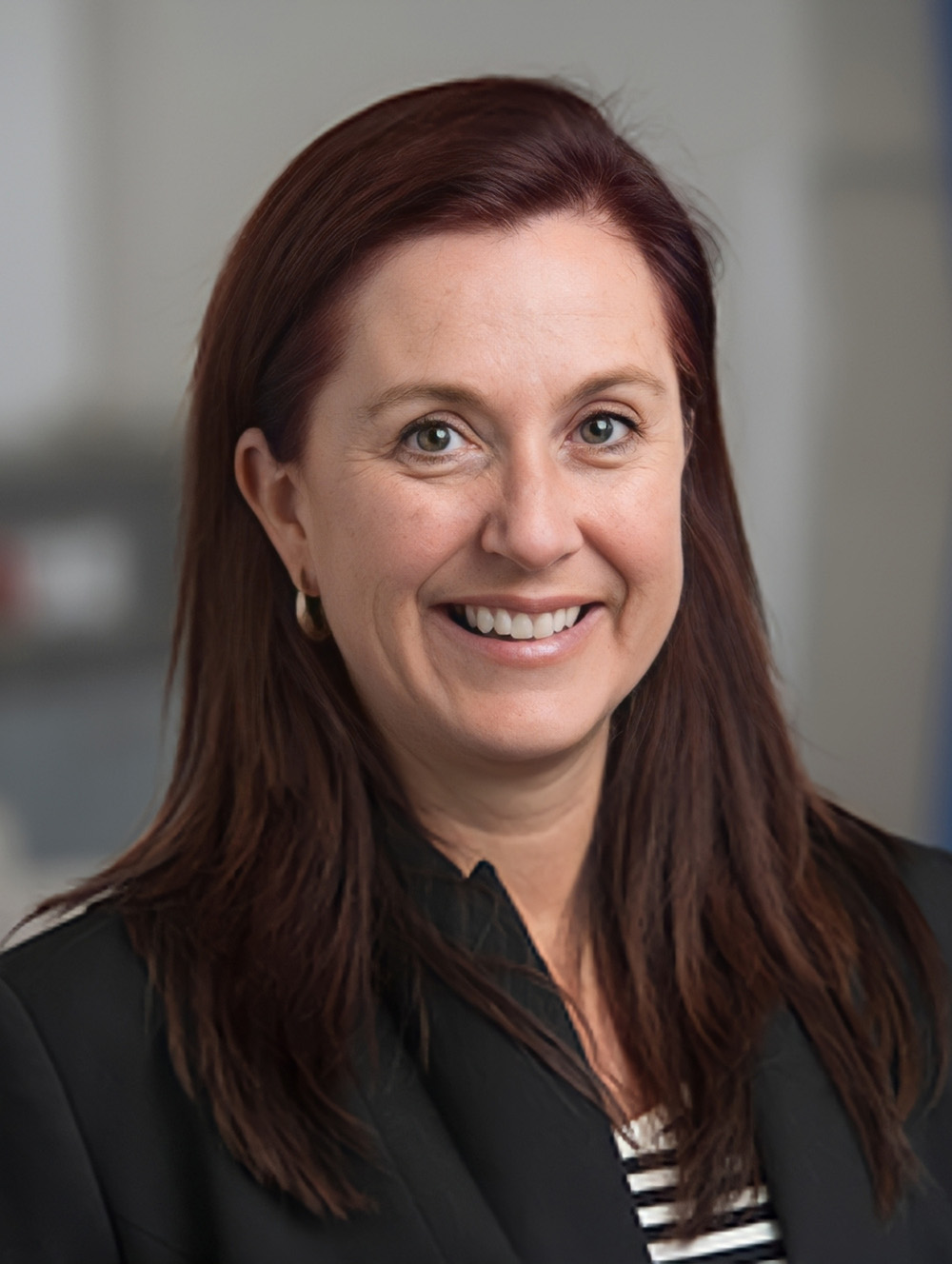
Vanessa Clothier (Winner)
Faculty of Medicine, Nursing and Health SciencesIn 2017, the Master of Nurse Practitioner course had just seven students and faced possible closure. By 2025, under Vanessa Clothier’s leadership, it has grown to over 120 – a 1600% increase. This AHPRA-approved program was revitalised through a four-pronged strategy of industry engagement, hybrid delivery, professional advocacy, and learner-centred improvement. Vanessa’s work has transformed the course into a thriving, high-quality pathway that prepares advanced nurse leaders for impactful practice.
Transformative Learning (Winner)
Faculty of Art, Design and Architecture
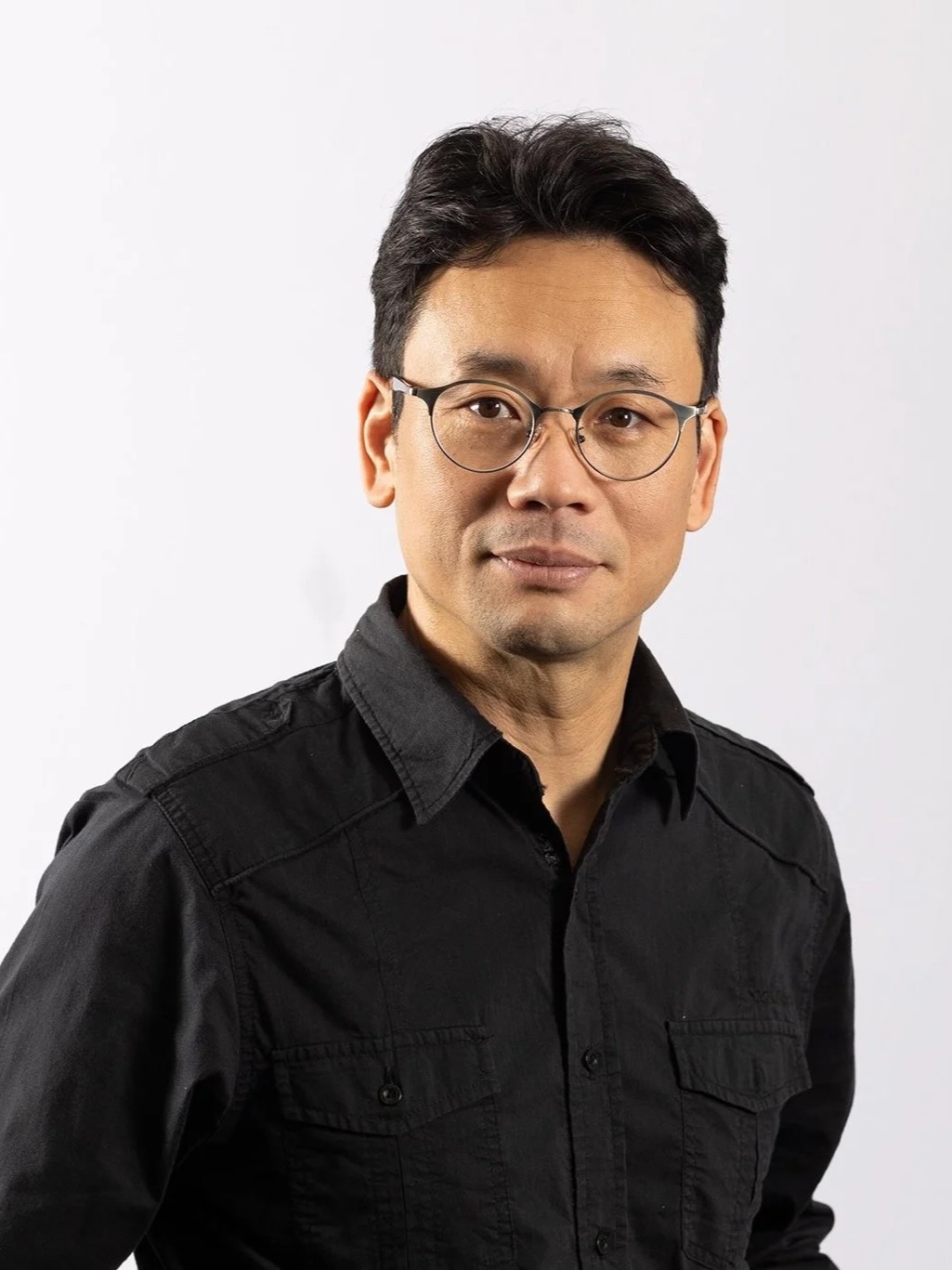

Left to right: Wendy Ellerton, Dr Indae Hwang, Dr Jiyoon Lee
The Transformative Learning Team reframes design education to prepare students for the volatile, uncertain, complex and ambiguous (VUCA) realities of practice. In the Master of Interaction Design, 70–100 mostly international students each year engage in industry-partnered projects tackling complex, real-world challenges. The program has influenced Moodle development, student services, and sector-wide debates on AI. Learners describe the experience as transformative, building confidence to address contemporary challenges through design.
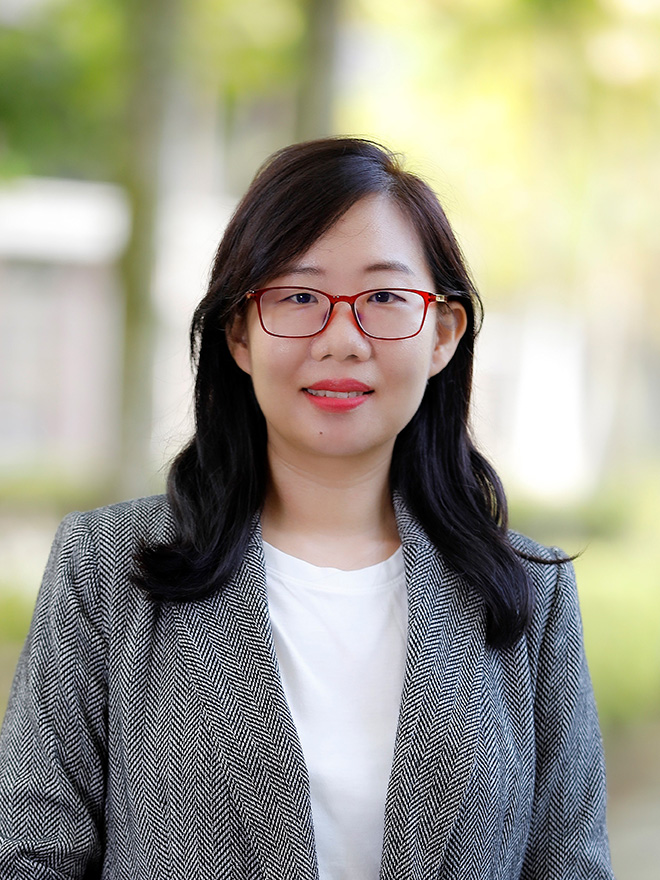
Dr Foo Su Chern
School of Science, Monash University MalaysiaDr Foo transformed the third-year Tropical Aquatic Biology (BIO3810) unit from passive observation to an inquiry-led, student-driven experience. Over five years, more than 100 students have benefited from immersive coastal fieldwork at Lang Tengah, Malaysia. Through scaffolded research projects, field demonstrations, and digital tools such as H5P virtual tours, the redesigned unit achieved SETU scores above 4.55 and gained institutional and national recognition for its innovative approach to learning.
Brown and Hassed
Faculty of Education, Faculty of Medicine, Nursing and Health Sciences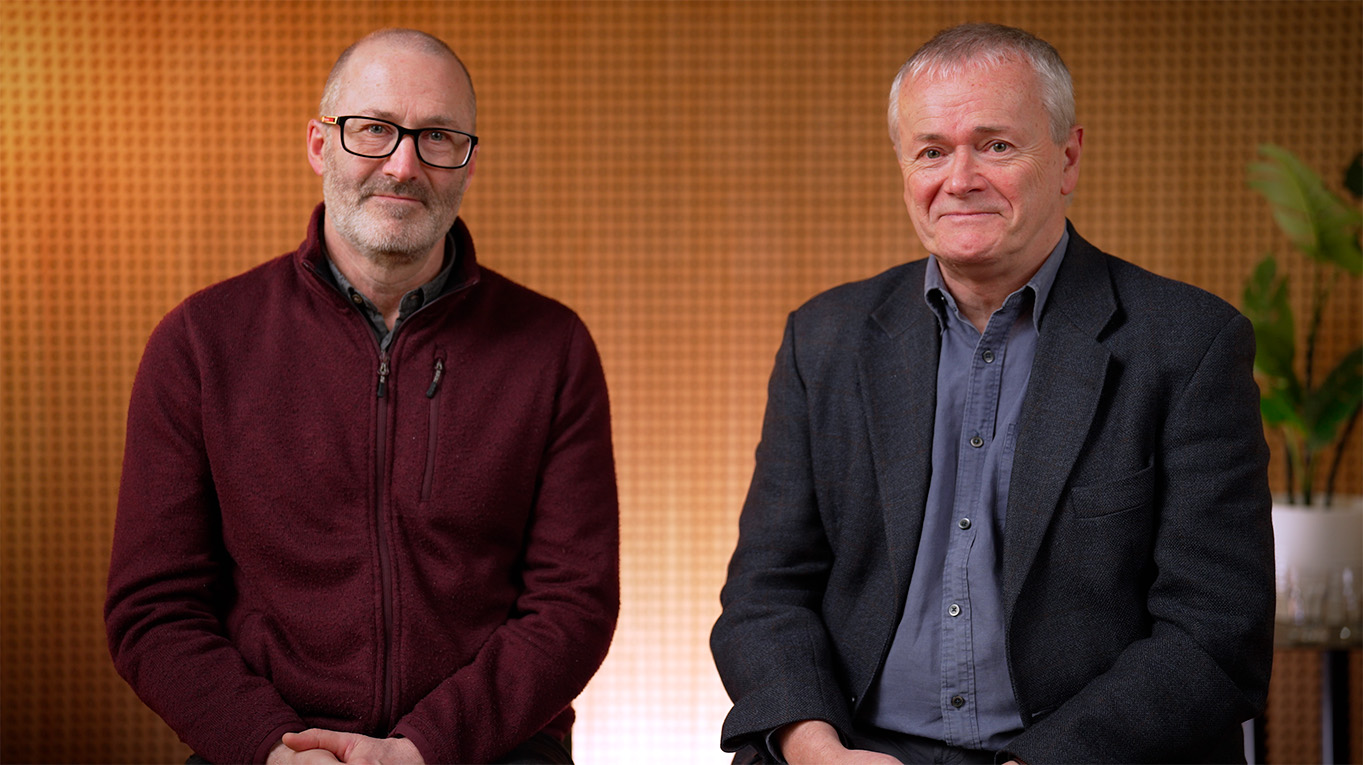
Left to right: Andrew Brown and Professor Craig Hassed
What if education is about developing the person as well as the future professional? What if true education is about learning from direct experience and deep reflection? What if creating greater awareness through mindfulness is an ideal way to fulfil those goals? Brown and Hassed’s initiative starts with developing the personal mindfulness capacity of provisional psychologists in training, developing their clinical skills to deliver mindfulness skills, and finally has them finally providing six sessions of mindfulness coaching to other cohorts of students in the Faculty of Education.

Jennifer Paneth
Faculty of LawStudents in Jennifer Paneth’s classes do not just memorise legal rules – they step into them, test them, and make them their own. In large Criminal Law cohorts, where disengagement is common, she uses immersive methods such as role-play arrest scenarios, baking cookies to illustrate offences, and student-created case studies. These approaches make law personal and memorable, boosting attendance, confidence, and outcomes. Students report greater engagement, and alumni credit her teaching as pivotal to their professional success.
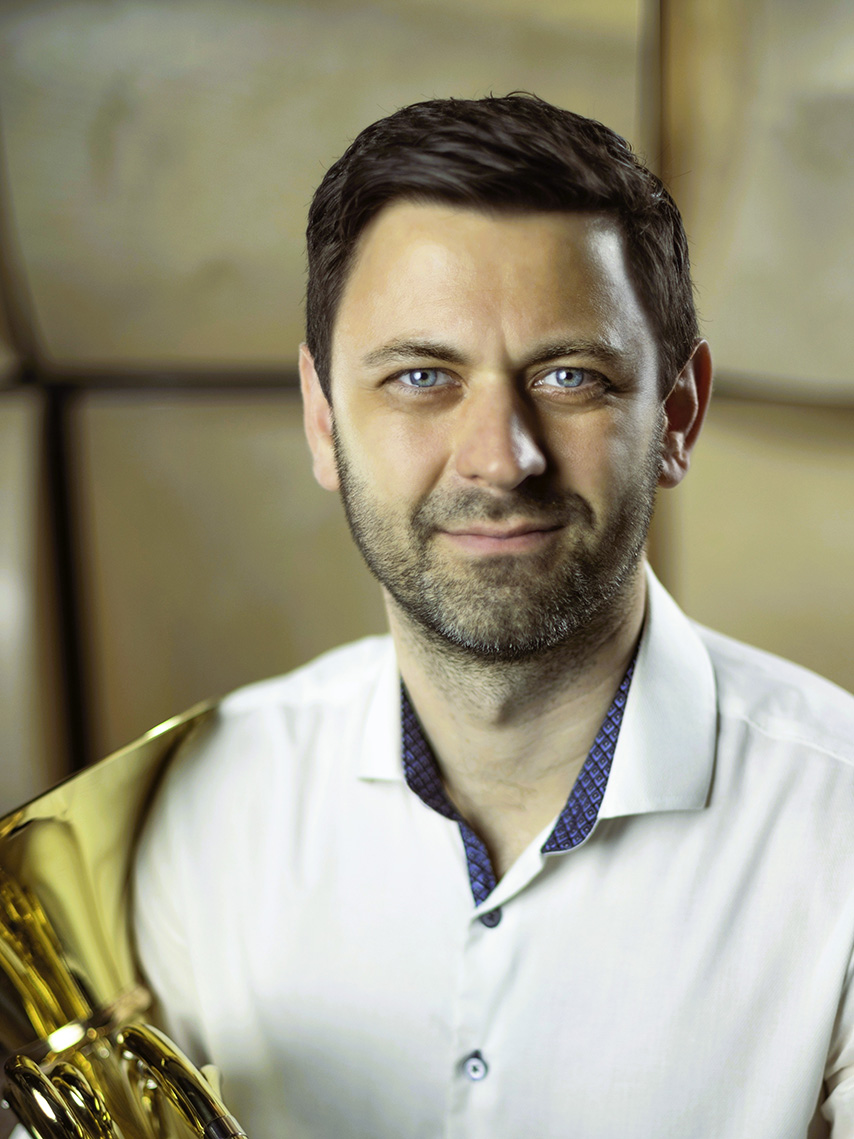
Roman Ponomariov
Faculty of ArtsRoman Ponomariov brings extensive professional experience to his teaching, having performed with leading symphony orchestras across Australia, New Zealand, and Malaysia. Since joining Monash in 2018, he has integrated industry expertise with a personalised, student-centred approach to cultivate the next generation of artists and educators. From 2018 to 2023, as Classical Convenor, Roman played a pivotal role in shaping diverse, enriching learning experiences, fostering collaboration, inclusion, and engagement as defining qualities of the School’s classical music program.
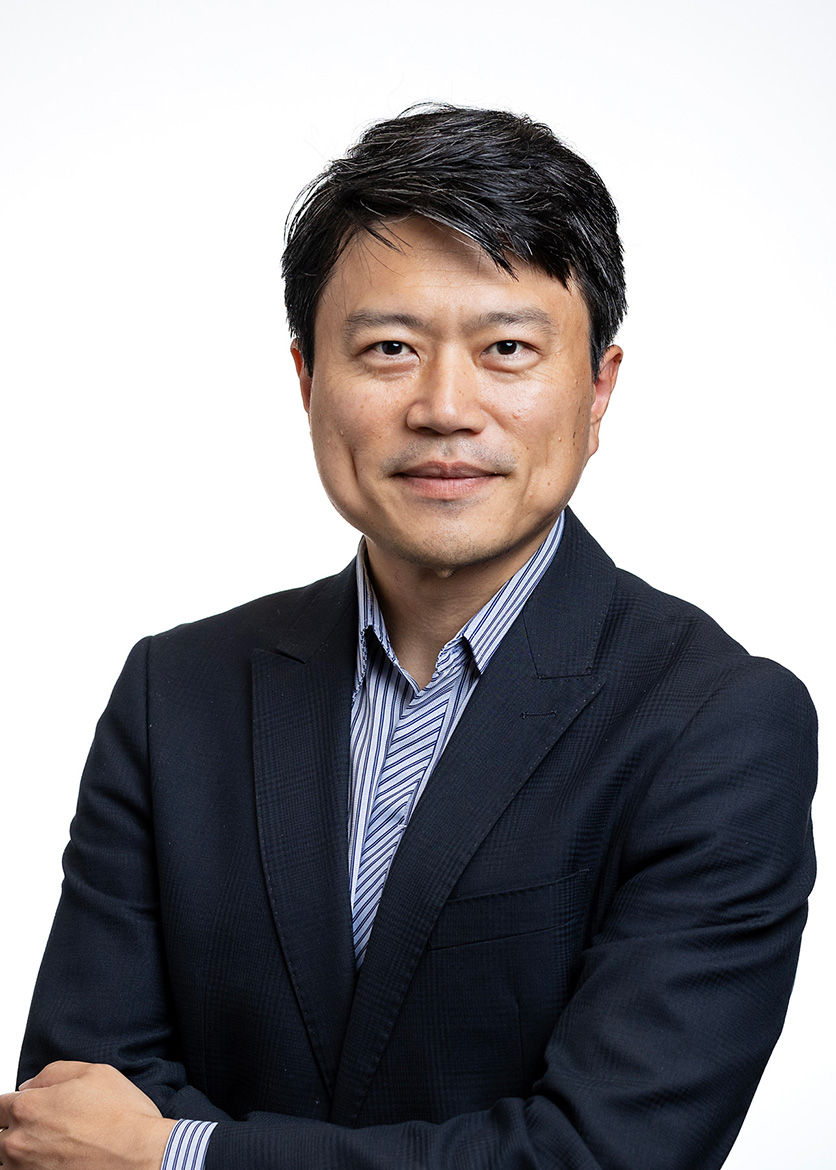
Associate Professor Cheng-Yun (CY) Tsang
Faculty of LawAssociate Professor Cheng-Yun (CY) Tsang has transformed law seminars with his innovative “colourful sticky notes” approach, where each contribution is acknowledged with a coloured note. This simple practice provides immediate feedback, tracks participation fairly, and lowers anxiety. Guided by a belief that legal education should produce both creators and practitioners, he designs learning experiences that link doctrine with policy, fostering confidence, collaboration, and a genuine sense of inclusion.

Dr Zahra Aziz
Faculty of Medicine, Nursing and Health SciencesDr Zahra Aziz addresses the challenge of embedding cultural responsiveness in health professions education through empathetic and transformative teaching. Over three years, she has advanced this work from curriculum mapping to narrative case studies, culminating in Aalia’s Journey – an AI-driven simulation co-designed with students and educators from four countries and ten health professions. Engaging over 200 students and 20 educators, the program fosters empathy, collaboration, and confidence in culturally responsive care, earning international recognition for its innovative, scalable design.
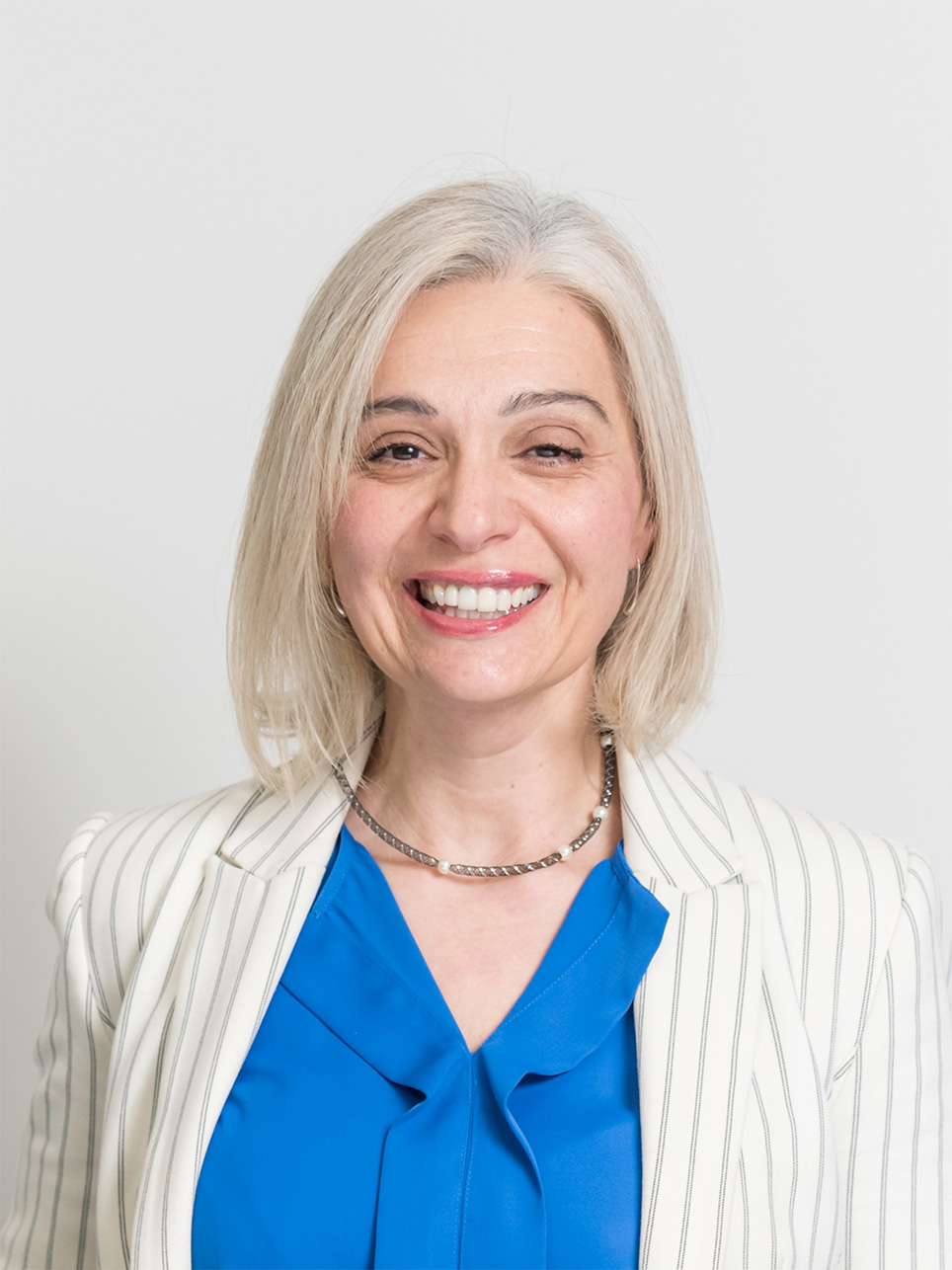
Dr Victoria Lambropoulos
Faculty of LawDr Victoria Lambropoulos transforms the teaching of law by making case reading engaging, collaborative, and essential. Recognising that many postgraduate students find property law alienating and often avoid pre-reading, she reimagined the process through group-based analysis where narratives unfold step by step. By embedding collaboration and ethics into case reading, she empowers students to embrace legal reasoning, cultivating both confidence and professional responsibility.
TEACHING ASSOCIATE
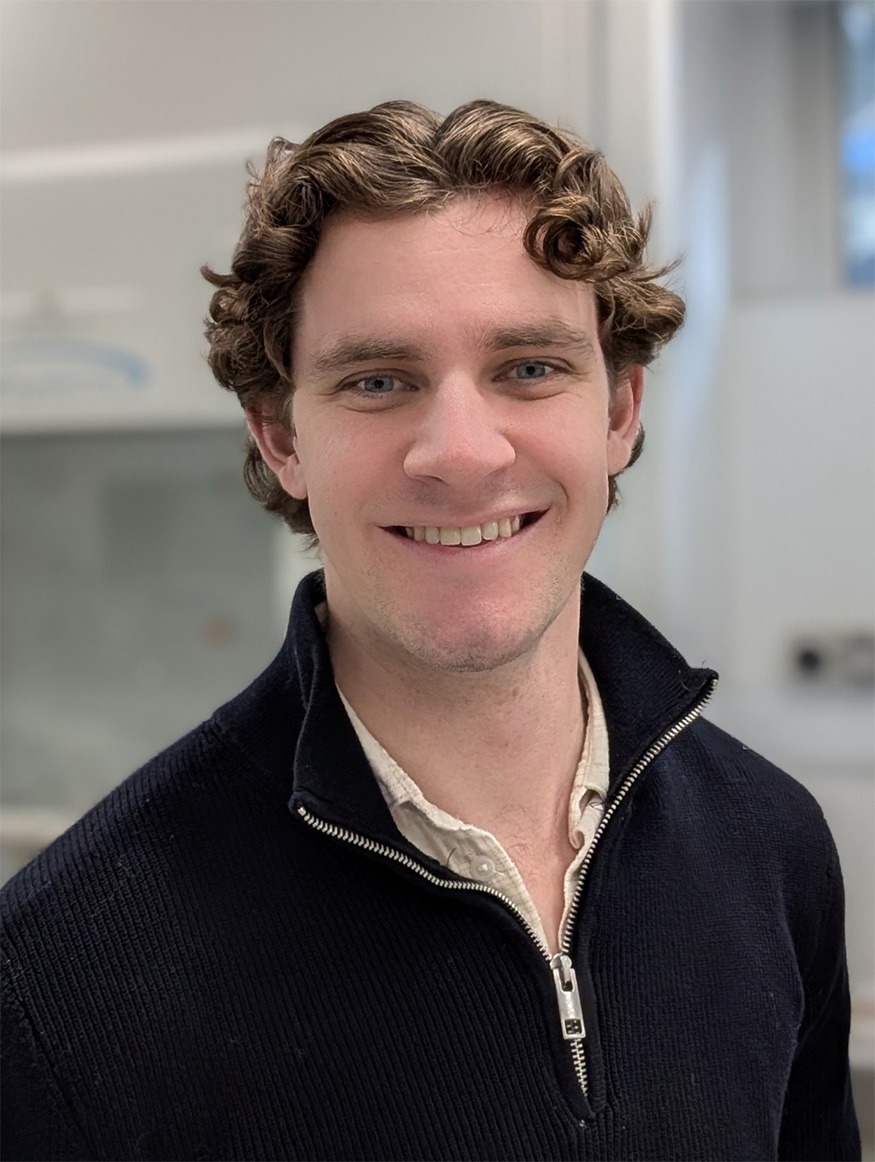
Rory McNab (Winner)
Faculty of ScienceRory McNab brings infectious enthusiasm for learning and teaching to every context, from small field classes in the outback to lectures with 1,000 students. Drawing on constructivist, humanistic, and social learning theories, he creates supportive environments where students feel valued and empowered. His student-focused approach emphasises both academic and personal growth, driving stronger engagement, higher participation, and improved outcomes across science communication, geology, environmental science, and atmospheric science.
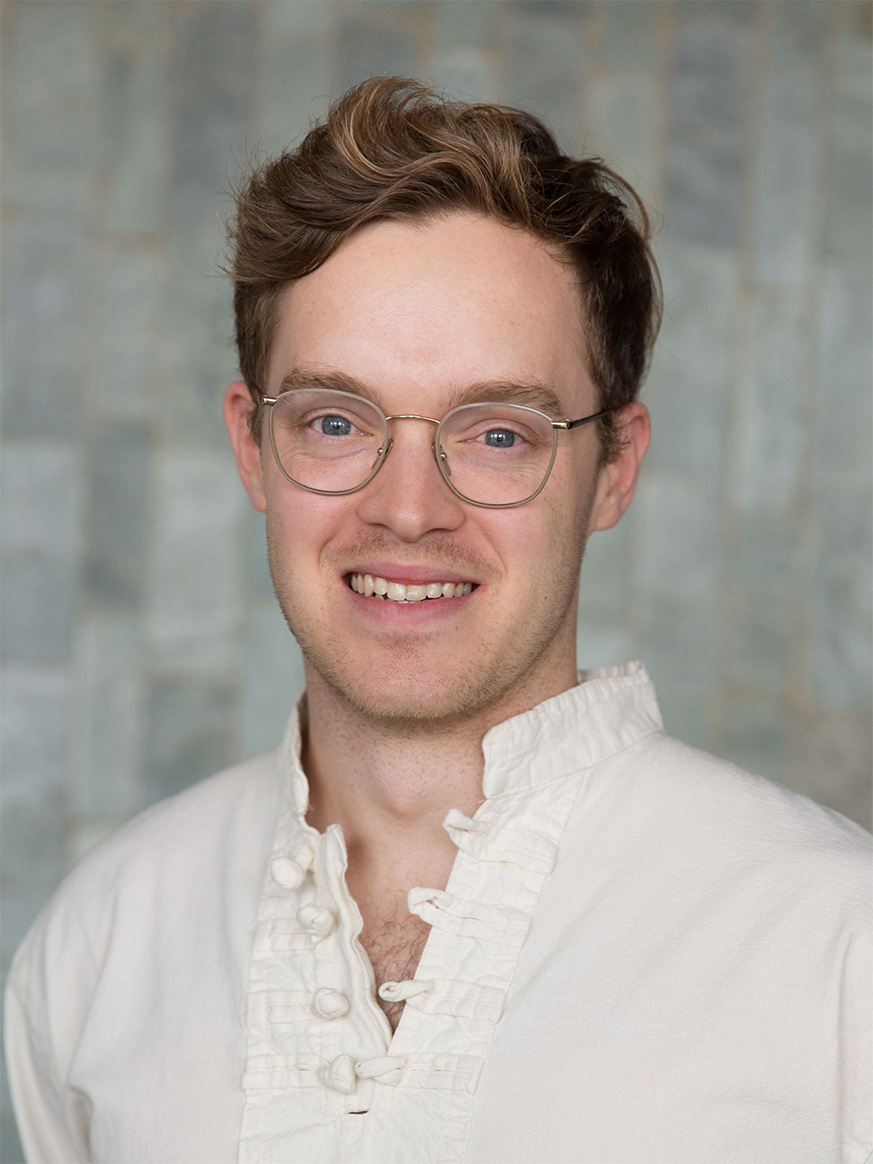
Dr Elliot Dolan-Evans
Faculty of LawDr Elliot Dolan-Evans brings innovation and energy to the teaching of contract law through LawOpoly, a gamified classroom experience inspired by Monopoly. This interactive approach enables students to collaborate, apply concepts, and learn dynamically. Grounded in his philosophy of creating fun and memorable learning, LawOpoly has driven strong student satisfaction (~90%) and positive feedback highlighting its impact on engagement, understanding, and enjoyment of legal study.
-
The Vice-Chancellor’s Excellence Award for Teaching Excellence recognises educators who deeply engage students and, importantly, who also have made a broad contribution to enhancing the quality of learning and teaching at Monash.
EARLY CAREER
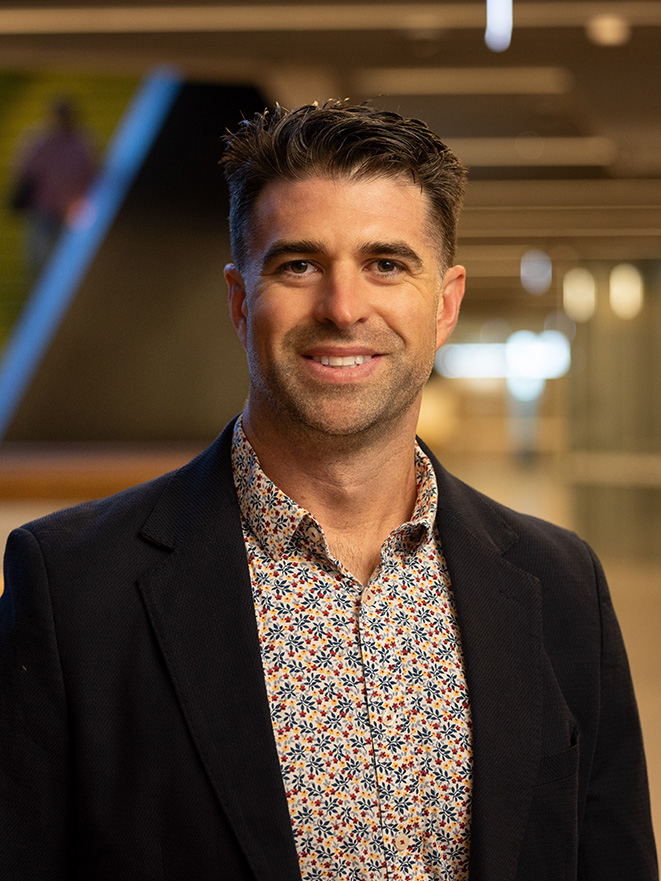
Dr Russell Fox (Winner)
Faculty of EducationDr Russell Fox teaches compulsory conceptual and theoretical units in the Master of Applied Behaviour Analysis, transforming student hesitation into mastery. Using the instructional hierarchy and Universal Design for Learning, he scaffolds early success with explicit teaching, embeds diverse examples, and shares his own neurodivergence to foster inclusive environments. As students gain fluency, he shifts to applied, student-centred approaches and authentic assessments that mirror real-world challenges for behaviour analysts.
GENERAL

Dr Jessica Leung (Winner)
Faculty of Business and EconomicsDr Jessica Leung equips students to see themselves as future business analytics professionals by building skills, confidence, and professional identity. Teaching optimisation and decision analytics, she embeds R and Python, live coding, collaborative problem-solving, and authentic assessments mapped to global industry standards. Her initiatives have quadrupled enrolments since 2023, strengthened engagement and SETU outcomes, and gained international recognition through widely adopted teaching resources and contributions to professional certification pathways.

Associate Professor Arshad Adam Salema (Winner)
School of Engineering, Monash University MalaysiaAssociate Professor Arshad Adam Salema transforms sustainability education through the “Real-World Lab” (REWOL), which turns technical learning into socially connected experiences. In sustainable energy engineering units, students audit homes, design solar PV systems, and assess campus facilities, embedding families and communities into learning. The approach delivers real savings and carbon reductions, earns UN recognition, and achieves SETU scores of 4.7–4.9, empowering graduates as agents of sustainable change.
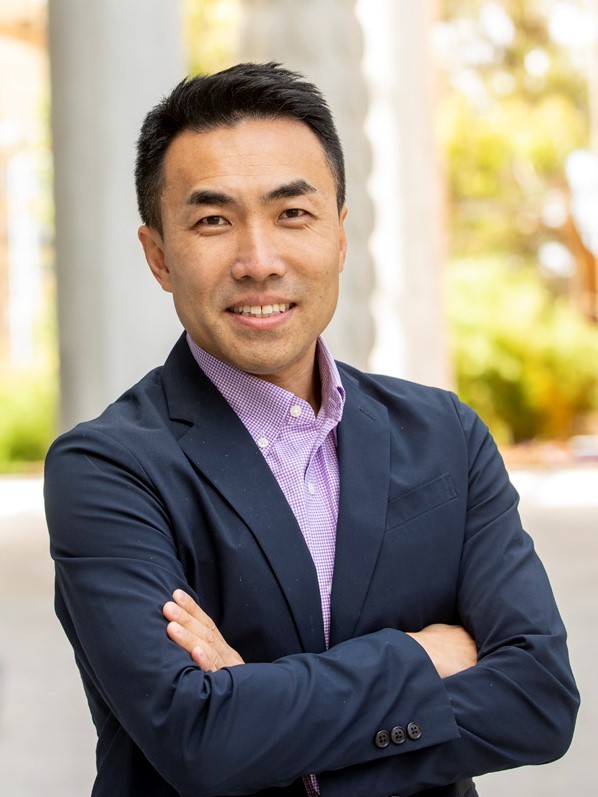
Professor Herman Tse
Faculty of Business and EconomicsProfessor Herman Tse is an internationally recognised leadership educator who pioneered an identity-based approach integrating research, reflective pedagogy, and industry engagement. Moving beyond short-term skills, his teaching cultivates leaders with courage, integrity, and purpose across undergraduate, postgraduate, executive, and Indigenous contexts. His redesigned flagship unit lifted SETU scores from 3.75 to 4.71, while his co-design of Australia’s first Master of Indigenous Business Leadership earned national awards and global recognition.
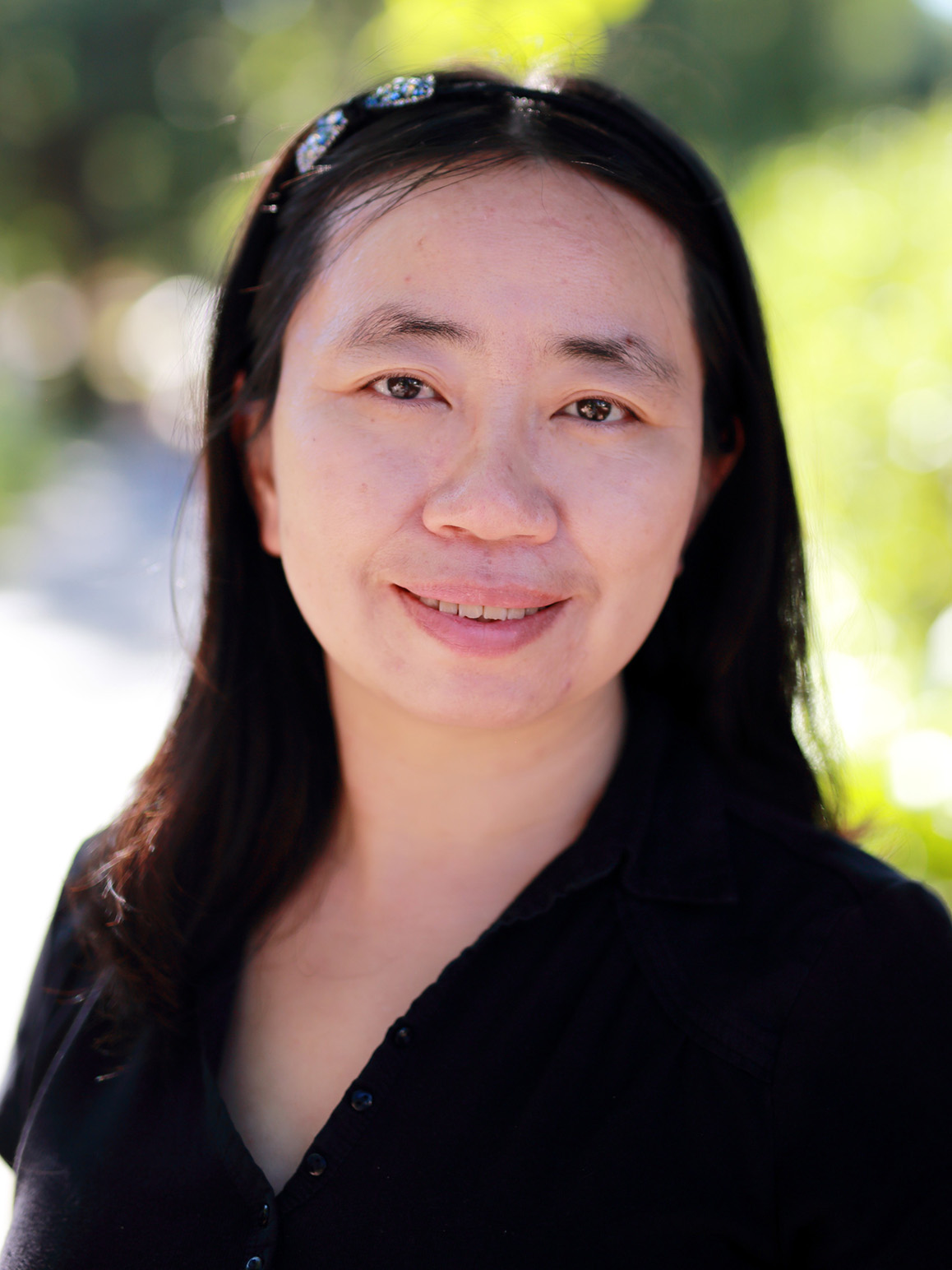
Dr Hui Huang
Faculty of ArtsDr Hui Huang views language education as transformative, connecting words with culture, identity, and community. She pioneered inquiry-based projects and international collaborations, enabling Monash students to co-research with Warwick peers, while leading reforms across nine Chinese language units. Embedding authentic media, digital assessments, and student-led inquiry, her work fosters engagement, resilience, and global identity. With SETU scores consistently high, her pedagogy and scholarship influence practice, both locally and internationally.
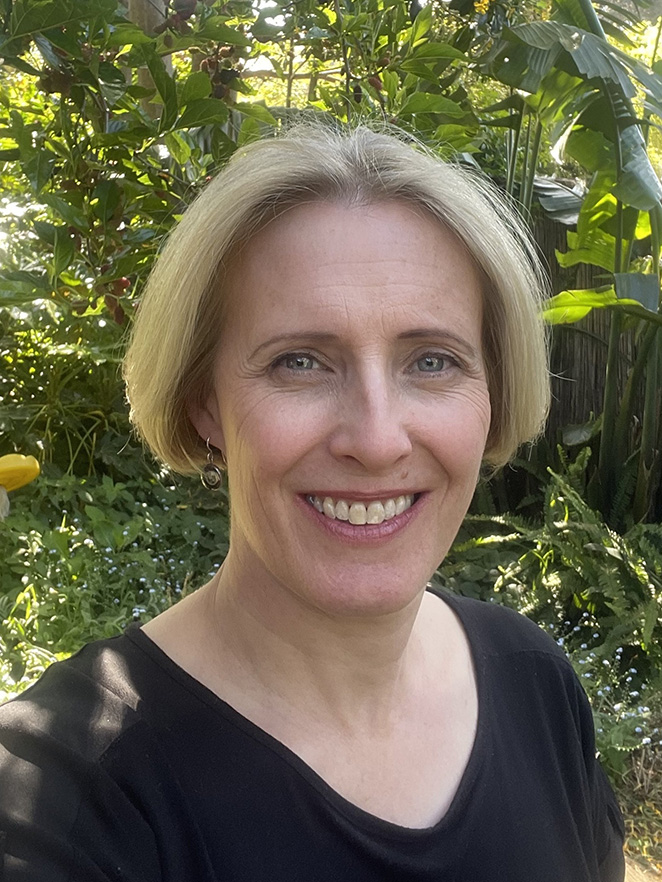
Dr Sonja McKeown
Faculty of Medicine, Nursing and Health SciencesDr Sonja McKeown leads curriculum innovation in Developmental Biology, redesigning large undergraduate units to equip students for diverse professions in a changing world. Using programmatic assessment, engaging asynchronous materials, and real-world challenges such as planetary health, she fosters transferable skills and critical thinking. Her student-centred approach has improved engagement, boosted lab participation, reduced failure rates, and earned positive SETU feedback, with innovations shared nationally and internationally.
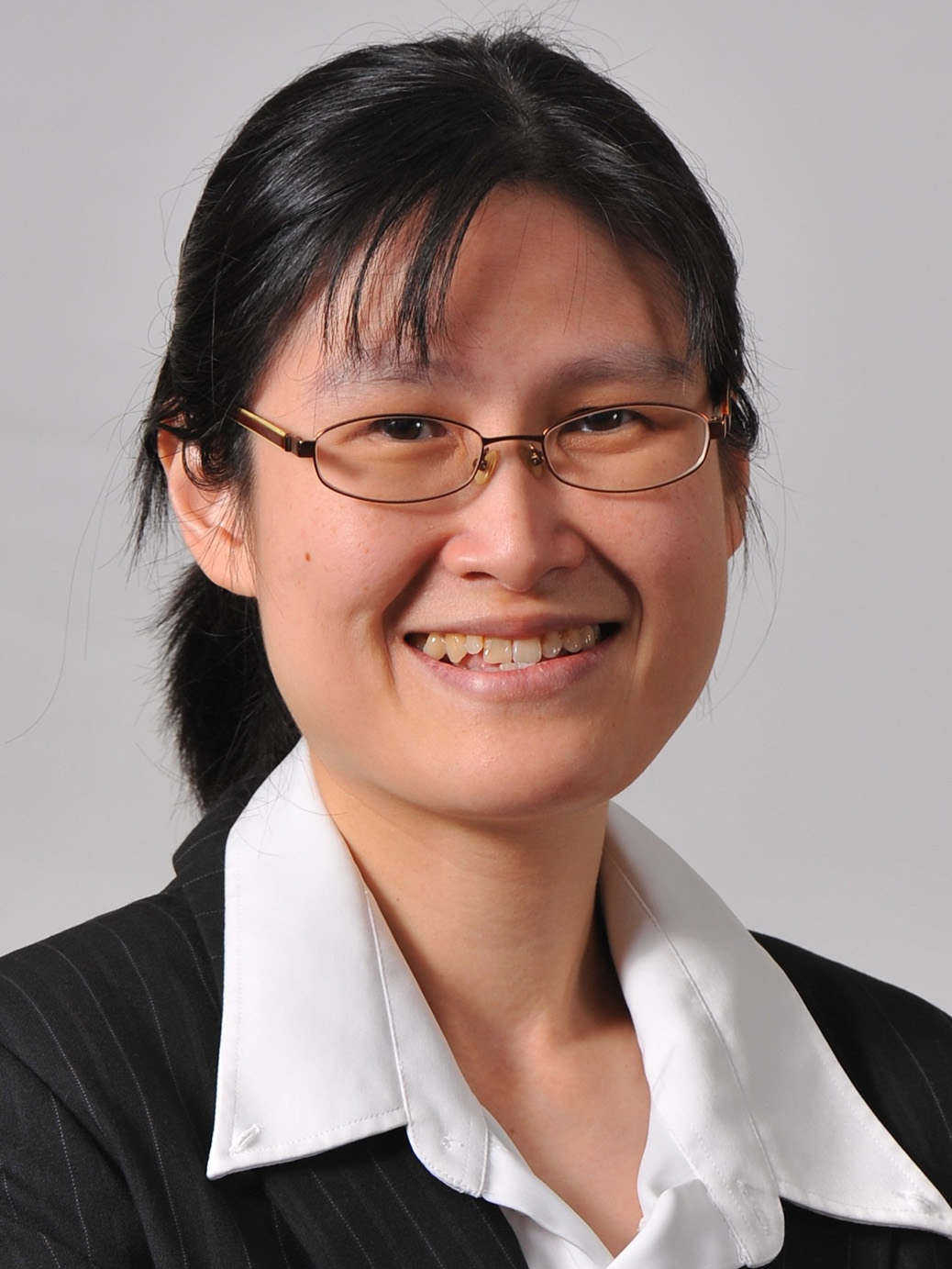
Dr Lim Jen Nee Jones
School of Engineering, Monash University MalaysiaDr Lim Jen Nee Jones teaches engineering design at Monash University Malaysia and advises Robogals Monash Malaysia, inspiring young women to pursue STEM. Guided by the principle “What the hand does, the mind remembers,” she champions scaffolding and hands-on learning to foster creativity, accountability, and independence. Her approach has lifted SETU scores, engaged 2,900 high school students, and mentored junior staff into award-winning educators and leaders.
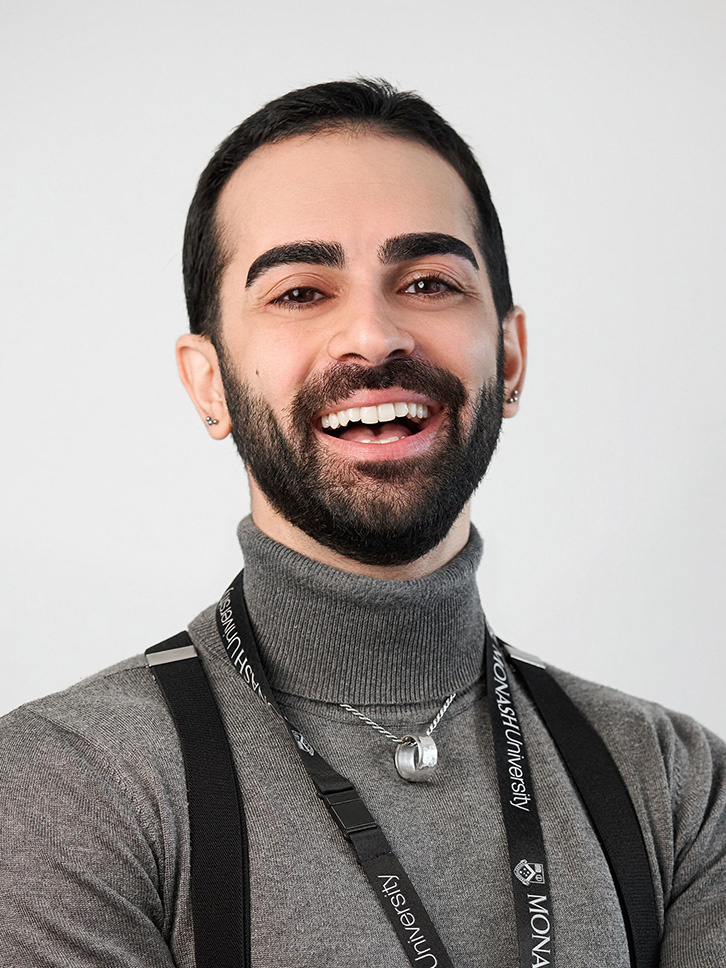
Zed Wechsler
Faculty of Information TechnologyZed Wechsler designs classrooms that jolt students out of autopilot, blending energy with empathy through immersive activities, real-world pressure, and reflection. In four Faculty of IT capstone units, he mentors over 120 students each semester, guiding diverse cohorts through complex industry projects. Grounded in relational pedagogy and experiential learning, his approach fosters agency, confidence, and collaboration, with SETU, peer reviews, and student nominations affirming its transformative impact.
-
The Vice-Chancellor’s Excellence Award for Innovation in Learning and Teaching recognises individuals and teams introducing new practices, approaches, methods or tools in ways that transform student engagement, teaching, learning or assessment.
From Immersion to Transformation: Reimagining Education to Shape More Desirable Futures (Winner)
Faculty of Business and Economics
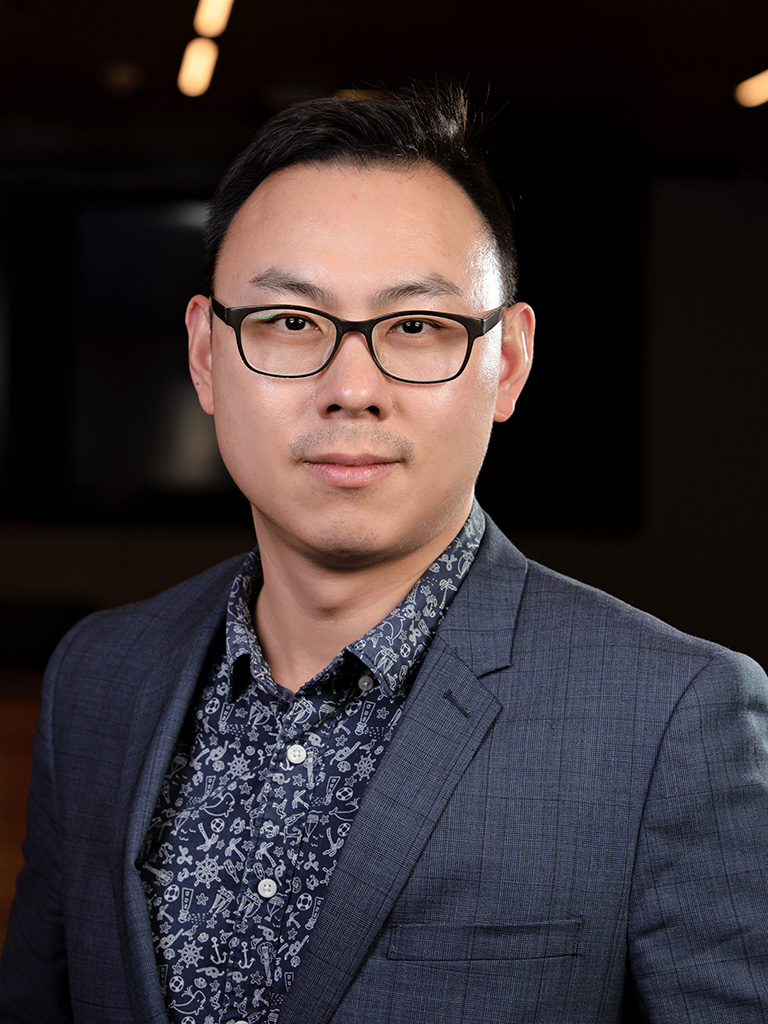
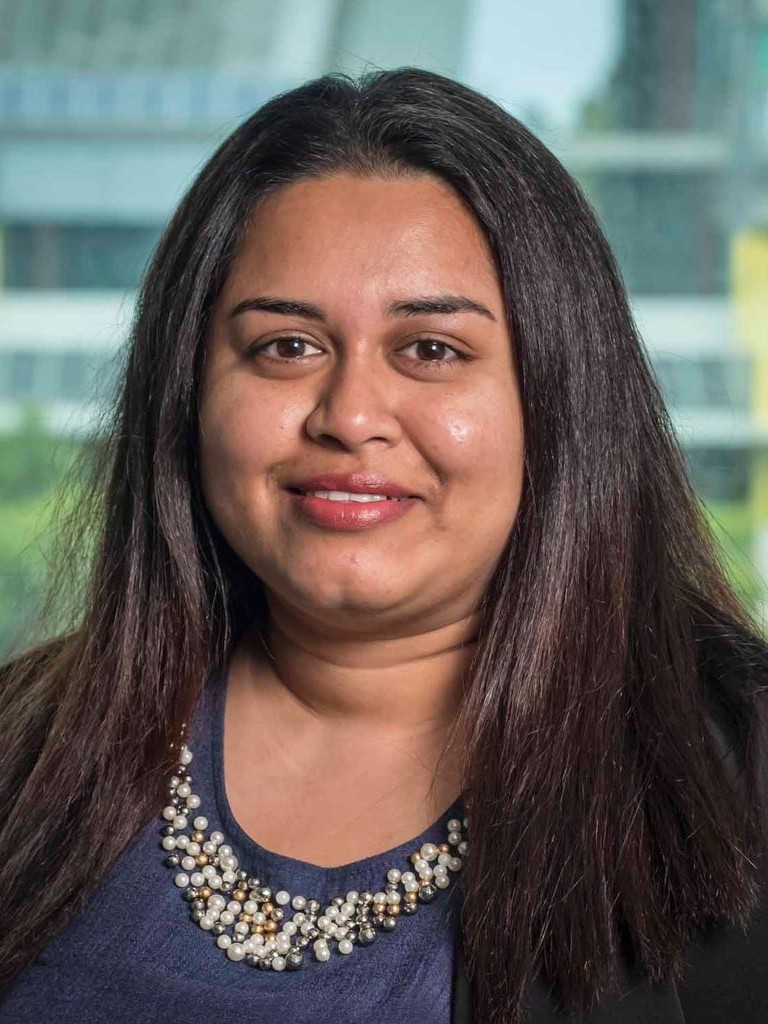
Left to right: Dr Annemarie Conrath-Hargreaves, Associate Professor Ting-Chiao Huang, Dr Ashna Prasad
Dr. Annemarie Conrath-Hargreaves and her team pioneer immersive learning as a performative catalyst for perspective transformation in Responsible Management Learning. Through multi-sensory encounters and immersive technologies, students grapple with urgent socio-ecological challenges – from coral reef bleaching to Indigenous care for Country. More than 400 Monash Business School students have engaged, with international and female learners recording the strongest gains. Graduates are now introducing envisioned ideas in industry, showing that immersive learning transforms perspectives into performative action that shapes more desirable futures.
ATLAS (Winner)
Office of the Deputy Vice-Chancellor (Student Experience) and Senior Vice-President, Faculty of Pharmacy and Pharmaceutical Sciences, Faculty of Medicine, Nursing and Health Sciences, Faculty of Education, Faculty of Science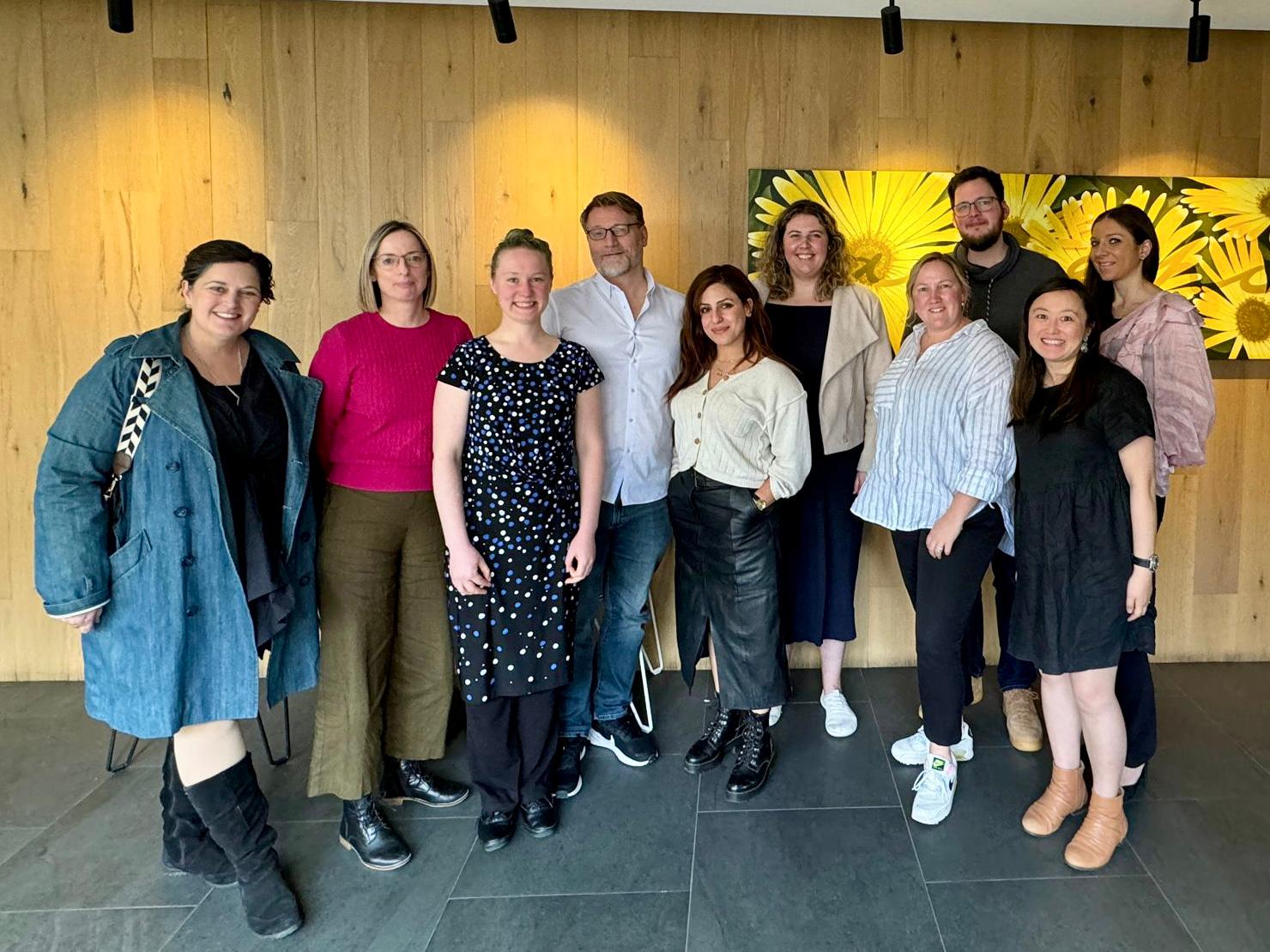
Left to right: Associate Professor Joanne Blannin, Dr Helmy Cook, Dr Rosemarie Herbert, Dr Joel David Moore, Dr Amna Mazeh, Bethany Howard, Dr Lisa Barker, Dr Angelina Lim, and Emily Stokes
Every student knows the moment – hands shaking, voice uncertain – it’s time for classroom theory to meet professional application. ATLAS overcomes this universal challenge by leveraging generative AI to create unscripted professional experiences, providing the practice students need before high-stakes real-world encounters. Serving over 2,000 undergraduate and postgraduate students across 7 faculties at Monash and international partners, ATLAS addresses the critical gap between theory and practice skills in dozens of disciplines. With over 20,000 conversations, ATLAS has earned global recognition through numerous publications, conference presentations, competitive domestic and international awards.
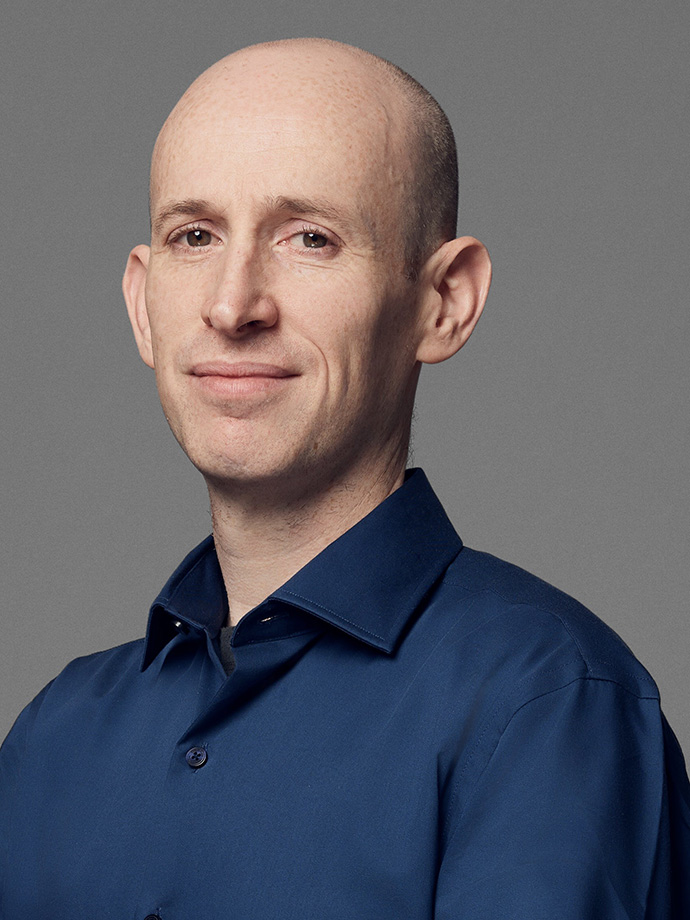
Dr Chris Murray
Faculty of ArtsSince 2020 Dr Chris Murray has devised innovative asynchronous learning-materials to replace the traditional lecture. His video lectures combine spoken presentation with stock footage, graphics, and other resources to create engaging, research-informed content. Guided by contemporary scholarship on learner engagement and retention, Dr Murray designs materials that integrate seamlessly into active-learning exercises, ensuring asynchronous delivery enhances rather than replaces interactive student learning experiences.

Dr Iori Hamada
Faculty of ArtsDr Iori Hamada authored Japanese Introductory 1, the world’s first fully interactive, open-access Japanese language textbook centred on equity, inclusion, and accessibility. Launched in 2023, it has supported over 1,000 Monash students and 15,000 learners worldwide. The resource has driven 75% enrolment growth and consistently strong student satisfaction, transforming Japanese language education.
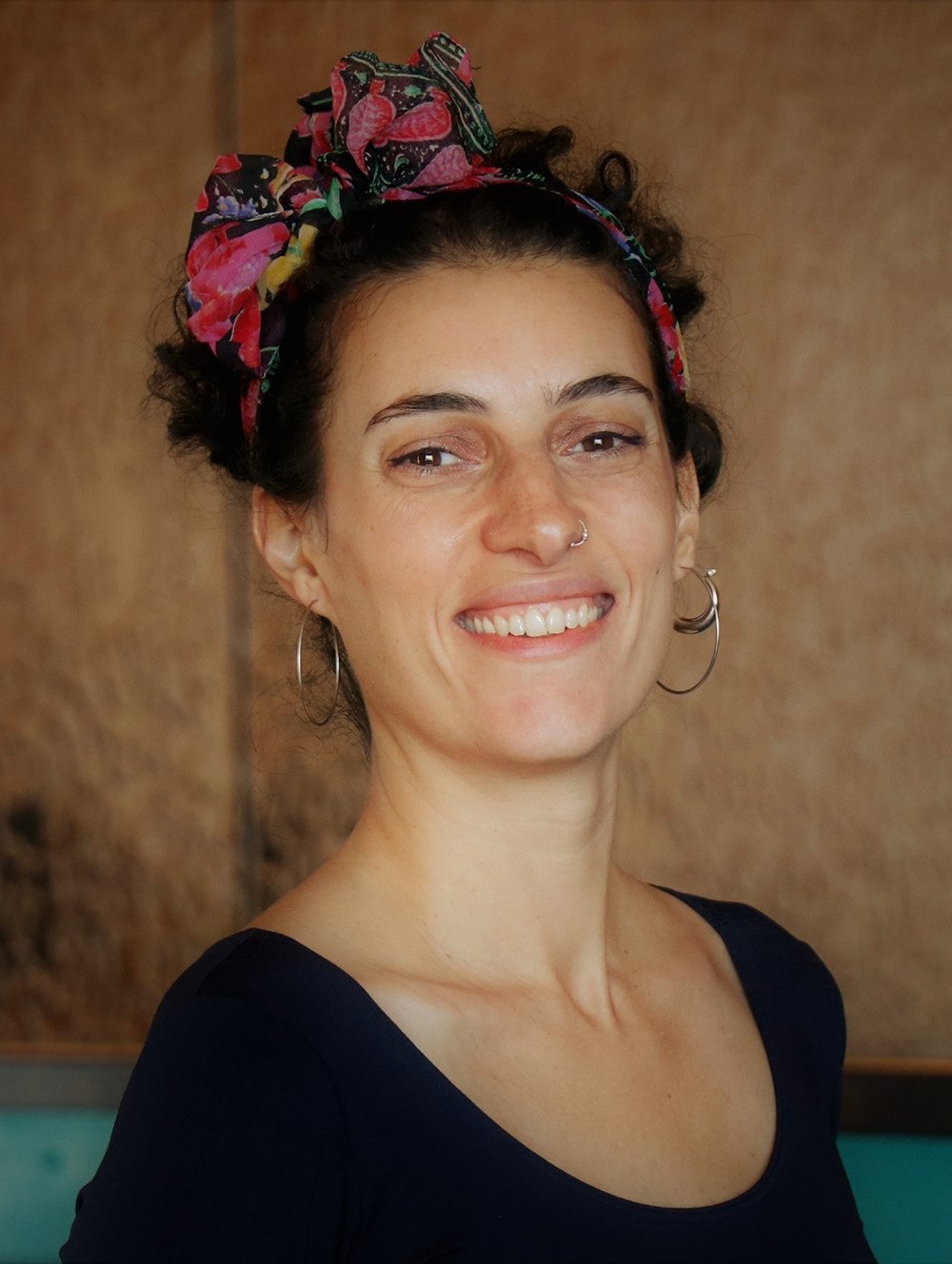
Dr Angela Viora
Faculty of ArtsSince joining Monash in 2020, Dr Angela Viora has placed performance, creativity, and embodied learning at the centre of her teaching. Drawing on her background in performance art, she developed the From Class to Team methodology, fostering agency and community through peer-led tasks, creative assessments, and collaborations. Her innovative practice has delivered consistently high student satisfaction, inspired colleagues, and gained international recognition for its impact on inclusive, practice-led education.
Step Into the Future - Podiatry Simulation Training Package
Faculty of Medicine, Nursing and Health Sciences, Faculty of Engineering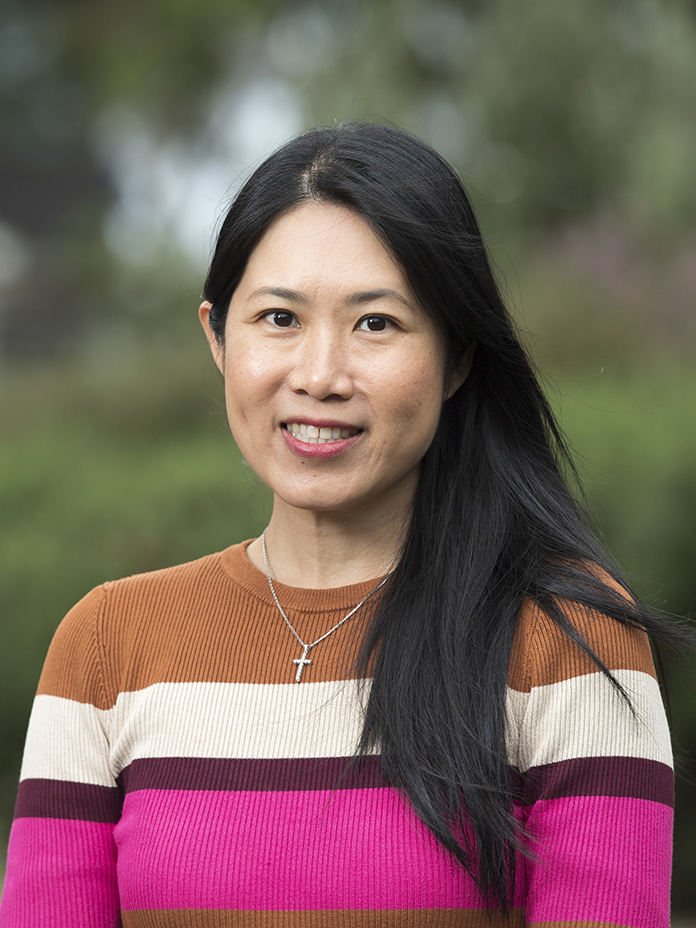
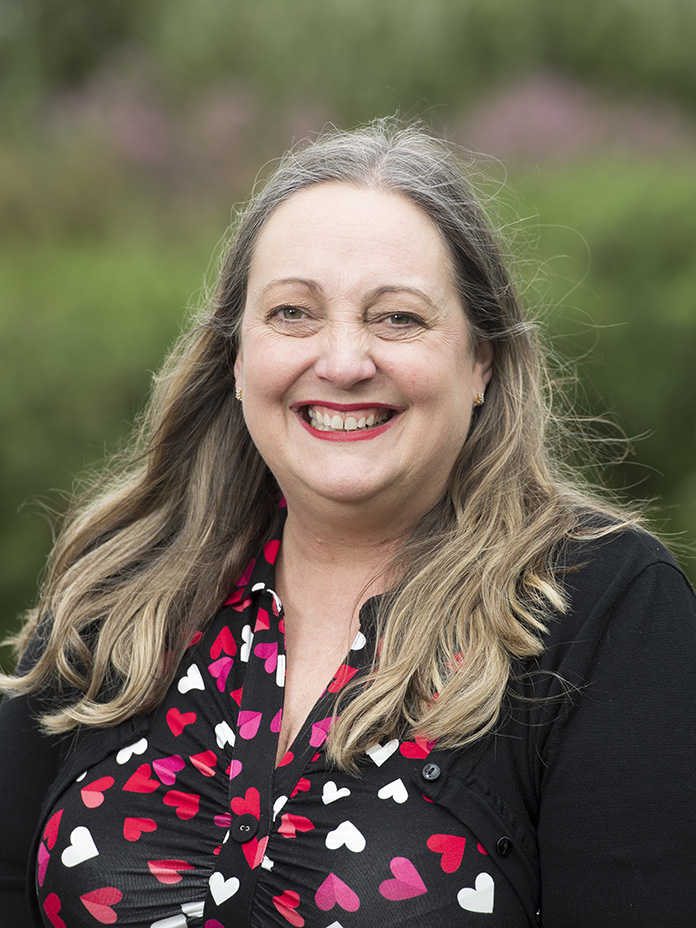
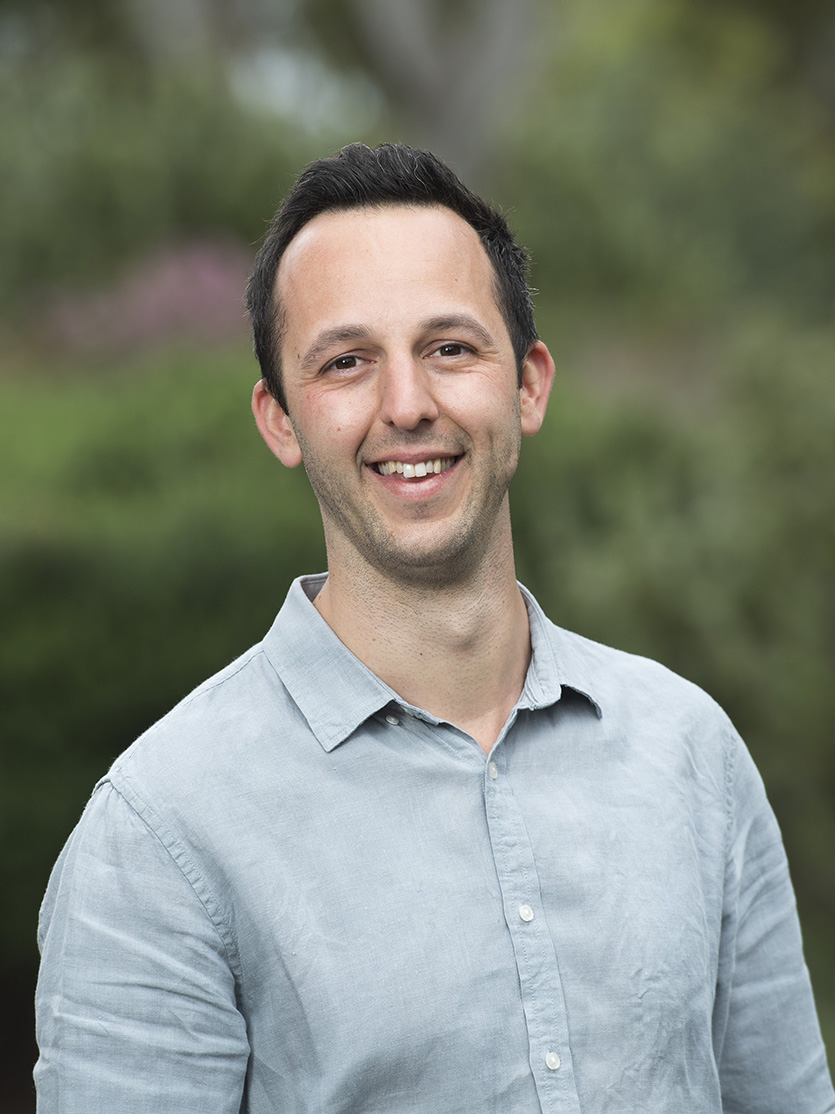

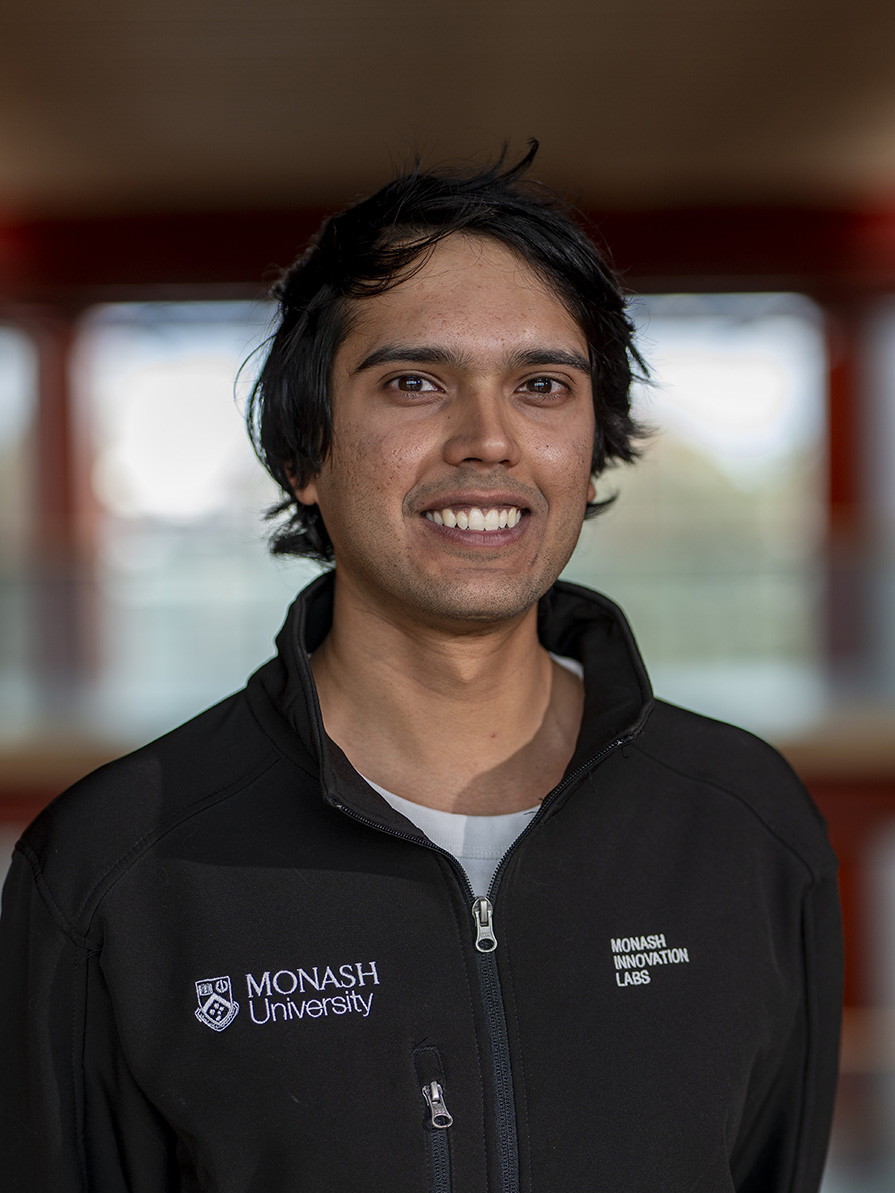
Left to right: Dr Malia Ho, Professor Cylie Williams, Daryl Susigan, Jim Hsu, Dr Keenan Granland
This Podiatry Simulation Training Package strengthens confidence and competence in sharp instrument use, a core skill in the first six months of the Doctor of Podiatric Medicine. In collaboration with the Monash Innovation Lab student team, a low-cost, 3D-printed foot model was co-designed and refined through feedback. Supported by simulation-based learning theory and companion resources, including videos and a virtual clinic, it has been used over 2,000 times to enhance student confidence, preparedness, and collaboration.
Preparing Learners for Uncertainty in Health Professions: A Handbook for Educators
Faculty of Medicine, Nursing and Health Sciences, Office of the Deputy Vice-Chancellor (Research and Enterprise) and Senior Vice-President, Office of the Provost and Senior Vice-President

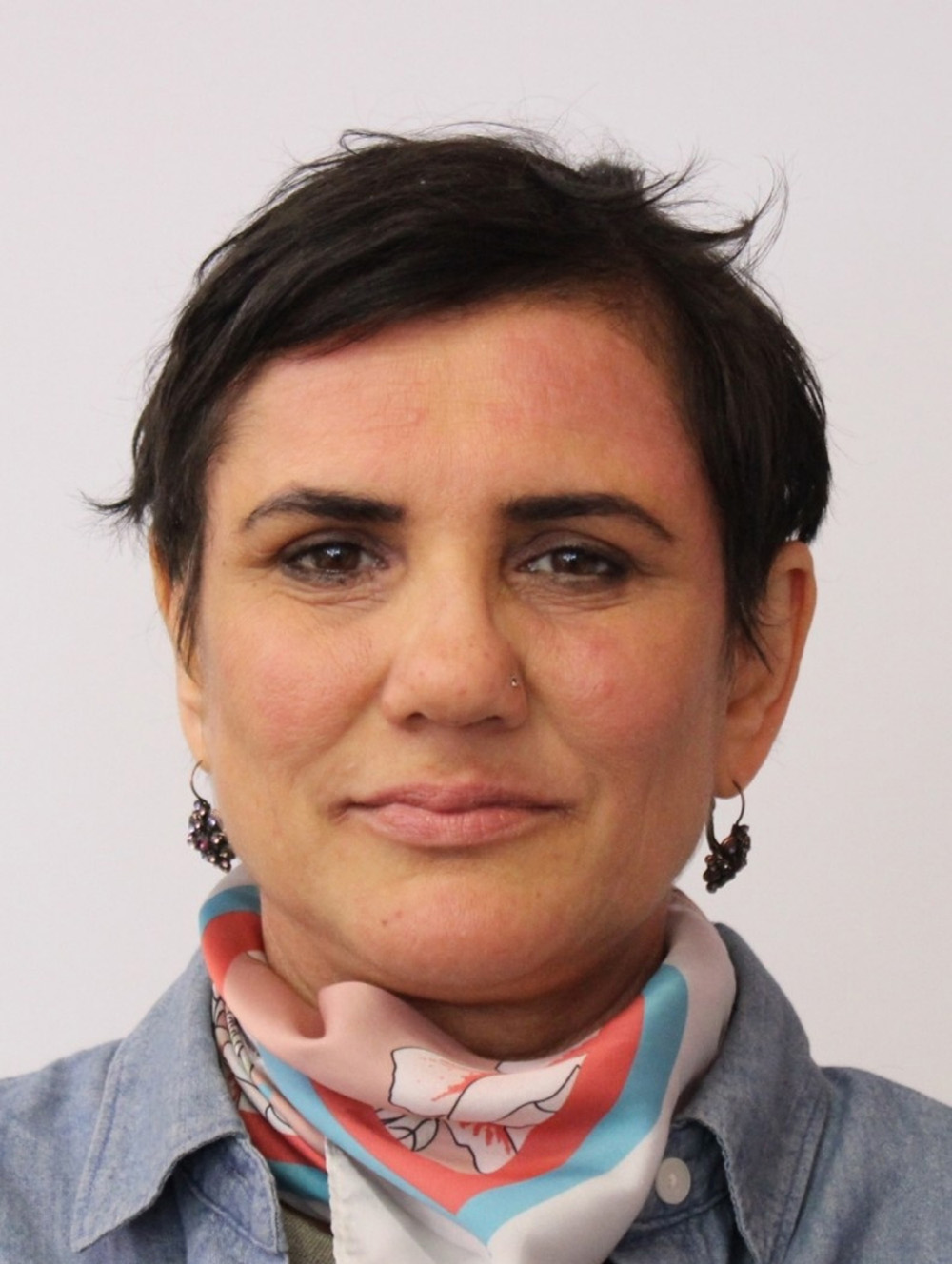
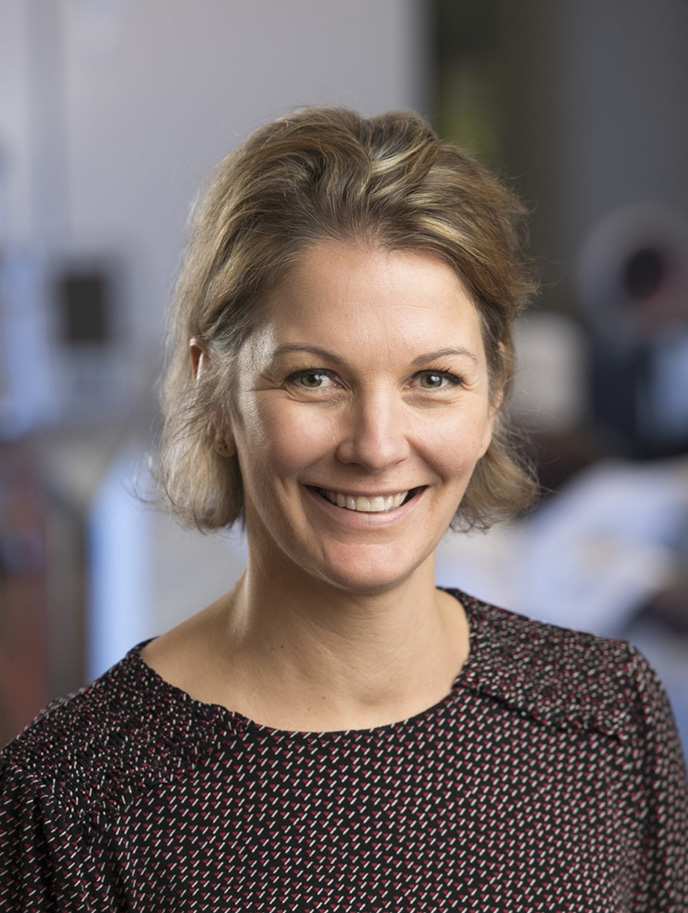






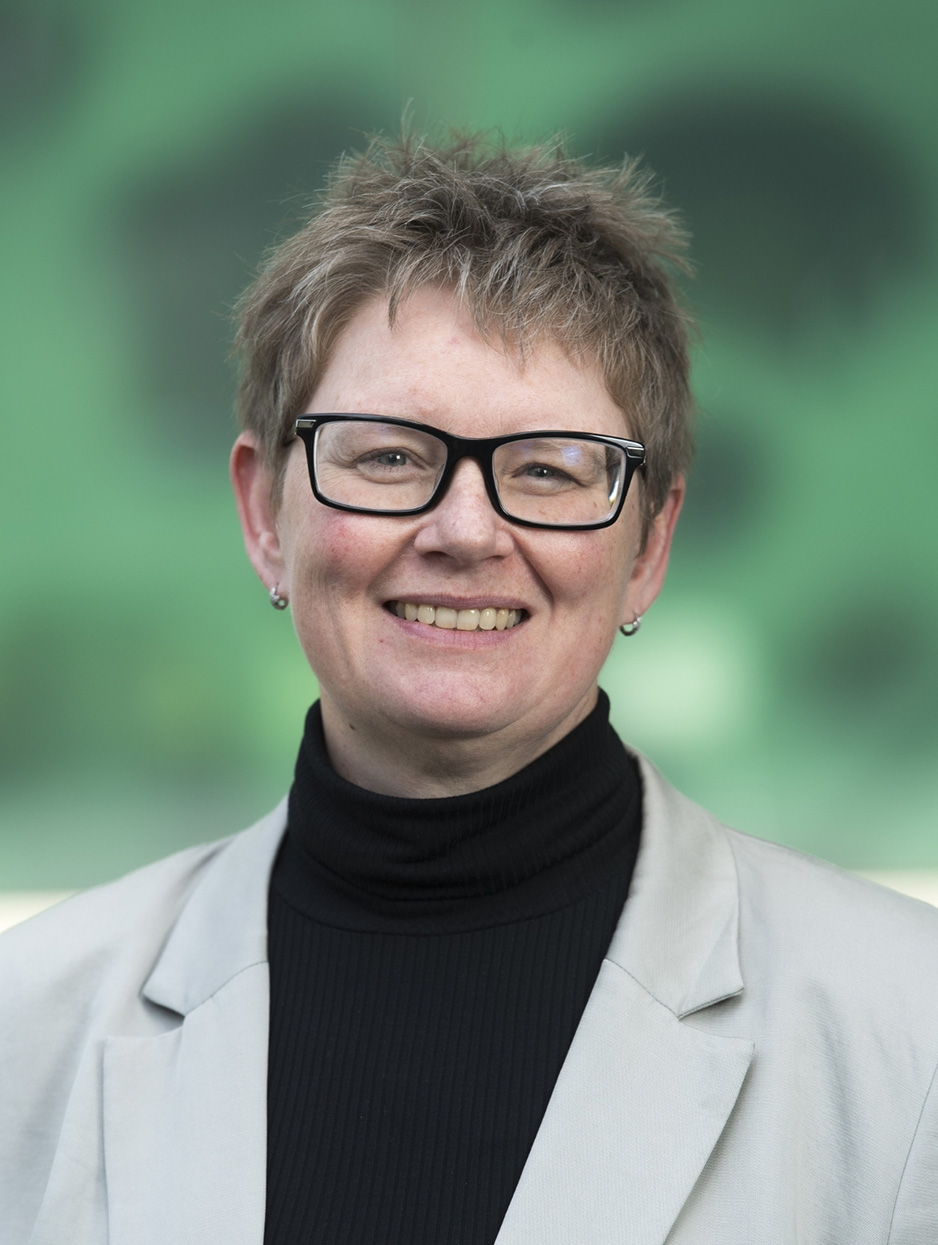
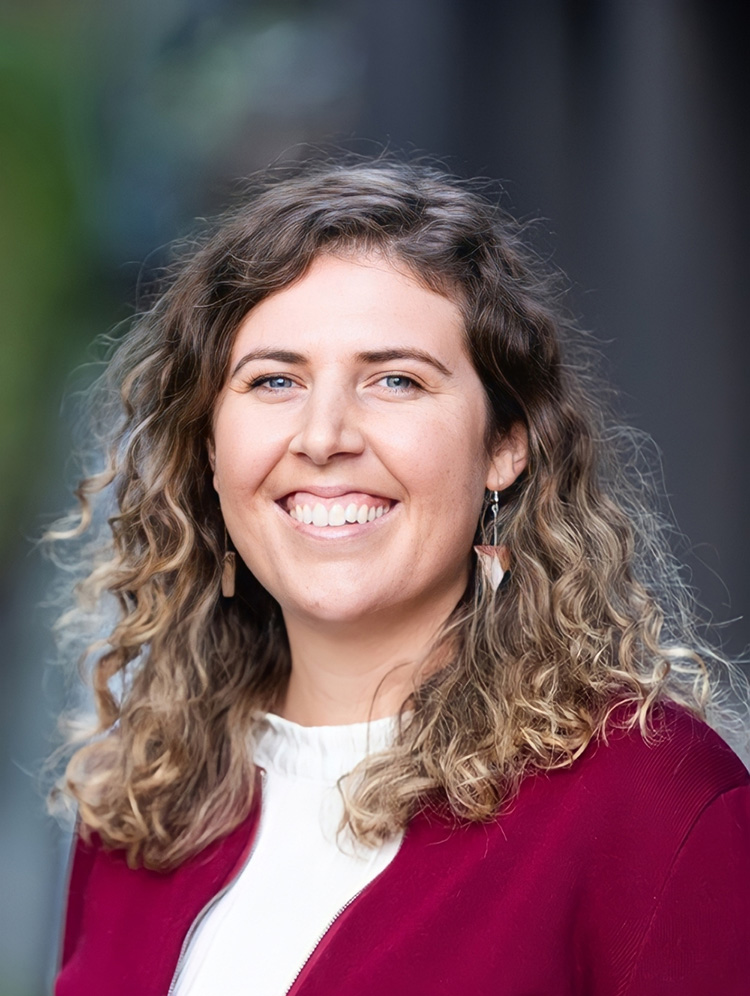
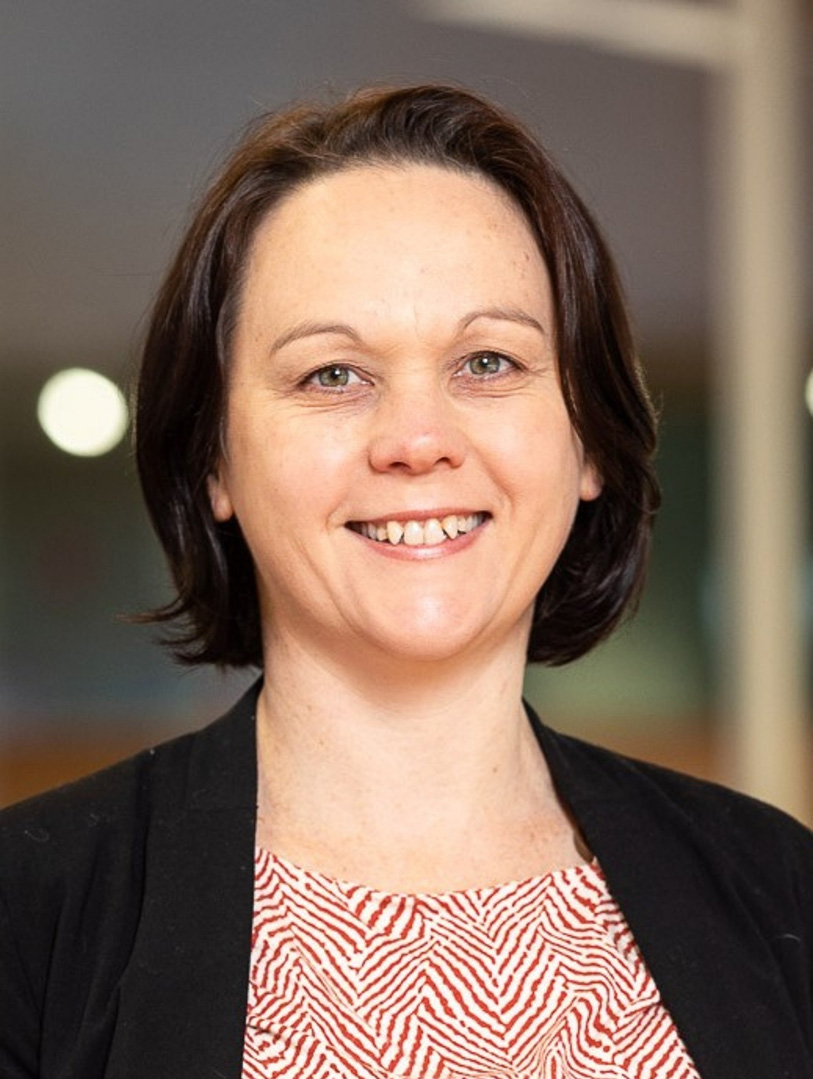

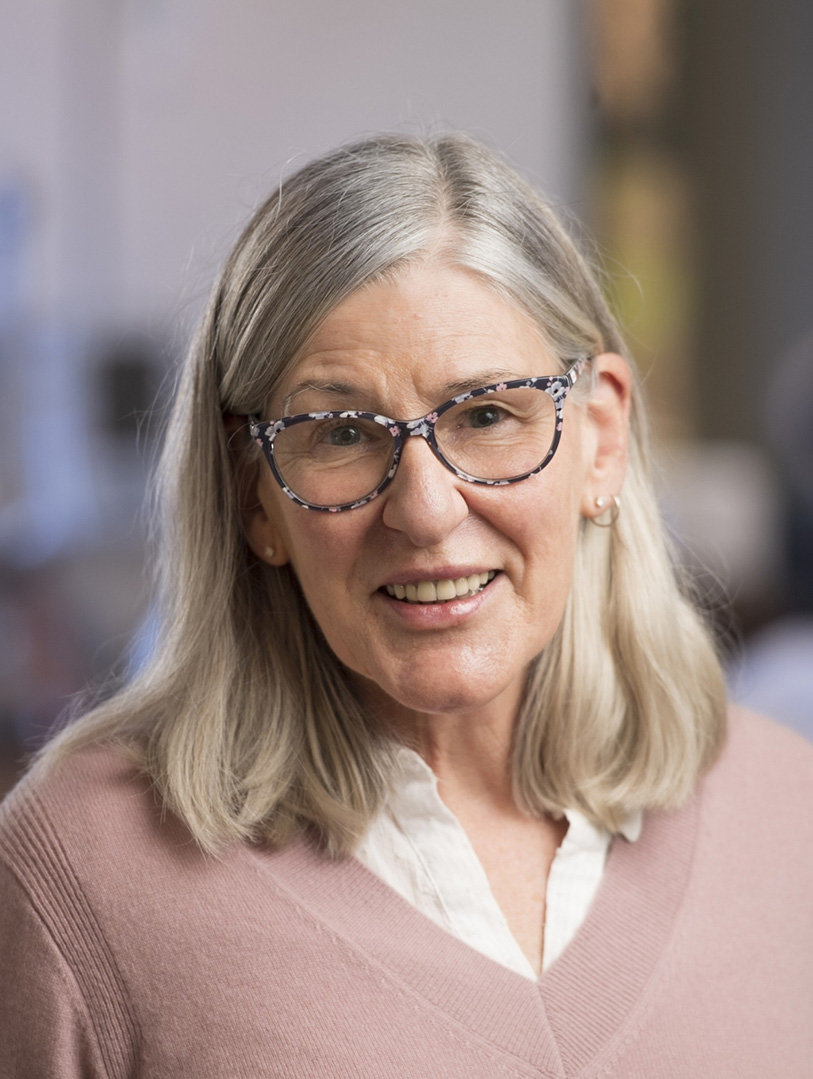
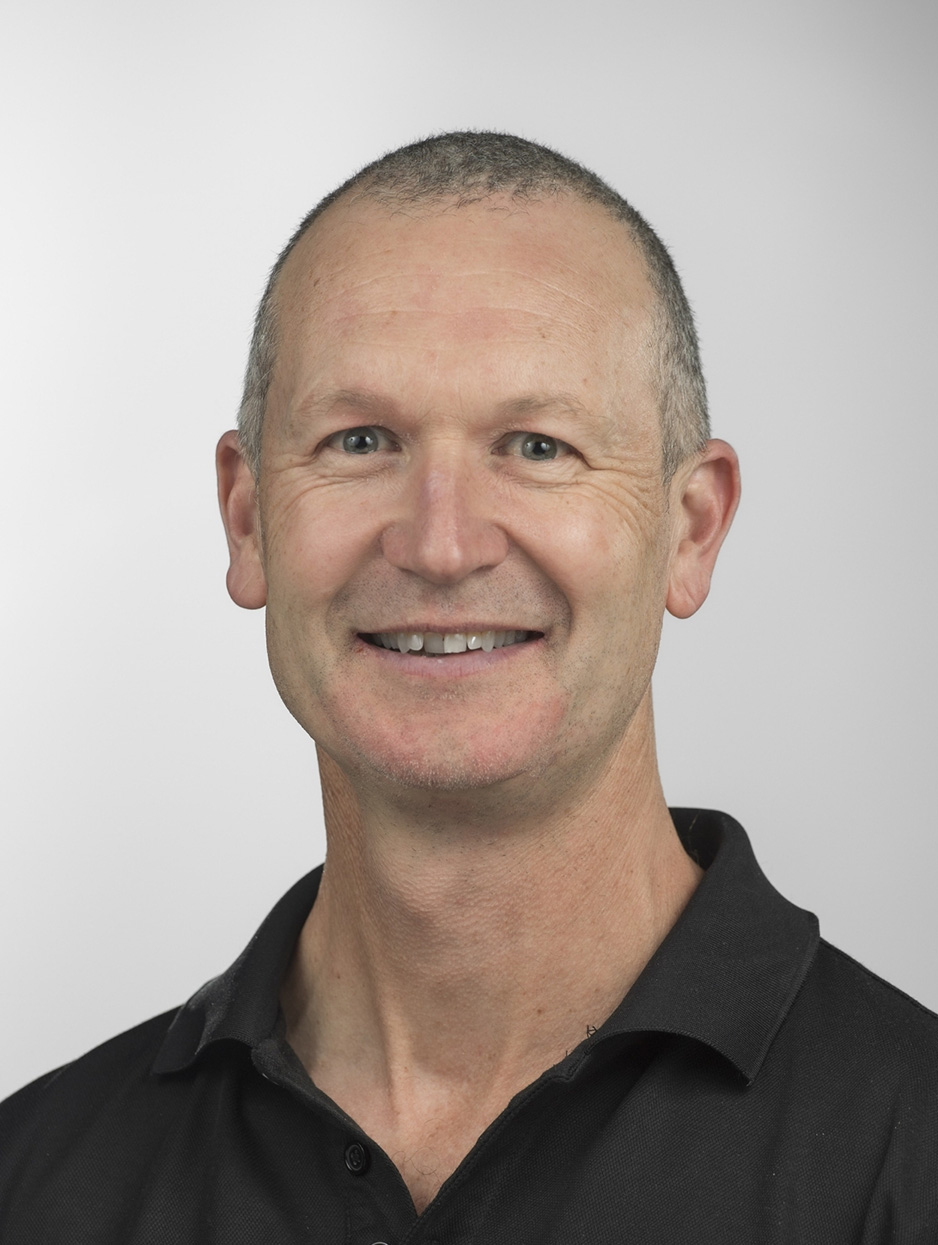

Left to right, from top left: Dr Georgina Stephens, Professor Michelle Lazarus, Gitanjali Bedi, Professor Gabrielle Brand, James Bonnamy, Dr Liza Barbour, Associate Professor Libby Callaway, Narelle Dalwood, Professor Basia Diug, Jenny Fafeita, Dr Melanie Farlie, Bethany Howard, Dr Kristie Matthews, Dr Julia McCartan, Dr Katrina Recoche, Associate Professor Michael Storr, Associate Professor Caroline Wright
Preparing Learners for Uncertainty in Health Professions equips students to navigate healthcare’s inevitable uncertainties. Developed by 16 educators across nine disciplines, this open-access, peer-reviewed handbook translates research into practical tools for curriculum design. Centring inclusivity, accessibility, and First Nations knowledges, it has achieved global impact with over 12,500 views and widespread uptake. Recognised as “ahead of the curve,” it is shaping health professions education worldwide.
Teaching Interprofessional Collaborative Prescribing in a Digitally Enabled World
Faculty of Medicine, Nursing and Health Sciences, Faculty of Pharmacy and Pharmaceutical Sciences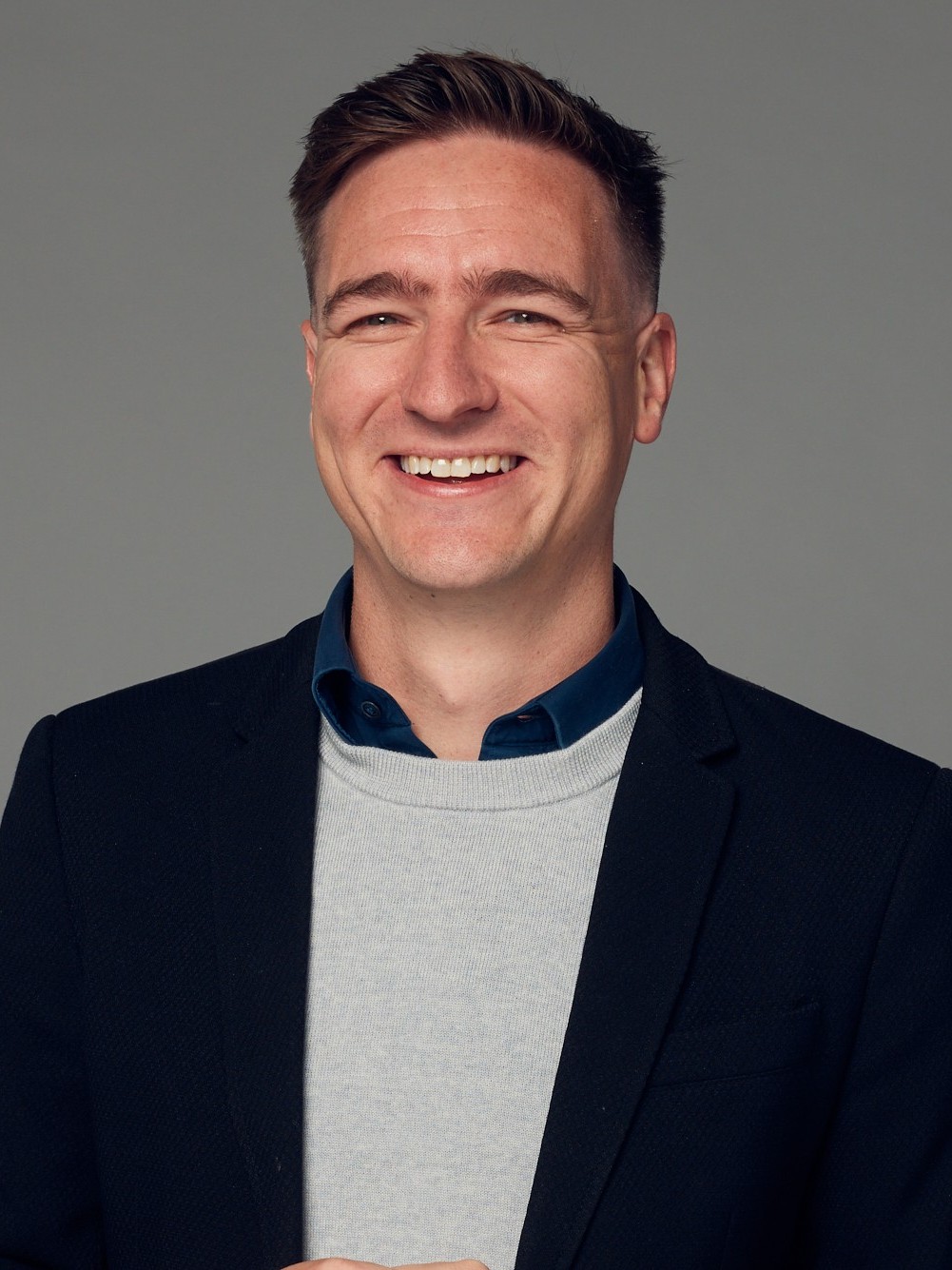
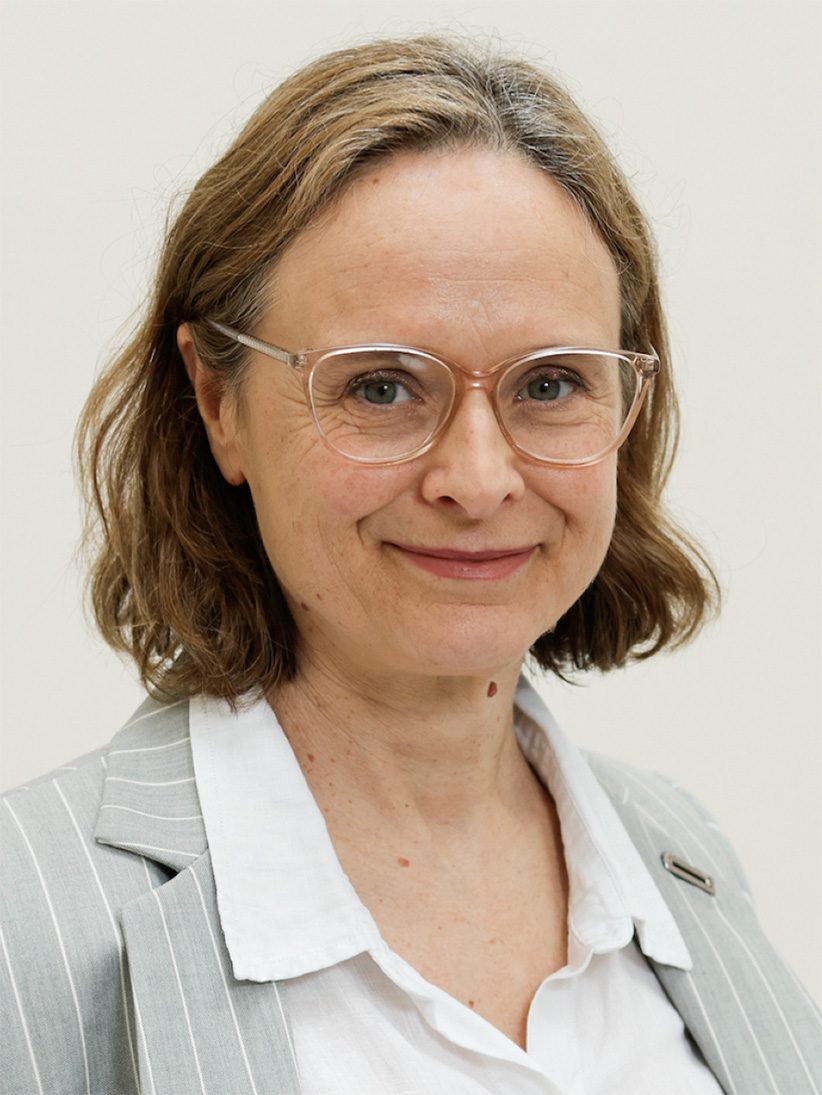
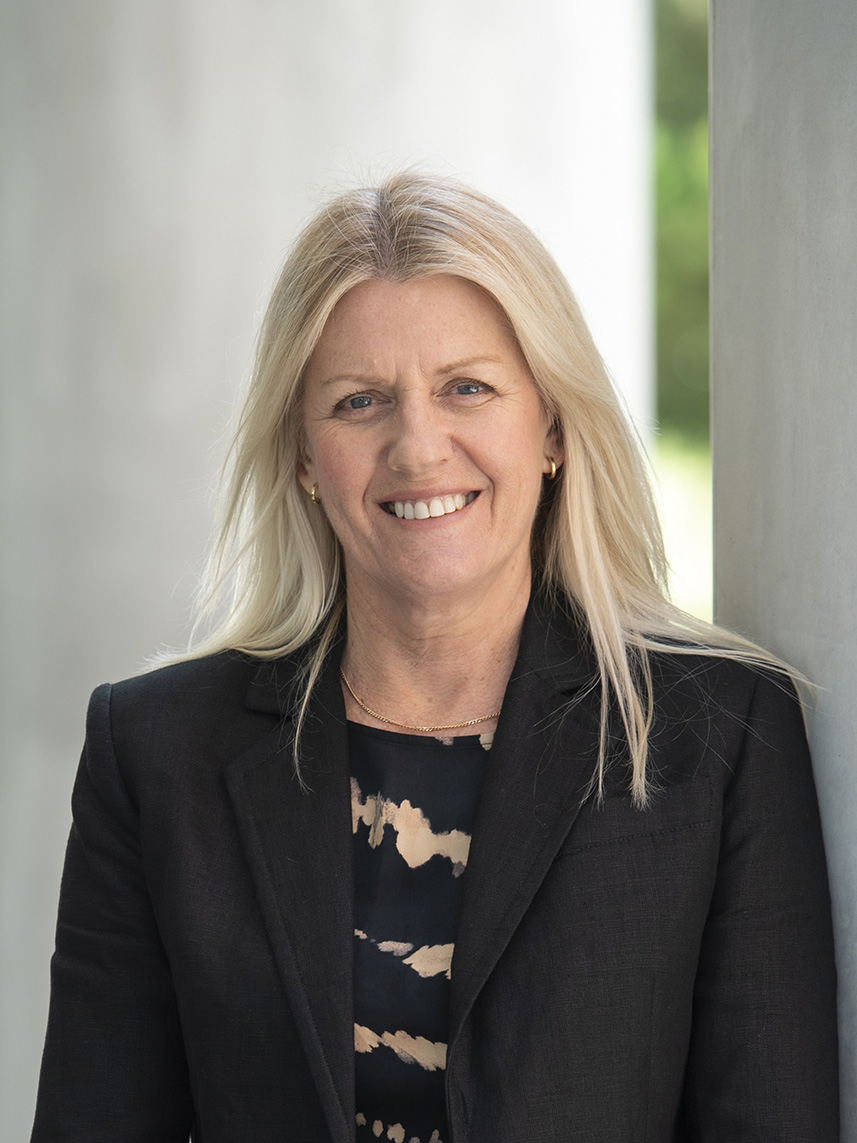


Left to right from top: Associate Professor Steven Walker, Associate Professor Fiona Kent, Professor Debra Kiegaldie, Associate Professor Julia Harrison, Associate Professor Deborah Leach, Vanessa Clothier
This interprofessional initiative brings medical, pharmacy, and nurse practitioner students together to learn collaborative prescribing in a digitally enabled world. Using a simulated electronic medical record and grounded in social constructivist learning, the program mirrors real-world practice where safe prescribing relies on teamwork. Now in its fifth year, it has trained nearly 3,000 learners, enhancing collaboration, digital skills, and scholarship.
Making the Case: Evaluation and GenAI in Litigation Teaching
Faculty of Law

Left to right: Dr Brandon D. Stewart, Associate Professor Genevieve Grant
As leaders in litigation teaching, the team developed and evaluated an innovative assessment requiring students to engage critically with generative AI in simulated legal practice. In a novel assessment, students advise a client on the ethical, legal, and strategic challenges of using Copilot to draft a court document in a high-stakes dispute. Adopted by faculty colleagues and recognised nationally, it models how legal educators can move from policing to constructive engagement with AI.
Mitchell and Co
Faculty of Business and Economics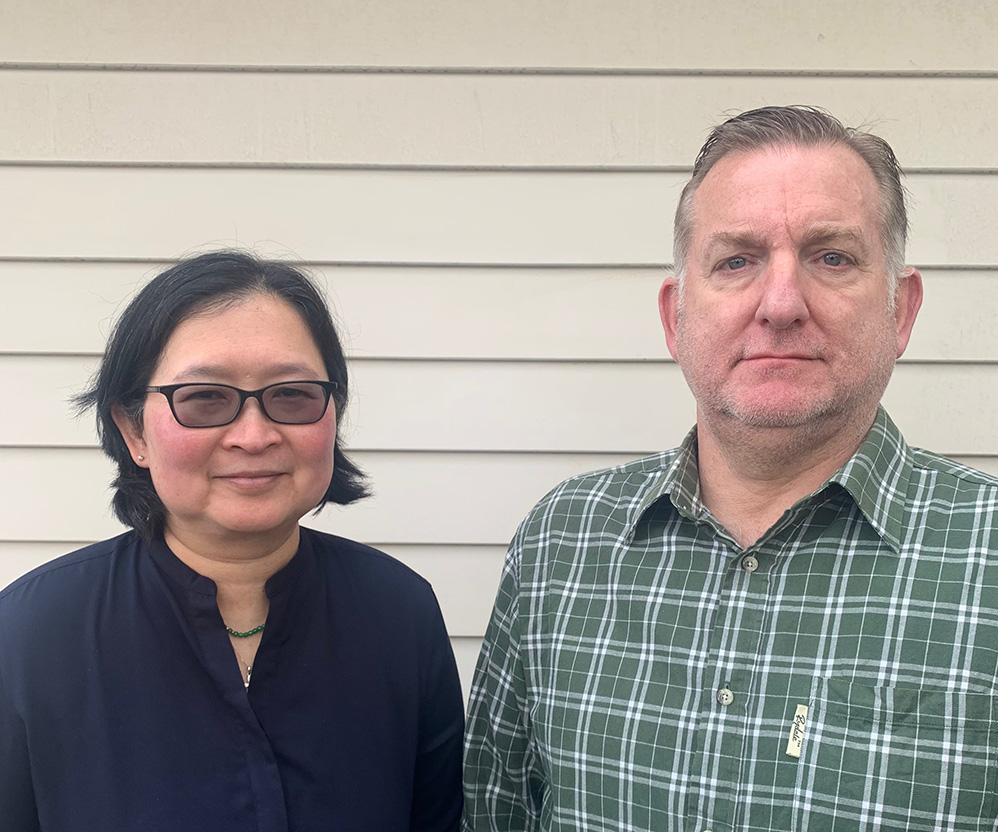
Left to right: Dr Mary Jesselyn Co, Dr Bruce Mitchell
The Mitchell and Co team addressed low student engagement by transforming MGF1100 tutorials into theory-informed, gamified learning experiences. Drawing on Self-Determination Theory and social constructivism, they introduced team-based challenges such as Jeopardy quizzes, the Marshmallow Challenge, and LEGO activities. The innovation boosted outcomes, with quiz scores rising to 83–86%, attendance increasing by up to 29 percentage points, and student satisfaction with learning activities improving from 4.04 to 4.45.
Read, Reference, Reason (Business & Science)
Faculty of Business and Economics, Faculty of Science
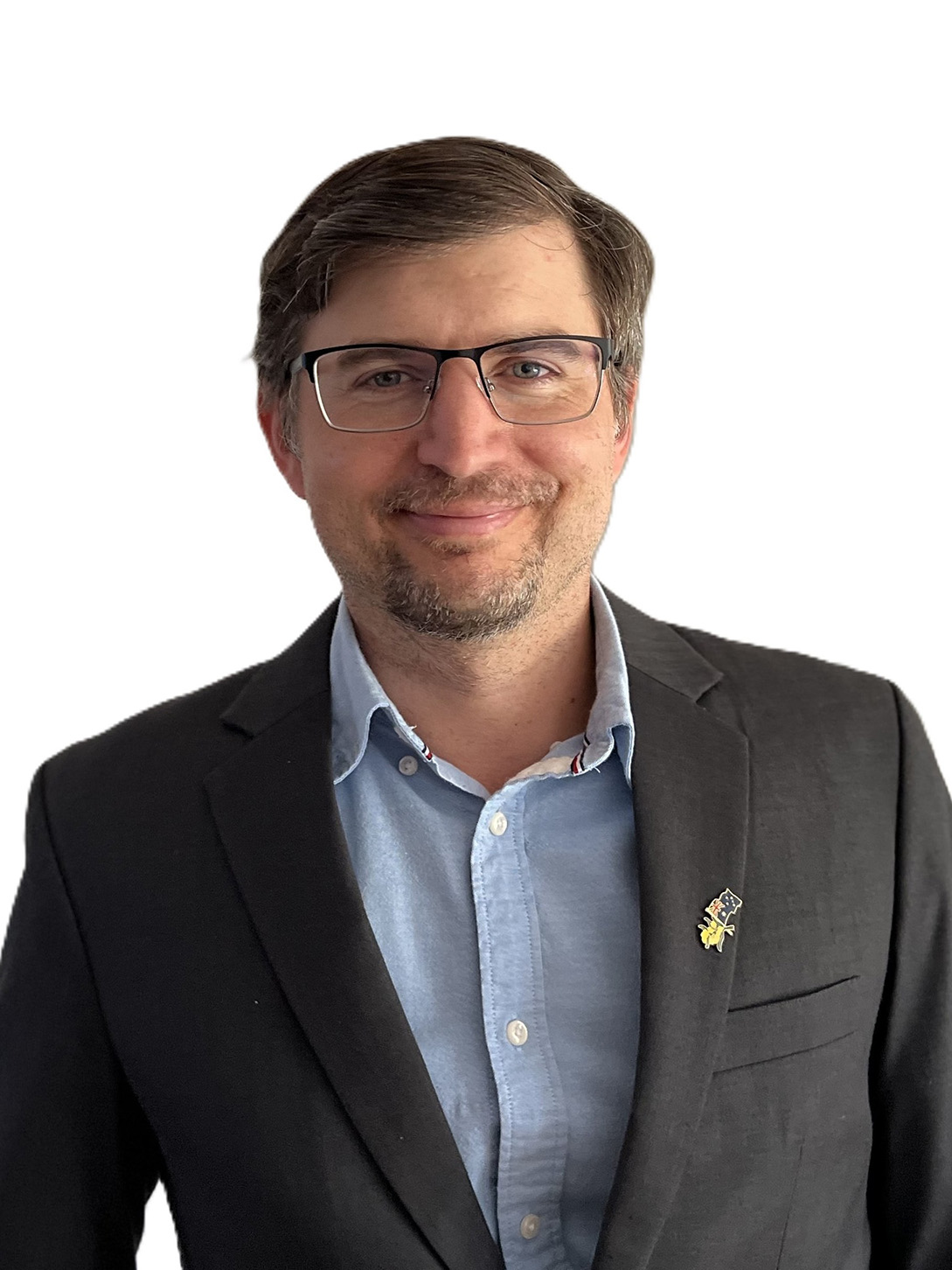
Left to right: Dr Edward Tello, Professor Kristian Rotaru, Dr Brett Considine, Dr Rosemarie Herbert, Associate Professor Dennis Fehrenbacher
The Read, Reference, Reason (Business & Science) team prepares students for professional practice by transforming social media–style scrolling into credible, referenced analysis. Using curated news and Q&A discussion boards, students post original, referenced responses before engaging with peers, fostering critical thinking and collaboration. Trialled in 2020 and now embedded across Business and Science cohorts, the innovation has boosted news-reading habits, information literacy, and engagement, earning recognition and cross-disciplinary adoption.
GMA Anatomy Team
Faculty of Medicine, Nursing and Health Sciences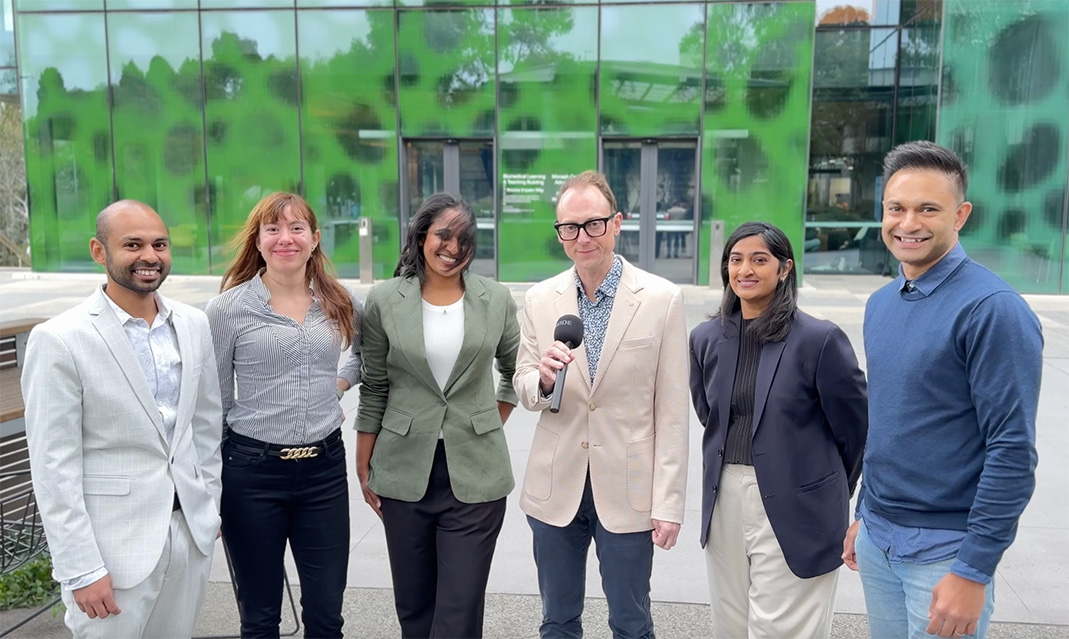
Left to right: Dr Yasith Mathangasinghe, Dr Brenda I. Hernandez Salazar, Dr S R Piyumi D Senanayake, Dr Jason S. Massey, Dr Vandana Nathan and Dr David G. Gonsalvez
The GMA Anatomy Team transformed first-year anatomy at Monash’s Rural Campus to address resource limitations and a preparedness gap identified by students. In 2025, they introduced innovations including Simulated Anatomy Ward Rounds, the BiasFix equity tool, ultrasound integration, case-based workshops, student-led tutorials, and gamification. These initiatives improved engagement, confidence, and test scores, earning institutional adoption, international awards, and global uptake.
-
The Vice-Chancellor’s Excellence Award for Educational Leadership recognises outstanding and significant educational leadership that has positively influenced educational practice at the University and/or faculty level and beyond (in local, national or international settings).

Professor Janeane Dart (Winner)
Faculty of Medicine, Nursing and Health SciencesProfessionalism is central to public trust in healthcare pofessional; however, it remains difficult to define, teach and assess. Professor Janeane Dart has transformed how professionalism is understood, taught, and assessed in dietetics. Through international leadership and research-informed approaches, she has introduced programmatic and transformative models that are now embedded in dietetic education worldwide.

Dr Andrea Fenton
Faculty of Business and EconomicsDr Andrea Fenton created an innovative model for oral assessments, developing resources for herself and colleagues where none existed. Guided by a constructivist philosophy, she aligns assessment with professional realities and now leads a cross-disciplinary initiative on oral assessments across Monash. Through theoretical and practical research, Dr Fenton has written a peer review publication, an MEA module to guide fellow educators, and created a Community of Practice. The impact includes increased student engagement and greater educator satisfaction.

James Salamy
Faculty of EngineeringJames Salamy has led the development of a programmatic teaching model for engineering education at scale. Integrating authentic, team-based tasks with scalable feedback systems, this model has become a blueprint for curriculum redesign and is now deployed across the Faculty of Engineering. Focused on building confidence and ability through authentic, complex experiences, the model has been praised by students, academics, and industry for delivering key skills more effectively.
-
The Vice-Chancellor’s Excellence Award for Community Education Programs recognises outstanding education programs delivered across community sectors. It reflects Monash’s commitment to innovate and positively impact through education within enterprises or communities.
From Campus to Community: Transforming Volunteering into a Model of Civic Learning and Engagement (Winner)
Office of the Deputy Vice-Chancellor (Student Experience) and Senior Vice-President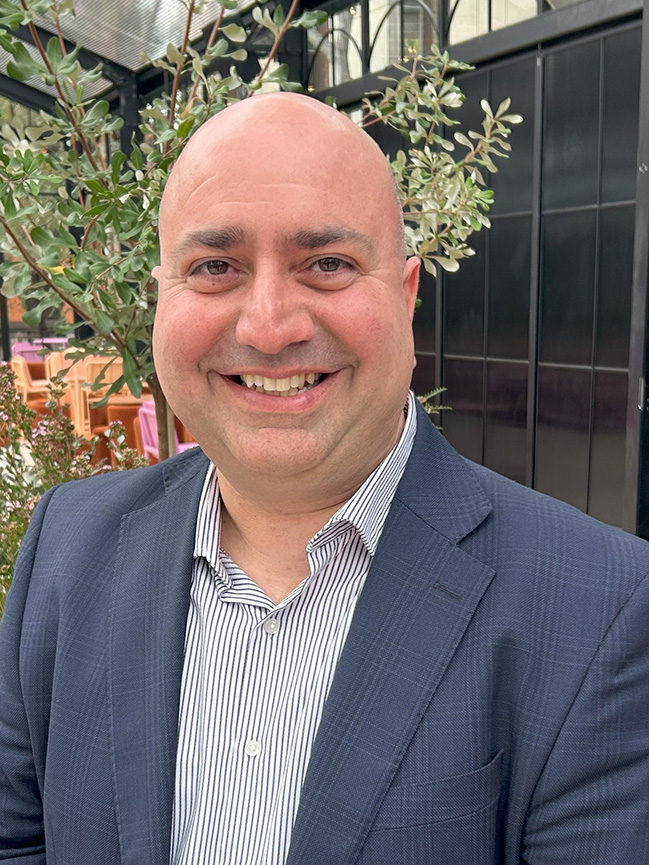

Left to right: Associate Professor Zareh Ghazarian, Jacqui Brenner
MON2000 Volunteering in Practice reimagines student volunteering as a powerful form of civic education. Partnering with community organisations, the program embeds structured reflection and academic guidance to transform service into meaningful learning. By linking volunteer experiences with curriculum, students develop skills in leadership, collaboration, and social responsibility. This model strengthens university–community partnerships while fostering active citizenship and lifelong engagement.
Post-Quantum Cryptography in the Indo-Pacific (PQCIP) Program
Faculty of Information Technology

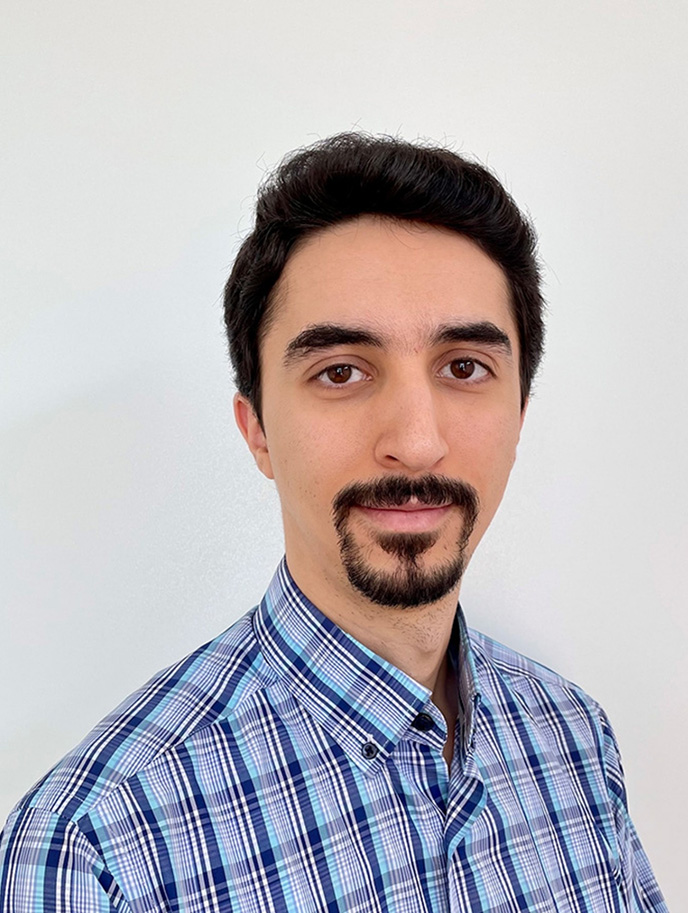

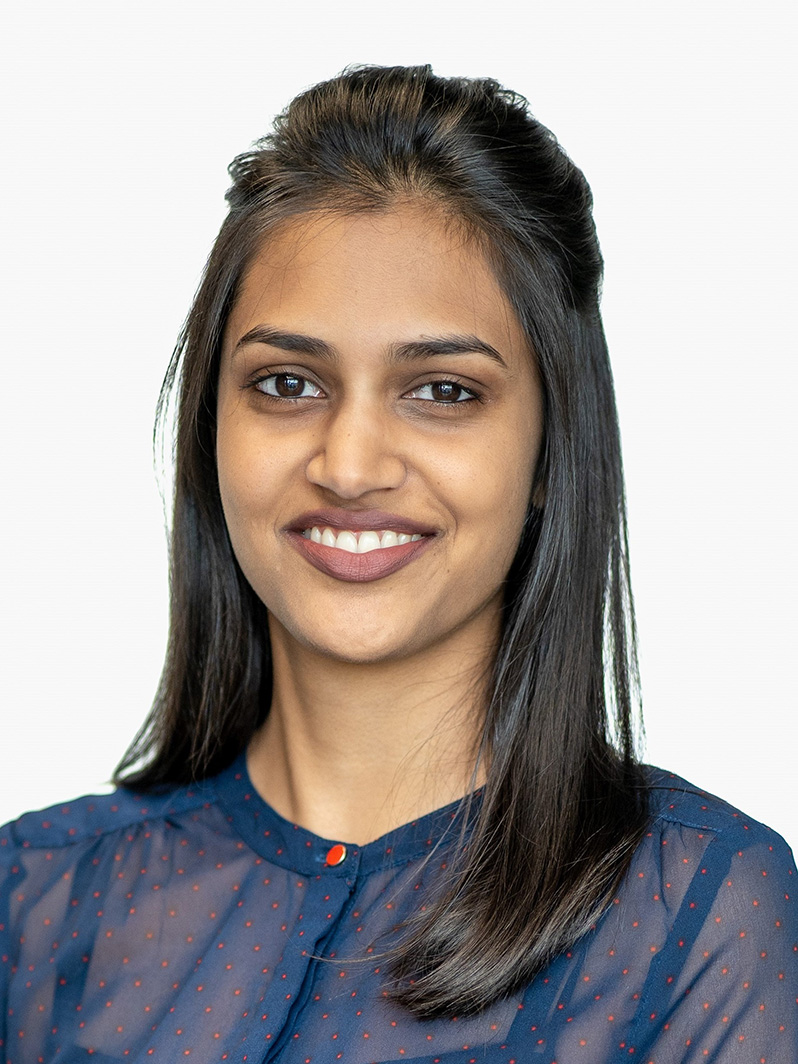
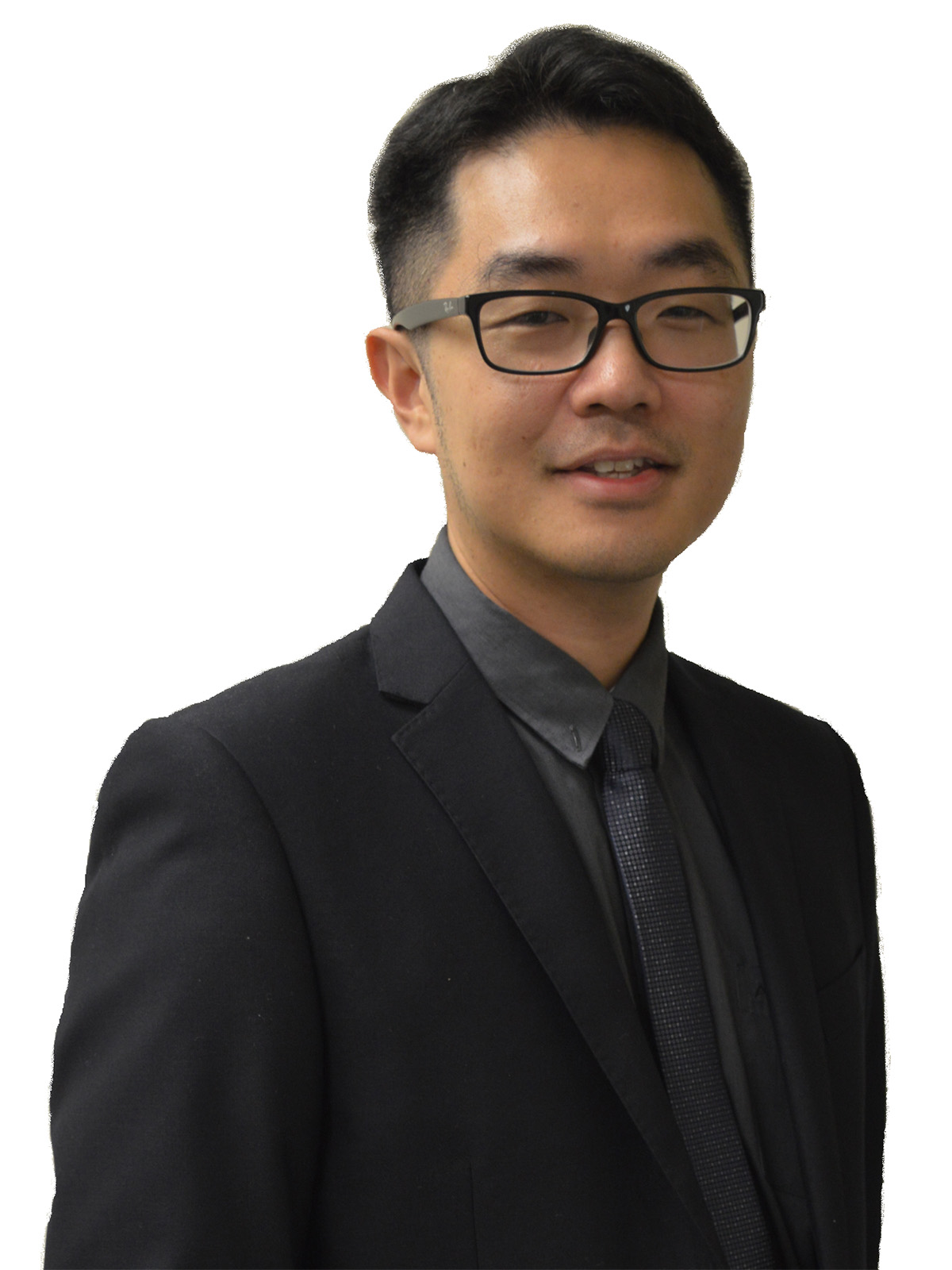

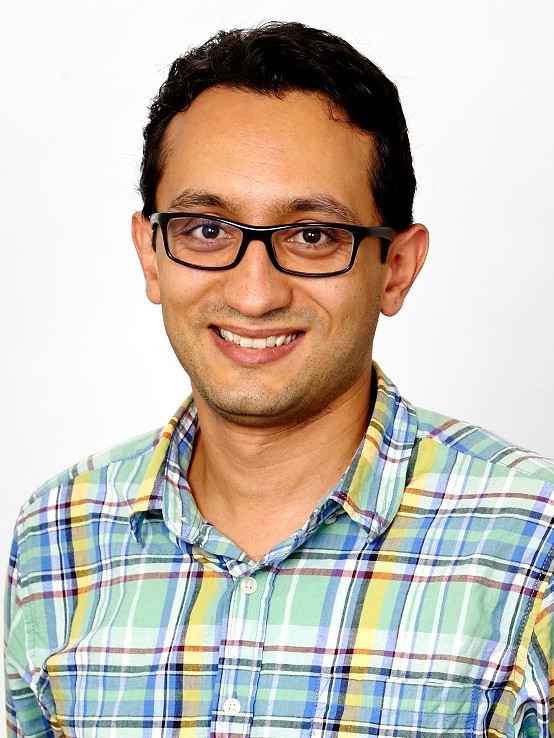
Left to right from top row: Professor Ron Steinfeld, Associate Professor James Boorman, Dr Muhammed Esgin, Dr Sara Jafarbeiki, Nikai Jagganath, Professor Raphaël Phan, Professor Carsten Rudolph, Associate Professor Amin Sakzad
The Post-Quantum Cryptography in Indo-Pacific (PQCIP) Program tackles the urgent challenge of quantum computing’s threat to internet security. Through tailored education, hands-on problem-based assessments, and strategic planning, PQCIP has trained over 60 IT professionals in emerging NIST post-quantum standards. Engaging participants from government and industry across 20 partner countries, the program delivers tangible outcomes for Australia, its Indo-Pacific allies, and the United States, positioning Monash as a leader in cybersecurity education and international capacity building.
-
The Vice-Chancellor’s Excellence Award for Industry Education Programs recognises outstanding education programs delivered across industry sectors. It reflects Monash’s commitment to innovate and positively impact through education within enterprises or communities.
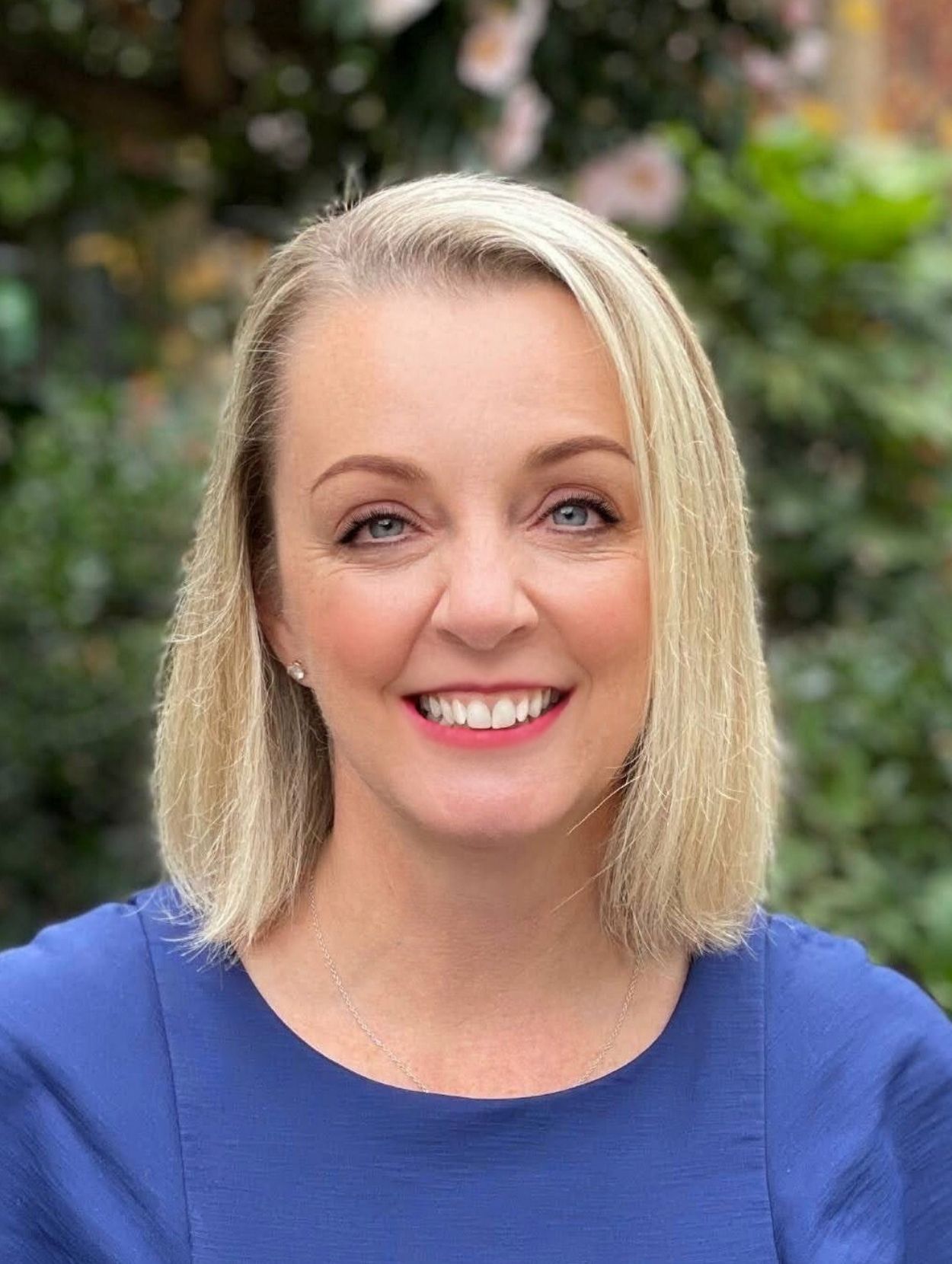
Dr Marijke Mitchell (Winner)
Faculty of Medicine, Nursing and Health SciencesDr Marijke Mitchell addresses the rising crisis of behavioural emergencies in paediatric hospitals, where aggression and self-harm endanger patients, families, and staff. While training for physiological deterioration is routine, education on behavioural deterioration has lagged. Partnering with Monash Health, Dr Mitchell developed a simulation-based program for over 350 clinicians. Grounded in experiential learning, the program has strengthened confidence, knowledge, and skills, enabling safer, more effective care for vulnerable children and young people.
The Art of Global Diplomacy: DFAT Islamic Literacy Education Program (Winner)
Faculty of Arts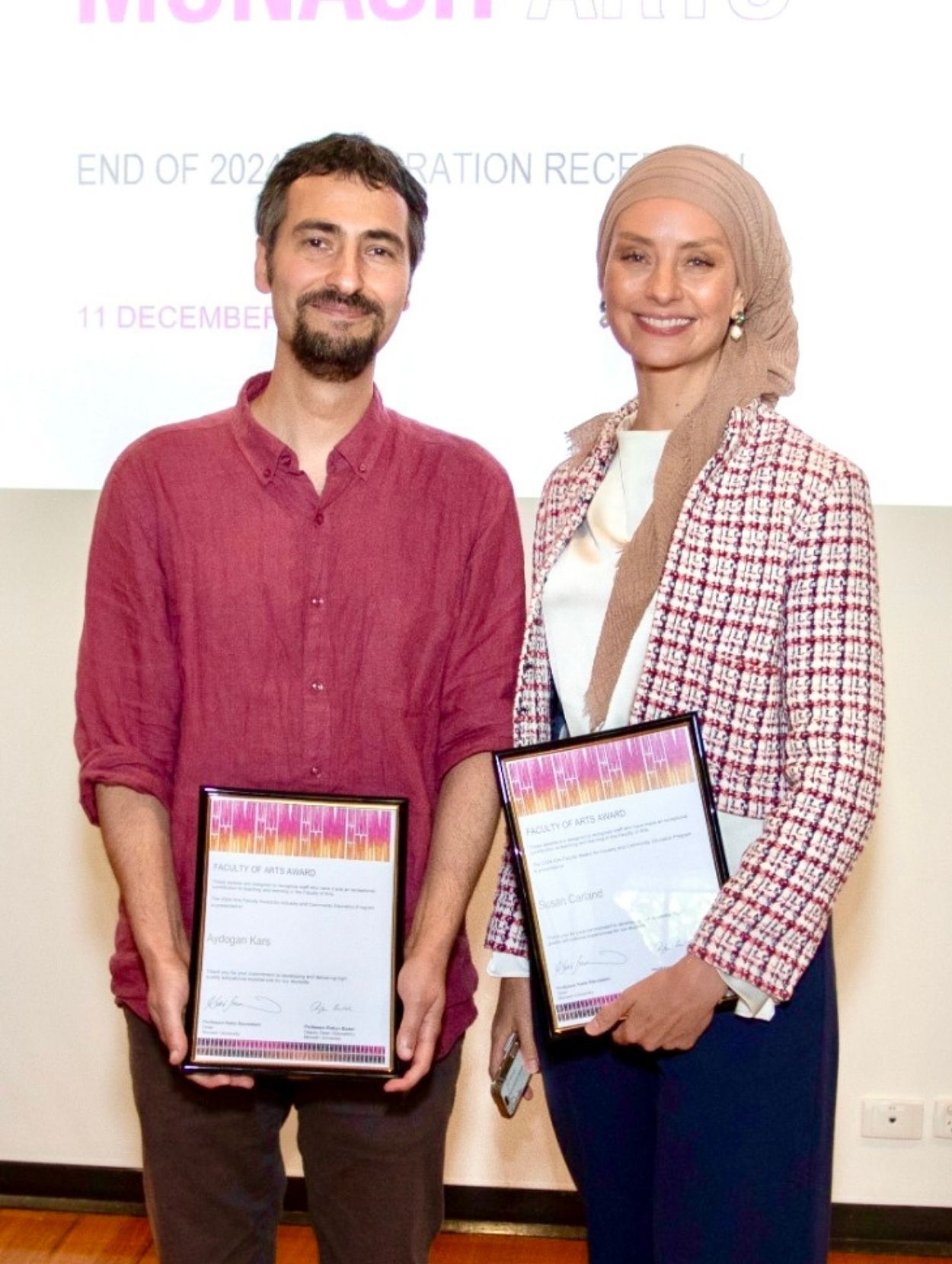
Left to right: Dr Aydogan Kars and Dr Susan Carland
The DFAT Islamic Literacy Education Program equips diplomats to engage effectively with more than 50 Muslim-majority countries. Since 2018, over 700 officials have completed the program, tackling sensitive issues such as jihadism, shariah, women’s rights, and geopolitical conflict. Combining immersive mosque visits with intensive flipped-classroom learning, the program delivers transformative outcomes in a single day. Consistently rated among DFAT’s best courses, it has been renewed six times, generating $420,000 and strengthening Australia’s diplomatic capacity.
Corrections Victoria CAPS Learning Program
Faculty of Law, Faculty of Business and Economics

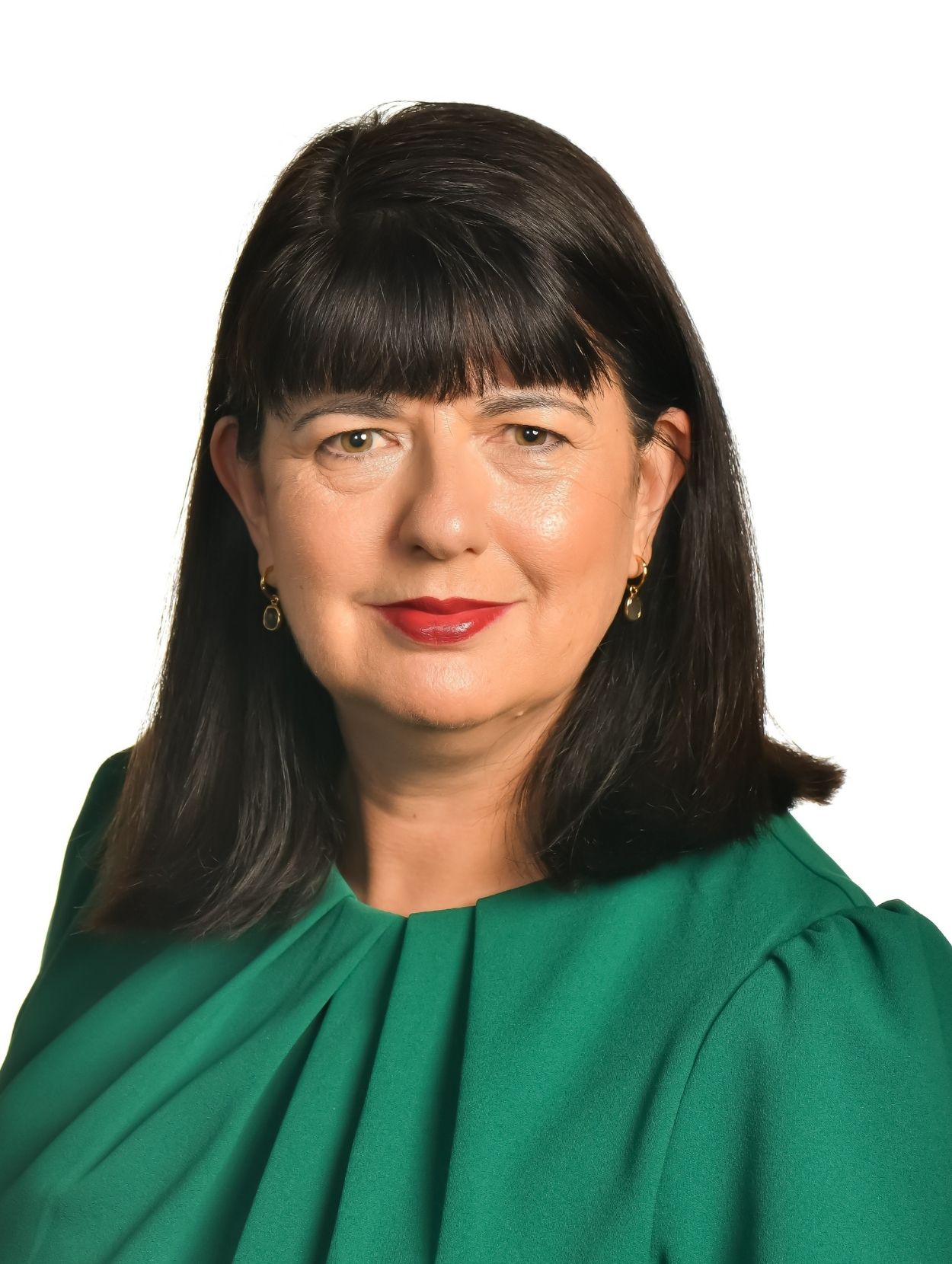



Left to right from top row: Professor Liz Campbell, Associate Professor Jacqui Horan, Sally Andersen, Jennifer Paneth, Rachel Kessel, Nathan Kayser, Emily Collard
Since 2022, Monash Law has delivered the Corrections Victoria Court Assessment & Prosecutions Service (CAPS) Training Program, a four-stage hybrid course co-taught by Law staff and criminal barristers. The program culminates in an Advanced Advocacy workshop in the Law Faculty moot court, where participants first learn from an experienced barrister before testing their skills in an Advanced Moot presided over by Magistrate Donna Bakos, Head of the Criminal Division.
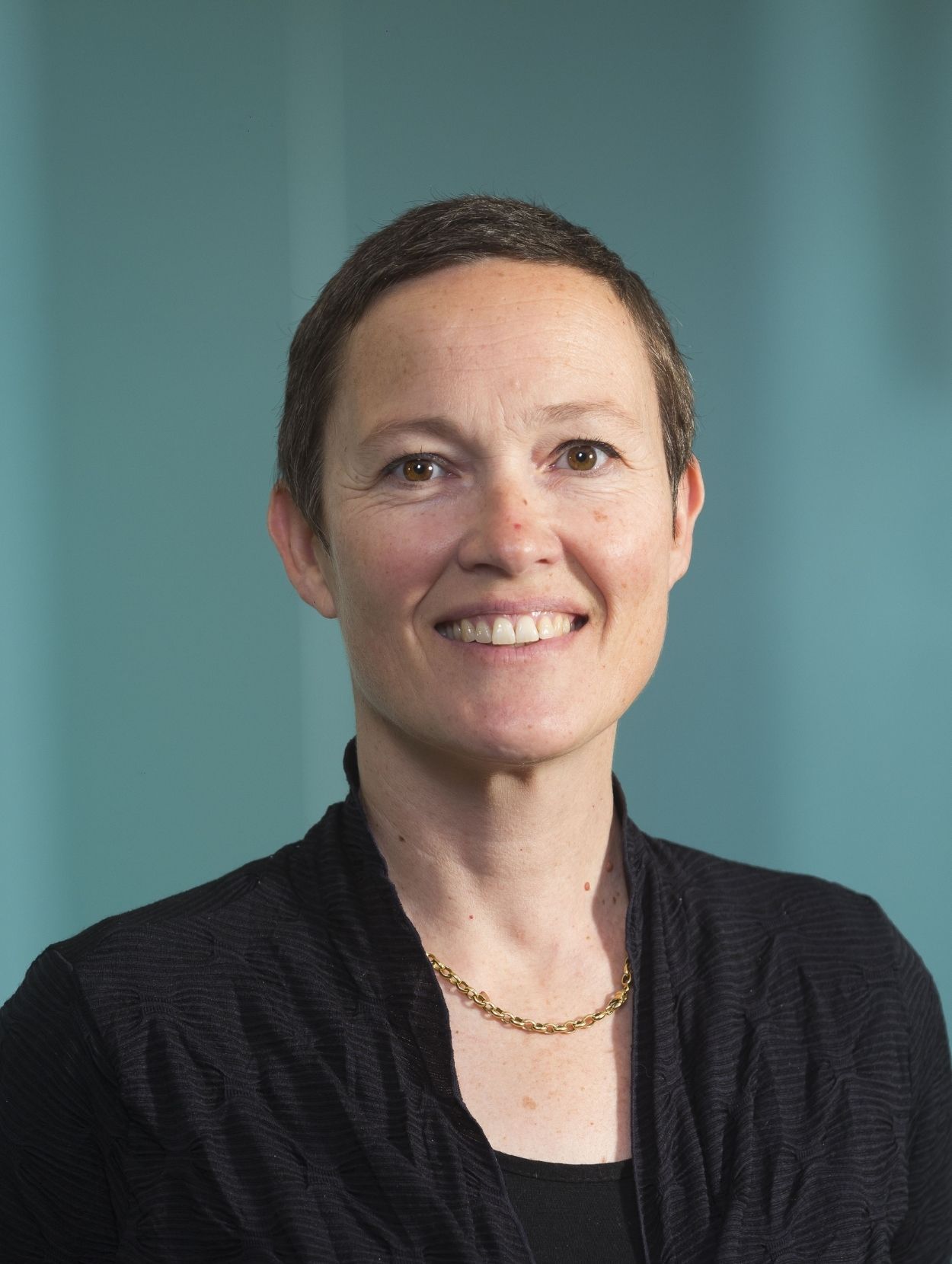
Dr Laurence Orlando
Faculty of Pharmacy and Pharmaceutical SciencesDr Laurence Orlando integrates 15 years of pharmaceutical R&D experience into teaching and co-developing curriculum with industry to prepare students for future careers. Leading the Pharmaceutical Sciences Employability Program, Dr Orlando combines Employability Week, industry-linked units with authentic assessments, structured placements, and a strong alumni–industry network. Initiatives such as the Cosmetic Expo and pioneering Cosmetic Hub provide real-world exposure, earning national recognition and consistently producing market-ready graduates with sustained industry partnerships.
-
The Vice-Chancellor’s Excellence Award for Programs that Enhance Learning recognises learning and teaching support programs and services that make an outstanding contribution to the quality of student learning and the quality of the student experience.
Monash Virtual School (Winner)
Faculty of Education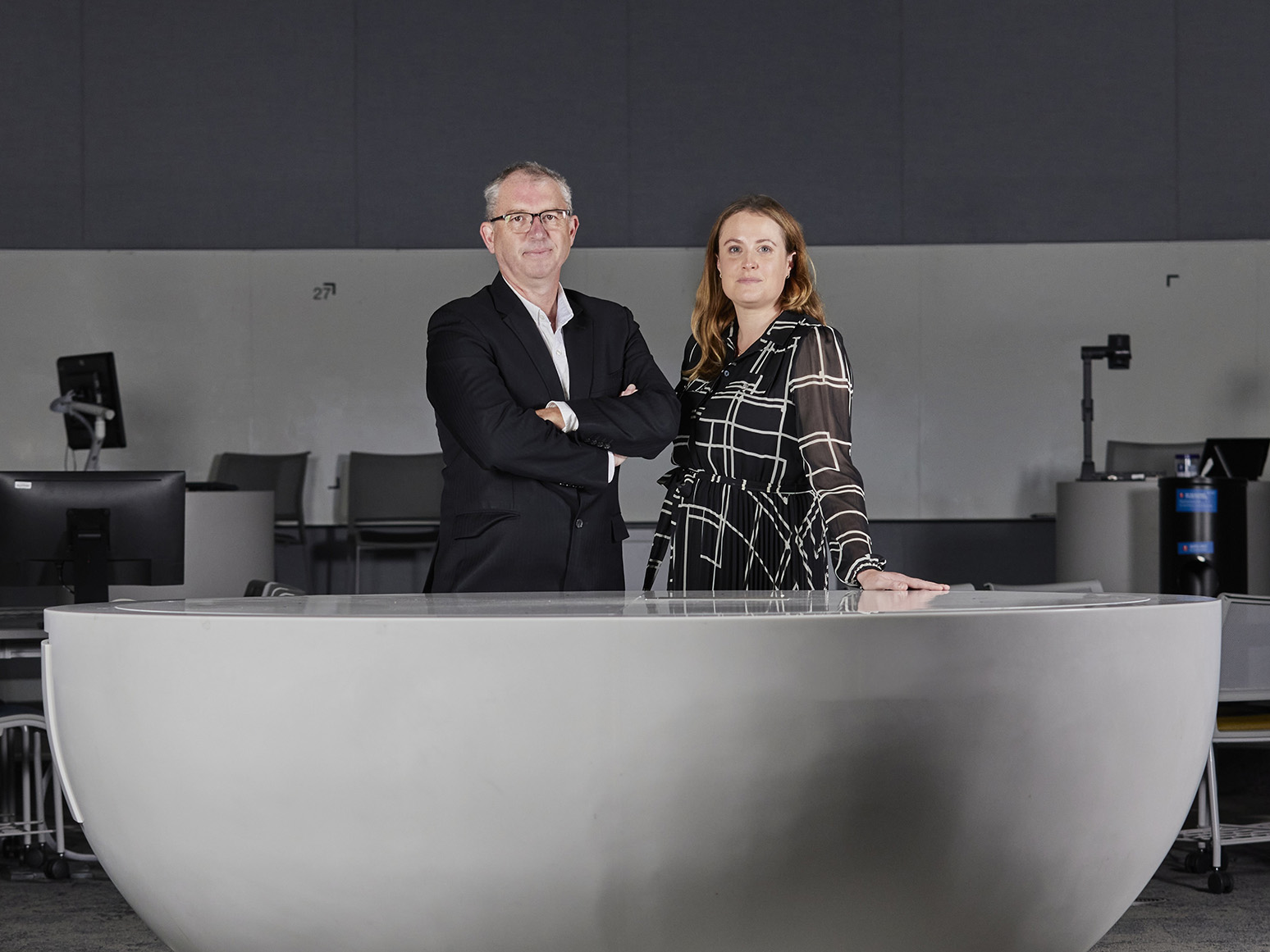
Left to Right: Professor Mike Phillips and Tara Mannix
The Monash Virtual School extends education across diverse contexts, from 400+ Victorian schools with 30,000 senior secondary registrations since 2020, to primary classrooms through co-designed STEM units, as well as displaced learners in Ukraine, Afghanistan, and Myanmar via free online education. Embedding Monash pre-service teachers as lead educators supported by mentors, MVS uses digital pedagogy to bridge access gaps while enhancing both student and teacher learning.
The Power of Partnerships: Co-Designing Curriculum With Students to Enhance Planetary Health (Winner)
Faculty of Medicine, Nursing and Health Sciences, School of Medicine & Health Sciences, Monash University Malaysia, Faculty of Pharmacy and Pharmaceutical Sciences
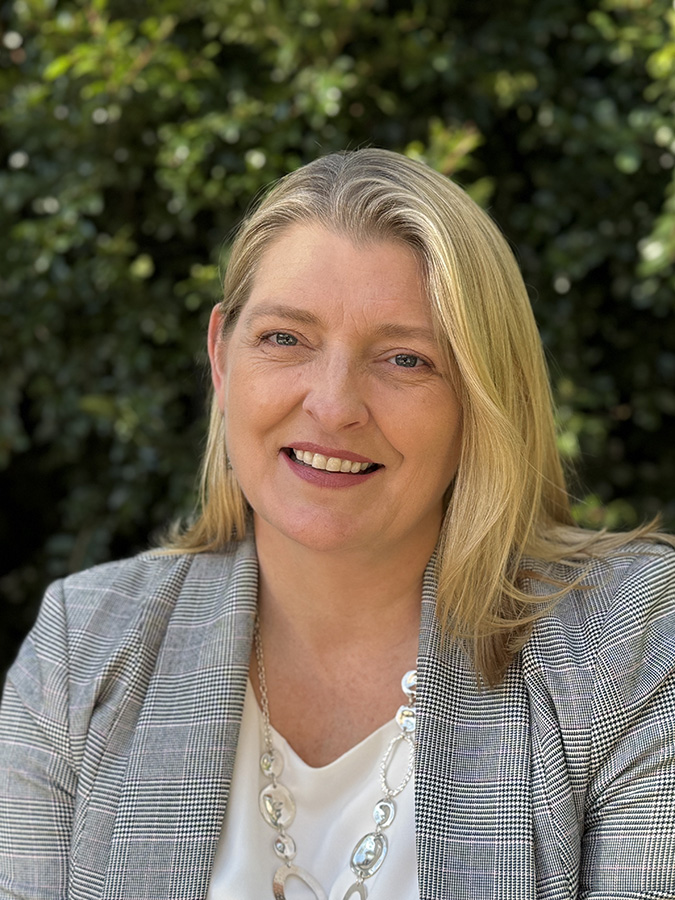
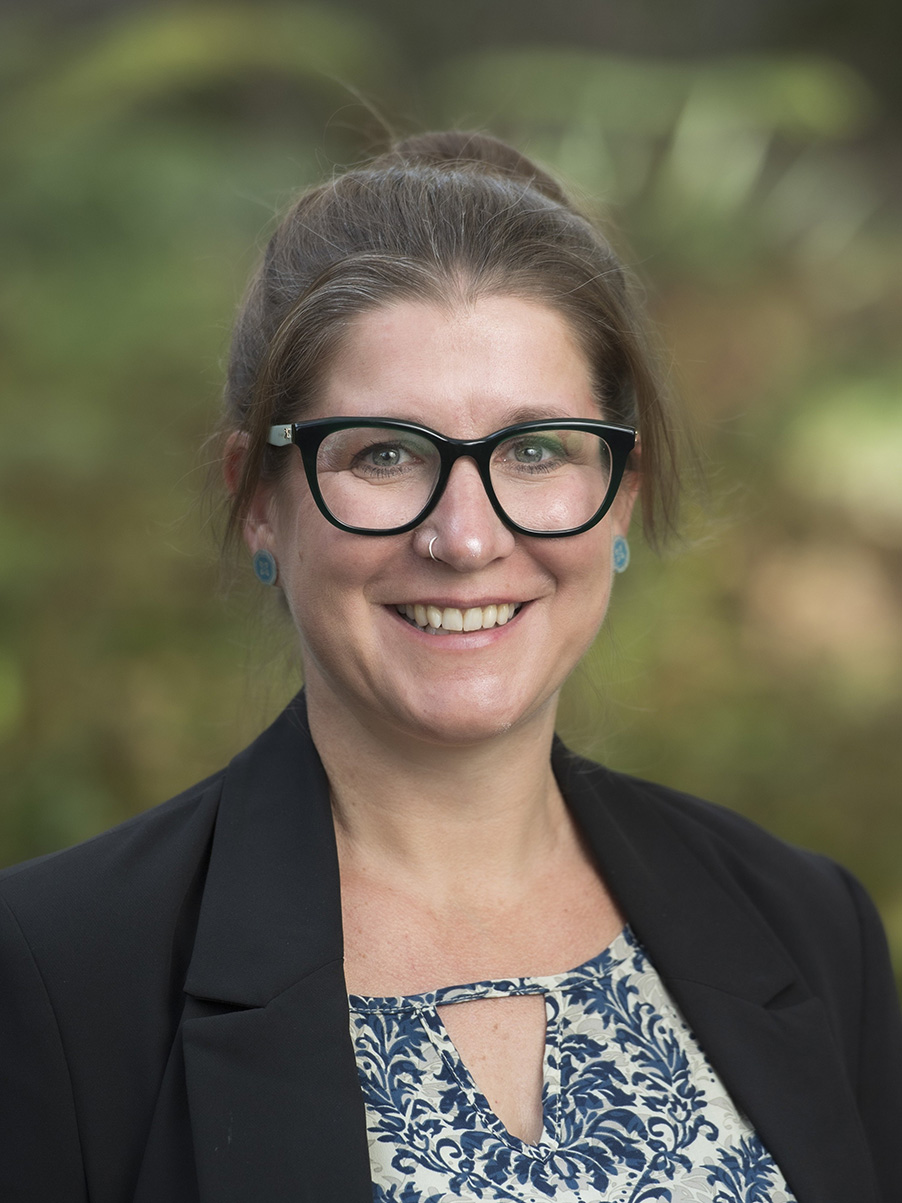
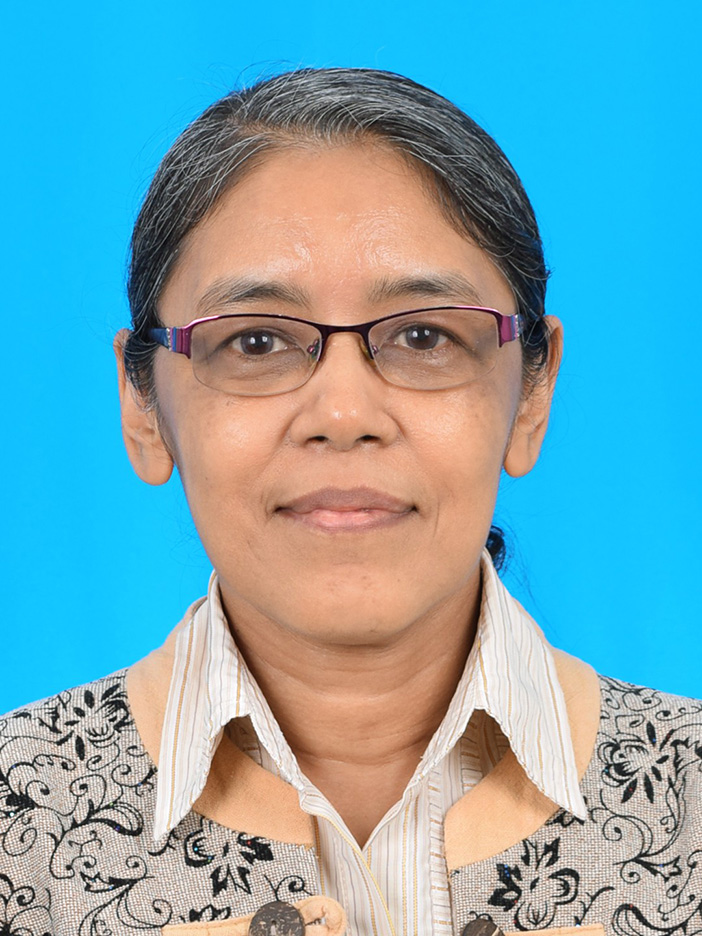


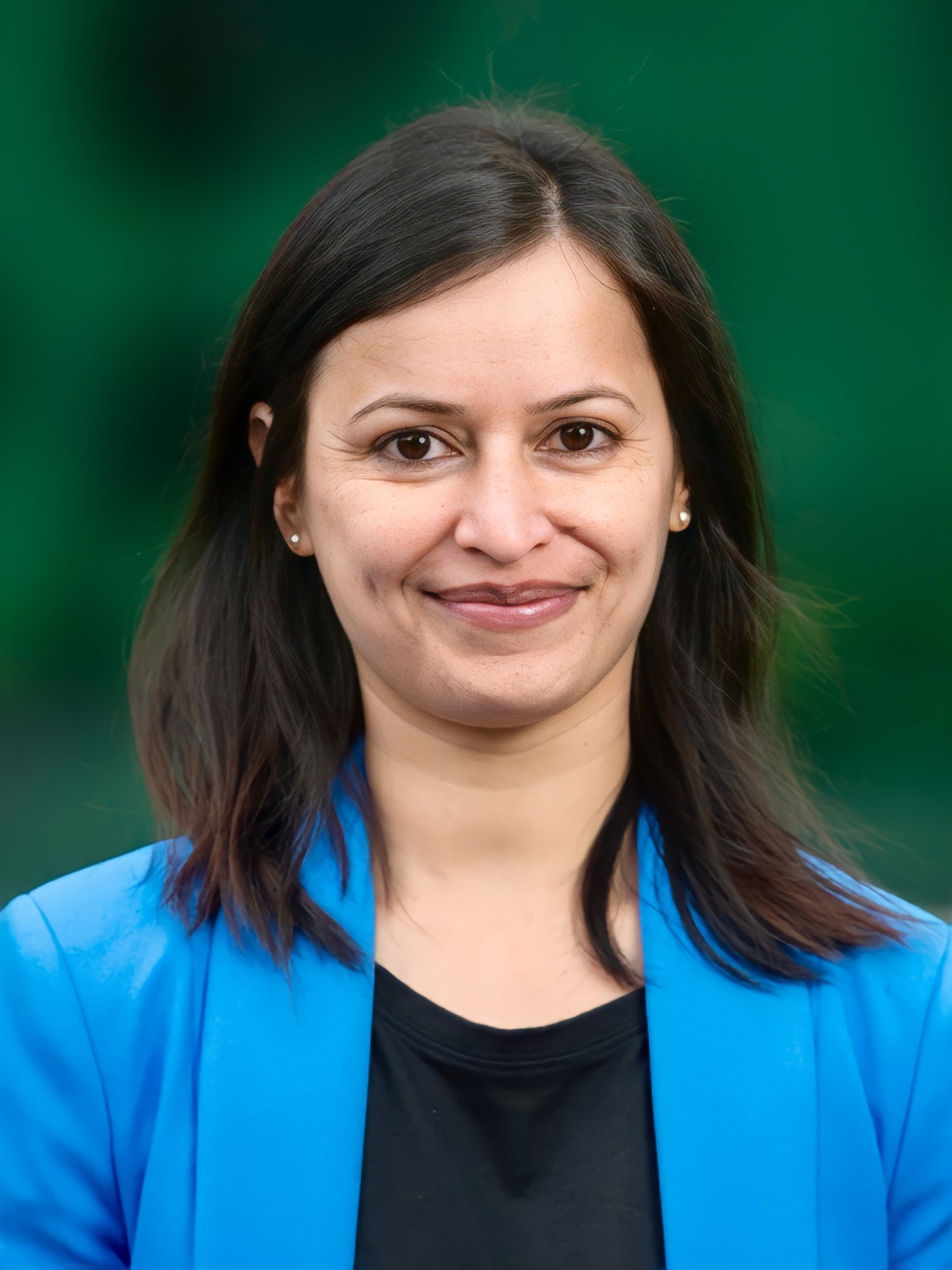


Left to right from top row: Dr Liza Barbour, Associate Professor Meredith Hughes, Sam Hingley, Dr Kyi Kyi Tha, Dr Sarah McGuinness, Roz Williamson, Dr Reyhan Akhtar, Dr Joanne Caldwell, Dr Sonja McKeown, Dr Angelina Lim
This interdisciplinary team embedded planetary health education (PHE) across the Faculty of Medicine, Nursing and Health Sciences curriculum through an 18-month fellowship. Co-designed with 49 students and 18 educators from 12 disciplines, the initiative developed workshops, assessments, labs, and modules now reaching 5,000+ students in Australia and Malaysia. The project has generated publications, toolkits, and international recognition, strengthening healthcare education for planetary health challenges.
Mechanical Design Team (Special Commendation)
School of Engineering, Monash University Malaysia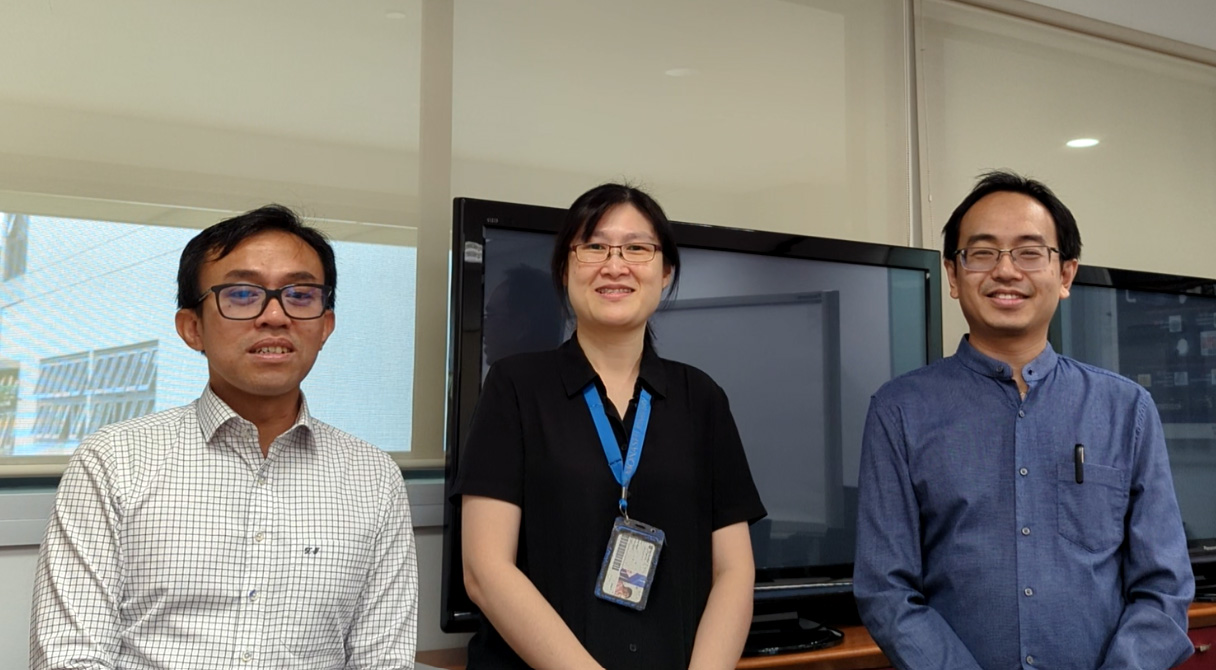
Left to right: Dr Mohd Zulhilmi Ismadi, Dr Lim Jen Nee Jones and Associate Professor Yeong Shiong Chiew
The Mechanical Design Team, consisting of three registered professional engineers, developed the 3P Framework (Prototype, Proficiency, Practitioner) to produce industry-ready graduates. Using scaffolded, experiential learning across integrated design units, students progress from guided challenges to analytical optimisation and capstone projects pitched to industry. Aligning with Impact 2030 priorities, the program has boosted SETU scores from 4.18 to 4.78 and empowered students to win international design competitions by demonstrating advanced problem-solving agility.
Monash University Korean Studies
Faculty of Arts
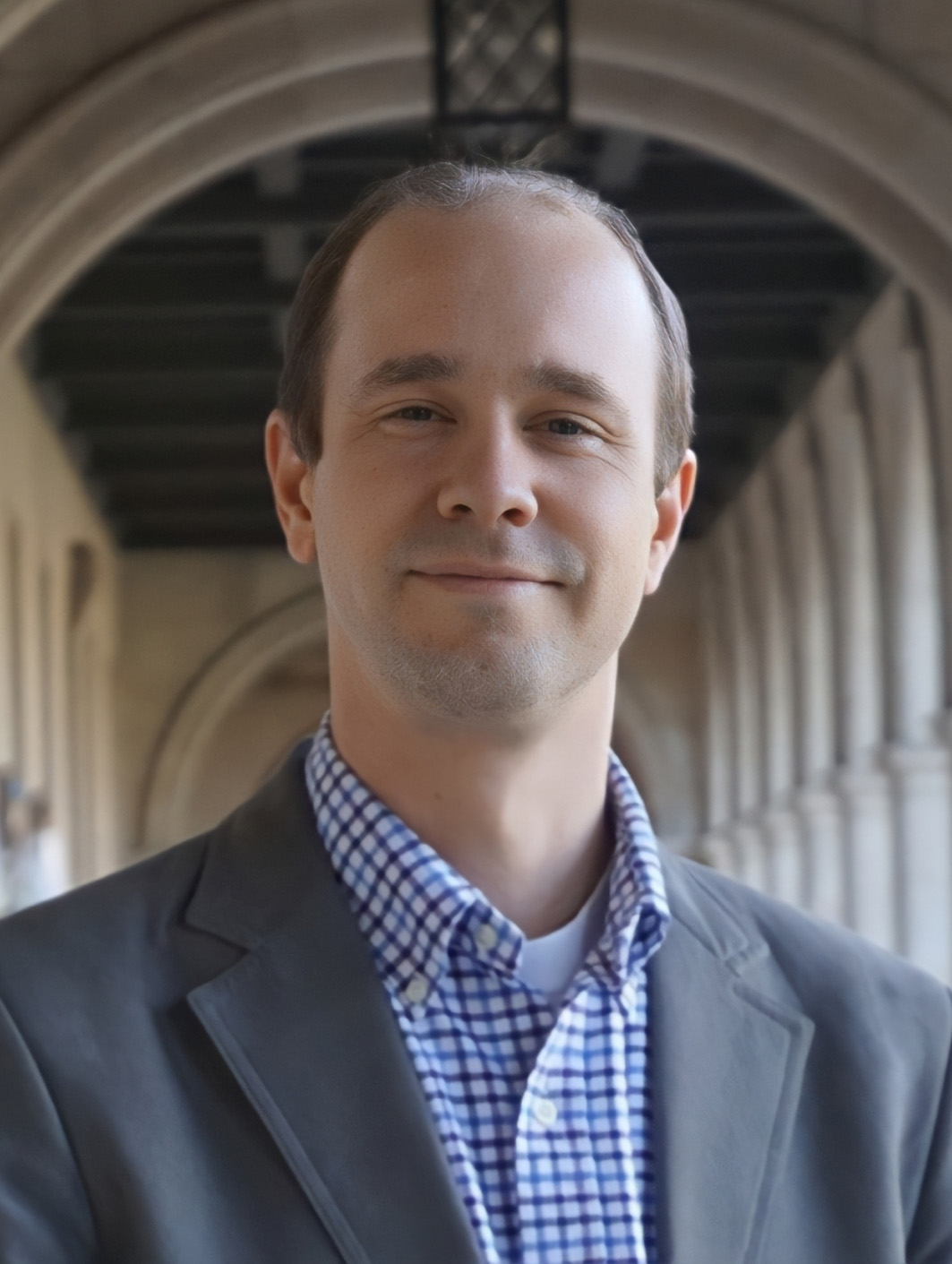
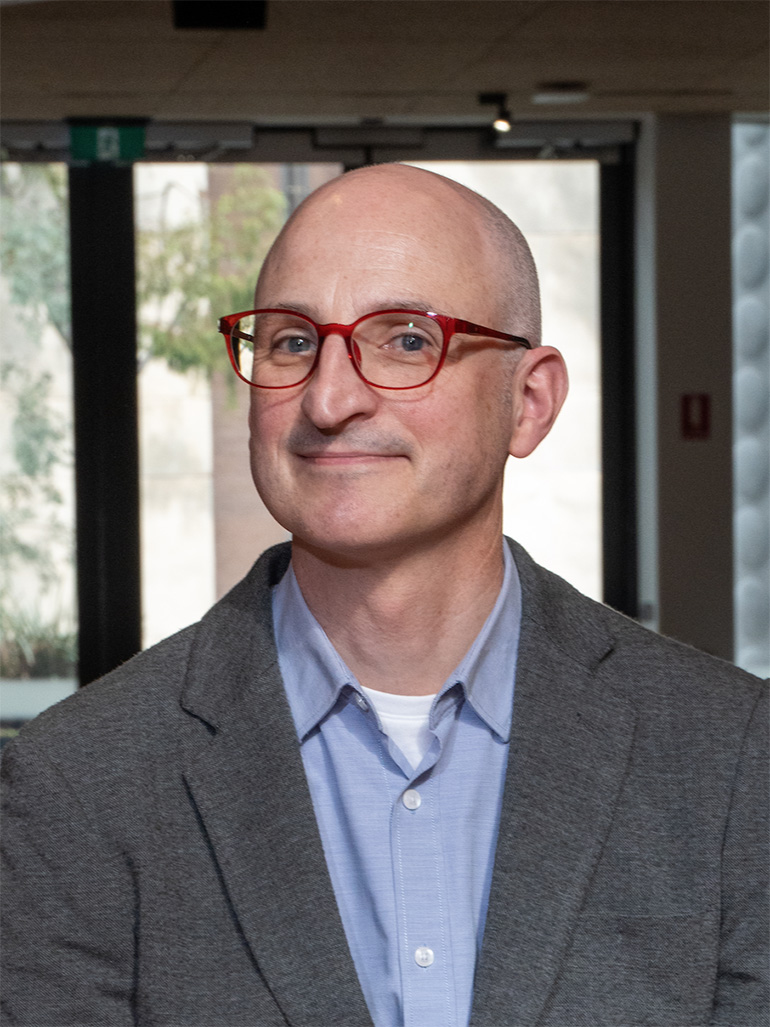
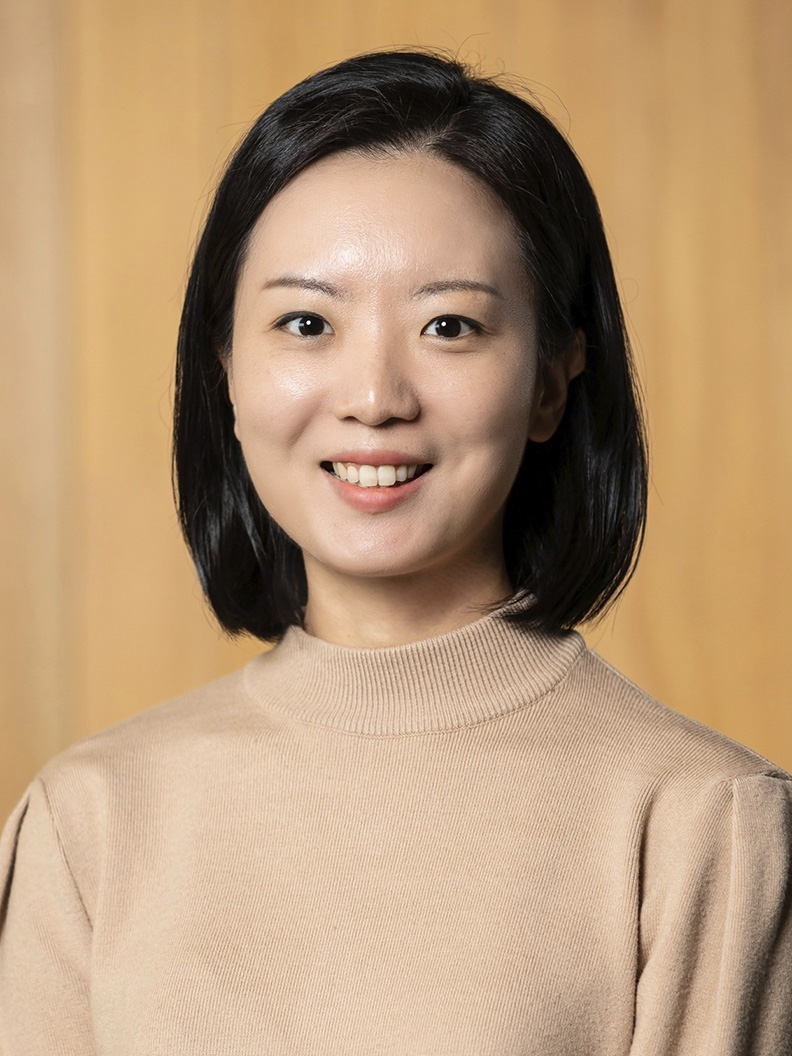
Left to right: Associate Professor Andy Jackson, Sandy Nguyen, Dr Daniel Pieper, Associate Professor Lucien Brown, Dr Hyein Cho
The Monash University Korean Studies team prepares students for success beyond graduation by integrating transferable skills and real-world connections into their programs. Initiatives include an in-class student support scheme employing students as teaching assistants, an internship program cultivating Korea-related opportunities, and Asian Languages Careers Week connecting students with employers. These approaches enhance classroom learning, foster peer support, and strengthen employability in a competitive post-pandemic job market.
Pharmaceutical Science Honours Transformation Team (PharmaHoTT)
Faculty of Pharmacy and Pharmaceutical Sciences
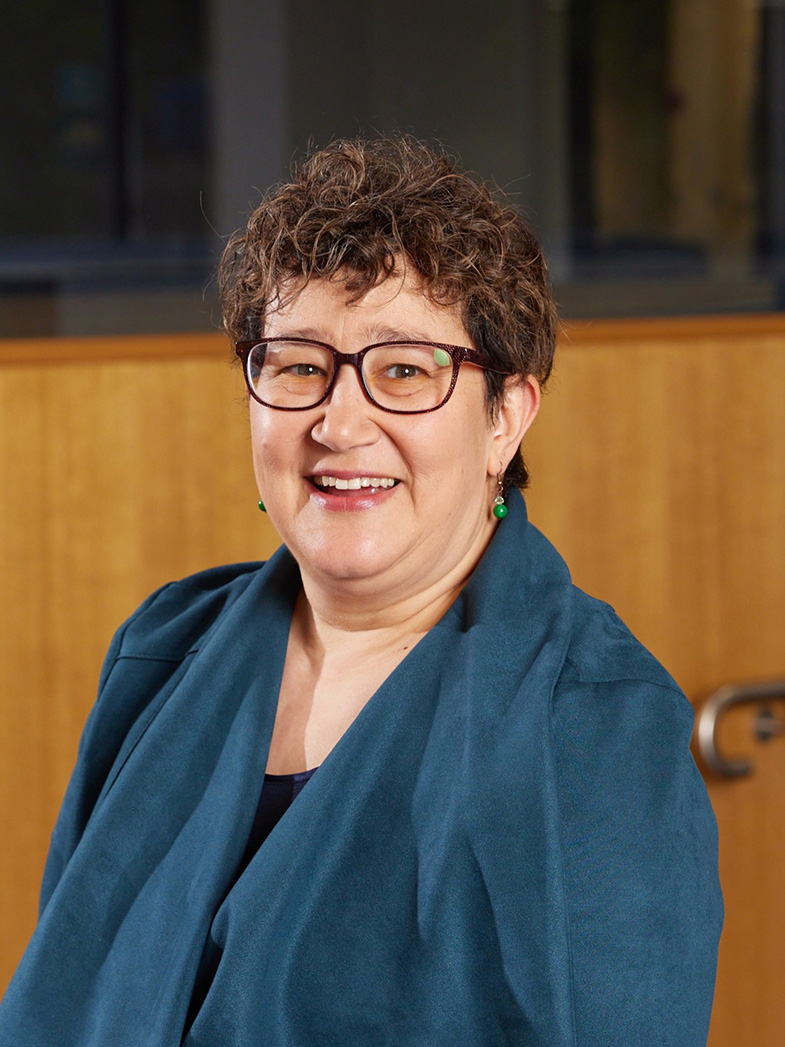
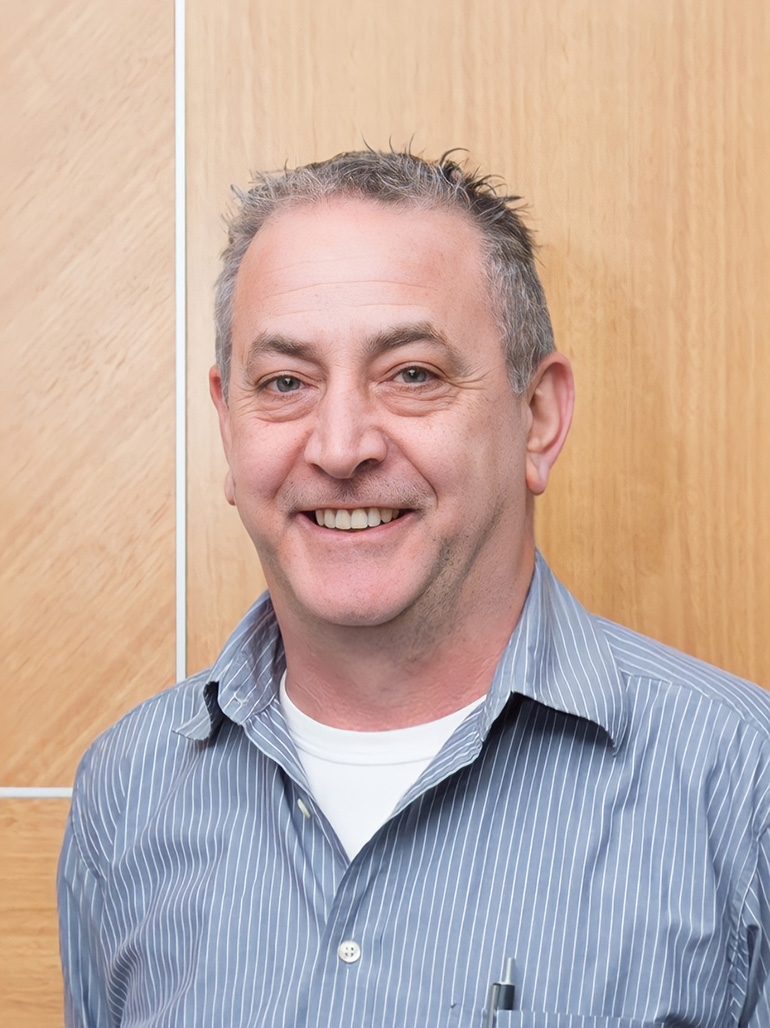


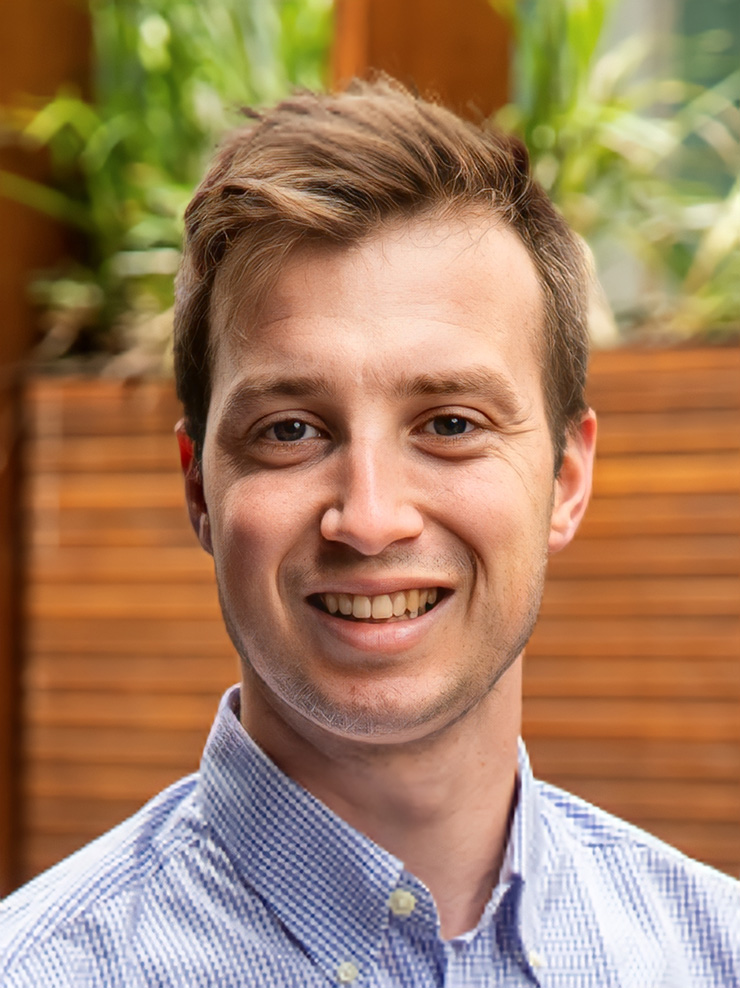


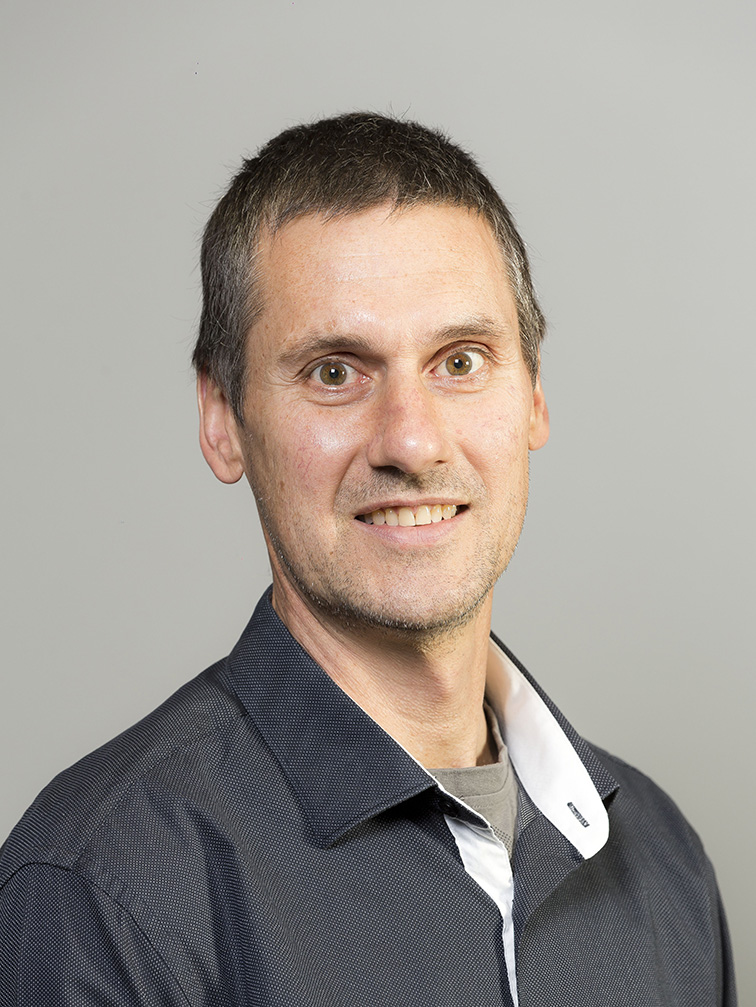
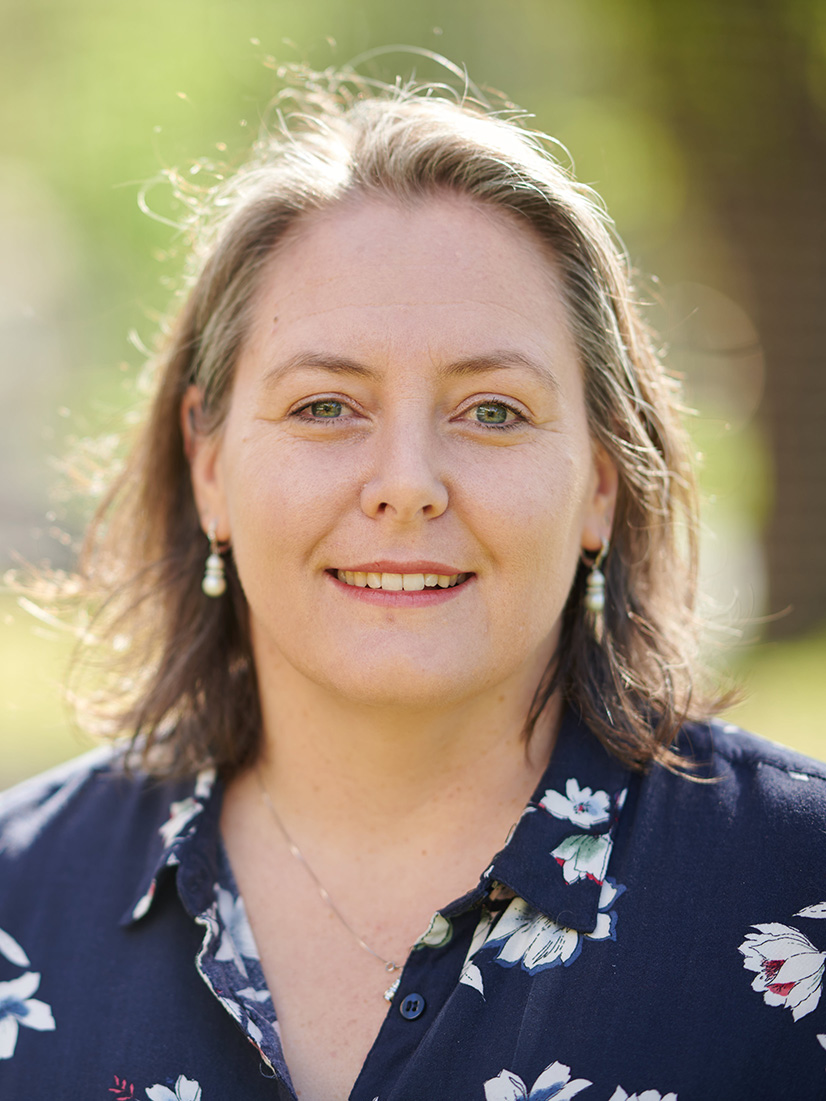
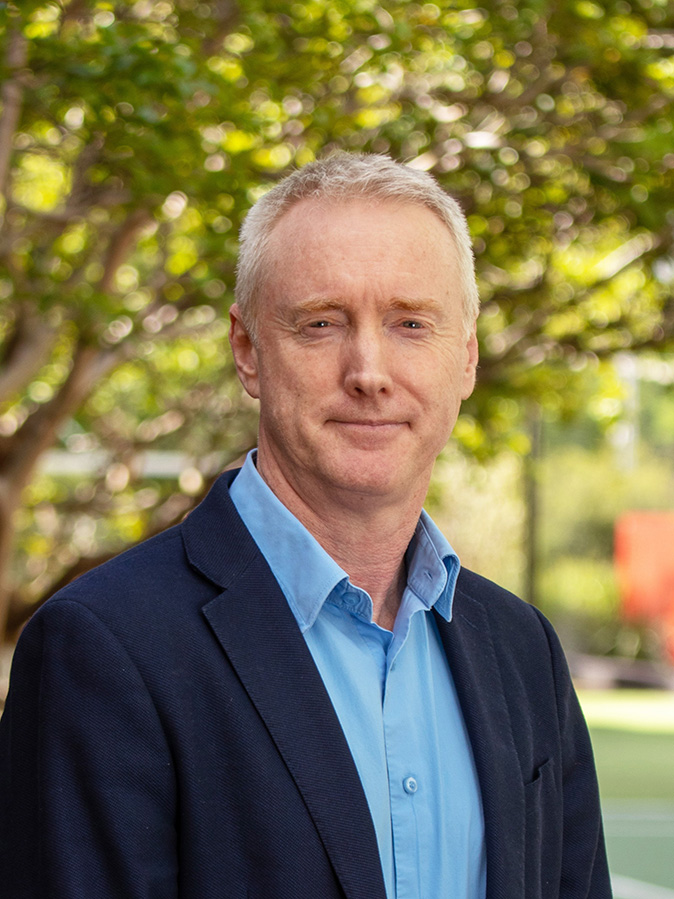
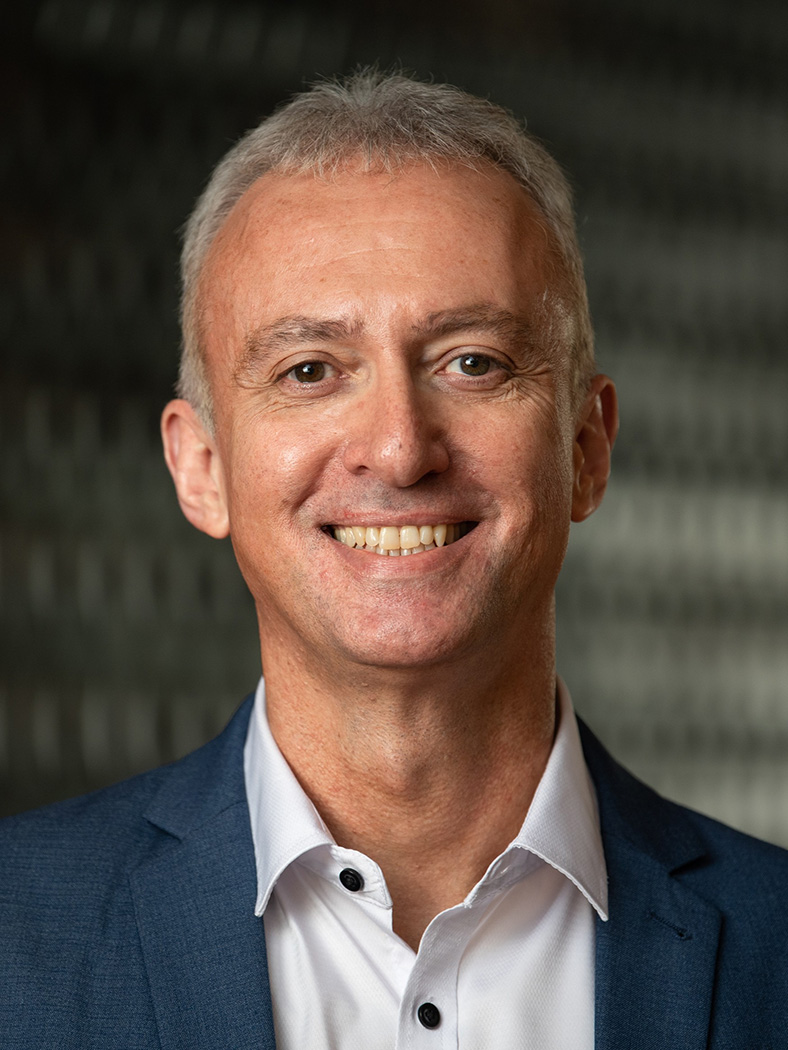
Left to right: Associate Professor Betty Exintaris, Associate Professor Elizabeth Yuriev, Dr Sab Ventura, Dr Nilushi Karunaratne, Dr Megan Waldhuber, Dr Wessel Burger, Karen Drakatos, Gaby Bright, Dr Ian Larson, Associate Professor Jennifer Short, Professor Paul White, Professor Arthur Christopoulos
The Pharmaceutical Science Honours Transformation Team (PharmaHoTT) redesigned the Honours program to create a consistent, equitable, and inclusive learning experience. Introduced in 2021, the modular online coursework model – combined with interactive workshops and a distinctive “choose your own pathway” approach – balances flexibility with consistency. Since redevelopment, enrolments have grown, 43% of graduates have secured PhD scholarships, and feedback highlights improved learning, assessment, and preparedness for future study.
MRH GippslandxGRPHU
Faculty of Medicine, Nursing and Health Sciences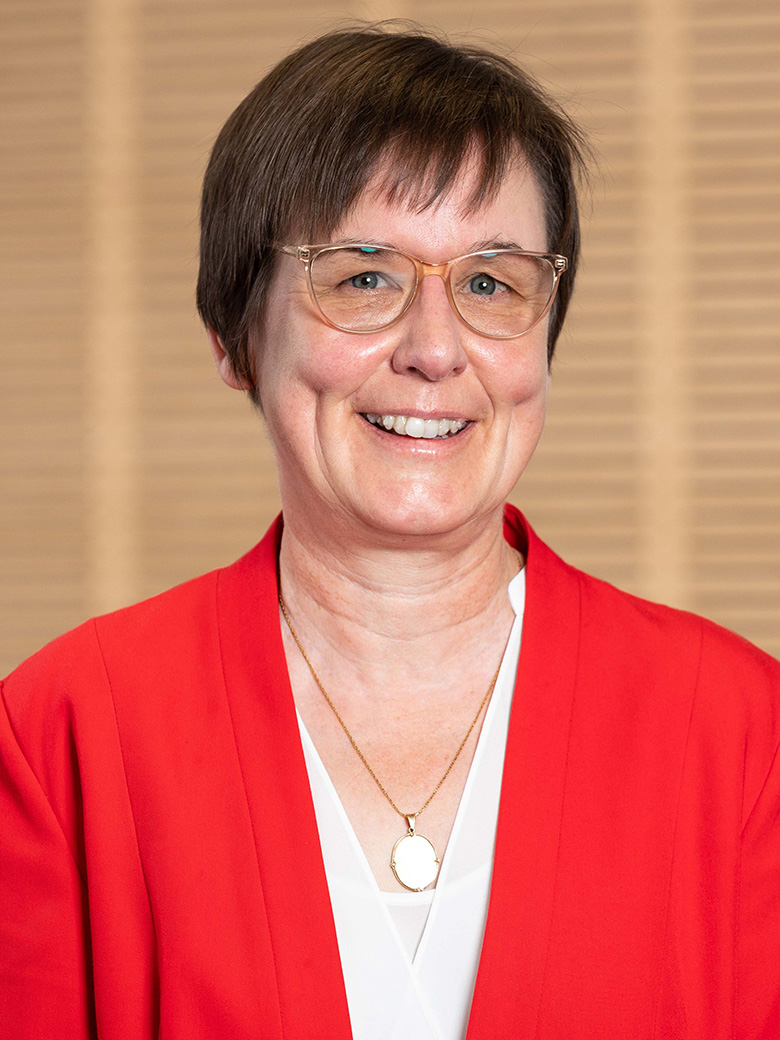
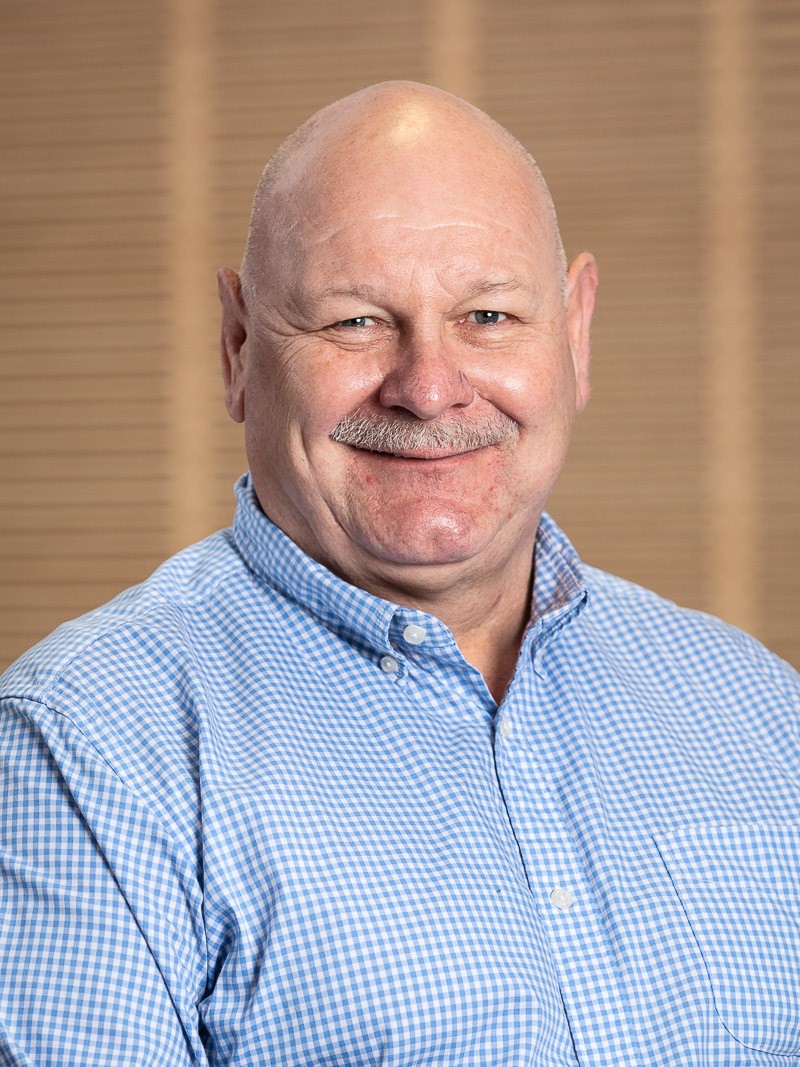

Left to right: Associate Professor Catherine Haigh, Dr Paul Brougham, Associate Professor Alyce Wilson
The Gippsland Region Public Health Unit (GRPHU) placement program integrates public health education into clinical placements for Monash Rural Health medical students on general practice rotations. Addressing a key gap in rural training, students join multidisciplinary teams to link clinical practice with community health issues. Grounded in experiential learning, the program provides authentic public health tasks and projects, aligning with Monash Medicine and Australasian Faculty of Public Health Medicine curricula.
Australia’s First and Largest Fully Funded Study Abroad Program: the Global Immersion Guarantee
Office of the Deputy Vice-Chancellor (Student Experience) and Senior Vice-President



Left to right: Dr Gabriel Garcia Ochoa, Katy Condict, Liana Evans, Mati Chinyanda, Dr Louise Barren, Dr Sarah Gosper
The Global Immersion Guarantee (GIG) is Australia’s largest fully funded study-abroad program, making international learning accessible to first-year Monash students. Operating across ten locations in nine countries, GIG engages thousands annually in hands-on sustainability challenges with community partners, NGOs, and universities. Grounded in critical pedagogy and global studies, the two-week program fosters interdisciplinary teamwork, intercultural competence, and transformative learning, embedding inclusivity and sustainability at scale in the Monash student experience.
Stephanie Collins and Ben Wellings
Faculty of Arts

Left to right: Associate Professor Stephanie Collins, Associate Professor Ben Wellings
Stephanie Collins and Ben Wellings developed a distinctive “relational philosophy” while leading a Bachelor of Politics, Philosophy, and Economics (BPPE) capstone study tour to India. Treating educators and students as partners, they use humour, empathy, and openness to foster curiosity and confidence in learning. Adapted across three core BPPE units, the approach has improved student engagement, satisfaction, and SETU outcomes, with strong testimonials affirming its transformative impact.
Student Academic Success (SAS)
Office of the Deputy Vice-Chancellor (Student Experience) and Senior Vice-President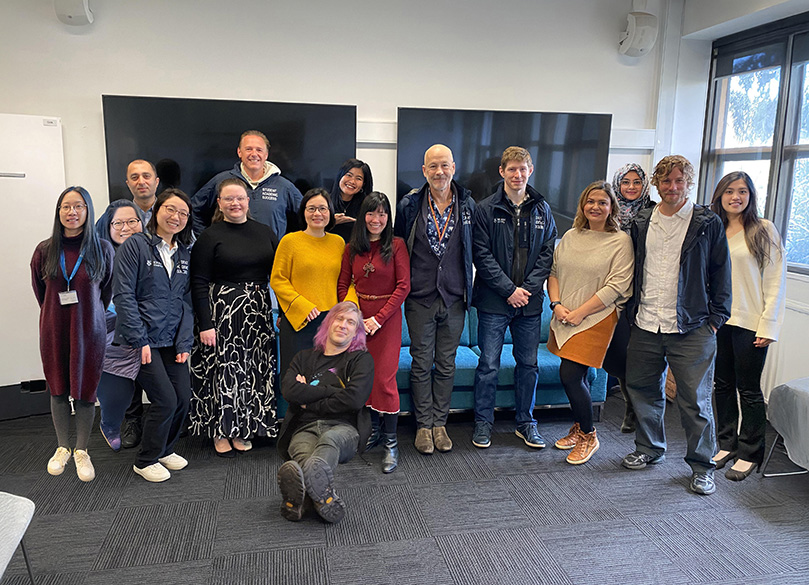
Left to right from top row: Dr Alireza Sharifjafari, Sebastian Borutta, Dr Yeni Karlina
Left to right from bottom row: Chen Li, Emily Pui Ying Leung, Lynn Lin, Victoria Radnell, Dr Ha Nguyen, Dr Thu Do, Damian Gleeson, Dr Sam Haugh, Dr Negar Mehr, Dr Farzana Khan, Jonny Wouters, Narelle Shen, Termy CornallThe Student Academic Success (SAS) team goes beyond delivering workshops, resources, and 1:1 support by building genuine learning relationships with students. Their relational model transforms academic support into ongoing partnership, positioning SAS as a trusted ally in each student’s journey. Central to Monash’s efforts in boosting retention and preventing withdrawal, SAS empowers students not only to succeed in their studies but to thrive beyond university.
Research and Enterprise Awards
-
The Vice-Chancellor’s Award for Excellence in Research Infrastructure recognises Research Infrastructure Specialists, both academic and professional, who have recently achieved, or are currently achieving, exceptional contributions to the success of Monash research through the operations and management of research infrastructure or the provision of related services to the research community.
National Centre for Healthy Ageing Data Platform (Winner)
Faculty of Medicine, Nursing and Health Sciences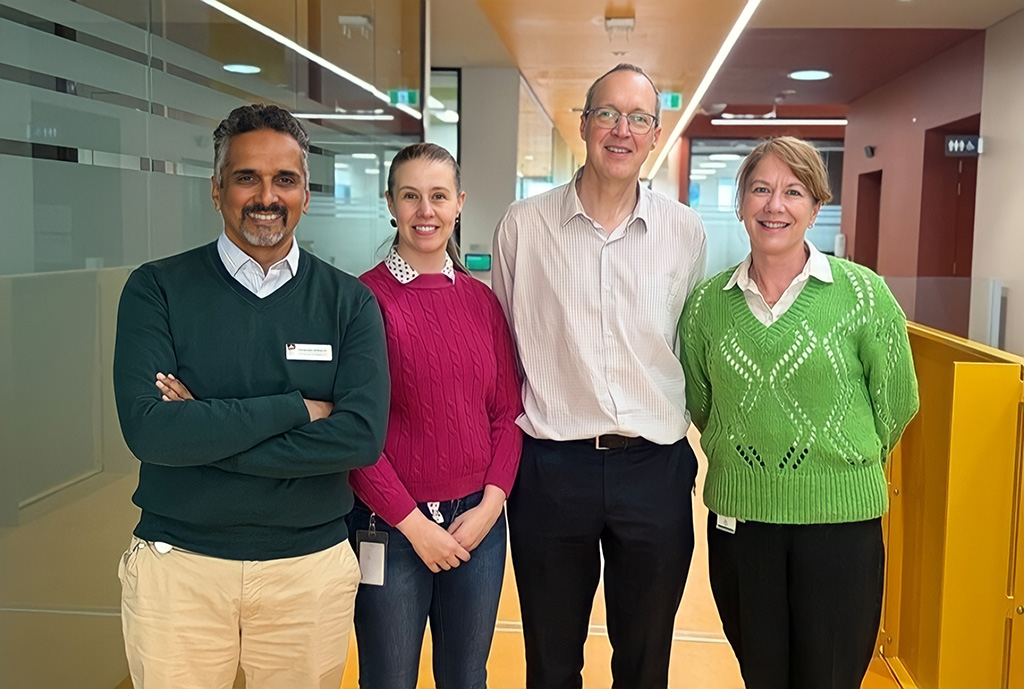
Left to right: Professor Velandai Srikanth, Dr Taya Collyer, Associate Professor Richard Beare and Professor Nadine Andrew
By successfully establishing Australia’s first linked hospital Electronic Health Record (EHR) research data platform, the team of the National Centre for Healthy Ageing Data Platform have addressed significant barriers, laying foundations for Monash’s success in this domain. In four years, hospital data across an entire region has been integrated, made readily accessible, and curated for research requirements. Containing more than one million patients (~4M encounters) over 10 years, the platform supports AI-applications in medicine, the resolution of technical research challenges, and linkages to external datasets. Impact is exemplified by researchers from diverse disciplines leveraging the platform for over 50 projects and more than $18.5M in grant funds. National expansion is underway through collaborations with Commonwealth-funded organisations.
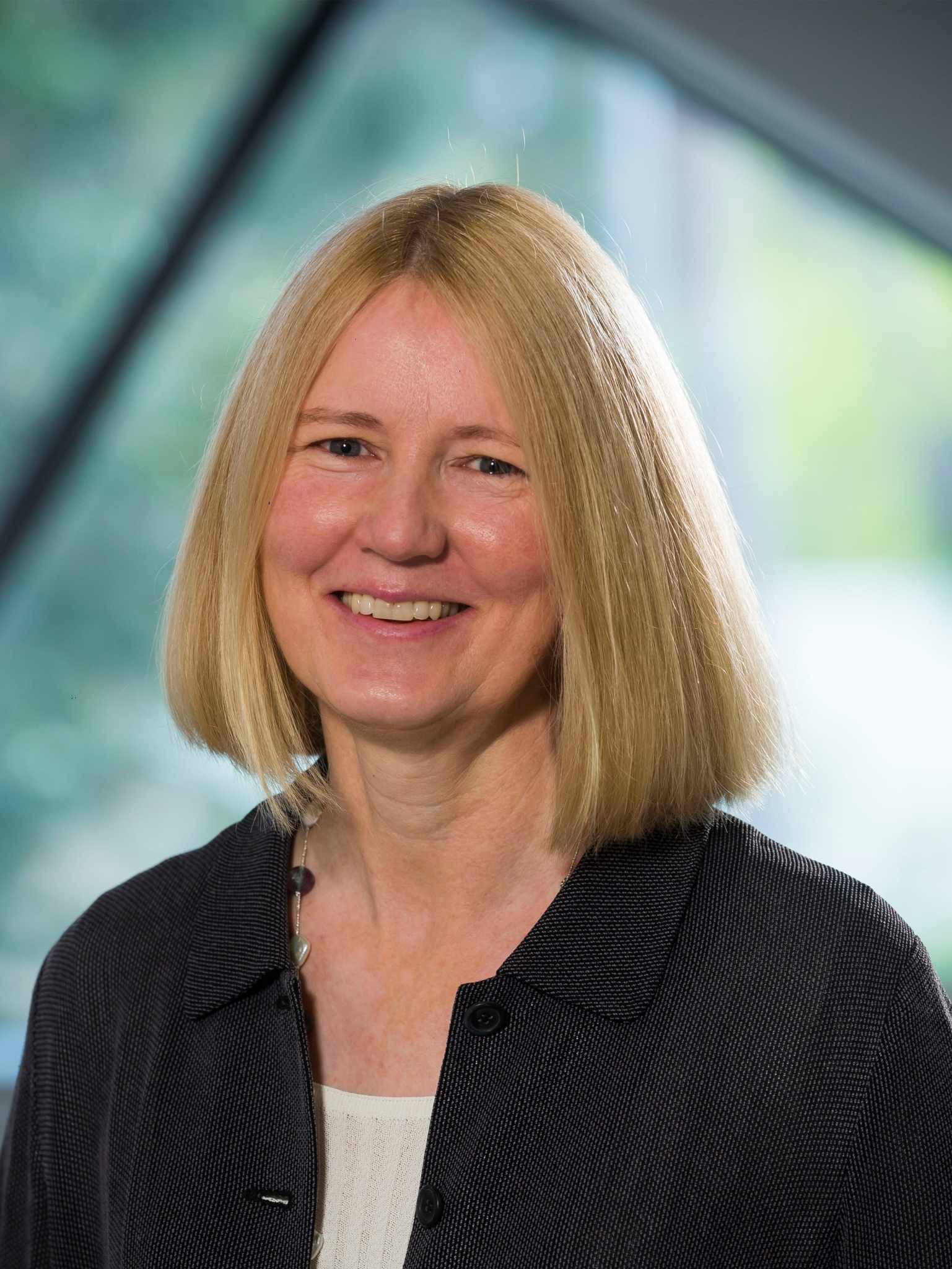
Professor Joanne Etheridge (Winner)
Faculty of ScienceProf. Joanne Etheridge FAA is the founder of the Monash Centre for Electron Microscopy (MCEM). Through her exceptional leadership, MCEM has developed into a critical research platform at Monash University, and a national leader in electron microscopy with an international reputation for excellence and pioneering research. In the last two years, Prof. Etheridge has led the renewal of approximately half of MCEM’s microscope fleet, resulting in a significant expansion of the platform’s research capabilities. This will enable important scientific and societal challenges to be tackled at Monash for the next 5-10 years, in fields as diverse as energy, green chemistry and biomaterials.
Point-of-Care MRI (PoCeMR)
Monash Biomedical Imaging, Faculty of Information Technology, Faculty of Medicine, Nursing and Health Sciences, Alfred Health, The University of Western Australia and Royal Perth Hospital, South Australian Health and Medical Research Institute, The University of Queensland, Queensland University of Technology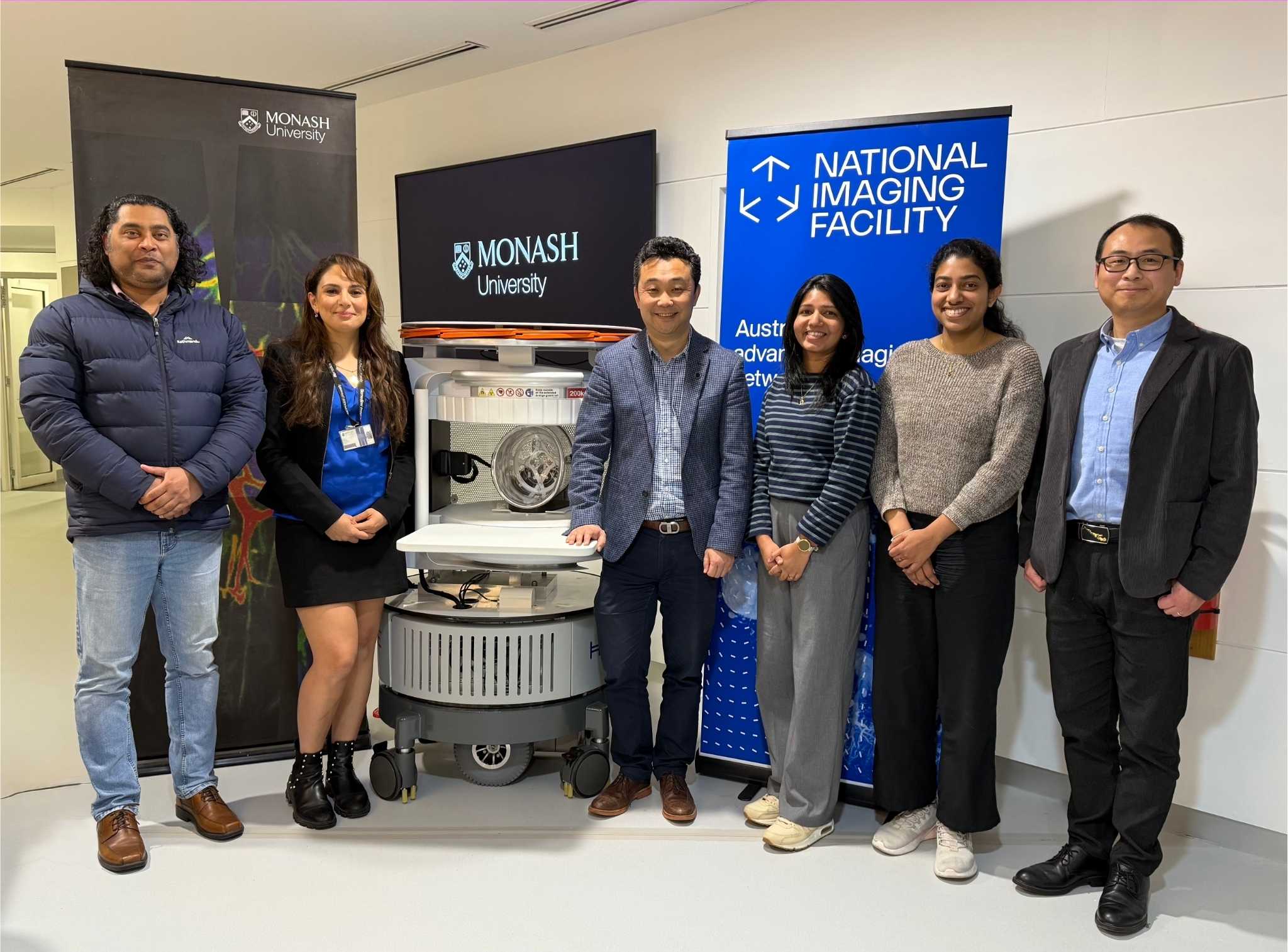
Left to right: Dr Kh Tohidul Islam, Parisa Zakavi, Associate Professor Zhaolin Chen, Dr Himashi Peiris, Sanuwani Dayarathna, Dr Shenjun Zhong
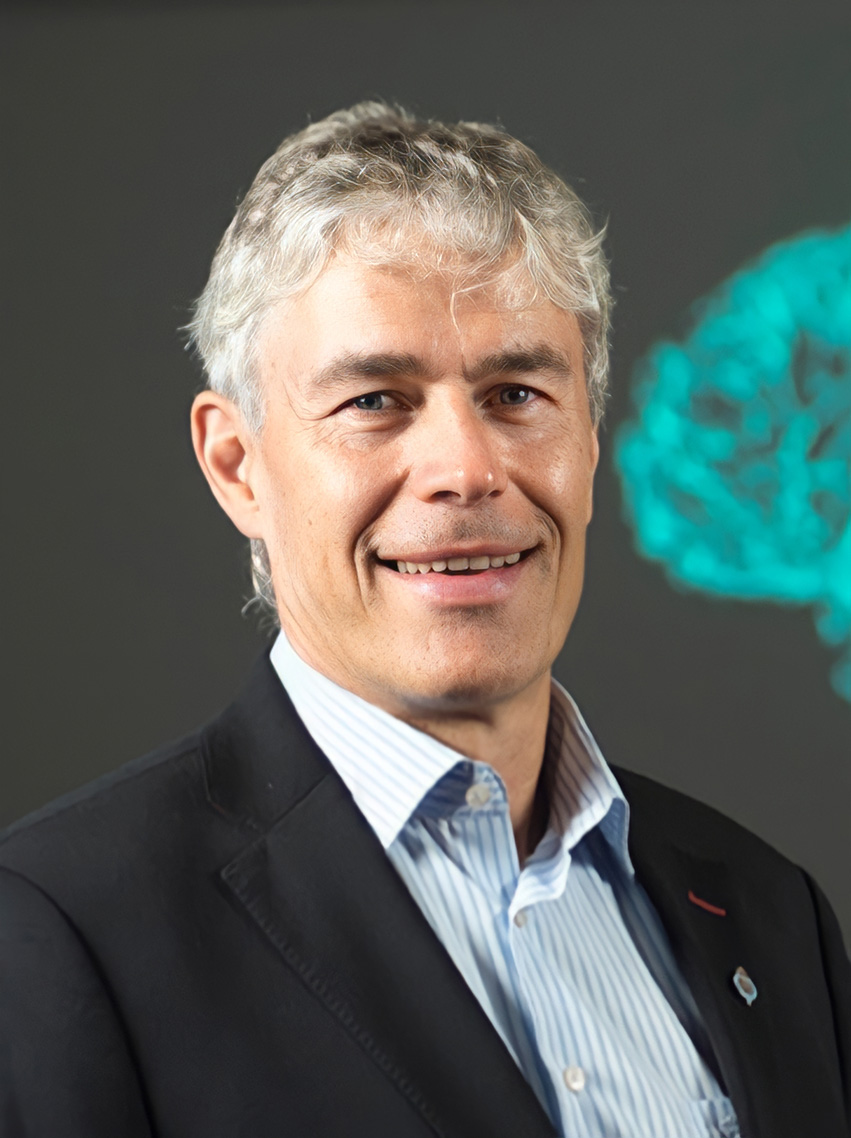
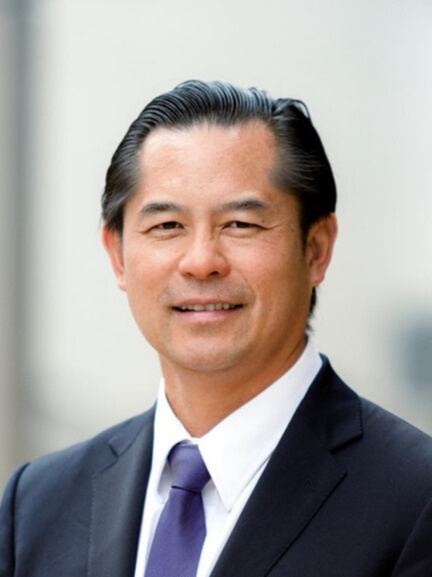
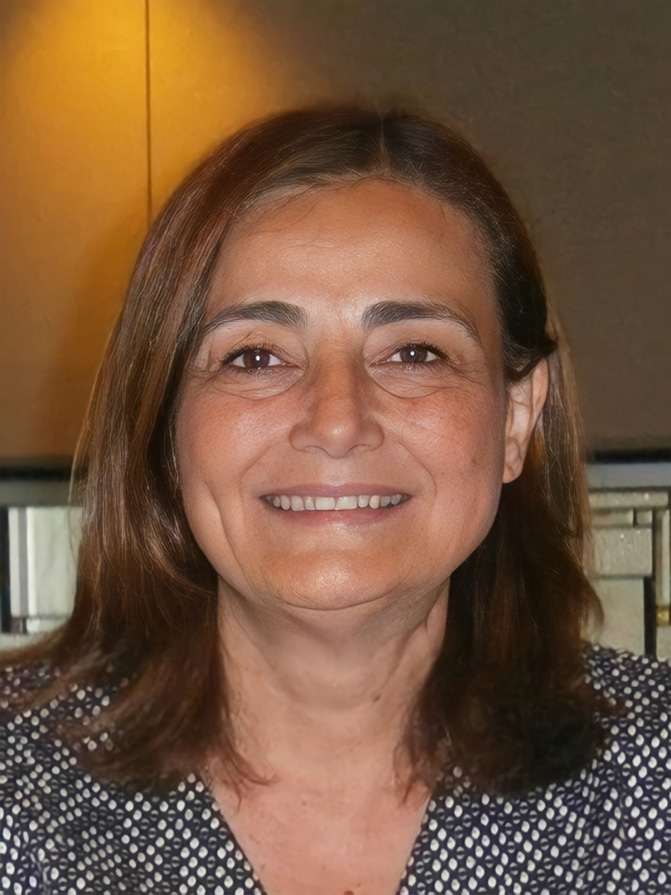
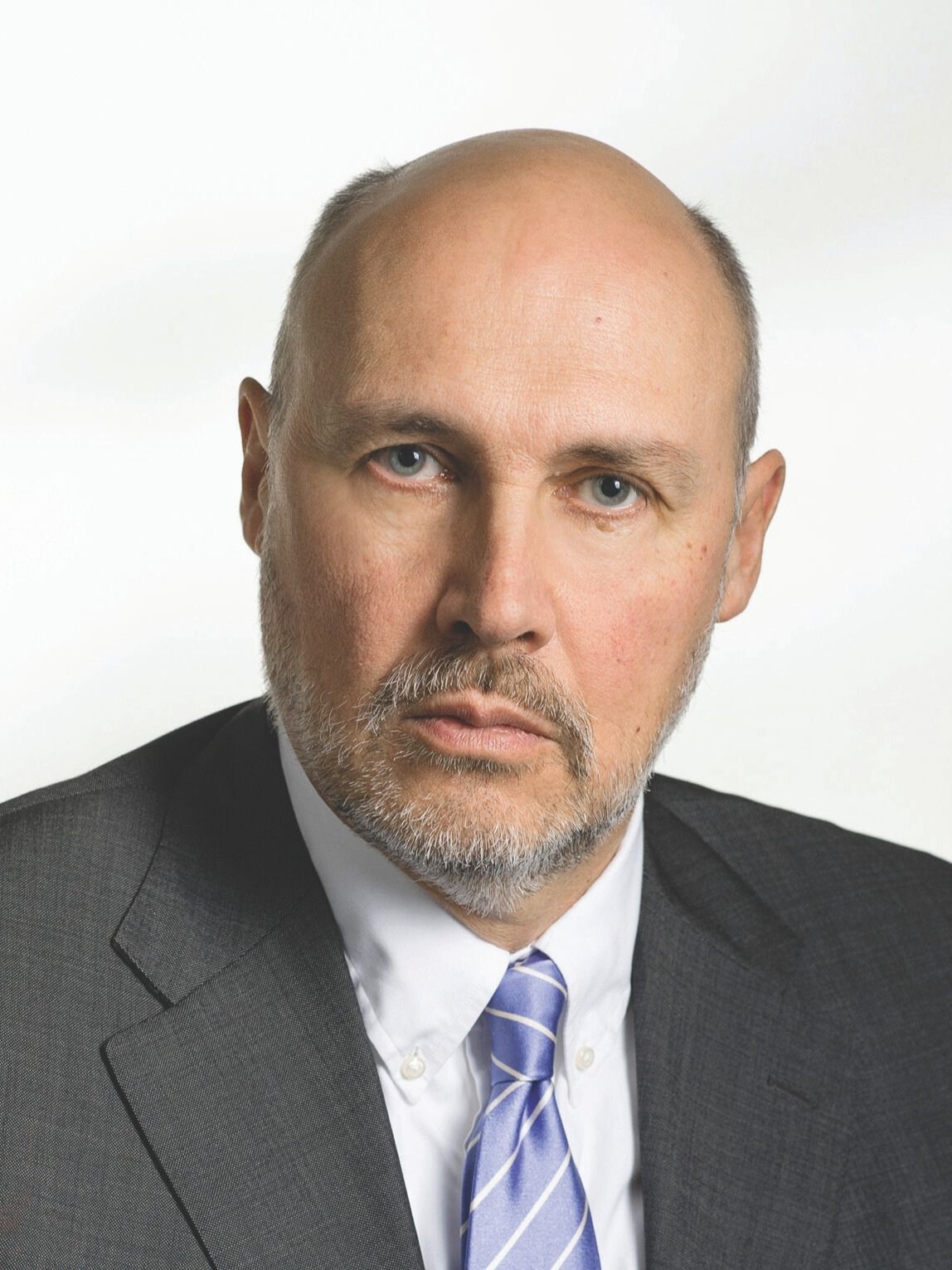
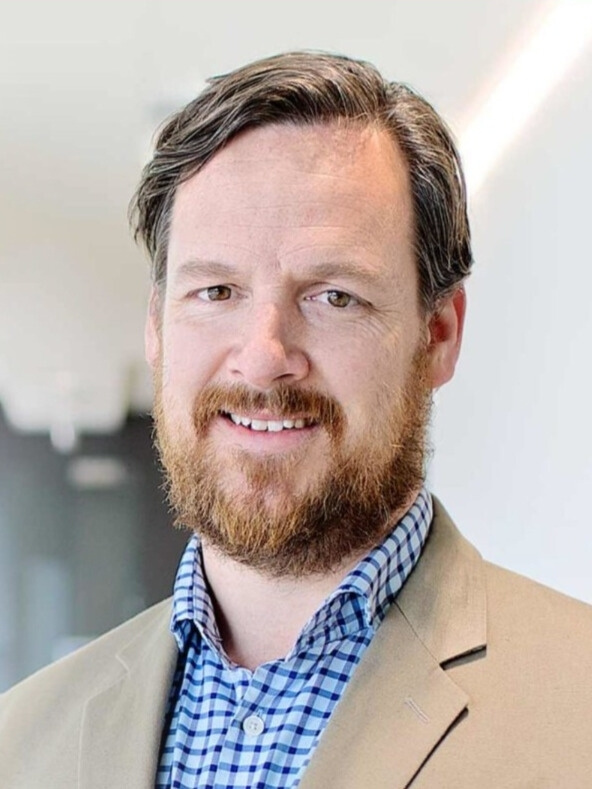
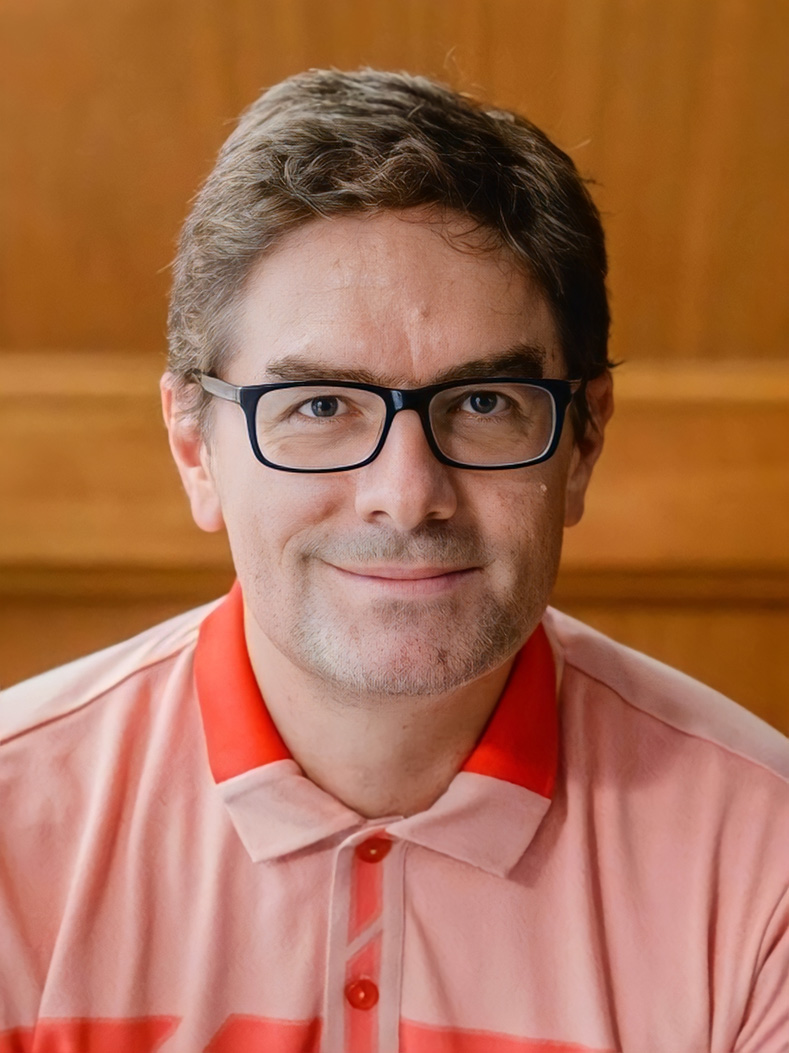

Left to right: Professor Gary Egan, Professor Meng Law, Associate Professor Helen Kavnoudias, Professor Paul M Parizel, Dr Andrew Dwyer, Professor Markus Barth, Professor Katie L. McMahon
The point-of-care magnetic resonance (PoCeMR) network project is a national collaboration supported by the National Imaging Facility. The team has established Australia’s first PoCeMR network, centred on Monash Biomedical Imaging infrastructure and forming a strong collaboration with the Faculty of IT. In partnership with industry leaders Hyperfine, and collaborators from the University of Queensland, Royal Perth Hospital, SAHMRI, and Alfred Health, this project advances brain imaging through AI-enhanced low-field MRI. By enabling point-of-care access, PoCeMR delivers critical benefits to clinical and research communities across Australia, with strong potential to improve imaging accessibility in remote and underserved regions.
Monash HPC Team
Monash eResearch Centre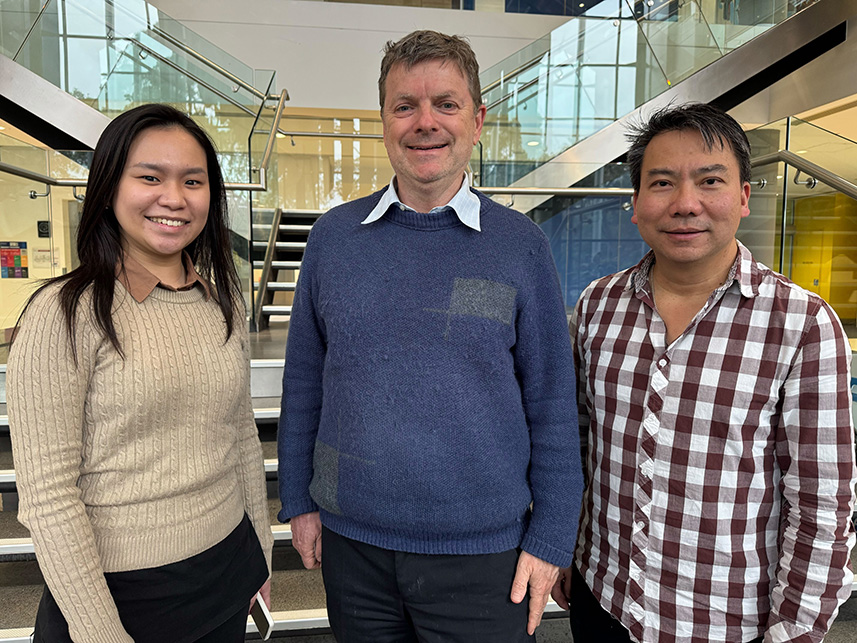
Left to right: Angelika Dibijo, Simon Michnowicz, Philip Chan
Monash’s high-performance computing (HPC) infrastructure continues to be a critical enabler of research across disciplines, including biomedical science, engineering, information and computing science and neuroimaging. By providing computational power far beyond standard desktop capabilities, the HPC systems allow researchers to perform complex simulations, large data processing and analysis, and AI model training. In 2024, the HPC cluster supported the development of a novel AI tool for drug discovery, leading to a publication in Nature Medicine. In 2025, the upgraded system featuring H100 GPUs powered another Nature Medicine study, which introduced an AI model to assist early diagnosis of skin cancer.
-
The Vice-Chancellor’s Award for Excellence in Research Engagement and Impact recognises research staff who have achieved, or are currently achieving, exceptional impact, particularly through transdisciplinary challenge-led research. The award celebrates success in collaborative working, partnerships, engagement and knowledge mobilisation activities that have led to significant community benefit.
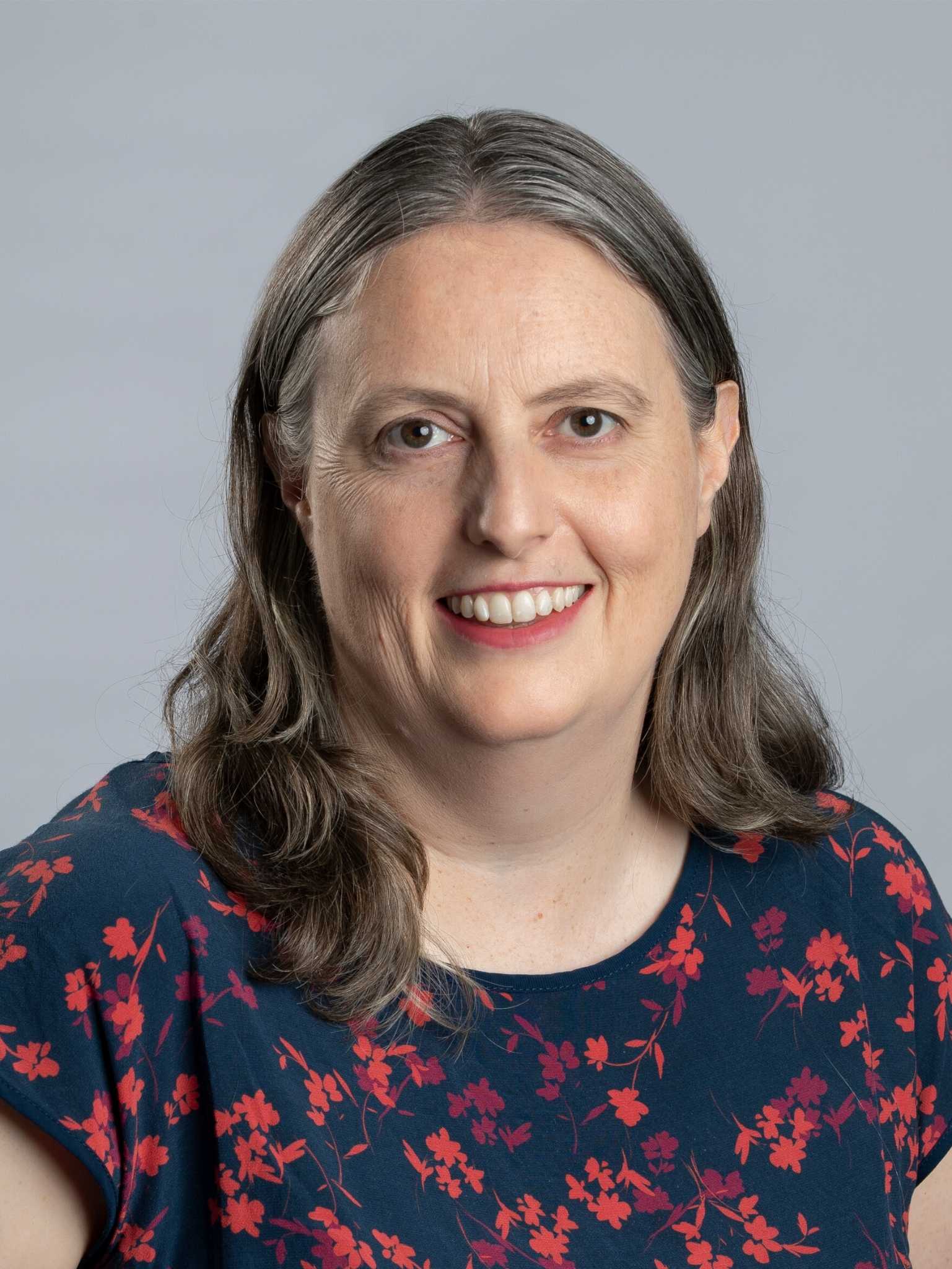
Associate Professor Louisa Willoughby (Winner)
Faculty of ArtsAssociate Professor Louisa Willoughby is an ARC Industry Fellow leading a nationally transformative program of research reshaping communications access for Deaf and Deafblind Australians. Her work is establishing new national standards, digital tools and education reforms with global relevance. Her collaborative, community-led research has produced Australia’s first credential for Deafblind interpreters, innovations such as the AuslanSpell 3D fingerspelling generator, revitalised Signbank dictionary, and major Auslan curriculum reforms. Addressing interpreter and teacher shortages and barriers for Deafblind and CALD learners, Willoughby delivers co-designed, scalable solutions embedded in policy and practice, redefining language equity and establishing a model for inclusive systems change worldwide.
Reducing the criminalisation of 10–13-year-old children: Evidence-informed legislation and policy (Winner)
Faculty of Medicine, Nursing and Health Sciences

Left to right: Associate Professor Susan Baidawi, Emeritus Professor Rosemary Sheehan AM, Rubini Ball
This team's research has generated comprehensive, contemporary knowledge of the characteristics and support needs of 10-13-year-old children charged with offending, forensic assessment of children's criminal capacity, and the nature of their offending and criminal justice trajectories. The study provided ground-breaking evidence that supported the Victorian Government’s decision to increase the minimum of age of criminal responsibility to 12 years of age via the new Youth Justice Act (2024). Through media and government engagement, the study also raised national awareness of 10–13-year-old justice-involved children, challenging their representations in media and public discourse, and leading to further Australian research and inquiries.
MADA Global Health Design Team: WHO Design principles and tools to improve use and impact of WHO guidelines
Faculty of Art, Design and Architecture, Portfolio of the Deputy Vice-Chancellor (Student Experience) and Senior Vice-President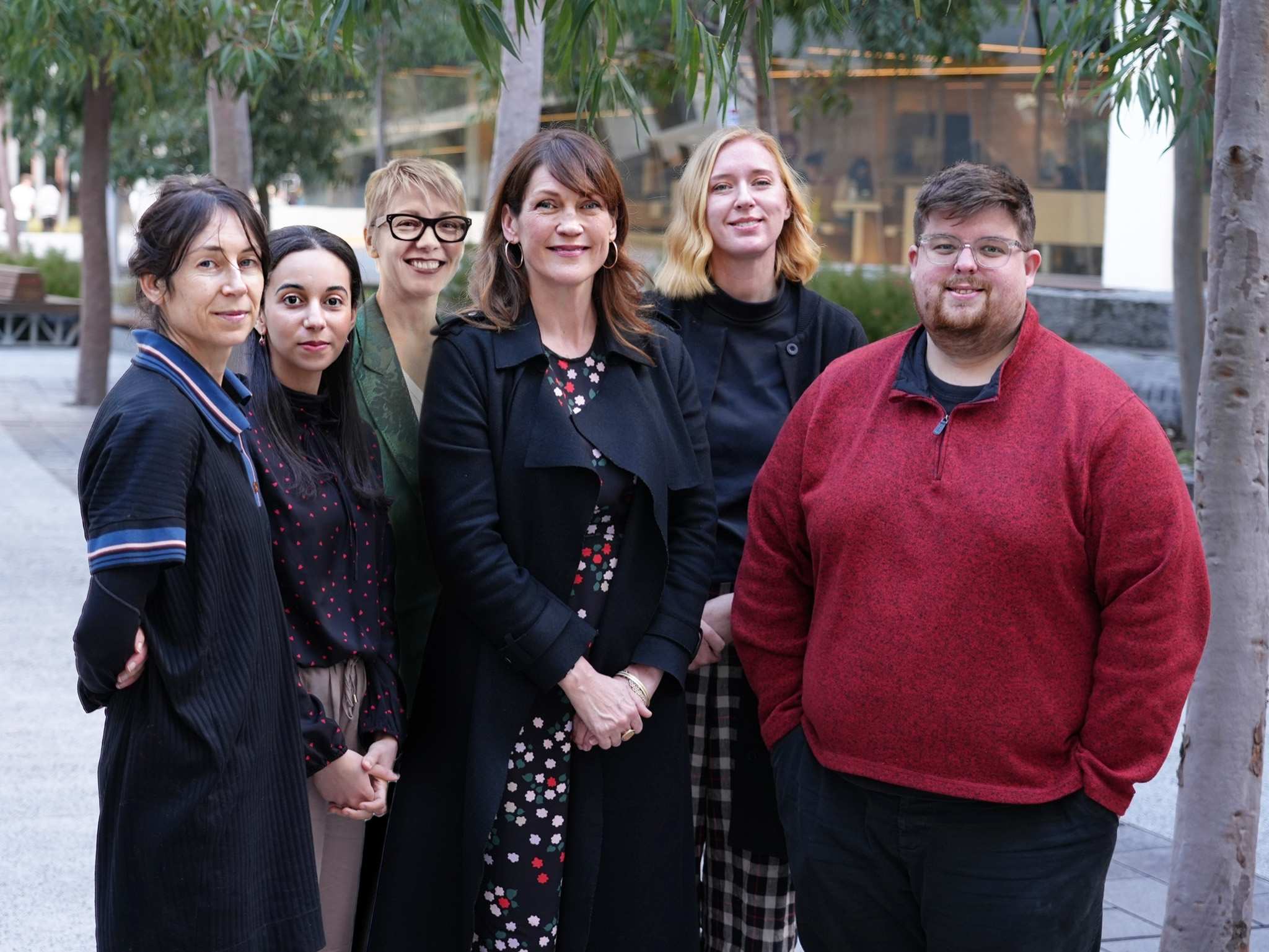
Left to right: Dr Sara Daly, Hatoun Ibrahim, Dr Myra Thiessen, Associate Professor Leah Heiss, Dr Amy Killen, Dr Troy McGee.
The MADA Global Health Design Team has co-developed the WHO Design Principles and Tools — a groundbreaking, human-centred resource designed with 15 countries to improve the usability and impact of WHO guidelines. Introducing five human-centred design principles and practical tools, it shifts global health guidance from static, top-down models to approaches rooted in users’ needs and contexts. By embedding design early, this innovation enhances usability, reduces inefficiencies, and enables measurable health impact, especially in low-resource settings. Now available to all 194 WHO Member States, it is transforming global workflows, setting a new global benchmark for design-led social impact in health.
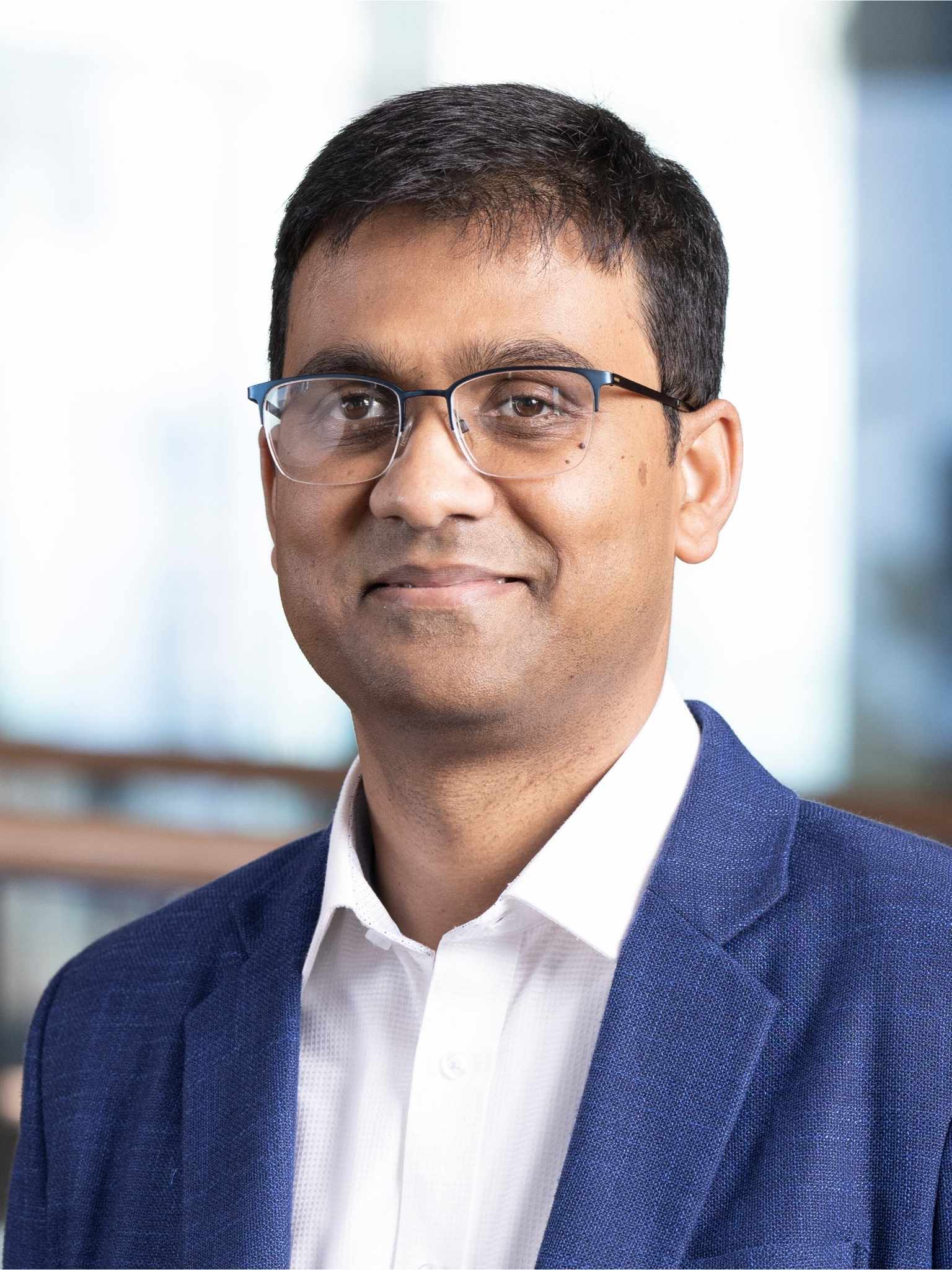
Associate Professor Abu Zafar Shahriar
Faculty of Business and EconomicsAssociate Professor Abu Zafar Shahriar leads a transdisciplinary research initiative advancing disability-inclusive banking and financial capability across climate-vulnerable regions. In partnership with financial service providers, regulators, and disabled persons’ organisations (DPO) in Fiji, Bangladesh, Indonesia, and Malaysia, his work is reshaping how financial institutions understand and implement inclusion. Through collaboration with Monash University’s Pacific Action for Climate Transitions (PACT) and Fiji National University (FNU), the initiative is scaling to build the financial resilience of people with disabilities (PWD)—a vital strategic response to climate change. His mission-driven research bridges financial inclusion, behavioural change, and community empowerment across the Global South.

Associate Professor Deana Leahy
Faculty of EducationAssociate Professor Deana Leahy leads the transdisciplinary research program, Schooling Health. Over 15 years, Deana has demonstrated a commitment to research impact, exemplified by her leadership of Schooling Health, a program dedicated to transforming health education to better contribute to sustainable, equitable and healthier futures. Deana’s research has changed policy and practice in health education at state, national and international levels. She has also pioneered the development of novel community-led approaches, with her innovative and creative research engagement and translation contributing to changes in the way health education is imagined and practiced in schools and the broader community.
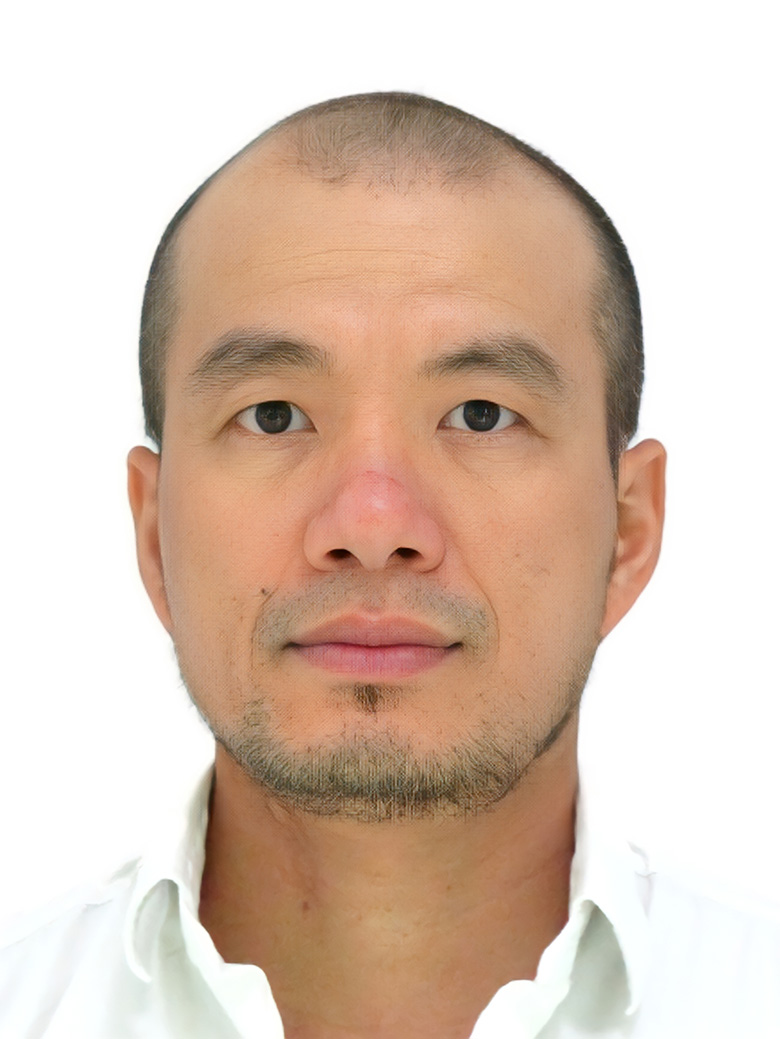
Associate Professor Dong Ngoduy
Faculty of EngineeringAssociate Professor Dong Ngoduy has demonstrated outstanding research impact through innovative work bridging theory and real-world application. A transport digital twin system, developed by A/Prof Ngoduy and his team, is now operating across 50km of major traffic corridors in Ho Chi Minh City, Vietnam. By adapting to live traffic data in real time through predictive traffic control strategies, the system has delivered a 20% reduction in delays — a world-first achievement in such a complex traffic environment. His contributions exemplify how academic research can drive meaningful societal change.
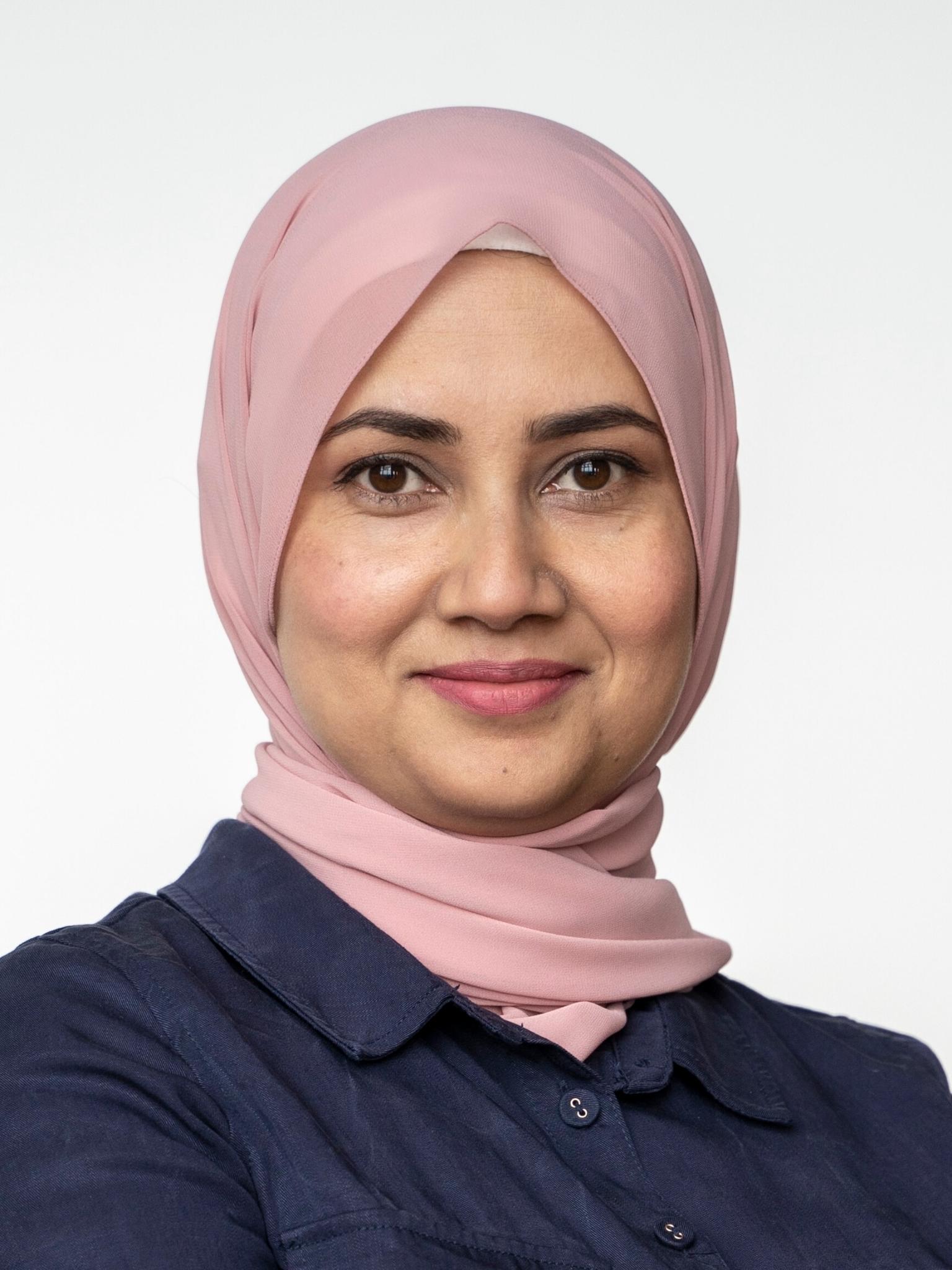
Professor Rashina Hoda
Faculty of Information TechnologyProfessor Rashina Hoda is a leading international researcher in human-centred software engineering, known for her strong commitment to societal engagement and impact. She steps beyond academia, engaging with marginalised schools, diverse communities, public forums and media, like ABC News, ABC Radio National, as well as major events such as Agile Australia, TEDx, and SXSW Sydney. Her dedication has earned her numerous accolades, including 2021-22 Superstars of STEM, 2024 Women of Colour in STEM Mentorship Award, 2025 The Australian’s Top Researcher in Software Systems, and the 2025 Faculty of IT’s Ariel Liebman Award for excellence in research engagement and impact, all recognising her outreach and impact.

Associate Professor Cate Banks
Faculty of LawAssociate Professor Cate Banks’ trauma-informed work has built capabilities in the first health justice partnerships at Monash Law Clinics. In 2022, she was awarded $225k by Victoria Department of Justice to build and sustain the first initiative in Future Planning legal service as a proactive preventative legal solutions model with past and current victim/survivors of family violence, and was awarded $49,576 by the Victoria Law Foundation (VLF) to investigate the intersections between family violence and guardianship. In 2023, she received another research grant from VLF to continue work in mapping the intersections between family violence and caring relationships.
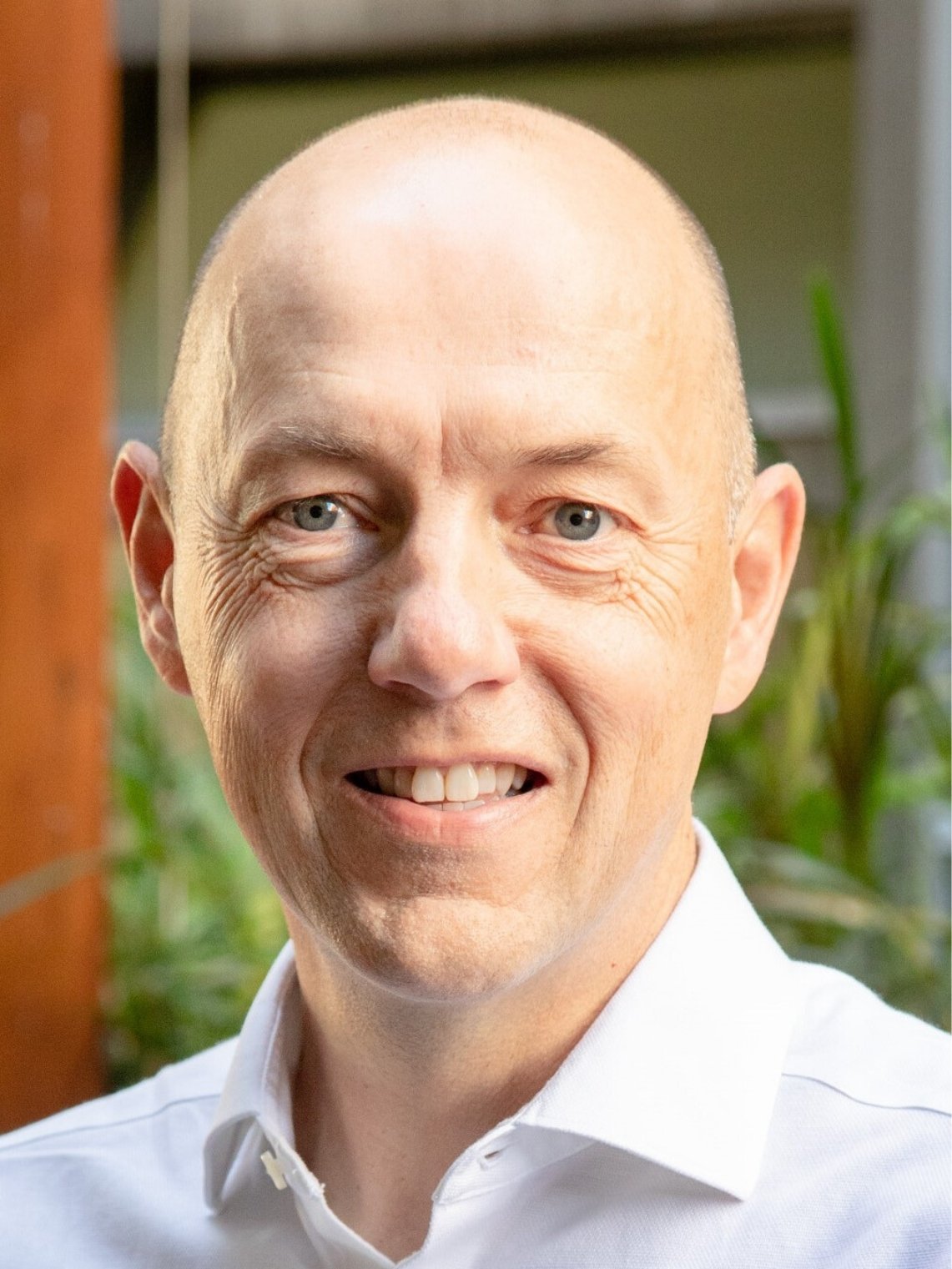
Associate Professor (Practice) Pete Lambert
Faculty of Pharmacy and Pharmaceutical SciencesThe Monash Quality of Medicines Initiative (QoMI) was conceived and co-founded by Associate Professor Pete Lambert in April 2023. QoMI investigates and provides sustainable solutions for the issues of poor-quality medicines in low- and middle-income countries (LMICs). In the two years since launch, studies in 14 LMICs (in sub-Saharan Africa/South Asia) have led to the removal of a number of poor-quality products from local markets, informed new WHO guidelines, and resulted in national policy change. Furthermore, QoMI has provided technical training to more than 300 government officials, clinicians and supply chain managers in sub-Saharan Africa and the Pacific Islands.
Vehicle Safety Research Group (VSRG)
Monash University Accident Research Centre, University of Otago
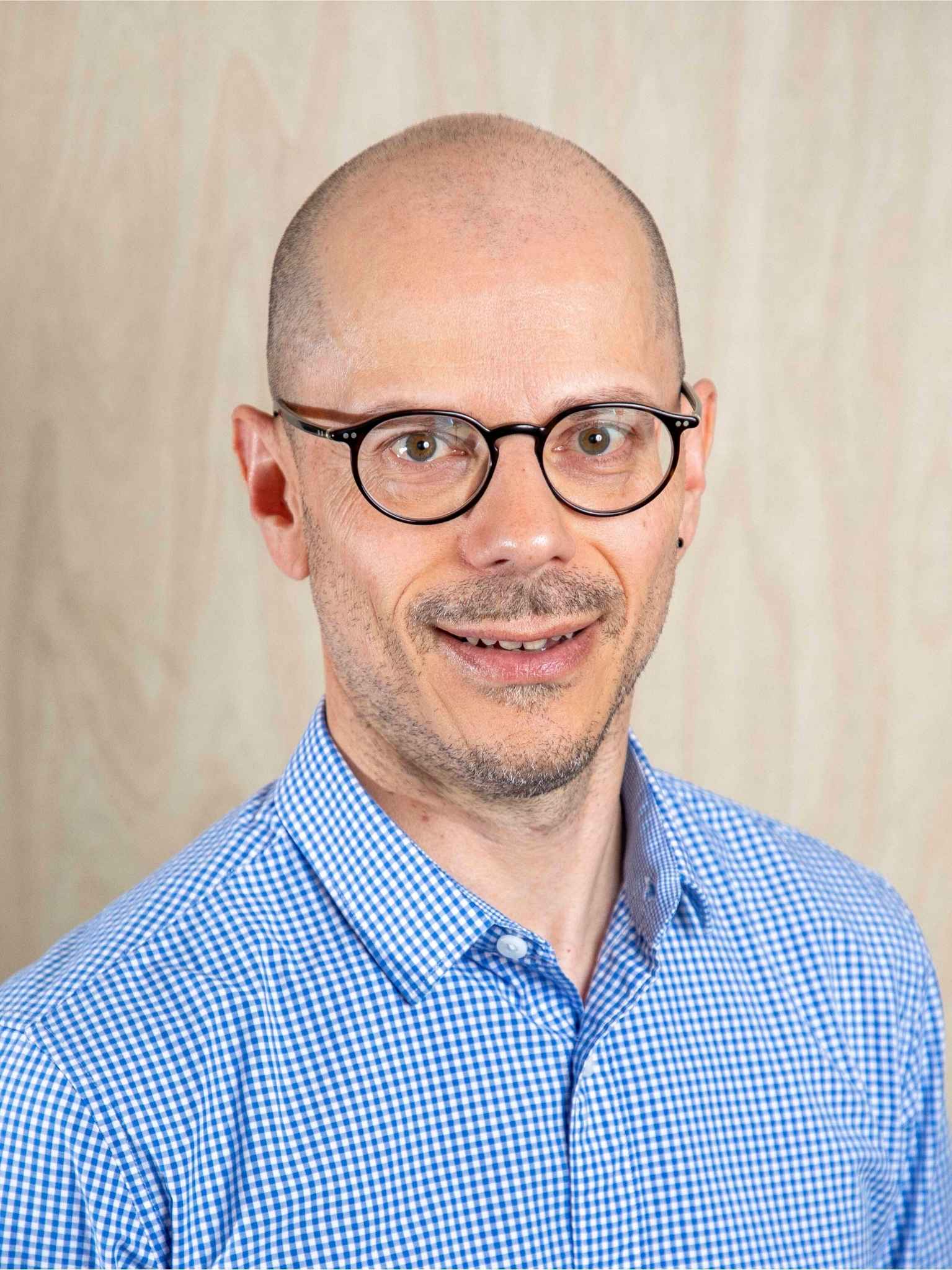
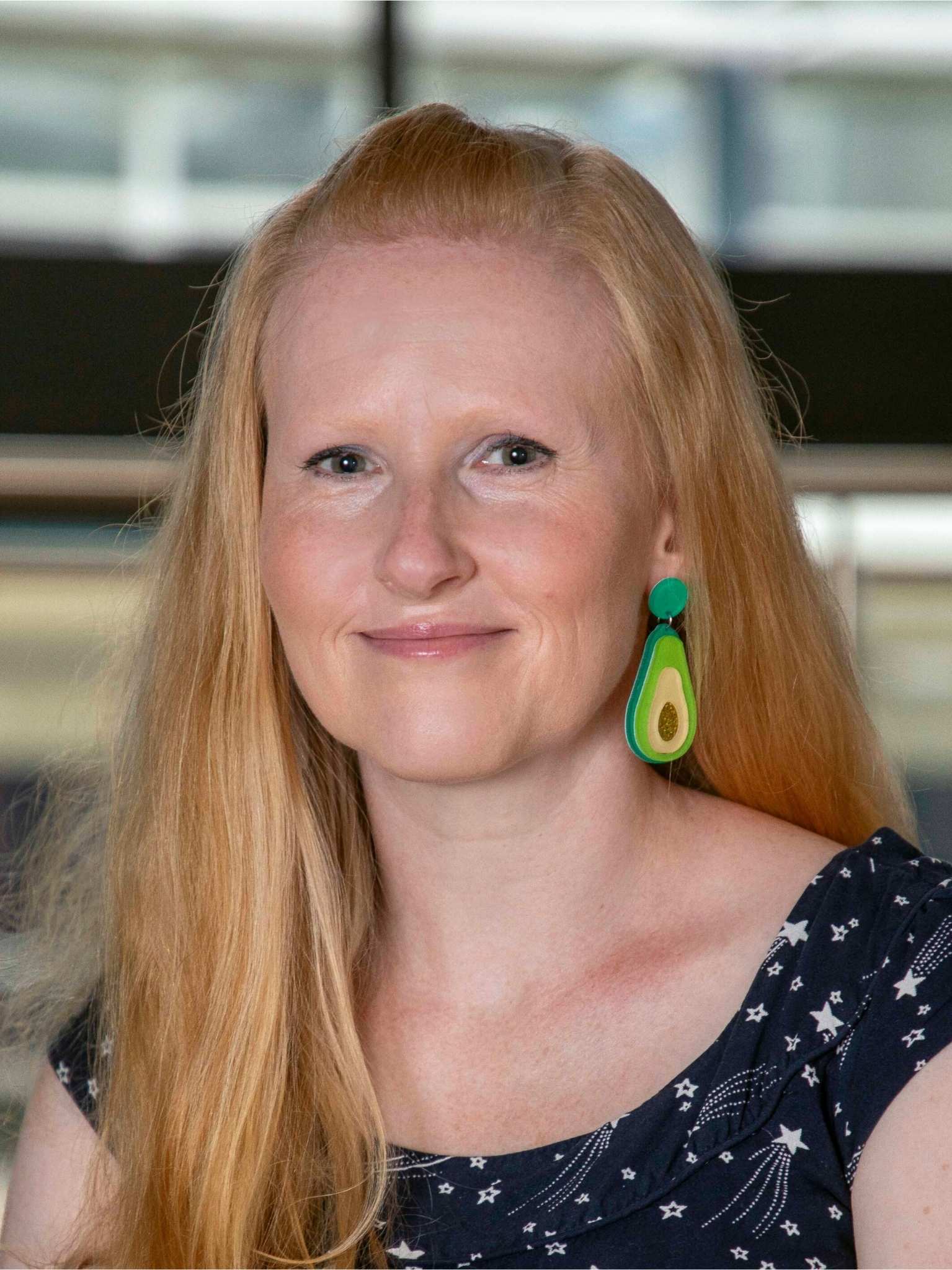


Left to right: Professor Stuart Newstead, Dr Angelo D'Elia, Casey Rampollard, Emeritus Professor Max Cameron, Professor Mike Keall
The Vehicle Safety Research Group at MUARC has delivered three decades of robust, impactful research transforming real-world road crash and injury data into actionable guidance for consumers, policy-makers, and fleet managers. Backed by a unique collaboration with nine road safety authorities across Australia and New Zealand, the research has influenced vehicle procurement policies, safety regulations, and public awareness. With over 100 research outputs, widespread media reach, and the flagship annual Used Car Safety Ratings release, the Group exemplifies research excellence, translation, and leadership: empowering individuals, shaping policy, and saving lives through evidence-based improvements in vehicle safety.
-
The Vice-Chancellor’s Award for Excellence in Enterprising Research recognises research staff who have achieved, or are currently achieving, excellence in the development of effective strategic external collaborations of mutual benefit. The award celebrates partnerships with industry, government, and other organisations of significant depth and breadth that generate high-impact outcomes for the betterment of communities.
Homes NSW MMC Program (Winner)
Faculty of Art, Design and Architecture, Building 4.0 CRC, DK Otto Limited, The University of Melbourne, Homes NSW



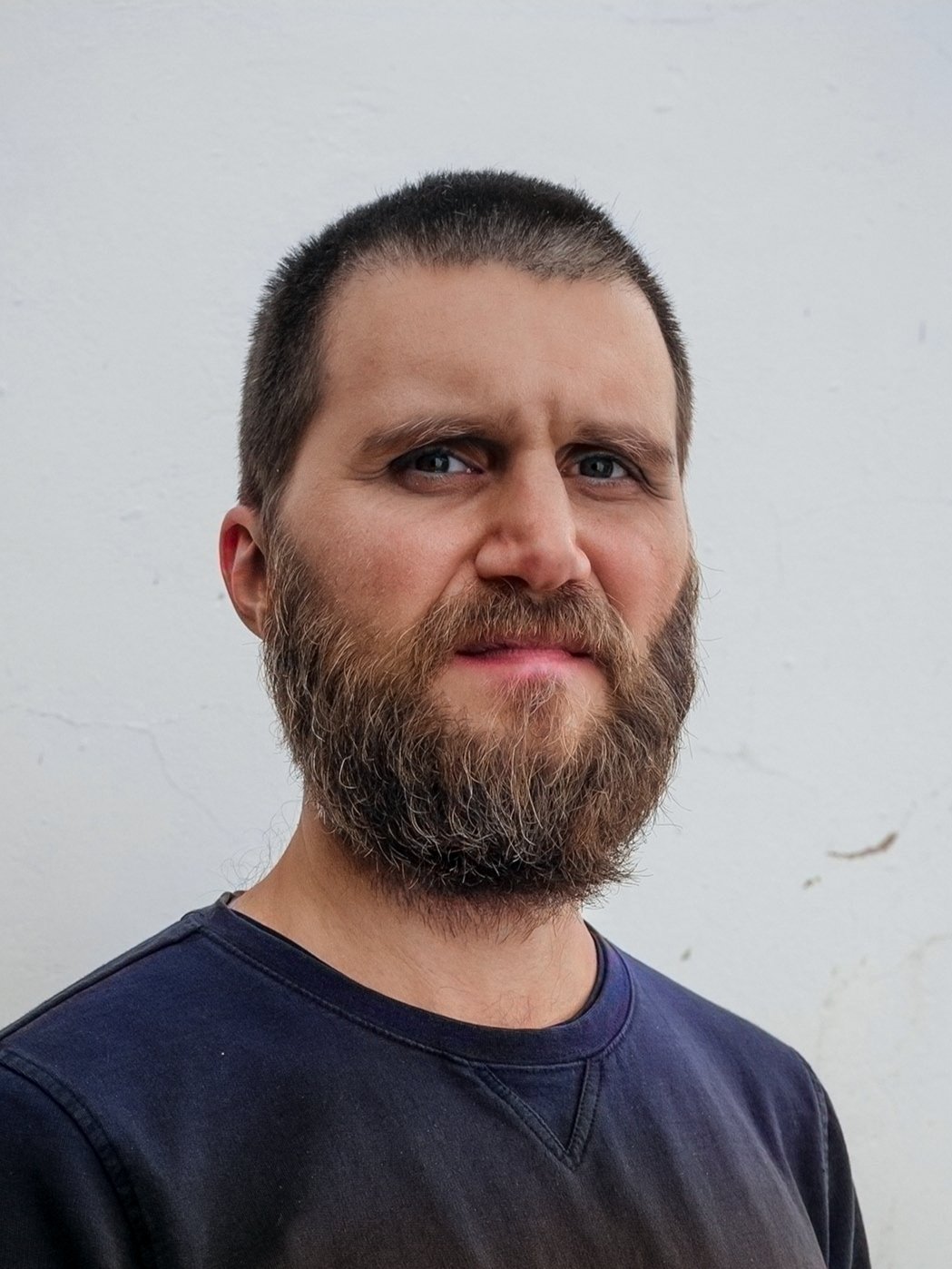

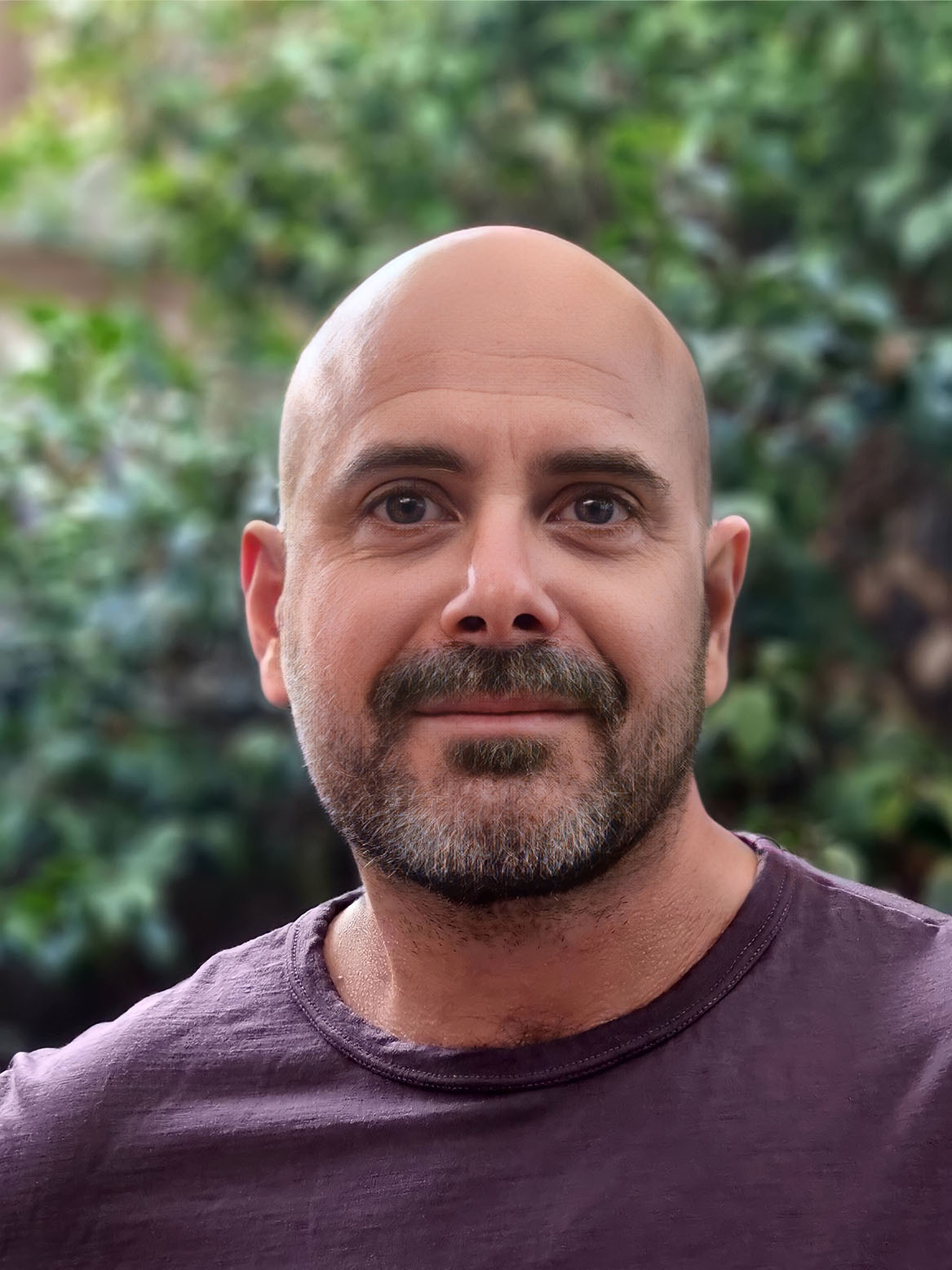
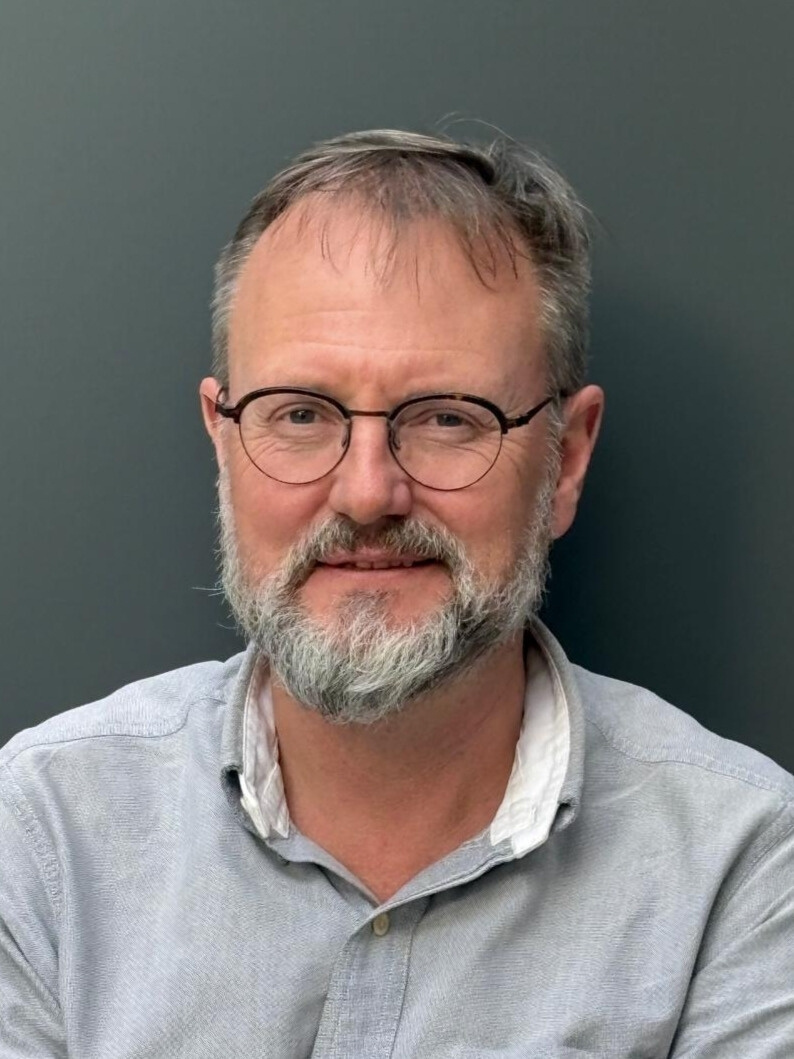




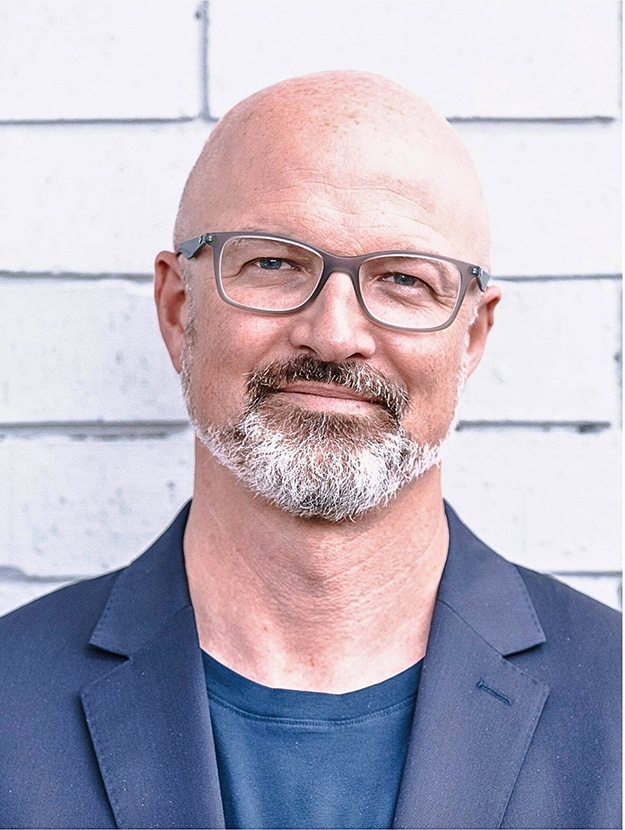






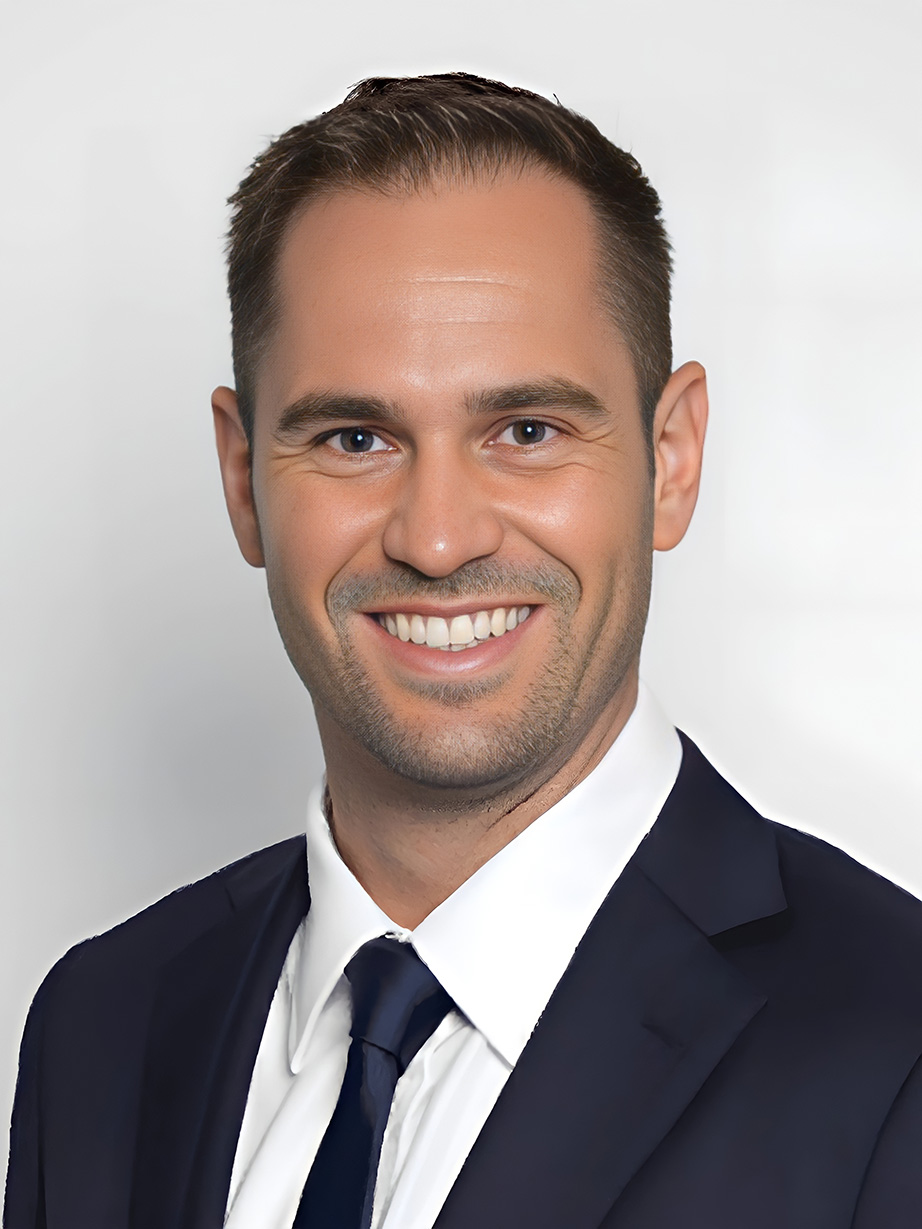
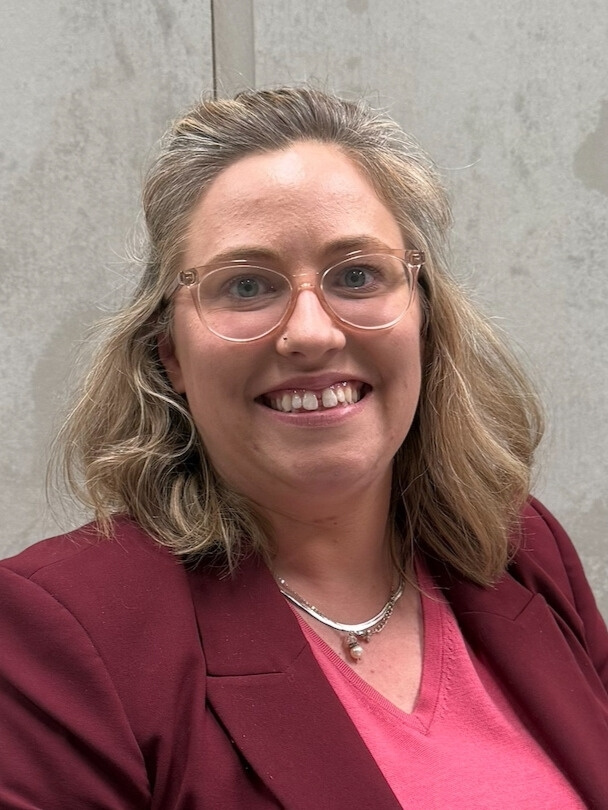
Left to right from top row: Professor Mathew Aitchison, Associate Professor Lee-Anne Khor, Professor Shane Murray, Associate Professor Duncan Maxwell, Dr Sahar Soltani, Jane Dash, Dr Marika Neustupny, Dr Michael Zanardo, Dr Camilo Cruz Gambardella, Dr Lisa Giusti Gestri, Jean-Paul Rollo, Adjunct Professor Daryl Patterson, Brahn Smillie-Fearn, Blair Albrecht, Darcy Zelenko, Aidan White, Professor Chris Knapp, Belinda Ngo, Kathy Mac Dermott, Robert Van Wanrooy, Faith Halliday, Fraser Paxton, Associate Professor Dane Miller, Tony Ford, Daiman Otto, Dr Richard Nero, Sonal Jawale Chaudhary, Paul Higgins. In collaboration with Homes NSW, led by Alisha Filmer and involving several inputs across their organisation including Ministers, Directors, public officers and technical teams.
Engaging in a long-term partnership with the NSW Government, MADA architects have collaboratively developed a Modern Methods of Construction (MMC) program that advances methods of construction for social housing. Working in close collaboration with Homes NSW, the government agency leading the state’s affordable housing strategy, the team’s research has attracted $6 million in cash and in-kind investment to drive system-wide innovation. This sustained partnership has delivered a scalable, transformative change across Australia’s public housing landscape. The MMC working model exemplifies a forward-thinking, cross-sector partnership, positioning Monash as a national leader in design-led housing solutions.
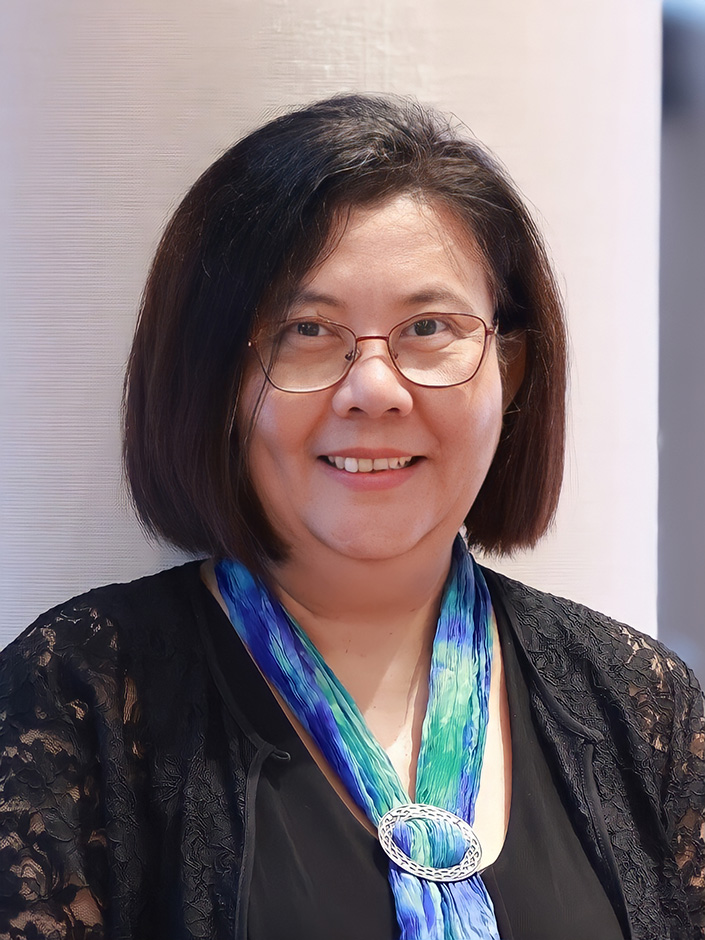
Professor Tin Tin Su (Special Commendation)
Faculty of Medicine, Nursing and Health Sciences, Monash University MalaysiaProfessor Tin Tin Su is the director of the South East Asia Community Observatory (SEACO) Health & Demographic Surveillance System (HDSS). Over the last 6 years, she has rejuvenated SEACO to become one of the premier HDSS sites in the region. She plays a significant role in the global initiative of Climate Change and Health Evaluation and Response System (CHEERS). Leveraging her strong partnership with regional stakeholders and well-regarded contribution to climate change and health, she secured funding from the Canadian and UK governments to establish and lead Monash University’s “Regional Hub for Asia Climate Change and Health (REACH)”.
Reproduction in Society Research Group
Faculty of Arts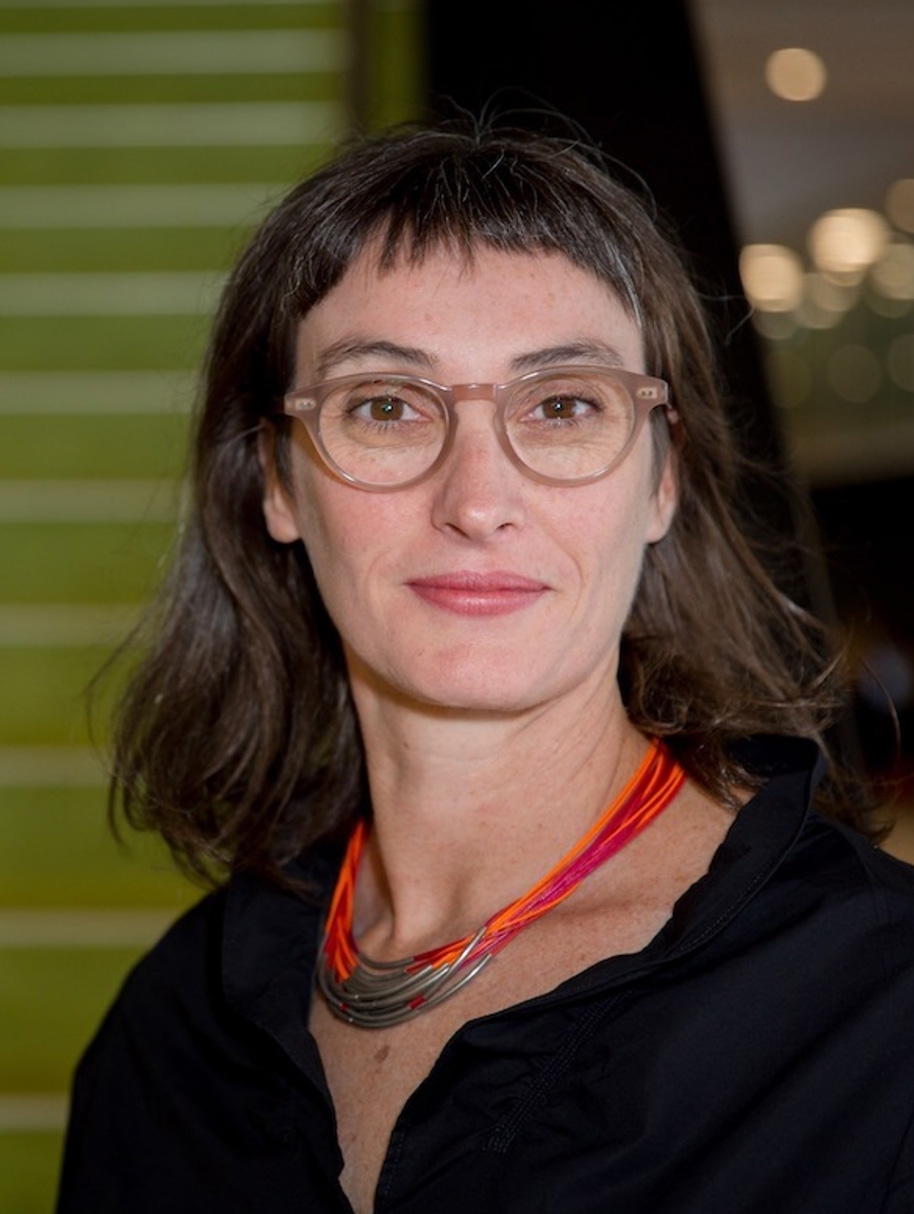

Left to right: Professor Catherine Mills, Dr Molly Johnston
The Reproduction in Society group coordinated by Professor Catherine Mills and Dr Molly Johnston aims to improve the patient experience of reproductive care by enhancing equitable access, supporting informed decision-making, and balancing the interests of all stakeholders. Their research focuses on ethical, social and regulatory issues in the assisted reproductive treatment sector and perinatal genomics, collaborating with community and industry partners, such as Illumina and Monash IVF, and researchers across HASS and STEMM. The Reproduction in Society group is shaping the provision of reproductive healthcare in Australia by bringing groundbreaking research supported by national and international funders into practice and policy forums.

Dr Mel Marquis
Faculty of LawIndividually and as a leader of key projects, Dr Marquis has contributed to major advancements in the field of competition law. In 2023 and 2024 he secured substantial research projects focusing on Southeast Asia as part of his ongoing collaboration with the ACCC, which has appointed Dr Marquis as academic non-governmental advisor. These research projects have advanced Australia’s assistance program for ASEAN countries, particularly in the fields of competition law and policy, within the framework of the ASEAN-Australia-New Zealand Free Trade Agreement (AANZFTA) (Chapter 15). Consequently, the Competition Authorities of those countries have formally endorsed an in-depth study prepared by Dr Marquis.

Associate Professor Rangi Kandane-Rathnayake
Faculty of Medicine, Nursing and Health SciencesIn the last ten years, Associate Professor Rangi Kandane-Rathnayake has built, expanded, and led the Asia Pacific Lupus Collaboration, headquartered at Monash University – and now the world’s largest real-world SLE dataset. A/Prof Kandane-Rathnayake currently leads the SLE Outcomes Study, a multinational initiative spanning 34 sites in 17 countries, investigating how comorbidities and other factors influence lupus long-term outcomes. This work is reshaping how lupus is measured and managed, advancing equity, driving innovation, and positioning Monash as a global leader in translational research.
Climateworks Centre & CSIRO AusTIMES modelling partnership
Monash Sustainable Development Institute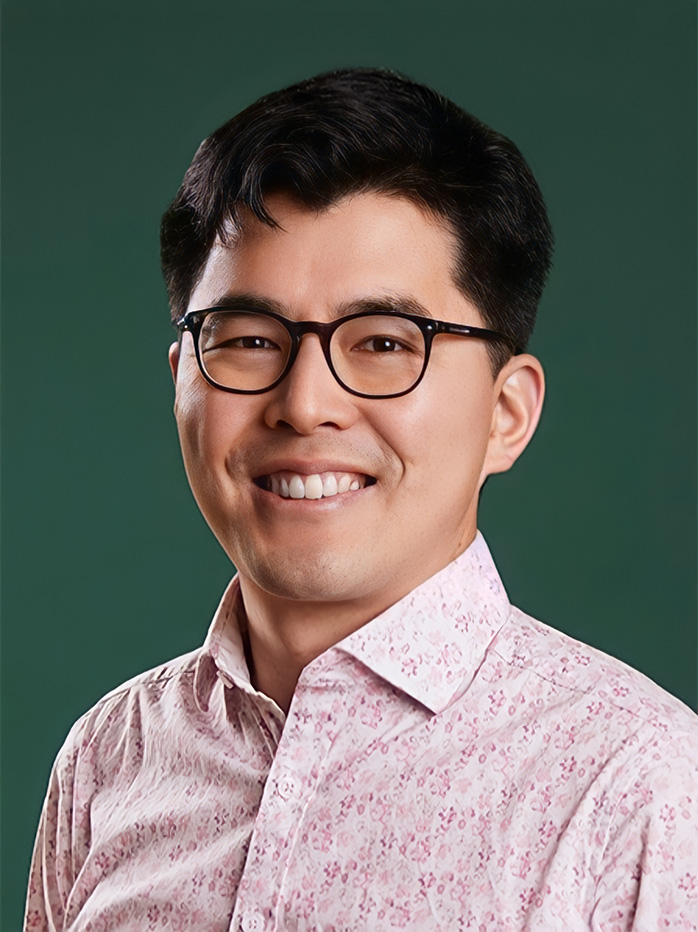

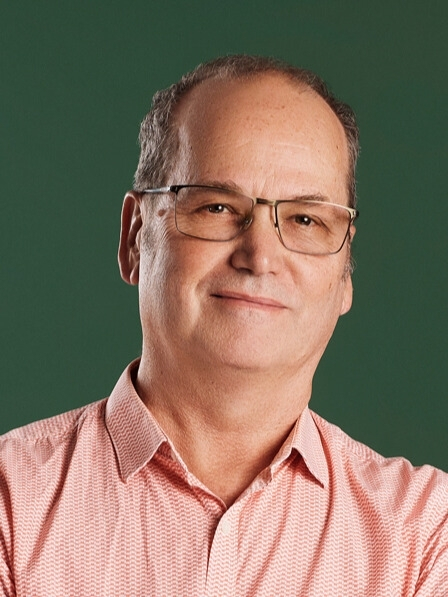

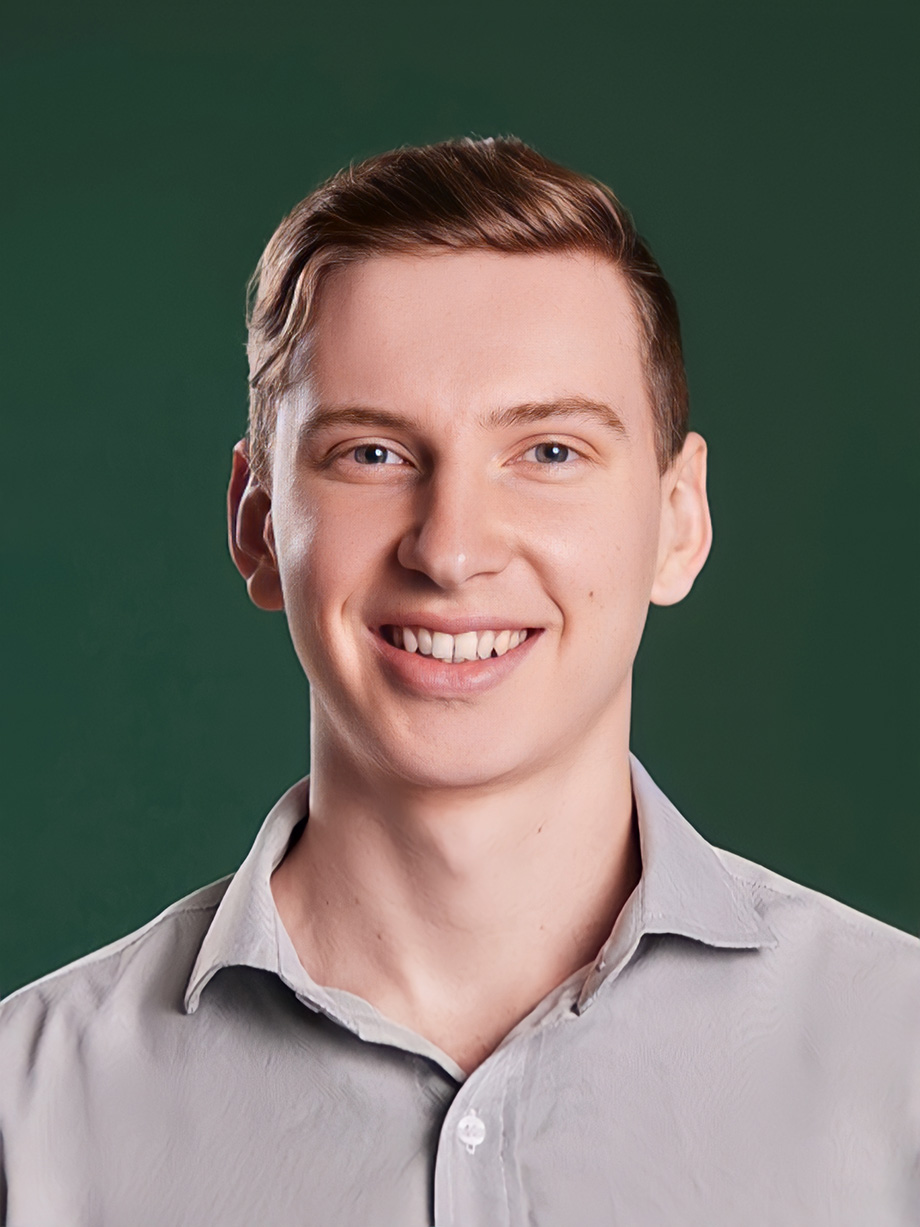
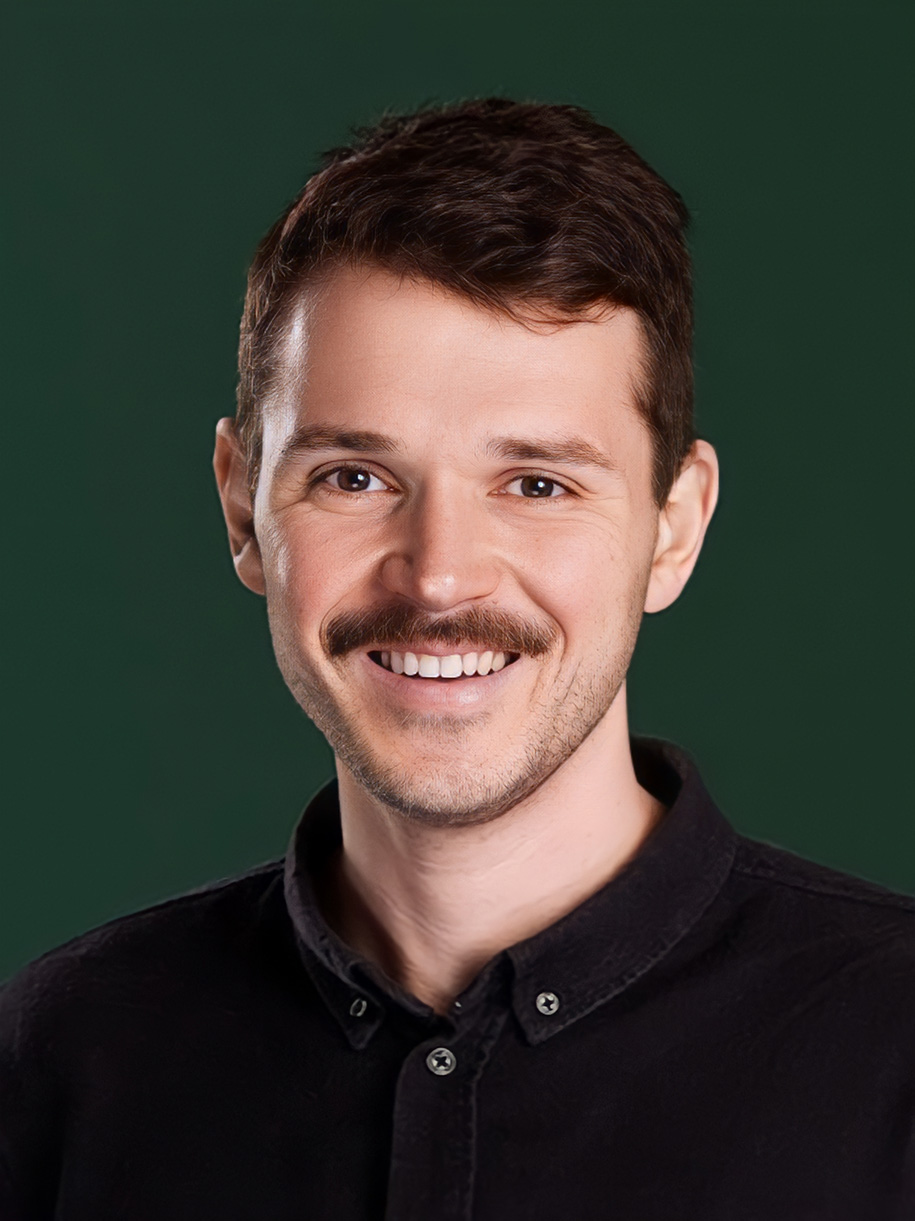
Left to right: Michael Li, Roanne Maxwell, Dr James Whelan, Deepanko Singha, Nicholas van Schoten, Tim Graham
Climateworks Centre bridges the gap between research and climate action, operating as an independent not-for-profit within Monash University. Since 2018, Climateworks has co-developed and utilised the AusTIMES model in partnership with CSIRO. AusTIMES provides a view of how the entire Australian economy could decarbonise at the lowest cost over time. Over the past two years, Climateworks and CSIRO have leveraged AusTIMES to produce the preeminent datasets cited by Australia’s public and private sectors to back ambitious climate action, develop Australia’s first climate financial index, inspire transformative energy system planning, and underpin the world-leading Australian Sustainable Finance Taxonomy for climate mitigation.
-
The Vice-Chancellor’s Award for Excellence in Research Commercialisation recognises exceptional achievements by research staff who excel in transforming innovative research into practical, market-ready solutions. The award celebrates those who have translated an innovation into marketable solutions, products and services that meet the challenges of the age, leading to significant societal, economic, or technological benefits.
Myostellar (Winner)
Faculty of Medicine, Nursing and Health Sciences, Monash Innovation
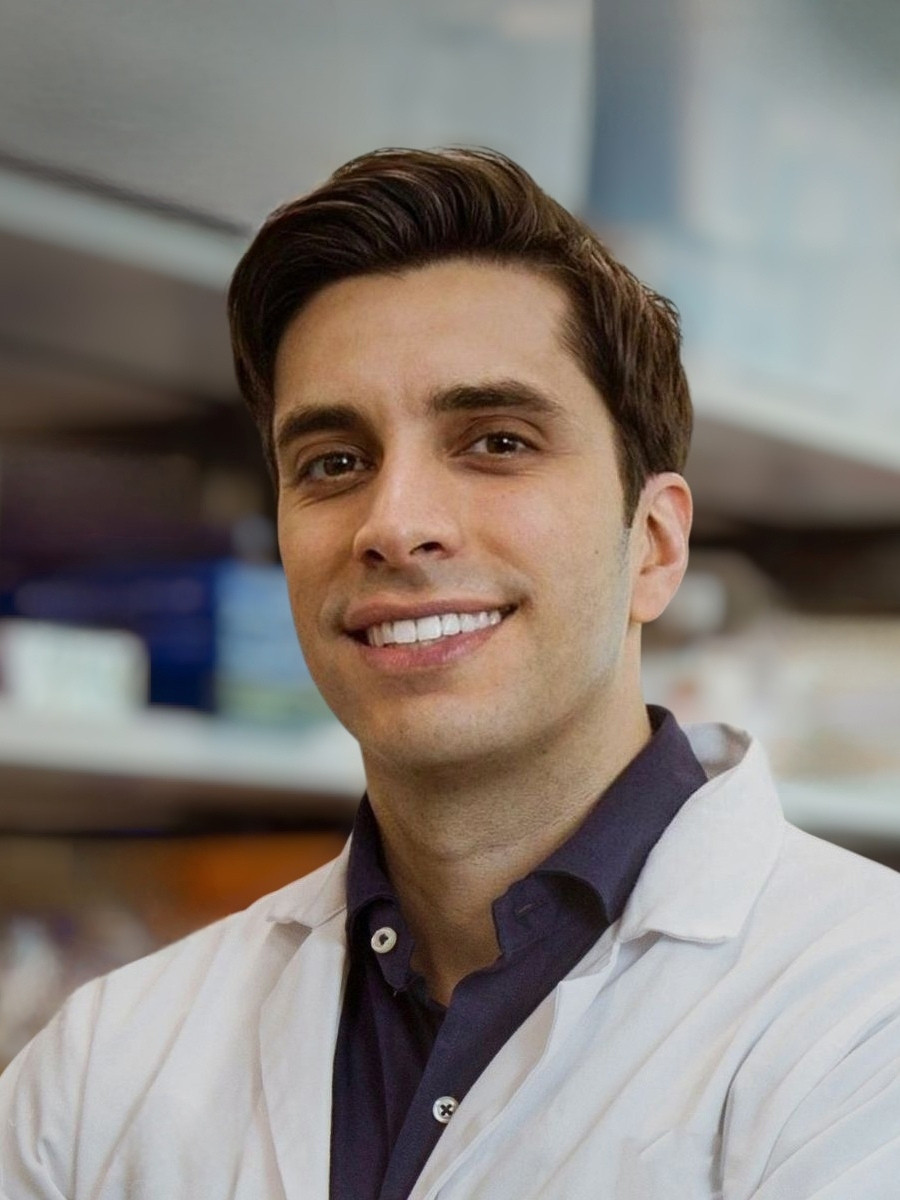

Left to right: Professor Peter Currie, Professor Mikaël Martino, Dr Bo Yun
Professors Peter Currie and Mikaël Martino co-founded Myostellar, a Monash University spinout translating a fundamental regenerative biology discovery into a first-in-class biologic therapy for skeletal muscle loss. Their recombinant protein therapeutic activates a newly identified muscle stem cell signalling pathway, and is being developed to treat conditions such as Duchenne Muscular Dystrophy. Since founding the company in 2022, the Myostellar team has secured over $2 million in competitive funding, established strategic partnerships, and demonstrated preclinical efficacy. Their leadership bridges academic discovery and commercial execution, exemplifying how Monash research can deliver high-impact, market-ready health solutions with national and global relevance.
-
The Vice-Chancellor’s Award for Excellence in Graduate Research Supervision acknowledges and rewards Graduate Research supervisors (STEM) who have demonstrated exceptional supervision, mentoring and training practices to benefit and enrich the experience of their students.
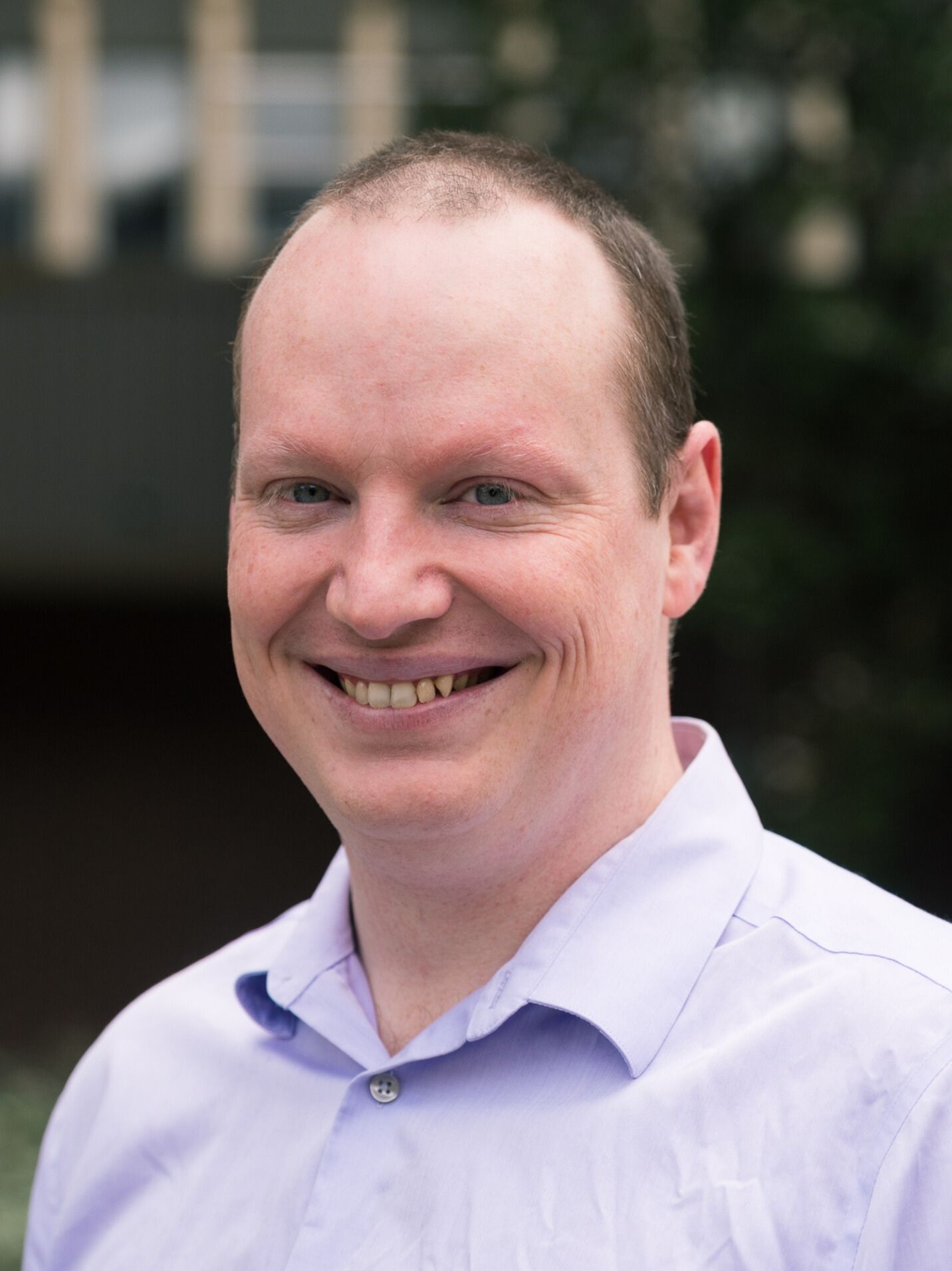
Associate Professor Daniel Edgington-Mitchell (Winner)
Faculty of EngineeringAssociate Professor Daniel Edgington-Mitchell is an ARC Future Fellow in the Department of Mechanical and Aerospace Engineering. His approach to PhD supervision centres around emphasizing work-life balance, collaborative group culture, inclusivity, and wellbeing. Coupled with this people-first approach is a consistent commitment to excellence, evidenced by his students winning the Bill Melbourne medal for best MAE thesis three times in a 5-year period, and his students receiving prestigious awards such as Endeavour and Fulbright fellowships. A team of his graduates formed their own successful start-up company, and others now work in R&D roles both domestically and in Europe.
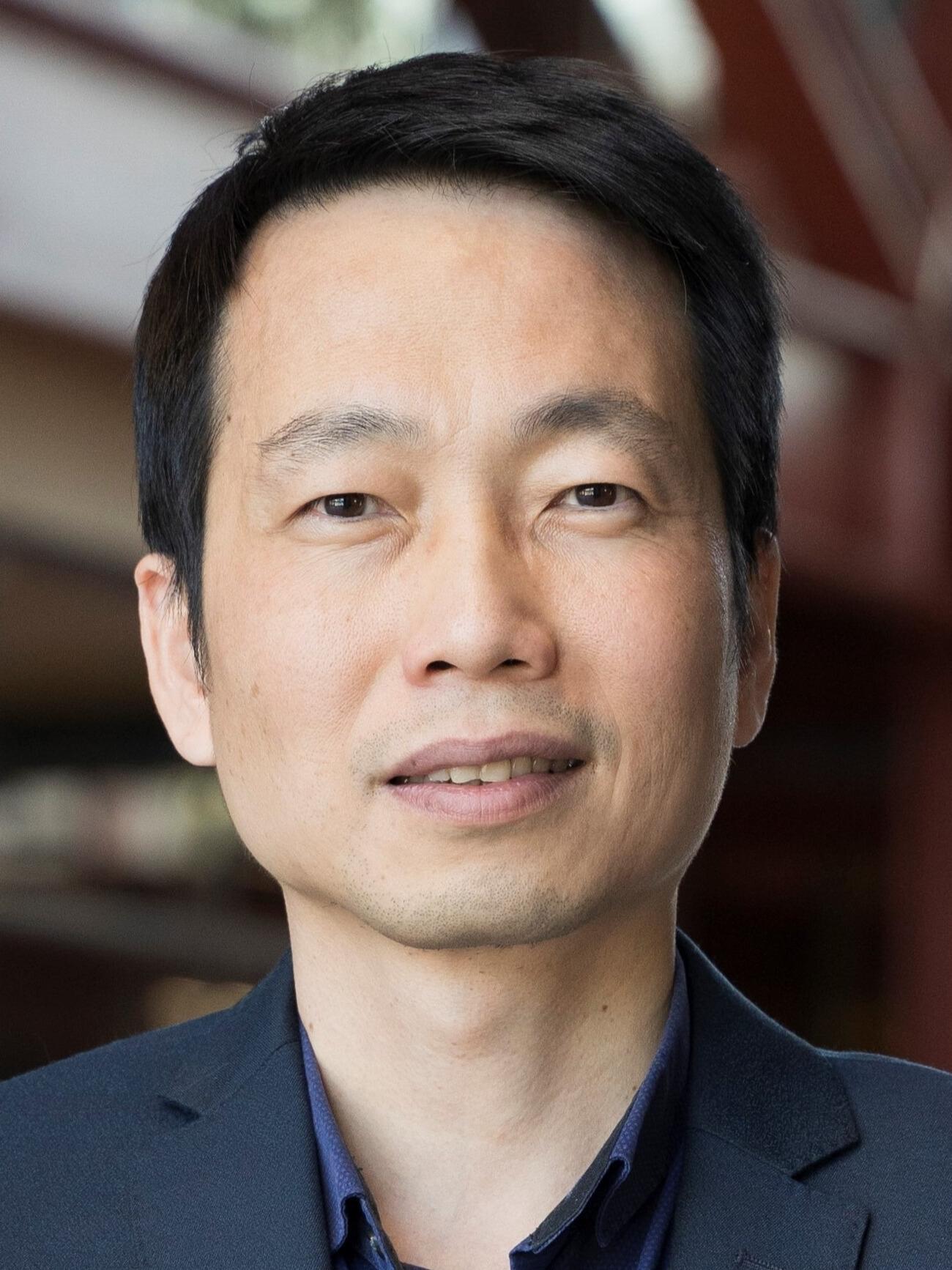
Professor Jianfei Cai
Faculty of Information TechnologyProfessor Jianfei Cai is a world-renowned expert in multimedia, computer vision, and AI, with an h-index of 80+ and an extensive record in top-tier publications. A Fellow of the IEEE, he serves as Associate Editor for leading journals such as TPAMI, and holds senior roles at premier conferences. As the Leading General Chair of ACM Multimedia 2024, he exemplifies global research leadership. As a dedicated and inspiring mentor, Professor Cai has successfully supervised 40+ PhD students (8 at Monash), many of whom have earned top honours and positions. His supervision fosters excellence, holistic development, and inclusive, student-centred mentorship.

Associate Professor Meredith O'Keeffe
Faculty of Medicine, Nursing and Health SciencesAssociate Professor Meredith O’Keeffe is an internationally renowned immunologist who continues to drive pioneering research on dendritic cell biology. Importantly, Meredith is also an exceptional graduate supervisor, known for her adaptive, student-centred approach. She has guided students from diverse backgrounds to success across academia, industry, and beyond. Her creative mentorship includes facilitating interdisciplinary collaboration, with encouragement of students to grasp involvement in national and international Immunology societies, public outreach and industry collaboration. Meredith is regularly entrusted with students in crisis, offering compassionate, effective support. Her leadership in supervision exemplifies excellence, innovation, and a deep commitment to student growth.

Associate Professor Cornelia Landersdorfer
Faculty of Pharmacy and Pharmaceutical SciencesAssociate Professor Cornelia Landersdorfer enables her PhD students, almost all women, to conduct highly successful PhD research, as demonstrated by their excellent publications in leading journals and numerous major awards, including the VC’s Commendation for PhD Thesis Excellence, ASCEPT Garth McQueen Prize, ASCEPT Neville Percy Prize, PAGANZ Nick Holford prize (x2), Cyril Tonkin PhD scholarship, and AFR Top100 Future Leader. All her PhD students have always had successful milestone reviews and, importantly, after graduation her PhD students transition to highly successful careers as R&D scientists at world-leading pharmaceutical companies. Receiving the 2023 Monash University Graduate Supervisor of the Year, among 64 nominated supervisors, demonstrates her substantial contributions.

Associate Professor Kathryn Hodgins
Faculty of ScienceAssociate Professor Kay Hodgins is an ecological genomicist whose research explores rapid adaptation, genome structure, and climate resilience in plants and other non-model organisms. She has supervised seven HDR completions in the past five years, and currently supports a diverse cohort of students, including those pursuing academic and applied research pathways. Her students regularly publish in leading journals, win competitive scholarships and awards, and transition into impactful research and industry roles. Kay leads School-wide bioinformatics training and genomics reading groups, and actively promotes equity and wellbeing in research. Her mentorship, grounded in research excellence and lived experience, fosters resilient, confident researchers.
-
The Vice-Chancellor’s Award for Excellence in Graduate Research Supervision acknowledges and rewards Graduate Research supervisors (HASS) who have demonstrated exceptional supervision, mentoring and training practices to benefit and enrich the experience of their students.

Professor Cat Hope (Winner)
Faculty of ArtsProfessor Cat Hope is a national leader in practice-based artistic research supervision. With an extensive record of successful completions across diverse disciplines and complex circumstances, she has built an outstanding graduate research culture grounded in innovation, interdisciplinarity, and care. Her students regularly win prestigious prizes and secure sought after academic roles globally. Through initiatives like the Monash Animated Notation Ensemble and international engagement with institutions across Europe, Professor Hope provides graduate researchers with rigorous academic training, creative opportunities, international experiences, and pathways to long-term success. She exemplifies Monash’s commitment to research excellence and student-centred supervision.

Associate Professor Selby Coxon
Faculty of Art, Design and ArchitectureAssociate Professor Selby Coxon directs a practice led research lab tied to national and international transport research embodied in a cohort of PhD candidates. Doctoral research can be an isolating experience, Selby’s ethos has been to nurture community, with structured cohort activities, e.g. the ‘three-day PhD’, ‘mini’ conferences and tailored support, especially for international students. The research frequently requires the expertise of multiple fields. Selby established cross-disciplinary supervision teams and significant industry engagement. He is a committed and diligent supervisor, and has built a keen peer-to-peer network to develop resilient, industry-ready researchers and future leaders.
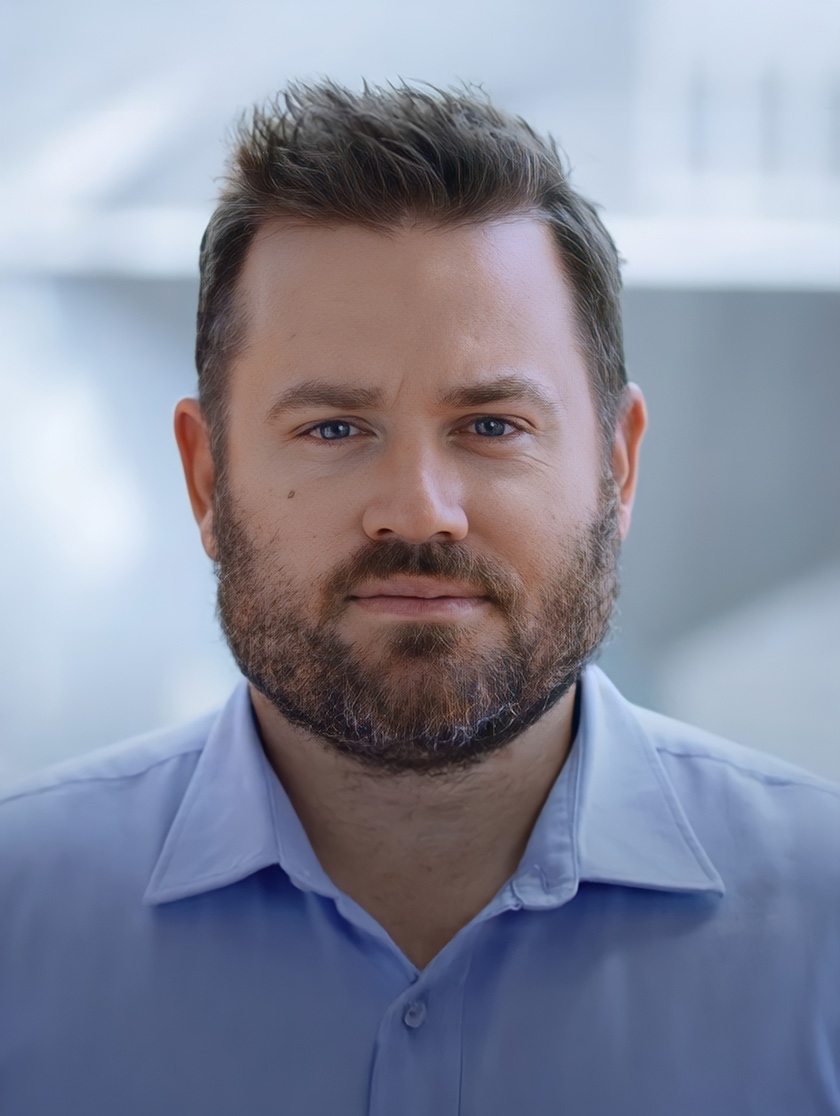
Professor Dennis Petrie
Faculty of Business and EconomicsProfessor Dennis Petrie is recognised for his innovative, inclusive and student-centred approach. He empowers students to become independent, policy-engaged researchers through hands-on training, international collaboration, and real-world research experience. His students benefit from involvement in funded research projects, cross-disciplinary supervision, and tailored career support. Many have gone on to win international awards and thrive in academia, government and health sectors. A leader in health economics, Professor Petrie’s work on the economics of disability, mental health and equity inspires and directly involves his students, creating a nurturing, high-impact research environment with global and societal relevance.

Associate Professor Genevieve Grant
Faculty of LawAssociate Professor Genevieve Grant is a socio-legal and empirical scholar deeply committed to developing the next generation of outstanding researchers exploring the operation and impacts of law in action. Genevieve’s supervision practice is focused on building capacity amongst graduate researchers for high-quality interdisciplinary qualitative and quantitative research. This research builds the evidence base and challenges assumptions about the working of legal services, processes and systems.
-
The Vice-Chancellor’s Early Career Researcher of the Year Award recognises early career researchers (STEM) who have achieved, or are currently achieving, exceptional research excellence and impact.
Dr Changlong Wang (Winner)
Faculty of EngineeringDr Changlong Wang is an ARC Early Career Industry Fellow working with the Superpower Institute and Geoscience Australia on tools for net zero planning. He co-developed the Hydrogen and Green Steel Economic Fairways Mapper, which won the 2023 Eureka Prize, and led the South Australian Green Iron Study, directly informing Australia's first Green Iron Strategy. As a DCCEEW International Hydrogen Fellow, he leads IEA Hydrogen TCP Task 52, with the recent Berlin workshop convening over 60 organisations from 17 countries. He has also led seven Monash submissions to government consultations, and regularly contributes to national and international clean industry policy efforts.
Dr Andrew Gunn (Winner)
Faculty of ScienceDr Andrew Gunn is recognised internationally as an expert in wind-blown landscapes. His research reveals how patterns on planetary surfaces manifest through the interaction of climate, life, and geology. Discovering how these three spheres of planetary systems behave over geologic time is critical to understanding both nature and human interactions with the environment. Direct observation of these spheres often eludes us, but his research has provided multiple insights into how to infer aspects of their behaviour from landscape patterns, such as continental sand dune fields, resulting in new understandings of climate on planetary bodies, including Earth and Mars.
Dr Muhammed Esgin
Faculty of Information TechnologyDr Muhammed Esgin is a Senior Lecturer in the Faculty of Information Technology, with research expertise spanning both theoretical and practical dimensions of cryptography. His work primarily focuses on quantum-resistant and privacy-enhancing technologies. Dr Esgin has significantly advanced the field by transforming cryptographic techniques — once considered purely theoretical — into practical solutions. His research has been recognised through several prestigious awards/grants, including the Amazon Research Award, Google Research Scholar Award, Australian Research Council (ARC) Discovery Project, and the Vice-Chancellor’s Commendation for Thesis Excellence. He leads an industry-funded project and serves as Deputy Director on a $1 million grant awarded by the U.S. Department of State.

Dr Jessica Botfield
Faculty of Medicine, Nursing and Health SciencesDr Jessica Botfield is an early career clinician-researcher, working as a Senior Research Fellow with the SPHERE NHMRC Centre of Research Excellence at Monash University and a research consultant at Family Planning NSW. Her track record includes 76 peer-reviewed publications, over $6.2M in competitive funding as a CI, scientific and leadership contributions, and the supervision of Honours, Masters and PhD students. In 2024, Jessica was awarded a Monash Future Leader Postdoctoral Fellowship, and in 2025 secured an NHMRC Investigator Grant. She was also awarded the SPHPM HDR Supervision Excellence Award in 2024, and the SPHPM and Dean’s ECR Excellence Awards in 2025.
Dr Aeson Chang
Faculty of Pharmacy and Pharmaceutical SciencesSince PhD completion, Dr Aeson Chang has secured $3M in research funding (a Gilead Sciences Research Scholars Program Grant as sole PI, 1 or 3 awarded globally, and 2x NHMRC Ideas Grant as CIB), published 10 papers in top-tier journals including Science Translational Medicine (IF:15.8, first author), Journal of the National Cancer Institute (IF:7.2, senior author), Nature Reviews Cancer (IF:66.8), and was invited as a speaker at international conferences. He is a T&R Faculty member at FPPS and co-directs the Cancer Neural Immune lab, leading translational research that defines a critical role for neurons in shaping the response to standard cancer treatments.
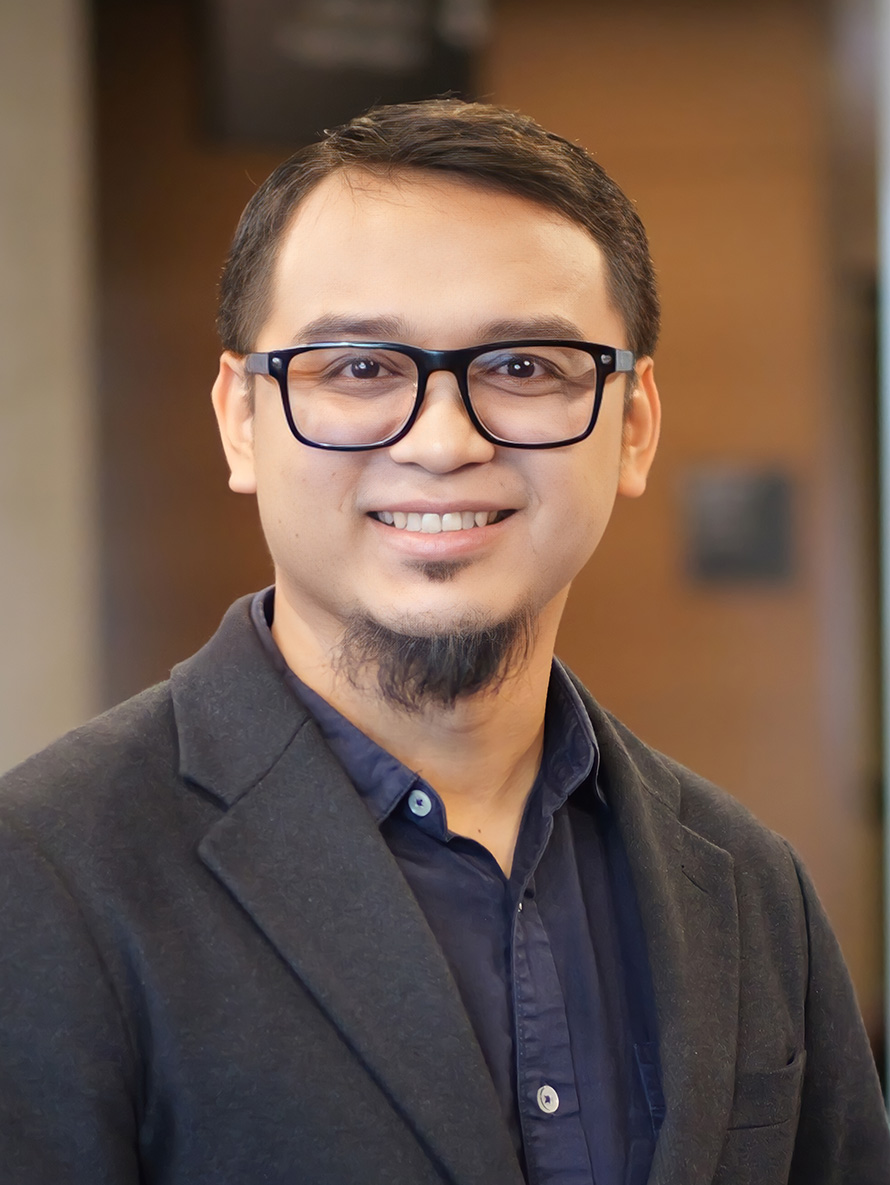
Associate Professor Henry Surendra
Monash University IndonesiaAssociate Professor Henry Surendra is one of the most productive academics at Monash University Indonesia, with a strong record in the quantity and quality of his research. Over the past five years, he has authored 22 papers in high-quality journals, including lead authorship in the Lancet Global Health, Nature Communications, the Lancet Regional Health–Western Pacific and BMJ Global Health, among others. He has earned recognition through the 2024 Young Physician Leaders Award (InterAcademy Partnership), a research profile feature by GAVI in 2024, honorary fellowship by Menzies School of Health Research, Australia (2022–2027), and editorial roles with BMC Medicine and PLOS Global Public Health.
-
The Vice-Chancellor’s Early Career Researcher of the Year Award recognises early career researchers (HASS) who have achieved, or are currently achieving, exceptional research excellence and impact.
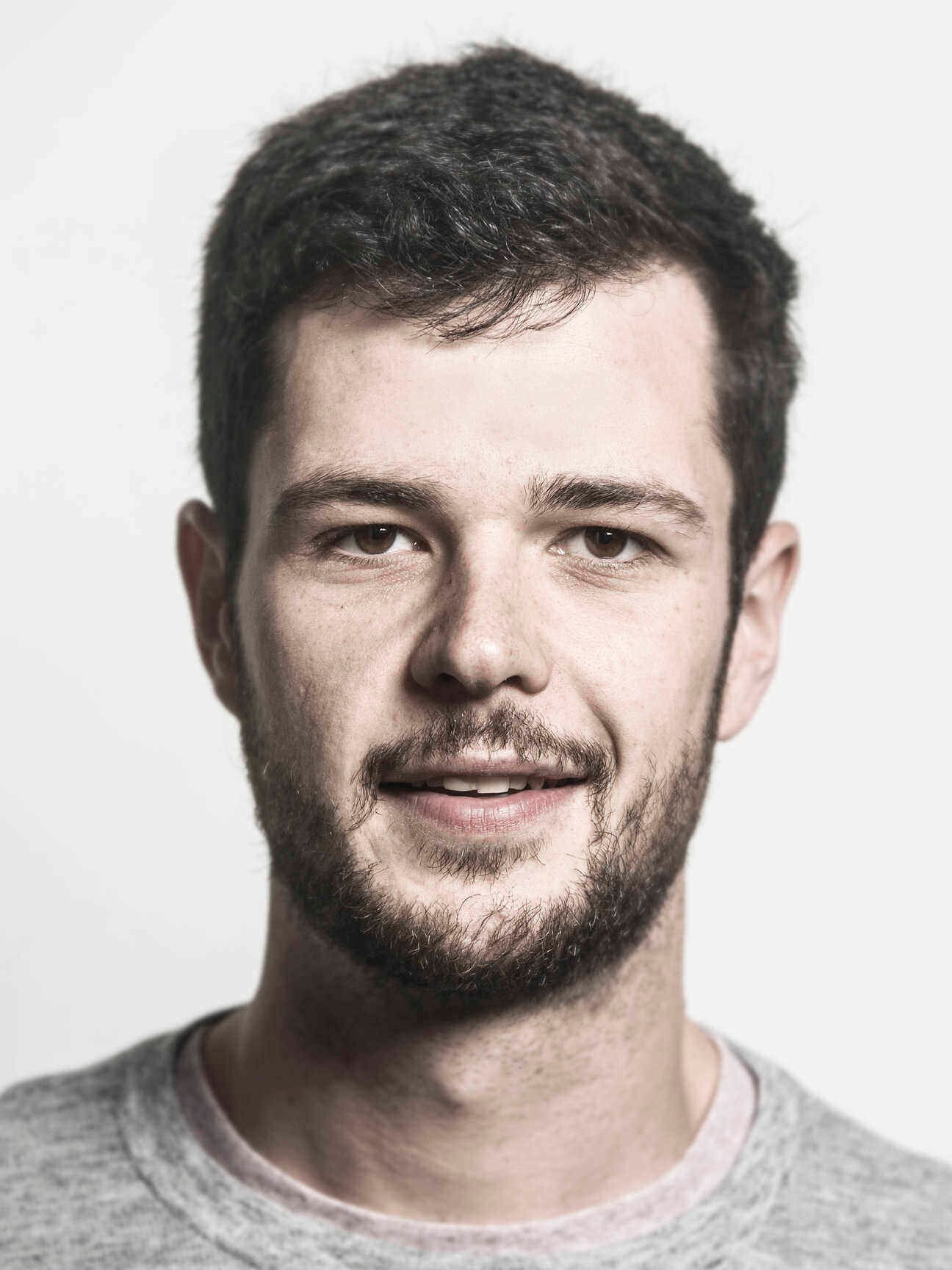
Dr Chris Urwin (Winner)
Faculty of ArtsDr Chris Urwin is redefining how archaeologists work with Indigenous communities to understand place-making, memory, and cross-cultural encounters. His research foregrounds oral traditions and reveals long-overlooked histories, including early Asian–First Nations connections. In five years, Chris has secured ~$1.85 million in funding, including an ARC DECRA and Linkage Project, published an award-winning monograph, and built enduring partnerships across Australia and Papua New Guinea. His projects deliver outcomes in heritage protection and education. Through ethical collaboration, mentoring, and public engagement, Dr Urwin defines a new generation of humanities researchers committed to research that is rigorous, community-led, and socially transformative.
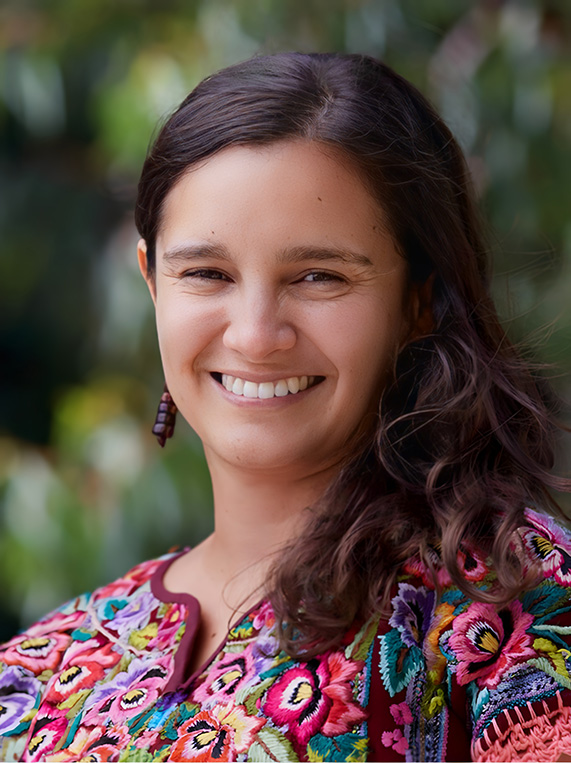
Dr Desiree Hernandez Ibinarriaga
Faculty of Art, Design and ArchitectureDr Desireé Ibinarriaga is a pioneering Indigenous Mexican scholar whose work at Monash has seen her successfully integrating Indigenous methodologies into teaching, research and practice. She has advanced decolonising frameworks in design discipline worldwide, and fostered genuine collaboration between Indigenous and non‐Indigenous worlds. She has devised a bespoke research training program for Indigenous HDR scholars that empowers them to lead research grounded in their own cultures, practices and lived experiences, and has mentored their academic and professional growth. These achievements have contributed significantly to decolonising research, education and creative practices, and nurtured diverse talent, expanding opportunities for Indigenous HDRs.
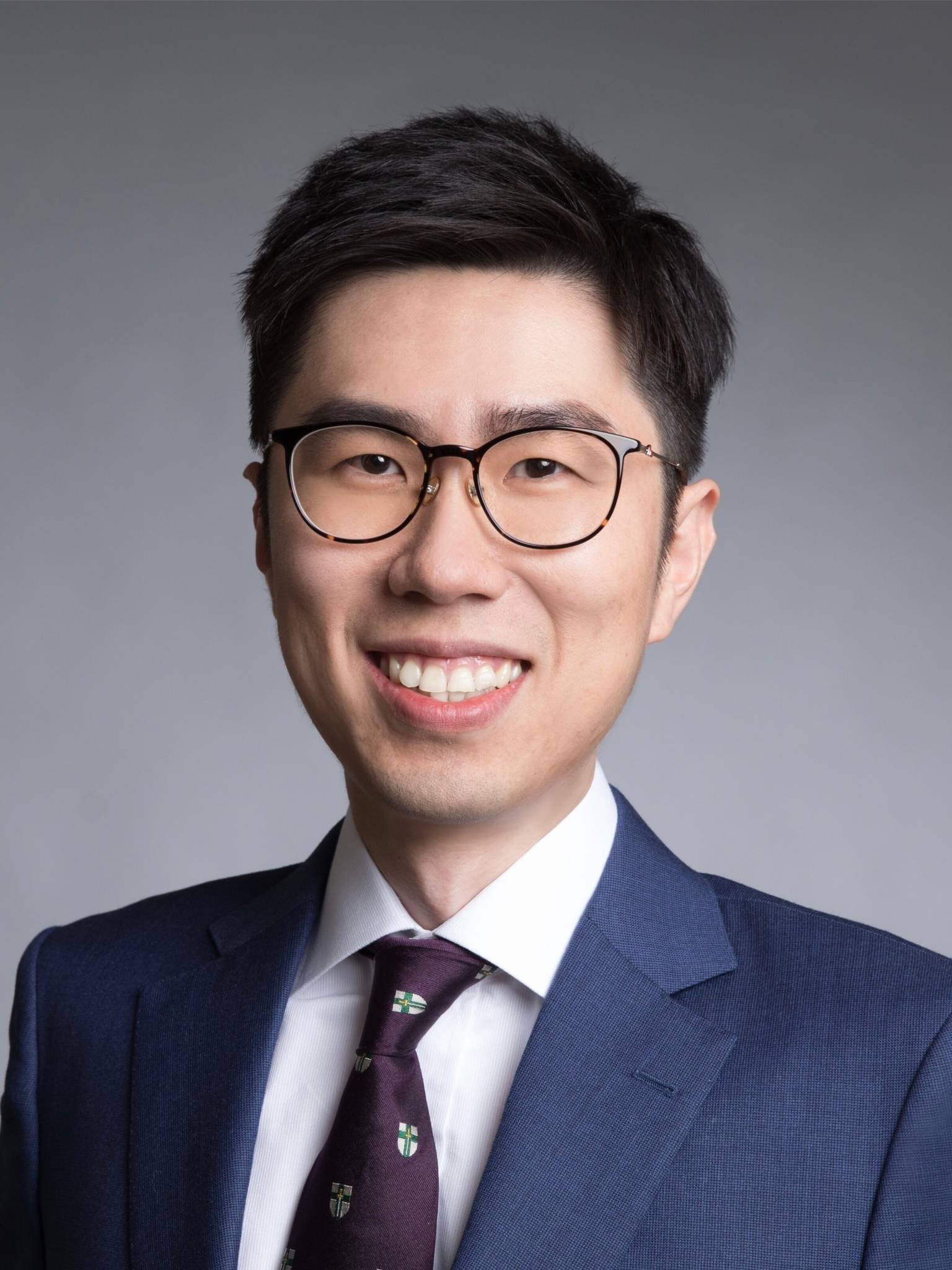
Dr Yi (Paul) Zhou
Faculty of Business and EconomicsAs an emerging research leader at Monash, Dr Yi (Paul) Zhou studies how governance, data and institutions shape resilient and algorithmic supply chains. Using statistical machine learning and empirical models, he delivers evidence that informs policy and practice on geopolitical disruption, environmental enforcement, corporate inclusion, and gig work. Published in leading journals and recognised by an ARC Discovery Project, his research provides actionable recommendations for government and industry, shaping responsible operations and supply chain governance agendas in Australia and internationally.
Dr Aspasia Stacey Rabba
Faculty of EducationDr Aspasia Stacey Rabba is an ECR and clinician who has demonstrated exceptional research excellence and impact. She has developed international collaborations spanning Asia, the UK, Europe and the US, and is an emerging leader in the area of autism in adulthood and mental health. She is a Deputy Editor for two Q1 journals in her discipline, Autism in Adulthood and The Educational and Developmental Psychologist, and has a strong emerging track record of publications. Dr Rabba has been an invited speaker at national and international conferences, creating ripple effects by disseminating her research with passion and impact.
Dr Tamara Wilkinson
Faculty of LawDr Tamara Wilkinson completed her doctoral thesis in 2022 on the topic of government incentives for venture capital investment. She has subsequently published two sole-authored monographs (with Hart Publishing and LexisNexis), as well as an article in the Australian Journal of Corporate Law. Since completing her PhD, Tamara has also contributed her expertise on policy incentives to two interdisciplinary projects: one on the use of taxation incentives to increase diversity in Australian media (with the Faculties of Arts and Business Law and Taxation), and one on the establishment and funding of ‘climate resilience districts’ (a multi-university, non-profit and industry collaboration).
-
The Vice-Chancellor’s Research Team of the Year Award rewards teams (STEM) who have achieved an exceptional research outcome in the previous one to two years. It recognises those who embody the Monash University values and exhibit exceptional collaboration both internally and across the wider research community.
Hazelwood Health Study (Winner)
Faculty of Medicine, Nursing and Health Sciences

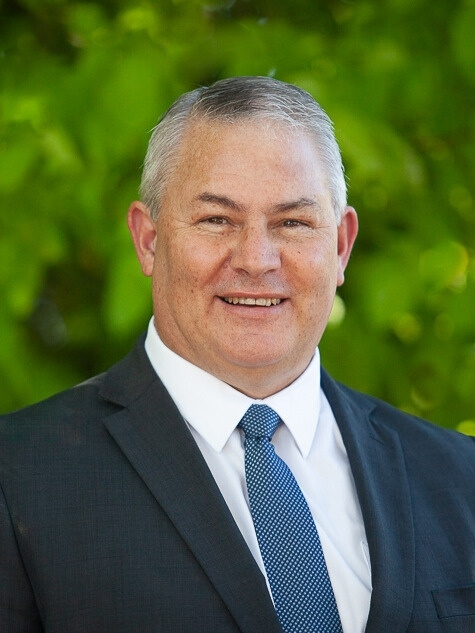

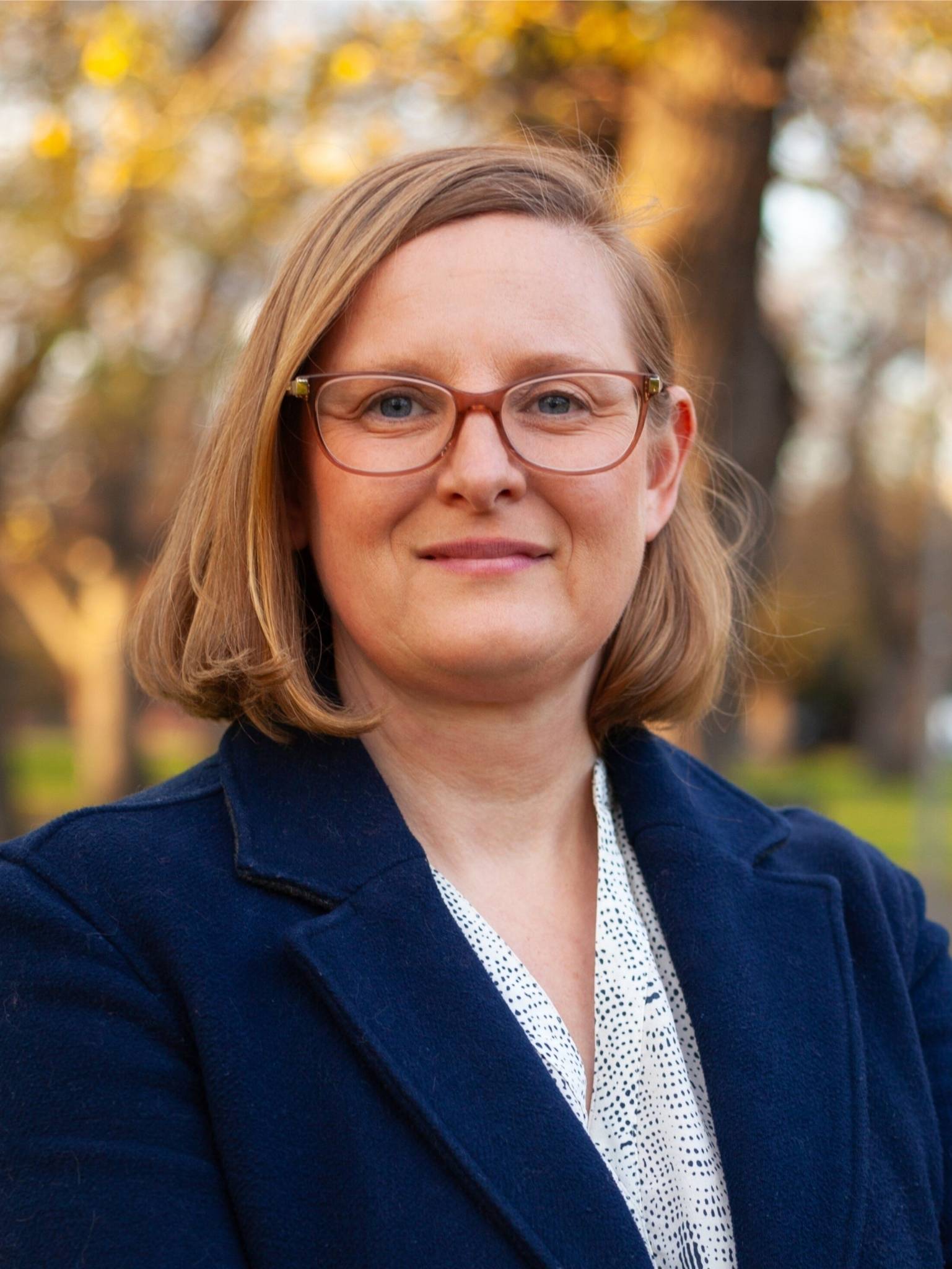

Left to right from top: Associate Professor Matthew Carroll, Professor Karen Walker-Bone, Dr Jillian Blackman, Dr Tyler Lane, Associate Professor Caroline Gao, Tim Campbell, Catherine Smith, David Brown, David Poland, Natasha Kinsman, Dr Sharon Harrison, Emeritus Professor Michael Abramson AM
In October 2024, the Hazelwood Health Study team concluded its pioneering 10-year community-codesigned investigation into the health and wellbeing impacts of the 2014 Hazelwood coalmine fire, having made demonstrable contributions to environmental science, public health policy and planning, and emergency responses to environmental disasters. The team’s impactful, transdisciplinary findings and widespread collaborations informed national air pollution guidelines, parliamentary enquiries, legal proceedings, psychological services and public health awareness campaigns and were pivotal to Prof Abramson’s 2025 Membership of the Order of Australia. Facing major methodological challenges, including the Black Summer, COVID-19, and the cost-of-living crisis, the team delivered on time and under budget.
Enhancing Telehealth Project Team
Faculty of Information Technology, Faculty of Medicine, Nursing and Health Sciences, Monash Health, The University of Melbourne, Healthdirect Australia, Victorian Department of Health, Digital Health Cooperative Research Centre
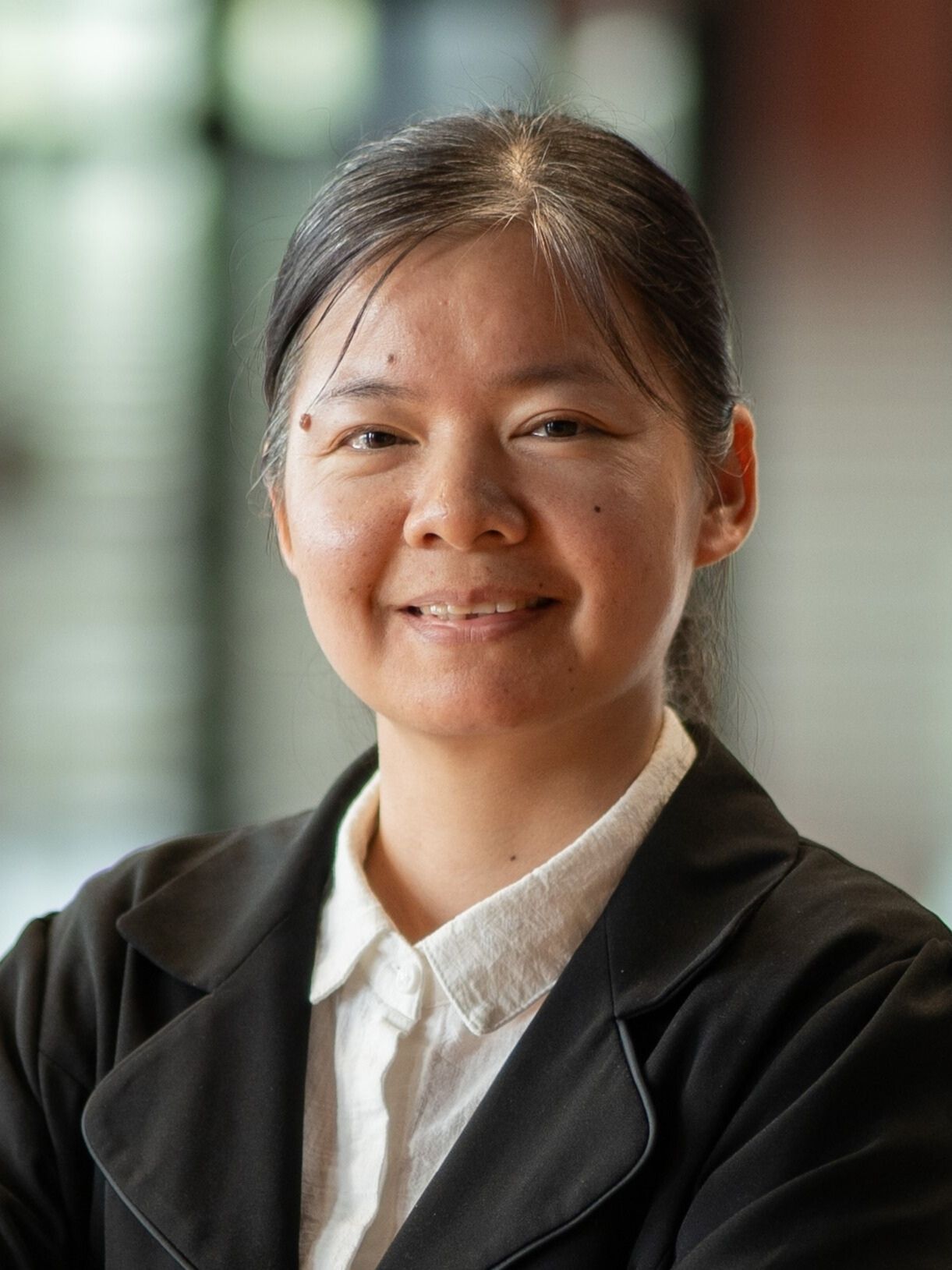
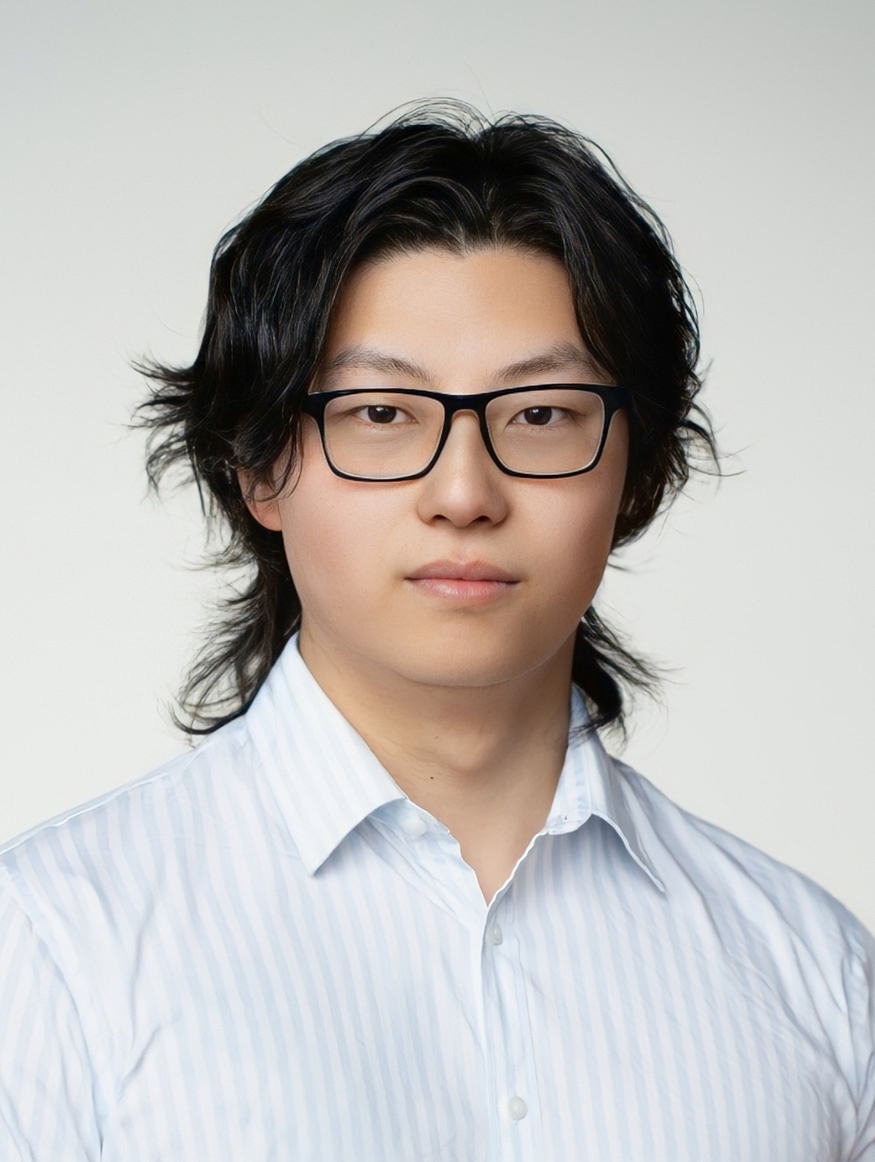
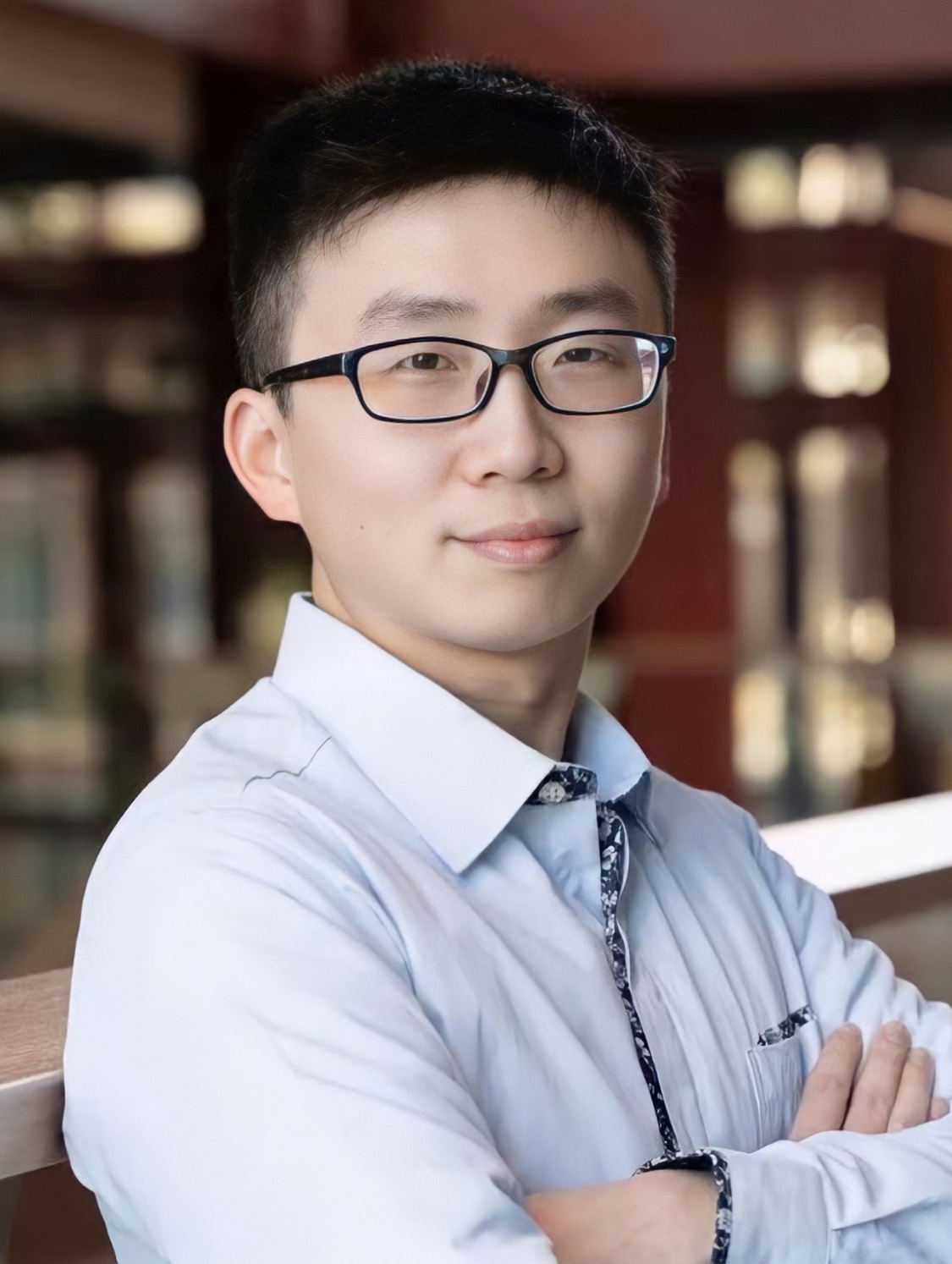


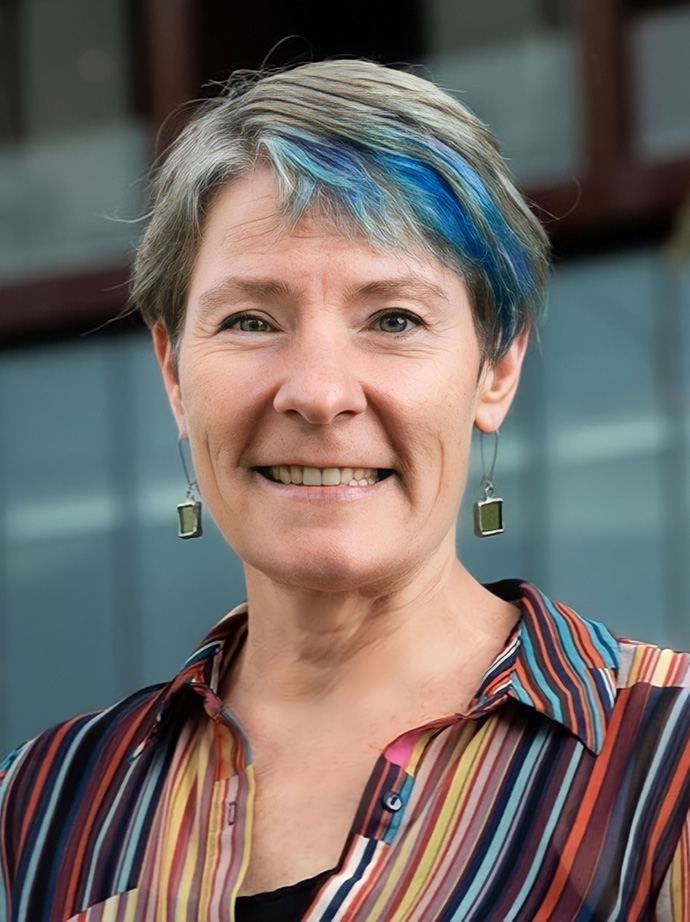


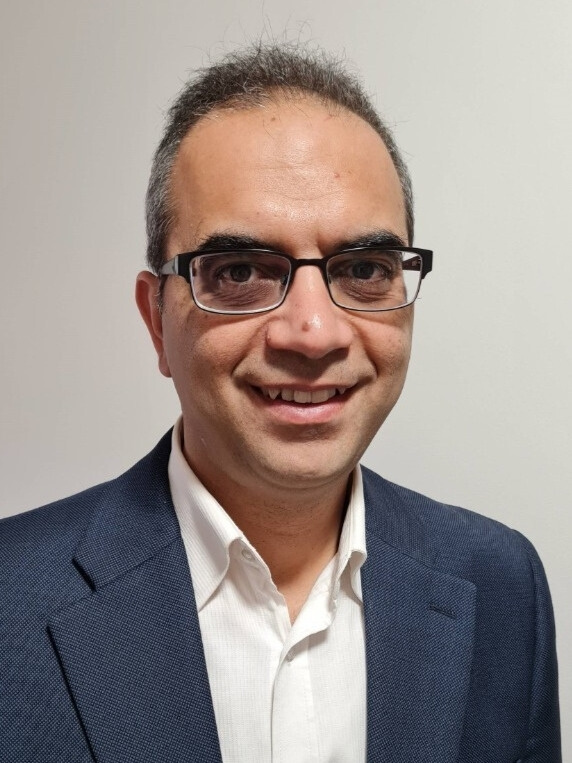
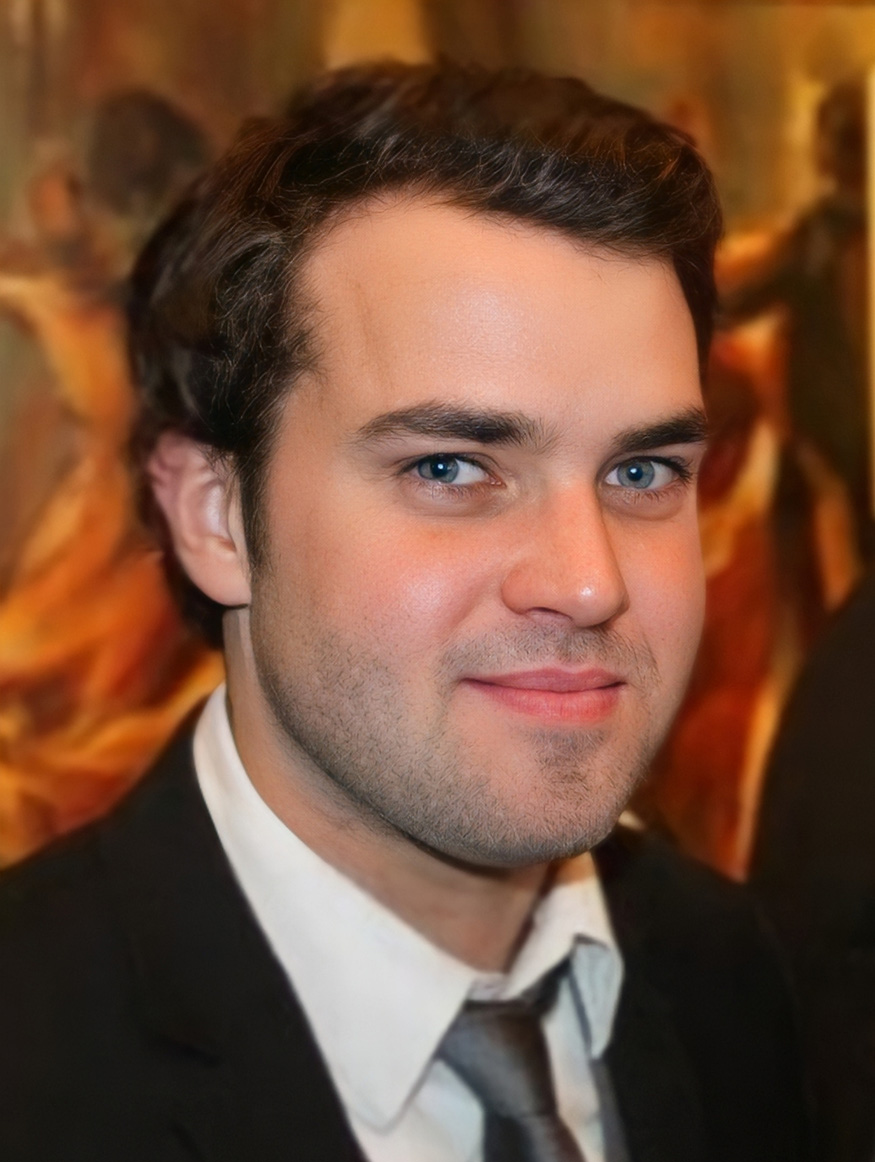

Left to right from top: Professor Rashina Hoda, Professor Chris Bain, Dr Wei Zhou, Andy Li, Dr Xiao Chen, Associate Professor Peter Poon, Dr Laura Bird, Professor Wendy Chapman, Dr Mahima Kalla, Dr Teresa O'Brien, Sam Georgy, David Bevan, Dr Joycelyn Ling
The Enhancing Telehealth Project Team, led by Professor Rashina Hoda, comprises interdisciplinary experts from Monash University, the University of Melbourne, Monash Health, Healthdirect Australia, and the Victorian Department of Health. Over more than three years, the team developed and deployed a software add-on enhancing patient-clinician telehealth communication and clinical documentation through enabling clinicians to create real-time consultation summaries, which was government policy aligned and integrated into the national Healthdirect Australia video-call platform. Incorporating valuable lived experience perspectives and needs through co-design with clinicians and patients, the team’s impactful academic and real-world outcomes address critical limitations in the ongoing uptake of many new software developments.
Experimental Particle Physics group within the LHCb experiment
Faculty of Science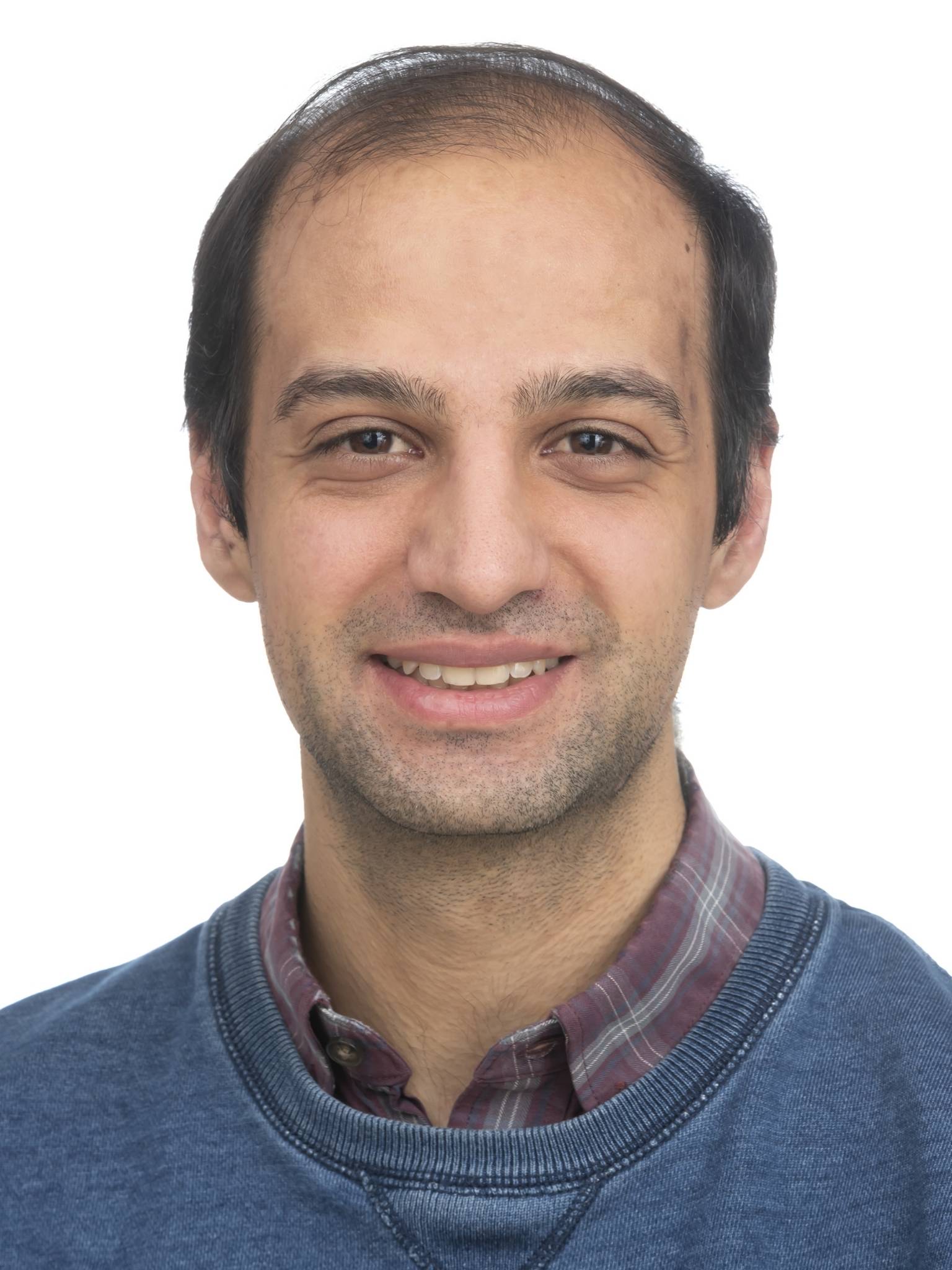


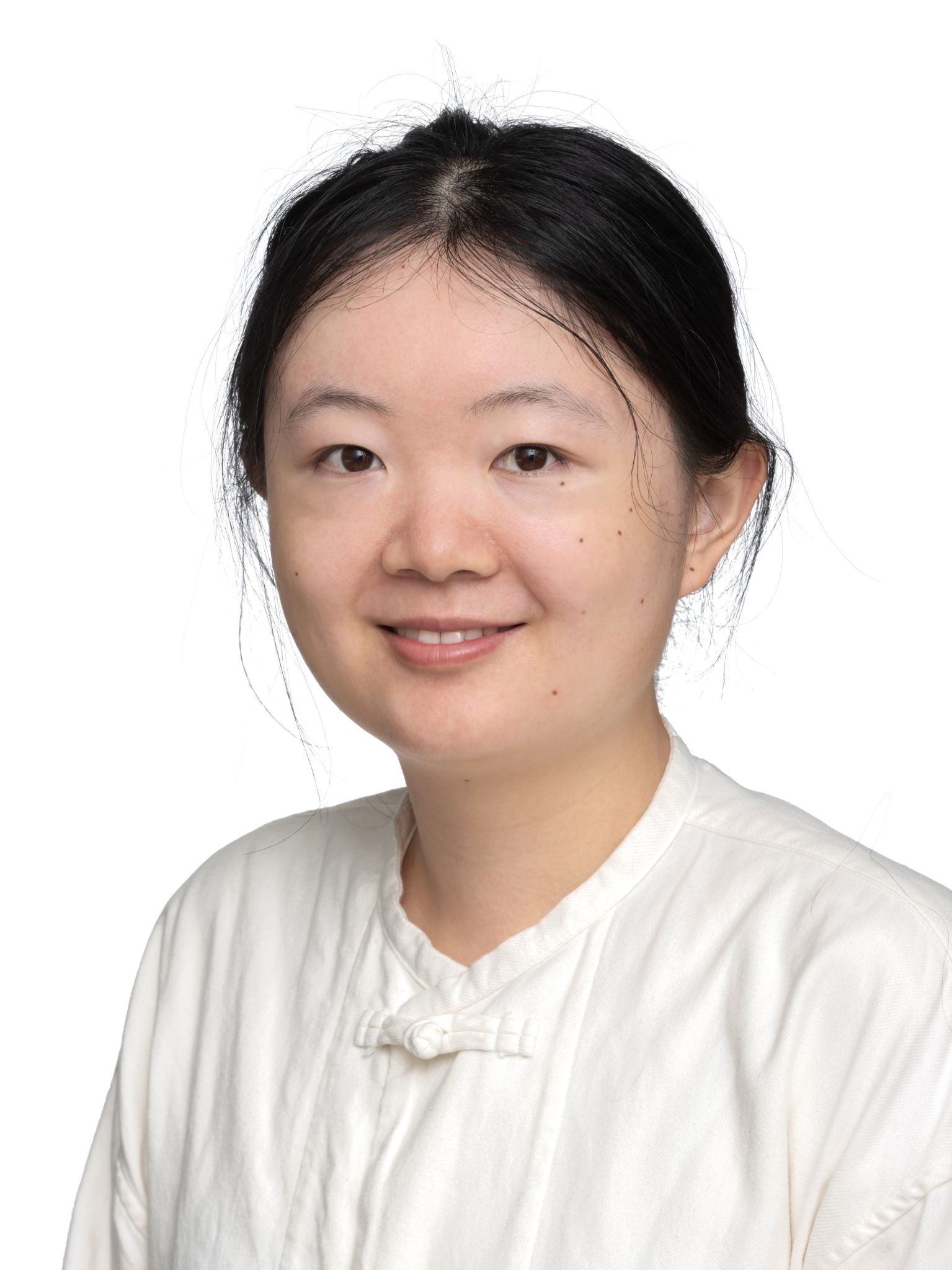

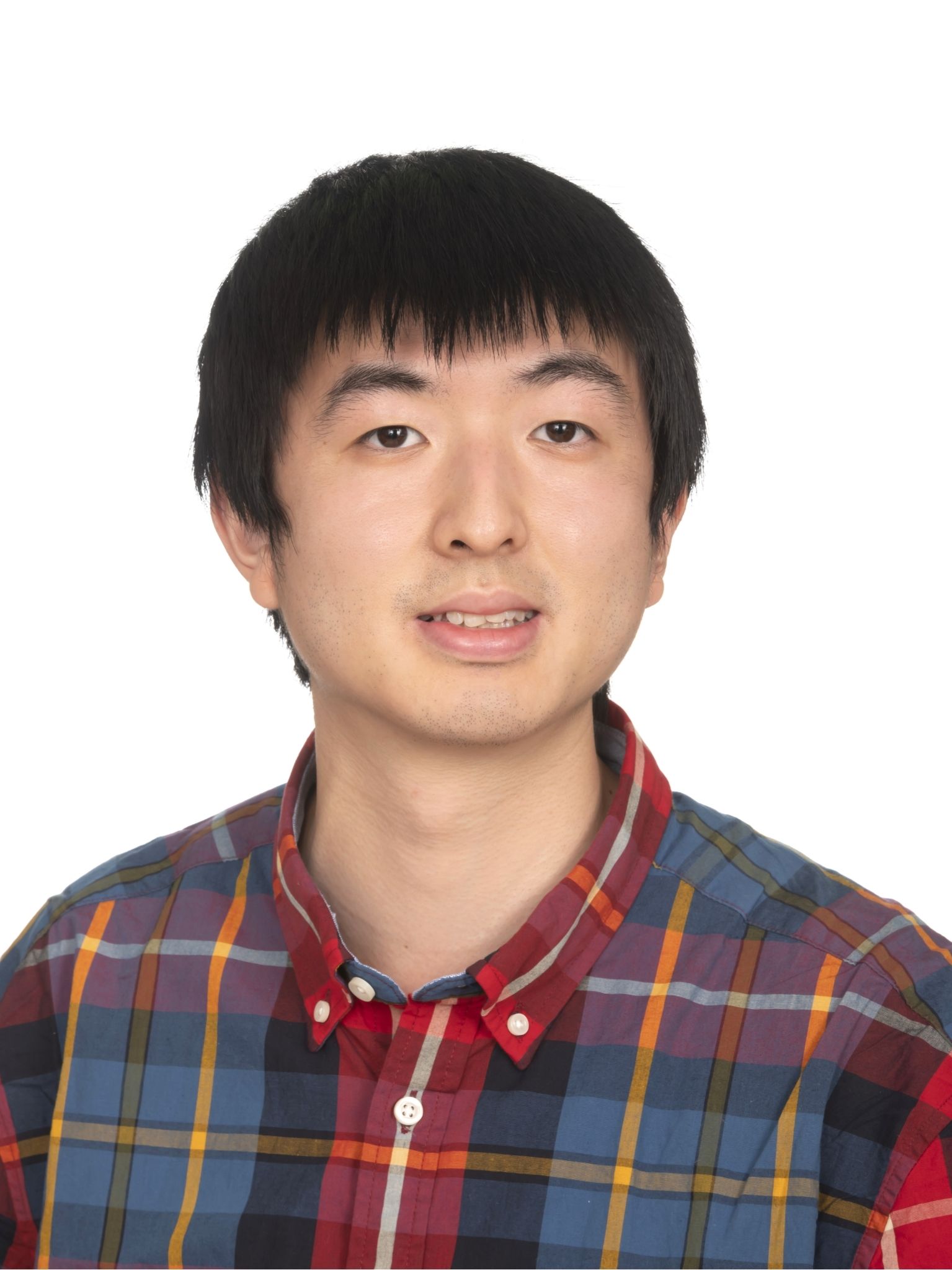
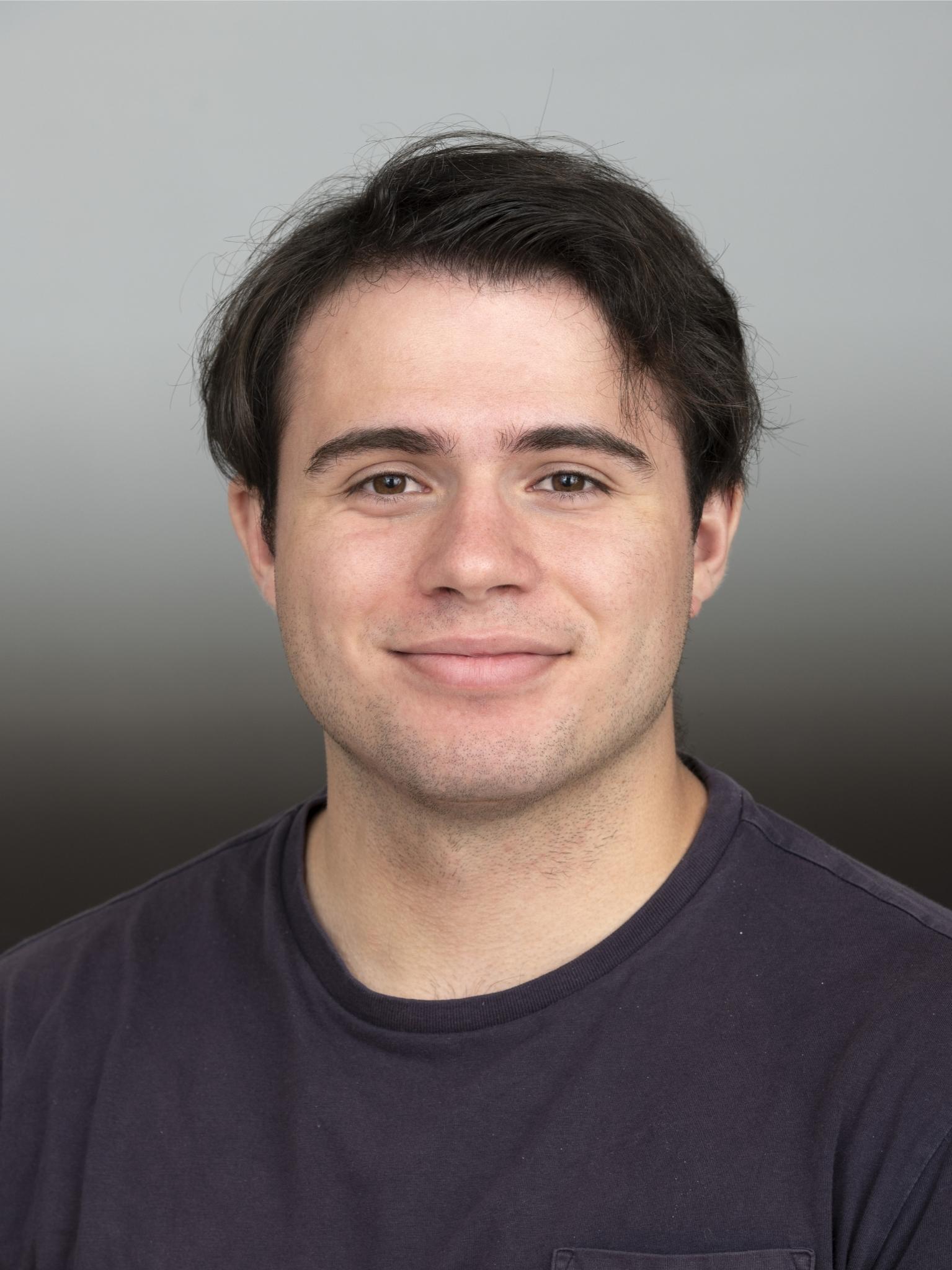

Left to right from top: Dr Tom Hadavizadeh, Professor Ulrik Egede, Dr Riley Henderson, Dr Sam Dekkers, Rongrong Song, Eliot Walton, Frank Liu, Riccardo Bonacci, Tom Harris
The Monash Experimental Particle Physics group are members of the LHCb collaboration at CERN, one of four large experiments at the Large Hadron Collider (LHC). The group has made significant and sustained contributions to the collaboration, helping to better our understanding of fundamental particle physics and searching for signs of new particles or forces beyond our current understanding. The success of the physicists at the Large Hadron Collider has been recognised this year by the award of the Breakthrough Prize in Fundamental Physics to all four LHC collaborations.
-
The Vice-Chancellor’s Research Team of the Year Award rewards teams (HASS) who have achieved an exceptional research outcome in the previous one to two years. It recognises those who embody the Monash University values and exhibit exceptional collaboration both internally and across the wider research community.
Global Encounters and First Nations Peoples: 1000 years of interaction (Winner)
Faculty of Arts
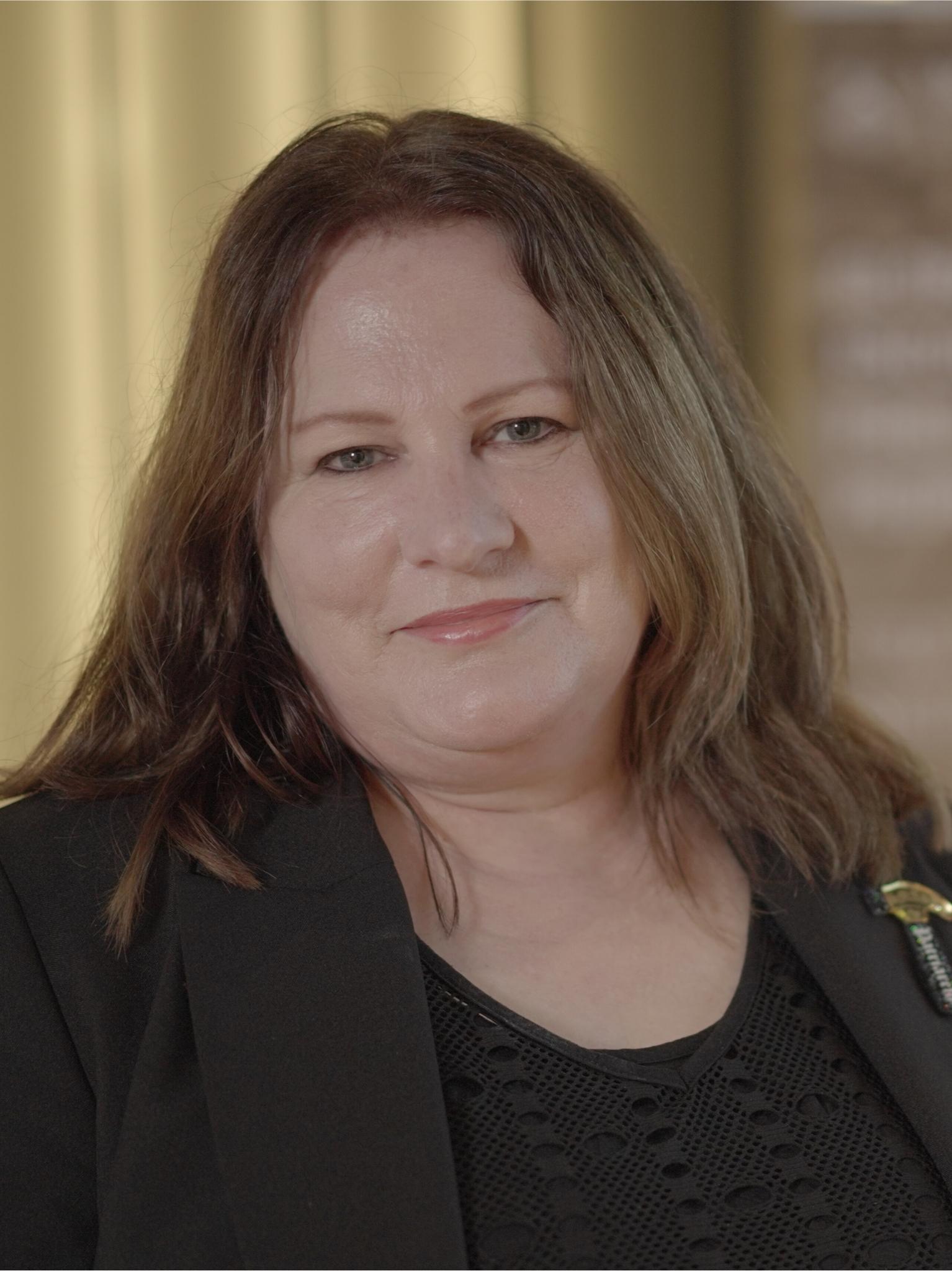
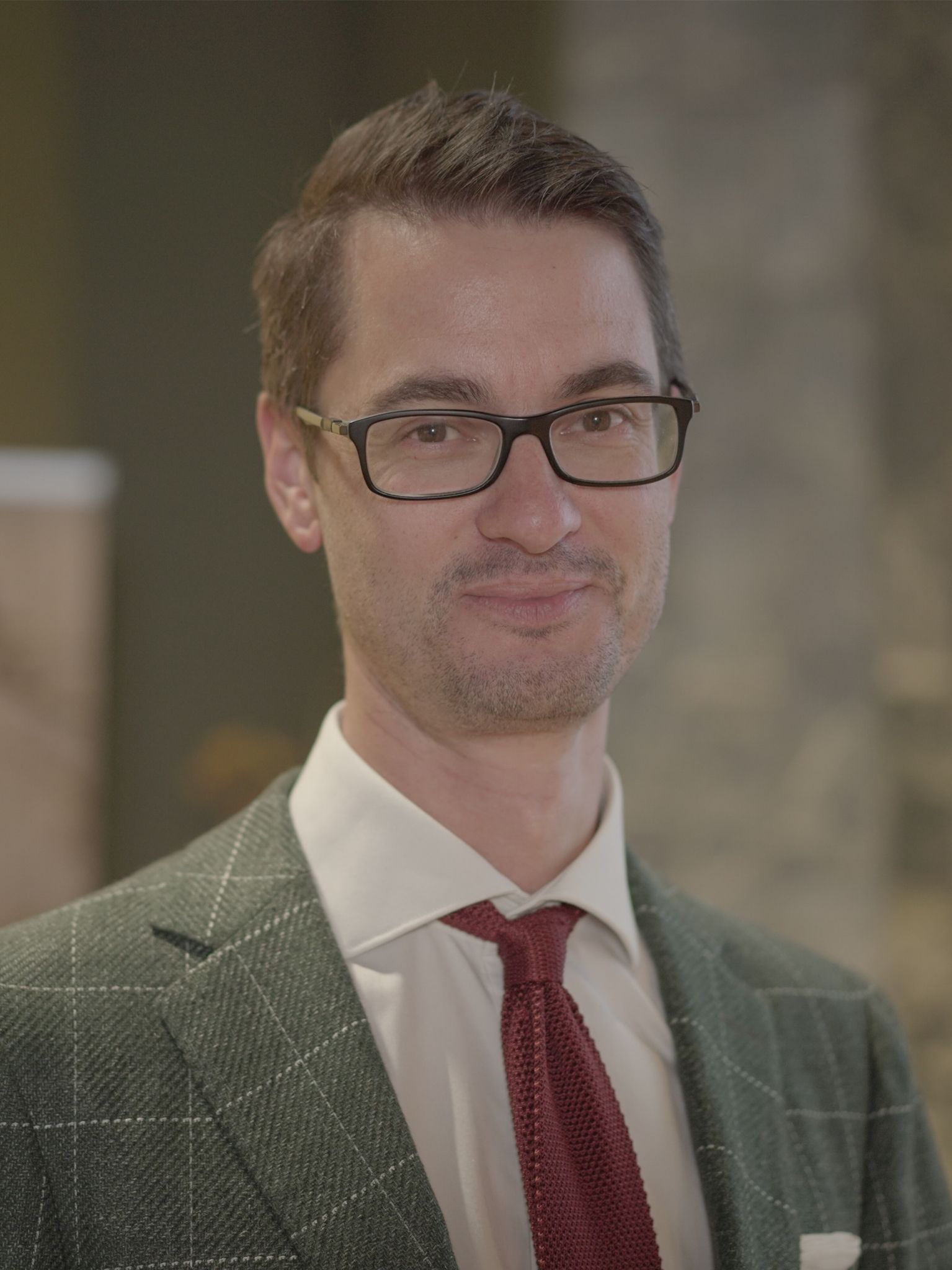
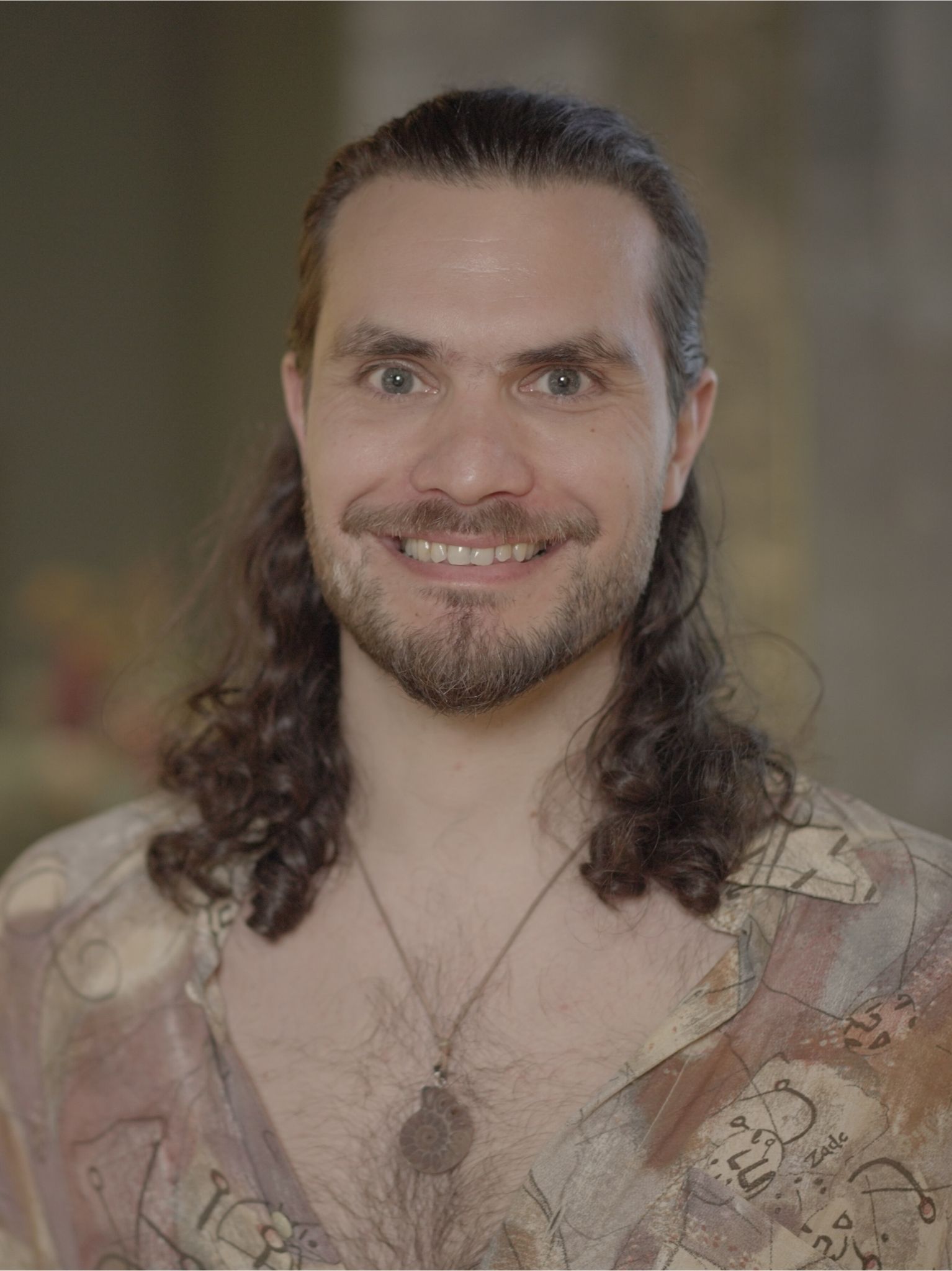
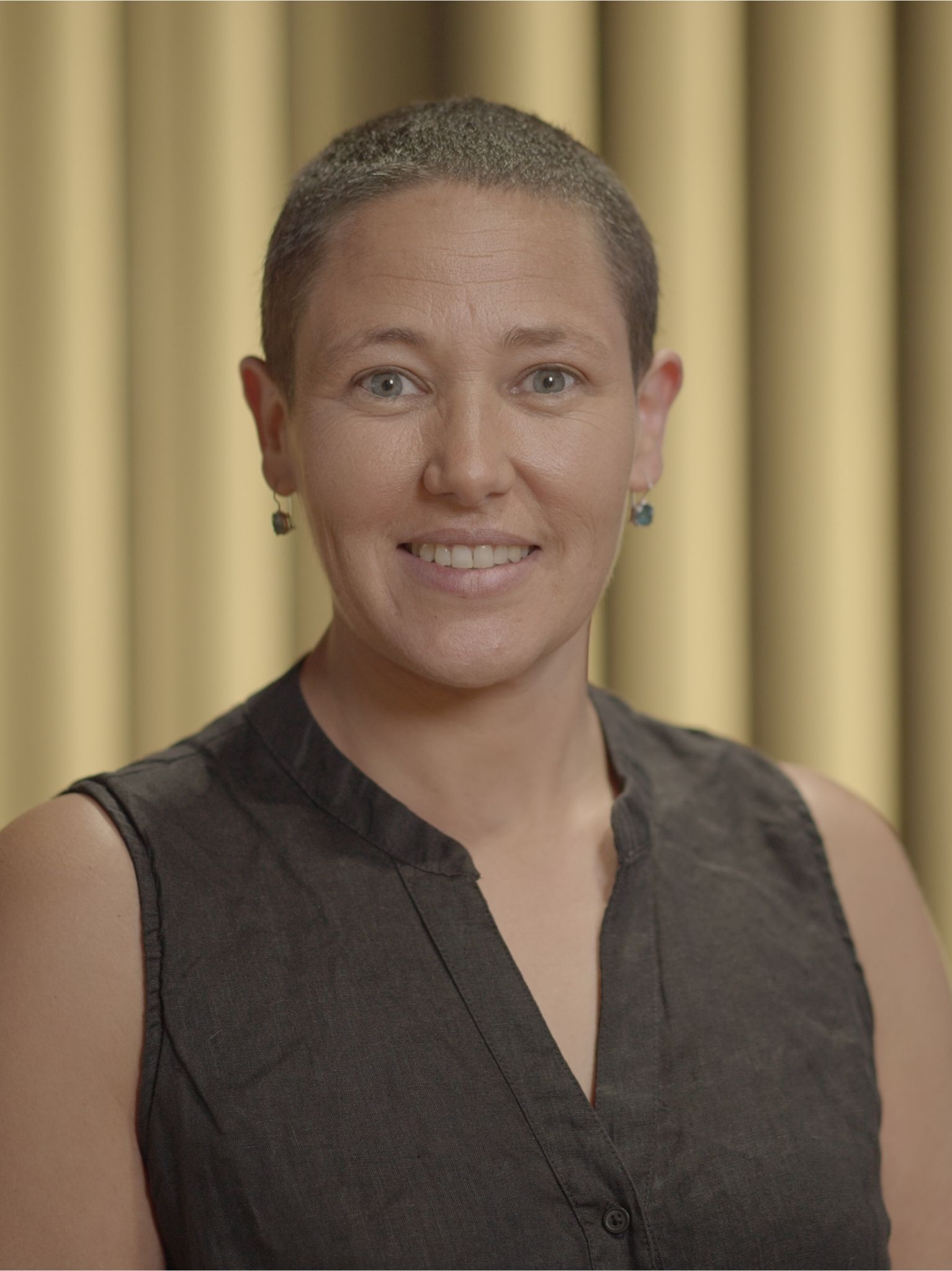
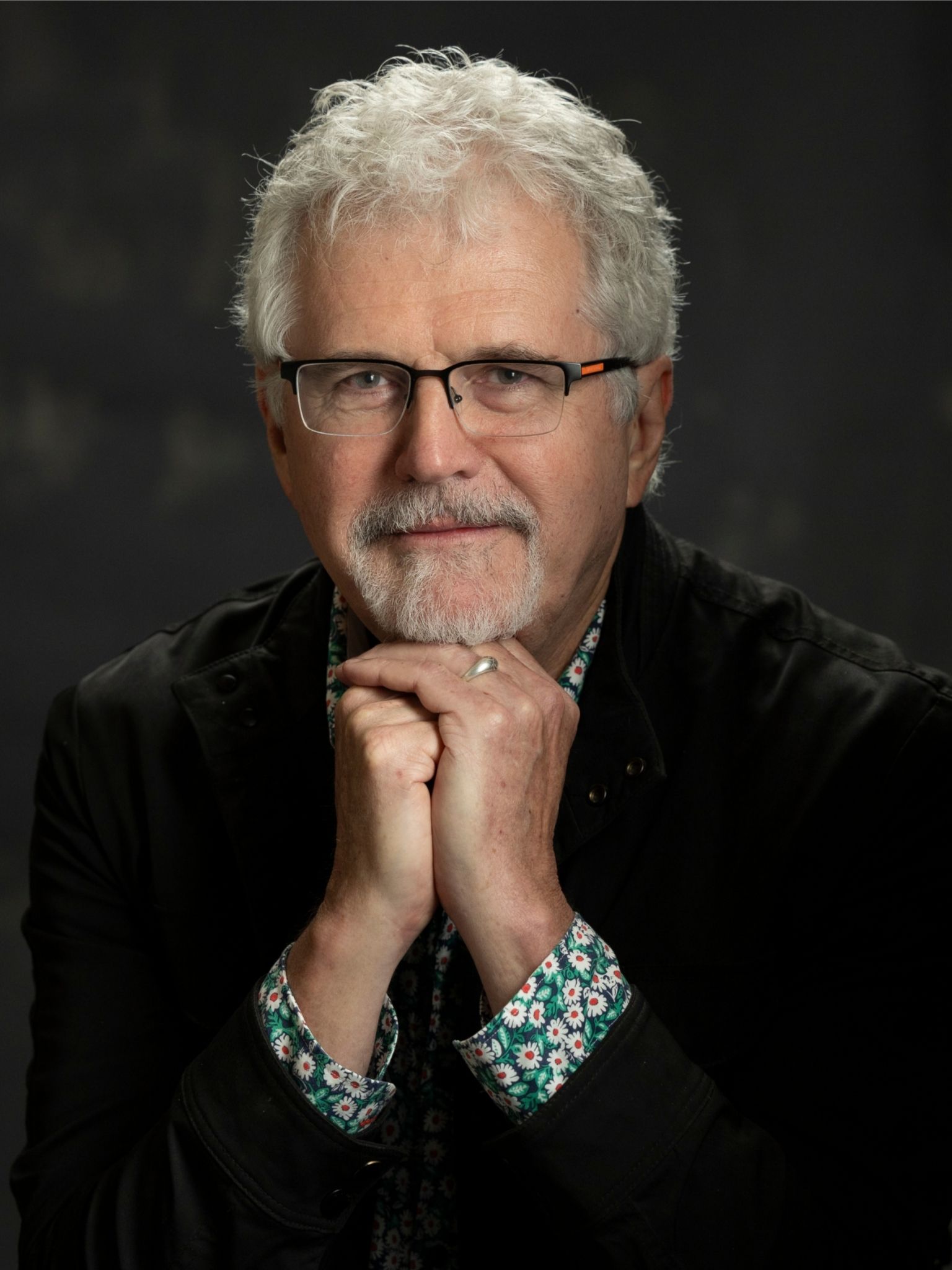
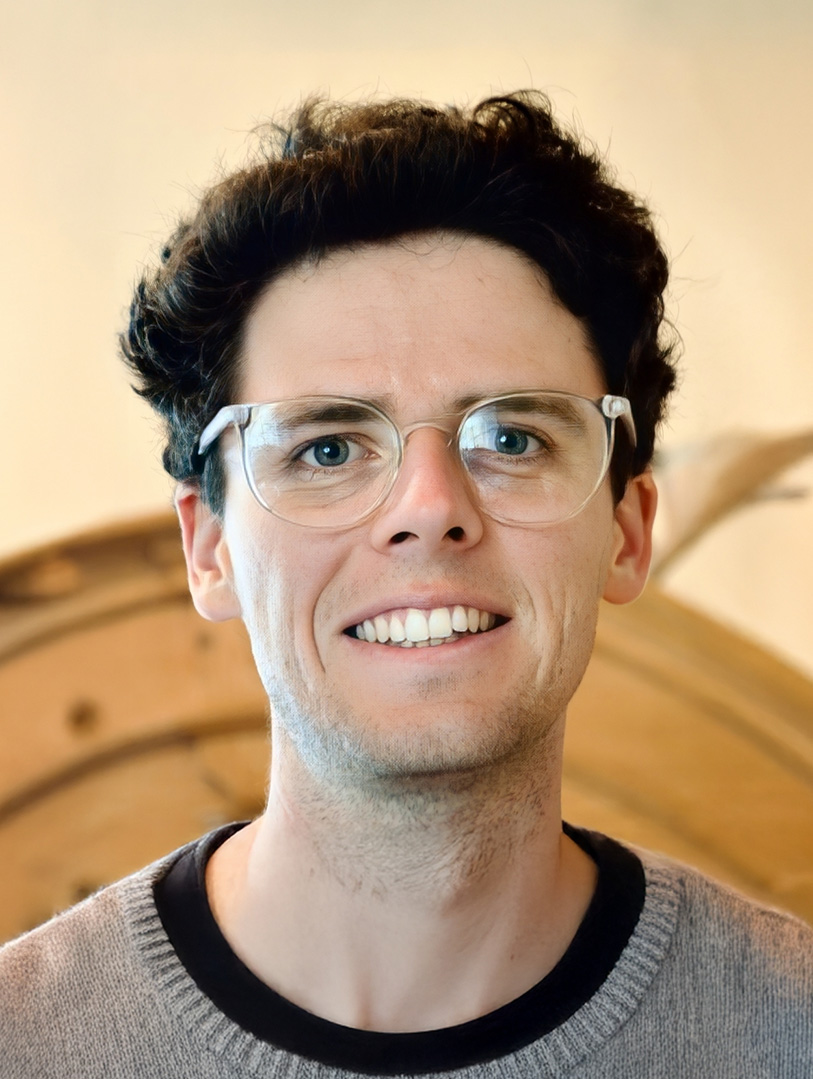

Left to right from top: Sir John Monash Distinguished Professor Lynette Russell AM, Dr Leonie Stevens, Dr Leigh Penman, Dr David Haworth, Dr Chris Urwin, Dr Jacinta Walsh, Professor Ian McNiven, Harrison Croft, Kellie Clayton
The Global Encounters Monash (GEM) team has uncovered powerful new stories about Australia’s past, revealing centuries of connection between First Nations peoples and Southeast Asian visitors well before British colonisation. Running from 2020 to 2025, this interdisciplinary project brought together researchers across Australia, the Pacific, Europe, and Southeast Asia to challenge the myths of an isolated continent. GEM’s impact spans scholarly and public domains, reshaping historical narratives, informing international policy, inspiring exhibitions, and shaping diplomatic conversations. Its legacy endures through international collaborations, including the Marege-GEM Institute, and the adoption of “Global Encounters” in academic and cultural discourse.
Future Building Initiative
Faculty of Art, Design and Architecture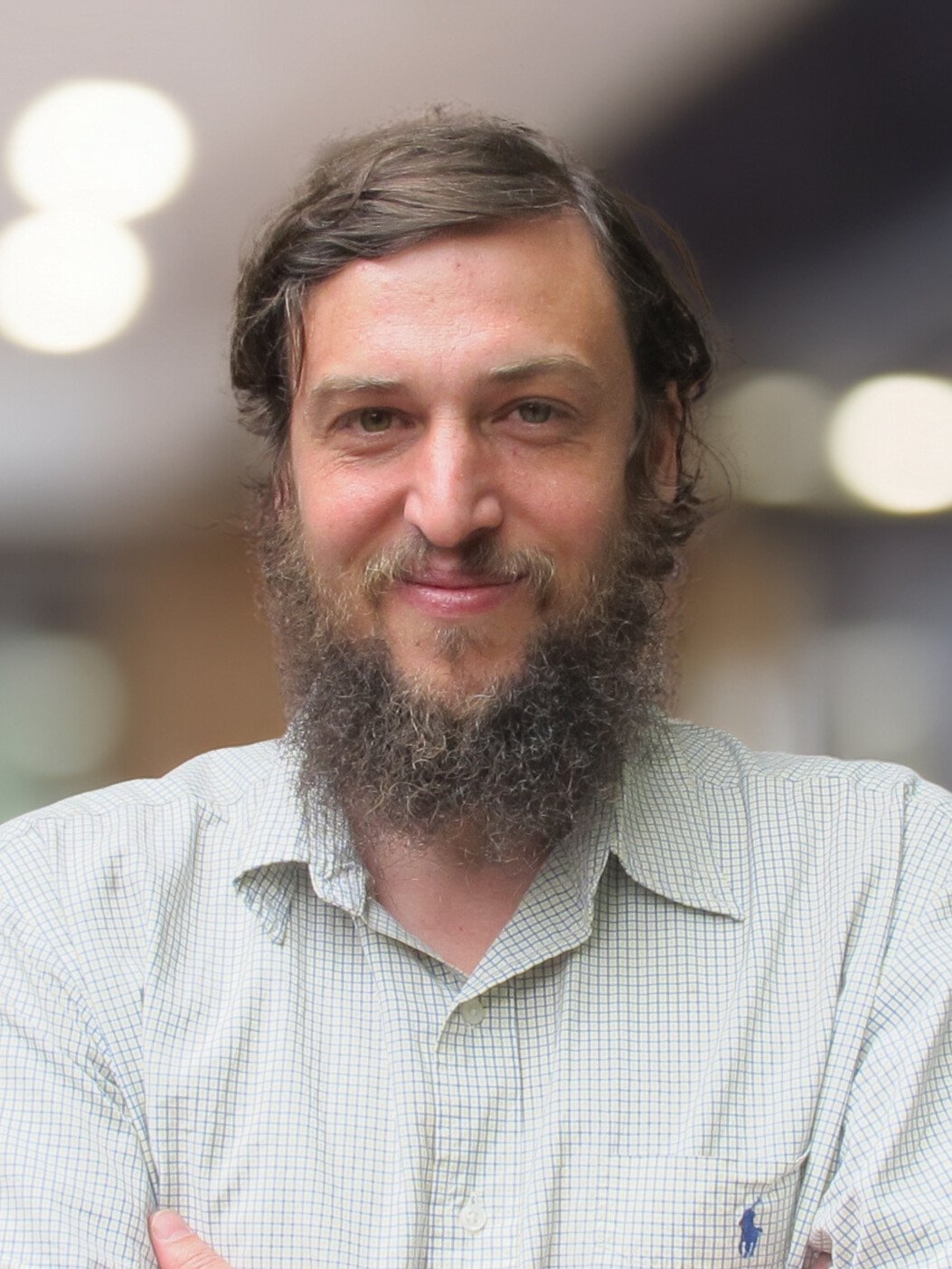
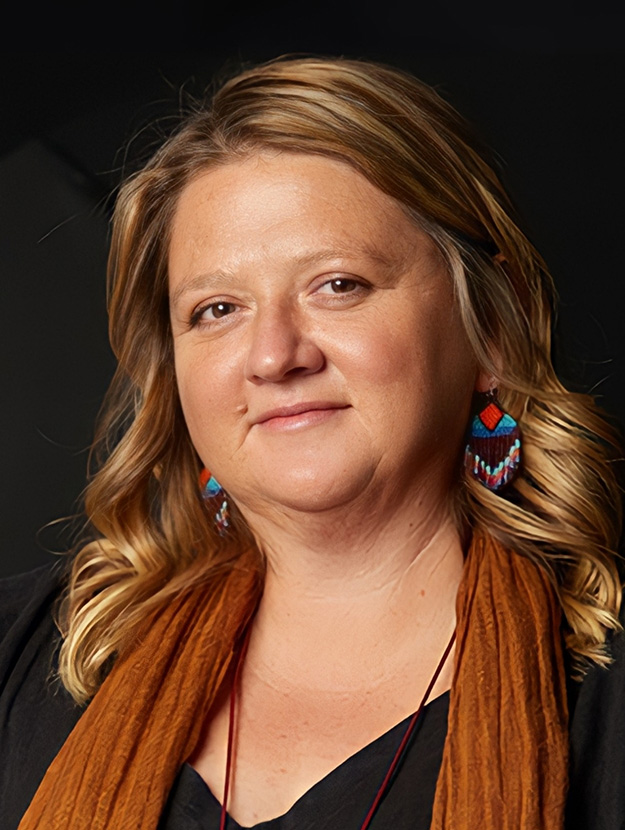


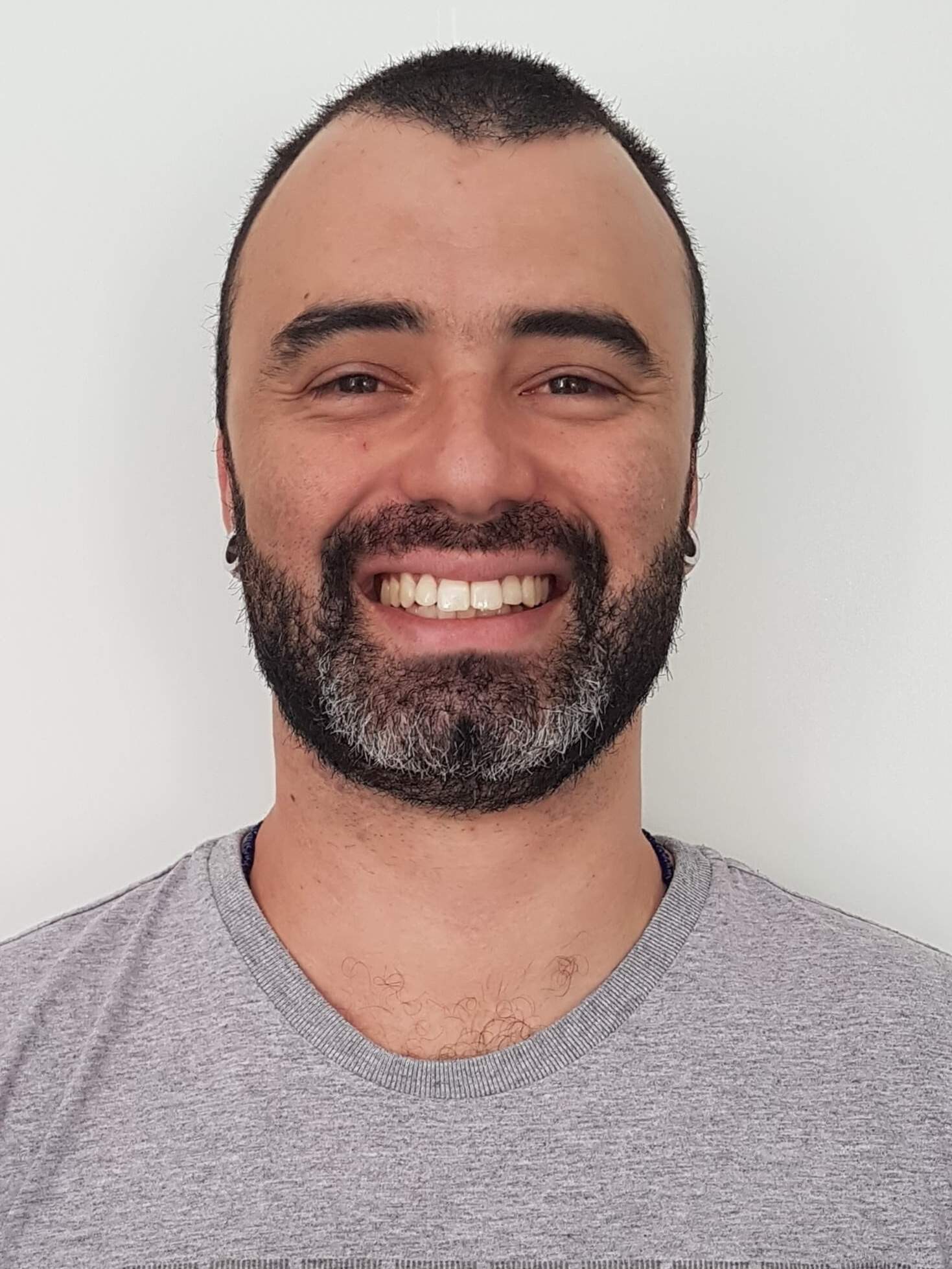

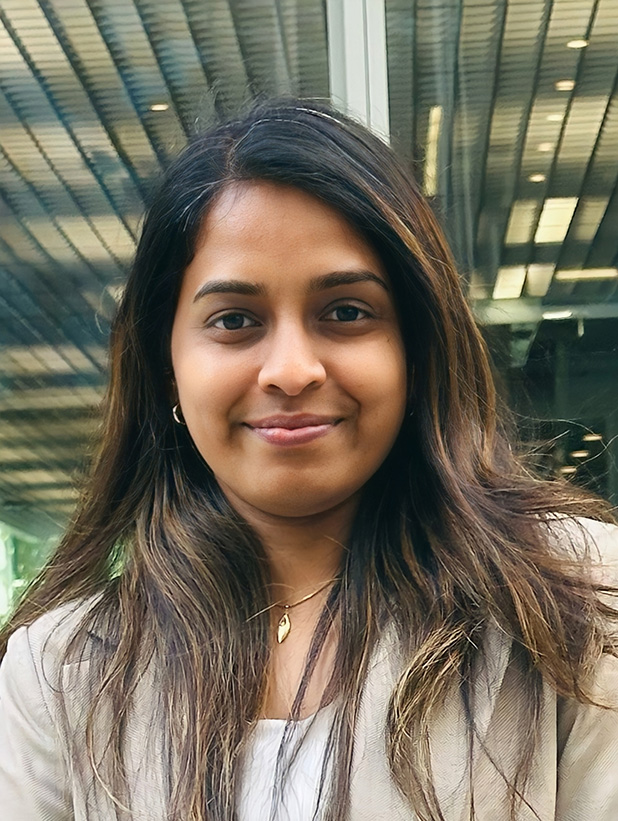
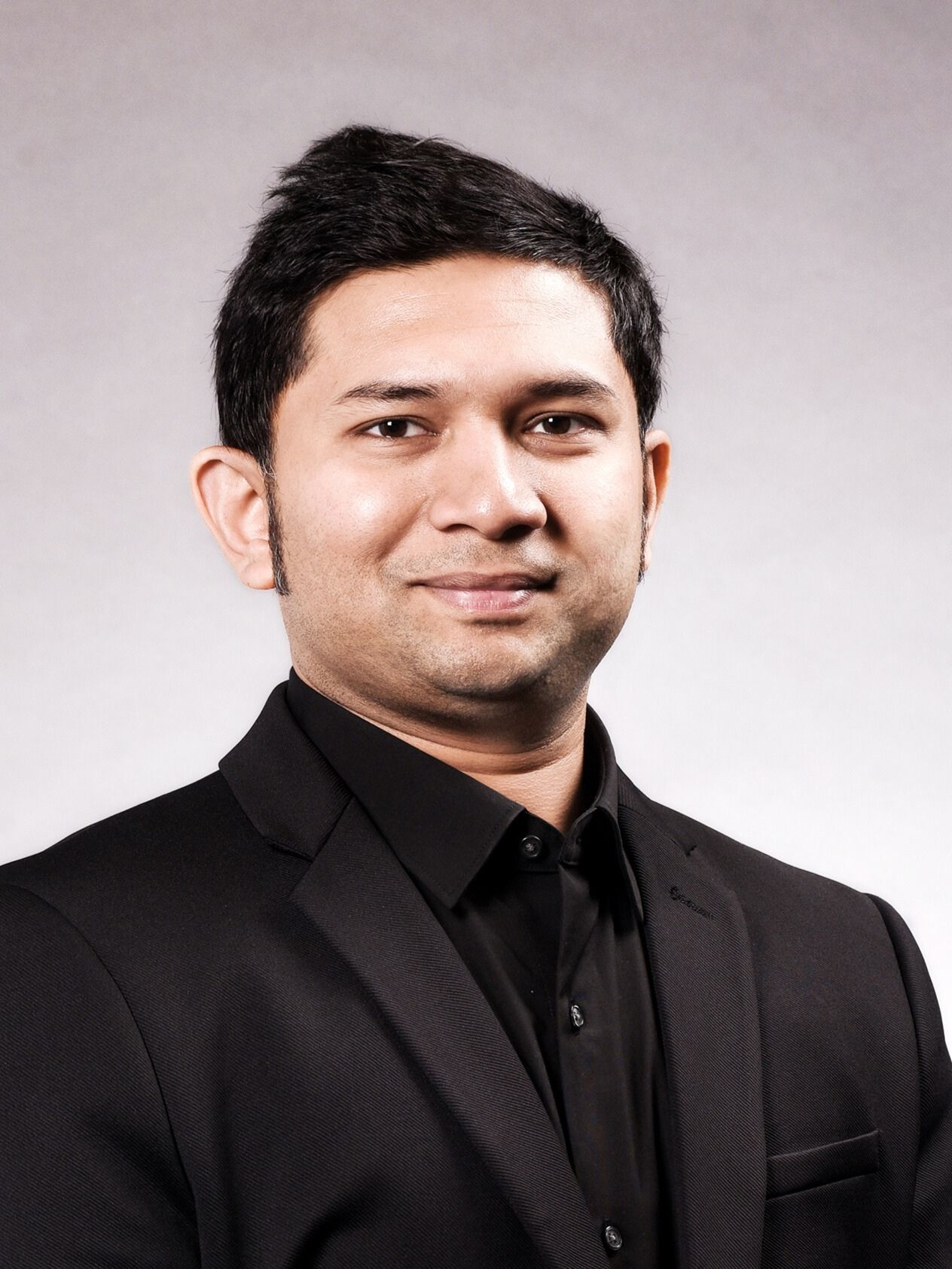
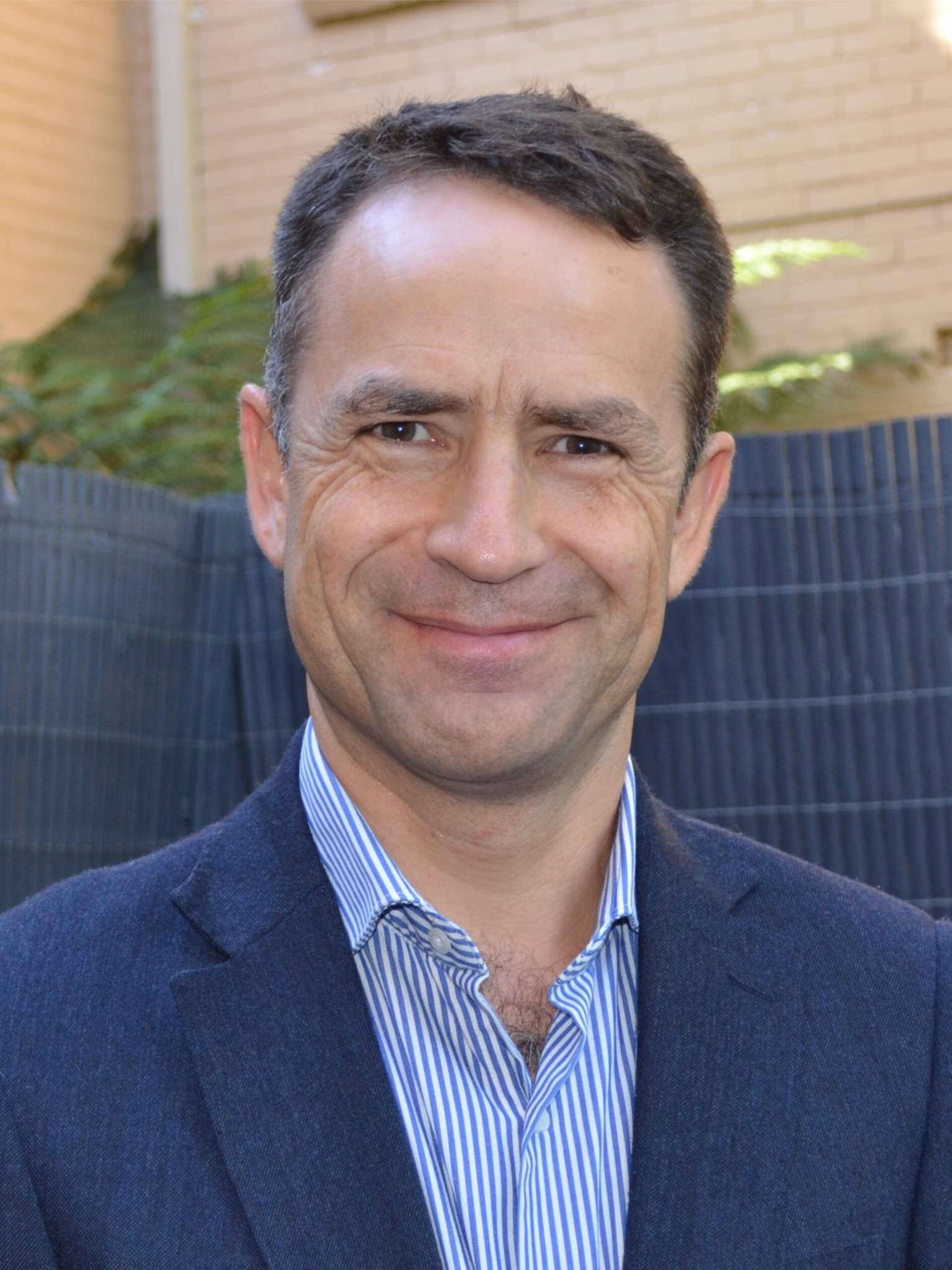

Left to right from top: Associate Professor Duncan Maxwell, Dr Victor Bunster, Dr Rachel Couper, Dr Camilo Cruz Gambardella, Dr Sahar Soltani, Dr Lisa Giusti Gestri, Dr Laura Gutierrez-Bucheli, Dr Santiago Muñoz Vela, Dr Victor Calixto, Dr Savindi Perera, Miyami Dasandara, Mohaimeen Islam, Fernando Pavez Souper, Professor Karl-Heinz Weiss, Darcy Zelenko
Spanning design, engineering, and architecture, the Future Building Initiative team undertakes interdisciplinary research to address the climate emergency and Australia’s housing affordability crisis. Through innovative building design and delivery, and partnering with industry and government, the team has led over 30 projects since 2020, achieving significant impact via prototypes and strategic frameworks. Their work integrates design research with technical and policy development to advance decarbonisation and affordable housing. Their AI-driven research and digital workflows have positioned MADA as a leader in applied, future-focused built environment research. The team’s inclusive approach embeds tailored mentoring for early career researchers and promotes staff wellbeing.
ID4E: Institutional Design for Equity
Faculty of Business and Economics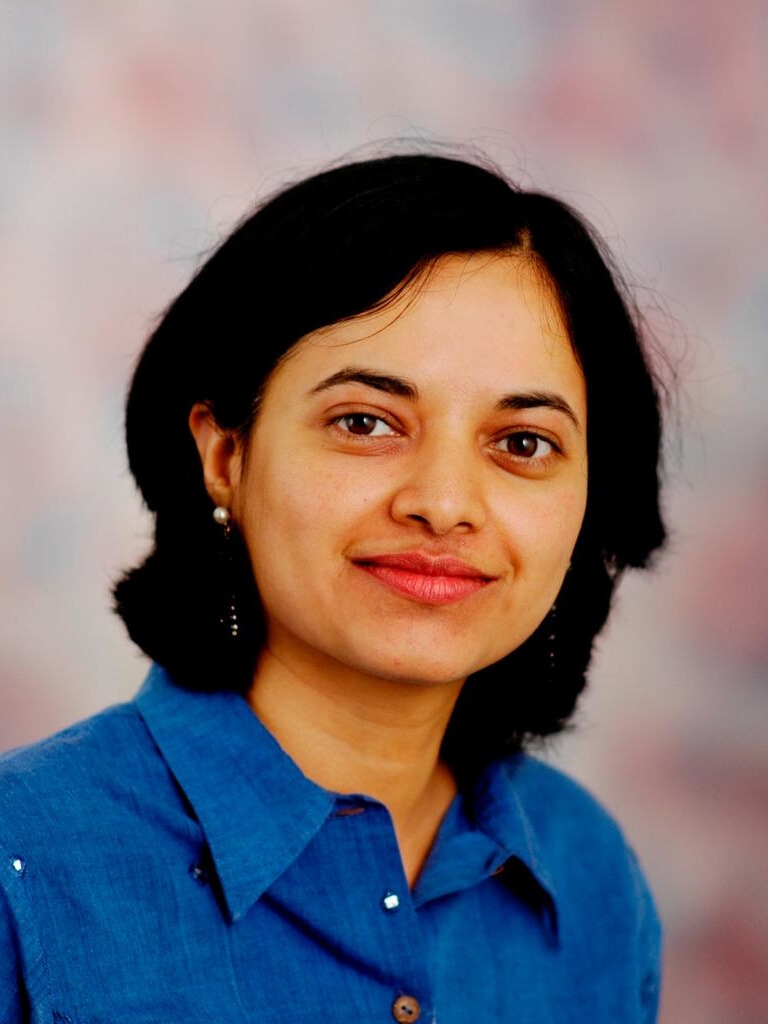
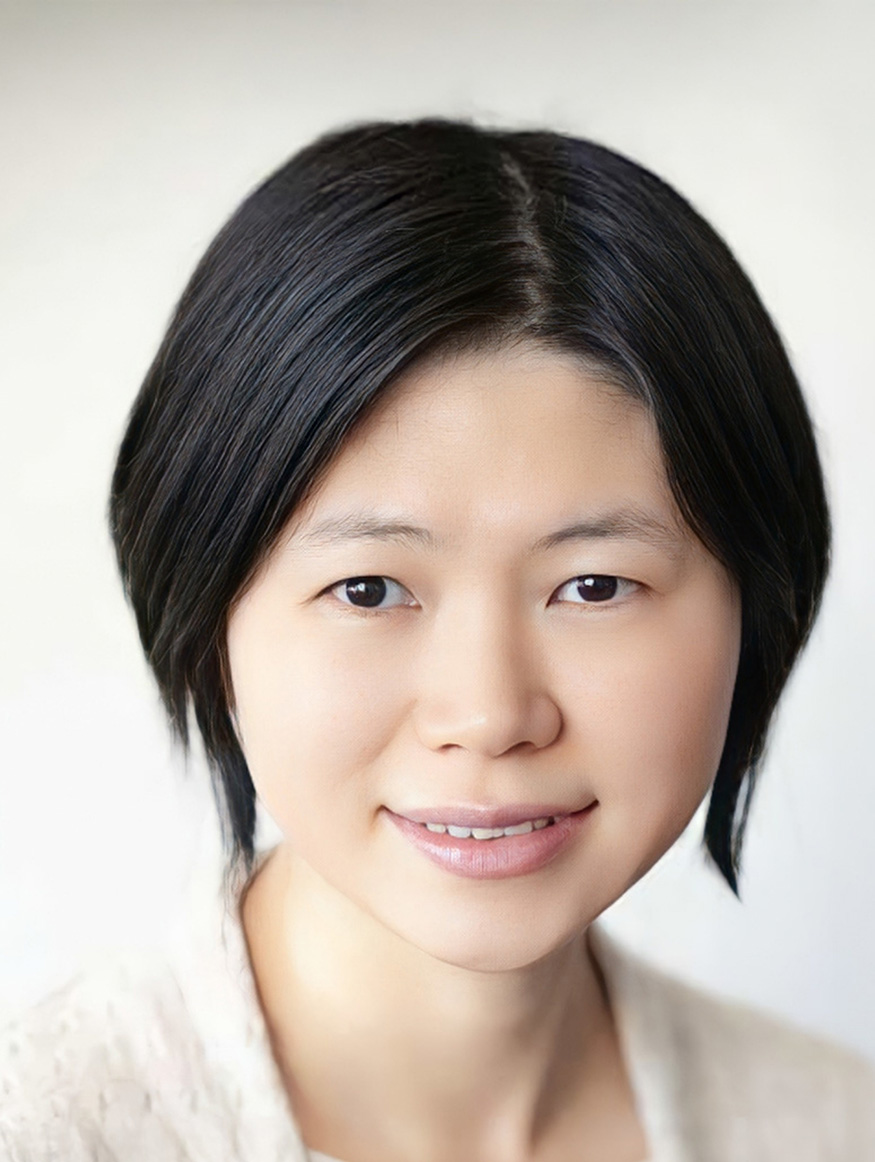
Left to right: Professor Lata Gangadharan, Professor Erte Xiao
The Institutional Design for Equity (ID4E) research team has pioneered innovative behavioral economics approaches to address institutional barriers to equity. Through rigorous experimental methods and evidence-based policy design, their work has advanced understandings of leadership selection and charitable giving institutions,receiving international recognition, influencing policy across sectors, and attracting funding from the Australian Research Council and other competitive sources, alongside best paper awards from leading journals. Committed to ethical and inclusive research, the ID4E research team fosters a collaborative environment that supports and mentors early-career researchers, equipping them with the skills and experience needed to produce high-impact research and drive meaningful change.
Climateworks Centre - Australian Decarbonisation Pathways with Impact
Monash Sustainable Development Institute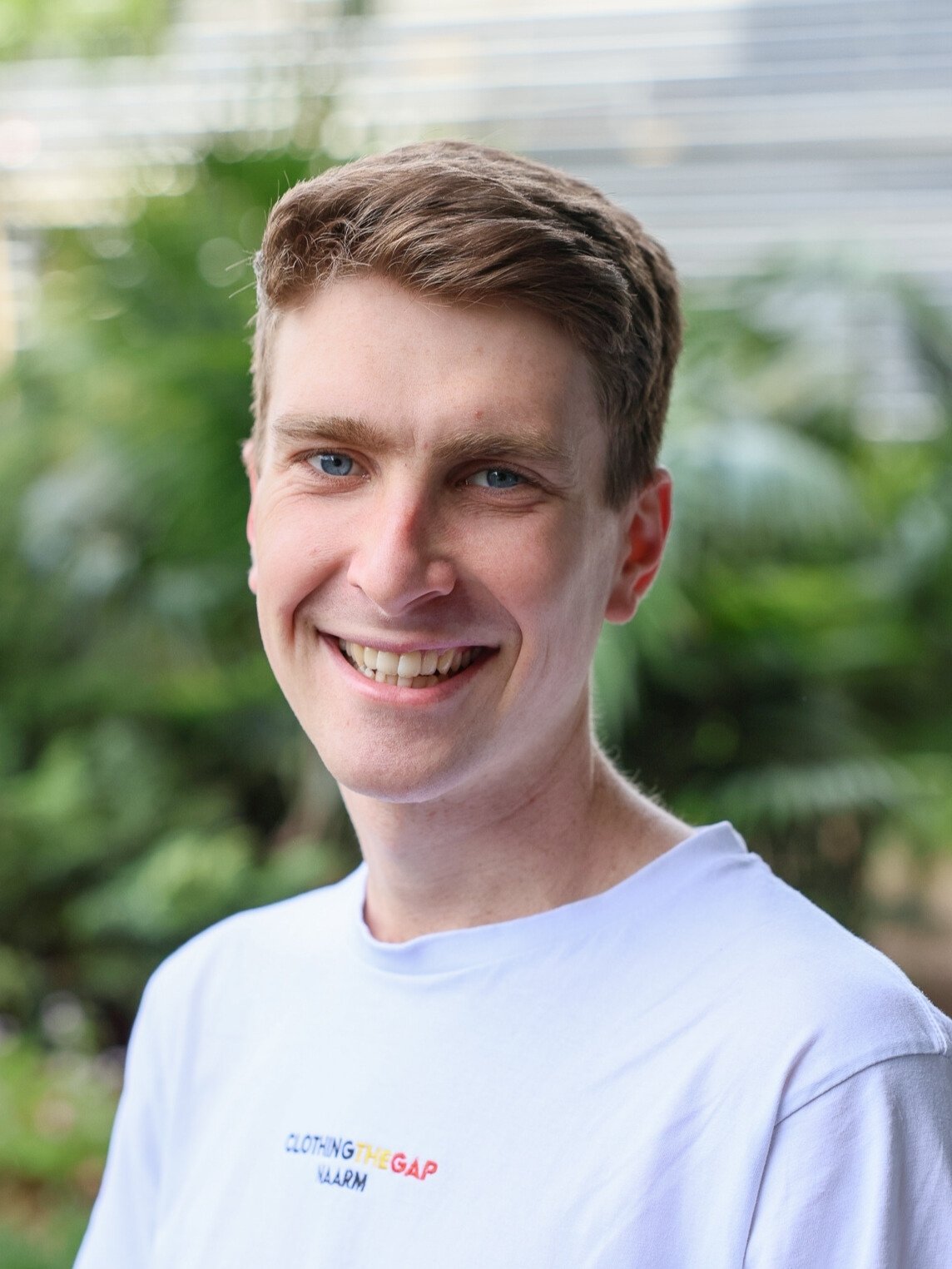
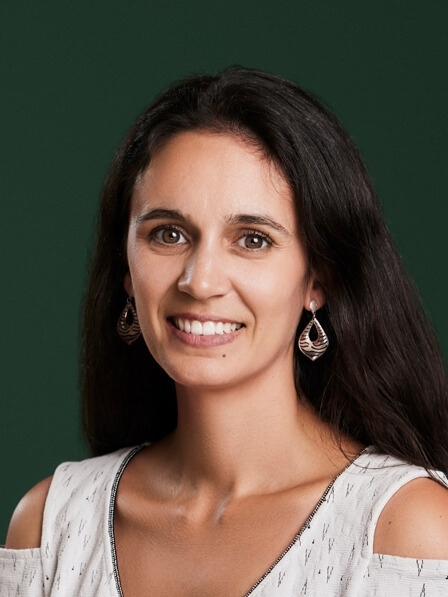
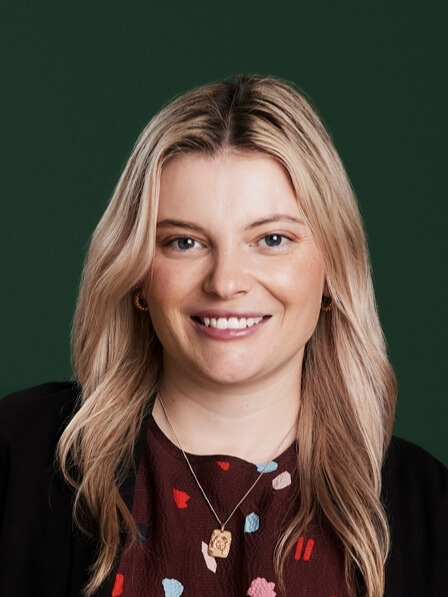

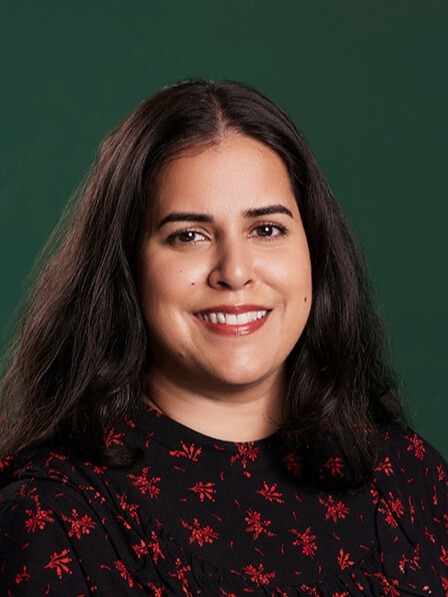


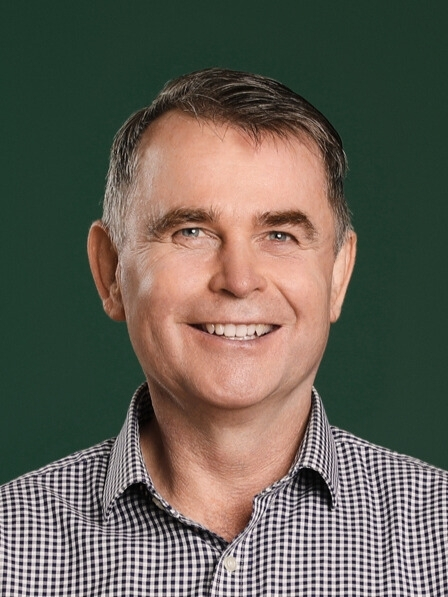
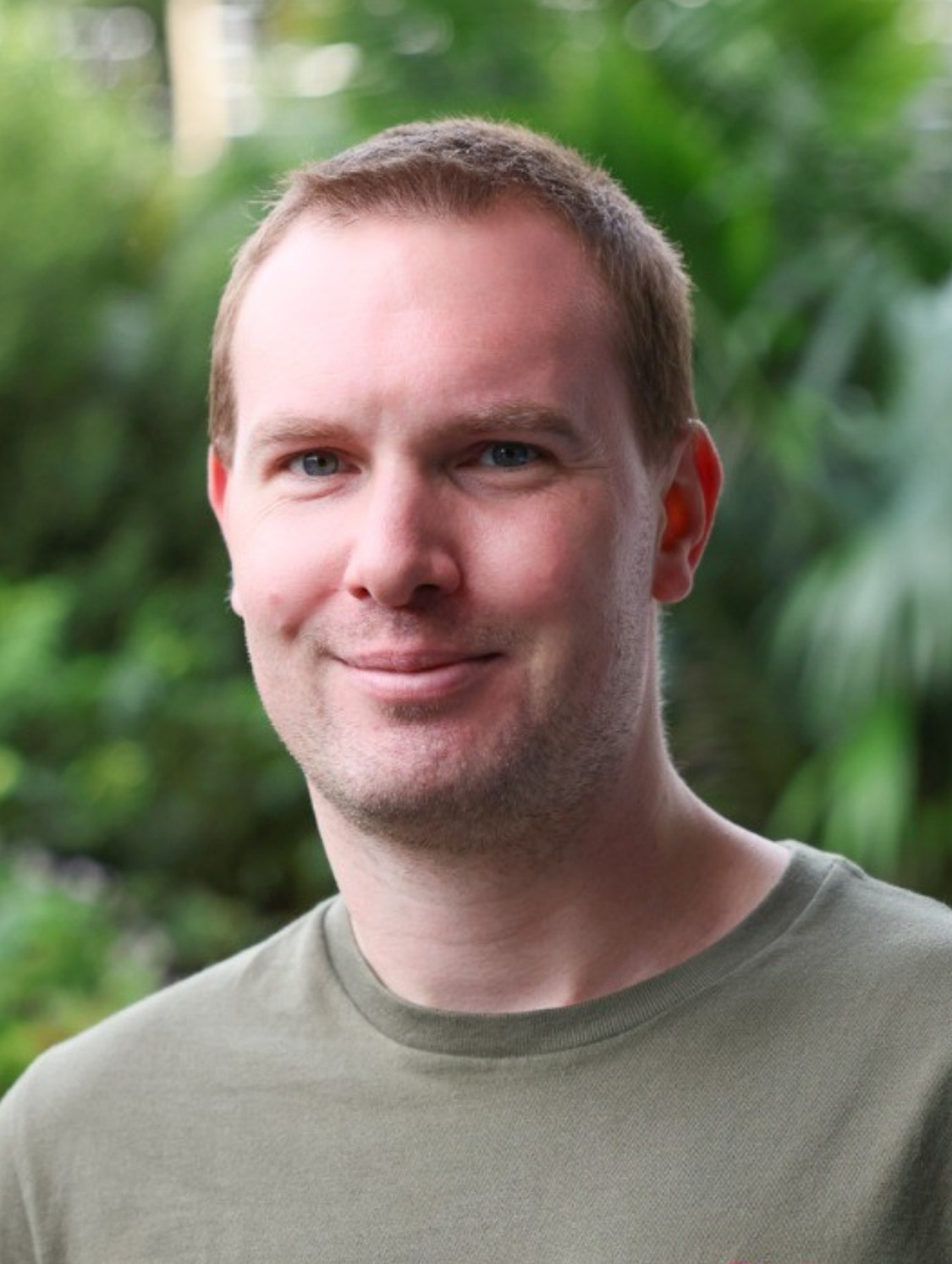


Left to right from top: Michael Li, Roanne Maxwell, Dr James Whelan, Deepanko Singha, Nicholas van Schoten, Tim Graham, Patrick Jaffe, Marine Dehayes, Ryan Cook, Charlotte Mills, William Suwandri, Sophie Stefanakis, Simon Brown, Amrit Bhabra, Anna Malos, Matthew Benetti, Dr Glen Currie, Dr Roland Somlai, Sue Karaguler Izmir, Cassandra Williams
Climateworks Centre bridges the gaps between research and climate action, operating as an independent not-for-profit within Monash University. The Climateworks Decarbonisation Scenarios 2023 is the preeminent independent evidence base cited by the Australian public and private sectors to back ambitious climate action. An extraordinary multi-disciplinary effort in research, modelling, advisory and engagement, coordinated across Climateworks and over three years, has led to adoption of this evidence (including adaptations of the data) into Australia’s first climate financial index by BNP Paribas, transformative energy system planning by the Australian Energy Market Operator, and the world-leading Australian Sustainable Finance Taxonomy for climate mitigation.
-
The Vice-Chancellor’s Research Professional of the Year Award rewards professional staff members who have recently made, or are currently making, exceptional contributions to the success of Monash research.The award celebrates the work of those who go above and beyond to make a positive impact in their areas, demonstrating sustained and significant achievement as part of the Monash Research Community.
Dr Jennifer Steen (Winner)
Faculty of Medicine, Nursing and Health SciencesDr Jennifer Steen is an accomplished Research Manager, facilitating grant success and research impact. As SPHPM’s Senior Research Manager, Jenny provides outstanding strategic and professional support to academics across the research lifecycle, and comprehensive oversight of an increasingly complex, diverse and impactful Research Portfolio. Jenny has also driven transformative growth in tender-based funding as a mechanism to deliver real-world research impact in partnership with diverse stakeholders, including state and federal governments, and international non-governmental organisations such as Wellcome and WHO. Her established cross-faculty professional networks and trusted advisory role within MNHS further underscore her contribution to Monash University’s research success.

Dr Sneha Elizabeth Abraham
Faculty of Art, Design and ArchitectureOver the past 18 months, Dr Sneha Abraham has transformed the MADA Research & Graduate Research Office. She has redefined MADA’s research and graduate research ambition through strategic leadership, operational excellence, and strategic innovation. She has implemented new policies, systems, and process improvements, and has significantly contributed to the reinvigoration of the research culture through revisions to internal funding schemes, launching a MADA Plan for Industry Internships for HDR candidates, and initiating and establishing a Faculty Outputs Committee for the first time to strengthen research quality and integrity. Her inclusive leadership has led to enhanced support for underrepresented researchers.
Collaborative, rapid and innovative enabling of The Monash Initiative for Rapid Research into Antisemitism (MIRRA)
Faculty of Arts, Office of the Vice-Chancellor (Education) and Senior Vice-President

Left to right from top: Vanja Radojevic-Terzic, Alex Avella Archila, Dr Rajiv Thapa, Karin Medew, Yaffa Bart
MIRRA research administration exemplifies excellent practice in agile, interdisciplinary research with immediate and enduring outcomes. MIRRA was rapidly and collaboratively supported by Advancement and Arts Research Teams. The team led inventing, testing and applying minimum viable products and processes to support research. Innovations include community engagement as foundational to design and delivery, segmentation of research themes to engage donors, dual program/project budget structures for internal and philanthropic reporting, streamlined internal processes by pre-agreeing cross-portfolio protocols and deploying project navigators throughout the pre/post award cycle, fasttrack method for funding and onboarding, and systems to manage and report staggered donor income.
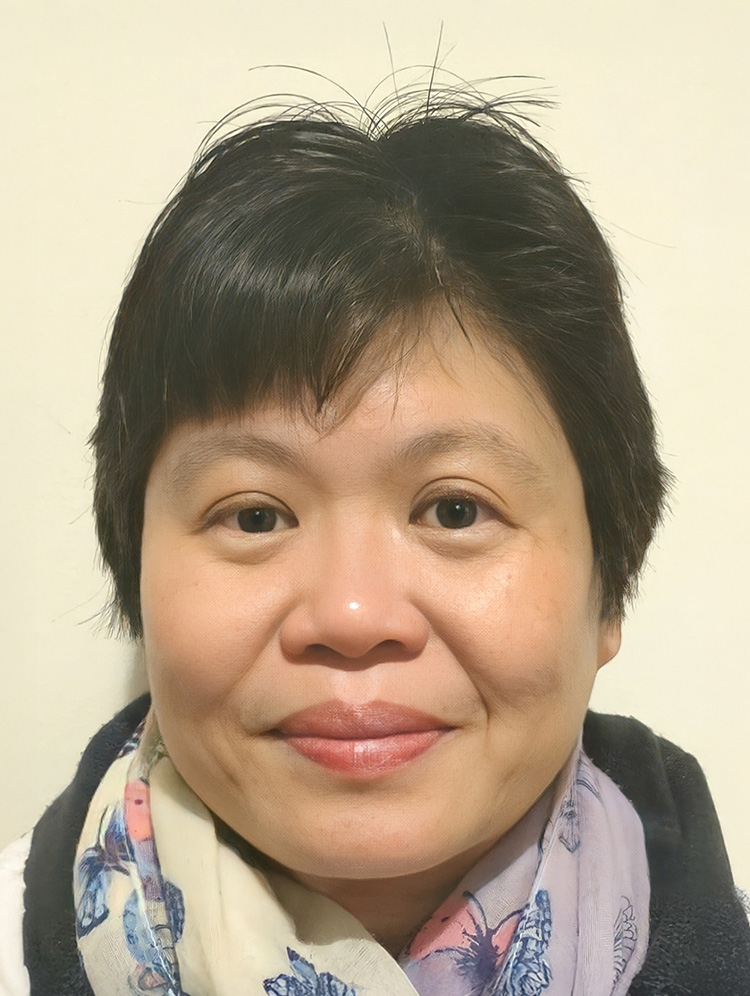
Dr Lilian Khaw
Faculty of EngineeringDr Lilian Khaw is an exceptional professional staff member whose dedication has made her a cornerstone of support for PhD students, particularly those from diverse and underrepresented backgrounds. Her empathetic approach, deep institutional knowledge and unwavering commitment to student success have created an inclusive and empowering research environment. Lilian goes above and beyond her role to ensure students feel supported, connected, and capable of reaching their potential. Her leadership and service have had a transformative impact across the graduate research community, making her a truly deserving nominee for the Vice-Chancellor’s Excellence Award.
Climateworks Centre - Australian Decarbonisation Pathways with Impact
Monash Sustainable Development InstituteLeft to right from top: Michael Li, Roanne Maxwell, Dr James Whelan, Deepanko Singha, Nicholas van Schoten, Tim Graham, Patrick Jaffe, Marine Dehayes, Ryan Cook, Charlotte Mills, William Suwandri, Sophie Stefanakis, Simon Brown, Amrit Bhabra, Anna Malos, Matthew Benetti, Dr Glen Currie, Dr Roland Somlai, Sue Karaguler Izmir, Cassandra Williams
Climateworks Centre bridges the gap between research and climate action, operating as an independent not-for-profit within Monash University. The Climateworks Decarbonisation Scenarios 2023 is the preeminent independent evidence base cited by the Australian public and private sectors to back ambitious climate action. An extraordinary multi-disciplinary effort in research, modelling, advisory and engagement, coordinated across Climateworks and over three years, has led to adoption of this evidence (including adaptations of the data) into Australia’s first climate financial index by BNP Paribas, transformative energy system planning by the Australian Energy Market Operator, and the world-leading Australian Sustainable Finance Taxonomy for climate mitigation.
-
The Vice-Chancellor’s Researcher of the Year Award rewards individuals (STEM) who have achieved exceptional research outcomes. It recognises those who embody the Monash University values and exhibit exceptional leadership both internally and across the wider research community.
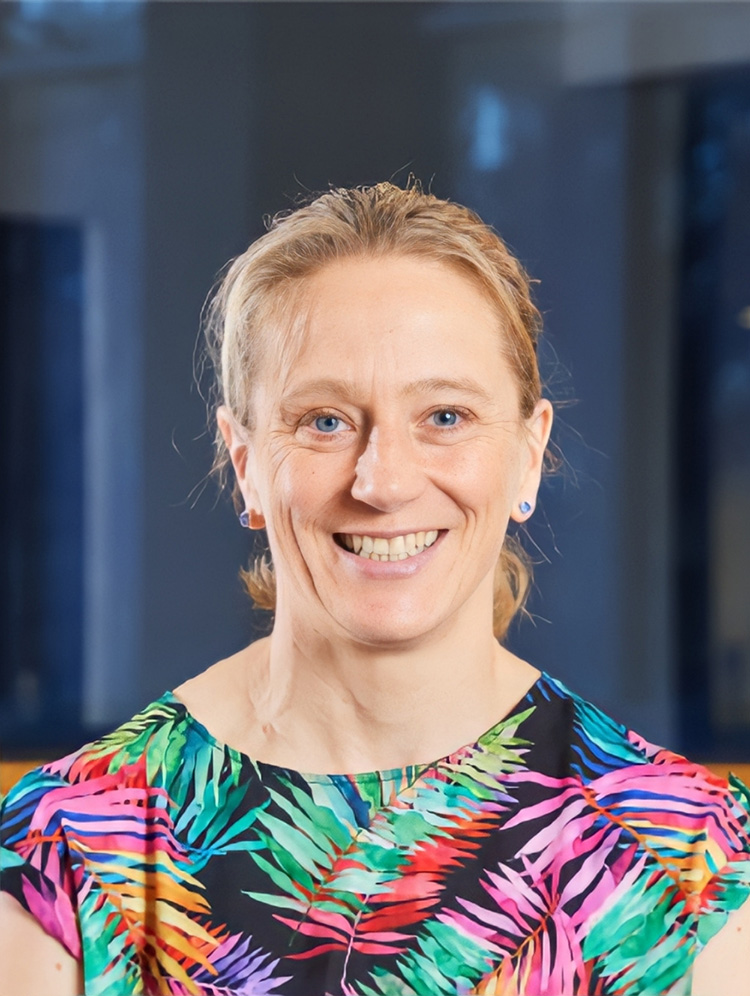
Professor Natalie Trevaskis (Winner)
Faculty of Pharmacy and Pharmaceutical SciencesProfessor Natalie Trevaskis is an internationally recognised pharmaceutical scientist who has pioneered lymphatic-targeted drug delivery, transforming treatment approaches for metabolic, inflammatory, and acute diseases. She has published over 97 high-impact papers, holds 65 patents, and led technologies now in clinical trials. With over $50M in research funding, she has built a thriving, inclusive research team, and is a sought-after collaborator by industry and academia. Her leadership in equity, diversity and mentoring is widely acknowledged, including through multiple Monash awards. Natalie’s work exemplifies innovation, impact, and integrity, making her an outstanding nominee for this recognition.

Associate Professor Mehrtash Harandi
Faculty of EngineeringAssociate Professor Mehrtash Harandi is an AI and machine learning theoretician, internationally recognised for advancing the next generation of intelligent systems. His research addresses lifelong learning in AI systems and learning from limited data for perception. He has pioneered the field of machine unlearning, enabling AI models to forget harmful, sensitive or outdated information — a foundational step towards safe and responsible AI. With collaborations across world-leading academic and industrial institutions, he is ranked among the world’s top 2% of AI scientists (Stanford). Aligning with Monash’s IMPACT 2030, his research advances thriving communities and supports geopolitical security through ethical AI.

Associate Professor Daniel Francis Schmidt
Faculty of Information TechnologyAssociate Professor Daniel Schmidt has been employed in a research capacity since 2009, during which time he has sustained a high level of research excellence. He has been a Chief or Primary investigator on multiple grants ($9.5+ million in funding), and has published over 100 papers, many in top venues. His work has been cited a combined total of over 14,000 times. He has made important methodological contributions in the space of statistics and machine learning, including algorithms that have become benchmarks in their area and have been widely implemented in statistical packages and tools.

Professor Shanshan (Shandy) Li
Faculty of Medicine, Nursing and Health SciencesProfessor Shanshan (Shandy) Li is an internationally recognised leader in environmental health. She specialises in air pollution, climate change and human health. Ranked in the top 0.5% of global scientists, her research has shaped international risk assessments, policy and standards. With over 450 publications and more than 111,000 citations, her work has transformed how we understand and respond to environmental threats, especially for vulnerable populations such as children. She leads major national and international research projects, delivering real-world impact on health systems, population wellbeing and the economy.
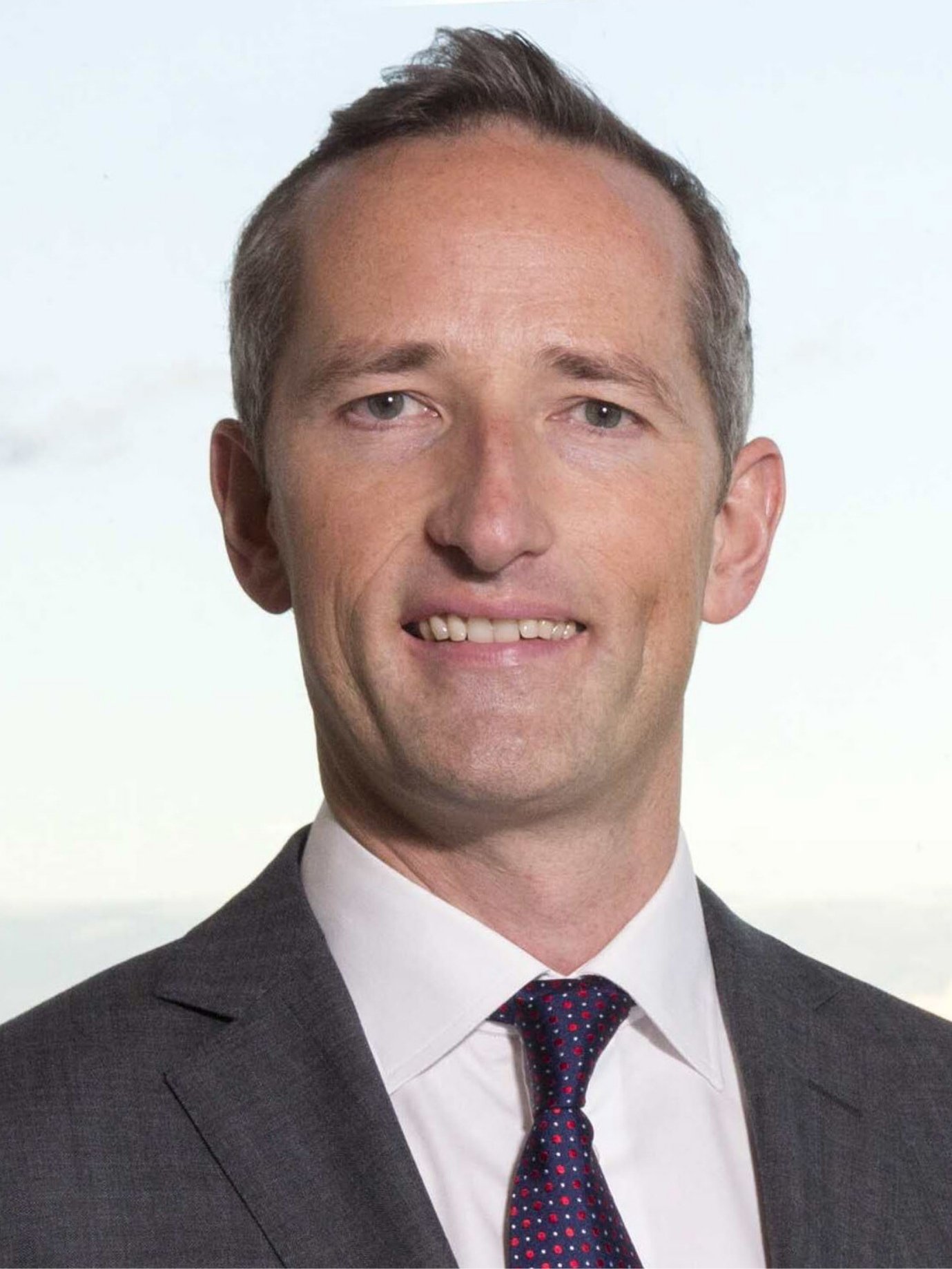
Professor Roger Pocock
Faculty of Medicine, Nursing and Health SciencesProfessor Roger Pocock has built an enduring legacy of innovative research, global capacity, and people. He is internationally recognised for fundamental research on how cells develop, function, and survive. Moreover, his pioneering infrastructure development has empowered groundbreaking discoveries and global research opportunities. Translation of his fundamental discoveries has improved human health, including novel protocols and therapeutics to preserve brain function. His landmark papers over the last two years, published in leading Nature journals, have transformed understanding of neurodegeneration, metabolic disease, and fertility. Crucially, as a motivating and inclusive leader, he has mentored his international and gender-balanced team members to independence.
Associate Professor Kathryn Hodgins
Faculty of ScienceAssociate Professor Kathryn Hodgins is a recognised leader in ecological genomics, with pioneering research on structural variants, particularly inversions, and their roles in climate-driven adaptation of invasive plants. Her first- and senior-author publications in Science, Nature Ecology & Evolution, PNAS, and Nature Communications attest to her scholarly impact. Through innovative use of museum specimens, she has revealed centuries of genetic change and novel insights into plant adaptation. Kathryn leads international, policy-relevant collaborations, champions equity and inclusion at Monash, and shapes the discipline through high-level editorial leadership. Her nomination reflects sustained intellectual leadership and transformative contributions to ecological and evolutionary genomics.
-
The Vice-Chancellor’s Researcher of the Year Award rewards individuals (HASS) who have achieved exceptional research outcomes. It recognises those who embody the Monash University values and exhibit exceptional leadership both internally and across the wider research community.
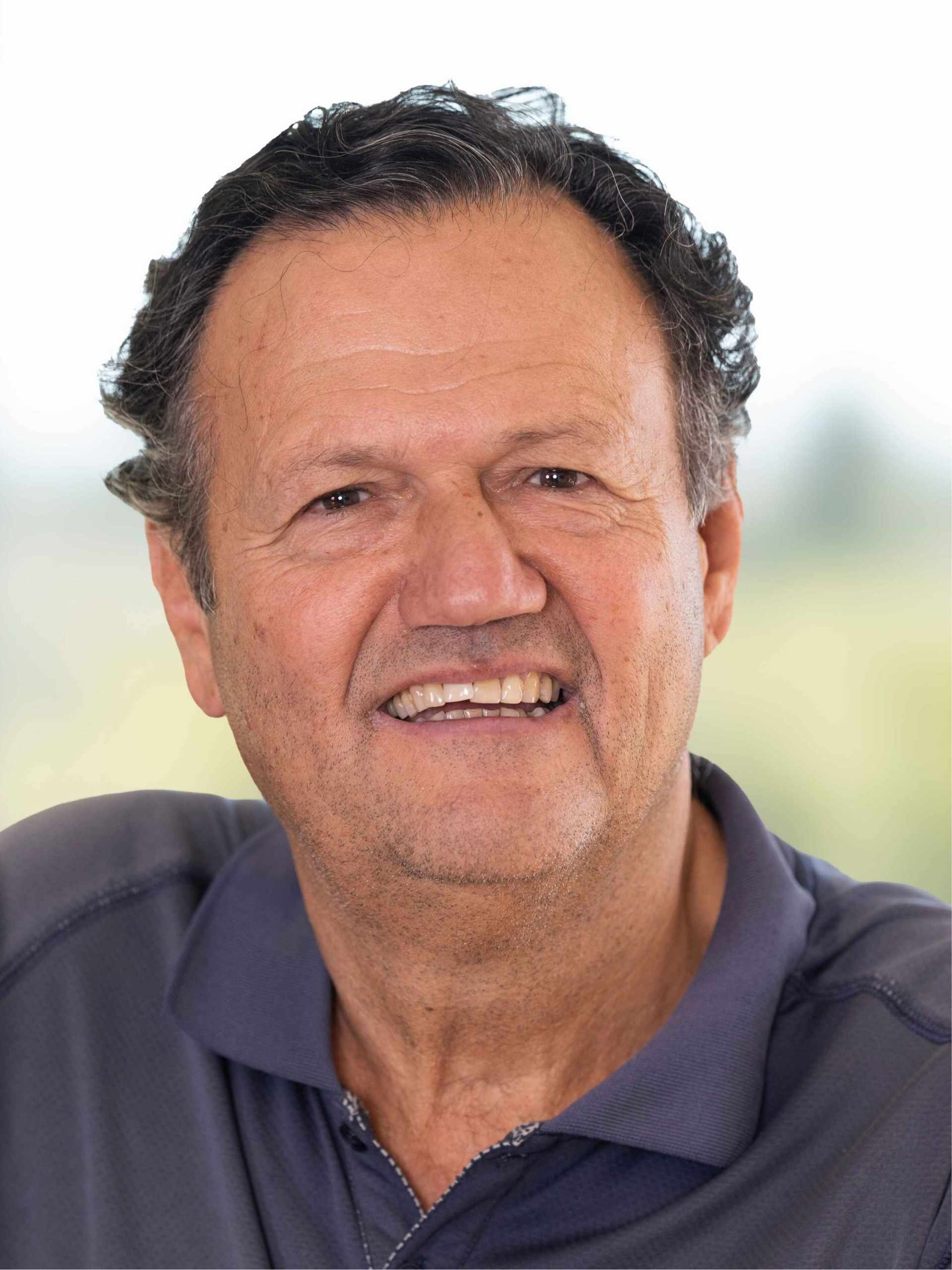
Professor Yves Zenou (Winner)
Faculty of Business and EconomicsProfessor Yves Zenou is a globally renowned economist and a pioneer in the field of network economics—now recognised as one of the most influential areas in economics. He has published over 150 papers, with more than 23,000 citations, and is a fellow of several prestigious academic societies, including the Econometric Society and the Royal Swedish Academy of Sciences. His research has had a major impact on our understanding of crime and public policy. At Monash, he has greatly elevated the university’s academic standing by inviting world-leading scholars — including Nobel Laureates — and by organising a PhD summer school and a major international conference.
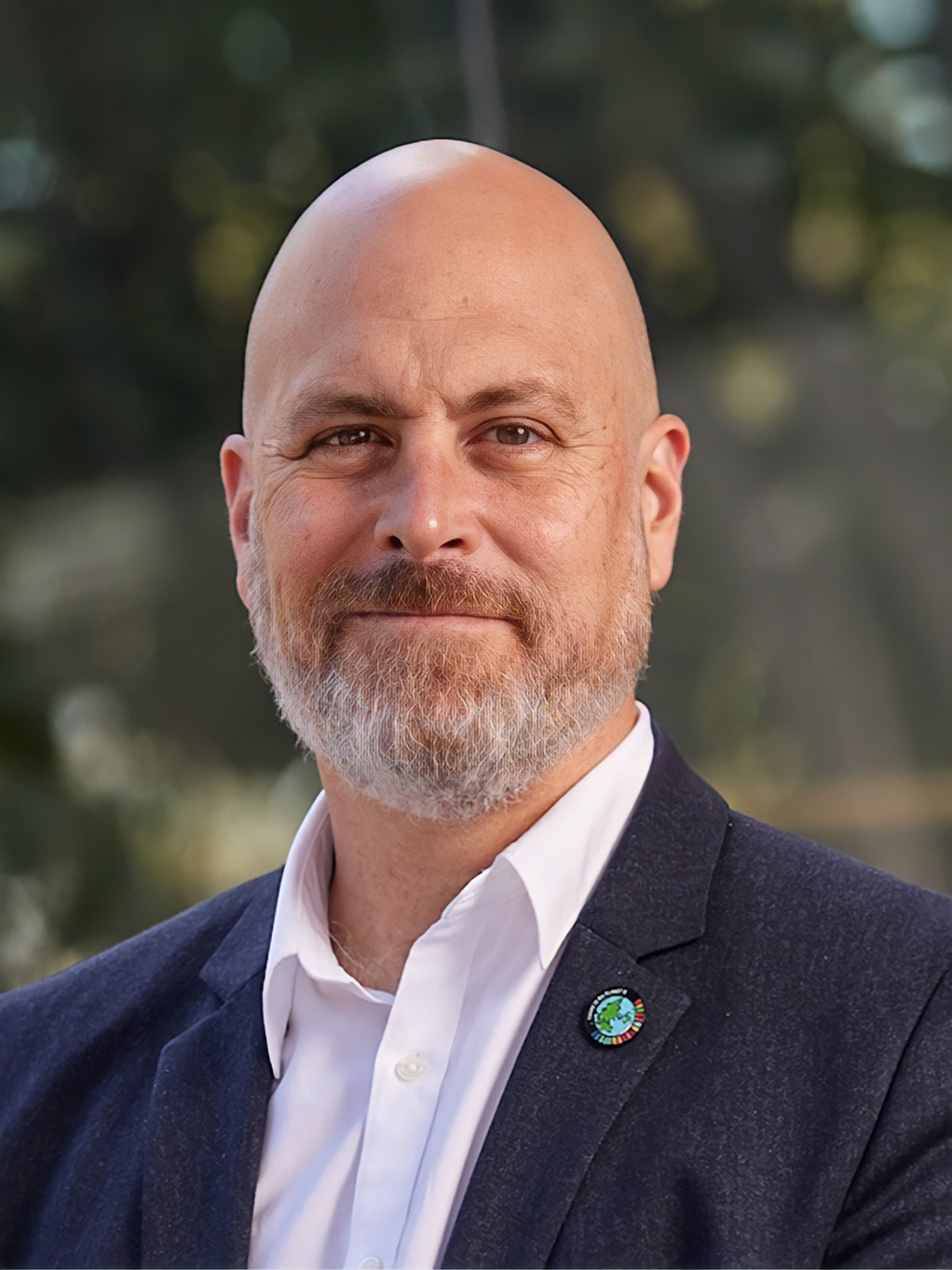
Professor Diego Ramirez-Lovering
Faculty of Art, Design and ArchitectureOver the past decade, Professor Diego Ramírez-Lovering has led holistic sustainable water resource management in the Asia-Pacific region through skilfully integrating public health, engineering, governance, behavioural science, and urban design disciplines. His exemplary research leadership and international collaborations have been pivotal in enhancing community adoption of interventions in the region. The ‘Living Lab’ approaches he has led over the past decade have enabled cross-sector collaboration, capacity building, and real-world experimentation across Asia-Pacific, facilitating co-design and iterative piloting generating valuable insights for the researchers, practitioners, governments and industry. These efforts have championed people-centred urban transformation delivering tangible benefits to communities.
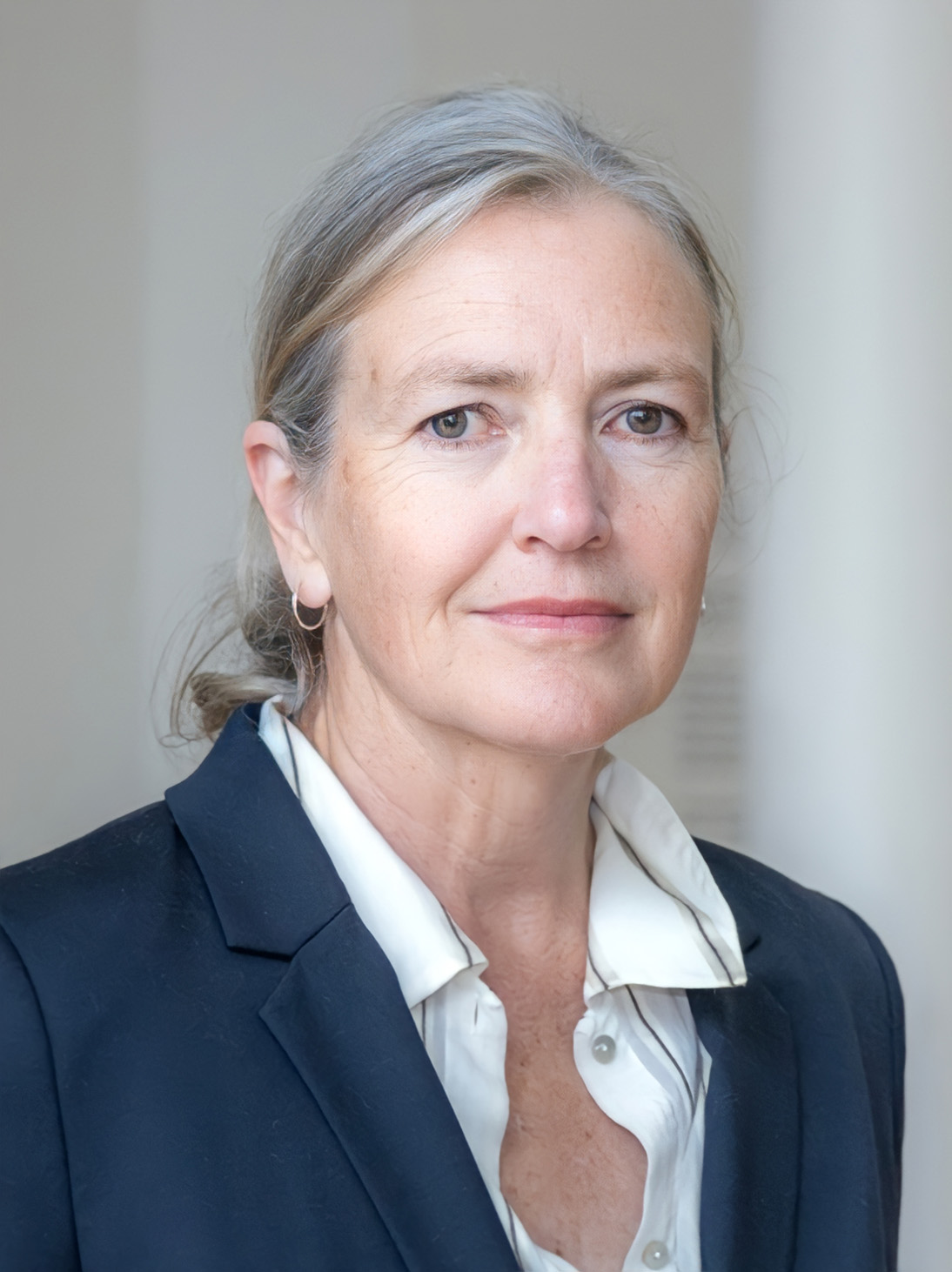
Professor Elizabeth Lester
Faculty of ArtsProfessor Libby Lester is a recognised leader in environmental communication whose research has shaped public, policy and industry responses to climate change. As Director of the Monash Climate Change Communication Research Hub since 2024, she has led major program renewal, secured new funding, expanded media partnerships, and delivered influential research. She has strengthened the Hub’s presence across Monash’s international campuses, now with 13 staff across MUA, MUI, MUM and MUERF, and is building a global network of Monash researchers focused on climate and social change. Her work exemplifies excellence through impact, advancing Monash’s priorities and informing discourse and policy globally.
Monash Honour Roll
The Monash Honour Roll recognises the University’s most outstanding and generous academic leaders who consistently and generously share their skill and expertise, mentoring colleagues, forging education and research initiatives and collaborations, and fostering a culture of academic excellence.
Professor Chris Davies |
Professor Anthony Guo Ningqun |
Professor Michelle Welsh |