
Introduction to the film Sopyonje (Im Kwon-taek, 1993, South Korea) for Cinema Reborn Festival 2024 at the Lido Cinema, Melbourne, 11 May 2024.
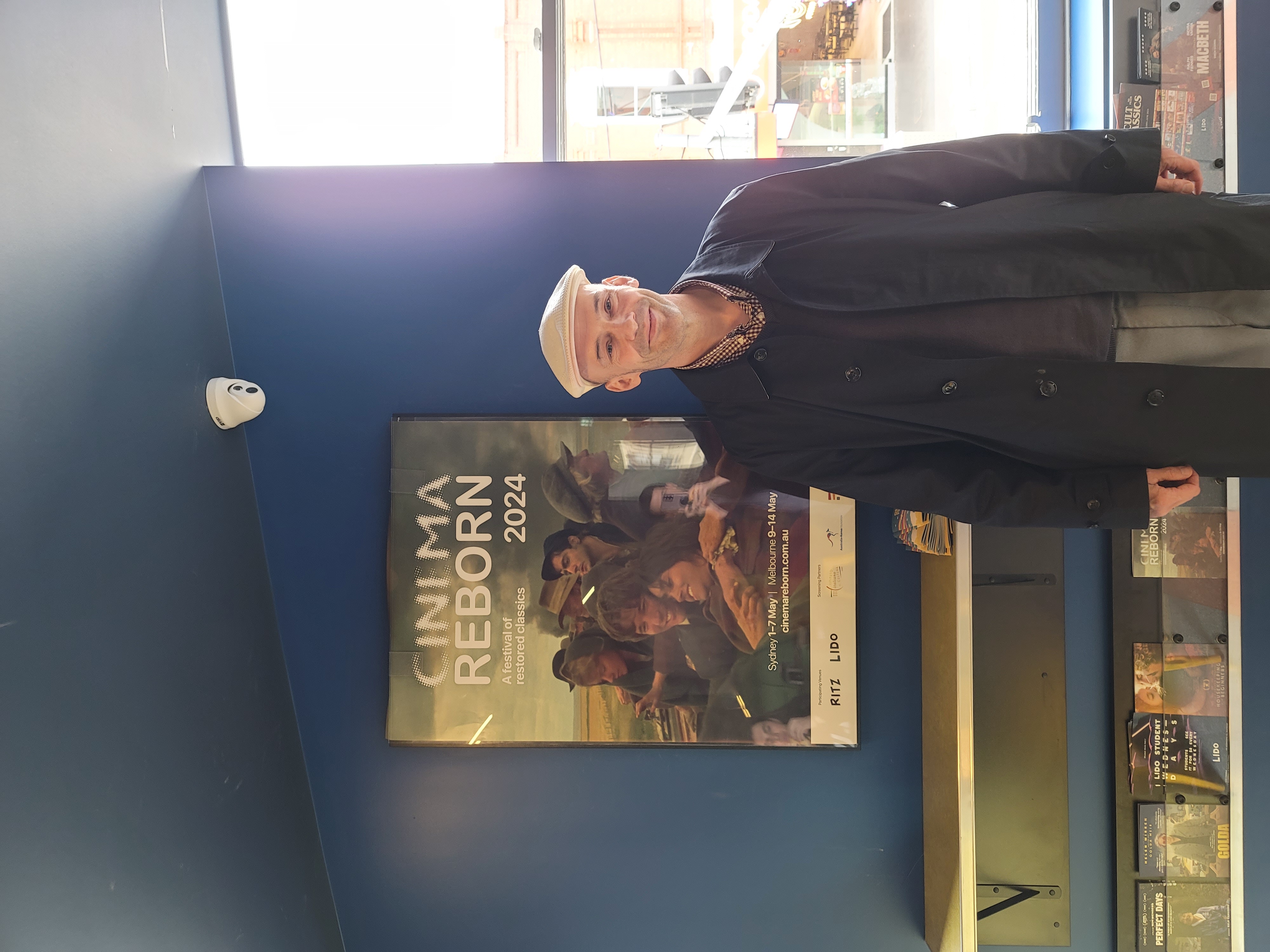
I am originally a historian of Korean art house cinemas and the boom of cinephilia and art film in 1990s South Korea. So it is appropriate that today I introduce Im kwon-taek’s Sopyonje in this wonderful cinema. If you don’t know about Sopyonje, the most important fact about it is it is cinema as event. When Sopyonje was released in Seoul, South Korea in 1993, it created a once-in-a-lifetime sensation. Everywhere you went, people were talking about the movie - in the classroom, in the street, Koreans, foreigners, young and old. It was a film that took the pulse of the country at a central point in its history and spoke to ordinary Koreans about national identity and what had been lost during the rapid economic development.
South Korea in 1993 was very different from the confident K-pop and K-drama exporting cultural and economic powerhouse that it is today. This was a period of great transition. 1993 was the year that we saw the first truly civilian president directly elected to lead the country – Kim Young Sam. 1993 was also when South Korean film was deeply under threat. The film market was exposed to direct competition with Hollywood products, and many people feared that South Korean film would collapse as had happened in other film markets around the world. Neither was South Korean film popular with cinema audiences. Cinemagoers shunned what they saw as inferior South Korean movies in favour of foreign product.
Sopyonje was a rare exception to South Korean film of that period. It was the first domestically produced film to draw over 1 million spectators at the Seoul box office, beating Hollywood big-budget movies like The Bodyguard, The Fugitive and The Last of the Mohicans. The movie tells the story of a family of itinerant pansori singers in rural Korea during the 1960s. Pansori is a form of traditional vocalized storytelling, sung by a female vocalist accompanied by a drummer. The movie’s troupe is led by a cruel father who forces his adopted daughter and son to undergo a brutal training in the ancient art of pansori. During this period of rapid modernization, ordinary Koreans turned their noses up at traditional Korean culture and embraced modern customs and arts imported from Japan and the West. The family struggles to make ends meet as more and more people lose interest in their ancient musical craft.
The director of the movie Im Kwon-taek was at the time one of Korea's most famous directors having shown his work at overseas international film festivals. Sopyonje itself won a small award at the Berlin Film Festival. The movie explores a lot of the themes that were common in Im Kwon-taek’s films of the period – above all the exploration of traditional Korean culture and the deep regret that Korea and Koreans had abandoned wholesome traditions in the struggle to modernize their country.
This sense of loss was central to the debates that arose amongst South Koreans and that played out in the media following the release of Sopyonje. Koreans young and old openly wept during the movie and there was a national outpouring of guilt at the sense of loss and betrayal of Korean tradition. As a result of the movie, pansori experienced a massive revival, and the art form is now more frequently performed and consumed than it had been prior to 1993.