
July 2025 update
UK reports of first babies born following mitochondrial donation
The mitoHOPE Program welcomes today’s report that 8 babies have been born in the UK following mitochondrial donation. All babies have been born with levels of disease-causing mitochondrial DNA that are well below the threshold for causing disease.
We congratulate the Newcastle (UK) team for this work and thank them for their efforts to establish mitochondrial donation in the clinic, where it brings hope to families all over the world who live with mito.
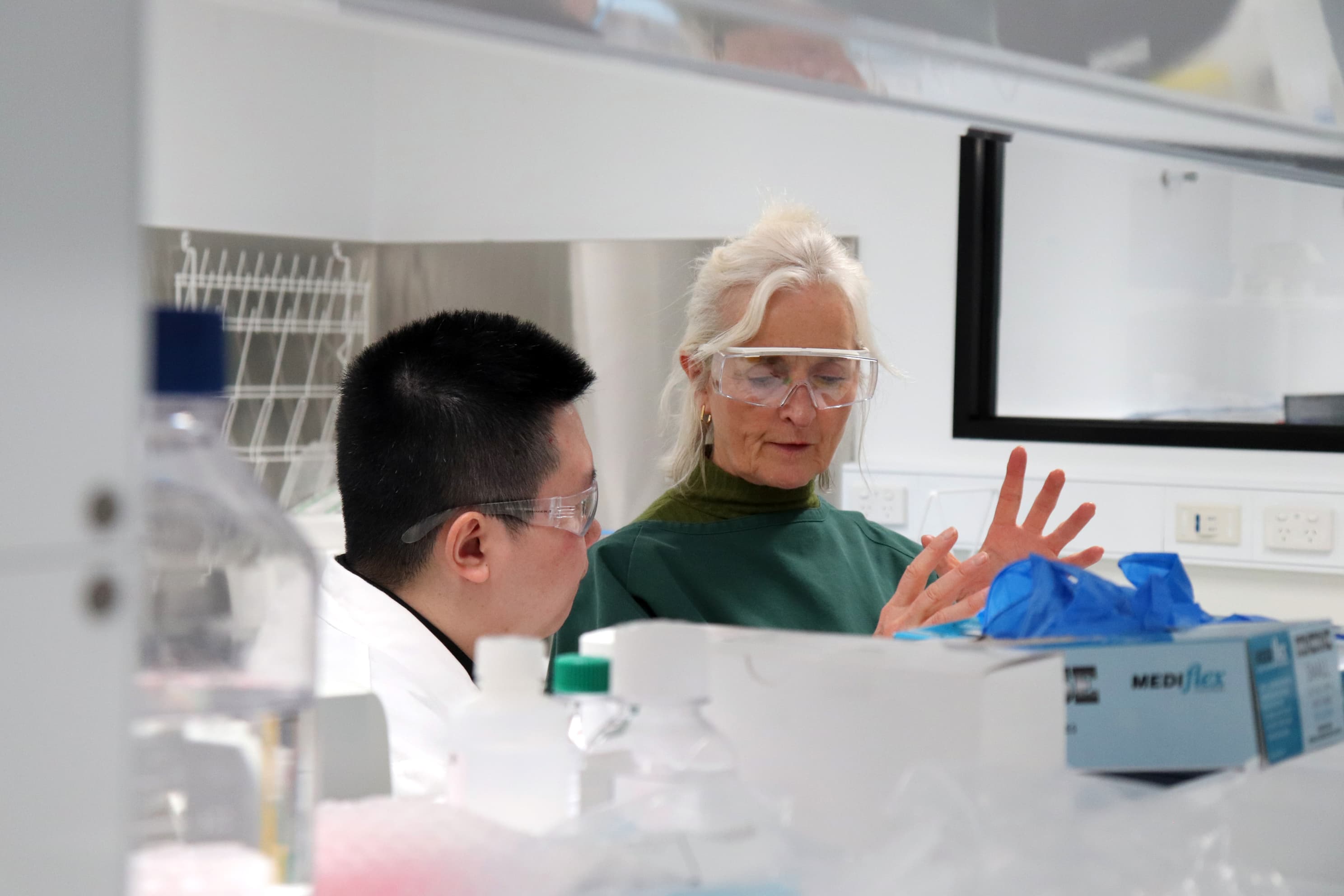
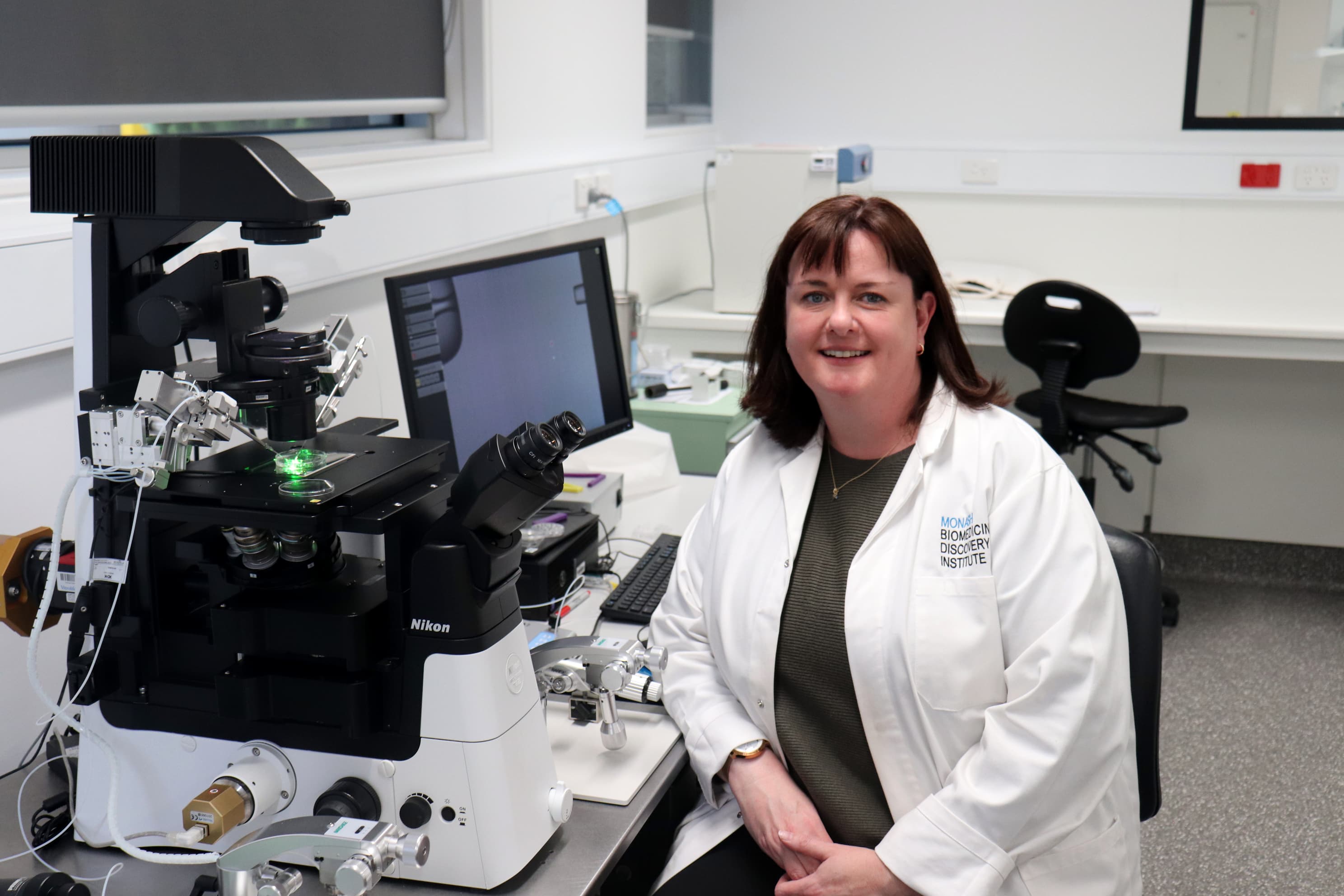
Professor Mary Herbert, who led the work in the UK, moved to Monash University in 2023 and is now the mitochondrial donation lead for the mitoHOPE Program. Professor Herbert brings this wealth of experience to our efforts to introduce mitochondrial donation for the benefit of Australian families.
Mito Foundation has released a plain language summary of the results from the UK and what they mean for the Australian mito community.
Mito Foundation is also hosting a webinar on 19 August to unpack the results and what they mean for mitochondrial donation in Australia. The webinar will feature Professors Mary Herbert and John Christodoulou, mitoHOPE clinical research co-lead.
Progress report
We are delighted to share that the mitoHOPE Program is in the final stages of receiving its first license from the Embryo Research Licensing Committee (ERLC). The license is for preclinical research and training. It will allow the mitoHOPE clinical embryologists, Melissa and Tegan to begin training in mitochondrial donation using human eggs donated for research. Melissa and Tegan are already highly proficient in the techniques using mouse eggs, so we anticipate a rapid transition to human eggs.
Several things need to take place before the clinical trial can start:
- the preclinical training needs to show that mitochondrial donation techniques work safely,
- our embryologists need to show they can perform the techniques effectively in the clinical environment,
- a human research ethics committee needs to approve the clinical trial research program,
- the Embryo Research Licensing Committee needs to approve the clinical trial research program.
While the first licence has been going through regulatory approvals, the mitoHOPE team have been working hard on all the documentation needed to progress to the clinical trial. This will ensure we are ready to progress through the stepwise process as soon as approvals have been gained.
The program timeline is dependent upon the regulatory process and associated approvals; our best estimate at this stage is that the clinical trial of mitochondrial donation will commence in the latter half of 2026.
We understand that many of the mito community have been waiting for mitochondrial donation for longer than anticipated; the mitoHOPE team are working as quickly as we can to start the program. We thank the mito community for their patience and understanding as we work with the ethics committees and regulator to prepare for the clinical trial of mitochondrial donation.
While waiting for mitochondrial donation
If your family is affected by mito and you think mitochondrial donation may be suitable for you, keep speaking with your health professionals. They can help you understand the reproductive options that are most relevant to you.
The Mito Foundation is also available to provide further information about options for building your family or help to find a health professional. You can also read some general advice on reproductive options on the Mito Foundation website.
If you haven’t already, completing the contact form on our website will ensure you receive updates from us as we make progress towards the clinical trial.
Mito Foundation’s helpline can be reached at www.mito.org.au/helpline/ or on 1300 977 180.
Meet the mitoHOPE clinical embryologists
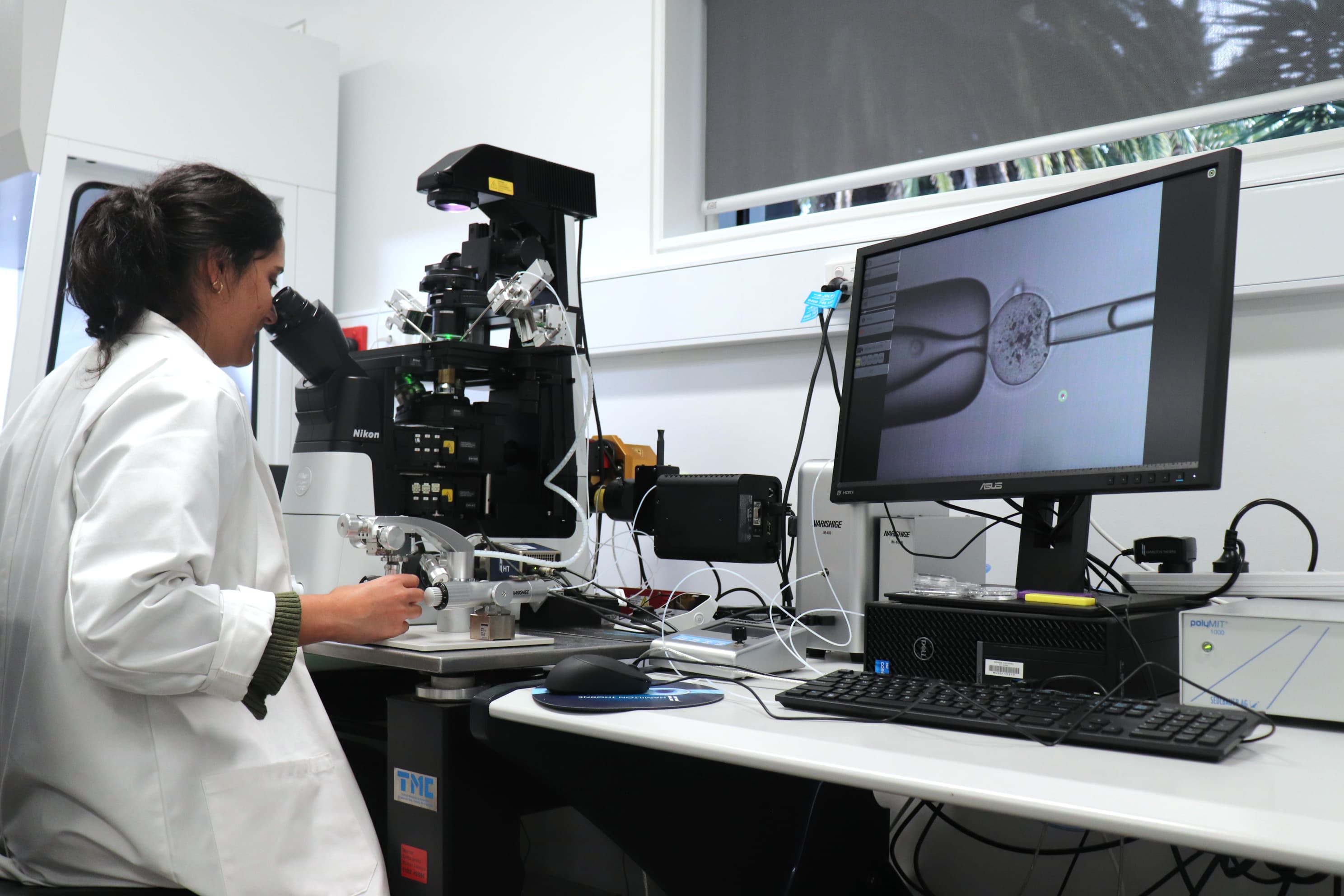
The mitoHOPE Program is proud to include a team of exceptionally talented embryologists. They work across a range of IVF laboratory procedures including egg collections, insemination of eggs, egg and embryo freezing, and embryo transfers.
mitoHOPE clinical embryologists Melissa and Tegan will lead the introduction of mitochondrial donation techniques in Australia. They will first train on eggs donated to the mitoHOPE program and then progress to working in the clinical environment.
Learn more about Melissa and Tegan and what a day in the mitoHOPE laboratory looks like for them on the mitoHOPE website.
Professional development for Monash IVF staff
In early March, Mito Foundation hosted a training session for select staff members of Monash IVF. The session featured three members of the mito community, who shared with the group their time and lived experience of mito, and presentations from Mito Foundation staff. The session was incredibly valued by the attendees.
Once the mitoHOPE Program has received our first ERLC licence, the session will be held again for Monash IVF staff who will be working closely with the mito community and mitoHOPE egg donors.
Bloody Long Walk
In May, mitoHOPE hosted a team of walkers at the Mito Foundation’s 35km Bloody Long Walk in Melbourne. The team raised more than $3000 for Mito Foundation’s work to find treatments and a cure for mito.
Learn more about the Bloody Long Walk on their website and keep an eye out for more mitoHOPE team members at a Bloody Long Walk near you!