
Meet the team: mitoHOPE's donor and clinical trial coordinator
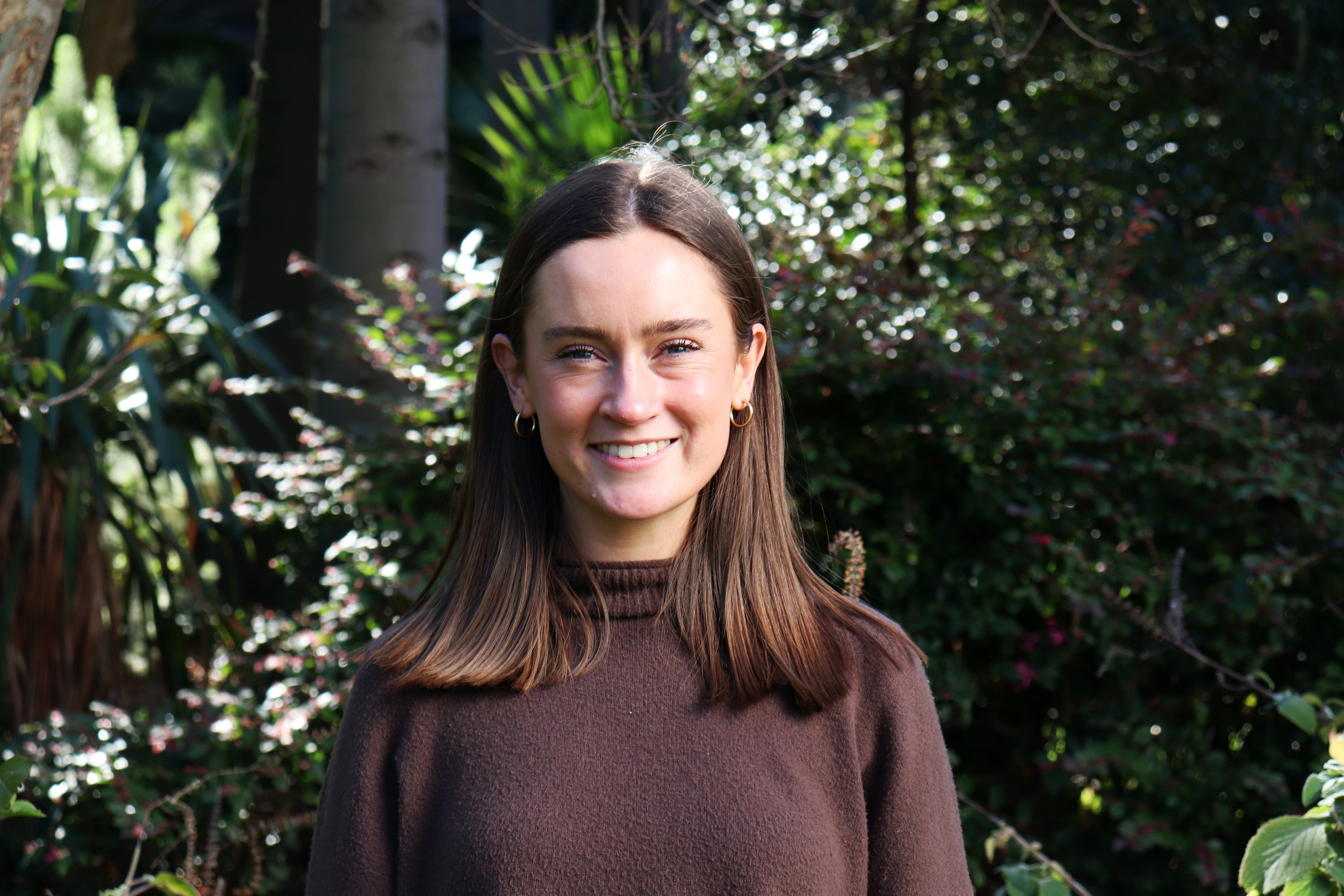
The mitoHOPE Program includes an egg donor and clinical trial coordinator, who will be the primary point of contact for all donors and participants throughout the program. From initial recruitment to guiding them through the egg collection and mitochondrial donation process, Lauren will ensure egg donors and trial participants stay informed, supported, and connected every step of the way.
Lauren brings to the mitoHOPE Program a background in reproductive science, and years of experience as a donor and surrogacy coordinator at Monash IVF.
You have two roles at mitoHOPE, what are they?
Lauren: At mitoHOPE, I hold two roles: Donor Coordinator and Senior Clinical Trial Coordinator. As Donor Coordinator, I will be responsible for managing the recruitment, screening and consenting of individuals interested in donating eggs to the mitoHOPE Program.
At first, eggs will be used for mitoHOPE’s research and training program, where they used to improve mitochondrial donation techniques and training mitoHOPE embryologists to perform mitochondrial donation. Eggs donated to the research and training program will not be used for reproduction. Once we received the regulatory approvals to start the clinical trial, eggs will also be used for individuals undergoing mitochondrial donation.
As Senior Clinical Trial Coordinator, I will be coordinating participant entry into the mitoHOPE clinical trial. This includes recruitment, screening and consenting of individuals wishing to access mitochondrial donation.
What does a typical day at mitoHOPE look like for you?
Lauren: At the moment, my days are mostly focused on establishing core processes for both our research program and clinical trial. I’m drafting consent forms and participant pathways, building our database, and helping create recruitment materials. Once our first licence is approved, I’ll begin coordinating egg donor recruitment for the research program.

How did you come to work at the mitoHOPE Program?
Lauren: Before joining the mitoHOPE Program, I worked as a Donor & Surrogacy Coordinator at Monash IVF. I gained experience in screening clinic-recruited donors in Victoria, as well as helping patients navigate the use of clinic-recruited and recipient-recruited donor eggs. I really enjoyed interacting with new donors and helping them support others in growing their families. So when a similar opportunity came up at the mitoHOPE Program, I was excited to bring my passion for donor recruitment into a new and meaningful context.
Was there a particular moment when you knew that this was the right career for you?
Lauren: I remember the first time a recipient emailed me a photo of her beautiful baby, conceived using a clinic-recruited donor egg. Knowing I had played even a small part in their journey was incredibly moving.
How will donating eggs to mitoHOPE differ from donating them to a traditional IVF clinic?
Lauren: Eggs donated to the mitoHOPE clinical trial will be used only for treatment of mitochondrial donation recipients enrolled in the clinical trial. In this process, only the mitochondrial DNA from the donated egg is used. The nuclear DNA – which determines identifying characteristics such as hair colour, eye colour and height – is removed and replaced with the nuclear DNA from the mitochondrial donation recipient. As a result, there is no genetic link between the egg donor and any resulting child.
This differs to traditional egg donation which involves donating the whole egg, including both nuclear and mitochondrial DNA. This means the child is genetically-related to the egg donor.
Additionally, this is the first opportunity at Monash IVF for individuals to donate eggs for research.
What will the donor experience at mitoHOPE look like?
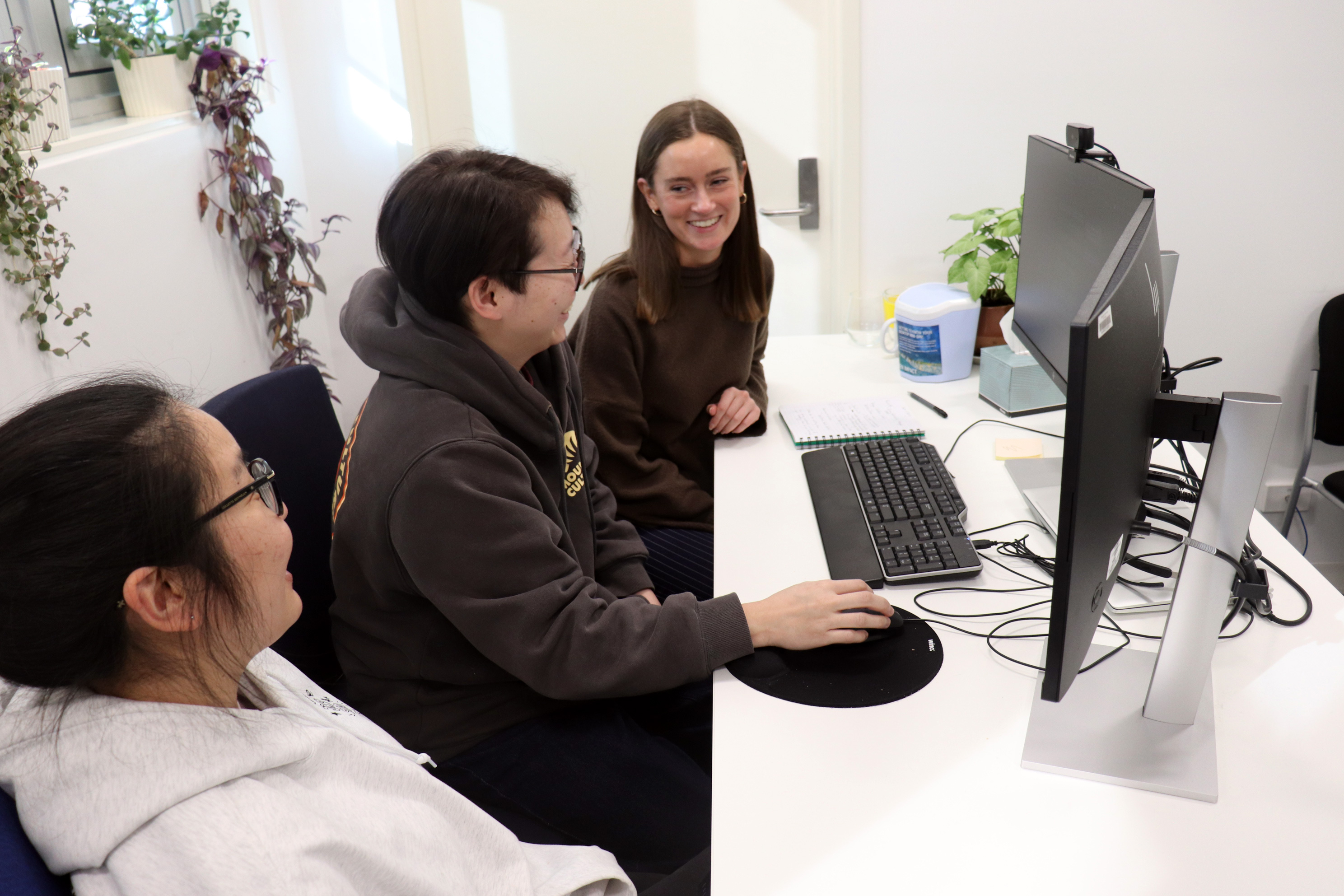
Lauren: People who donate to the mitoHOPE Program will be supported every step of the way. They’ll have a dedicated point of contact – myself – as well as support from a broader team including counsellors, fertility specialists, nurses and embryologists. The donor experience will vary depending on the pathway they follow, such as donating for research and training versus to the clinical trial, and whether they’re donating fresh eggs or have eggs already frozen.
What excites you about the mitoHOPE Program?
I’m excited to be a part of a program that has the potential to be truly life changing for people living with mitochondrial disease who hope to have their own biological children. To be involved in something so new and ground-breaking is very rewarding.
If you could choose any other career, what would you have picked?
I think I would have pursued a career in genetic counselling. It felt like a natural fit with my undergraduate majors – psychology, developmental biology and genetics. It’s a career that, like my current role, blends science with empathy and offers the opportunity to support people through personal and often complex journeys.