
Research


-
Nursing and Midwifery research community/initiatives
MNM ECR mentoring program
In 2022, we had five mentor/mentees participate in this program ensuring that our Early Career Researchers (ECRs) are appropriately supported and guided as they embark on their research career.
MNM ECR peers support group
During 2022, 18 E/MCRs met regularly to discuss issues and challenges they face and to receive support, share ideas, and learn systems and processes of undertaking grant applications and large research projects.
Grant pitching sessions
In a new initiative to improve the quality of our major grant applications we joined with the School of Primary and Allied Health Care (SPAHC) grant pitching sessions in 2022.
Individuals ‘pitch’ their grant to a multidisciplinary panel and receive dedicated feedback from experienced and successful researchers.
The pitching event is open to all across MNM and SPAHC, with feedback confirming that this initiative is helpful to grant writers and a good educational opportunity for research novices.
MNM Research seminars
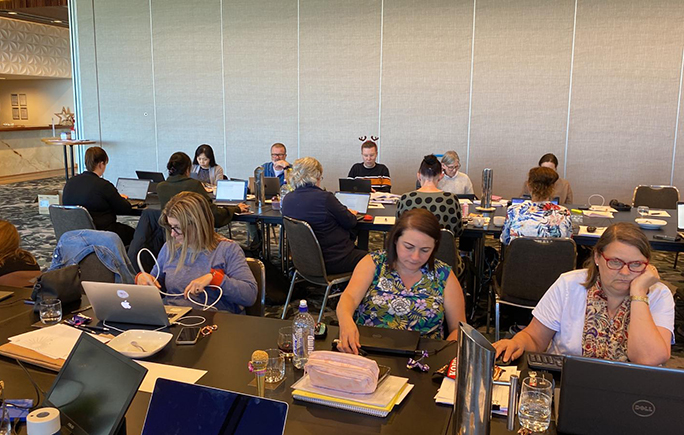
We held a program of 17 successful research seminars during 2022, enabling our researchers to share and explore their current project with peers and develop their skills further. These sessions have been expanded on in recent years and continue to provide relevant conversations and it is wonderful to be able to share in the successes of our researchers and developments within healthcare.
Visiting scholars
We receive many requests from scholars across the world and during 2022 we welcomed two visiting scholars. Dr Sandy Pin Pin Choi from the School of Nursing and Health Studies at Hong Kong Metropolitan University visited and Dr Aamena Bhamal from the Imperial College London, an academic GP registrar and Churchill Fellowship recipient, both spent time at MNM and shared their experiences with us.
-
Research highlights
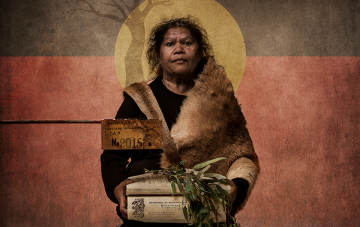
Embedding Indigenous knowledges and voices into curricula to better prepare an environmentally responsible healthcare workforce
The healthcare sector of Australia is responsible for some of the highest healthcare-sector-related carbon emissions in the world, constituting 7% of the total greenhouse gas emissions. An education program developed by Monash researchers together with a photographic artist has embedded Indigenous knowledges and voices to teach the next generation of healthcare workers about sustainable healthcare as a way to address the impact of climate change in the sector. A paper published in The Lancet Planetary Health, by Associate Professor Gabrielle Brand, argues that – while universities are focusing more on teaching sustainable healthcare, Indigenous knowledges and voices are being ignored.
National Centre for Healthy Ageing
Implementing consumer and workforce empowerment and engagement strategies to enhance safety and quality by building capacity to prevent and manage infections in residential aged care homes. People living in residential aged care homes (RACHs) are at high risk of contracting healthcare-associated infections (HAIs); the leading cause of morbidity and mortality in this setting. We will examine the facilitators and barriers to effective infection prevention and control practices in RACHs, and using a co-design approach, develop, implement and evaluate a tailored and innovative strategy to quantify prevalence of HAI’s, identify needs and priorities for intervention to reduce HAIs in RACHs. This strategy will include education and other resources for consumers and staff, and the first electronic tool for point prevalence surveillance of healthcare-associated infections in RACHs in Australia.
Birth Time: research to inform policy
The midwifery team hosted a public event in October called ‘Birth Time: Time to restore the balance to maternity care’. The focus of the event was a screening of the 90-minute ‘Birth Time: the Documentary’ followed by a 45-minute panel discussion. Over 120 people registered and attended the event, including student midwives, midwives, doulas, allied health practitioners and members of the public. We used this opportunity to generate practical discussion about the current issues facing the provision of maternity services and the implications for women, partners and babies. Formal analysis of the mixed-methods survey conducted following the event will be published and contribute to constructive dialogue on how we can provide women-centred care that leaves women feeling safe with their maternity care.

Taking steps towards emissions reduction in healthcare
Monash University medical and technology experts, along with an international group of researchers, have highlighted the urgent need to accurately identify the carbon footprint of digital health interventions to help move towards more environmentally sustainable healthcare.

Nurses and midwives’ vital role in the fight against climate change
At the recent COP27 in Egypt, healthcare workers joined forces against climate change. They demanded a phase-out of fossil fuels, the primary contributor to carbon emissions responsible for global warming.
Mental Health: Strengthening the voice of lived experience
Monash University joins forces with the Open Dialogue Centre to translate evidence-based research into practice, that aims to incorporate the voice of those with lived experience into research and mental health services delivered in Australia.
Pathways, policies needed to prevent parenthood stymieing student nurses’ career progression
The issue of parenthood and its impact on women’s careers hasn’t gone unnoticed, particularly in STEM disciplines.

Midwives’ experiences of facilitating informed decision-making –a narrative literature review
Informed decision-making is a vital component of midwifery philosophy and a core recommendation of the global respectful maternity care charter. A systematic narrative review of the literature was undertaken to explore midwives’ experiences of facilitating women’s informed decision-making. Midwives highly valued informed decision making yet felt many institutional barriers existed which prevented them from facilitating informed decision making in their work with women. This important research calls for urgent education, research, policy and practice solutions to address the lack of informed decision making evidenced in the provision of maternity care.
-
Our research focus
-