
Mental Health and Wellbeing
Mental Health and Wellbeing Program

-
Achieving optimal mental health and wellbeing is important to all individuals and communities, regardless of whether or not they live with a mental illness. The Mental Health and Wellbeing Program pursues research and translational activities to improve understanding of mental health and illness, and to promote mental wellbeing.
Our collection of research groups are dedicated to addressing pressing issues related to parenting and youth mental health, addictive and eating disorders, mood disorders, suicide prevention, and trauma, culture and wellbeing in partnership with diverse populations including underserved populations and Indigenous communities.
We work in collaboration with clinicians, communities, and people with lived and living experience of mental illness to conduct research that is relevant, impactful, and inclusive. We then translate our findings into clinical, lifestyle, and technology-based interventions and treatments that are effective, acceptable, and accessible. Our healthcare, industry, and community partners support our goal of closing the gap between research and real-world implementation, achieving tangible outcomes that will benefit all Australians.
-
Program focus areas
 Addiction and Impulsivity (Antonio Verdejo-Garcia Lab)
View
Addiction and Impulsivity (Antonio Verdejo-Garcia Lab)
View

 Our group is interested in understanding how addictive disorders change the brain and goal-oriented behaviour. We also apply this knowledge to create and test new interventions to improve goal-based decision-making.
Culture, Trauma and Mental Health (Laura Jobson Lab)
View
Living well with bipolar disorder (Emma Morton Lab)
View
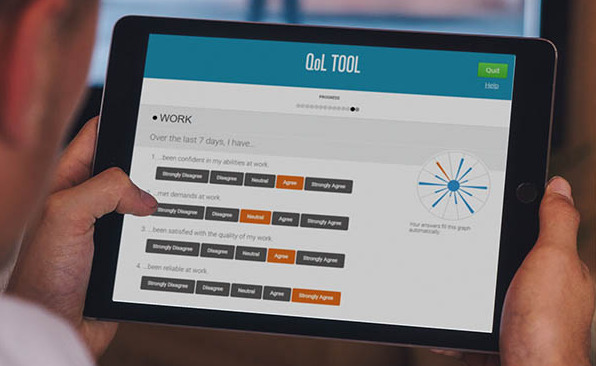 Our goal is to optimise the health and quality of life of people living with mood disorders, with an emphasis on people who live with bipolar disorder. To this end, we seek to better understand factors which influence both symptoms and patient-valued outcomes, and use these findings to inform the development and evaluation of psychological interventions.
Parenting and Youth Mental Health (Marie Yap Lab)
View
 We believe in the importance of empowering parents and carers in the important role they play in the mental health of children and young people. To that end, we conduct research involving the development and enhancement of scalable and sustainable parenting programs, as well as research into ways to increase the reach and uptake of these programs across the population in Australia and globally, across prevention and into treatment and maintenance of recovery from high-prevalence mental health problems like depression and anxiety disorders.
Suicide Prevention Research (Kylie King Lab)
View
 The suicide prevention research lab takes a public health approach to suicide prevention, inspired by the potential for population-level interventions to impact mental health. We consider opportunities for prevention across social, cultural, contextual, and individual levels, working in collaboration with partner organisations.
Industry and clinical practice partners
Our research program is delivered in collaboration with clinical, community and industry partners to advance new ideas, exciting technologies and discoveries.



-
Interested?
We’re always interested in new partnership opportunities. Are you interested in finding out more? Please contact us.
Professor Antonio Verdejo-Garcia
T: +61 3 9905 5374
E: antonio.verdejo@monash.edu