
Strategy

Our strategy encompasses 7 key pillars
They are based on Climateworks Centre Deep Decarbonisation pathway and aim to help Monash reach net zero emissions.
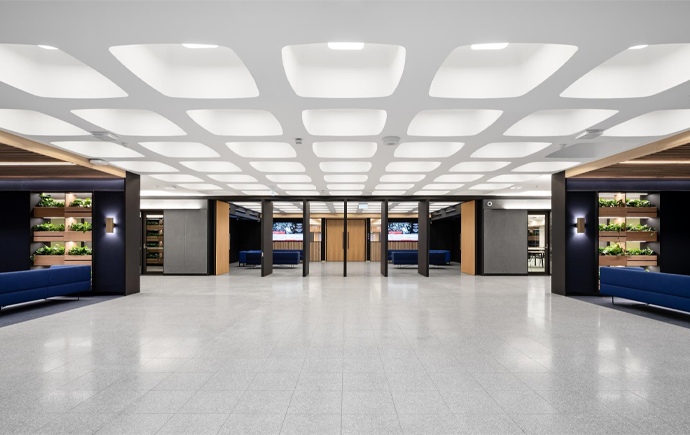
Energy efficiency
We're reducing the overall energy of our operations through LED lighting upgrades, sustainability certification for new buildings, and investing in smart building technology.
LED lighting
We are upgrading all existing lighting to LED technology across our Australian campuses. Almost 40,000 lights have already been replaced and there are further lighting upgrades planned
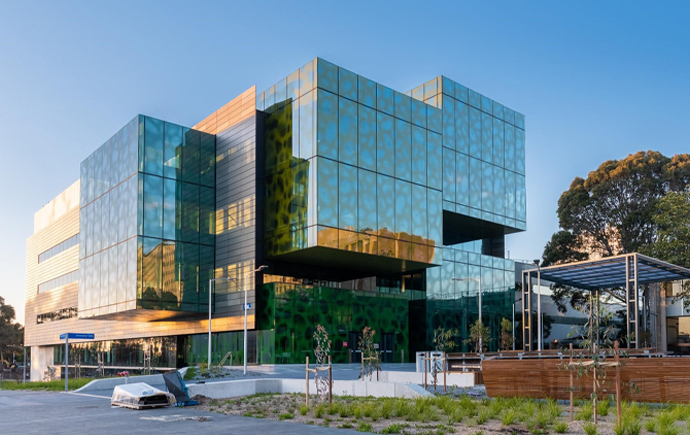
Campus electrification
We’re progressively ending our dependence on natural gas by replacing our inefficient gas heating systems with efficient, renewable powered electric heat pumps at the end of asset life. We will realise 100% electrification of our campuses by 2040, and as we continue to transition away from fossil fuels we will offset residual emissions from non-renewable energy use through carbon credits.
Since 2018 all new buildings on campus have been all-electric, contributing to 30% of campus buildings being all electric. To support the transition to electric vehicles, Monash has implemented a total of forty-eight (48) charging bays across our Clayton, Caulfield, and Peninsula campuses.
Net Zero buildings

Renewable energy
We’re bringing forward our goal to source 100 per cent of electricity from renewables from 2030 to 2025 - five years ahead of schedule.
Our aim is to power all our campuses from renewable sources, ensuring net zero emissions from our infrastructure and operations.
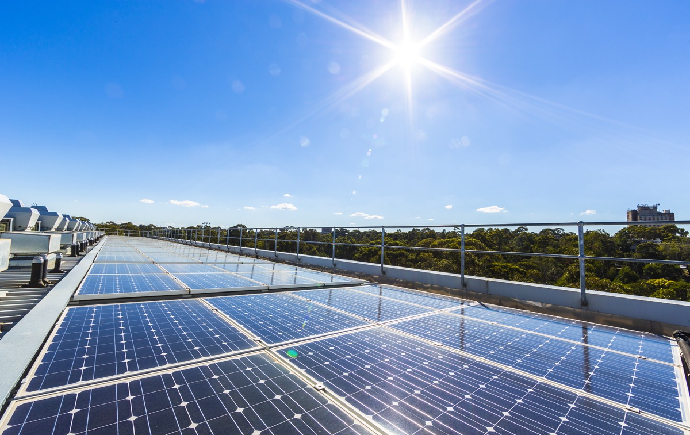
Since 2015, we have increased our solar capacity by 860 per cent to 4.8 Megawatt (MW).
We've signed a long term power purchase agreement with the Murra Warra Wind Farm in western Victoria, to buy both electricity production and the associated renewable energy certificates (LGCs)

Intelligent energy networks
Our Intelligent Energy Networks initiative is designed to better manage data from our large building portfolio. It will help our facilities team to make sense of building data from a broad mix of devices and systems installed in these buildings. A semantic data model is being developed along with tools for building, validating and associating equipment with this model.
Improving the quality of building data using a common data language for assets will be an important step in both reducing the cost of data analysis and improving the operational (and energy) efficiency of these buildings.

Net Zero transport
The University has a high level of operational control of the emissions associated with its buildings and infrastructure; however our transport emissions are influenced by thousands of personal choices made by Monash commuters each day.
Our Net Zero Transport Initiative/program aims to make our campuses more accessible, improve the range of zero-emission transport opportunities available, implement policy frameworks and incentives to encourage commuters to choose low emissions transport options, and invest in high-quality carbon-removal offsets to negate the effect of residual transport emissions.
Find out more about our Flight Emissions Offset Program.

Residual emissions
Since 2002, Monash has been offsetting the carbon emissions associated with its fleet vehicles. In 2024, we commenced offsetting the emissions associated with business air travel.
As we continue to reduce scope 1 and 2 emissions we will purchase carbon credits to offset residual emissions and meet our Net Zero 2030 commitment.
We are also committed to supporting our suppliers to measure and manage their own emissions to create more resilient supply chains, boost supply chain efficiencies and to reduce Monash’s scope 3 emissions.
Relevant sustainable development goals



You can read more about Monash’s overall campus sustainability strategy here.