
Culture Change

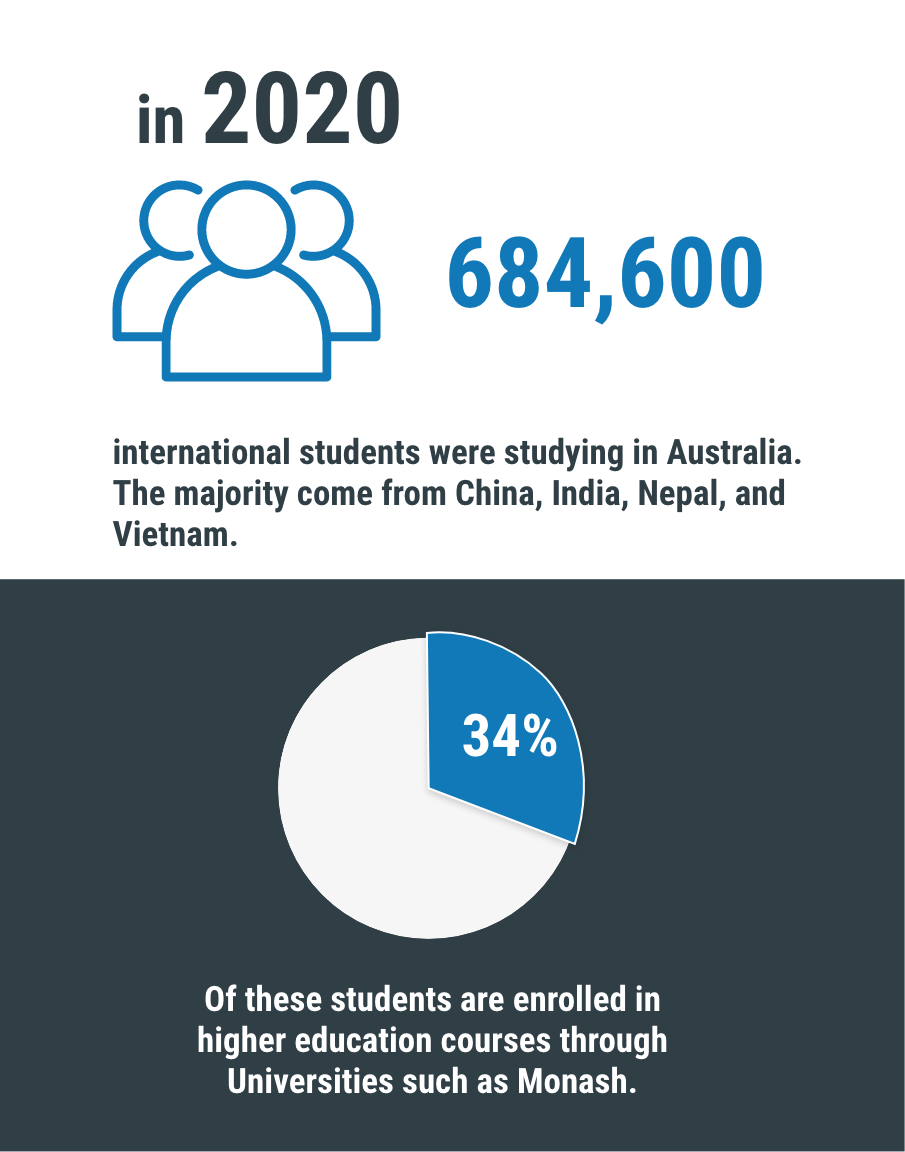
| The vast majority of these students come from cultures that are significantly different from the culture and language in Australia and are more likely to experience culture shock. Culture shock and language barriers can also exaggerate feelings of loneliness, isolation, and homesickness. It is important to be aware of what culture shock is and what you can do to address it. Key features:
|

The key to dealing with culture change is find ways to make you feel more comfortable in your host country. This is usually a combination of learning about and adopting features of your host culture, but also staying in contact with and sharing your home culture.
Overcoming
There are many ways you can overcome feelings of culture shock, they tend to focus on two different approaches;
Getting back in touch with your home culture

| Listening to your home cultureSometimes it is just the familiar sounds of your hometown, your language, and the animals that you grew up around that can make you feel better. HSBC has created a Sounds of Home series for students from India, Malaysia, Singapore and Taiwan. |
Finding a little piece of homeMelbourne is a very multicultural place and is home to people from every corner of the world. You may find that there are student groups at Monash, cultural community groups or even shopping districts that are a reflection of your home culture. |
|

| Talking to other students from your same home countrySpending time with people who are familiar with your home culture may help you feel more connected to your home country. You can look for student groups representing your home country/culture to find other students with a similar background or who are interested in your home culture. |

Sharing both your home and host culture with others.Talking about your home culture, or sharing a meal that reminds you of home with your friends in Australia can help create a mutual respect and appreciation of cultures. You can also talk about Australian culture with your family and friends back home. Your family and friends learning about the culture you are experiencing in Australia can also make them feel more connected to you. |
|

Exploring your host culture
| Meet some localsOne of the biggest predictors for satisfaction in a new country is whether or not you have local friends to help you navigate and explore your new host country and culture. Joining interest based student groups can be a great way to get started. English Connect has a workshop called 'Intercultural Friendships' where you can learn how to maintain friendships with the locals while you meet other international students also learning about the culture. |

Join some groupsVolunteering with or outside of Monash is a great way to meet others with a common interest or a common goal. It can also give you valuable work experience should you want to apply for jobs later on. Joining clubs and societies is also a great way to meet people and learn about your host culture. We have an Adjusting to Uni page that can also help settle you into your host country. |
|

| Online information about Australian culture.Monash Residential services and Monash Student services have created some resources online to help you get a better idea of Australian culture. English Connect runs a number of other free co-curricular programs like Let's Chat focusing on developing communication skills, and academic and conversational language, particularly with some of the Australian slang. You can learn some of the essential Aussie slang you might encounter. You might also find lots of other resources on YouTube or online that share the experiences of travellers or expats in Melbourne from your home culture. |

Try some of the local delicacies
Melbourne is also full of multicultural restaurants and boasts some amazing food throughout the city. Food tours are a great way to learn about Melbourne and its people. |
|

Living on campus can be a great way to meet new people and to get involved in activities with your Residential hall. You will have a chance to meet both international students from all over the world, and domestic students who live on campus. Learn more about the living on residence experience with Monash Residential Services.