
Our people
We are assembling leading experts in critical minerals assessment research, and will soon be seeking to expand the consortium to include industry advisers.
Special Advisers

Non Executive Director,
Chalice Mining Limited
Stephen McIntosh retired from Rio Tinto at the end of 2020 after more than 33 years with the group. He commenced his career as an exploration geologist/geophysicist in Papua New Guinea and he completed his career as Group Executive for Growth and Innovation. In his final role he had the direct accountability for staff and contractors in more than 30 countries covering most of Rio Tinto’s global technical functions including exploration, studies, construction, technical services, Information Technology, data science, robotics & automation, R&D, asset closure and for the last year he also led the global health, safety, environment, and security function.
Stephen has broad experience covering the A-Z of minerals and metals across a diverse range of projects in more than 45 countries. During his time with Rio Tinto’s exploration group, he led the in-house teams that supported the companies view on supply side industry dynamics. Stephen was accountable for Rio Tinto’s in-house technical and R&D experts including mineral processing. He was also active in his engagement on the potential production of key co-products from existing operations and from closure projects including for critical minerals. He has actively engaged with several governments reviewing their approach to critical minerals exploration, evaluation and supply.

Kernot Professor Of Engineering,
The University of Melbourne
As special adviser, Professor Batterham brings to the consortium a wealth of leadership experience and creativity, built on a career ranging across industry, academia and government. Professor Batterham joined the Melbourne School of Engineering as Kernot Professor in the Department of Chemical and Biomolecular Engineering in 2010. He has wide interests including reducing emissions through soil sequestration, application of mesoscience to mining, dewatering of tailings and elimination of tailings through in place leaching. He is past President of the Academy of Technology and Engineering (2007-2012), former Chief Scientist of Australia (1999-2005) and for over 20 years Global Head of Innovation (and other positions) in Rio Tinto. He has twice chaired the International Mineral Processing Congress, Chairs the selection panels for both the Australia India Strategic Research Fund and the Australia China Strategic Research Fund and chaired the International Energy Agency Expert Group on Science for Energy.
Founders

Principal Consultant at Whittle-DG Pty Ltd
Dr Whittle is a minerals industry consultant with extensive experience in strategic mine planning. With close to 30 years industry and research experience, David has recently joined Monash University to conduct critical minerals assessment research.

Resources Engineering,
Department of Civil Engineering,
Monash University
Professor Yellishetty is an experienced researcher and altruistic academic. His research and academic work experience at Monash University and CSIRO, Australia, Yale University, USA and IIT Bombay, India have provided him with the opportunity to undertake high quality research work and to contribute significantly to mining engineering discipline and publish widely in reputed high impact journals.
He has been recognized as one of the leading experts in sustainable mineral resources. His disciplined research focuses around the following areas:
- Mine rehabilitation and closure
- Sustainability frameworks/tools and their application to mining industry
- Industrial ecology, life cycle thinking, substance flow and material flow analysis
- Critical and strategic mineral supply chains and assessment
- Resources and environmental geotechnical engineering

Director, Critical Minerals Intelligence Centre
Associate Professor Mudd is a leading expert in sustainable mining, critical mineral assessment, environmental impacts, risk management, uranium mining, water management and impacts in mining, copper, cobalt, nickel, platinum group metals, lithium, rare earth elements, bauxite-I alumina-aluminium, groundwater impacts, groundwater and unsaturated flow processes.

Resources Engineering,
Department of Civil Engineering,
Monash University
Associate Professor Walsh is a leading expert in numerical modelling for economic fairways analysis: integrated assessments of economic viability to identify areas permissive for mineral development. He is the founding developer of the ‘Bluecap’ model, a part of Geoscience Australia’s Exploring for the Future (EFTF) program.
Team

School of Engineering,
RMIT University
Dr Shaibani is an energy storage researcher, inventor, and solution provider. She has expertise in materials synthesis, engineering, and scale-up for next-generation energy storage systems, including lithium metal batteries, lithium-ion batteries, flow batteries, supercapacitors, and lithium-ion capacitors. Mhdokht has conducted pioneering research in developing practical graphene-based protection technologies and expansion-tolerant architectures for stabilizing lithium-sulfur batteries. She explores the applications of Li-S batteries and Graphene supercapacitors in transportation, grid storage, and wireless sensor networks. Mahdokht has a passion for writing and communicating stories of a scientific nature and has authored several opinion and analysis pieces on critical energy-related topics suitably simplified for raising the awareness in general public. Mahdokht has a PhD in Mechanical Engineering, with a focus on energy storage from Monash University, Australia.

School of Earth Atmosphere & Environment,
Monash University
Associate Professor Wong is a leading expert in soil-surface, water-shallow groundwater processes ranging from the micron scale to the landscape scale in landscape function. She seeks to understand how these biogeochemical processes occur in a range of environments. This has allowed her to work closely with industry and government organisations (local, state and federal)

School of Earth Atmosphere and Environment,
Monash University
Professor Brugger obtained his PhD at the University of Basel, Switzerland in 1996, for his work on the geochemistry and mineralogy of metamorphosed syn-genetic exhalative Mn deposits. In 2002 he joined the South Australian Museum and the University of Adelaide, and established the Minerals, Microbes and Solutions research group, dedicated to using state-of-the-art experimental techniques to study the transport and deposition of metals and mineral-microbe-fluid interaction in geological environments. In January 2014, Professor Brugger commenced as chair of Synchrotron Geosciences at Monash University.

School of Geography,
Faculty of Science,
The University of Melbourne
Dr Werner is a Research Fellow in GIS and Extractive Industries at the University of Melbourne School of Geography. With a background in environmental engineering and geographical science, Dr Werner's research employs mixed methods from economic geology, industrial ecology, GIS and remote sensing to analyse various aspects of mining and metal supply chains. His PhD research focused on the global resources, production, waste and recycling potential of critical metals, where he developed world-leading research on indium, and established new methods for critical mineral resource accounting that are now employed for Geoscience Australia.
He has authored a number of prominent studies on global critical metal resources, production, supply potential and recycling and serves on the editorial board of the AusIMM Applied Earth Science journal. He has successfully completed critical metal research projects for the International Copper, Lead, Zinc and Nickel Study Groups, PBL Netherlands Environmental Assessment Agency, Geoscience Australia and the Columbia Water Center. His current research focuses on the land use implications of future critical metal mining.

School of Earth Atmosphere & Environment,
Monash University
Professor Andy Tomkins is an ARC Future Fellow specialising in economic geology. He is the 2021 winner of the Society of Economic Geologists Silver Medal for excellence in mid career research. A/Prof Tomkins primarily uses the principles of geochemistry and petrology to investigate the processes that lead to formation of mineral deposits. He has developed new mineral deposit formation models for several types of ore deposits. In terms of critical metal research, he is focusing on how crustal-scale orogenic fluid systems lead to formation of cobalt-copper deposits, gold-silver-antimony deposits and uranium-rare earth element deposits, and how magmatic processes in volcanic arcs lead to formation of nickel-copper-cobalt-platinum group element deposits in the deep crust and copper-gold-molybdenum-silver-tellurium deposits in the upper crust.
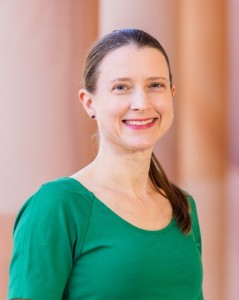
School of Chemical Engineering
The University of Queensland
Nadja Kunz is a Senior Lecturer in the School of Chemical Engineering at The University of Queensland in Australia. Previously, she was an Associate Professor and Canada Research Chair in Mine Water Management and Stewardship at The University of British Columbia in Canada. Nadja's research centres on identifying, modelling and mitigating complex sustainability challenges within the global mining and critical minerals sector, with a particular emphasis on improving the valuation, management, and governance of water resources. She has an emerging interest in applications of artificial intelligence to enhance environmental governance and to improve the sustainability performance of the mining sector. More recently, she has expanded her research program to mitigate the sustainability impacts of the digital infrastructure sector itself. In teaching, Nadja is passionate about training engineers to extend their core skillsets to work more effectively at the interface of policy, business, and society. Nadja brings a practical and global perspective to her work, with research/fieldwork locations that have included Australia, Canada, Mongolia, Ethiopia, Peru, Chile, Indonesia, and South Africa.

Department of Economics,
Monash Business School,
Monash University
Mita's major research areas are in Energy Economics, Sustainability, Applied Industrial Organisation. In her research, she has analysed industrial performance, competitiveness of different sectors including energy resources in a dynamic setting. Her research has meaningful policy prescriptions for these sectors with a focus on Asia-Pacific region. Mita has published widely in peer-reviewed journals including in Energy Economics, International Journal of Industrial Organisation, International Journal of Production Economics, World Economy, Review of Industrial Organisation and in Applied Energy. She has held visiting positions in the Australian National University, Curtin University, Doshisha University (Japan), University of East Anglia (U.K.) and in the OECD (Head Office, France). Mita has received external grants from the Australian Research Council, Tyre Australia and National Science Council (Taiwan). Mita is the recipient of the annual award in 2017 from the Applied Energy Society for her research on renewable energy sources.
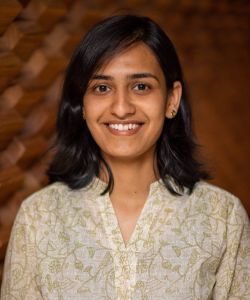
School of Engineering,
RMIT
Dr Shruti Nirantar is an electronics engineer, scientist and Lecturer at RMIT University, Australia, where she explores how making electronic devices incredibly small can unlock entirely new capabilities. She completed PhD at RMIT in 2020 and was awarded the prestigious Vice-Chancellor’s Postdoctoral Fellowship in 2022. The same year, she received a Fulbright Scholarship, taking her research to the USA, where she worked with researchers at MIT and NASA Ames Research Center.
Her research sits at the intersection of advanced manufacturing, electronics and nanotechnology. She is developing nanoscale vacuum electronics designed to operate in extreme environments, including space, as well as for next-generation directed-energy systems for defence. Her work explores a simple but powerful question: What becomes possible when we make electronics extraordinarily small and how can we make them work where conventional electronics struggle? Her work has earned recognition through multiple awards, including Engineers Australia’s Most Innovative Engineers and the Royal Society of Victoria’s Young Scientist Award. Away from the laboratory, Dr Nirantar is a passionate yoga teacher with more than 10 years of experience. She also loves gardening and can often be found growing vegetables and fruit, admiring her flowers, or enjoying time at home with two dogs.

ARC-Research Hub for Medicinal Agriculture,
Latrobe University
Bhuvana Shanbhag completed her PhD in Chemical engineering at Monash University where she focused on developing enzymes with self-assembly feature for industrial application. Her research expertise includes protein self-assembly, enzymology, recombinant protein production using bacteria and yeast, bioprocess development and downstream processing of biomolecules. Prior to her PhD, she has 5 years of industrial experience as a Senior Scientist at Biocon Research Ltd., Bangalore India in the development of downstream process for Anti-diabetic drugs.
She was a post-doctoral fellow at the ARC Hub for Energy Efficient Separations for two years and developed a process for the separation of bioactive molecules. Currently she is a Research Associate at the ARC Hub for Medicinal Agriculture at Latrobe University where she is currently characterizing enzymes from medicinal plants for producing plant-derived compounds. Her research interests include advanced biocatalyst development, microbial biotransformation and waste valorisation using microbial and enzymatic approaches.

Monash Business School,
Monash University
A pracademic and a strategy consultant by training, Professor Buckingham works for Monash Business school where he teaches MBA and EMBA courses on Strategy, Business Model Design and Operations Management. Edward began his career with the Boston Consulting Group in Shanghai, managed manufacturing businesses in France and advised Oil and Gas companies internationally for Schlumberger before embarking on his academic career. His PhD from the University of London (SOAS) examined resource transfers between the formal and informal sectors in Indonesia.
As an undergraduate Edward completed projects on tailings dams and lithium alloys. He continues to take an active interest in the resources sector and has contributed at AusIMM, IMARC, Austrade India events and Industry-academic gatherings such as HiTemp.

Department of Chemical Engineering,
Monash University Malaysia campus
Dr Ilankoon has extensive mining, minerals processing, chemical process engineering, and industrial rock blasting teaching and research experiences at Imperial College London, Monash University Malaysia campus (Department of Chemical Engineering) and University of Moratuwa, Sri Lanka (Department of Earth Resources Engineering). Most of his research focuses on processing of low grade ores, improving the efficiency of metal extraction systems, porous media flow studies, waste management (electronic waste or e-waste) and sustainability aspects of minerals processing. His work provides a useful link between minerals engineering, waste management and unsaturated fluid flow in mineral extraction systems encouraging research collaborations.

Chemical and Biological Engineering
Monash University
Professor Bhattacharya has a strong background in industry and academia over thirty years. Having started his career in India as a design and commissioning engineer for power stations, he then worked in Thailand on the utilisation of agro-forestry residues for gaseous fuels production. Following his PhD in Australia, Professor Bhattacharya worked as a Principal Research Engineer with Lignite CRC on large scale gasification and combustion, and then as a Principal Process Engineer with Anglo Coal Australia before moving to France with the International Energy Agency in Paris to lead their Cleaner Fossil Fuels program. Professor Bhattacharya's current work, among others, include processing of wastes - plastics, tyres, eWaste, flyash and waste biomass for the production of liquid fuels and chemicals, and extraction of critical metals with reduced environmental impact.

CSIRO Mineral Resources
The Commonwealth Scientific and Industrial Research Organisation (CSIRO) Group Leader, Process Engineering & Chemistry.

Solid State Chemistry & Mineralogy,
Team Leader Iron Ore Geometallurgy,
CSIRO Mineral Resources
Since joining CSIRO Dr Pownceby has worked primarily in the Industrial Minerals Sector. He is responsible for conducting fundamental research to examine the influence of impurity elements and gangue minerals on ilmenite processing. His work resulted in the development of electron microprobe-based technique for characterising heavy mineral sand concentrates. He has successfully applied this technique in the characterisation of ilmenite deposits from the Murray Basin, the Eucla Basin and Southern Africa.
Mark is also a member of the Iron Ore Processing Program where his major activities involve designing and completing an experimental program aimed at understanding the complex mineral assemblages formed during the sintering of Australian iron ores. He is also part of a Minerals Down Under Flagship project which is investigating the deportment of the impurities phosphorus, aluminium and silicon in Australian iron ores. Mark has previously led projects within CSIRO’s Light Metals Flagship to determine fundamental phase relations in solid-liquid systems designed to produce anhydrous magnesium chloride feedstock for the Australian Magnesium (AM) process.

School of Mathematics and Statistics,
Faculty of Science,
The University of Melbourne
Dr Muñoz-Acosta has Electronics degrees at Universidad del Valle, Colombia in 2005 and 2008 respectively and a Ph.D. from The University of Melbourne (2014). From 2013 to 2017, he was a Research Fellow (Level A) at the School of Mathematical Sciences, Monash University, Australia. Currently, he is a Research Fellow (Level B) at the Department of Mathematics and Statistics, The University of Melbourne. Australia.

School of Info Technology,
Faculty of Sci Eng & Built Env,
Deakin University
Dr Sunil Aryal is a lecturer in IT at the School of Information Technology, Deakin University. He received his PhD from Monash University. His research is in the areas of data mining, machine learning and artificial intelligence. He is interested in their applications to solve real-world problems in various domains. He works in similarity measures, anomaly detection, classification, text/image analysis, ensemble learning, learning from small subsamples of data, and robust/explainable machine learning. Prior to joining Deakin University in 2019, he worked as a lecturer at Federation University Australia and sessional teaching staff at various institutions. Before moving to academia, he worked in industry as a data engineer and software developer for a number of years.

Senior Research Fellow,
Deakin University
Associate Professor Will Gates is deputy director of the Australian Centre for Infrastructure Durability at Deakin University's Institute for Frontier Materials. He is a clay mineralogist and physical chemist who seeks to create new or improved useful industrial and engineered materials by study of their structural, surface, physical and chemical properties as they relate to their functional performance. His main focus are bentonites as technical hydraulic barriers, as carriers for bio-active molecules and as useful industrial minerals. He also works with concretes, soils and other porous stuff to lower the cost of and to improve remediation (e.g. per- and polyfluoralkyl substance, or PFAS). In this regard, he has led research using heat-treated soil as supplementary fine aggregate replacement and supplementary cementitious materials to create structure concrete with the whole soil, gaining 100% replacement of fine aggregate, plus some of the coarse aggregate (depending on the soil) and up to 13% of the cement binder normally used. Other projects include developing new liner technologies for these same emerging environmental contaminants and understanding water dynamics in bentonites subjected to extreme conditions of temperature, water content and salinity.

Senior Scientist,
CSIRO Energy
Dr Nawshad Haque is a Senior Scientist at CSIRO Australia. Dr Haque led multiple projects investigating mineral resources and processing of critical minerals and rare earth metals with a number of PhD projects completion and publications. Currently leads projects on the critical minerals for renewable energy applications. He co-ordinates undergraduate courses on mineral processing (Monash University Australia), sustainability and life cycle assessment (Swinburne University Australia), and is an Adjunct with RMIT University for collaboration with Bangladesh BCSIR. He offers lectures and workshops over a decade and co-supervised 10 PhD students to completion on environmental aspects of mining and metallurgy. Currently he co-supervises four PhD students. He has been a guest lecturer at multiple universities. Dr Haque manages several high level inter-governmental scientific collaborations and is the Leader for the MoU signing between large multiple research organisations, government science agencies, ministries and universities.
Dr Haque has been awarded a Ph.D. in Chemical Engineering from The University of Sydney in 2002. Dr Haque is an elected Fellow of the Australasian Institute of Mining and Metallurgy, Australian Institute of Energy, and The Institute of Materials, Minerals and Mining (IOM3) UK, and was a Director of the Board of the Australian Life Cycle Assessment Society for 10 years.
His current research focus now as Leader of multiple projects to develop techno-economic and environmental modelling tools using LCA for potentially a future multibillion dollars hydrogen energy systems in Australia. Dr Haque has extensively studied LCA of a variety of metals, including rare earth, aluminium, magnesium, ferroalloy, gold and nickel to identify opportunities for energy, CO2 emission, water use and waste reduction for products.

School of Minerals and Energy Resources Engineering,
UNSW
Dr Simit Raval is specialised in the integration of sensing technologies to drive applied innovation in mining, environmental and civil engineering sectors. He leads a group of researchers focused on utilising data from sensors mounted on various platforms, from satellite through to UAVs, to visualise, identify and monitor operational environments. He has supervised PhD research projects involving drone-based smart sensing (hyperspectral and LiDAR), underground mobile laser scanning, image-based automated material characterisation, mine rehabilitation/closure, climate change and asteroid mining.
Recently, Dr Raval has started exploring latest sensor technologies (such as LIBS) to rapidly characterise some of the critical minerals that otherwise not feasible through conventional laboratory testing.
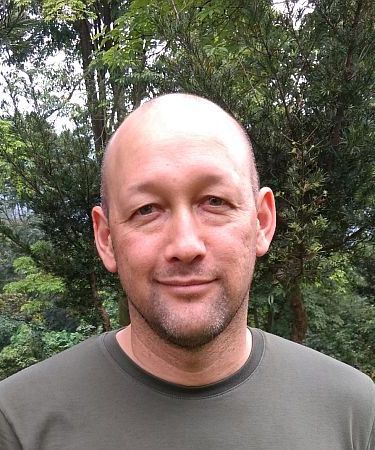
Monash Data Futures Institute,
Monash University
Dr Alex Lechner is an Associate Professor in landscape ecology at the Monash University Indonesia in Jakarta. He has experience in the application of integrated socio-environmental approaches, along with spatially explicit modelling (i.e. GIS, remote sensing and participatory mapping) to natural resource management and sustainability. His current research includes sustainable urban planning, biodiversity conservation and managing extractive resources, primarily in Southeast Asia. His work in the mining context includes remote sensing and GIS analyses of mined land rehabilitation and assessing socio environmental impacts. He is also the head of Monash University Indonesia’s Research Committee.; Yale School of Forestry & Environmental Studies with many leading journal publications.
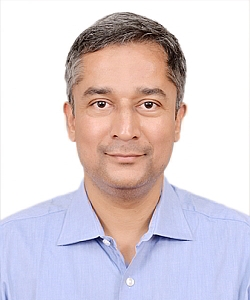
Engineering Project Management,
Federation University
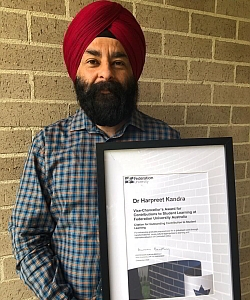
Ayon Chakraborty is an Associate Professor in Engineering Project Management within the Institute of Innovation, Science and Sustainability at Federation University Australia. Prior to joining the university, I was working as an Associate Professor in Operations Management and Decision Sciences area at Indian Institute of Management Tiruchirappalli, India.
Water Engineering,
Federation University
Australia. He earned his BSc and MSc with a specialization in stratigraphy and sedimentary basins analysis, and his PhD focused on REE geochemical characterization of sedimentary packages. With research and mineral exploration experience on five continents, including Canada, the USA, Papua New Guinea, Australia, China, India, Spain, Norway, Poland, South Africa, Congo, and Brazil.
Principal Geochemist,
CSIRO
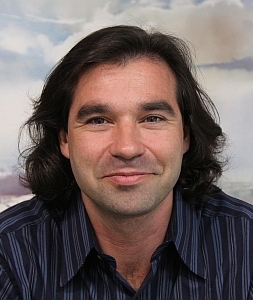
Dr Ignacio, a Spanish-born geoscientist, currently holds the position of Principal Geochemist at CSIRO in Australia. He earned his BSc and MSc with a specialization in stratigraphy and sedimentary basins analysis, and his PhD focused on REE geochemical characterization of sedimentary packages. With research and mineral exploration experience on five continents, including Canada, the USA, Papua New Guinea, Australia, China, India, Spain, Norway, Poland, South Africa, Congo, and Brazil.

Professor in Sustainable Metallurgy and Metals Recycling,
Swinburne University of Technology
Professor Muhammad Akbar RHAMDHANI is currently the Director of Fluid and Process Dynamics (FPD) Group at Swinburne. Akbar is a Professor in Extractive Metallurgy and Metals Recycling. Akbar obtained his PhD from McMaster University Canada in Materials Science and Engineering. He has been a teaching-research academic at Institute of Technology Bandung (ITB) and the University of Queensland, before joining Swinburne. Akbar was a Visiting Professor at Katholieke Universiteit Leuven Belgium and Visiting Scientist at CSIRO. He is also currently an Adjunct Professor at the Faculty of Engineering, Universitas Indonesia.
Leader of Renewable Resource & Sustainability Group (R2S)
Department of Chemical Engineering,
The University of Melbourne
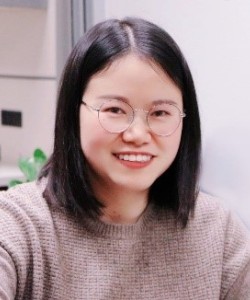
Dr Helena Wang is a Senior Lecturer, leader of the Renewable Resource & Sustainability Group (R2S) and ARC-DECRA Fellow at the Department of Chemical Engineering at the University of Melbourne. She completed her PhD in Chemical Engineering, the University of New South Wales (UNSW) in 2018. She held prestigious fellowships: the Alfred Deakin Research Fellowship-2022 at Deakin University and the International Hydrogen Research Fellowship-2023 at the National University of Singapore. She was also a DAAD Visiting Scholar at the Fritz Haber Institute of Max Planck (2018). Her research focuses on metal recovery and recycling of batteries, green hydrogen production, carbon dioxide conversion and utilization, and circular economy.
Centre for Social Responsibility in Mining (CSRM)
The University of Queensland
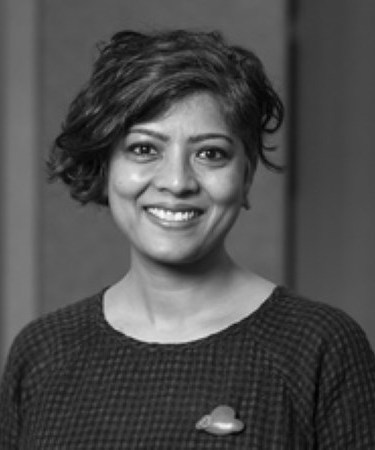
Vigya is a Principal Research Fellow at the Centre for Social Responsibility in Mining (CSRM), part of the Sustainable Minerals Institute (SMI) at The University of Queensland, Australia
Vigya has an interdisciplinary background, with degrees in engineering and social science. This has informed her thinking and practice as an applied researcher across international mining and energy sectors. Her research sits at the energy-minerals-development interface, focusing on the socio-economic and institutional aspects of large-scale technological and market-led interventions in energy systems globally.
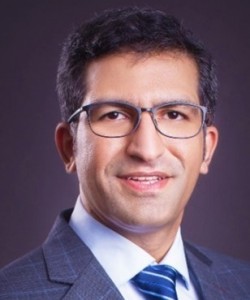
Team Leader Critical Minerals for Clean Energy,
RMIT University
Hamidreza Arandiyan received his PhD from the School of Environment at Tsinghua University in 2014. The following year, he received a Vice-Chancellor's Research Fellowship from the University of New South Wales (UNSW), Sydney. He held a University of Sydney Senior VC Fellowship in 2018. He is a leader of Critical Minerals for Clean Energy Group at RMIT University in Melbourne. He is a Fellow of the Royal Society of Chemistry (FRSC) and Committee member of AusIMM Melbourne.
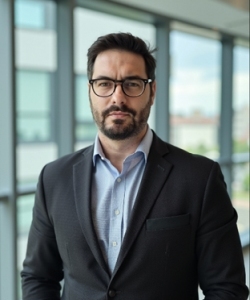
Professor Pacific Action for Climate Transitions,
Monash Business School,
Monash University
Professor Joaquin Vespignani is an applied macroeconomist specialising in the economics of the energy transition, critical minerals, and energy and commodity price dynamics. His research focuses on how geopolitical risk, supply-chain constraints, and non-technical risks shape investment, prices, and macroeconomic outcomes in energy and critical-minerals markets, with direct implications for decarbonisation, industrial policy, and national economic resilience.
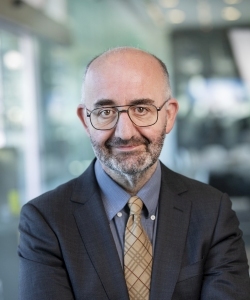
Department of Economics
Monash University
Russell Smyth is Professor of Economics and Deputy Dean (Research) in the Monash Business School. He is an elected Fellow of the Academy of Social Sciences in Australia, a Clarivate Highly-Cited Researcher and recipient of the Honorary Fellow Award of the Economic Society of Australia. Much of his research is in energy economics, with a particular interest in critical minerals. He is a co-editor of Energy Economics.
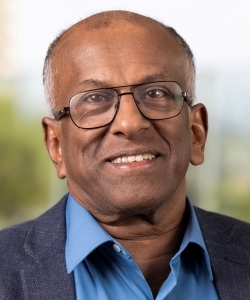
Department of Accounting,
Monash University
Paul Thambar is an Associate Professor with the Department of Accounting, Monash Business School and have a broad range of research interests in management accounting and performance measurement specifically in 'alternate organisations' such as cooperatives and mutuals and non-profit organisations.

Department of Economics,
Monash Business School,
Monash University
Professor Feltovich’s research interests are in game theory, computational economics, experimental economics, and industrial organisation.