
mitoHOPE awarded first pre-clinical research licence
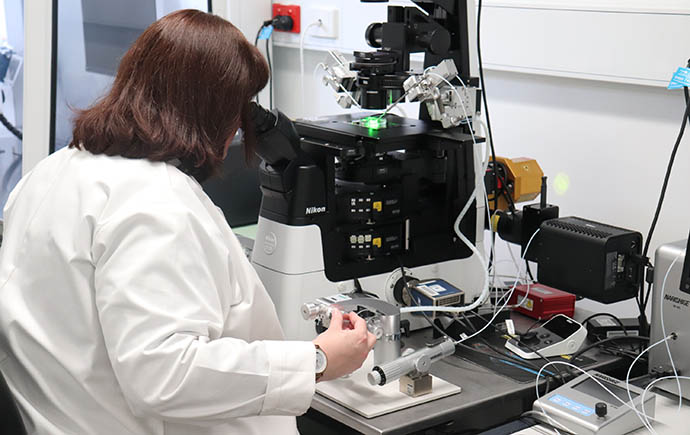
The mitoHOPE Program is delighted to share it has received its first Pre-Clinical Research and Training Licence from the Embryo Research Licensing Committee (ERLC).
This licence allows the mitoHOPE embryologists, Melissa and Tegan, to begin training in mitochondrial donation techniques using human eggs that have been donated for research.
Melissa and Tegan have been practicing mitochondrial donation techniques using mouse eggs for some time now, so the team is anticipating that it won’t take them long to become proficient in performing the techniques on human eggs.
Learn more about Melissa and Tegan or egg donation at mitoHOPE.
The licence also allows the mitoHOPE team to start working on other research projects. These projects will help us understand how to improve mitochondrial donation techniques and make them more efficient.
Progress report
Having been issued with our first pre-clinical licence we are on the path to starting a clinical trial in the future. In order to start the clinical trial we have a number of steps to take:
- the pre-clinical training needs to show that our embryologists are proficient in the mitochondrial donation techniques,
- our embryologists then need to show they can perform the techniques effectively and safely in the clinical setting, and
- the Human Research Ethics Committee and the Embryo Research Licensing Committee need to approve the clinical trial research program. The program timeline to begin the clinical trial is dependent on the regulatory process and associated approvals; our best estimate at this stage is that the clinical trial of mitochondrial donation will commence toward the end of 2026*, however, this could change depending on how quickly the required licences and ethics approvals are granted.
We understand that many of the mito community have been waiting for mitochondrial donation for longer than anticipated; the mitoHOPE team are working as quickly as they can to start the program. We thank the mito community for their patience and understanding as we work with the ethics committees and regulator to prepare for the clinical trial of mitochondrial donation.
While waiting for mitochondrial donation
If your family is affected by mito and you think mitochondrial donation may be suitable for you, please speak with your health professionals. They can help you understand the reproductive options that are most relevant to you.
The Mito Foundation is also available to provide further information about options for building your family, or help you find a health professional. You can also read some general advice on reproductive options here.
If you haven’t already, completing the contact us form on our website will ensure you receive updates from us as we make progress toward the clinical trial.
Mito Foundation’s helpline can be reached at www.mito.org.au/helpline/ or on 1300 977 180.
Meet the mitoHOPE egg donor coordinator
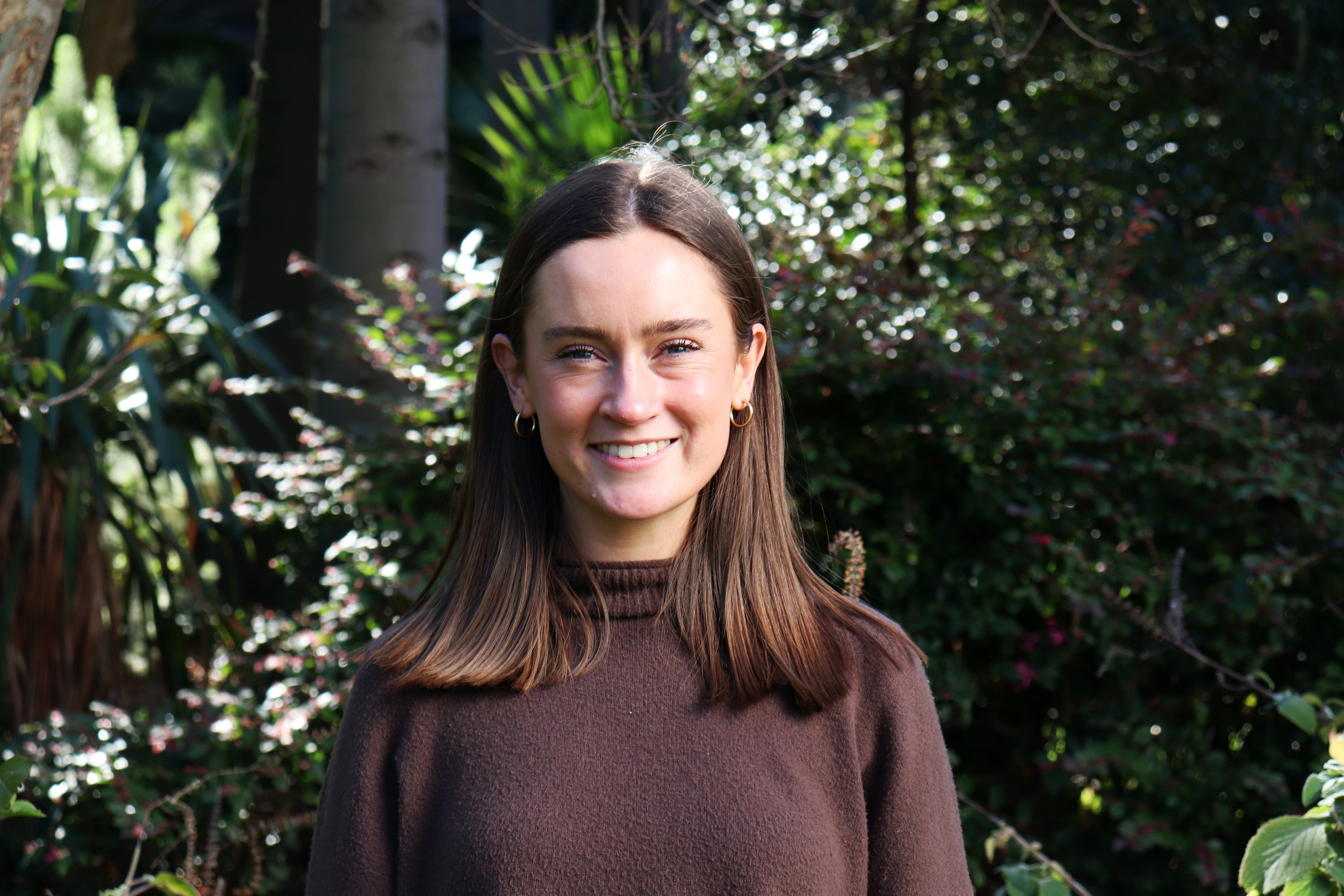
The mitoHOPE Program’s egg donor coordinator, Lauren, will be the primary point of contact for all egg donors throughout the program. From initial recruitment, to guiding them through the egg collection processes, Lauren will ensure egg donors and trial participants stay informed, supported, and connected every step of the way.
Learn more about Lauren and what a day in the mitoHOPE office looks like for her on the mitoHOPE website.
Listen: mitoHOPE’s Professor Mary Herbert talks about mitochondrial donation
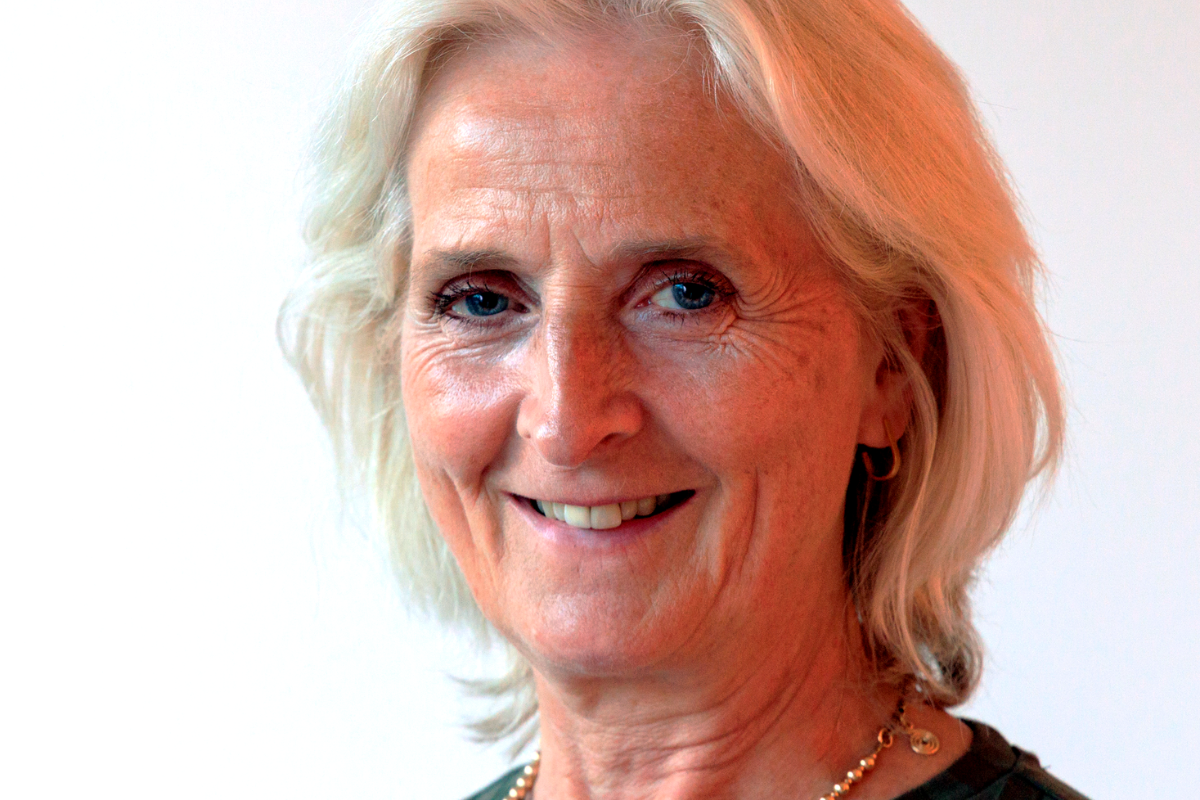
Professor Mary Herbert recently appeared on the Naked Scientists podcast to chat about mitochondrial donation and the milestone of 8 babies born following mitochondrial donation in the UK.
Mary and her colleague, Professor Catherine Mills, a mitoHOPE Chief Investigator and Professor of Bioethics at Monash University, also spoke at the online Progress Educational Trust event, Mitochondrial Donation: Does It Work? What Next?, earlier in October to discuss recent developments in mitochondrial donation, highlighting scientific advances and ethical considerations alongside patient perspectives.
mitoHOPE’s Independent Advisory Committee Chair, Dr Andy Greenfield, reflects on the achievement of eight babies born via mitochondrial donation in the UK, highlighting it not only as a scientific and technical breakthrough, but also the result of years of ethical debate, public engagement, legal reform and the careful establishment of a clinical framework that made the procedure possible.
Mito Foundation launches MitoCast
In other podcast news, the Mito Foundation has launched MitoCast, a new series designed to make key information about mitochondrial disease easier to access and understand. The podcast offers easy-to-follow audio content that supports listeners in navigating life with mito.
The first three episodes explore:
* What is mitochondrial disease?
* Building your care team
* Understanding genetics