
June 2026 update
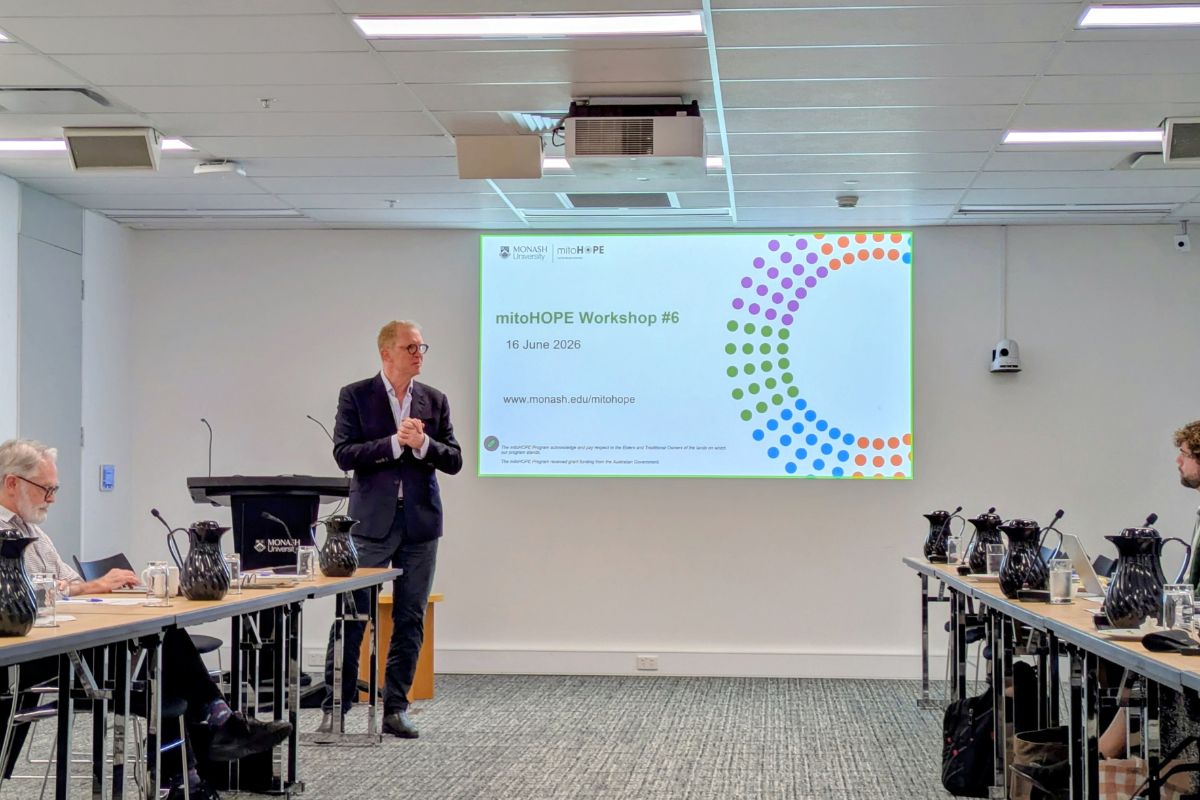 mitoHOPE Program lead Professor John Carroll provides an update to the mitoHOPE team at the 6th Workshop in Melbourne.
The first half of 2026 has been an exciting time for the mitoHOPE Program. We have moved from years of planning and preparation into the practical phase of our work.
After receiving Australia’s first licence to perform mitochondrial donation research, we began Maternal Spindle Transfer (MST) in the laboratory led by Professor Mary Herbert at Monash University.
Progress to date has been promising. Our highly skilled embryologists, Melissa and Tegan, are drawing on their years of experience in IVF technology to refine the MST technique. This has positioned us to prepare for the next stage of the MST licence process: the Clinical Trial Research and Training Licence (CTRT), which will be submitted for ethics review in August.
The CTRT Licence, if awarded, will allow Melissa and Tegan to demonstrate that the technique can be performed safely and effectively in a clinical setting. Once this stage has been achieved, we will be able to apply for the licence required to begin the clinical trial as part of the mitochondrial donation pilot program.
We know this is the milestone that many in the mito community are eagerly waiting for. Providing clear timelines has been challenging because the ethical and regulatory processes involved are complex and new for everyone involved.
As experience grows, the ethics committees, regulators, and mitoHOPE team are continuing to build a stronger understanding of the process and work more efficiently together. The good news is that our second licence application has progressed more quickly than the first.
However, this work must be done carefully. Preparing the required applications, progressing through rigorous reviews and ensuring our embryologists have the necessary training and expertise all take time.
We have recently reviewed our timeline and now expect the clinical trial to commence in late 2027*.
One aspect of the mitoHOPE Program that deserves recognition is the egg donor program. Lauren, our mitoHOPE Donor Coordinator, has worked closely with donors who have chosen to donate their frozen eggs that are no longer required for their own reproductive purposes. The response from this donor community has been incredibly positive and has played a significant role in enabling Melissa and Tegan to make progress.
On behalf of the entire mitoHOPE team, we'd like to extend our sincere thanks to all the donors who have contributed to this program. Your support is helping to make this work possible.
*The estimated timing of the pilot clinical trial may change depending on licence approvals.
Genomics of Rare Disease Conference
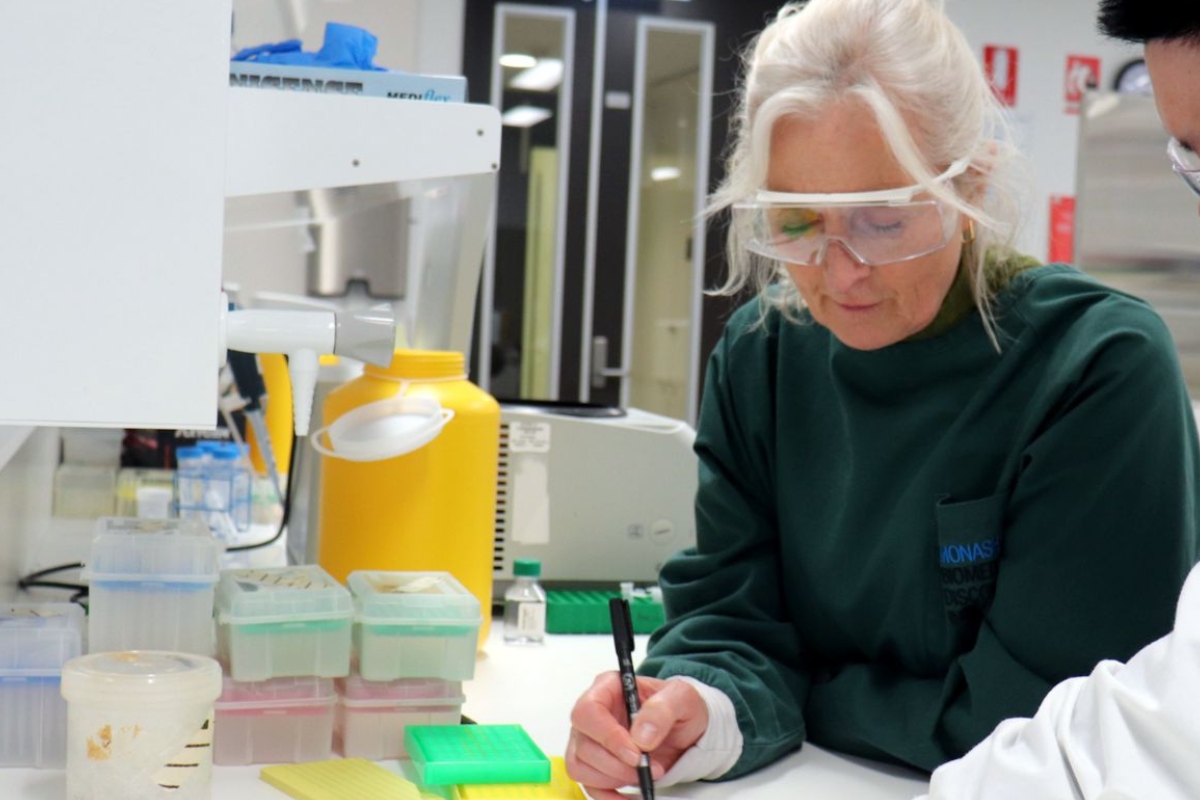 Professor Mary Herbert in the mitoHOPE lab at Monash University.
In April, Professor Mary Herbert was invited to speak at the Genomics of Rare Diseases conference at the Wellcome Genome Campus in Cambridge, UK, which marked its 20th anniversary.
Professor Herbert’s talk focused on reproductive technologies aimed at reducing the transmission of mitochondrial disease.
The conference brought together international experts in rare disease genomics to explore emerging research, technologies and clinical advances.
Marking a Milestone with the Mito Foundation
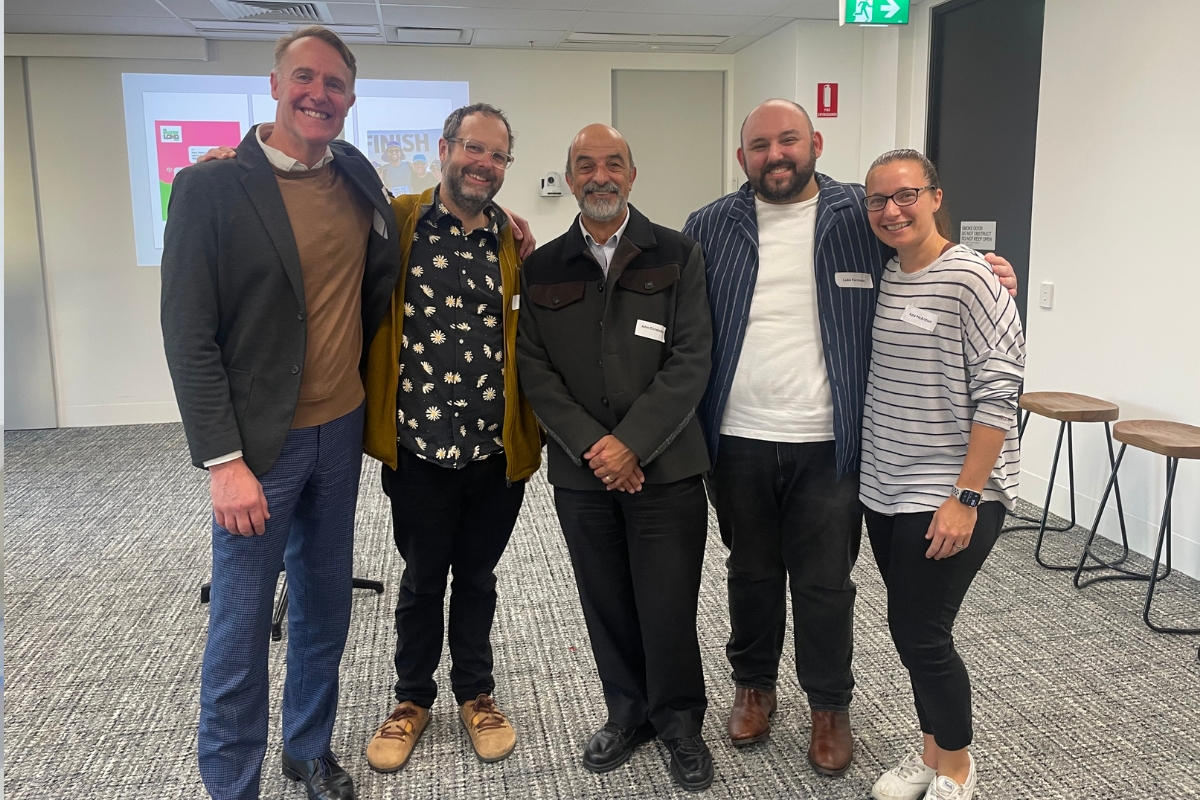 L-R: Sean Murray (CEO, Mito Foundation), Professor David Stroud (Bio21 Institute, University of Melbourne), Professor John Christodoulou (murdoch Children's Research Institute), Dr Luke Formosa (Monash University) and Dr Kate MacArthur (Monash University).
On the 15th May, the Mito Foundation hosted a special breakfast at Monash University’s Conference Centre in Melbourne to celebrate the 100th Bloody Long Walk. Around 30 guests attended in recognition of their ongoing support for the Mito Foundation and the mitochondrial disease community.
The morning brought together researchers, clinicians, advocates and families united by a shared commitment to improving outcomes for people affected by mitochondrial disease.
Professor John Carroll, lead of the mitoHOPE Program, provided an update on the program’s activities, regulatory licences and progress towards a future clinical trial as part of the mitochondrial donation pilot program to test safety, efficacy and feasibility of implementing mitochondrial donation. He also highlighted the importance of sustained investment, strong partnerships and continued engagement across the field to advance this work.
“It was a privilege to share mitoHOPE’s progress with such a dedicated group of supporters. The Mito Foundation and its community have been instrumental in helping us advance this research,” Professor Carroll said.
“This work requires time, commitment and collaboration, and it was encouraging to reflect on how far we’ve come while looking ahead to the important work still to be done,” he said.
Fertility Nurses of Australasia Conference 2026
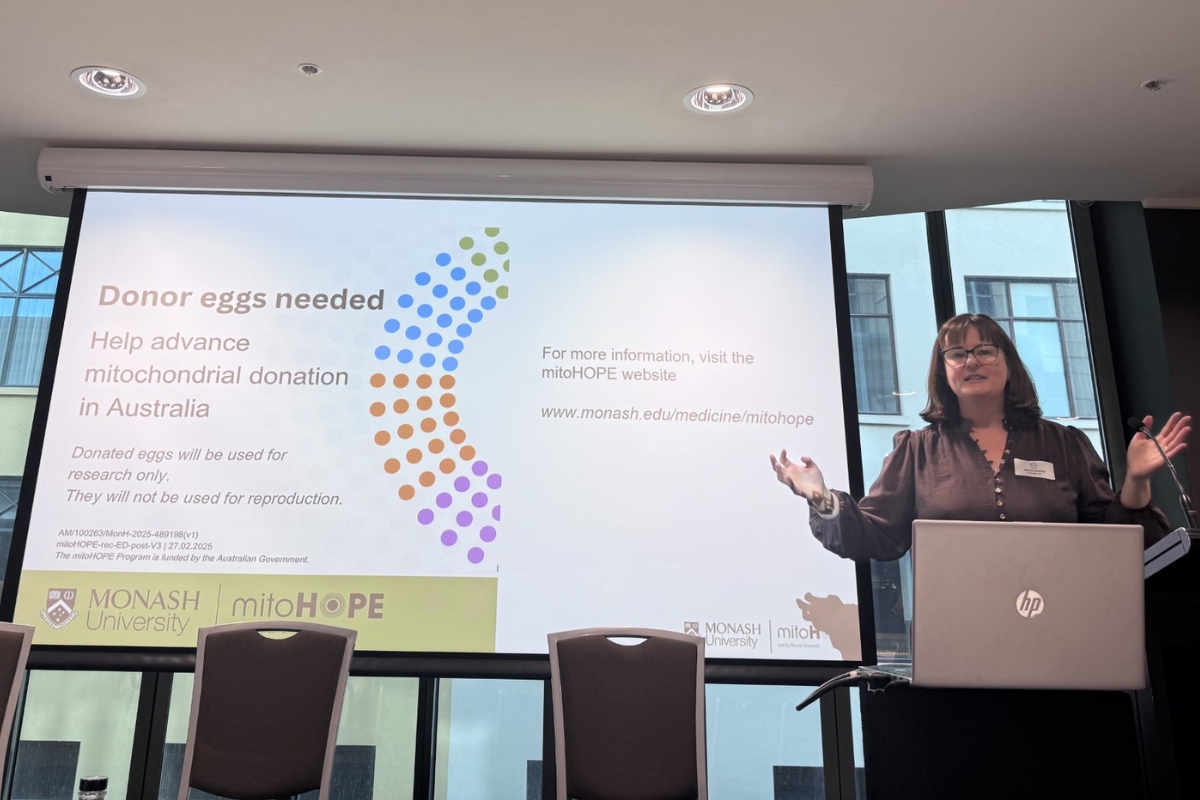 mitoHOPE clinical embryologist Melissa presents at the Fertility Nurses of Australasia (FNA) conference at the Novotel on Collins in Melbourne.
On the 16th May, mitoHOPE clinical embryologist, Melissa, presented at the Fertility Nurses of Australasia (FNA) conference in Melbourne.
The event brought together fertility and reproductive health professionals from across Australia and New Zealand to share practice updates, research and clinical experience.
Melissa spoke about the mitoHOPE Program and the progress being made towards evidence for the potential introduction of mitochondrial donation into Australia as part of the mitochondrial donation pilot program.
“It was an exciting opportunity to educate our fertility nurses on what the mitoHOPE Program is and what we are aiming to achieve for the mito community,” she said.
Walking for a Cure - Melbourne’s Bloody Long Walk
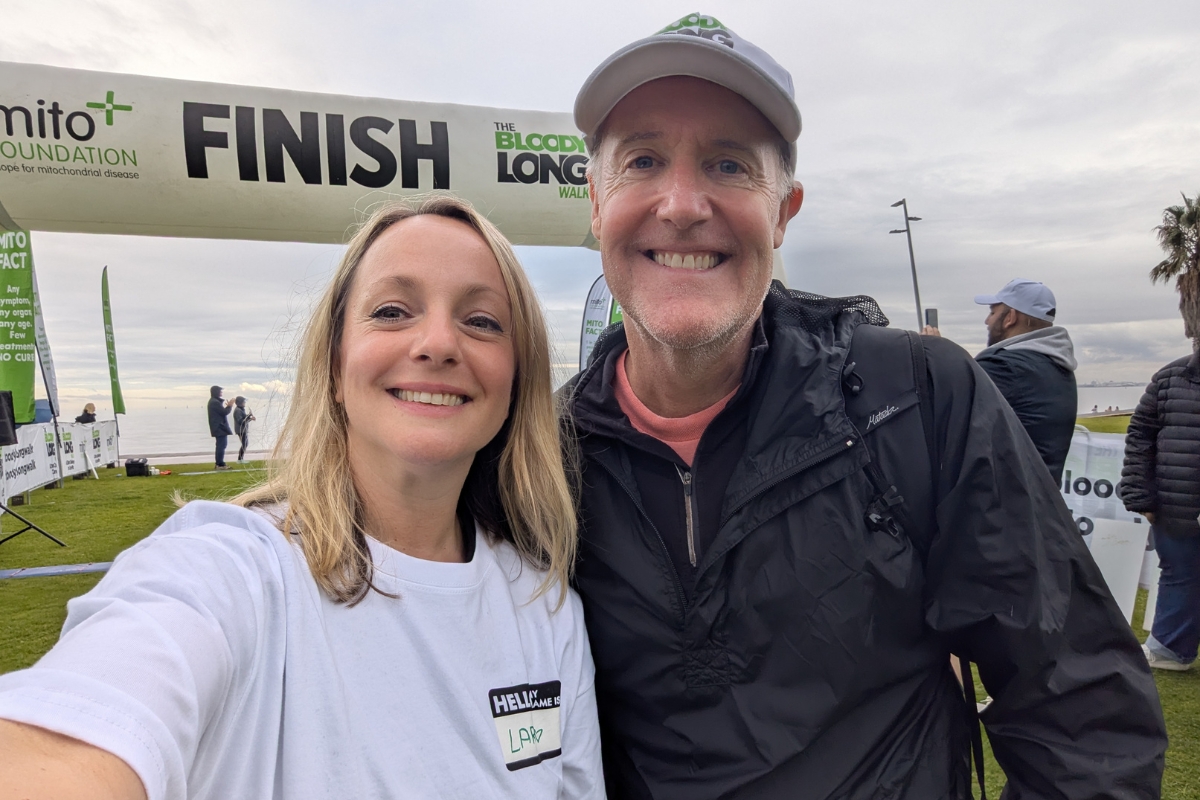 L-R: mitoHOPE's acting communications manager Lara and Mito Foundation CEO Sean Murray at the Melbourne finish line.
On the 17th May, the Mito Foundation’s Bloody Long Walk in Melbourne brought together around 1,500 participants for a 35km course from Yarra Bend to the St Kilda Sea Baths. The event raised more than $345,000 in support of the Foundation’s work to advance research and improve outcomes for people affected by mitochondrial disease.
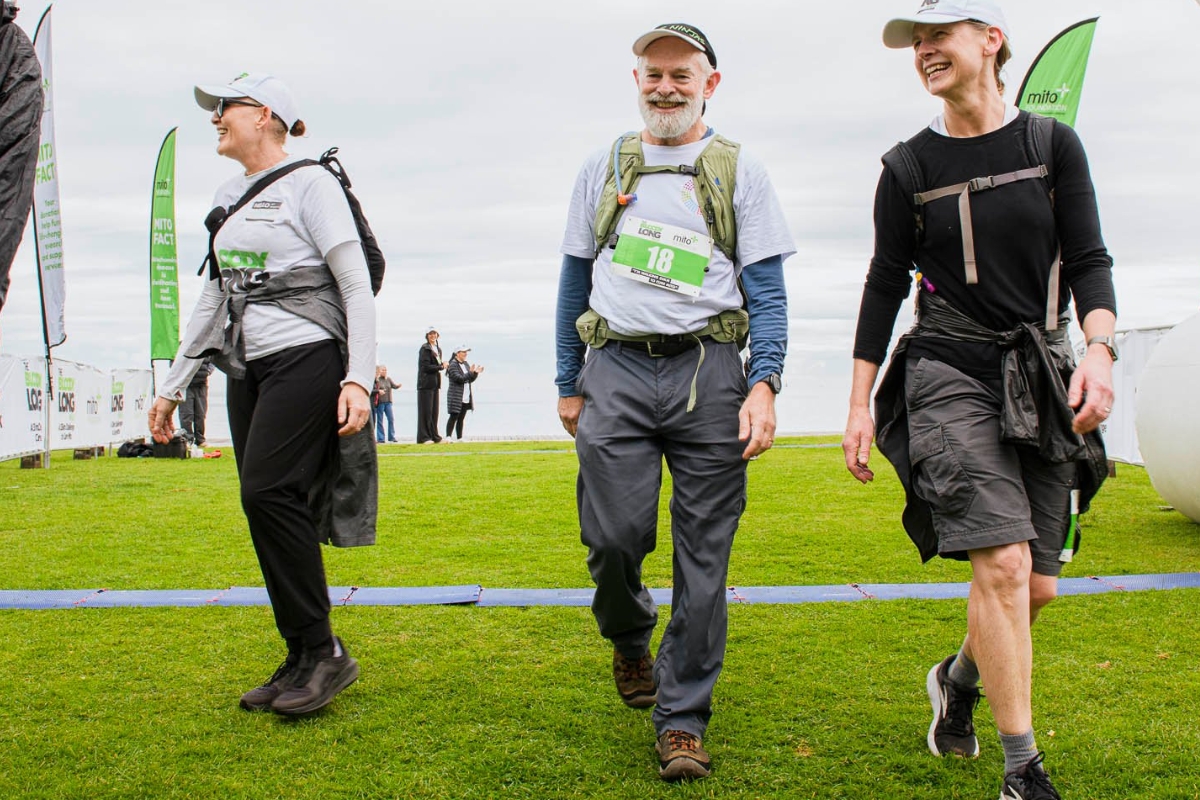 Professor David Thorburn crosses the finish line at the Bloody Long Walk in Melbourne, marking his 18th walk in support of the mitochondrial disease community.
Professor David Thorburn, from the Murdoch Children’s Research Institute and genetics lead for mitoHOPE’s clinical pilot, celebrated his 18th Bloody Long Walk this year. He marked the milestone by wearing bib number 18.
“It’s always a privilege to do the Bloody Long Walk in recognition of everyone impacted by mito…I joined Noah’s Ninjas team this year to show respect to Noah Barlow, the Captain of the Mito Movement, who turned 16 on the Friday before the walk, but had to spend it in hospital under observation - such an inspiration,” Professor Thorburn said.
At the finish line, mitoHOPE’s acting communications manager, Lara, volunteered alongside organisers, supporting walkers as they completed the course by handing out water and fruit, and capturing moments of celebration as participants crossed the line.
“Melbourne’s weather certainly tested everyone, but the walkers never lost their spirit. Seeing hundreds of people push through the cold and rain to support those living with mitochondrial disease was incredibly moving. It meant a lot to see so many people come together for a cause that’s deeply personal to me and so many other families,” she said.
Monash Women’s and Children’s Health Summit 2026
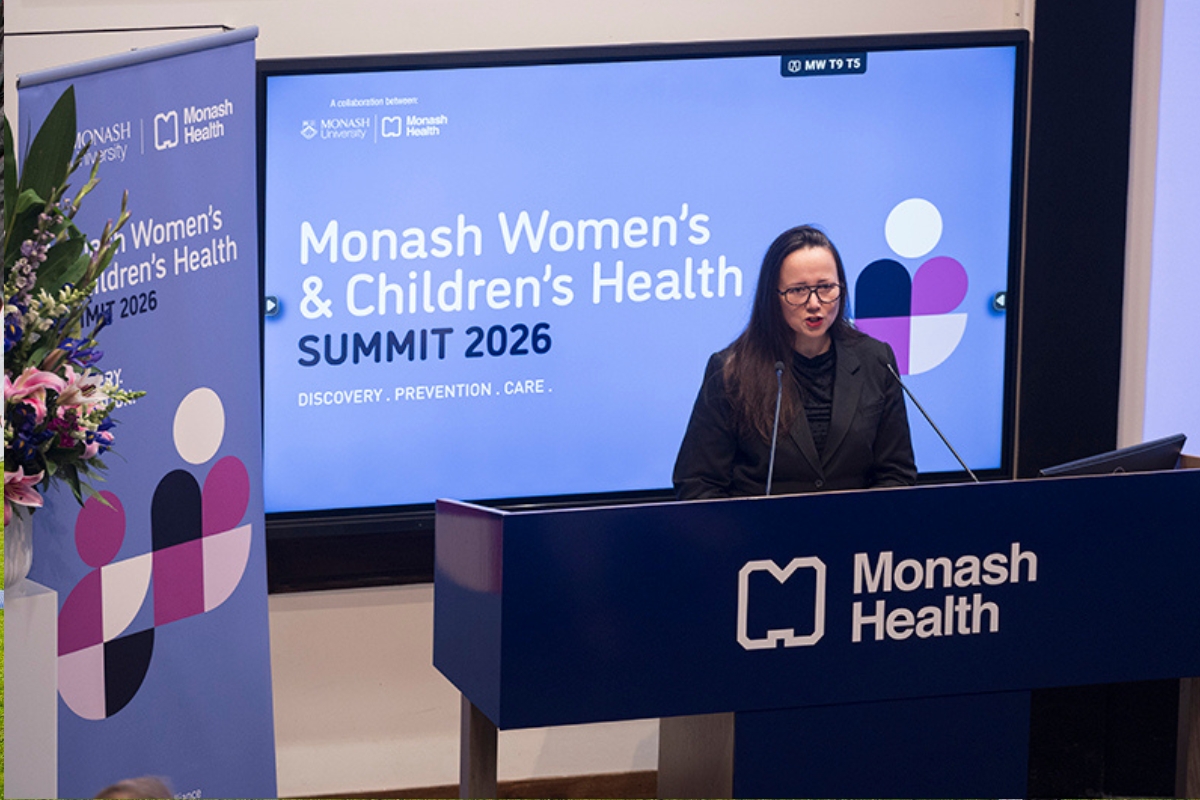 Victorian Health Minister Harriet Shing delivers the keynote address at the Monash Women's and Children's Health Summit 2026.
On the 28th May, Professor John Carroll attended the inaugural Monash Women’s and Children’s Health Summit 2026 at Monash Medical Centre in Melbourne.
Professor Carroll, who is also Interim Pro Vice-Chancellor (Research) at Monash University, joined colleagues from Monash University, Monash Health and the broader health and research sector at the event.
Professor Carroll said, “It was encouraging to see so many people from different disciplines come together with a shared focus on improving outcomes for women and children.”
“Events like this provide valuable opportunities to exchange ideas, build partnerships and learn from the work being done across the sector,” he said.
Professor Mary Herbert awarded 2026 Principal Investigator Award
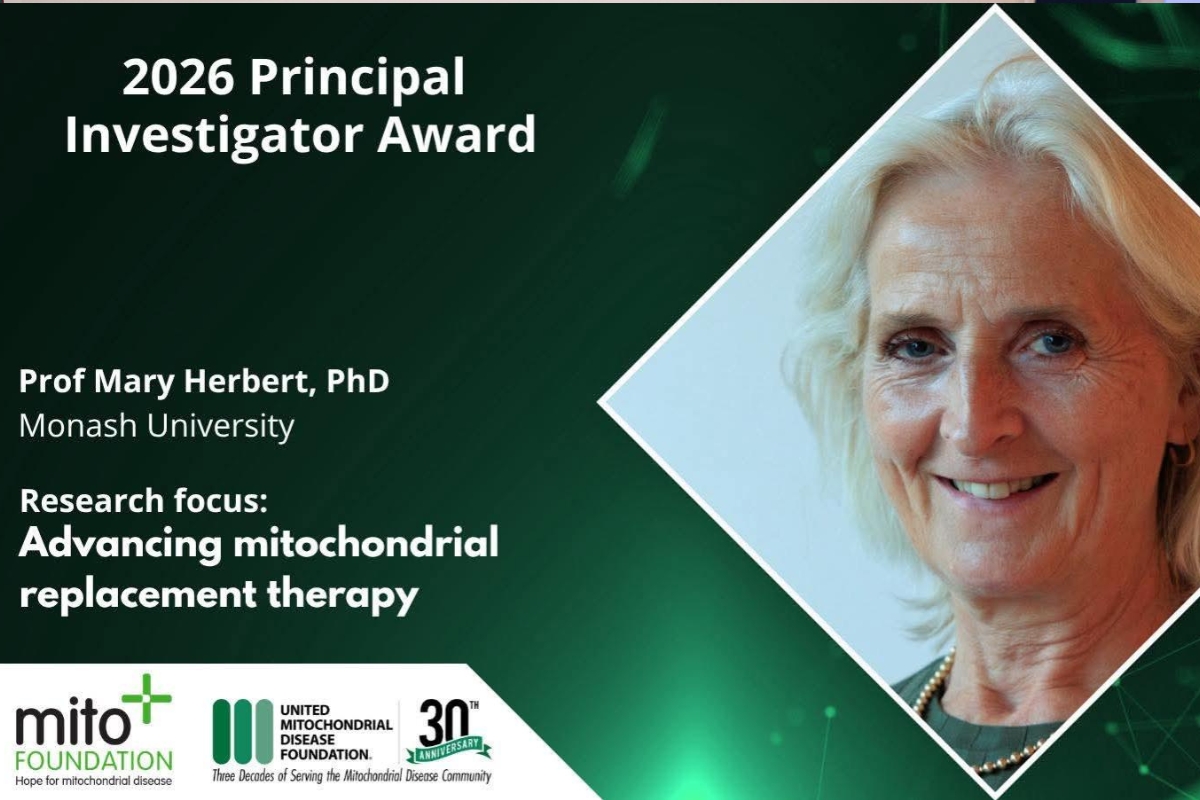
Congratulations to Professor Mary Herbert, who has been awarded a 2026 Research Grant through the United Mitochondrial Disease Foundation (UMDF) and Mito Foundation partnership.
“I am very grateful to UMDF and the Mito Foundation for their support. Research into techniques to reduce the transmission of mitochondrial DNA disease is driven by the need to improve reproductive options for affected families,” Professor Herbert said.
“This funding will help us continue to improve the efficacy of current mitochondrial donation technologies,” she said.
New Study Shows Public Backs
Overhaul of Consent Rules
for Donating Frozen Eggs to Research
 Morsa Images via Getty
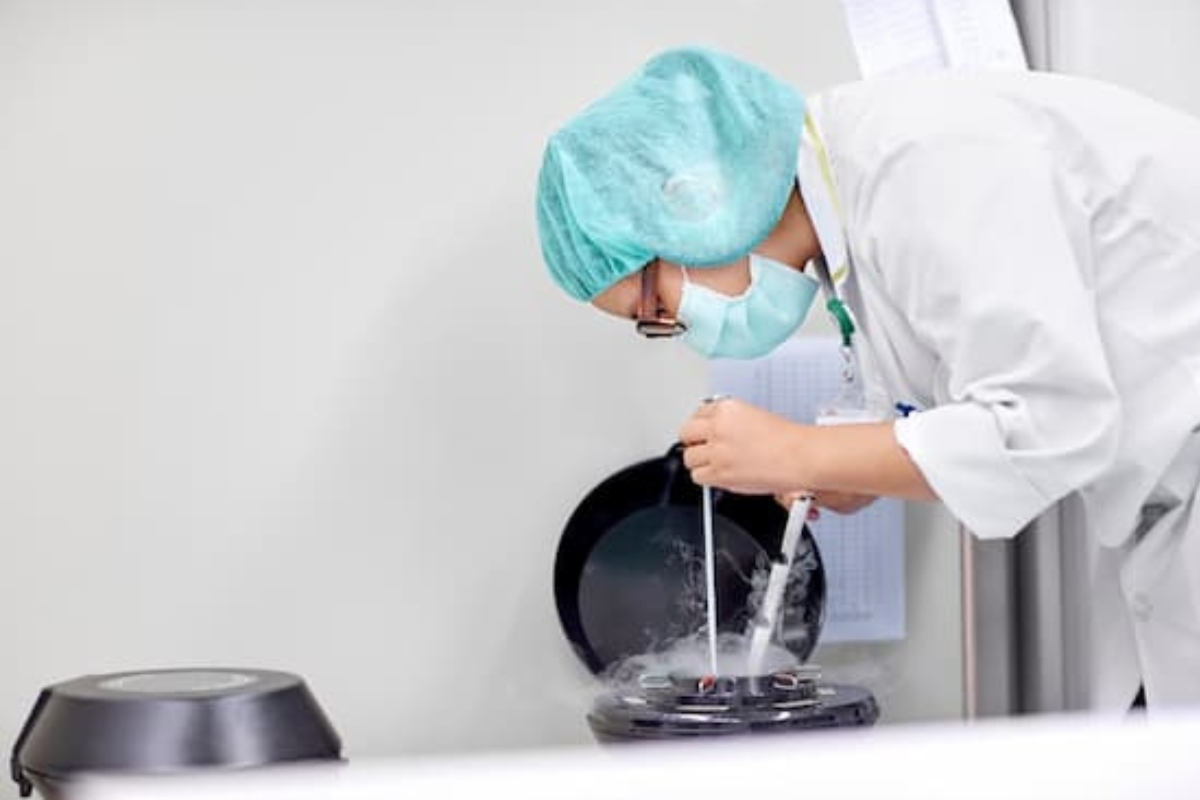
A new Monash University study has found strong public support for broadening consent so more people can donate surplus frozen eggs to scientific research.
Mito Community Summit 2026
Registration interest is now open for the 2026 Mito Community Summit, taking place on Saturday 28 and Sunday 29 November in Brisbane.
Hosted by the Mito Foundation, the Summit offers an opportunity to hear about the latest developments in mito research and clinical care, connect with others in the community, and learn from experts working to improve outcomes for people affected by mitochondrial disease.