
Regional heart study finds 85% of adults living with unaddressed risk of cardiovascular disease
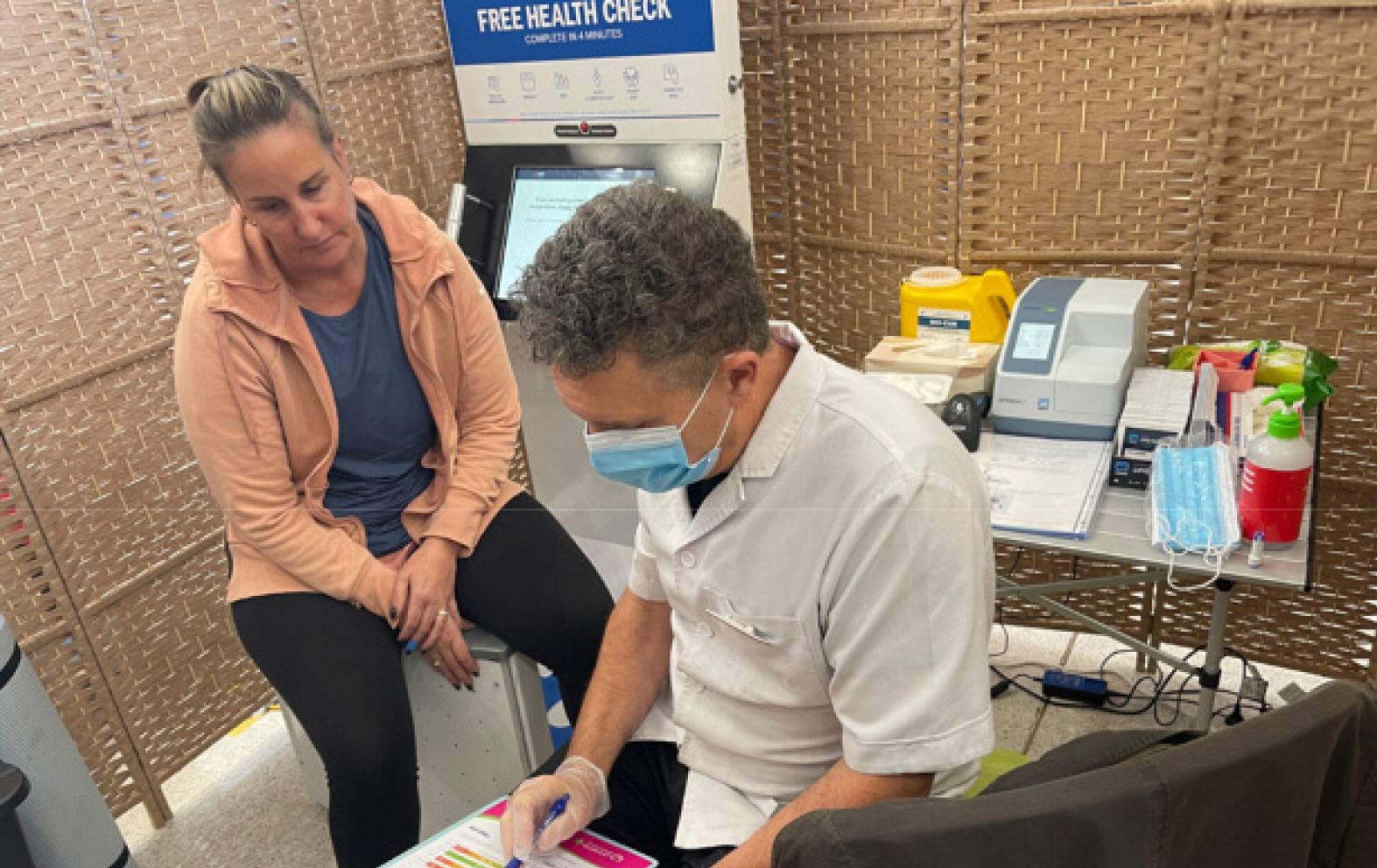
A trial of pop-up heart screening in regional Victoria suggests that a majority of adults may be living with a hidden risk of cardiovascular disease.
The Gippsland Healthy Heart Study – a joint initiative of Monash University, Wesfarmers Health, SiSU Health, Novartis and Latrobe Health Services – was recently published in the Australian Journal of Rural Health.
The study evaluated data from over 450 participants aged 45 to 74 across six sites including shopping centres, community events and workplaces across the region, finding that 85.8% had one or more unaddressed cardiovascular risk factors.
Participants’ blood pressure, body weight, cholesterol profile and diabetes risk were measured by a trained pharmacist, providing instant results with referral to a general practitioner if needed.
Study lead, Professor Stephen Nicholls, Director of the Victorian Heart Institute at Monash University, said the trial demonstrated the importance of early screening in the fight against cardiovascular disease – one of the most significant health challenges facing Australians, particularly those in regional and remote areas.
“Despite significant progress, the nation is facing a cardiovascular disease crisis and residents from remote and regional Australia bear a disproportionate burden of adverse cardiovascular outcomes,” Professor Nicholls said.
“Availability, cost and wait times for screening are all barriers to more widespread understanding about cardiovascular risk factors and prevention of disease.
“Providing access to while-you-wait heart health checks in convenient and familiar settings can help remove some of the barriers to testing, allowing the health system to identify and treat those at risk sooner.
“It’s great that we can develop innovative approaches to take to the community and help people know their numbers.”
Mark Boyes, Head of Innovation at Wesfarmers Health, said that community screening had made a positive difference in the places it had visited, bringing at-risk people to doctors at an earlier stage.
“Some cardiovascular risk factors are quite preventable and treatable, but the first step is for people to know their numbers before it’s too late.
“Following the screening, appointments are made for people who need follow-up, and on occasion people are escorted directly to a clinic for further checks.”
Heart disease remains the leading cause of death in Australia, killing one Australian every 12 minutes. Nationally, 90% of adults have at least one risk factor for cardiovascular disease such as high blood pressure and obesity, however, the majority (64%) of those most eligible (aged 45 to 74) have not had a recent heart health check.
In the Latrobe Valley region, the risk is even more pronounced, with 82.4 deaths per 100,000 people, compared to 60.2 for Victoria and 63.8 nationally.
Richard Tew, Country President of Novartis Australia, said that the nation needed to do better to reduce the impact of cardiovascular disease on families and the health system.
“Each year in Australia, more than 50,000 people experience a heart attack,” Mr Tew said.
“Widening access to healthcare by introducing heart health screenings in alternative environments outside of hospitals or GP practices has the potential to increase people’s awareness and may reduce health inequity.”
The Gippsland Healthy Heart Study has contributed pilot data to support the successful launch of HeartScreen Australia, a program offering free community health screening, including point-of-care pathology, via pop-up activations across Australian communities.