
Koneksi update April 2024
Project Update - April 2024
The project has moved into the field work stage, with our researchers going out to the three focus regions in Eastern Indonesia - Lombok, Kupang and Makassar - each identified as being vulnerable to challenges presented by Climate Change. Find out how our researchers are approaching their work within each community with our partners playing a key role.
Lombok Fieldwork Progress - April 2024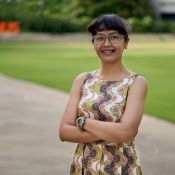
Dr Miya Irawati
During our research fieldwork in Lombok, we conducted focus group discussions and interviews for women, older individuals, and people with disabilities in Pringgabaya and Apit Aik villages. These areas have a high population density and extreme poverty. Our research aims to understand how these vulnerable groups are affected by climate change and their
resilient strategies.
The research sites are situated in low-lying areas with rainfed rice field, farmland, and coastal areas. The residents heavily rely on agriculture and fishing for their livelihoods. Farm laborers, the majority of occupation, earn low wages (AUD 5-8 per day) and periods of unemployment during specific planting seasons, resulting in food insecurity for their families.
Many of them experience hunger, which creates tension within families, as husbands express their anxieties about poverty to their disabled wives through domestic violences. Crop cultivation is greatly influenced by the monsoon and dry seasons. Rice is grown during the monsoon season, while other crops like corn, tomatoes, chili peppers, and tobacco are cultivated during the dry season. However, climate change has disrupted these patterns, leading to shifts in rainfall patterns and prolonged dry seasons. This has resulted in a reliance on water distributors and difficulties with drought, causing low productivity in rice fields.
The communities view these challenges as part of nature and God will, displaying a fatalistic perspective. The communities’ aspirations on their needs include financial support, health insurance, and programs for income generation. They struggle multiple times to find a way out for their livelihoods, let alone consider climate resilience strategy. They have been trapped in debt.
Even while laughing at themselves, they use the term 'no day goes by without debt.' This debt must be repaid weekly for a year, with total interest ranging from 30-40% of the loan amount. In this context, we encountered an inspiring elderly female peasant, let’s call her Inak (Mrs) Kartini, alone on a 400 sqm agricultural land. Despite living in extreme poverty, she exhibits incredible self-reliance and resilience by tirelessly tending to her agricultural land and saving money to purchase a water drilling machine. She digs a well to obtain water and manually carries it with a bucket because the water source is lower than her land. Inak Kartini makes me believe that there is still a good lesson learnt of climate resilience from Lombok, even without expecting assistance from anyone.

Kupang Regency, East Nusa Tenggara Fieldwork Progress - April 2024
Dr Welmince Djulete
We are excited to share an update on our research project, "Building a Model of Future-proofing for Climate Resilience by Engaging Communities (MoFCREC) in Eastern Indonesia." The data collection phase commenced at the end of March 2024, and we have been actively engaging with local stakeholders, women, older people, and people with disabilities in East Nusa Tenggara.
Our team has conducted Focus Group Discussions, interviews, and observations to gather valuable insights from the community. We are grateful for the support and collaboration of various agencies from local government, who appreciate the urgency of developing a model for climate resilience in vulnerable communities.
In partnership with GARAMIN in Kupang, Monash University is committed to understanding the unique challenges faced by women, older people, and people with disabilities in the face of climate change. We are grateful for the opportunity to engage with people with disabilities organisations and involve them in all stages of our research activities. GARAMIN's help is essential to ensure the research is inclusive and considerate of the needs of people with disabilities.
Initial findings indicate that climate change significantly impacts family economics, leading to increased poverty levels within vulnerable communities. Women expressed concerns about their economic situation, while older people and people with disabilities highlighted their health and social support needs. The data also revealed the resilient spirit of the community, with women engaging in ikat weaving as an alternative source of livelihood when their farms fail to generate sufficient income. However, they face difficulties in marketing their products, hindering their economic progress.
These findings highlight the need for ongoing support and resources to empower vulnerable communities in Kupang Regency. By amplifying their voices and experiences, we aim to contribute to building climate resilience in Eastern Indonesia.
As we continue our research, the pictures below from fieldwork in Kupang serve as reminders of the resilience and resourcefulness of the community. We are grateful for the opportunity to document these stories and work towards building climate resilience in Eastern Indonesia.
Cerita dari penelitian lapangan di Kabupaten Kupang, Nusa Tenggara Timur:
Tantangan Perubahan Iklim, Dampak, dan Strategi Ketahanan pada Komunitas Rentan
Dr. Welmince Djulete
Kami dengan senang hati ingin membagikan perkembangan terbaru proyek penelitian kami, "Membangun Model Pemantapan Masa Depan untuk Ketahanan Iklim dengan Melibatkan Komunitas (MoFCREC) di Indonesia Timur." Fase pengumpulan data dimulai pada akhir Maret 2024, dan kami telah aktif berinteraksi dengan pemangku kepentingan lokal, perempuan, orang tua, dan penyandang disabilitas di Nusa Tenggara Timur.
Tim kami telah melakukan Diskusi Kelompok Terpumpun, wawancara, dan observasi untuk mengumpulkan wawasan berharga dari masyarakat. Kami berterima kasih atas dukungan dan kolaborasi berbagai lembaga dari pemerintah setempat Kabupaten Kupang, termasuk Badan Perencanaan Pembangunan, Penelitian, dan Pengembangan Daerah (BP4D) Kabupaten Kupang, yang memahami urgensi pengembangan model ketahanan iklim di komunitas rentan.
Bekerjasama dengan GARAMIN di Kupang, Monash University Indonesia berkomitmen untuk memahami tantangan unik yang dihadapi oleh perempuan, orang tua, dan penyandang disabilitas dalam menghadapi perubahan iklim. Kami bersyukur atas kesempatan untuk berinteraksi dengan organisasi penyandang disabilitas dan melibatkan mereka dalam semua tahap kegiatan penelitian kami. Keterlibatan GARAMIN sangat penting untuk memastikan penelitian ini inklusif dan memperhatikan kebutuhan penyandang disabilitas.
Temuan awal menunjukkan bahwa perubahan iklim secara signifikan mempengaruhi ekonomi keluarga, menyebabkan peningkatan tingkat kemiskinan di komunitas rentan. Perempuan menyampaikan kekhawatiran tentang situasi ekonomi mereka, sementara orang tua dan penyandang disabilitas menyoroti kebutuhan kesehatan dan dukungan sosial mereka. Data juga mengungkap semangat ketahanan masyarakat, dengan perempuan terlibat dalam menenun ikat sebagai sumber penghidupan alternatif ketika pertanian mereka gagal menghasilkan pendapatan yang cukup. Namun, mereka menghadapi kesulitan dalam pemasaran produk mereka, sehingga kemajuan ekonomi mereka pun terhambat.
Temuan ini menyoroti perlunya dukungan dan sumber daya yang berkelanjutan untuk memberdayakan komunitas rentan di Kabupaten Kupang. Dengan memperkuat suara dan pengalaman mereka, kami bertujuan untuk berkontribusi pada pembangunan ketahanan iklim di Indonesia Timur.
Saat kami melanjutkan penelitian kami, beberapa foto dari penelitian lapangan di Kupang di bawah ini menjadi pengingat akan ketahanan dan kecerdasan masyarakat. Kami bersyukur atas kesempatan untuk mendokumentasikan cerita-cerita ini dan bekerja untuk membangun ketahanan iklim di Indonesia Timur.
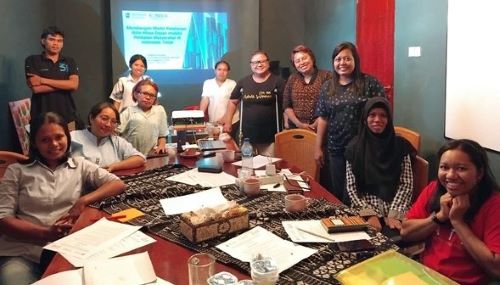 Image 1 Workshop before Data Collection What, Why, and How to conduct research as part of partnership with GARAMIN in researching on Climate Resilience in Vulnerable Communities in Eastern Indonesia.
Image 1 Lokakarya sebelum pengumpulan data Apa, Mengapa dan Bagaimana melakukan penelitian sebagai bagian dari kerjasama dengan GARAMIN dalam penelitian Ketahanan Iklim dengan Komunitas Rentan di Indonesia Timur.
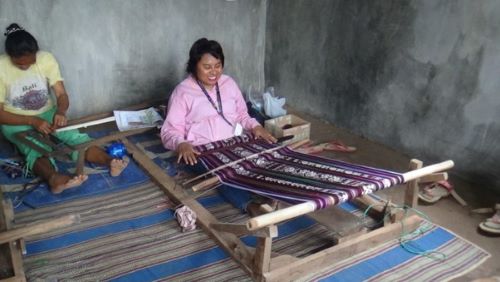 Image 2: Dr. Welmince Djulete, immerses herself in the field by observing Women's Ikat Weaving Activity. This traditional weaving practice has become a remarkable climate resilience activity for the community in East Nusa Tenggara Province. By engaging in this activity, women are finding ways to cope with the impacts of climate change.
Gambar 2: Dr. Welmince Djulete, menyatukan diri dalam kegiatan dilapangan dengan mengamati Kegiatan Tenun Ikat Perempuan. Praktik menenun tradisional ini telah menjadi kegiatan ketahanan iklim yang luar biasa bagi masyarakat di Provinsi Nusa Tenggara Timur. Dengan terlibat dalam kegiatan ini, perempuan-perempuan menemukan cara untuk menghadapi dampak perubahan iklim.
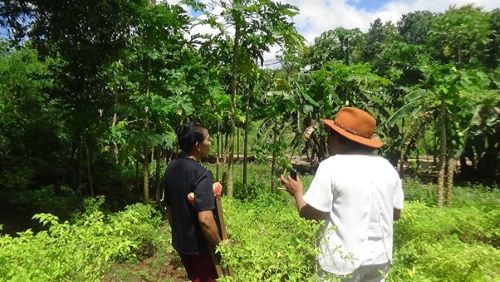
Image 3: In this image, Dr. Djulete conducts an interview with a woman with a disability, discussing the specific impacts of climate change on her farm and crops. Through these insightful conversations, we gain a deeper understanding of the challenges faced by vulnerable individuals in the community.
Gambar 3: Dalam gambar ini, Dr. Djulete melakukan wawancara dengan seorang perempuan penyandang disabilitas, membahas dampak spesifik perubahan iklim pada pertanian dan tanaman miliknya. Melalui percakapan yang penuh wawasan ini, kami memperoleh pemahaman yang lebih dalam tentang tantangan yang dihadapi oleh individu rentan di masyarakat.
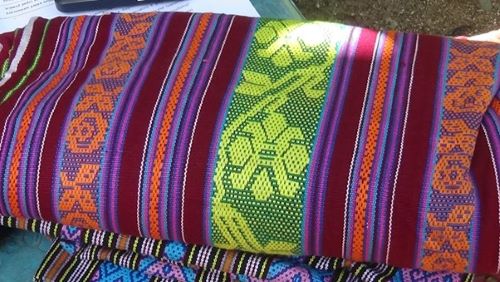
Image 4: This picture showcases a remarkable example of resilience. An older woman with a disability proudly displays a traditional ikat weaving fabric that she has skillfully produced. Despite facing various obstacles, she demonstrates the strength and determination to continue engaging in meaningful activities.
Gambar 4: Gambar ini menampilkan contoh ketahanan yang luar biasa. Seorang perempuan tua dengan disabilitas dengan bangga menunjukkan kain tenun ikat tradisional yang telah dihasilkan dengan keterampilan. Meskipun menghadapi berbagai rintangan, ia menunjukkan kekuatan dan tekad untuk terus terlibat dalam kegiatan bermakna.
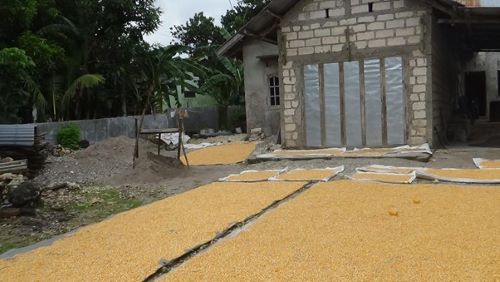
Image 5: The process of drying corn under the sun after harvesting is captured in this image. Agriculture plays a significant role in the community's livelihood, but climate change brings forth new challenges. By adapting traditional practices, such as sun drying, community members strive to ensure the preservation of their harvested crops.
Gambar 5: Proses pengeringan jagung di bawah sinar matahari setelah panen tertangkap dalam gambar ini. Pertanian memainkan peran penting dalam mata pencaharian masyarakat, tetapi perubahan iklim membawa tantangan baru. Dengan menyesuaikan praktik tradisional, seperti pengeringan di bawah sinar matahari, anggota masyarakat berusaha untuk memastikan kelangsungan tanaman mereka.
Makassar Fieldwork Progress - April 2024
By Yulisna Mutia Sari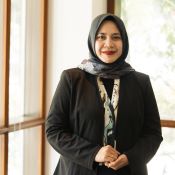
In Makassar, 5 FGDs have been conducted from 25 - 28 March 2024 including (i) people with disability, (ii) Government Stakeholders (regional agency), (iii) Non-government stakeholders, local champion and head of village stakeholder, (iv) Women and (v) Older
People.
The FGDs went well, participants enthusiastically shared their stories and insight during the FGD. During the fieldwork period so far, Yulisna has visited Ujung Tanah and Tallo village to visit a community women and older people in coastal areas. HWDI office
(Himpunan Wanita Disabilitas Indonesia/Association of Indonesian Women with Disability) also has been visited to have some interview with the community champion and people with disability. Yulisna also did observation (transect walk) and interview to Lantebung village (the village that implement Mangrove conservation in Makassar) and Maros regency (agriculture area). Yulisna visited some government offices and conducted in depth interview with them. In total, Yulisna has done 22 interviews. Perdik and LBH Apik assisted in the data
observation and interview and that was so helpful as they connected me with the community, local NGO and some government agencies.
Their partnership with community and stakeholders is really important in building trust during the data collection. Support for people with disability and older people during the FGD and interviews were provided including Sign Language interpreters, local language interpreters, accessibility to the FGD, caregivers to the people with disability and older people attending the FGD.
Transcription and translation of the FGD has been finished and the transcription and translation of interviews are underway (some will need to do two steps translation from local language). The videographer for the documentary film has been recording footage during our data collection activities.
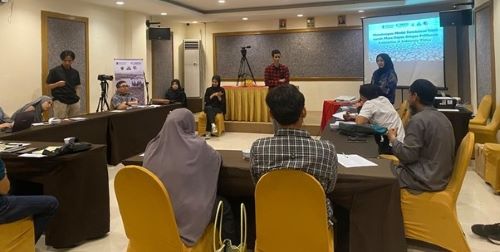
Image 1: FGD with people with disability
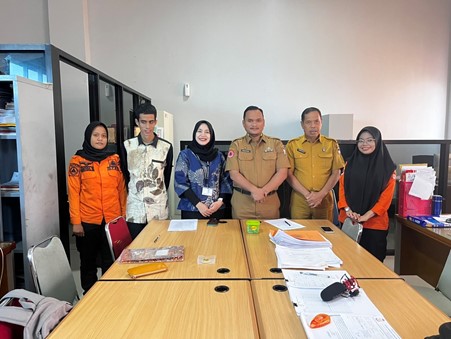
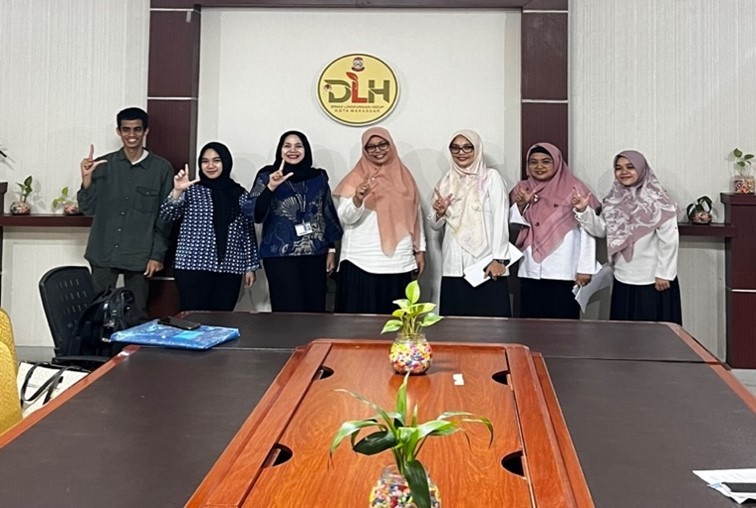
Images 2, 3: Visiting and interviewing some government stakeholders (in picture: Environmental Agency and Regional Disaster Management Agency)
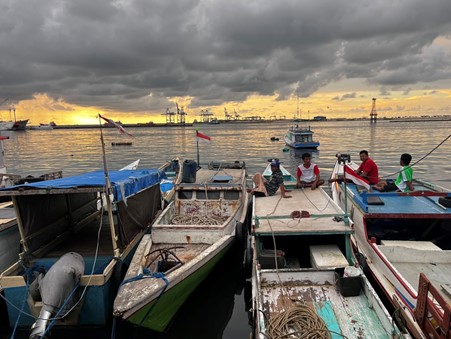
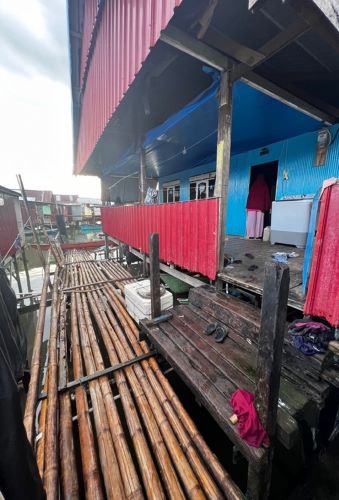
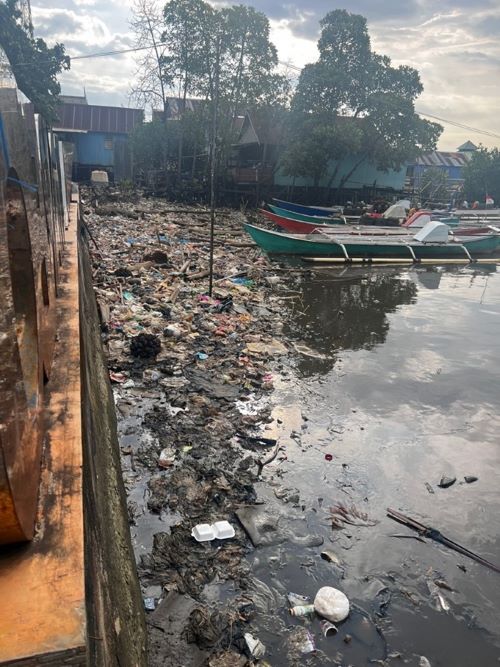 Images 4, 5, 6: Images Coastal area in Ujung Tanah and Tallo village, Makassar
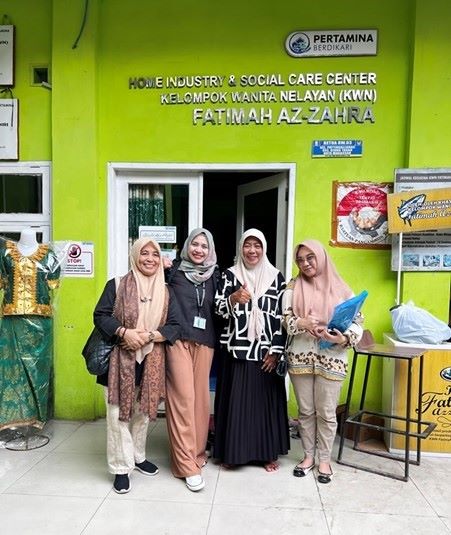 Images 7: Visiting Community of Women Fisherman (Home Industry and Social Care Centre) “Fatimah Az-Zahra”. Photo with the head of KWN Fatimah Az-Zahra, our partner from LBH Apik and UNHAS
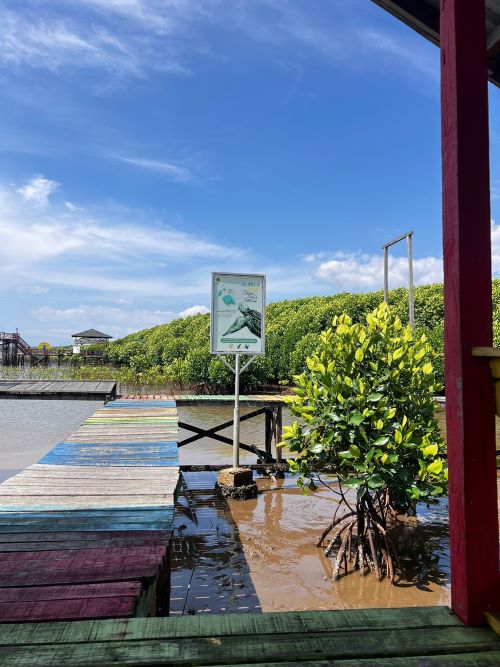
Image 8: Observing the Lantebung Mangrove conservation (empowered by the community in Makassar)
The Herb Feith Indonesian Engagement Centre are truly grateful to the following organisations and institutions who we have and continue to work alongside. We deeply appreciate the support provided by the Monash University Faculty of Arts and Monash University.
Asian Studies Association of Australia (ASAA)
Australia Indonesia Business Council
Australia-Indonesia Institute
Australia Indonesia Youth Association (AIYA)
Australian Consortium for 'In-Country' Indonesian Studies (ACICIS)
Australian National University
Dapur Indo
Hasanuddin University, Indonesia
Indonesia Council
Indonesian Collection at the Monash University Library
Indonesian Consul General of Victoria and Tasmania
ISEAS - Yusof Ishak Institute
Melbourne Asia Institute
Monash Indonesia Representative Office (MIRO)
Monash Indonesian Student Association
Monash University Publishing
Music Archive of Monash University (MAMU)
NUS Press
Routledge
Sydney Southeast Asian Studies Centre
The Australia-Indonesia Centre
University of Melbourne
University of Sydney
Victorian Indonesian Language Teachers’ Association
Connect with other PhD candidates!
Are you a Monash PhD student doing a topic focused on Indonesia? Would you like to meet other PhDs working on Indonesia?
Join us for a monthly coffee group to discuss research ideas, plans, questions and troubleshoot things like applying for research ethics and conducting fieldwork. It's also a great way to increase your connections and make friends - all graduate research students with an interest in Indonesia are welcome!
If you're keen please email sharyn.davies@monash.edu
Herb Feith PhD Scholarship
This fully funded PhD scholarship is awarded annually to an Indonesian national, based at the Monash University Indonesia Campus, to explore issues of social justice, history in Indonesia.
Project title: "How inclusive digital learning can be co-designed with women and people with disabilities to better support entrepreneurial learning and participation"
Project title: "Impacts of the giant sea wall in Jakarta on coastal communities living nearby"
Jessica Kim
Jessica Kim was announced as the 2025 Herb Feith PhD Scholarship recipient at the Herb Feith Research in Indonesia Symposium. Read more here
Hilman Fathoni
Project title: "Understanding everyday development in rural Eastern Indonesia: an ethical inquiry"
Andina Dwifatma
Project title: Islamic Web Series and The Cultivation of Piety Among Muslim Women in Indonesia"
Anak Agung Istri Diah Tricesaria (Diah)
Project title: "Surviving the Open Prison: Refugee Women's Hope, Resistance and Struggles in Protracted Transit and Precarious Livelihoods in Indonesia"
Herb Feith PhD Scholars
Muhammad Syihab Asad
Project title: "Threats, Challenges, and Opportunities of LMS Implementation in Indonesian Islamic Boarding School"
Rima Febriani
Project title: "The Desire to Know: The Formation of Sexual Knowledge in Postcolonial Indonesia"
Sukma Ari Rogil Putri
Project title: "The Power and Resistance of LGBTI on Social Media"
Fahmi Fahmi
Project title: "Analysing Indonesia’s Media Sentiment of China and Chinese"
Serena Ford
Project title: "Liberal States and the Women, Peace and Security Agenda"
Nasya Shafira
Project title: "Building Political Awareness Strategy for Cyber Insecurity Problem in Indonesia"
Laura Wallace
Project title: "Problematised and Overlooked: What factors influence the sexual and reproductive health and wellbeing"
Jean Aaron de Borja
Project title: "Uneven Connections: The Digital Divide in the Ageing Indonesian Migrant’s Home"