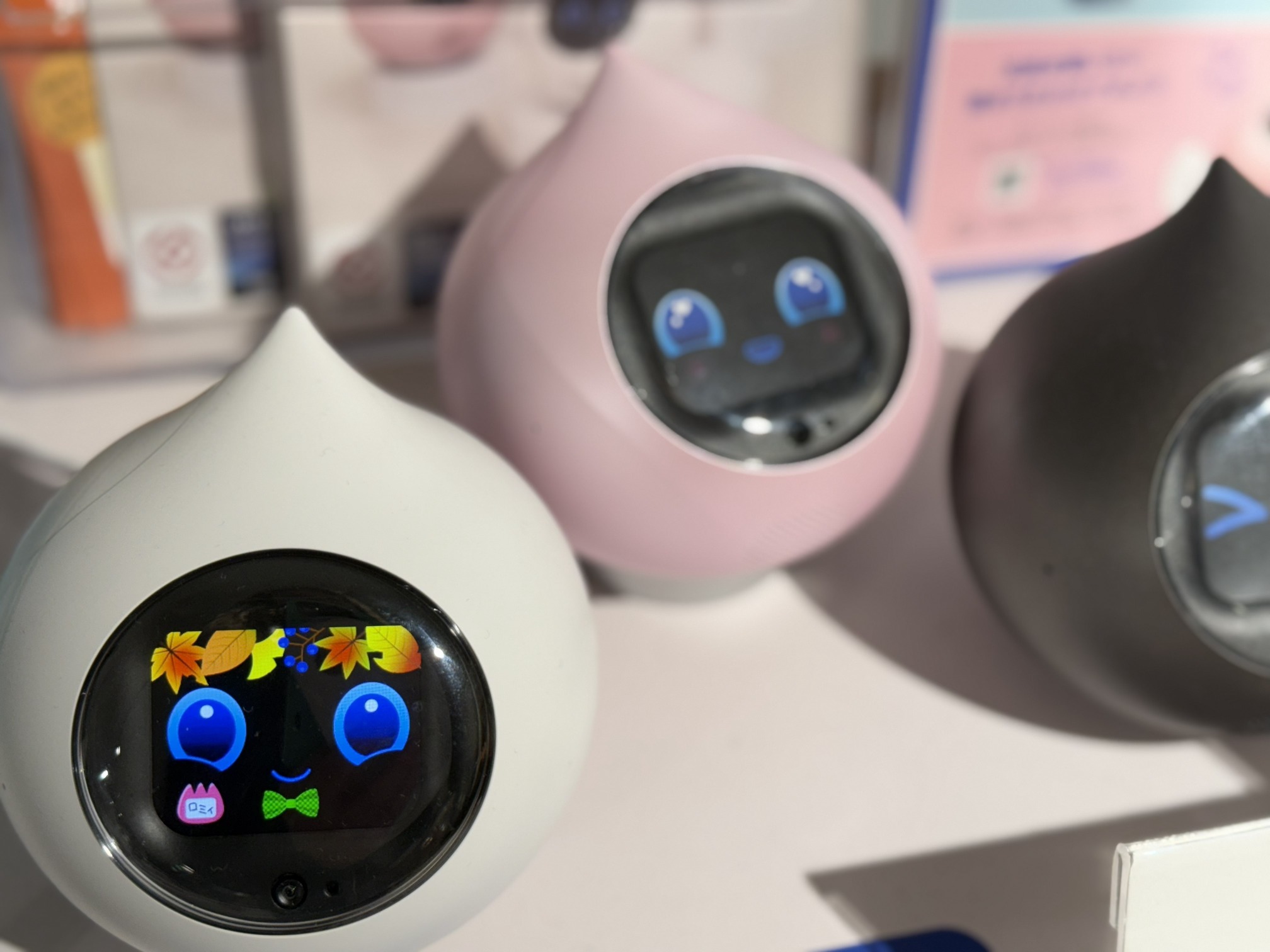
Robot companies’ promotional materials
To understand how companies imagine and promote home robots, the research team is analysing marketing materials produced by leading robot manufacturers. This includes company websites, brochures, promotional videos and social media content shared on platforms such as YouTube and X. The research focuses primarily on robots developed in the United States, South Korea, Japan and China, which are among the world's most influential home robotics markets. By examining how these robots are presented to consumers, the project explores the ideas, expectations and futures being promoted through the emerging home robot industry.
Unboxing videos
Unboxing videos—where people open and casually review new products on YouTube—have become a common way to experience new technologies, especially soon after they are released. Often created by digital influences with early access to products, these videos allow viewers to share in the excitement of a “first reveal” and observe how new technologies are introduced, explored and evaluated. Unboxing videos provide a valuable window into people's first encounters with home robots and serve as a digital ethnography fieldsite. They allow the research team to examine how influences and audiences make sense of home robots during their first encounters, including how ideas about cuteness shape expectations, emotional responses and imagined relationships with these technologies. Many unboxing videos are produced by influencers based in the United States and offer insight into how ideas about robot cuteness circulate online, shaping public expectations, consumer interest and understandings of home robots.
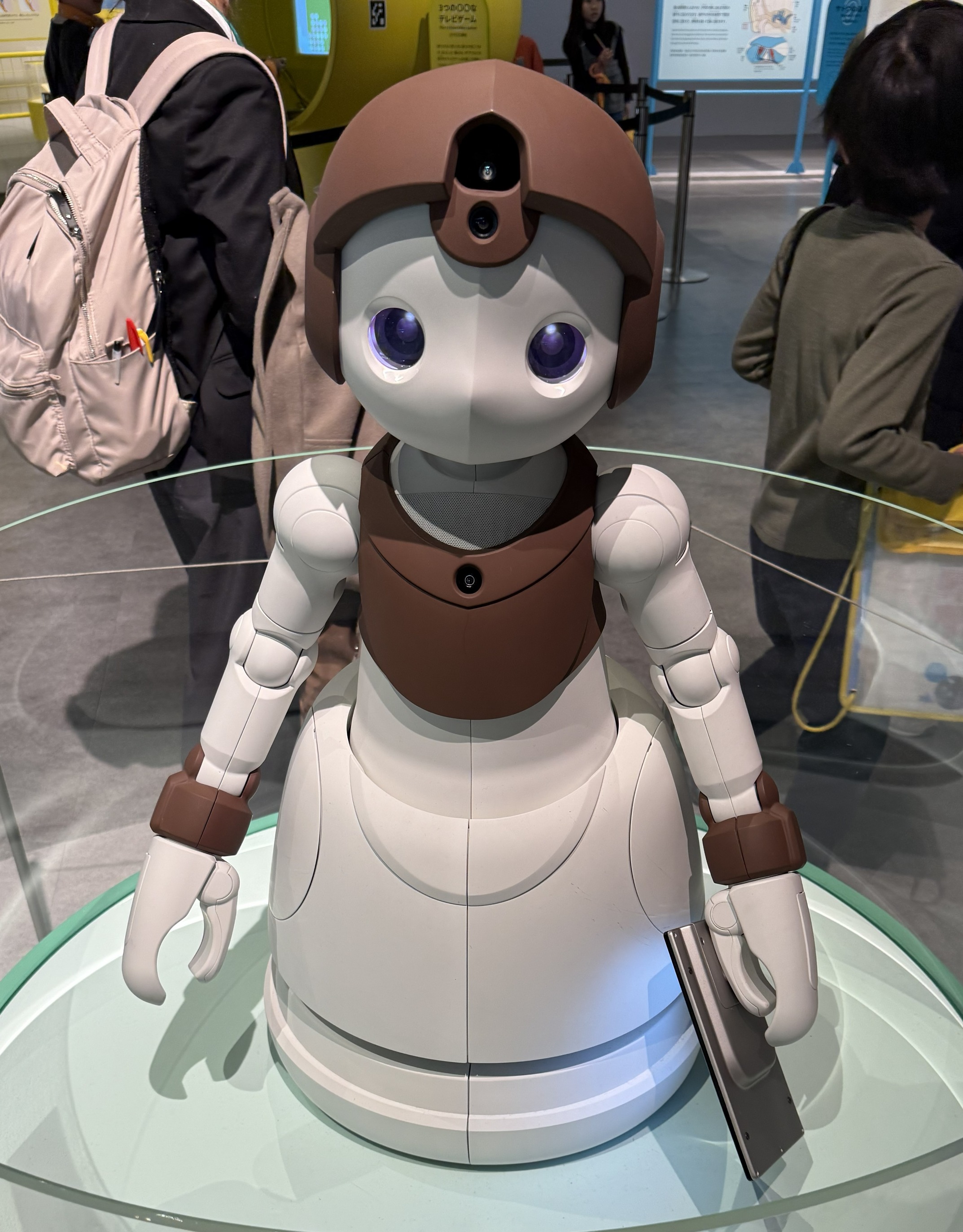 International trade shows and cultural sites
Home robotics is a global industry, with many of the leading companies based in the United States, Europe, China, South Korea and Japan. To understand how ideas about home robots are being developed and shared around the world, the research team is visiting major robot trade shows, technology expos and cultural sites such as museums. These sites provide insight into the futures being imagined for home robots, the ways robots are presented to the public, and how different countries are shaping the development of this emerging technology. The project focuses on countries with influential home robot markets and distinctive approaches to robot innovation, including:
Japan has long been a global leader in the consumer robot industry. The research team attended iREX in 2025, one of the largest robot exhibitions in the world. There, the team encountered Japanese robots developed by companies such as Groove X (Lovot), Panasonic (Nikobo) and Yukai Engineering (Qoobo, Nékojita FuFu and Mirumi). Alongside iREX, the team visited key robotic cultural sites including Miraikan (National Museum of Emerging Science and Innovation) in Tokyo, and the Lovot Museum and Lovot Café in Tokyo.
China is a key emerging producer and market for cute home robots, with companies such as Keyi (Loona), Enabot (EBO and ROLA PetPal), Ropet (Ropet), Energize Lab (Eilik and Eiliko), and Living AI (EMO and AIBI) leading the growth of this sector. China is also investing in a new generation of humanoid robots with potential home applications. Companies such as Unitree (R1) and Astribot (S1) are developing robots capable of assisting with household tasks, with some adopting more approachable and playful designs than earlier generations of humanoids. Research in China includes major robot trade shows such as the World Robot Conference in Beijing, visits to robot exhibition such as Robot Mall, and engagement with leading home robot developers in Shenzhen, China’s leading technology hub.
South Korea is home to major appliance and consumer electronics companies such as LG (Q9) and Samsung (Ballie), which are developing smart‑home‑integrated robots. It is also home to companies such as Hyodol, which develops companion robots designed to support the wellbeing, health and independence of older adults. Research in South Korea includes robot trade shows such as Robotworld and visits to sites such as the Gwacheon National Science Museum, the Seoul Robot and AI Museum and a branch of Electromart that has commenced selling home robots in-store and direct to consumers.
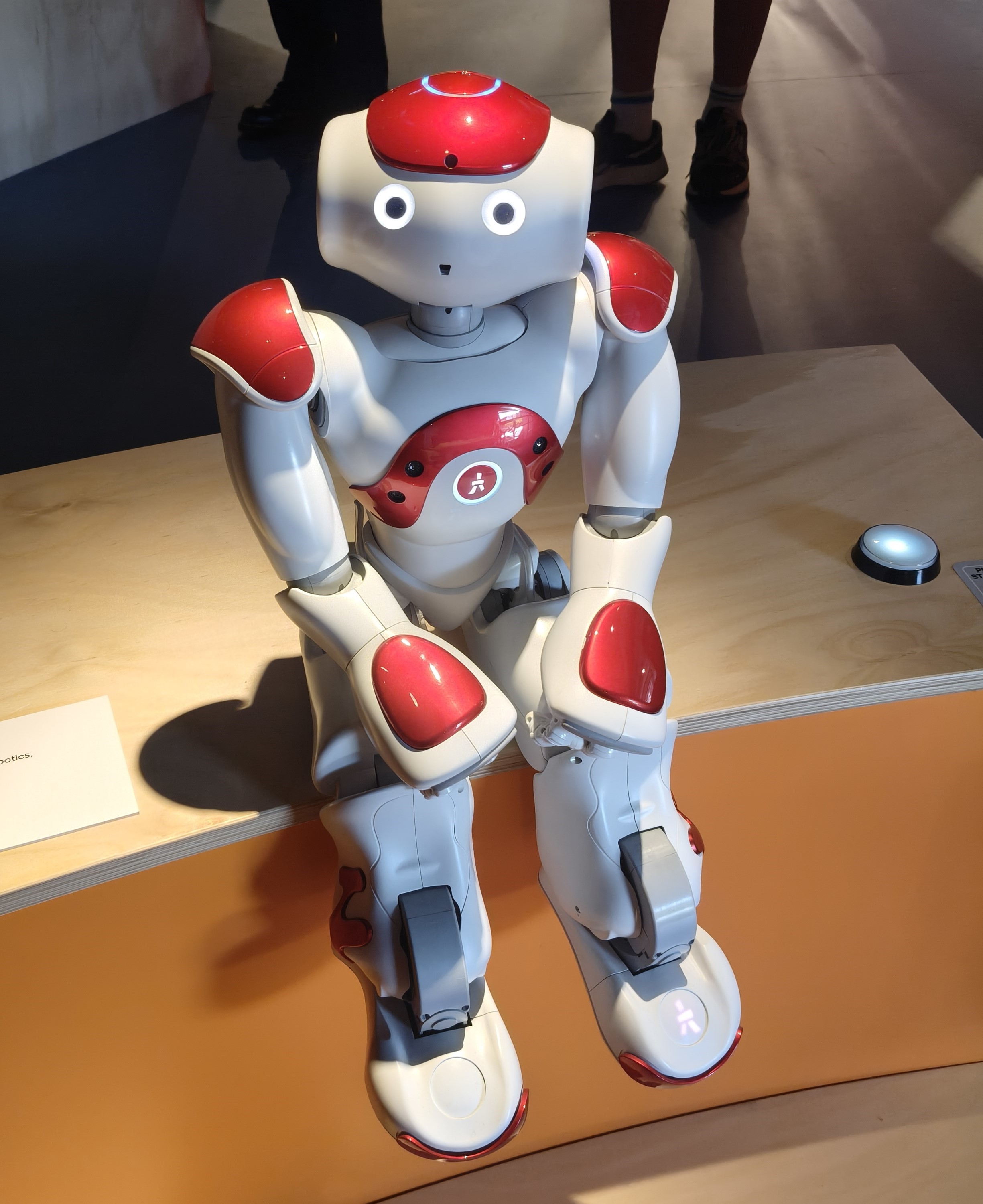 Europe hosts IFA, one of the world’s largest consumer technology events, where companies showcase their latest robots. It is also home to companies such as German-based Neura Robotics (MiPA and 4NE1), who are pitching robots to support everyday tasks in the home alongside commercial applications. Europe and the United Kingdom are also home to several robot museums and exhibitions, including The Robot Museum in Madrid, and Robots at London's Science Museum.
The United States has seen growing interest in home robots, including companion robots and humanoids with potential home applications in recent years, developed by companies such as Amazon (Astro), Sunday Robotics (Memo), 1X (NEO), Figure AI (Figure), and Tesla (Optimus). The United States also hosts the annual Consumer Electronics Show (CES), one of the largest consumer technology trade shows in the world, which is often viewed by robotic start-ups as a launchpad for their products. Research in the United States includes museums such as the MIT Museum and the Computer History Museum, which provide insight into how robots have been imagined, developed and presented throughout history.
Australia is not a major producer of home robots, but ideas about robots have long captured the public imagination. Cultural Sites such as the National Communication Museum, which recently hosted the interactive FRIEND exhibition, offer insight into how robots are being imagined and discussed in Australia—as companions, entertainers and emotional partners, not just as productive and efficient tools. Australia is also home to Andromeda Robotics, whose companion robot Abi reflects growing Australian interest in socially assistive robots designed to support wellbeing and companionship in aged care.
Australian households
Home robots remain a small but growing market in Australia. While smart speakers such as Alexa and Google Home are now common, more advanced home robots are only beginning to reach Australian households. Over two years, the project will involve approximately 18 households across three groups: early adopters of home robots, families with young children, and older adults. Participants will take part in a 3-5 month study involving home visits, interviews, video activities and future-focused design workshops, helping the research team understand how people use, experience and imagine living with home robots.
Early adopters of home robots: Emerging futures of living with home robots
Australia is home to a growing community of home robot enthusiasts and early adopters who are among the first to experiment with these technologies in everyday life. Research with this cohort offers an early glimpse into how home robots may become part of everyday life, the opportunities and challenges people encounter, and the kinds of relationships that may emerge between people and robots.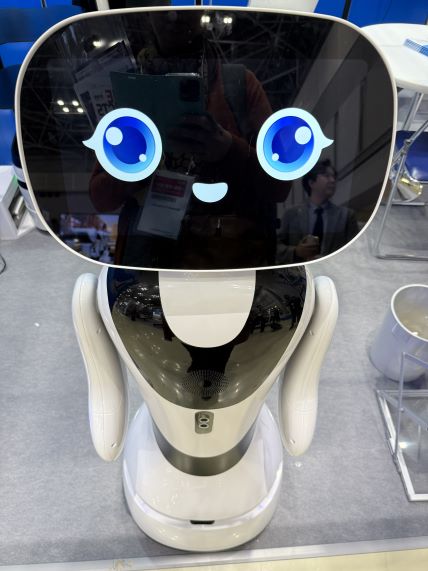
Families with young children: Home robots in family life
A growing number of home robots, such as the Enabot, Loona, and TCL Ai Me, are being marketed to families with young children. These robots often promoted as offering features such as storytelling, playing games, capturing special family moments, and video calling. Research with this cohort explores how home robots become part of family relationships and routines, and the opportunities and risks they may present for children and parents.
Older adults: Home robots in care, companionship and aging
As robots become more common in aged care settings, a growing number are also being developed for older people living independently. Robots such as Abi, Hyodol and ElliQ are designed to provide companionship, medication reminders and wellbeing support. Research with this cohort examines the role of home robots in ageing, care and companionship, including the kinds of relationships older people develop with these technologies.
Images credit: photos by Home Helper Robots: Understanding Our Future Lives with Human-like AI research team.


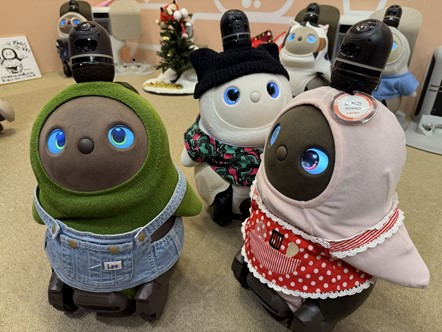

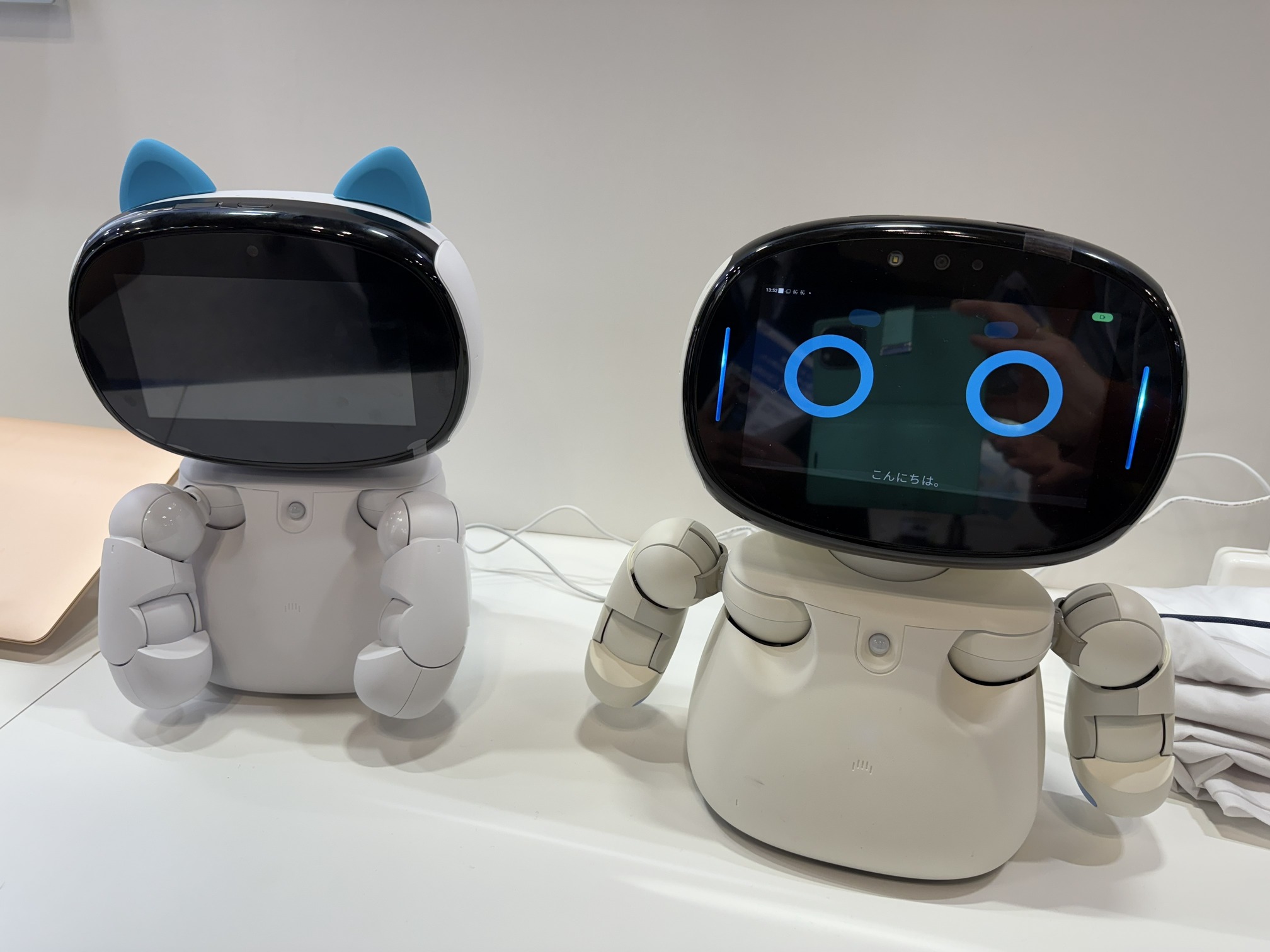
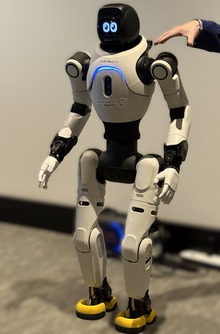 The project examines how global robot markets and ideas about robots are shaping expectations and experiences in Australian households. The project draws on innovative
  Dr Sue Keay