
The link between gas and electricity prices
Energy bills are growing faster than many household budgets and gas prices are a big part of why electricity feels harder to afford.
You can hunt around for supermarket specials or put off buying new clothes, but you can't switch off the power.
When energy prices rise, households feel it straight away.
Two out of three Australians now rank cost of living as one of their biggest worries according to a recent survey by Flinders University
And rising energy costs are right near the top of the list.
Gas and electricity are the two main contributors to our energy bills.
Gas is used in many homes to cook, heat water and warm spaces.
Electricity is used for many of the same things – and more.
Importantly though, gas is also sometimes used to generate electricity that is then sold to households.
The role of gas in our electricity market
Australia has around 40 large gas-fired power stations which burn gas to produce electricity.
These stations have lots of capacity in reserve but are only switched on occasionally.
In fact, they generate about 4 per cent of the electricity we use but make up 17 per cent of total capacity.
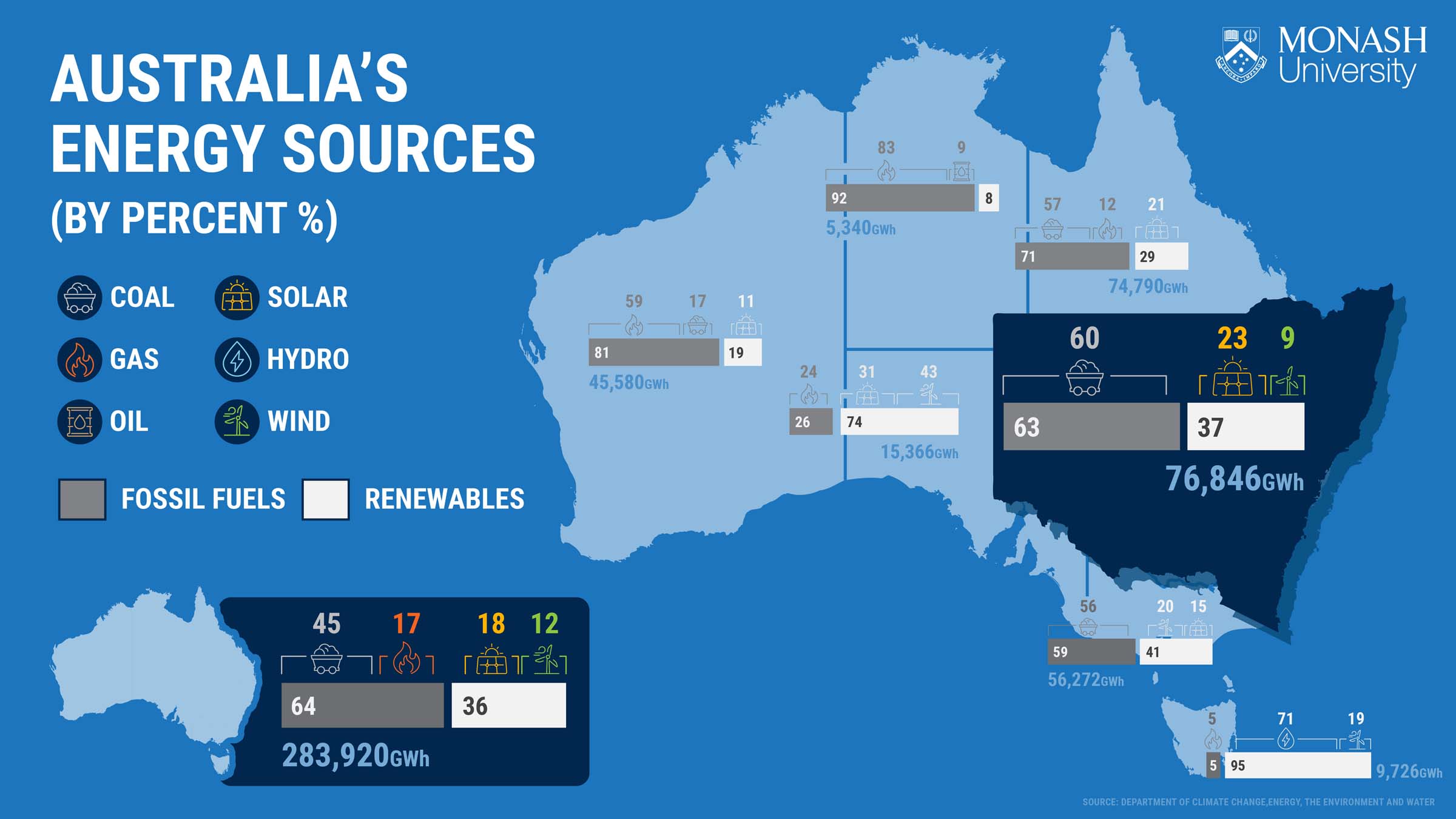
In 2023-24 electricity across NSW and the ACT was mostly generated by coal (60 per cent), solar (23 per cent) and wind (9 per cent), with small amounts from other sources.
Notably, renewable energy generation grew one per cent on the previous year.
Nationally, electricity came from coal (45 per cent) followed by solar (18 per cent), gas (17 per cent) and wind (12 per cent).
We can think of gas-fired power stations as backup generators.
Most days they sit idle, but when energy demand is high or supply is low they fire up to meet our needs.
Heatwaves, cold snaps, or when renewables or fossil fuels are constrained by weather conditions, breakdowns or maintenance can all trigger the need for gas-fired power.
This is where electricity pricing becomes important.
Electricity spot prices are set by the most expensive generator needed at any given moment.
When renewable energy sources are up and running they are typically the cheapest, followed by coal-fired power.
However, when pricier gas-fired power plants are needed, they will set the bill.
To keep costs down, the most expensive generator is switched on last.
This means that electricity prices often track gas prices.
Over the past decade, gas and electricity prices have moved almost in tandem.
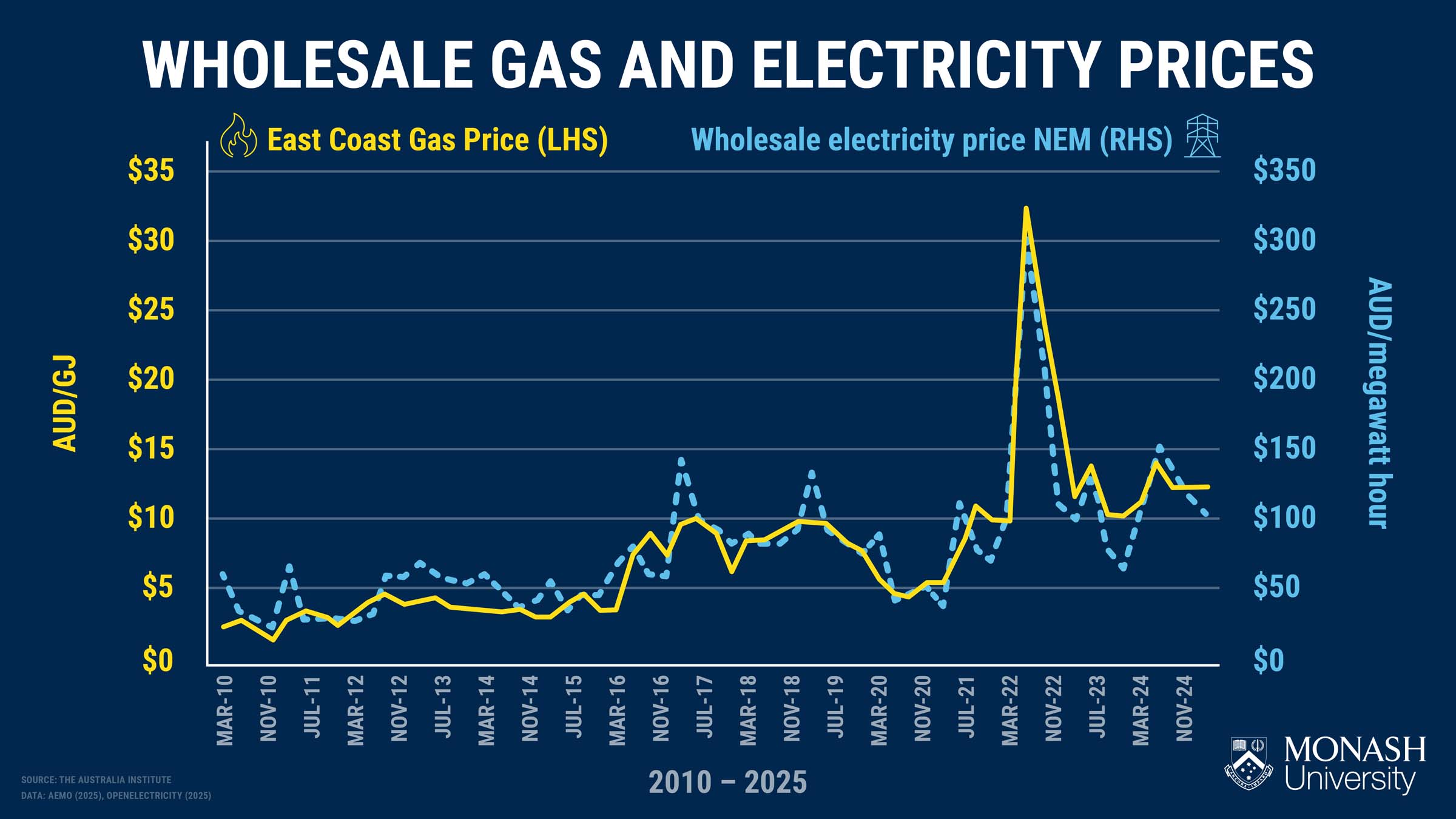
So when gas prices rise, electricity prices can rise too.
And, you may have heard that gas prices have been going up.
But why?
Firstly, because gas supply from local, low-cost sources in some states has started to dwindle.
Secondly, the start of Australia's east coast gas exports in 2015 put extra pressure on gas supply and pushed domestic prices to align more closely with the global market.
And finally, the Russia-Ukraine war had an unprecedented, shocking effect on global gas markets, and those price impacts are still being felt today.
What's being done?
A number of measures have been brought in to ease pressure on our bills.
This includes gas price caps, domestic reservation policies, energy bill relief payments and programs encouraging households to share or store solar energy.
There are a few other practical ways to save too:
- Switch plans or retailers: Shop around, you might find a cheaper electricity deal.
- Be solar smart: Run hot water and appliances during the day when your panels are most active.
- Increase efficiency: Draught-proof doors and windows, swap to LED lights and use water-saving showerheads.
While these changes aim to ease costs, whether they deliver lasting affordability remains to be seen.