Digital Interventions
Attention Training & Assessment
Early attention skills are critical for school performance, social skills, and developing more complex cognitive skills such as planning and reasoning. Impairments in attention are one of the main concerns for children with neurodevelopmental disorders such as attention-deficit/hyperactivity disorder (ADHD). With this in mind, our lab has developed novel, touch-screen tools to assess and improve attention in early childhood, specifically in children with neurodevelopmental disorders.
Attention Training

We developed a computerised training program that targets attention skills via four activities delivered on a touch screen tablet. These activities aim to improve skills such as filtering out distractions, focusing for long periods of time, switching attention and inhibiting impulsive responding. This program was designed to be attractive and motivating to children; with children receiving animated coins, stars, and virtual toys as rewards as they move through the program.
This program has been shown to improve selective attention (being able to focus on one stimuli while ignoring other, distracting stimuli) and numeracy skills in children with intellectual and developmental disabilities (Kirk et al., 2016; Kirk et al., 2017). Importantly, these improvements were still sustained 3-months after completing the training program. The program has also been shown to reduce inattentive and hyperactive behaviour in the classroom in neurotypical children (Kirk et al., 2021).
Attention Assessment
Each year, around 310,000 children start school for the first time in Australia. Of these, an estimated 13% – that’s 40,300 children – have attention problems that will negatively impact their learning in the classroom.
The detection of childhood inattention needs to be transformed as current approaches are subjective, time consuming, expensive, and have limited availability to pre/non-clinical population. Our lab therefore developed the first touchscreen assessment tool for children aged 4 to 6 years. The tool aims to revolutionize childhood assessment by using fun game-based exercises to understand a child's attentional strengths and weaknesses.
The digital screening tool consists of six subtests and takes about 30-minutes to complete, and was trialled by 340 children at their school with a researcher.
Utilising Virtual Reality in ADHD

Inhibitory control (the ability to control impulses and think before taking action) is a skill still developing in adolescence, and is an area of weakness in ADHD. We created Alfi VR, a gamified, virtual reality training program to improve inhibitory control in teens with ADHD.
Twenty-eight teenagers with ADHD were involved in an initial pilot study of Alfi VR, which involved 14 training sessions over a 9-week period. Three quarters of teenagers reported that they enjoyed playing the game and found it challenging. Developing interventions for teenagers with ADHD that are enjoyable to them is paramount, as adolescence is a time when adhereance to ADHD medication is often reduced.
Training Executive Functions in Developmentally Vulnerable Children
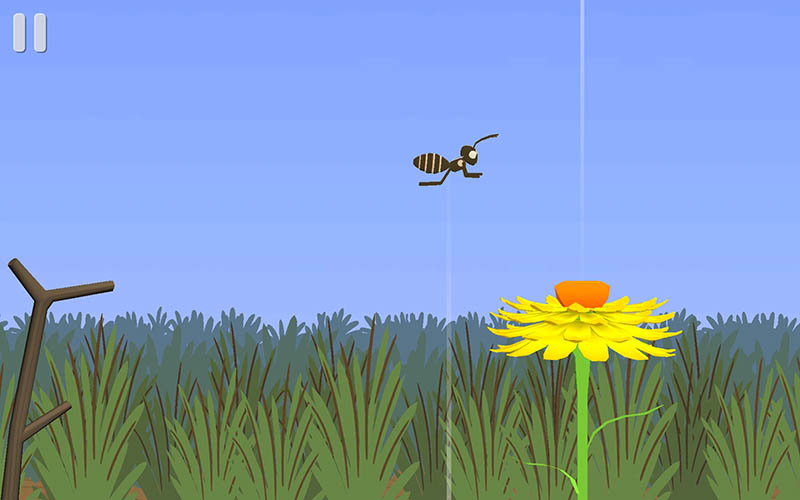
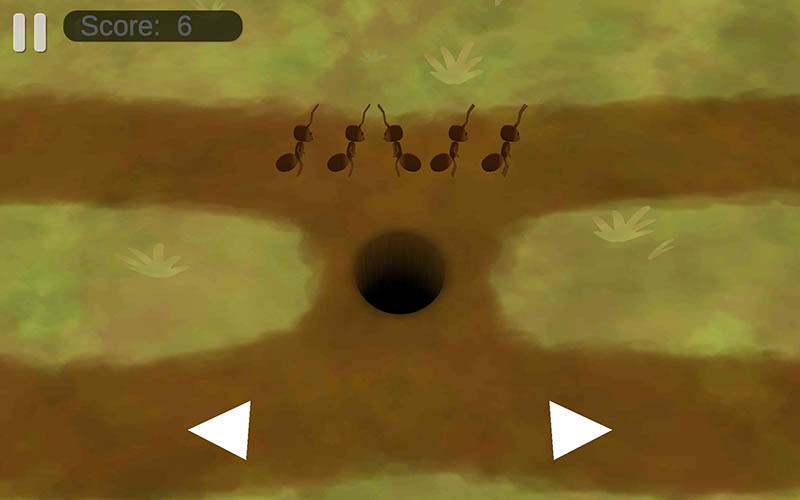
With the help of schools and families across the state we have developed Caterpillar Creek, a new touch-screen digital app aimed at strengthening executive functioning (i.e. the mental skills necessary to plan, focus attention, and juggle multiple tasks) in developmentally vulnerable children.
In Caterpillar Creek, children must help the residents of the Australian bush rebuild their home after a devastating windstorm. Children complete a series of games targeting different aspects of executive functioning in order to earn seeds and leaves to rebuild the landscape. Caterpillar Creek focuses on strengthening three main cognitive skills: cognitive flexibility, inhibitory control, and working memory.
Cognitive Flexibility
Cognitive flexibility is the ability to shift one’s thinking and attention between different tasks. This skill helps children adjust to changing demands in the classroom and everyday life, for example, switching between a reading task and maths task at school.
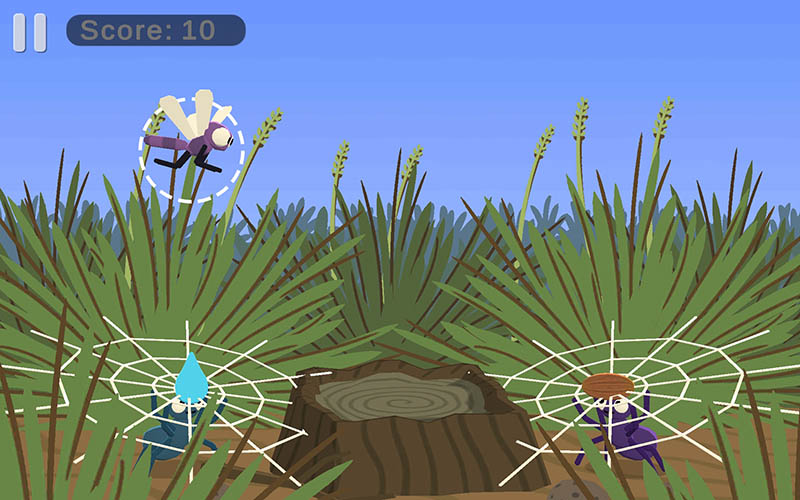
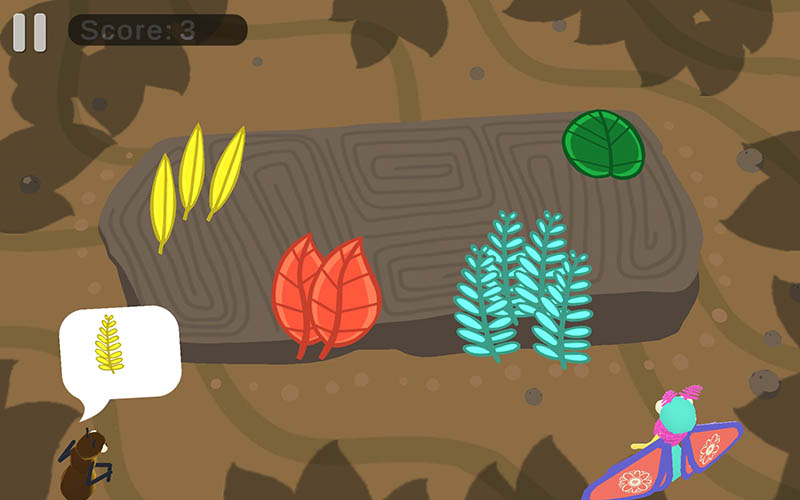
In Caterpillar Creek children complete two games that train cognitive flexibility: Dragonfly Delivery and Leaf Sorter. In these games children practice following different rules in different circumstances, and figuring out what the new rule is based on feedback they’re given.
Inhibitory Control
Inhibitory control refers to being able to control impulses and think before taking actions. Through using inhibitory control students are able to stay on task when doing schoolwork and develop social skills like taking turns in conversation.
In Caterpillar Creek children train inhibitory control in the games Busy as a Bee and A Little Bit of Help. These games involve children learning to inhibit (stop) responses that have become automatic, and focus on target information while ignoring distracting information.
Working Memory
Working memory involves being able to hold and use information in your mind for short periods of time. At school working memory is necessary for learning, reasoning, language comprehension, and the acquisition of reading ability.
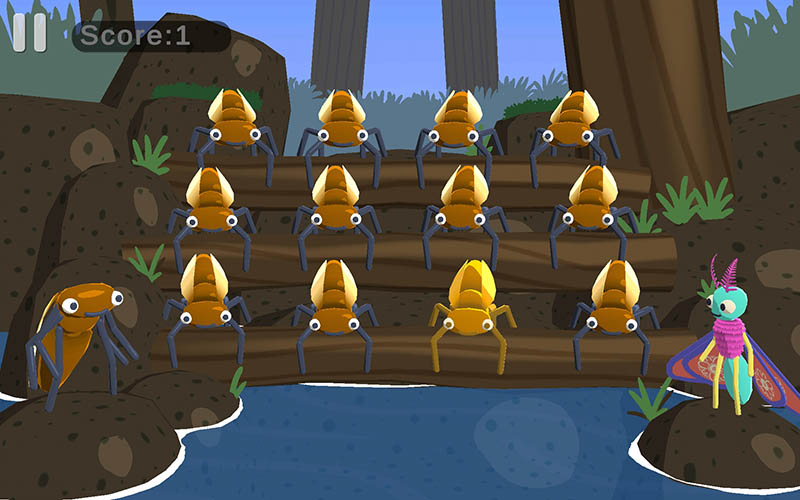
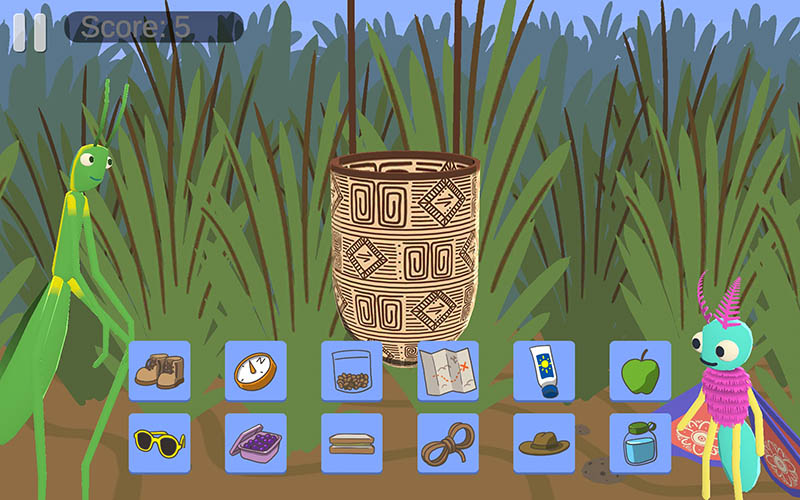
In Caterpillar Creek children complete two games that train working memory: Cicada Rhythms and Let’s Pack. In these games children are presented information (e.g. a list of items) and have to recall the items in both forwards and backwards order.