
Research
Digital innovations, such as mobile applications, artificial intelligence, social media platforms, virtual and augmented reality have changed the way we interact with each other and the world around us. These digital innovations can impact our mood and mental health in both positive and negative ways.
Our lab focuses on the impact of digital technologies on childhood cognitive, behavioural and academic development. We aim to harness the positive aspects of digital technologies to increase the availability, accessibility and quality of early childhood interventions.
Digital Cognitive Interventions
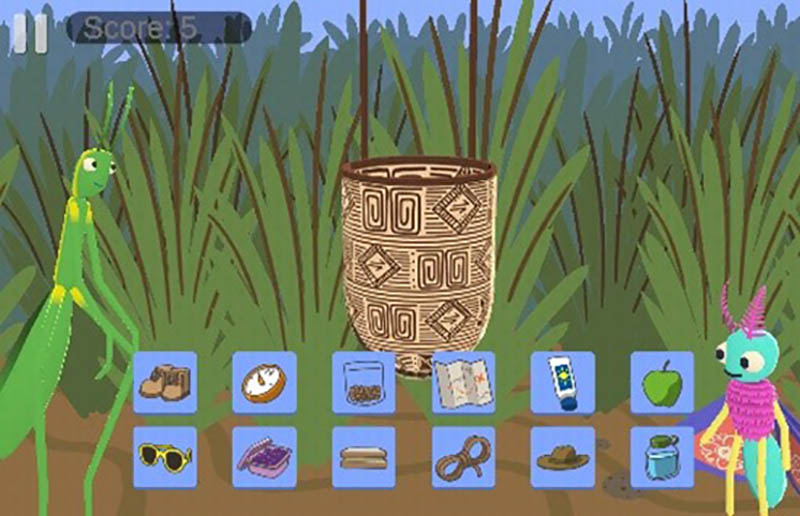 In collaboration with families and schools, we create evidence-based digital tools for mental and cognitive health in childhood. With technology such as touch-screen tablets available in most homes and classrooms, this presents a huge opportunity to create cognitive interventions that are accessible to large numbers of children. We work closely with educators to ensure that the interventions we create are suitable for classroom use and engaging for children. We also focus on working with rural and regional communities to ensure their voices are being included in our research.
The digital cognitive interventions we have created have focused on supporting children’s executive functions, a term that refers key skills such as working memory, executive control, and response inhibition. These skills are important for children to be able to pay attention in class, socialise effectively with peers, and complete school work.
Child Development in a Digital Age
 Digital technology is becoming more and more integrated into children’s lives. Our lab investigates how cognitive skills develop in childhood and how these skills can be impacted or influenced by digital technologies. We aim to go beyond asking questions of if and how we should limit children’s screen time, to investigate the different ways that children interact with digital technology, and the effects of that. We believe that digital technology has the potential to be a tool to support cognitive development rather than hinder it, with tools such as cognitive training games, mindfulness meditation, and education support apps now widely available to children.
Neurodiversity
 Our research focuses largely on children with developmental disorders, such as autism, ADHD, Down syndrome, and Williams syndrome. We investigate the cognitive development of children with developmental disorders, to better understand their cognitive profiles in areas such as attention, working memory, and impulsivity.
Our lab has also developed innovative cognitive training tools specifically designed to be used for children with developmental disabilities. These tools are now used globally, and have been shown to improve the attention of children with developmental disorders, which has flow-on effects of improved academic performance.
Eco-anxiety
 With the Earth’s climate rising and the consequences of this becoming evident, today’s children will be greatly affected by climate change throughout their lives. We investigate the effect that climate change has on the mental health of young children. Climate change brings with it not only more extreme weather patterns and natural disasters, but also anxiety about what the future holds and how humans will cope with the effects of climate change.
We aim to answer questions such as: At what age are children becoming aware of climate change and starting to experience eco-anxiety? Do levels of eco-anxiety differ between children living in metropolitan areas vs rural and remote areas? How does eco-anxiety affect different aspects of children’s lives? As anxiety can impact cognition and learning, it is vitally important that we understand eco-anxiety in young children.