
Colonial Load and Cultural Conflict
Project description
This project will improve our understanding of colonial load and cultural conflict for First Nations staff and volunteers in emergency management.
First Nations people employed within emergency management, land management and resilience sectors, particularly those within the fire and land management agencies, may experience conflict between what they know is culturally right for their Country and communities, and the agendas of agencies.
Western science and practices see humans as separate to the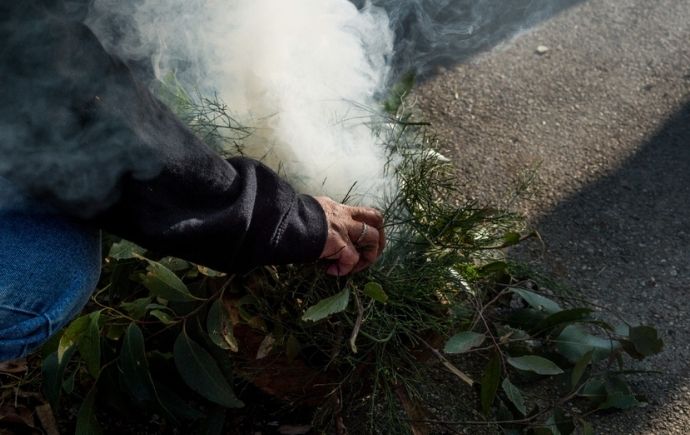 landscape and the aim is to control and manage. First Nations cultures view healthy landscapes as intricately entwined with healthy people – care is provided to Country and is received in return. Trying to work within both these paradigms, without the appropriate cultural support, can be immensely stressful for First Nations peoples and can put them at odds with their families and communities and their obligations to Country. It can also put them at odds with their work colleagues, making their employment a lonely experience.
First Nations people who do remain in the sector (including academics and agency staff) often carry a heavy workload in order to provide the relevant and appropriate Indigenous expertise for their organisation and the partners they work with. Without support, this can result in negative impacts such as burnout, stress and other mental health concerns.
This project was proposed by AFAC and is an action from Natural Hazards Research Australia’s Reconciliation Action Plan. It will help us better understand the causes and contributing factors, particularly those which are industry specific, creating cultural conflict and load for First Nations staff and volunteers within Natural Hazards Research Australia partner organisations.
The project will:
- measure the level of participation of First Nations staff and volunteers in Australia’s natural hazard agencies
- explore the experiences of First Nations staff and volunteers in Australia’s natural hazard agencies
- identify the meaning of safe, inclusive and welcoming workplaces within the natural hazards sector.
Learn more about this project via Natural Hazards Research Australia.

Researchers
Collaborators
- AFAC
- Natural Hazards Research Australia
- Fire Rescue Victoria
- NSW Rural Fire Service
- WA Department of Biodiversity, Conservation and Attractions