
Experiences of Aboriginal People in 2022 Victoria-South Australia Floods
Project description
NIDR explored and recorded the ways that Indigenous and non-Indigenous experiences differed during the 2022 floods in Victoria and South Australia.
This project was part of a larger Natural Hazards Research Australia-funded project led by Dr Erica Kuligowski (RMIT) called ‘Community experiences of the 2022 floods in Victoria and South Australia’.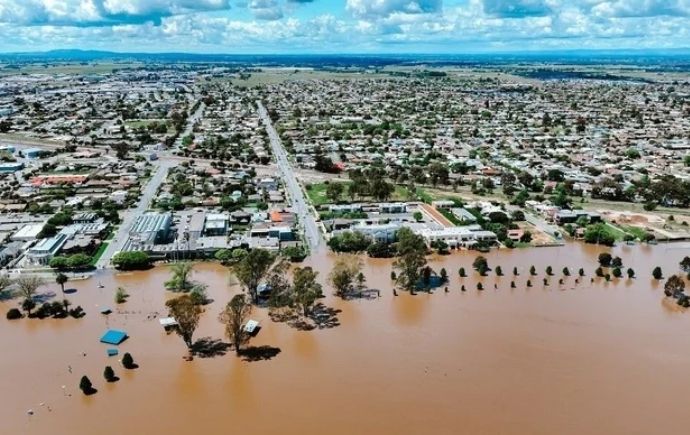
NIDR’s contribution focused on communities in South Australia, and central and north-west Victoria, to record experiences of Aboriginal residents and Traditional Owners. This work sought to understand whether, and in what ways, Indigenous experiences differed from non-Indigenous members of the affected communities.
Results, reported here, reiterated the many ways that Indigenous peoples experienced those floods differently to non-Indigenous peoples, highlighting the significant impacts of flooding on cultural heritage, the critical role of Aboriginal Community Controlled Organisations in supporting Aboriginal communities during the flood, and the view of caring for Country as a form of disaster resilience. For example, many Indigenous people did not view the flood inherently as a disaster and instead framed water management within a broader historical and ecological context, offering opportunities to reconceptualise disasters and flood mitigation within emergency management.
This work also highlighted significant communication gaps between emergency services and Aboriginal communities, and issues with housing that left Aboriginal renters struggling against exploitative landlords and inadequate repairs.
Researchers
Collaborators
- RMIT University
- Macquarie University
- Natural Hazards Research Australia
- Emergency Management Victoria
- South Australian Fire and Emergency Services Commission
- Emergency Recovery Victoria
- South Australia Police