
Evolution of Health Technology Assessment: Lessons learnt and future directions
This workshop discusses the continuing evolution of health technology assessment (HTA) in Australia. We reflect on the motivations behind HTA‑informed decision‑making, how current systems operate in theory and in practice, and what we have learned from work on fairness, bargaining, and real‑world decision processes.
We then look to the future, considering challenges of the 2030s and opportunities for more patient‑centred, responsive, and evidence‑rich approaches to evaluation.
The discussion will draw on emerging work that considers the role of HTA policy and processes in shaping negotiation between third-party payers and product sponsors, that considers why and how to amplify the consumer voice in HTA decision-making, and that explores how fairness is understood and implemented in HTA processes.
Our aim is to connect past insights with future directions to help shape a more flexible and inclusive HTA framework.
Keynote Speaker
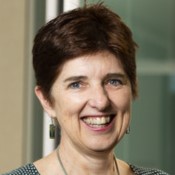 Professor Robyn Ward AM, Pharmaceutical Benefits Advisory Committee (PBAC) Chair and Deputy Vice-Chancellor (Research) and Senior Vice-President
Prof Ward provides leadership of the University's research and enterprise agenda. She currently Chairs the Pharmaceutical Benefits Advisory Committee and was previous Chair of the Medical Services Advisory Committee.
Event Host and Chair
 Professor Anthony Scott, Director, Centre for Health Economics, Monash Business School
Prof Scott’s goal is to influence health policy through high-quality research. Prior to his current position, he was a professor at Monash Business School’s Centre for Health Economics. Previously, he led health economics research at the Melbourne Institute: Applied Economic and Social Research, The University of Melbourne.
He is an elected Fellow of the Academy of the Social Sciences in Australia, immediate Past President of the Australian Health Economics Society, and a former Board Director of the International Health Economics Association. He has been an ARC Future Fellow and an NHMRC Principal Research Fellow.
Event Speakers
 Emeritus Professor Anthony Harris, Centre for Health Economics (CHE), Monash University
Prof Anthony Harris is an Emeritus Professor of Economics in the Centre for Health Economics, Monash University, and former Director of the Centre (2011-23) and of the PhD program in health economics (2012-18) in the Monash Business School. He pioneered revealed-preference studies of decision-making by HTA committees, advancing understanding of the factors influencing HTA decisions. He also led development of the Disability Wellbeing Index (DWI), a person-centred outcome measure for people with disability, and contributed to the world’s first guidelines for the economic evaluation of disability support funded by the NDIS. He has served on numerous advisory committees, including the Pharmaceutical Benefits Advisory Committee Economics Sub-Committee, the National Disability Insurance Agency, and expert groups for MRI services, blood products, and veterans’ health, influencing national policy and resource allocation.
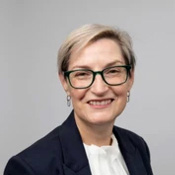 Professor Kirsten Howard, The University of Sydney
Prof Howard (BSc (Hons1), MAppSc (Biopharm), MPH, MHlthEc, PhD, FAHMS) is Co-Director of the Leeder Centre for Health Policy, Economics and Data and Professor of Health Economics, in the School of Public Health. She has more than 30 years’ experience in health economics and health policy research, with a focus on patient and consumer preferences, QOL/wellbeing measurement and economic evaluation. She has worked in diverse public health areas such as cancer screening, falls prevention, chronic kidney disease, organ donation and allocation policy, child quality of life measurement and in Aboriginal and Torres Strait Islander health and wellbeing. She co-leads the NHMRC-funded What Matters 2 Adults (WM2A) and the MRFF-funded What Matters 2 Youth (WM2Y) projects to develop new nationally-relevant preference-based wellbeing measures for Aboriginal and Torres Strait Islander adults and youth, and a MRFF implementation study for the What Matters measure (WM2A) in routine PRMs collection in NSW cancer services.
 Associate Professor (Research) Jing Jing Li, Centre for Health Economics (CHE), Monash Business School
A/Prof Li Jing Jing leads the Monash University Health Technology Assessment team, conducting evaluations that inform funding decisions for health technologies globally, including for the Pharmaceutical Benefits Advisory Committee (PBAC), Medical Services Advisory Committee (MSAC), the Australian Technical Advisory Group on Immunisation (ATAGI), and the Agency for Care Effectiveness in Singapore. Her research focuses on healthcare decision-making, cancer care, cost-effectiveness analysis alongside clinical trials, and advanced decision analytic modelling.
 Professor Richard De Abreu Lourenco, Professor of Health Economics and Deputy Director at the Centre for Health Economics Research and Evaluation (CHERE), University of Technology Sydney
Professor Lourenco is an experienced health economist who has a keen interest in applied economic evaluations, patient preference and quality of life and the economics of specialty health areas. Currently, he is the program lead for the Cancer Australia Cancer Research Economics Support Team, and the Senior Evaluator for CHERE’s Pharmaceutical Benefits Advisory Committee (PBAC) evaluation group. He is an investigator on a number of cancer clinical studies and studies investigating preferences for health care decision making.
 Honorary Professor Andrew Mitchell, Health Economics Wellbeing and
Society at The Australian National University
Andrew Mitchell is an honorary professor of Health Economics Wellbeing and Society at The Australian National University, a member of the Evaluation Sub-Committee of the Medical Services Advisory Committee and a member of the Health Technology Assessment Steering Committee of the Centre for Innovation in Regulatory Science. Before retiring in 2023, Andrew had a decades-long career in the Australian Government Department of Health and Ageing, most recently as Strategic Adviser, Evaluation. Through all these roles, Andrew has applied his experience in using clinical and economic evaluations of medicines and other health technology types, more recently focussing on precision medicine and genomic technologies. He has also helped steer the development of several approaches to use this information systematically to guide resource allocation decisions in a publicly funded health care system.
 Associate Professor (Research) Duncan Mortimer, Centre for Health Economics (CHE), Monash Business School
A/Prof Mortimer is Academic Lead of CHE’s Economic Behaviour, Incentives & Preferences stream. He holds academic qualifications in economics and psychology from the University of Adelaide and in economics and health economics from Monash University. His current research interests include the economics of charitable giving, the role of incentives in promoting pro-social behaviours, and the effectiveness and cost-effectiveness of behavioural economics strategies in promoting healthy lifestyles.
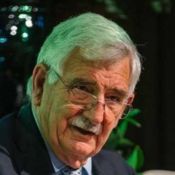 Emeritus Professor Lloyd Sansom AO, Distinguished Australian pharmacist, academic, and health policy advisor
 Adjunct Prof. Brendan Shaw, University of Sydney and Principal Shawview Consulting
For more than 30 years Mr Shaw has engaged in how the public and private sectors interact, collaborate and support each other. He has been in and around contentious policy and political debates through all that time. Brendan’s unique skill set is using credible argument, strategic thinking and a collaborative approach to build bridges and find new solutions to policy problems. An economist and political scientist by training, Brendan is an experienced CEO, advocate, board member and policy expert.
Mr Shaw founded Shawview Consulting in 2017. The company is based in London and Sydney with partners in Europe, Asia-Pacific, US and Africa. Prior to his current role, he spent three years as Assistant Director General of the International Federation of Pharmaceutical Manufacturers and Associations in Geneva, Switzerland working on global health issues with international organisations, pharmaceutical companies, national pharmaceutical industry associations and NGOs.
 Professor Russell Smyth, Deputy Dean (Research), Monash Business School
Prof Smyth was previously Head of the Department of Economics and Deputy Dean (Academic Resourcing). His research spans a broad range of topics in applied microeconomics and has been published extensively in leading journals. He is a co-editor of Energy Economics, an elected Fellow of the Academy of Social Sciences of Australia, a Clarivate Highly Cited Researcher in Business and Economics and a recipient of the Honorary Fellow Award of the Economic Society of Australia.
 Adjunct Associate Professor Jo Watson, Pharmaceutical Benefits Advisory Committee
Adjunct A/Prof Jo Watson (BA (Soc.Sci), MPH, FAICD) is the Deputy Chair of the Pharmaceutical Benefits Advisory Committee (PBAC) and a longstanding consumer nominee and advocate within the health industry. She brings extensive experience in Health Technology Assessment (HTA), specialising in the collaboration between researchers, clinicians, health economists, pharmaceutical companies and government agencies. She is Chair of the HTA Consumer Consultative Committee (CCC), and an ex-officio member of both the Drug Utilisation Sub-committee (DUSC) and the Economic Sub-committee (ESC) of the PBAC and of the Australian Technical Advisory Group on Immunisation. A/Prof Watson provides expertise in HTA and consumer advocacy.
 Professor Andrew Wilson AO, Co-Director of the Leeder Centre for Health Policy, Economics and Data. Professor of Public Health in the School of Public Health, at the University of Sydney.
He was chair of the PBAC from 2015-2024 and a member of MSAC Executive and chair of the PICO Advisory Sub-committee from 2010-22. He was a member of the 2023-24 HTA policy and processes review reference committee. In 2025 he chaired the HTA review Implementation Advisory Group advising on the implementation of recommendations for HTA policy and process improvements. He has more than 30 years involvement in HTA in Australia.
 Professor Erica Wood AO, School of Public Health and Preventive Medicine, Monash University
Prof Wood AO is a Haematologist and Transfusion Medicine Specialist, Head of the Transfusion Research Unit and Co-Director of the Division of Acute and Critical Care at Monash University’s School of Public Health and Preventive Medicine. She is an NHMRC Leadership Fellow (Level 2) and leads the NHMRC-funded Blood Synergy research program, while also working clinically as a Consultant Haematologist at Monash Health and holding an honorary appointment at the Peter MacCallum Cancer Centre/Victorian Comprehensive Cancer Centre. Erica is Chair of the World Health Organization’s Advisory Group on Blood Regulation, Availability and Safety and serves on multiple WHO expert and guideline development groups across transfusion medicine, haemovigilance, anaemia and human milk banking. She is a past President of both the International Society of Blood Transfusion and the International Haemovigilance Network, and a past President of the Australian and New Zealand Society of Blood Transfusion, where she delivered the prestigious Ruth Sanger Oration. She has also served as Chief Examiner in Haematology for the Royal College of Pathologists of Australasia and has held senior roles with the American and Australian Red Cross blood services.
Event Program
Event Details
- Date:
- 31 March 2026 at 1:00 pm – 4:00 pm
- Venue:
- The Pavilion, Building H, Caulfield campus
- Categories:
- General; Health Economics
Description
This workshop discusses the continuing evolution of health technology assessment (HTA) in Australia. We reflect on the motivations behind HTA‑informed decision‑making, how current systems operate in theory and in practice, and what we have learned from work on fairness, bargaining, and real‑world decision processes.
We then look to the future, considering challenges of the 2030s and opportunities for more patient‑centred, responsive, and evidence‑rich approaches to evaluation.
The discussion will draw on emerging work that considers the role of HTA policy and processes in shaping negotiation between third-party payers and product sponsors, that considers why and how to amplify the consumer voice in HTA decision-making, and that explores how fairness is understood and implemented in HTA processes.
Our aim is to connect past insights with future directions to help shape a more flexible and inclusive HTA framework.
Keynote Speaker
Professor Robyn Ward AM, Pharmaceutical Benefits Advisory Committee (PBAC) Chair and Deputy Vice-Chancellor (Research) and Senior Vice-President
Prof Ward provides leadership of the University's research and enterprise agenda. She currently Chairs the Pharmaceutical Benefits Advisory Committee and was previous Chair of the Medical Services Advisory Committee.
Event Host and Chair
Professor Anthony Scott, Director, Centre for Health Economics, Monash Business School
Prof Scott’s goal is to influence health policy through high-quality research. Prior to his current position, he was a professor at Monash Business School’s Centre for Health Economics. Previously, he led health economics research at the Melbourne Institute: Applied Economic and Social Research, The University of Melbourne.
He is an elected Fellow of the Academy of the Social Sciences in Australia, immediate Past President of the Australian Health Economics Society, and a former Board Director of the International Health Economics Association. He has been an ARC Future Fellow and an NHMRC Principal Research Fellow.
Event Speakers
Emeritus Professor Anthony Harris, Centre for Health Economics (CHE), Monash University
Prof Anthony Harris is an Emeritus Professor of Economics in the Centre for Health Economics, Monash University, and former Director of the Centre (2011-23) and of the PhD program in health economics (2012-18) in the Monash Business School. He pioneered revealed-preference studies of decision-making by HTA committees, advancing understanding of the factors influencing HTA decisions. He also led development of the Disability Wellbeing Index (DWI), a person-centred outcome measure for people with disability, and contributed to the world’s first guidelines for the economic evaluation of disability support funded by the NDIS. He has served on numerous advisory committees, including the Pharmaceutical Benefits Advisory Committee Economics Sub-Committee, the National Disability Insurance Agency, and expert groups for MRI services, blood products, and veterans’ health, influencing national policy and resource allocation.
Professor Kirsten Howard, The University of Sydney
Prof Howard (BSc (Hons1), MAppSc (Biopharm), MPH, MHlthEc, PhD, FAHMS) is Co-Director of the Leeder Centre for Health Policy, Economics and Data and Professor of Health Economics, in the School of Public Health. She has more than 30 years’ experience in health economics and health policy research, with a focus on patient and consumer preferences, QOL/wellbeing measurement and economic evaluation. She has worked in diverse public health areas such as cancer screening, falls prevention, chronic kidney disease, organ donation and allocation policy, child quality of life measurement and in Aboriginal and Torres Strait Islander health and wellbeing. She co-leads the NHMRC-funded What Matters 2 Adults (WM2A) and the MRFF-funded What Matters 2 Youth (WM2Y) projects to develop new nationally-relevant preference-based wellbeing measures for Aboriginal and Torres Strait Islander adults and youth, and a MRFF implementation study for the What Matters measure (WM2A) in routine PRMs collection in NSW cancer services.
Associate Professor (Research) Jing Jing Li, Centre for Health Economics (CHE), Monash Business School
A/Prof Li Jing Jing leads the Monash University Health Technology Assessment team, conducting evaluations that inform funding decisions for health technologies globally, including for the Pharmaceutical Benefits Advisory Committee (PBAC), Medical Services Advisory Committee (MSAC), the Australian Technical Advisory Group on Immunisation (ATAGI), and the Agency for Care Effectiveness in Singapore. Her research focuses on healthcare decision-making, cancer care, cost-effectiveness analysis alongside clinical trials, and advanced decision analytic modelling.
Professor Richard De Abreu Lourenco, Professor of Health Economics and Deputy Director at the Centre for Health Economics Research and Evaluation (CHERE), University of Technology Sydney
Professor Lourenco is an experienced health economist who has a keen interest in applied economic evaluations, patient preference and quality of life and the economics of specialty health areas. Currently, he is the program lead for the Cancer Australia Cancer Research Economics Support Team, and the Senior Evaluator for CHERE’s Pharmaceutical Benefits Advisory Committee (PBAC) evaluation group. He is an investigator on a number of cancer clinical studies and studies investigating preferences for health care decision making.
Honorary Professor Andrew Mitchell, Health Economics Wellbeing and
Society at The Australian National University
Andrew Mitchell is an honorary professor of Health Economics Wellbeing and Society at The Australian National University, a member of the Evaluation Sub-Committee of the Medical Services Advisory Committee and a member of the Health Technology Assessment Steering Committee of the Centre for Innovation in Regulatory Science. Before retiring in 2023, Andrew had a decades-long career in the Australian Government Department of Health and Ageing, most recently as Strategic Adviser, Evaluation. Through all these roles, Andrew has applied his experience in using clinical and economic evaluations of medicines and other health technology types, more recently focussing on precision medicine and genomic technologies. He has also helped steer the development of several approaches to use this information systematically to guide resource allocation decisions in a publicly funded health care system.
Associate Professor (Research) Duncan Mortimer, Centre for Health Economics (CHE), Monash Business School
A/Prof Mortimer is Academic Lead of CHE’s Economic Behaviour, Incentives & Preferences stream. He holds academic qualifications in economics and psychology from the University of Adelaide and in economics and health economics from Monash University. His current research interests include the economics of charitable giving, the role of incentives in promoting pro-social behaviours, and the effectiveness and cost-effectiveness of behavioural economics strategies in promoting healthy lifestyles.
Emeritus Professor Lloyd Sansom AO, Distinguished Australian pharmacist, academic, and health policy advisor
Adjunct Prof. Brendan Shaw, University of Sydney and Principal Shawview Consulting
For more than 30 years Mr Shaw has engaged in how the public and private sectors interact, collaborate and support each other. He has been in and around contentious policy and political debates through all that time. Brendan’s unique skill set is using credible argument, strategic thinking and a collaborative approach to build bridges and find new solutions to policy problems. An economist and political scientist by training, Brendan is an experienced CEO, advocate, board member and policy expert.
Mr Shaw founded Shawview Consulting in 2017. The company is based in London and Sydney with partners in Europe, Asia-Pacific, US and Africa. Prior to his current role, he spent three years as Assistant Director General of the International Federation of Pharmaceutical Manufacturers and Associations in Geneva, Switzerland working on global health issues with international organisations, pharmaceutical companies, national pharmaceutical industry associations and NGOs.
Professor Russell Smyth, Deputy Dean (Research), Monash Business School
Prof Smyth was previously Head of the Department of Economics and Deputy Dean (Academic Resourcing). His research spans a broad range of topics in applied microeconomics and has been published extensively in leading journals. He is a co-editor of Energy Economics, an elected Fellow of the Academy of Social Sciences of Australia, a Clarivate Highly Cited Researcher in Business and Economics and a recipient of the Honorary Fellow Award of the Economic Society of Australia.
Adjunct Associate Professor Jo Watson, Pharmaceutical Benefits Advisory Committee
Adjunct A/Prof Jo Watson (BA (Soc.Sci), MPH, FAICD) is the Deputy Chair of the Pharmaceutical Benefits Advisory Committee (PBAC) and a longstanding consumer nominee and advocate within the health industry. She brings extensive experience in Health Technology Assessment (HTA), specialising in the collaboration between researchers, clinicians, health economists, pharmaceutical companies and government agencies. She is Chair of the HTA Consumer Consultative Committee (CCC), and an ex-officio member of both the Drug Utilisation Sub-committee (DUSC) and the Economic Sub-committee (ESC) of the PBAC and of the Australian Technical Advisory Group on Immunisation. A/Prof Watson provides expertise in HTA and consumer advocacy.
Professor Andrew Wilson AO, Co-Director of the Leeder Centre for Health Policy, Economics and Data. Professor of Public Health in the School of Public Health, at the University of Sydney.
He was chair of the PBAC from 2015-2024 and a member of MSAC Executive and chair of the PICO Advisory Sub-committee from 2010-22. He was a member of the 2023-24 HTA policy and processes review reference committee. In 2025 he chaired the HTA review Implementation Advisory Group advising on the implementation of recommendations for HTA policy and process improvements. He has more than 30 years involvement in HTA in Australia.
Professor Erica Wood AO, School of Public Health and Preventive Medicine, Monash University
Prof Wood AO is a Haematologist and Transfusion Medicine Specialist, Head of the Transfusion Research Unit and Co-Director of the Division of Acute and Critical Care at Monash University’s School of Public Health and Preventive Medicine. She is an NHMRC Leadership Fellow (Level 2) and leads the NHMRC-funded Blood Synergy research program, while also working clinically as a Consultant Haematologist at Monash Health and holding an honorary appointment at the Peter MacCallum Cancer Centre/Victorian Comprehensive Cancer Centre. Erica is Chair of the World Health Organization’s Advisory Group on Blood Regulation, Availability and Safety and serves on multiple WHO expert and guideline development groups across transfusion medicine, haemovigilance, anaemia and human milk banking. She is a past President of both the International Society of Blood Transfusion and the International Haemovigilance Network, and a past President of the Australian and New Zealand Society of Blood Transfusion, where she delivered the prestigious Ruth Sanger Oration. She has also served as Chief Examiner in Haematology for the Royal College of Pathologists of Australasia and has held senior roles with the American and Australian Red Cross blood services.