
Navigating Geopolitics, Energy, and Food Security in Australia and Beyond
This year’s conflict in the Middle East has set off a global shock with sweeping implications for both energy systems and food security in Australia and worldwide.
The UN cautions that conflict remains the leading cause of hunger across most major food crises, driving food and nutrition insecurity to unprecedented levels. Australia’s heavy dependence on imported fertilisers (exceeding 96 per cent) has left it particularly exposed, with supply chains severely disrupted by the war. Some estimates suggest that as many as 30 per cent of Australian households are already experiencing food insecurity, raising concerns about potential shortages and sharp price increases.
Input supply shocks can severely affect farmers and agri-food production in countries such as India. The war has already led to increases in the price of gas, and could reverse many gains made in advancing food security and livelihoods, particularly in farming communities which are experiencing some of the worst food insecurity in the country.
The escalating crisis is intensifying pressure on governments in Australia and across the world to act swiftly, as many households face lasting financial strain that may endure for months or even years. It has also prompted calls for a fundamental shift in approach, with greater emphasis on strengthening resilient, locally scaled agri-food systems. This seminar brings together frontline voices to unpack the challenges of this evolving crisis and share insights from those directly navigating its impacts on the ground.
Speakers
 Associate Professor Jagjit Plahe, Department of Management, Monash Business School
An Associate Professor of the International Political Economy/ A/Prof Plahe’s research interests include the management and organisation of equitable and sustainable food systems in developing countries, trade justice and global food security. She has worked in collaboration with the Centre of Sustainable Agriculture (India) on agroecological systems for a decade.
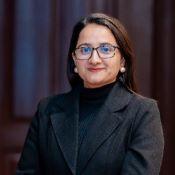 Manisha Burlakoti, Project Officer, United Nations Development Programme (UNDP), Nepal
Ms. Manisha Burlakoti is a Project Officer with the United Nations Development Programme (UNDP) in Nepal. Her work focuses on the nexus of climate change, food security, and food system transformation. She collaborates with policymakers and smallholder farmers to strengthen the agricultural sector’s capacity to meet climate commitments and promote sustainable agricultural practices at the farm level.
Over the past decade, she has contributed to strengthening agricultural extension systems through capacity-building and technical support initiatives at both the policy level and farm level. Her work also encompasses promoting climate resilient agriculture, enhancing food security in disaster contexts, and supporting climate change adaptation.
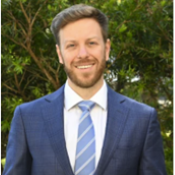 Dr Nick Frank, Department of Management, Monash Business School
 Dr Nick Rose, Executive Director, Sustain: The Australian Food Network
Dr Rose is a specialist in sustainable food systems, food policy and food movements. As co-founder and Executive Director of Sustain: the Australian Food Network (2016-present), he supports food system policy and program work within local government and beyond, through research studies and consultancies into urban agriculture, food security and urban food systems.
His work includes the ground-breaking Pandemic Gardening Survey (2020), and the coordination of four national Urban Agriculture Forums.
Dr Rose was awarded his PhD from RMIT University for investigating the transformative potential of the global food sovereignty movement. During and after his PhD, he co-founded and coordinated the Australian Food Sovereignty Alliance (2010-2015). As a Churchill Fellow (2014), he investigated innovative models of urban agriculture in the US, Canada and Argentina.
 Dr Ramoo, Centre for Sustainable Agriculture (CSA), India
Dr Ramoo and the CSA promote sustainable agricultural technologies led by the knowledge and skills of farmers, plus farmer-led innovations based on local conditions and the use of nature’s products and processes to gain better control over the pre-production and production processes involved in agri-food systems.
Over 20 years the CSA has contributed to a paradigm shift in India, working with 100,000 farmers in communities across India including Adivasi (Indigenous) communities.
The CSA also works with various state governments to introduce agroecological methods to build climate-resilient agriculture. Partly due to CSA’s efforts, sustainable agriculture has now transitioned from a farmers’ movement to a concept and practice that is being adopted by state governments. Dr Ramoo is a leading agricultural policy advisor in India, and across the region, particularly in sustainable agriculture.
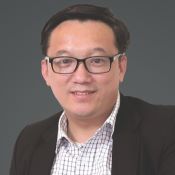 Associate Professor Hong Quan Nguyen, Director, Institute for Circular Economy Development, Vietnam National University
A/Prof Nguyen is an expert in water-related research and climate change adaptation, circular economy, socio-ecological systems, and sustainability science. He has joined various international projects and published more than 100 ISI/Scopus-indexed articles, many in top–tier journals such as Nature, Sustainable Development, Sustainable Cities and Society, and Agricultural Water Management. He serves on the editorial boards of Circular Economy and Sustainability (Springer), Frontiers in Sustainability (Circular Economy), and PLOS Sustainability and Transformation, and is a member of the Policy Advisory Board of the Global Circularity Protocol for Business, along with several other domestic and international councils.
Acknowledgement of Country and Welcome Note
 Associate Professor Anita Foerster, Environmental and Climate Law, Monash Business School
An Associate Professor in environmental and climate law, and Director of Green Lab, A/Prof Foerster’s research uses socio-legal methods to explore how law and regulation develop, how they are implemented and what effect they have in practice.
Head of Department
Professor David Oliver, Head of Department of Management, Monash Business School
Host
Event Details
- Date:
- 27 May 2026 at 1:00 pm – 3:00 pm
- Venue:
- The Pavilion, Building H, Level 8, Monash University Caulfield campus or Online on Zoom
- Categories:
- General; Management
Description
This year’s conflict in the Middle East has set off a global shock with sweeping implications for both energy systems and food security in Australia and worldwide.
The UN cautions that conflict remains the leading cause of hunger across most major food crises, driving food and nutrition insecurity to unprecedented levels. Australia’s heavy dependence on imported fertilisers (exceeding 96 per cent) has left it particularly exposed, with supply chains severely disrupted by the war. Some estimates suggest that as many as 30 per cent of Australian households are already experiencing food insecurity, raising concerns about potential shortages and sharp price increases.
Input supply shocks can severely affect farmers and agri-food production in countries such as India. The war has already led to increases in the price of gas, and could reverse many gains made in advancing food security and livelihoods, particularly in farming communities which are experiencing some of the worst food insecurity in the country.
The escalating crisis is intensifying pressure on governments in Australia and across the world to act swiftly, as many households face lasting financial strain that may endure for months or even years. It has also prompted calls for a fundamental shift in approach, with greater emphasis on strengthening resilient, locally scaled agri-food systems. This seminar brings together frontline voices to unpack the challenges of this evolving crisis and share insights from those directly navigating its impacts on the ground.
Speakers
Associate Professor Jagjit Plahe, Department of Management, Monash Business School
An Associate Professor of the International Political Economy/ A/Prof Plahe’s research interests include the management and organisation of equitable and sustainable food systems in developing countries, trade justice and global food security. She has worked in collaboration with the Centre of Sustainable Agriculture (India) on agroecological systems for a decade.
Manisha Burlakoti, Project Officer, United Nations Development Programme (UNDP), Nepal
Ms. Manisha Burlakoti is a Project Officer with the United Nations Development Programme (UNDP) in Nepal. Her work focuses on the nexus of climate change, food security, and food system transformation. She collaborates with policymakers and smallholder farmers to strengthen the agricultural sector’s capacity to meet climate commitments and promote sustainable agricultural practices at the farm level.
Over the past decade, she has contributed to strengthening agricultural extension systems through capacity-building and technical support initiatives at both the policy level and farm level. Her work also encompasses promoting climate resilient agriculture, enhancing food security in disaster contexts, and supporting climate change adaptation.
Dr Nick Frank, Department of Management, Monash Business School
Dr Nick Rose, Executive Director, Sustain: The Australian Food Network
Dr Rose is a specialist in sustainable food systems, food policy and food movements. As co-founder and Executive Director of Sustain: the Australian Food Network (2016-present), he supports food system policy and program work within local government and beyond, through research studies and consultancies into urban agriculture, food security and urban food systems.
His work includes the ground-breaking Pandemic Gardening Survey (2020), and the coordination of four national Urban Agriculture Forums.
Dr Rose was awarded his PhD from RMIT University for investigating the transformative potential of the global food sovereignty movement. During and after his PhD, he co-founded and coordinated the Australian Food Sovereignty Alliance (2010-2015). As a Churchill Fellow (2014), he investigated innovative models of urban agriculture in the US, Canada and Argentina.
Dr Ramoo, Centre for Sustainable Agriculture (CSA), India
Dr Ramoo and the CSA promote sustainable agricultural technologies led by the knowledge and skills of farmers, plus farmer-led innovations based on local conditions and the use of nature’s products and processes to gain better control over the pre-production and production processes involved in agri-food systems.
Over 20 years the CSA has contributed to a paradigm shift in India, working with 100,000 farmers in communities across India including Adivasi (Indigenous) communities.
The CSA also works with various state governments to introduce agroecological methods to build climate-resilient agriculture. Partly due to CSA’s efforts, sustainable agriculture has now transitioned from a farmers’ movement to a concept and practice that is being adopted by state governments. Dr Ramoo is a leading agricultural policy advisor in India, and across the region, particularly in sustainable agriculture.
Associate Professor Hong Quan Nguyen, Director, Institute for Circular Economy Development, Vietnam National University
A/Prof Nguyen is an expert in water-related research and climate change adaptation, circular economy, socio-ecological systems, and sustainability science. He has joined various international projects and published more than 100 ISI/Scopus-indexed articles, many in top–tier journals such as Nature, Sustainable Development, Sustainable Cities and Society, and Agricultural Water Management. He serves on the editorial boards of Circular Economy and Sustainability (Springer), Frontiers in Sustainability (Circular Economy), and PLOS Sustainability and Transformation, and is a member of the Policy Advisory Board of the Global Circularity Protocol for Business, along with several other domestic and international councils.
Acknowledgement of Country and Welcome Note
Associate Professor Anita Foerster, Environmental and Climate Law, Monash Business School
An Associate Professor in environmental and climate law, and Director of Green Lab, A/Prof Foerster’s research uses socio-legal methods to explore how law and regulation develop, how they are implemented and what effect they have in practice.