
New Frontiers of Resource Control: A focus on carbon colonialism in Africa
The climate crisis is among the most urgent global challenges of our time, marked by rising sea levels, extreme weather, biodiversity loss, and deepening socio-economic disruptions. It amplifies existing inequalities, with communities in the Global South bearing the heaviest burdens.
Despite overwhelming evidence for rapid decarbonisation, greenhouse gas emissions continue to soar, driven largely by the fossil fuel, energy, and aviation sectors. While transformative systemic change is essential, global responses have increasingly turned to market-based solutions.
This seminar examines voluntary carbon markets, which allow high-emitting industries to “offset” emissions through projects—mostly in the Global South—that claim to reduce or capture carbon. Their rapid expansion raises serious concerns about both effectiveness and human rights, including forms of “carbon colonialism” and “carbon violence.”
This interdisciplinary and international seminar explores how carbon offset governance can be reimagined to support community-led initiatives that prevent elite capture and deliver genuine, equitable benefits to local communities.
Keynote speaker

Professor Kennedy Mkutu, United States International University Africa, Kenya
Prof Mkutu is a Professor in international relations, peace and security. He is the author of Guns and Governance: Pastoralist Conflict and Small Arms in North Rift, Northeast Africa (James Currey, Oxford).
Prof Mkutu has worked extensively on peace and security issues in Africa, including carbon violence. He is among architects of the African Potentials project with the African and Asian Area Studies Department at Kyoto University, Japan. He is also currently a Senior Consultant in conflict sensitivity with the World Bank.
Speakers

Professor Kristen Lyons, University of Queensland
Prof Lyons is a public intellectual with more than twenty years’ experience in research, teaching and service that delivers national and international impacts on issues that sit at the intersection of sustainability and development, as well as the future of higher education.
Trained as a sociologist, Prof Lyons is comfortable working in transdisciplinary teams to deliver socially just outcomes, including for some of the world's most vulnerable communities. She works regularly in Uganda, Solomon Islands and Australia, and her work is grounded in a rights-based approach. In practice, this means centring the rights and interests of local communities, including Indigenous peoples, in her approach to research design, collaboration, and impacts and outcomes. Prof Lyons is also a Senior Research Fellow with the Oakland Institute.

Raghav Jagannathan, Monash University
Mr Jagannathan is a policy researcher whose work spans food security, climate governance, and social justice. He holds a Master’s degree in International Relations from Monash University, where his research examined carbon market mechanisms and their human rights implications. His broader interests lie in building equitable and sustainable systems that bridge policy, community, and the environment.
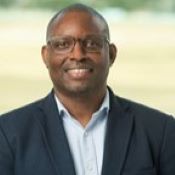
Dr Nceku Nyathi, Department of Management, Monash Business School
Dr Nyathi is an Assistant Lecturer in Management and a co-editor of the Palgrave Macmillan Africa Leadership series. He is a founding member of the Africa Academy of Management (AFAM), where he currently serves as Communications Chair. His research interests span emerging market multinationals, indigenous knowledge systems, and critical organizational perspectives. Through a commitment to amplifying marginalized voices, Dr Nyathi seeks to enrich the field with diverse and transformative insights.
Moderator
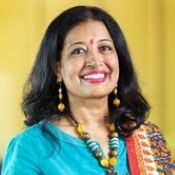
Associate Professor Jagjit Plahe, Department of Management, Monash Business School
A/Prof Plahe specialises in the international political economy. Her research interests include global governance, trade justice, and the management and organisation of equitable and sustainable food systems in Asia. More recently she has been working on climate justice.
Organised by
Critical Reorientations on Organisations and Society (CROS), Department of Management, Monash Business School
Event Details
- Date:
- 13 November 2025 at 3:00 pm – 5:00 pm
- Venue:
- Monash University Caulfield campus, and online via Zoom
Description
The climate crisis is among the most urgent global challenges of our time, marked by rising sea levels, extreme weather, biodiversity loss, and deepening socio-economic disruptions. It amplifies existing inequalities, with communities in the Global South bearing the heaviest burdens.
Despite overwhelming evidence for rapid decarbonisation, greenhouse gas emissions continue to soar, driven largely by the fossil fuel, energy, and aviation sectors. While transformative systemic change is essential, global responses have increasingly turned to market-based solutions.
This seminar examines voluntary carbon markets, which allow high-emitting industries to “offset” emissions through projects—mostly in the Global South—that claim to reduce or capture carbon. Their rapid expansion raises serious concerns about both effectiveness and human rights, including forms of “carbon colonialism” and “carbon violence.”
This interdisciplinary and international seminar explores how carbon offset governance can be reimagined to support community-led initiatives that prevent elite capture and deliver genuine, equitable benefits to local communities.
Keynote speaker
Professor Kennedy Mkutu, United States International University Africa, Kenya
Prof Mkutu is a Professor in international relations, peace and security. He is the author of Guns and Governance: Pastoralist Conflict and Small Arms in North Rift, Northeast Africa (James Currey, Oxford).
Prof Mkutu has worked extensively on peace and security issues in Africa, including carbon violence. He is among architects of the African Potentials project with the African and Asian Area Studies Department at Kyoto University, Japan. He is also currently a Senior Consultant in conflict sensitivity with the World Bank.
Speakers
Professor Kristen Lyons, University of Queensland
Prof Lyons is a public intellectual with more than twenty years’ experience in research, teaching and service that delivers national and international impacts on issues that sit at the intersection of sustainability and development, as well as the future of higher education.
Trained as a sociologist, Prof Lyons is comfortable working in transdisciplinary teams to deliver socially just outcomes, including for some of the world's most vulnerable communities. She works regularly in Uganda, Solomon Islands and Australia, and her work is grounded in a rights-based approach. In practice, this means centring the rights and interests of local communities, including Indigenous peoples, in her approach to research design, collaboration, and impacts and outcomes. Prof Lyons is also a Senior Research Fellow with the Oakland Institute.
Raghav Jagannathan, Monash University
Mr Jagannathan is a policy researcher whose work spans food security, climate governance, and social justice. He holds a Master’s degree in International Relations from Monash University, where his research examined carbon market mechanisms and their human rights implications. His broader interests lie in building equitable and sustainable systems that bridge policy, community, and the environment.
Dr Nceku Nyathi, Department of Management, Monash Business School
Dr Nyathi is an Assistant Lecturer in Management and a co-editor of the Palgrave Macmillan Africa Leadership series. He is a founding member of the Africa Academy of Management (AFAM), where he currently serves as Communications Chair. His research interests span emerging market multinationals, indigenous knowledge systems, and critical organizational perspectives. Through a commitment to amplifying marginalized voices, Dr Nyathi seeks to enrich the field with diverse and transformative insights.
Moderator
Associate Professor Jagjit Plahe, Department of Management, Monash Business School
A/Prof Plahe specialises in the international political economy. Her research interests include global governance, trade justice, and the management and organisation of equitable and sustainable food systems in Asia. More recently she has been working on climate justice.