
AI-powered research aims to predict and prevent serious lung complications after surgery and trauma
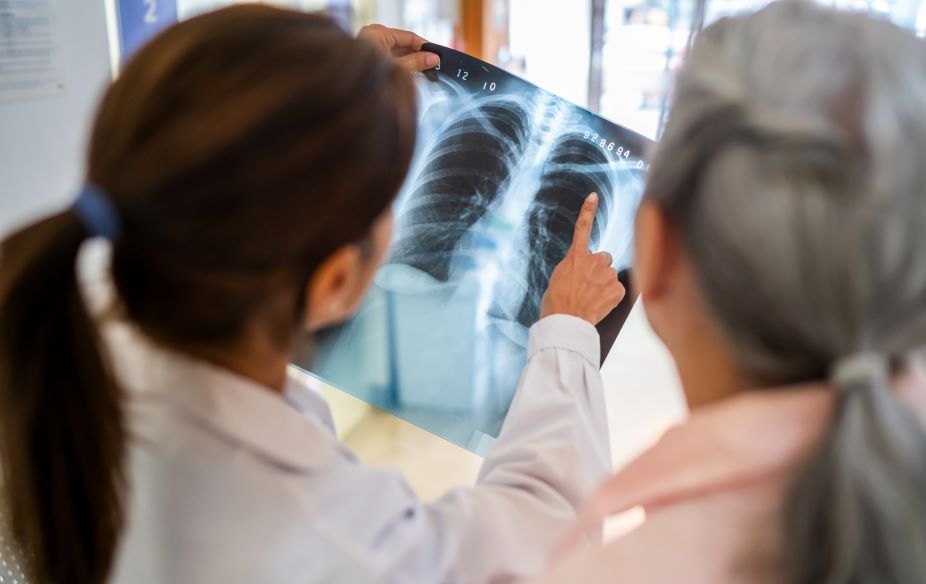
A new research project supported by a Monash Institute of Medical Engineering (MIME) Invent Research Support Grant aims to improve outcomes for patients at risk of developing serious lung complications following cardiac surgery or major chest trauma.
Bringing together anaesthetists, surgeons, radiologists and machine learning engineers, the project will develop advanced artificial intelligence (AI) models capable of predicting which patients are at greatest risk of complications such as pneumonia, collapsed lungs and prolonged dependence on mechanical ventilation.
By combining chest imaging with clinical information, the team hopes to provide healthcare teams with powerful new tools to guide preventative treatments, improve patient outcomes and reduce the strain that complications place on health services.
Addressing a major healthcare burden
Pulmonary complications are among the most common sources of serious illness following cardiac surgery and severe chest trauma. These complications can prolong hospital stays, increase the need for intensive care and take a significant toll on patients, families and healthcare systems.
Early identification of high-risk patients could enable preventative treatments, improve recovery and reduce the need for prolonged intensive care. However, there are currently no routine approaches used in cardiac surgery to predict which patients are most likely to develop lung complications. Existing tools used in trauma settings rely largely on basic clinical scoring systems and do not combine imaging data with other important physiological and clinical patient information.
The project, co-led by Dr Luke Perry from the Department of Surgery, Monash University, and Dr Alexandra Karamesinis from the Faculty of Medicine, Nursing and Health Sciences, Monash University, aims to address this gap.
“We’re exploring ways of combining chest imaging, such as chest X-rays, with clinical information including age, frailty and chronic lung disease to develop more accurate predictions of who is at risk,” Dr Perry said.
“The potential benefit is that we can identify patients earlier and use that information to guide interventions that may prevent complications before they occur.”
Dr Perry said the project focuses not only on prediction, but also on improving clinical care.
“There are many predictive algorithms in healthcare, but unless they can be linked to interventions that improve outcomes, they have limited clinical value,” he said.
“What sets this work apart is that we plan to use these models in clinical trials to test preventative treatments and demonstrate real benefits for patients.”
From concept to clinical application
The project has brought together a multidisciplinary team of clinicians, engineers and researchers from across Monash University and the Victorian Heart Hospital.
Researchers have already completed preliminary validation studies using large open-access datasets and have developed a protocol for the next phase of algorithm development. The project is currently undergoing ethics approval ahead of large-scale data collection involving thousands of patients.
The team is also collaborating with experts from the Mayo Clinic’s Radiology Informatics Laboratory, bringing world-leading expertise in medical imaging and artificial intelligence to the project.
Once developed, the models will be used to identify patients at greatest risk of pulmonary complications and support future clinical trials evaluating preventative interventions such as antibiotic prophylaxis, enhanced monitoring, intensive care pathways and other targeted treatments.
“We hope to first demonstrate that the models can accurately predict pulmonary complications,” Dr Perry said.
“The next step is to show that using those predictions to guide treatment decisions improves patient outcomes and reduces the burden of these complications.”
Putting consumers at the centre
Consumer engagement will play an important role throughout the project, with patients and families helping shape the research and future clinical trials.
Dr Perry said partnering with people with lived experience is critical to ensuring the research remains focused on outcomes that matter most to patients.
“We work closely with consumers across all of our clinical research programs,” he said.
“Their perspectives help us design better studies and ensure the research addresses real-world needs.”
The project team will work closely with consumer and community advisory groups to support the development and translation of the research, helping ensure future interventions are both effective and meaningful for patients and their families.
Powered by collaboration
The project is a collaborative effort involving clinicians, engineers, data scientists and consumers, supported by partnerships across Monash University and international collaborators.
Dr Perry said the MIME Invent Research Support Grant has been instrumental in helping establish the project.
“The grant has provided important seed funding, mentorship and technical support,” he said.
“It has enabled us to build the right team, access the infrastructure required for early model development and create the foundations needed to move this research forward.”
As the research progresses, the team hopes the technology will ultimately be implemented in hospitals across Australia and internationally, helping healthcare teams identify high-risk patients earlier, deliver more targeted preventative care and improve recovery following major surgery and trauma.
For more information on the MIME Invent Support grant, visit: https://www.monash.edu/mime/programs/invent-research-support