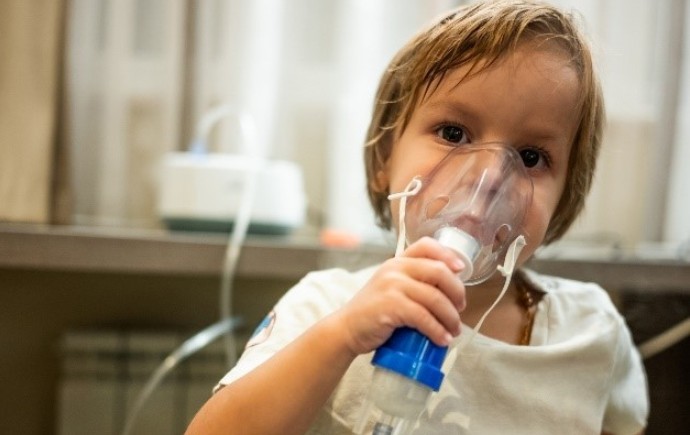
Asthma treatment – development and testing of a nebulizer with “dial up” particle size control that can target small airways
Project overview
400M | 2.7M | 1950s |
400 million people worldwide suffer from asthma. | 2.7 million Australians or 11 per cent of the population have asthma. | The standard blue pressurised metered dose inhaler was first introduced in the 1950s. |
The classic “blue puffer” to treat asthma has not seen innovation in nearly 70 years. Fewer than 30% of people use their inhalers correctly. Children and the elderly are the ones who struggle most, despite being the groups who use it most.
The PALM (Personalised Aerosol Loading and Management) device monitors the speed of inhalation and automatically delivers a drug dosage personalised to the patient, set by doctors and health professionals. For children, this means a smaller drug dose than for adults.
Most importantly, PALM targets specific nodes in the airway that need to be treated – meaning asthmatics get targeted relief faster and more efficiently. PALM can also monitor a patient’s heart rate and blood oxygen levels.
This technology aims to deliver an easy and effective way to optimise health outcomes regardless of the different lung capacities, disease states, ages and genders of patients.
Read more news
- Personalised aerosol drug delivery to aid in respiratory disease
- Breathing new life into asthma treatment using the palm of their hand
Project team
- Dr. Tuncay Alan (Monash University, Faculty of Engineering)
- Prof. Adrian Neild (Monash University, Faculty of Engineering)
- Prof. Daphne Flynn (Monash University, Faculty of Art, Design and Architecture)
- Dr. Jason Brenker (Monash University, Faculty of Engineering)
- Prof. Bruce Thompson (Swinburne University, Faculty of Health, Arts and Design)
Return on investment
In 2024, Dr Tuncay Alan received an Australian Economic Accelerator Federal Government grant ($398,325) to further develop and commercialise the nebuliser.