
Inaugural Circular Economy Research Network conference 2023
The Circular Economy Research Network of the Asia-Pacific (CERN-APac) is delighted to announce our inaugural conference, to feature well-known sustainability experts including former Deputy Victorian Premier Prof John Thwaites.
The 2023 conference will facilitate collaborations between researchers and industry, community, and government representatives to plan for how research can help address prioritised circular economy challenges.
CERN-APac was established in 2022 to facilitate expert engagement between circular economy researchers. CERN-APac’s priorities are to facilitate research collaboration, develop capability for circular economy research, communicate circular economy research, and champion the circular economy journey.
NB: The CERN-APac conference will immediately follow the Circularity 2023 conference, to be hosted by Planet Ark, and the Australian Circular Economy Hub on 20-21 November.
Panel experts
Professor John Thwaites AM, Chair, Circular Economy Ministerial Advisory Group
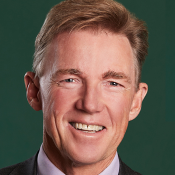
Prof Thwaites, a former MP and Victorian Deputy Premier, is a Professorial Fellow at Monash University, Chair of the Monash Sustainable Development Institute, Chair of the Climateworks Centre, and Chair of The McKinnon Institute for political leadership.
Prof Thwaites is also a Director of FairTrade Australia New Zealand.
He was previously Chair of the National Sustainability Council appointed by the Australian Government, which produced the Sustainable Australia Report in 2013. Prof Thwaites also held roles as Chair of Melbourne Water, Chair of the Australian Building Codes Board, President of the Australian Centre for the Moving Image (ACMI), and a director of the Australian Green Building Council.
He is a Co-Chair of the Leadership Council of the UN Sustainable Development Solutions Network (“SDSN”) launched by the Secretary General of the United Nations to provide expert advice and support to the development and implementation of the Sustainable Development Goals. He is also the Chair of the SDSN Association, which operates the SDSN network around the world.
Prof Thwaites was Deputy Premier of Victoria from 1999 until his retirement in 2007. During this period, he held various Ministerial portfolios including Minister of Health, Minister of Environment and was Victoria’s first Minister for Climate Change. Prior to being elected to Parliament, he was a barrister and Mayor of South Melbourne.
Angela Hoefnagels, Director of Programs and High Risk Waste, Department of Energy, Environment and Climate Action

Ms Hoefnagels is Director of Programs and High Risk Waste at the Victorian Department of Energy, Environment and Climate Action.
A strong advocate for effective and efficient environment policies, Ms Hoefnagels leads teams delivering policies and programs that accelerate the transition to a circular economy and reduce harm to human health and the environment from pollution and waste.
Before joining DEECA, she led policy development in a variety of areas for the Australian Government. In her capacity as a Review Director at the Climate Change Authority, she led work to review Australia’s emissions reduction targets and advise the Australian Government on emissions reduction policies.
Ms Hoefnagels has a Master of Public Policy and Management from University of Melbourne, and degrees in Arts and Law from the Australian National University.
Jennifer Macklin, Senior Researcher, BehaviourWorks Australia, Monash University

A Senior Researcher with 10 years’ experience in behavioural and systems research, Jennifer Macklin originally specialised in evaluation and research to develop effective strategies and programs for individual, organisational, and society-wide change towards environmentally sustainable and circular futures. Jennifer Macklin is now playing an important role in bringing together behavioural science and system thinking approaches to better tackle complex problems. Jennifer brings to BehaviourWorks Australia and the Monash Sustainable Development Institute a deep understanding of circular economy and Australia’s waste industry, with unique expertise in the application of behavioural insights to household and organisational consumption and recycling practices. Her knowledge of waste and circular economy has been recognised by the broadcast media industry, which frequently seeks her expert opinion for online, radio, and TV stories on waste prevention and recovery.
Jennifer holds a Bachelor of Arts (Sociology) with Distinction from the University of Wollongong, focusing on social regulation and policy, a Graduate Certificate of Science in Applied Statistics from Swinburne University, a Master’s of Evaluation through Melbourne University. She is currently completing her PhD on understanding household 'waste' sorting behaviour to support recycling and broader circular economy behaviours.
Dr Heinz Schandl - Director of the Circular Economy Enabling Mission Program, Commonwealth Scientific and Industrial Research Organisation
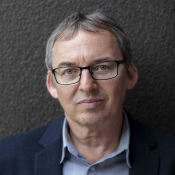
Dr Heinz Schandl holds a PhD in Sociology and an MA in Social and Economic Sciences. As a senior science leader at the Commonwealth Scientific and Industrial Research Organisation (CSIRO) in Canberra, he serves as the director of CSIRO’s Circular Economy for Missions Initiative.
In this capacity, he not only leads a research group focused on urban and industrial transformations but also coordinates circular economy research endeavours.
Beyond his primary role at CSIRO, Dr. Schandl is an adjunct professor at the Graduate School of Environmental Studies at Nagoya University in Japan.
His affiliations extend to global platforms: he is a member of the United Nations Environment Program (UNEP) International Resource Panel and held the position of past president of the International Society of Industrial Ecology.
Furthermore, he plays a pivotal role as the waste impact management initiative lead for the Sustainable Communities and Waste Hub of the National Environmental Science Program (NESP). Dr. Schandl also chairs the metrics working group of the Australian Circular Economy Hub.
Hosted by
Hosted by CERN-APac:
Associate Professor Glen Croy, Monash Business School, Monash University
Professor Amrik Sohal, Monash Business School, Monash University
Professor Usha Iyer-Raniga, School of Property, Construction and Project Management, RMIT University
Organised By
Department of Management and Green Lab, Monash Business School
Program
Event Details
- Date:
- 22 November 2023 at 9:00 am – 5:00 pm
- Venue:
- B98.L2. Event Space and Workshop Space Building 98, RMIT City Campus 102 Victoria Street, Carlton, Victoria 3053
- Categories:
- General; Management
Description
The Circular Economy Research Network of the Asia-Pacific (CERN-APac) is delighted to announce our inaugural conference, to feature well-known sustainability experts including former Deputy Victorian Premier Prof John Thwaites.
The 2023 conference will facilitate collaborations between researchers and industry, community, and government representatives to plan for how research can help address prioritised circular economy challenges.
CERN-APac was established in 2022 to facilitate expert engagement between circular economy researchers. CERN-APac’s priorities are to facilitate research collaboration, develop capability for circular economy research, communicate circular economy research, and champion the circular economy journey.
NB: The CERN-APac conference will immediately follow the Circularity 2023 conference, to be hosted by Planet Ark, and the Australian Circular Economy Hub on 20-21 November.
Panel experts
Professor John Thwaites AM, Chair, Circular Economy Ministerial Advisory Group
Prof Thwaites, a former MP and Victorian Deputy Premier, is a Professorial Fellow at Monash University, Chair of the Monash Sustainable Development Institute, Chair of the Climateworks Centre, and Chair of The McKinnon Institute for political leadership.
Prof Thwaites is also a Director of FairTrade Australia New Zealand.
He was previously Chair of the National Sustainability Council appointed by the Australian Government, which produced the Sustainable Australia Report in 2013. Prof Thwaites also held roles as Chair of Melbourne Water, Chair of the Australian Building Codes Board, President of the Australian Centre for the Moving Image (ACMI), and a director of the Australian Green Building Council.
He is a Co-Chair of the Leadership Council of the UN Sustainable Development Solutions Network (“SDSN”) launched by the Secretary General of the United Nations to provide expert advice and support to the development and implementation of the Sustainable Development Goals. He is also the Chair of the SDSN Association, which operates the SDSN network around the world.
Prof Thwaites was Deputy Premier of Victoria from 1999 until his retirement in 2007. During this period, he held various Ministerial portfolios including Minister of Health, Minister of Environment and was Victoria’s first Minister for Climate Change. Prior to being elected to Parliament, he was a barrister and Mayor of South Melbourne.
Angela Hoefnagels, Director of Programs and High Risk Waste, Department of Energy, Environment and Climate Action
Ms Hoefnagels is Director of Programs and High Risk Waste at the Victorian Department of Energy, Environment and Climate Action.
A strong advocate for effective and efficient environment policies, Ms Hoefnagels leads teams delivering policies and programs that accelerate the transition to a circular economy and reduce harm to human health and the environment from pollution and waste.
Before joining DEECA, she led policy development in a variety of areas for the Australian Government. In her capacity as a Review Director at the Climate Change Authority, she led work to review Australia’s emissions reduction targets and advise the Australian Government on emissions reduction policies.
Ms Hoefnagels has a Master of Public Policy and Management from University of Melbourne, and degrees in Arts and Law from the Australian National University.
Jennifer Macklin, Senior Researcher, BehaviourWorks Australia, Monash University
A Senior Researcher with 10 years’ experience in behavioural and systems research, Jennifer Macklin originally specialised in evaluation and research to develop effective strategies and programs for individual, organisational, and society-wide change towards environmentally sustainable and circular futures. Jennifer Macklin is now playing an important role in bringing together behavioural science and system thinking approaches to better tackle complex problems. Jennifer brings to BehaviourWorks Australia and the Monash Sustainable Development Institute a deep understanding of circular economy and Australia’s waste industry, with unique expertise in the application of behavioural insights to household and organisational consumption and recycling practices. Her knowledge of waste and circular economy has been recognised by the broadcast media industry, which frequently seeks her expert opinion for online, radio, and TV stories on waste prevention and recovery.
Jennifer holds a Bachelor of Arts (Sociology) with Distinction from the University of Wollongong, focusing on social regulation and policy, a Graduate Certificate of Science in Applied Statistics from Swinburne University, a Master’s of Evaluation through Melbourne University. She is currently completing her PhD on understanding household 'waste' sorting behaviour to support recycling and broader circular economy behaviours.
Dr Heinz Schandl - Director of the Circular Economy Enabling Mission Program, Commonwealth Scientific and Industrial Research Organisation
Dr Heinz Schandl holds a PhD in Sociology and an MA in Social and Economic Sciences. As a senior science leader at the Commonwealth Scientific and Industrial Research Organisation (CSIRO) in Canberra, he serves as the director of CSIRO’s Circular Economy for Missions Initiative.
In this capacity, he not only leads a research group focused on urban and industrial transformations but also coordinates circular economy research endeavours.
Beyond his primary role at CSIRO, Dr. Schandl is an adjunct professor at the Graduate School of Environmental Studies at Nagoya University in Japan.
His affiliations extend to global platforms: he is a member of the United Nations Environment Program (UNEP) International Resource Panel and held the position of past president of the International Society of Industrial Ecology.
Furthermore, he plays a pivotal role as the waste impact management initiative lead for the Sustainable Communities and Waste Hub of the National Environmental Science Program (NESP). Dr. Schandl also chairs the metrics working group of the Australian Circular Economy Hub.
Hosted by
Hosted by CERN-APac:
Associate Professor Glen Croy, Monash Business School, Monash University
Professor Amrik Sohal, Monash Business School, Monash University
Professor Usha Iyer-Raniga, School of Property, Construction and Project Management, RMIT University
Organised By
Department of Management and Green Lab, Monash Business School