
The power of mastering self-leadership
“You have to be a great leader of self before you can be a great leader of others.”
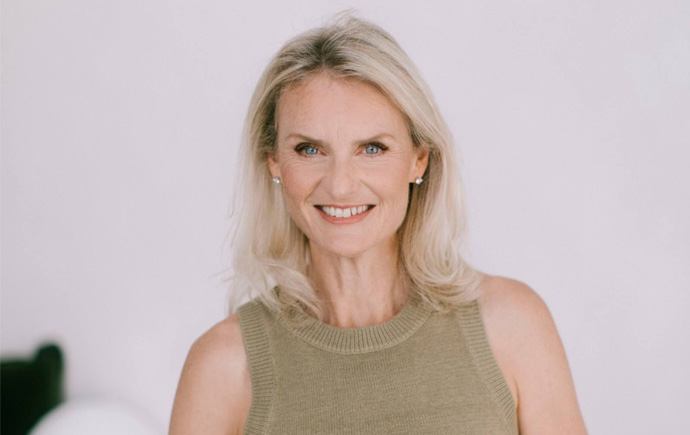
There’s been a significant shift in corporate education towards training programs where people talk and learn about leadership on a more personal level, says Elise Morris, Associate at Monash Corporate Education.
“Unless you've done the work on yourself, you can't possibly lead others as effectively as you could. Author Brené Brown has a great quote on that: ‘Who we are is how we lead,’” Ms Morris says.
Ms Morris is a positive psychology practitioner, speaker, facilitator, executive coach and disruptor of conventional leadership and people management practices.
Much of her work focuses on helping organisations thrive through wellbeing programs, positive leadership, behaviour and mindset change, and cultural transformation.
Ms Morris collaborates with the Monash Corporate Education team to engage with new and existing clients and deliver a variety of programs focused on leadership, wellbeing, and performance enhancement.
“We’re in our fourth or fifth year working with some organisations, and continue to have interest from new clients due to the Monash brand and the science behind it,” she says.
“It shows that’s what makes Corporate Education and Monash Business School stand out from the crowd, from their competitors - the progressiveness of their thinking and their quest to be disruptors in a positive way.”
Though her years of experience, Ms Morris has identified several key trends and challenges that often need to be addressed through corporate education:
Stress and burnout
“For many years, there’s been an ongoing conversation around wellbeing, performance, and leadership, but this took a distinct turn during the COVID-19 pandemic, emphasising the interplay between these three areas.
Although legislation in Australia now mandates the protection of employees' mental and psychological wellbeing in various ways, numerous organisations are still navigating the implications for their operations and seeking effective ways to address these employee needs,” she says.
Performance and wellbeing
Similar to employee stress and burnout, Ms Morris has observed the pandemic brought a shift in approach to the topic of performance and wellbeing.
“Traditionally, performance and wellbeing were seen as two separate constructs, with separate strategies for performance management and wellbeing initiatives. Now it’s been observed that there’s a strong relationship between the two; they’re not mutually exclusive. And organisations that integrate both into their operational fabric will achieve enhanced outcomes from their programs,” she says.
The fallout of COVID-19 has shone the spotlight on hybrid and flexible work arrangements, with the new trend of employers reinstating mandatory days in the office leading to tension and challenges between employers and employees.
Financial wellbeing
Ms Morris says financial wellbeing has been identified as a growth area that organisations are wanting to support their staff with.
“While most organisations have done a reasonable job at bringing in general wellbeing strategies and plans to support their teams, their execution of education on financial literacy/wellbeing has been underwhelming.
“We’re starting to see more organisations really wanting to help their staff build capability in this area, particularly in such a difficult economy.”
Humanistic leadership
Lastly, Ms Morris calls out the slow shift away from the transactional, industrialist age of leading to more humanistic leading, which is grounded in leaders being compassionate, ethical, reasonable, and strategic.
“We’ve been seeing that shift for a long time now, but humanistic leading hasn’t reached its tipping point yet and is still something that we're continuing to see evolve.
“Because of that, one-on-one coaching has also shifted in the last few years from something that was only needed for people needing remedial help to now being seen as a really strong, effective intervention to help people be the best versions of themselves,” she says.
With a strong background in executive level HR, behavioural change and positive psychology, Ms Morris helps 'people centred' organisations and individuals unlock latent potential and create opportunities to thrive and flourish. She is able to manage the commercial realities of organisations whilst driving deep human connections to facilitate positive change and extraordinary outcomes.
“My role is to help design a bespoke program, prepare the content and deliver it. From there I follow up to make sure outcomes were met and then work with the client on what they might need to address next - it’s a partnership in that context.
“What I’ve noticed with Monash Business School over the last 18 months is more of a consulting angle, which is less about throwing research at clients and saying this is the program we can offer, and more about demonstrating how everything we do is evidence based.
“It’s all housed in the science, and the science is only as good as your ability to apply it and be innovative and progressive in your approach.”