Explore the range of innovative research and software produced by the Embodied Visualisation.
This project aims to develop and prove a reusable framework to create actionable data for clinicians and external accreditors in support of quality care provision and continuous accreditation.
ADAPt 2 is a stepwise implementation trial at two trial health service sites: one with an Oracle Health EMR and the other with a different EMR, ideally Epic.
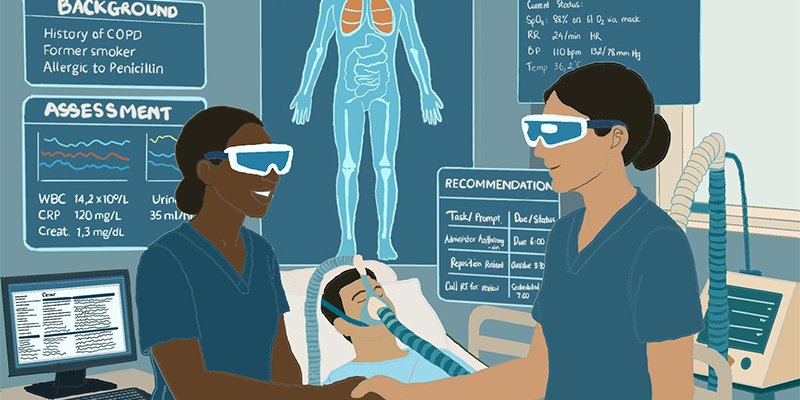
This research addresses the challenges in the nurse handover process in critical care settings by designing an integrated solution that leverages immersive and AI technologies.
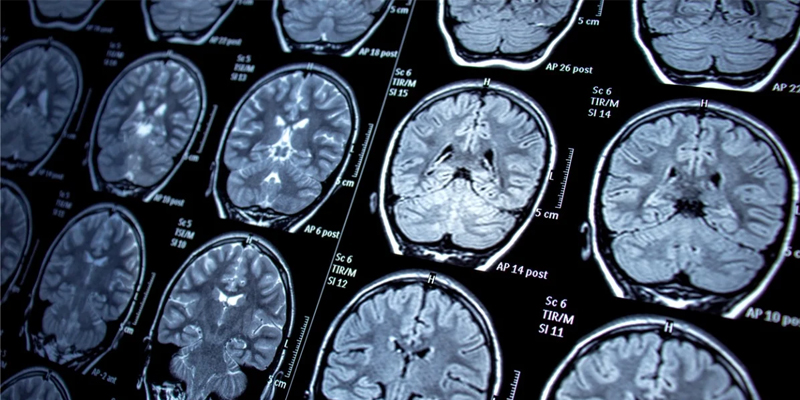
Due to their complex and heterogeneous nature, brain tumours pose significant challenges in diagnosis and treatment.
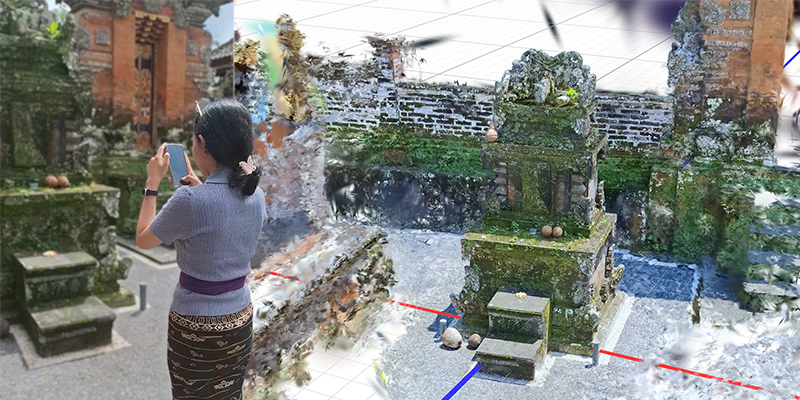
This project empowers Balinese communities to document their cultural heritage, particularly temples, for future generations.
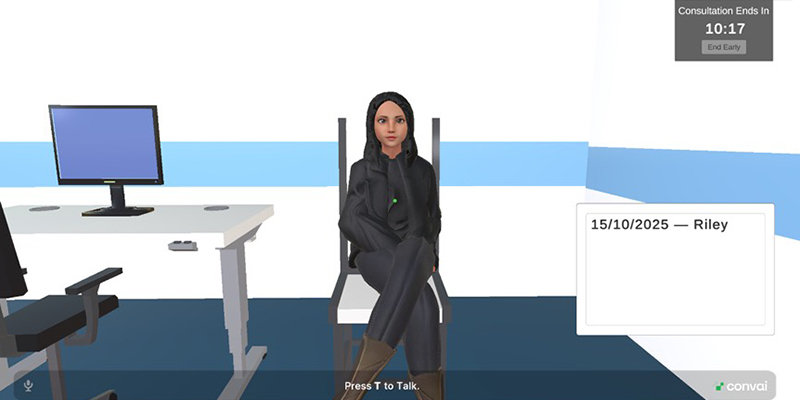
This project explores how conversational AI and virtual reality (VR) can enhance behavioural and communication training for undergraduate paramedic students.
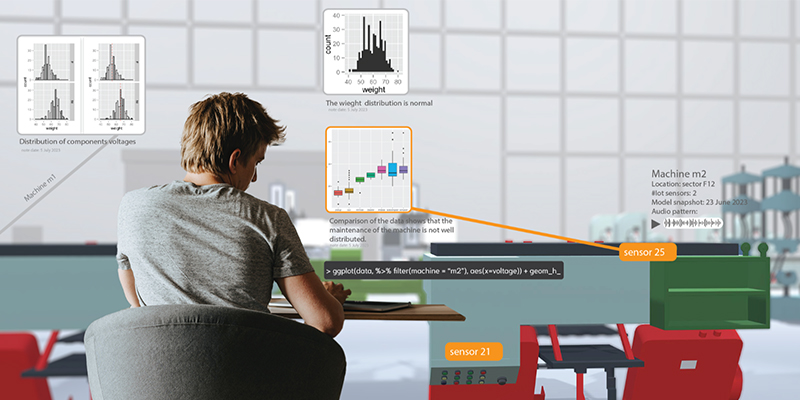
This project aims at supporting the work for Frontline Operators at production plant assets.
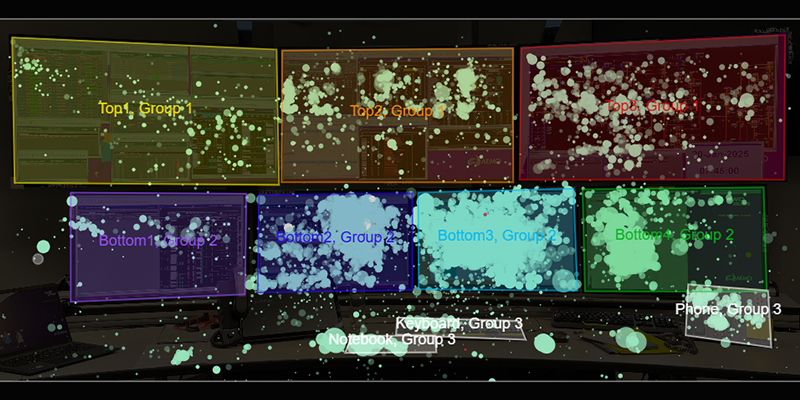
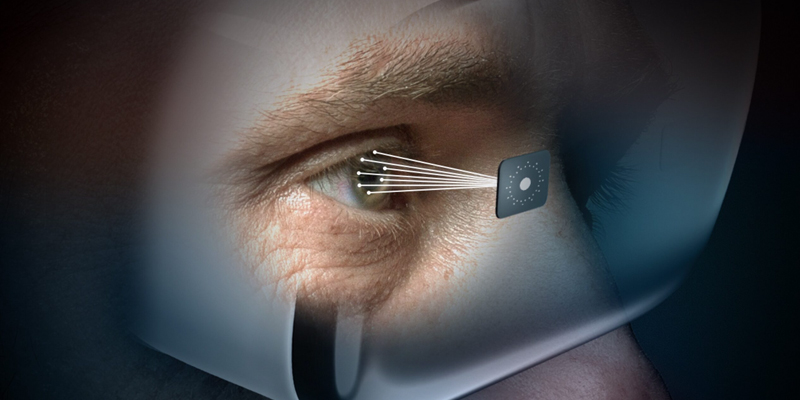
This project aims to build the energy control room of the future with AEMO and CSIRO—using eye-tracking (via GazeAlytics) to redesign operator displays and exploring XR next.
This project focuses on explainable GeoAI for renewable energy—co-designing and prototyping map-based interfaces that integrate LIME/SHAP to visualise uncertainty, bias, and trust in model recommendations.
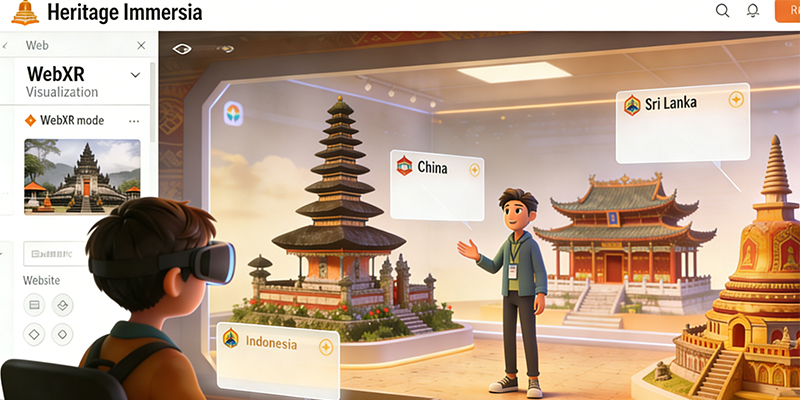
Heritage Immersia is a WebXR-based cultural heritage platform designed to introduce young audiences to world heritage sites through immersive and interactive virtual experiences.
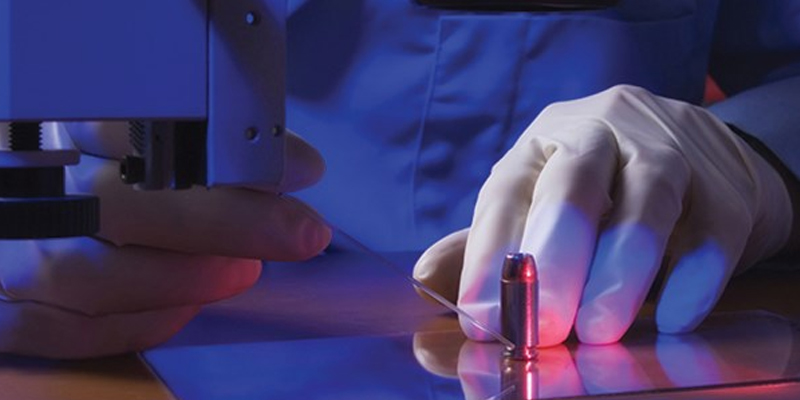
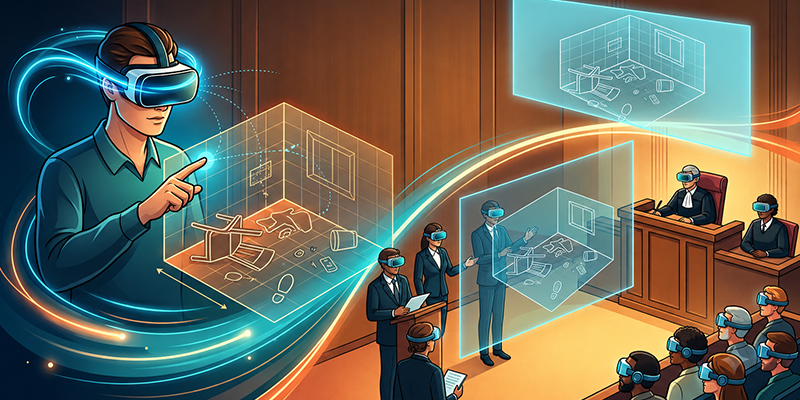
This project explores immersive analytics and spatial computing to enhance forensic pathology workflow—enabling experts to visualise and interpret complex medical imaging data in new, more intuitive ways.
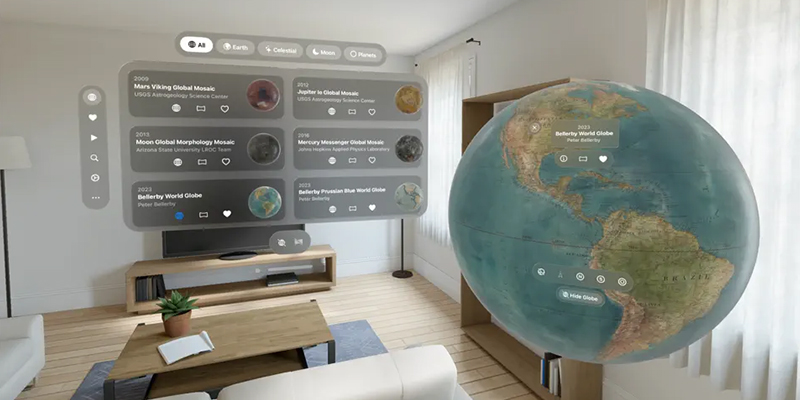
Monash University’s Embodied Visualisation group and Stanford’s David Rumsey Map Center are creating immersive mixed-reality experiences for historical globes.
This project leverages the integration of AI-based visual models into augmented reality (AR) to address fall-from-height (FFH) risks in high-rise construction.
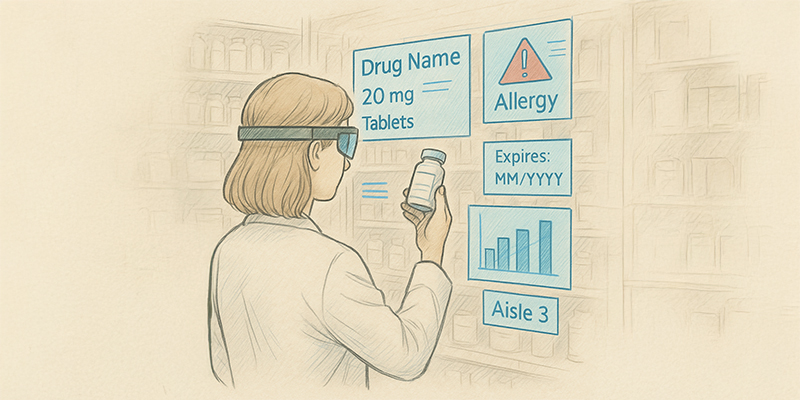
This project explores AR glasses to reduce pharmacists’ cognitive load by keeping critical medication information in-view. By minimising context switching, it aims to improve workflow efficiency and reduce the risk of medication errors.
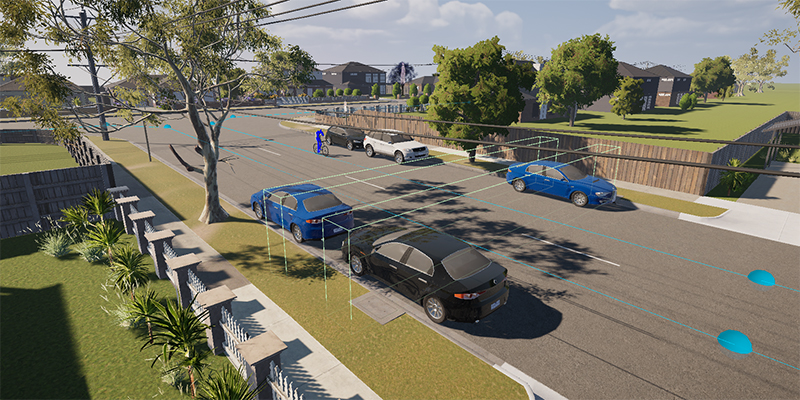
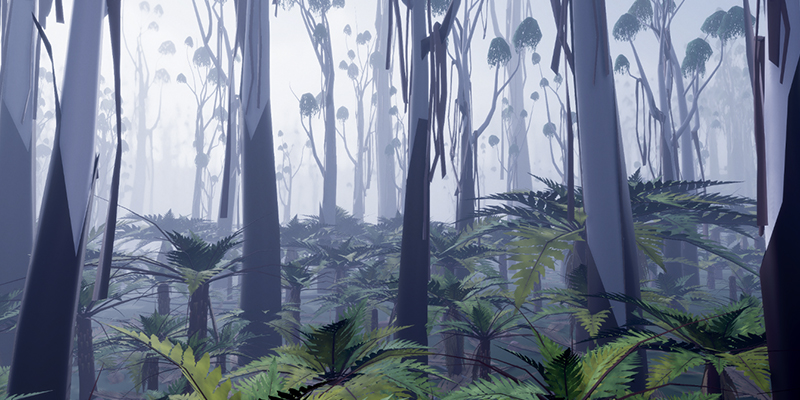
This project is developing virtual Melbourne street scenes for a VR bike simulator, using original 3D models that capture the distinctive character of suburban streets near Monash—architecture, roads, fencing, and vegetation.
This project designs and evaluates better visualisations for complex, changing networks. It combines human studies with ML/XAI to reveal patterns and predict key events in real-world domains.
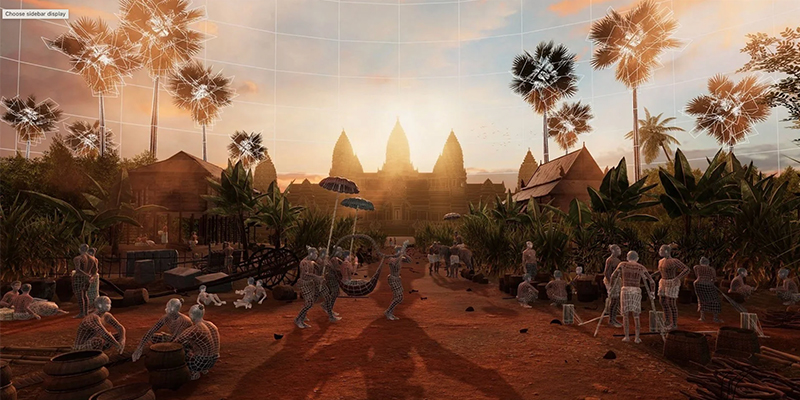
Using digital technologies, we have worked to translate maps of a modern-day ruin into a living, operational metropolis, replete with glittering temples, dense wooden settlements, and a fully animated populace.
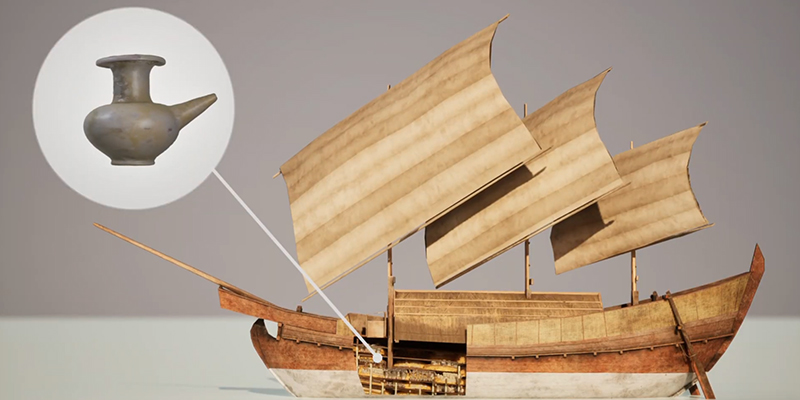
This project seeks to recreate 3D models of ships and their cargoes to support the ARC Linkage Project administered by Flinders University.
This project was supported by the ALTA Small Grants Scheme 2023, from the Australian Council of Deans of ICT (ACDICT).
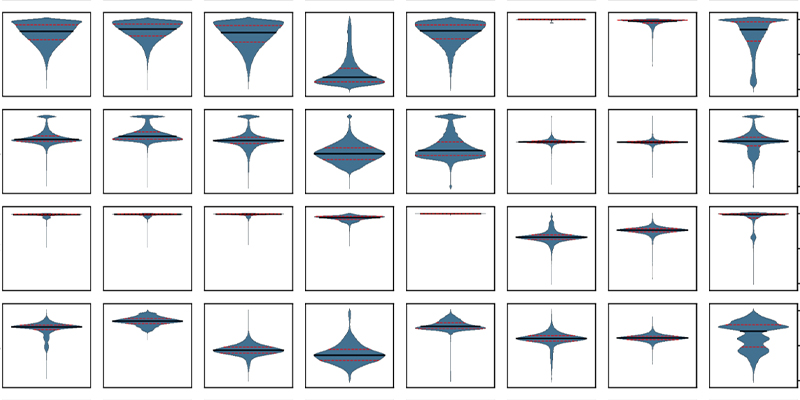
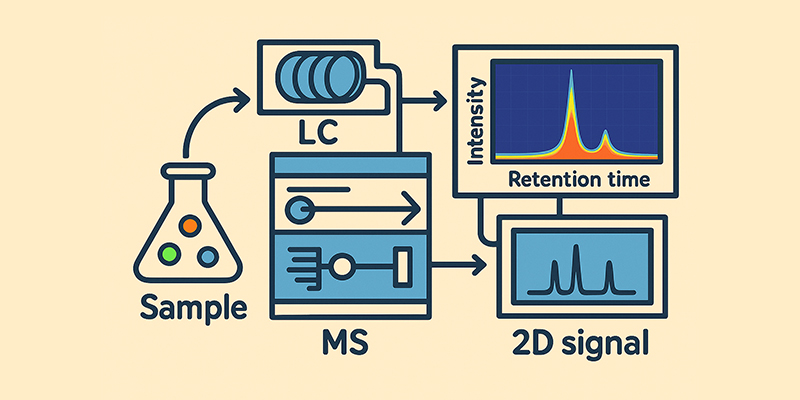
This project improves Trajan’s automated Hydrogen Deuterium Mass Spectrometry software by reducing peak-detection errors to enable more accurate and efficient protein analysis.
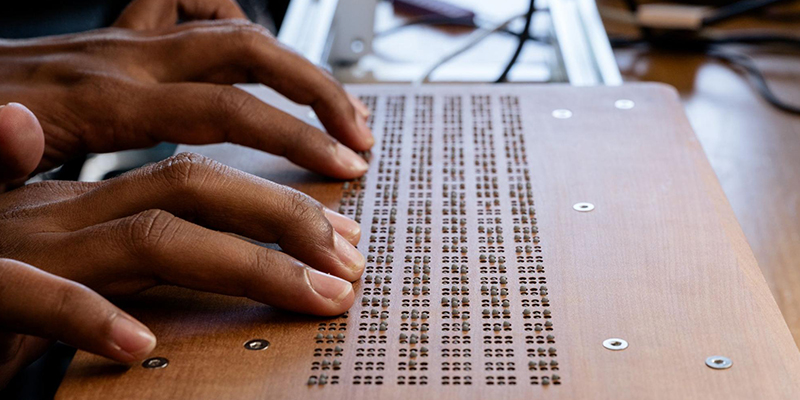
Magnepins is a low-cost refreshable braille and tactile display that can be entirely DIY fabricated in a well-equipped makerspace, using inexpensive off the shelf components such as fabric pins.
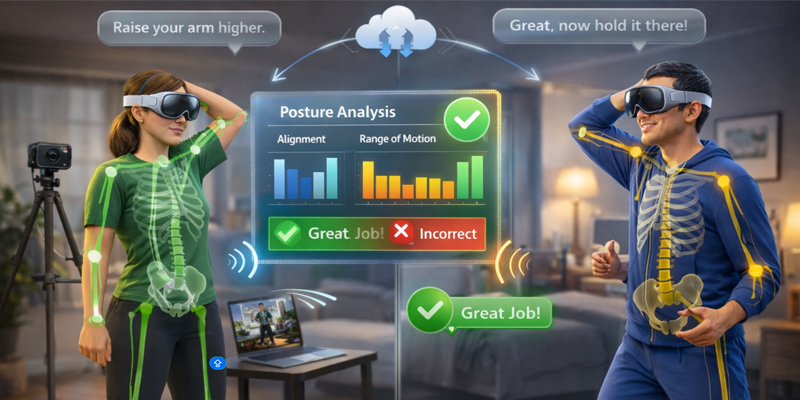
This project investigates a real-time motion-capture–driven Mixed Reality (MR) telepresence system for remote physiotherapy training and supervision.