Trust emerges as the next frontier in sustainable finance at Australia-Taiwan workshop
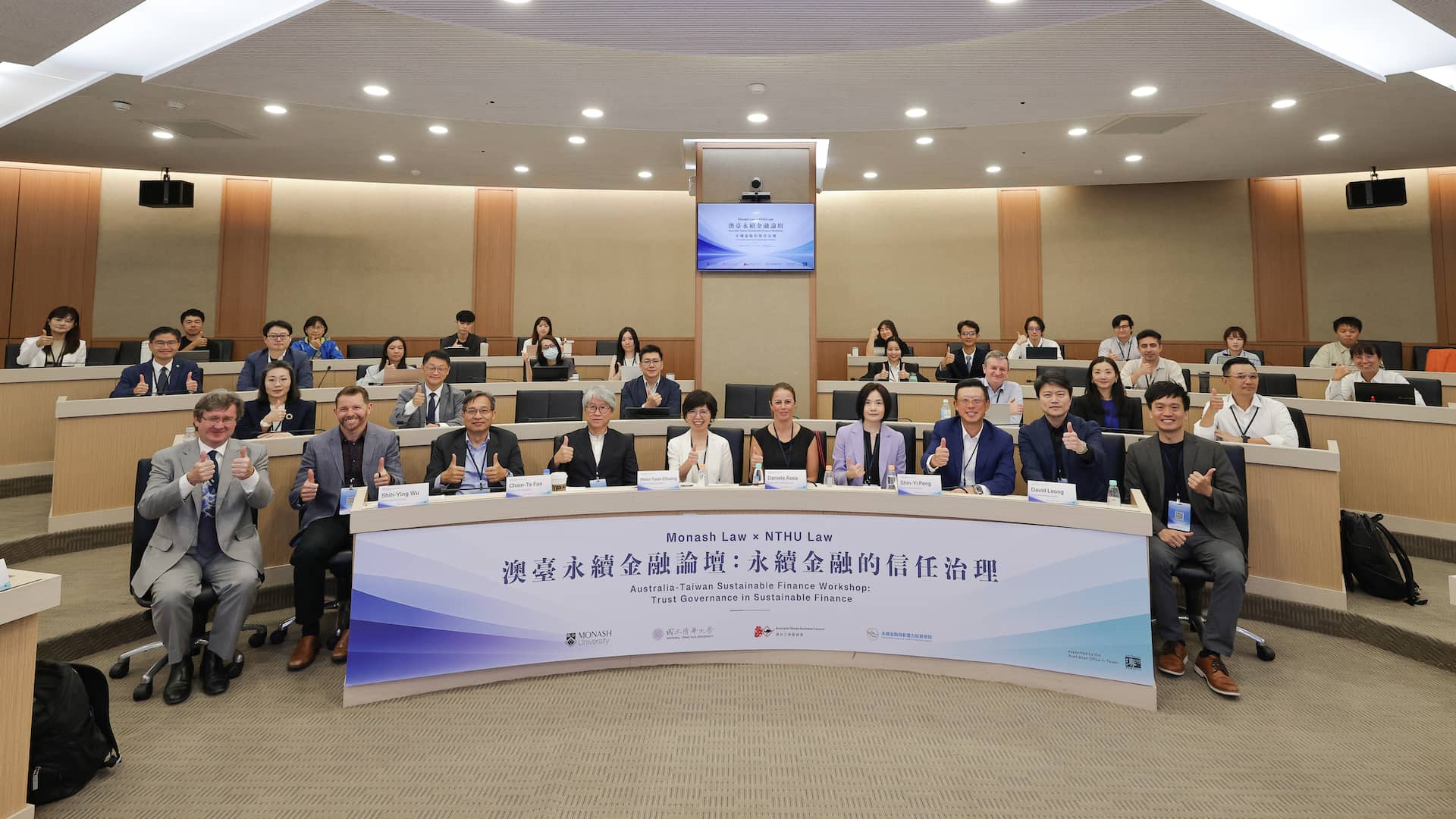
More than 50 experts from academia, industry, government and the legal profession recently gathered in Hsinchu, Taiwan, to explore a question that is becoming central to sustainable finance. How can markets trust the data, systems and institutions that underpin environmental, social and governance decision-making?
The Australia-Taiwan Sustainable Finance Workshop: Trust Governance in Sustainable Finance brought together researchers and practitioners from Australia and Taiwan to examine the future of trust in sustainable finance through three interconnected themes: artificial intelligence, supply chains and the energy transition.
The Australia–Taiwan Collaboration in Addressing Legal and Regulatory Challenges in Sustainable Finance, also known as ATLAS Finance, is a pioneering research initiative led by Monash University’s Faculty of Law. Supported by the National Foundation for Australia-China Relations and the Australian Office in Taipei, the project seeks to bridge legal systems and regulatory frameworks to advance sustainable finance across borders.
This fifth event in the ATLAS Finance series was hosted by Monash University, National Tsing Hua University, the Australia-Taiwan Business Council and the Sustainable Finance and Impact Investing Academy at the TSMC Building, National Tsing Hua University, Hsinchu.
Sustainable finance moving beyond disclosure
The consistent message that emerged throughout the day was that sustainable finance has entered a new phase.
According to workshop discussions, this field has already progressed through debates about disclosure requirements and sustainable finance taxonomies. The challenge now is ensuring that investors, regulators and the public can trust sustainability information and the systems used to produce it. Participants repeatedly returned to the idea that trust is not simply a social value but an essential part of modern economic infrastructure.
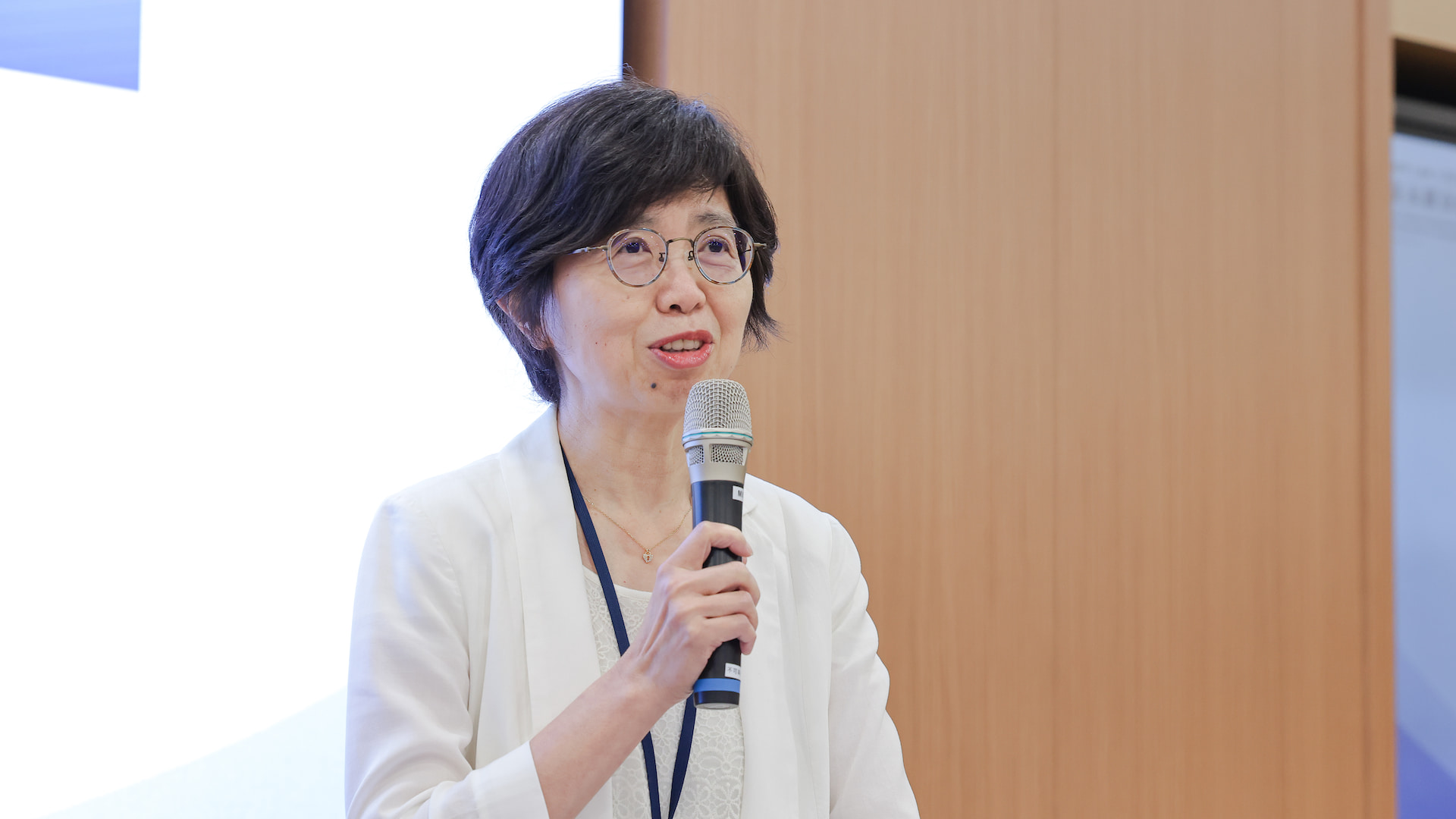
In opening remarks, Hsou-Yuan Chuang, Vice Chairperson of Taiwan's Financial Supervisory Commission, described trust as the foundation of the financial system and underscored that sustainable finance depends on an even deeper level of trust. They explained that as artificial intelligence and digital technologies become embedded in finance, international cooperation will be increasingly important because governance and cybersecurity challenges do not stop at national borders.
Associate Professor Cheng-Yun Tsang, ATLAS project lead from Monash University, framed the workshop around the simple proposition that sustainable finance cannot function without credibility, trust and transparency. Discussions throughout the day explored how legal frameworks, governance systems and technological innovation can help build that trust.
Australia and Taiwan's complementary strengths
A major theme of the workshop was the complementary nature of the Australia-Taiwan relationship.
Participants highlighted Australia's strengths in land, renewable energy potential, critical minerals and sustainable finance frameworks, alongside Taiwan's expertise in advanced manufacturing, semiconductors and rapidly evolving sustainability disclosure systems. Together, these capabilities create opportunities for deeper collaboration on sustainable finance governance.
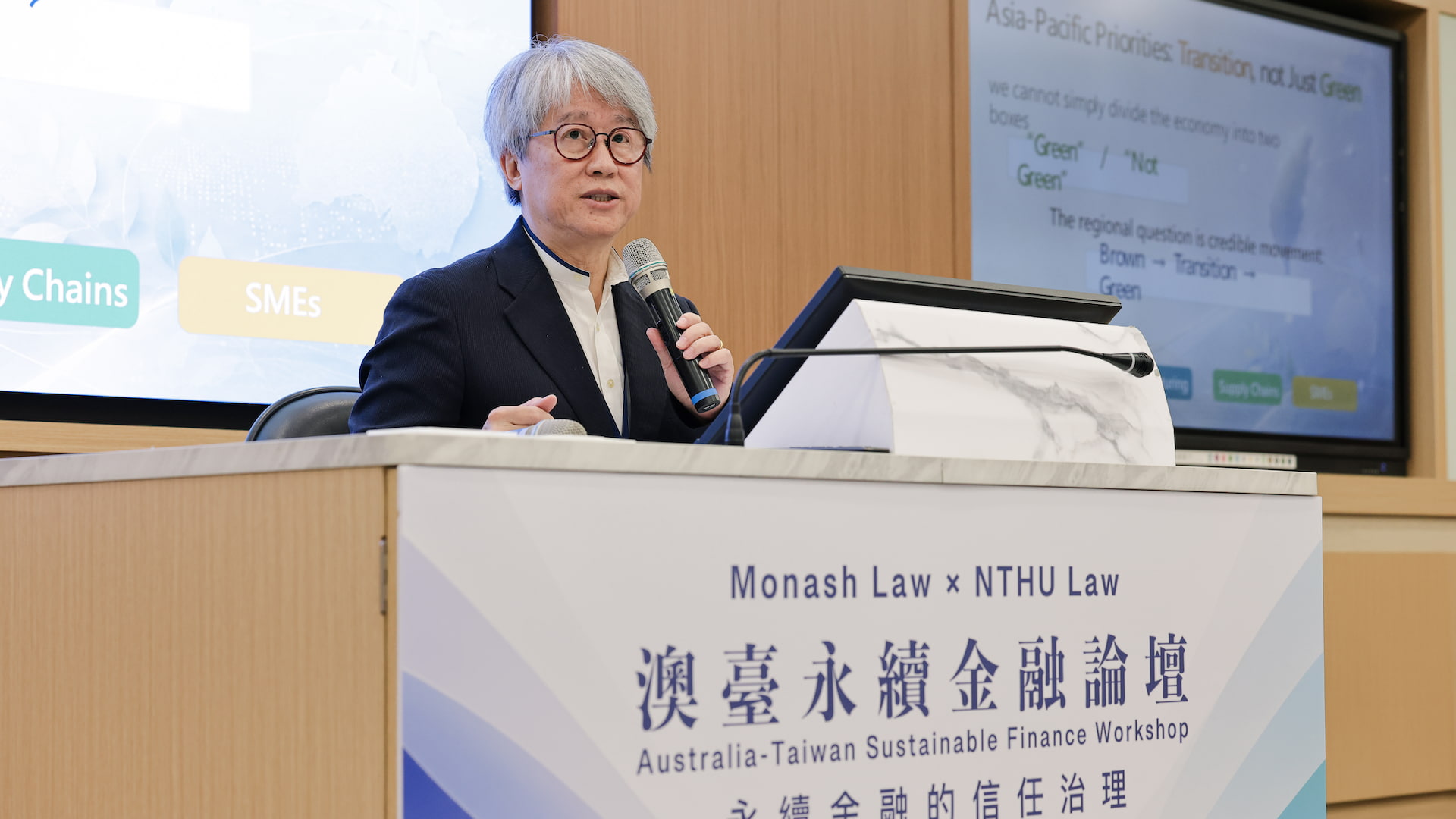
In the opening keynote, Professor Chien-Te Fan, Dean of the College of Sustainability at National Tsing Hua University (NTHU), argued that the, "scarce asset is no longer ESG data itself — it is trustworthy, decision-useful ESG data".
He identified three critical trust gaps facing Taiwan and the broader region as data trust, technology trust and transition trust.
Professor Fan proposed a four-part "infrastructure of trust" consisting of standards, data infrastructure, assurance mechanisms and credible transition pathways. He also outlined several areas for future Australia-Taiwan collaboration, including trusted carbon-data corridors, AI-enabled sustainability assurance, taxonomy interoperability and clean-energy finance.
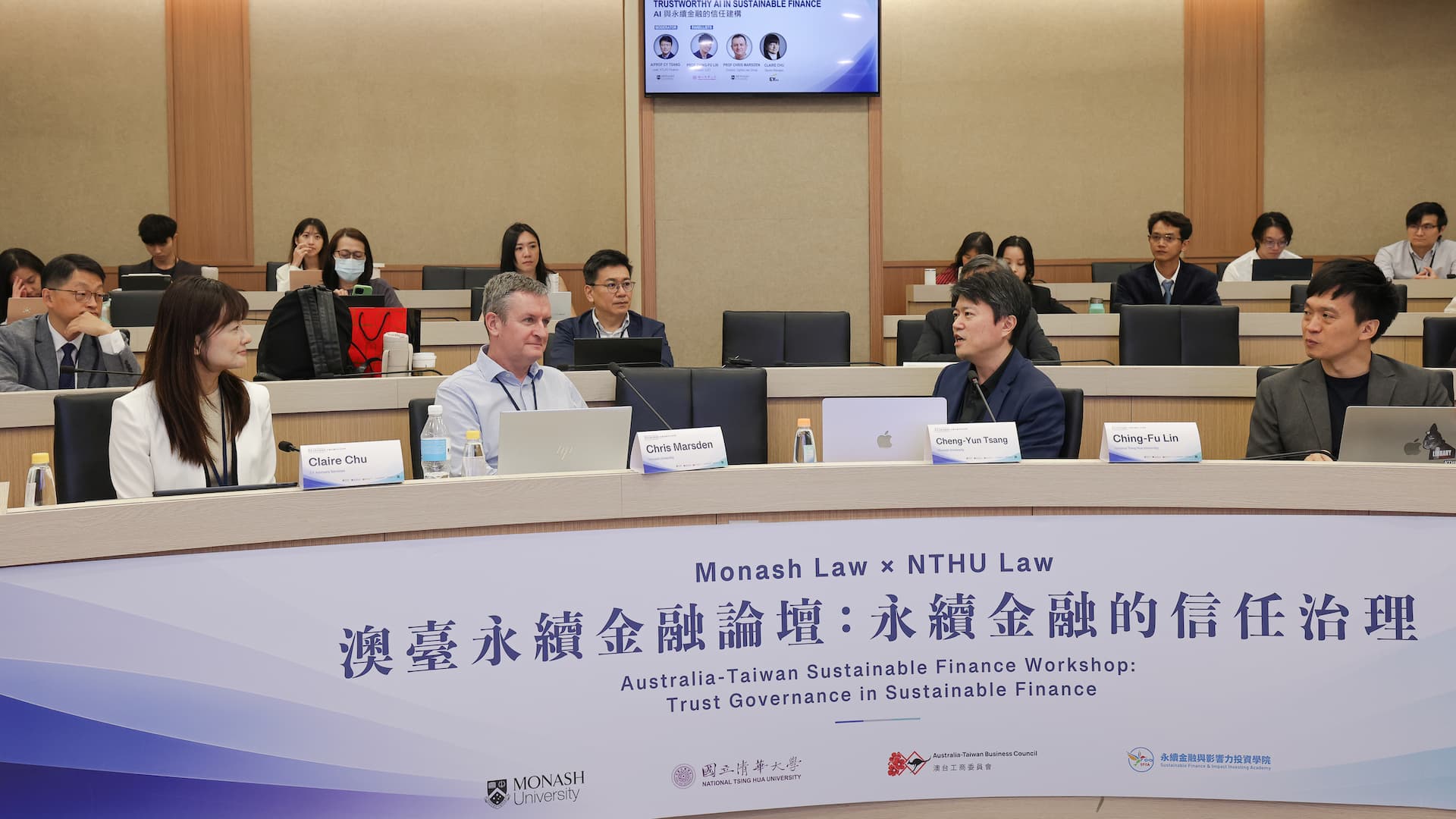
Can artificial intelligence strengthen trust in sustainable finance?
The workshop's first panel examined the opportunities and risks presented by artificial intelligence in sustainable finance.
Speakers explored how AI systems are increasingly capable of analysing sustainability disclosures, identifying inconsistencies and assisting with compliance processes. At the same time, they warned that AI introduces new governance challenges linked to data quality, transparency, explainability and accountability.
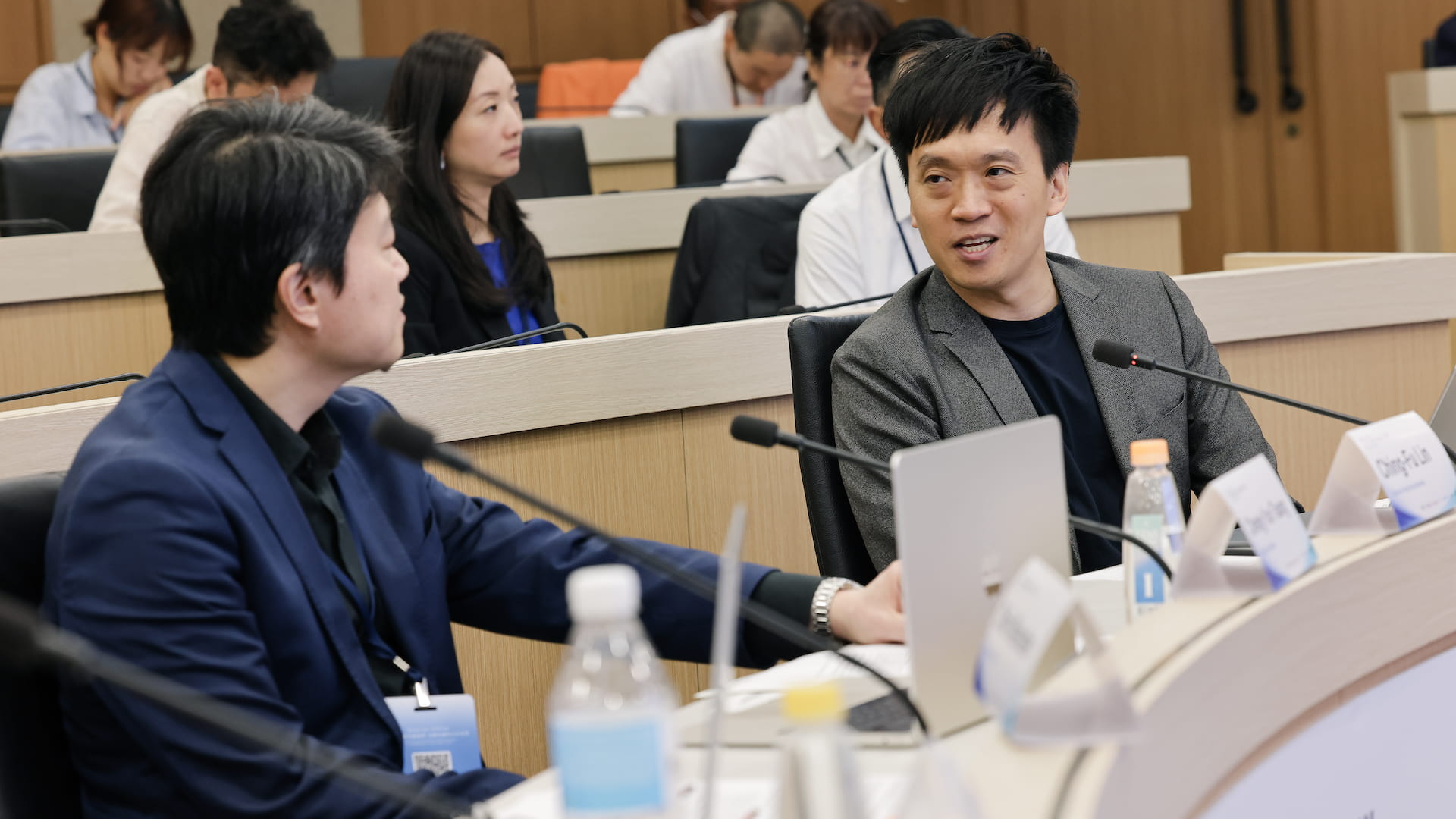
Professor Ching-Fu Lin, Director, NTHU Institute of Law for Science and Technology, argued that AI reshapes the supply side of trust by processing disclosures at scale, while also creating risks associated with opaque models and automation bias. He suggested that existing concepts such as due diligence and reasonable basis remain flexible enough to adapt to emerging technologies.
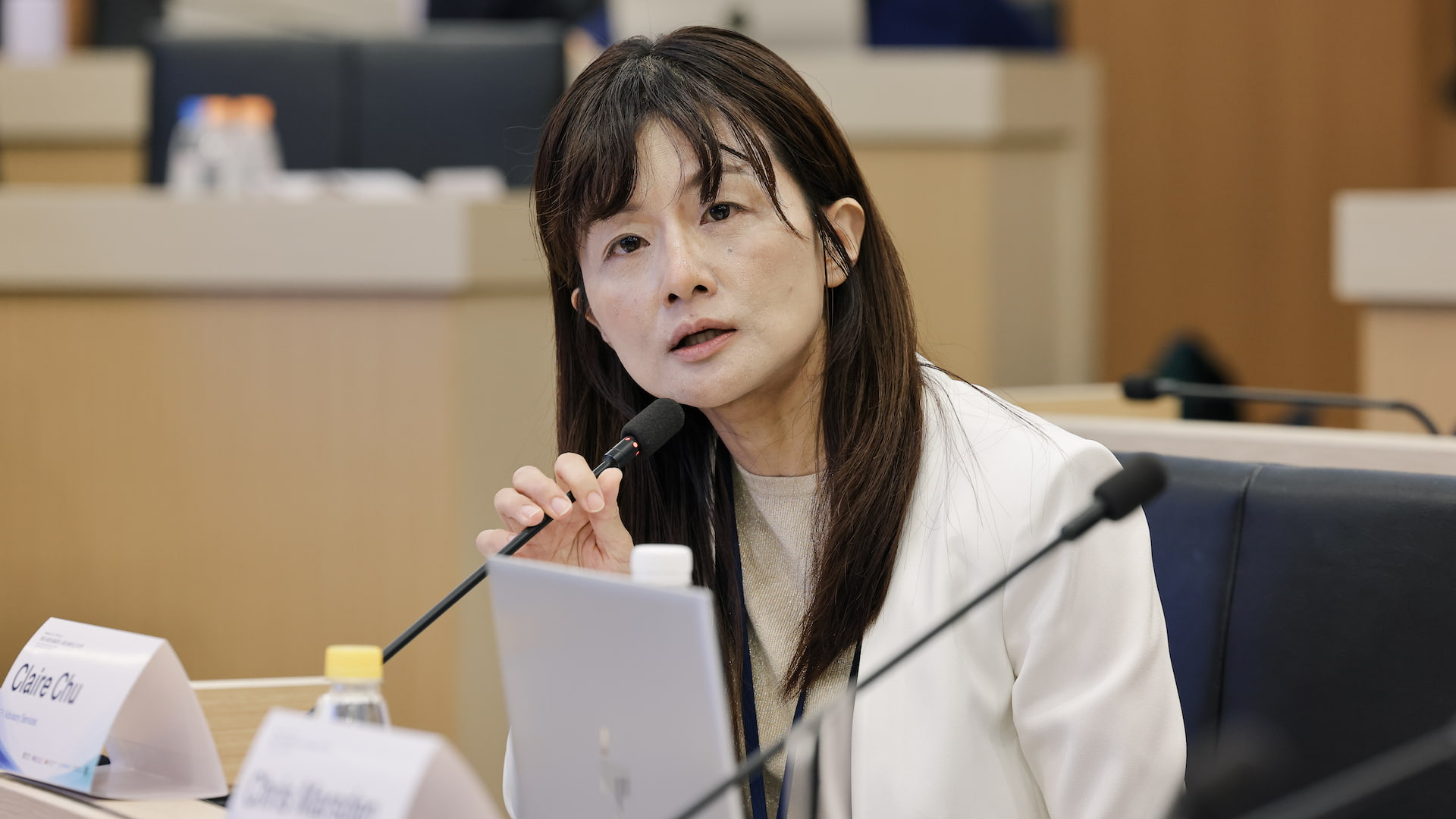
Claire Chu, Senior Manager, EY Advisory Services, drawing on more than two decades of experience in banking and digital governance, observed that trust in finance has always been grounded in evidence rather than intuition.
"In finance, trust has never been a feeling — it's evidence: a signature, the loan officer's stamp, the regulator's licence," she told participants.
Panel discussions also examined the differing approaches being taken by Australia, Taiwan and the European Union to AI regulation, raising questions about future governance obligations for financial institutions and corporate boards.
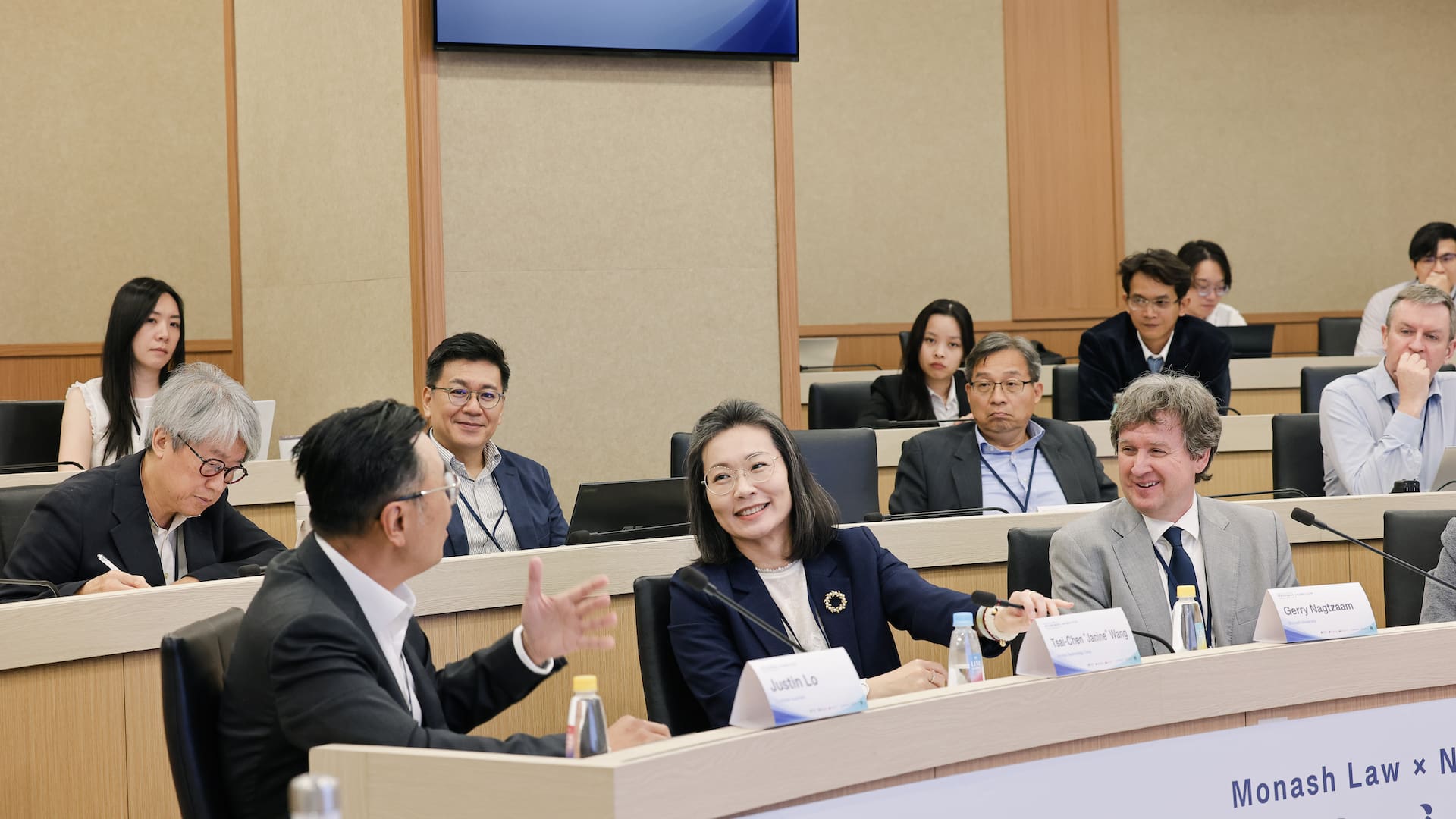
Building trust across sustainable supply chains
The second panel focused on the growing complexity of sustainable supply chain governance, particularly within globally significant semiconductor and electronics industries.
Participants considered how Australia's phased introduction of Scope 3 emissions disclosure requirements may affect Taiwanese businesses embedded in global supply chains. Several speakers called for a bilateral system that would allow sustainability data collected in one jurisdiction to be more readily recognised in the other.
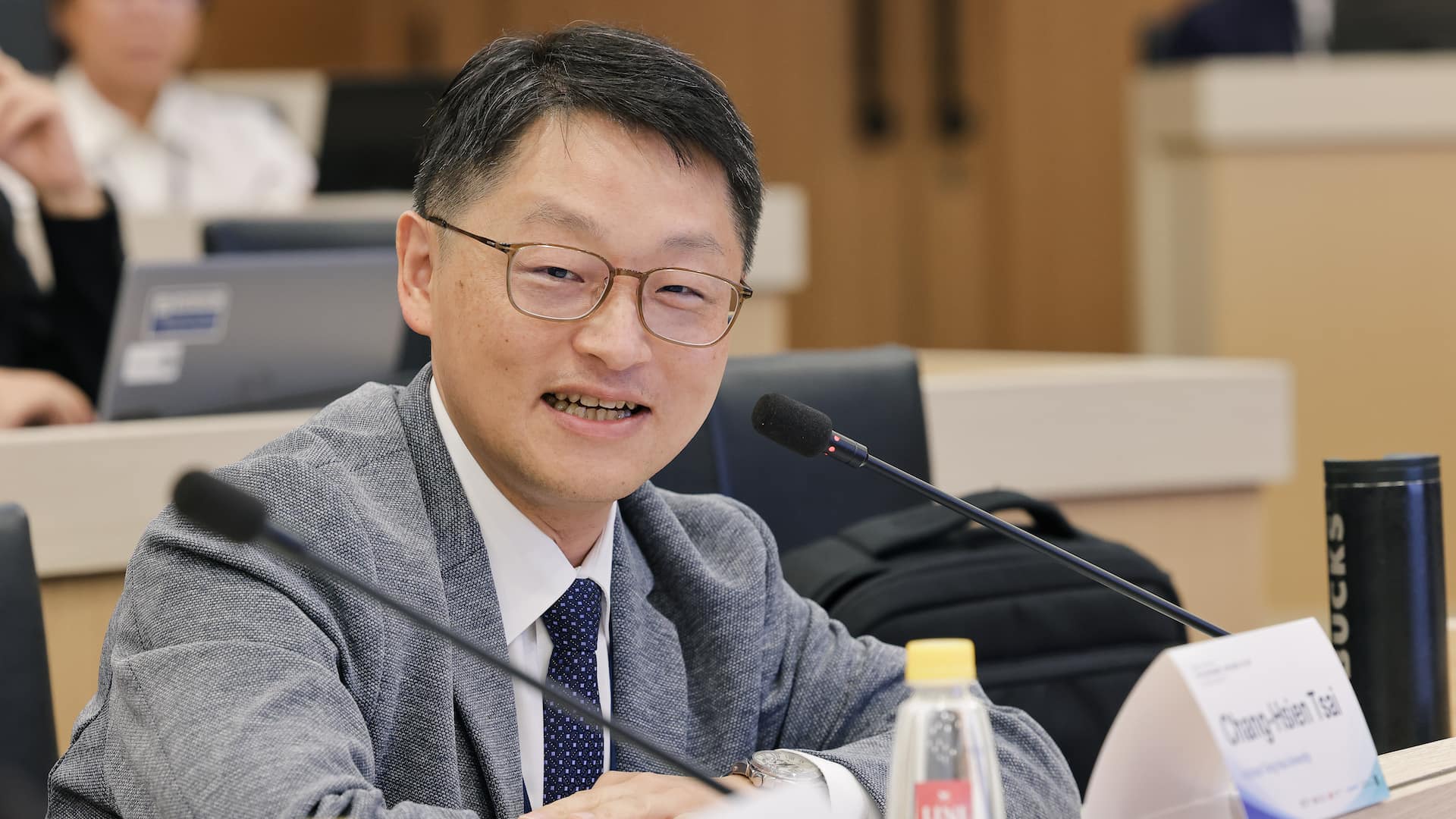
Professor Chang-Hsien Tsai, NTHU Institute of Law for Science and Technology, argued that Taiwan's internationally recognised semiconductor sector must increasingly become a "trust shield" as well as a "silicon shield". He outlined a "triple-anchor" model combining technological verification tools, aligned reporting standards and clear accountability mechanisms.
The panel also addressed concerns around audit fatigue, particularly for smaller businesses facing growing reporting obligations. Speakers emphasised the need to balance robust assurance standards with practical pathways that allow businesses to participate in sustainable finance markets without excessive compliance burdens.
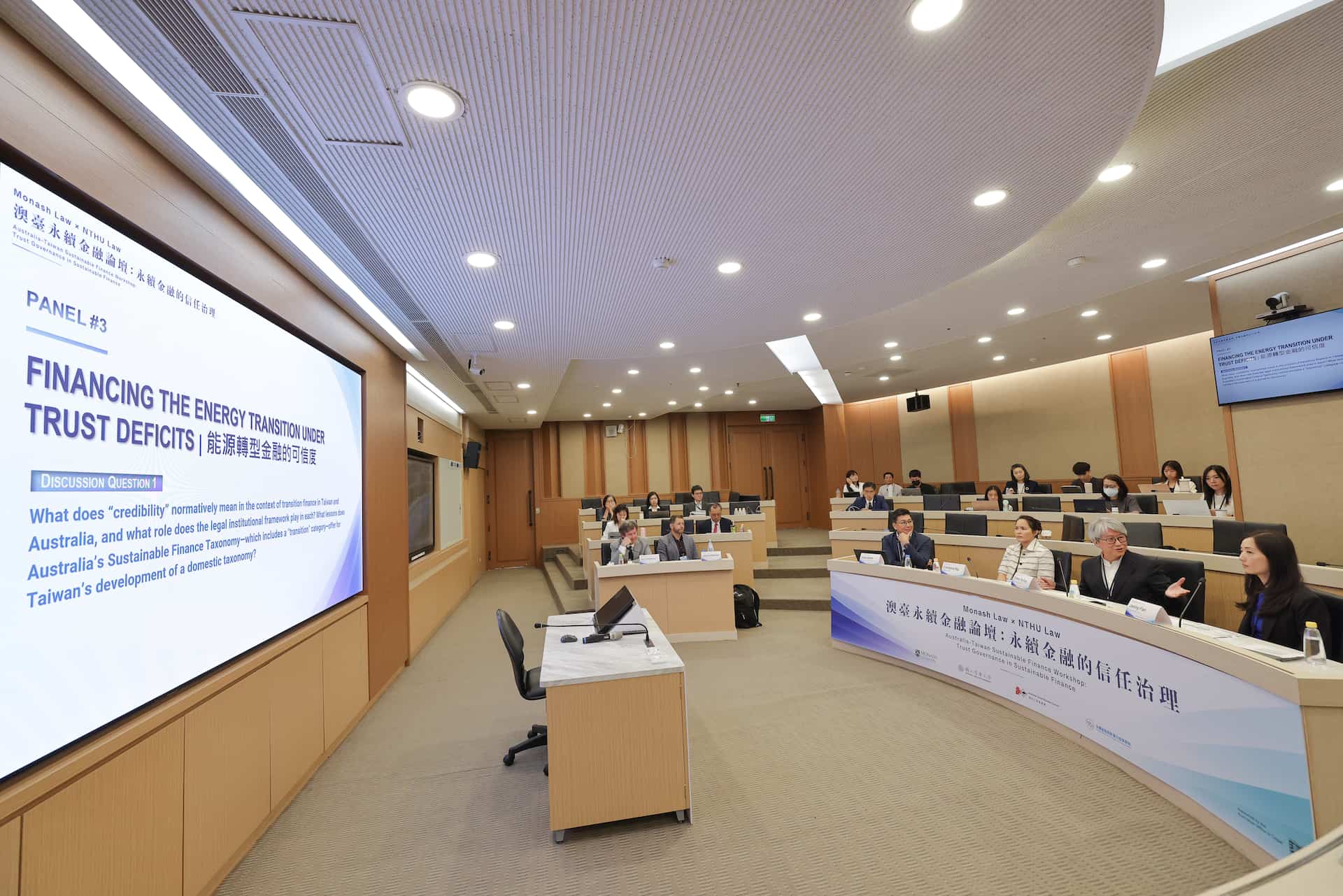
Financing a credible energy transition under trust deficits
The final panel explored one of the most challenging questions in sustainable finance: how to fund energy transition projects when confidence in markets, technologies or policy settings is uncertain.
Discussions focused on the difference between genuinely credible transition strategies and what participants described as "transition washing". Speakers examined how financial institutions, regulators and governments can distinguish between projects that are likely to deliver meaningful emissions reductions and those that simply adopt sustainable branding.
Participants also highlighted the rising energy demands associated with artificial intelligence, data centres and advanced manufacturing. As these sectors expand, ensuring that electricity systems can support decarbonisation goals will become an increasingly important consideration for sustainable finance frameworks.
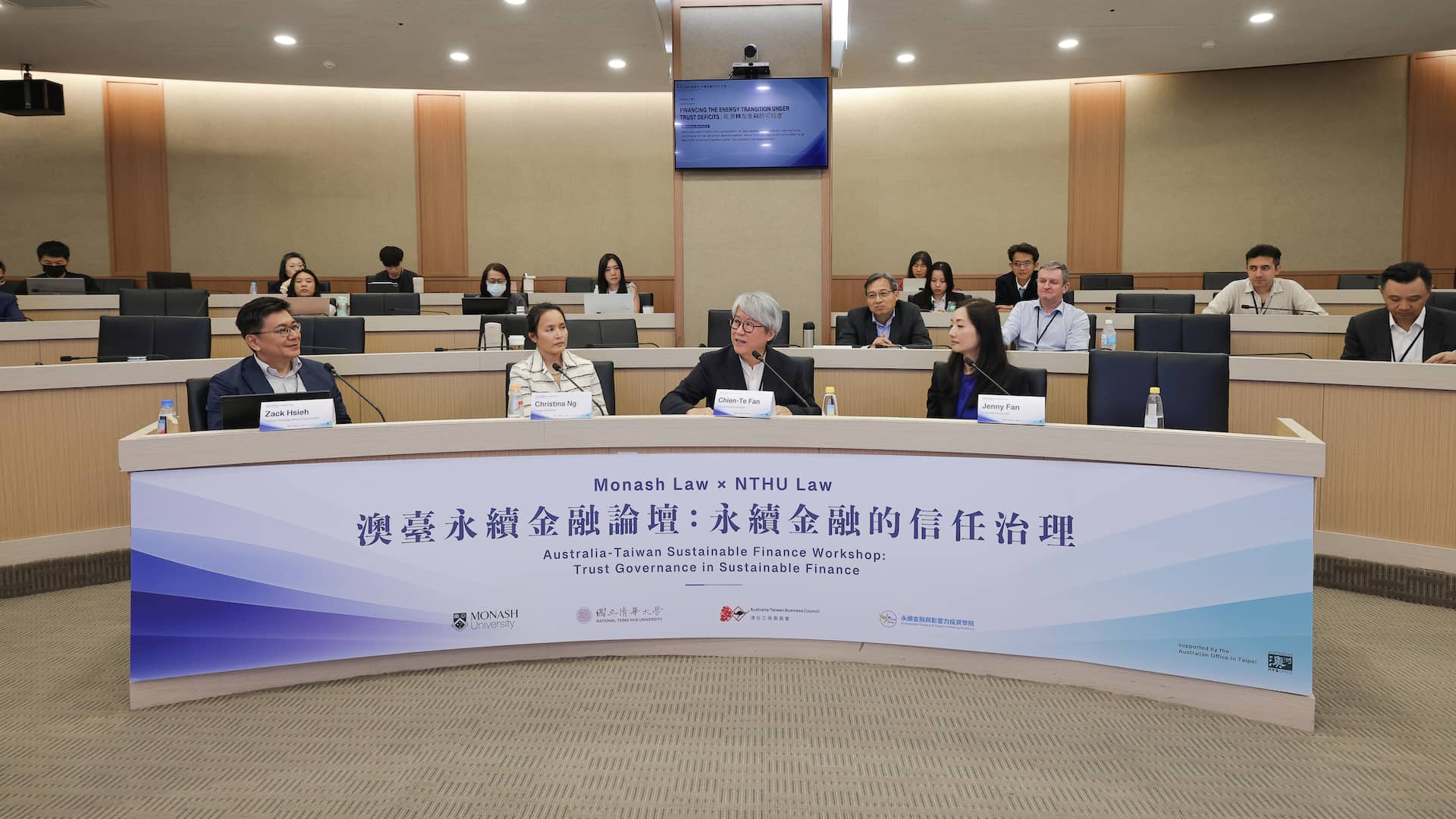
Trust as economic infrastructure in sustainable finance
The workshop's strongest conclusion was that trust should be viewed as a practical foundation of sustainable finance rather than an abstract principle. Across discussions on AI governance, carbon disclosures, energy transition finance and cross-border regulation, participants returned to the same insight: sustainable finance depends on systems that can be verified, scrutinised and trusted.
As Professor Fan argued in his keynote, "Trust is not a soft value. Trust is economic infrastructure." Without trust, sustainability disclosures risk becoming noise. With trust, transition pathways become credible enough to attract capital and support real-world change.
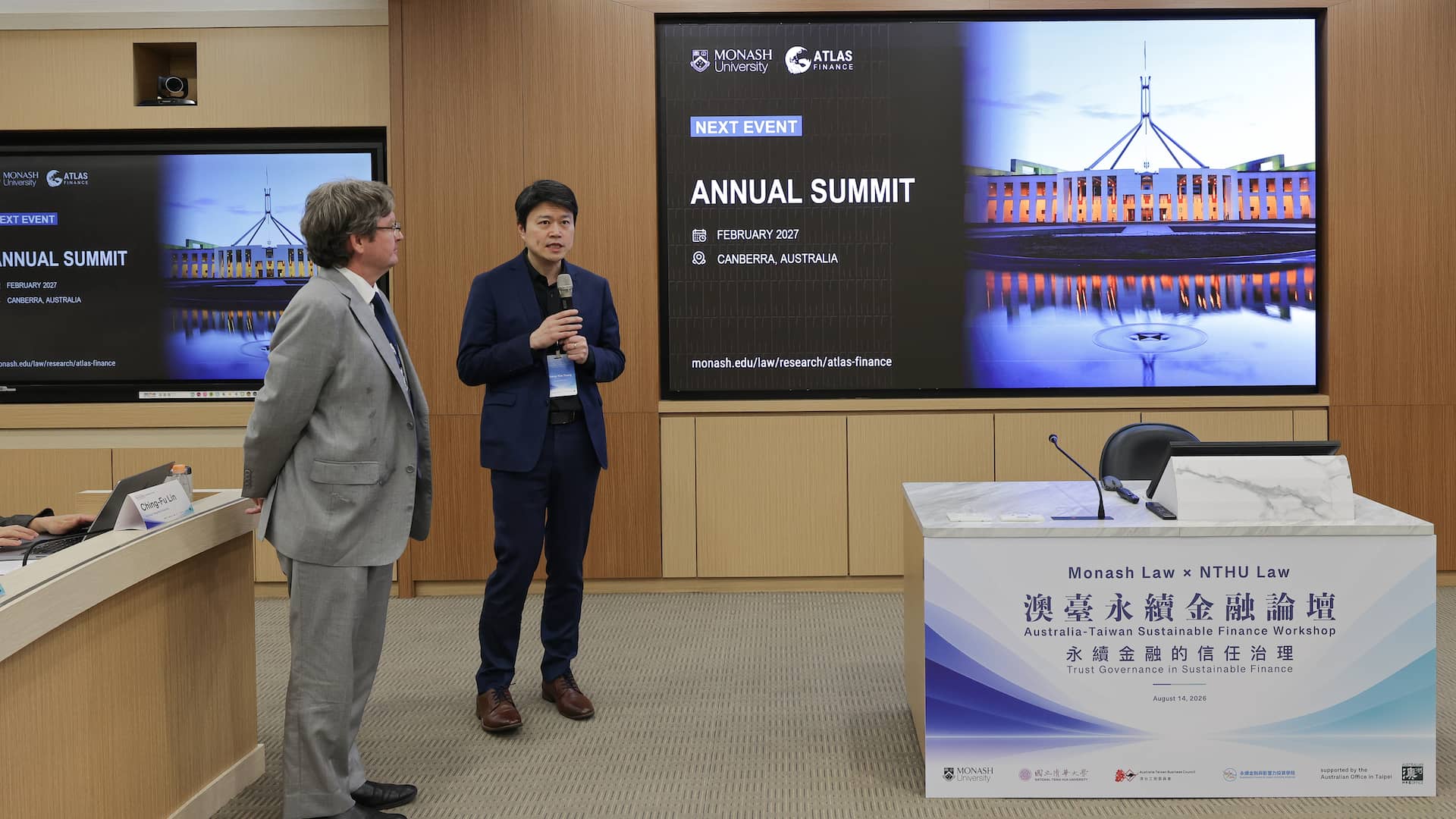
The Hsinchu workshop represented the fifth major event in the ATLAS-Finance initiative and forms part of a broader Australia-Taiwan research collaboration examining the legal and regulatory challenges of sustainable finance. This series will conclude with a summit in Canberra in February 2027.
l