Circular Economy Textiles
Circular Economy Textiles
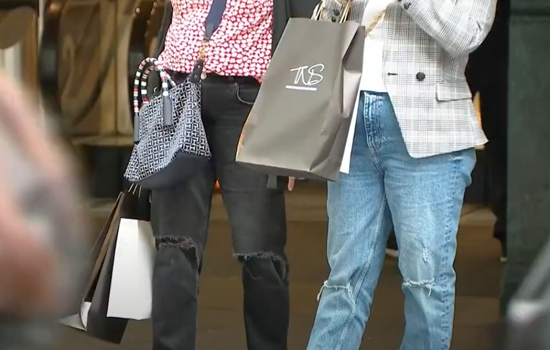
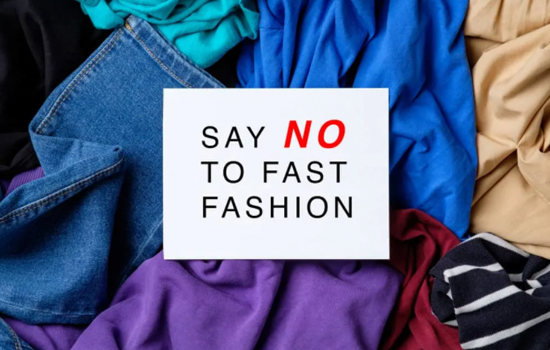
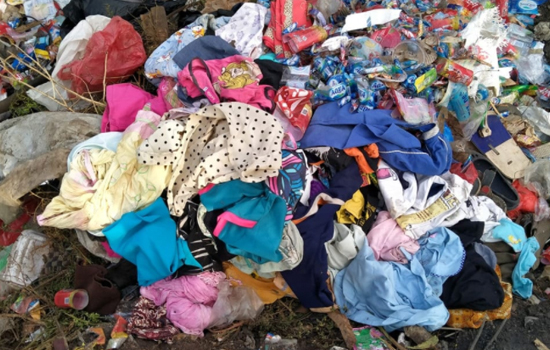
Fashion touches everyone’s lives and is an important contributor to the economy and our creativity and sense-of-self. However, the way we produce and consume fashion and textiles can cause immense damage to the health of our people and our environment. A system that generates over 6000 kg of clothing and textile waste every ten minutes in Australia is a system that we think needs changing.
RELATED SDGs



About this program
Our Circular Economy Textiles team is examining what can be done to transition the Australian fashion and textiles industry to a circular mode of production and consumption - a model where there is no waste. We’re working with fashion designers, manufacturers, retailers, recyclers and governments to identify and help make a series of changes to the system. This includes ensuring clothing and textiles are made from renewable and regenerative materials and keeping them in use at their highest value for the longest period of time.
We’ve mapped the views of industry on transitioning to a circular approach in Australia, and analysed the gaps between what industry is saying it needs and current government policy. And we’ve worked closely with the Victorian Department of Environment, Land, Water and Planning and the Australian Fashion Council to translate our research to impact on the ground (specifically the Recycling Victoria Policy prioritising textiles).
Now we’re working to drive change across the entire system.
Textiles: A transitions report for Australia
Identifying pathways to future proof the Australian fashion and textile industry
Australia urgently needs to reduce its sizeable fashion global footprint and its impact on planetary and human health. This new report shares pathways for the Australian government and fashion industry stakeholders to collaborate and demonstrate global leadership by prioritising planetary and human health. Developed by MSDI’s Circular Economy Textiles team, the report is the culmination of four years of research in the Australian textiles and fashion space. It takes a systems transformation approach – using an evidence-informed framework to detail a set of practical pathways towards achieving the United Nations 2030 Agenda for sustainable development.
Circular Stories Working Group
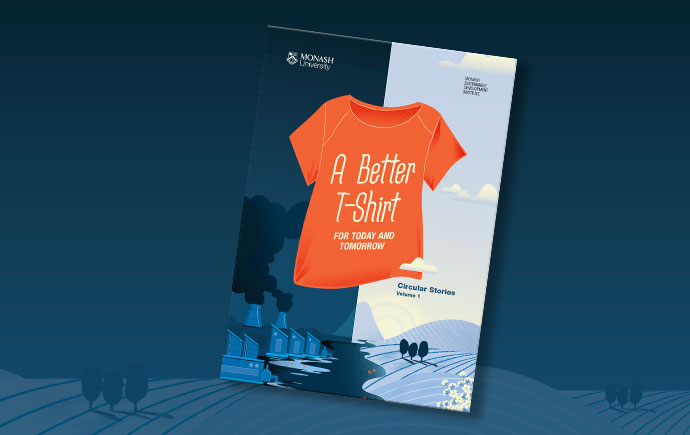
We believe that many producers, retailers, marketers and consumers in Australia are faced with a knowledge gap about how to take up an alternate, better way to make, shop and use clothing and textiles. So we’ve convened the Circular Stories Working Group: a collective of designers, distributors, re-users, recyclers and researchers who are committed to raising awareness of what a circular textiles approach means in the Australian context.
We launched our first Guide in 2021, focused on a circular T-Shirt.
Learn more and download the Circular T-Shirt Guide here.
Foundational research
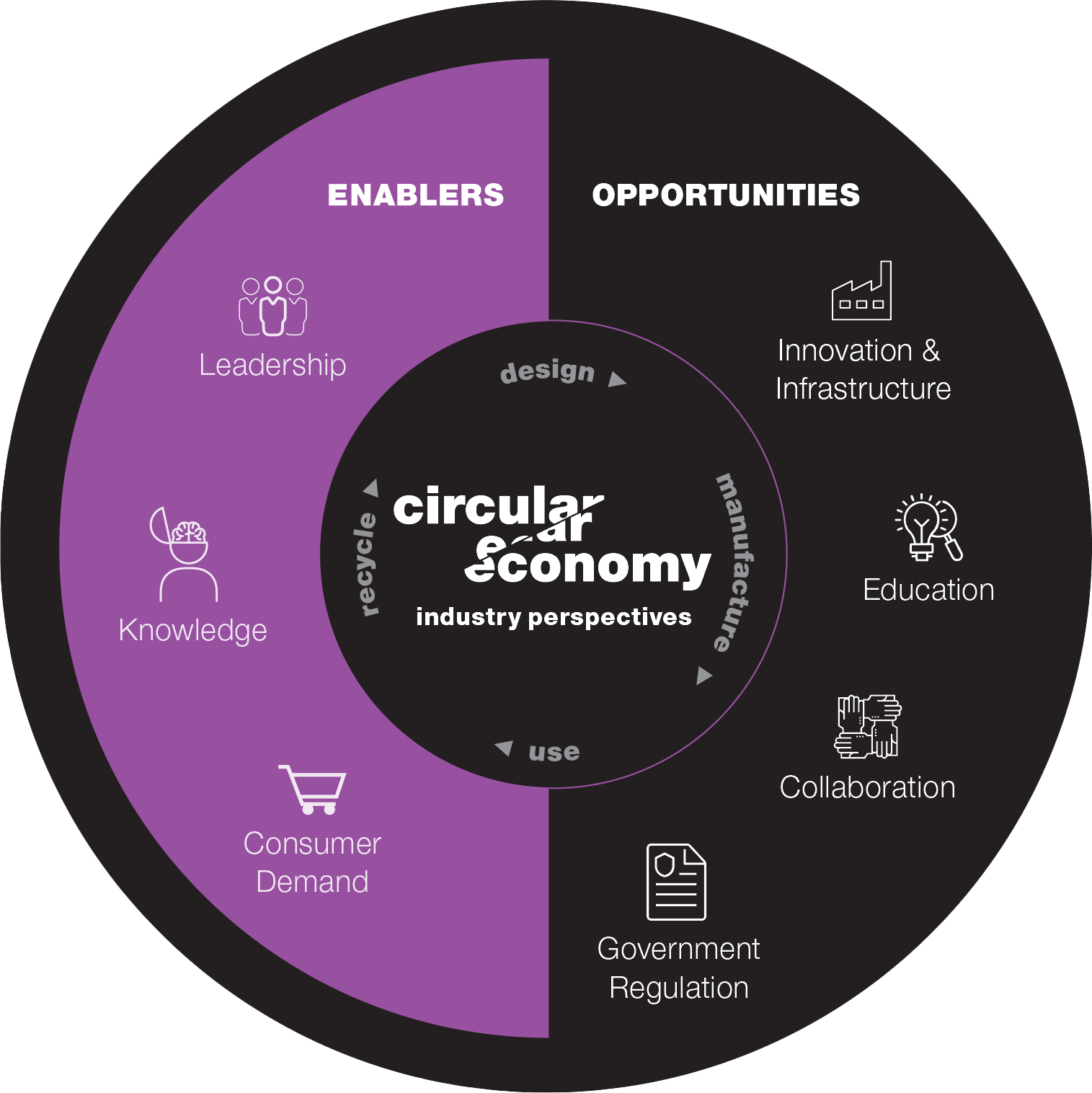
MSDI in partnership with the Australian Fashion Council (AFC) – with funding from the Department of Environment, Land, Water and Planning (DELWP) – interviewed large manufacturers, retail organisations and small to medium enterprises (SMEs) to investigate the appetite to adopt circular economy principles, and to identify what may be needed to support a transition. Our report helps businesses and organisations in textiles, clothing and footwear, and policymakers to better understand the transition to a circular textiles economy model.
The study investigated sector insights in three areas: the encapsulation of sustainability and circular economy by the Australian Textile, Clothing and Footwear (TCF) industry; current priority for sustainable and/or circular economy initiatives including enablers and barriers; and potential opportunities (that may or may not already exist) which could assist or facilitate the Australian TCF industry to transition to a circular economy model. This report presents a summary of findings from the interviews.
Read the report: Transitioning to a circular textile economy in Australia