Genetically modified and transgenic organisms
Genetically modified organisms (GMOs) are organisms whose genetic material has been altered in some way, such as by turning off or modifying their own genes, while transgenic organisms specifically involve the introduction of foreign genes from another species into their genome.
Genetically Modified Organisms
Genetically modified organisms (GMOs) have their genome altered in some way. In this process, no foreign DNA is introduced into the organism. This type of genetic modification is often done using techniques like gene silencing, gene editing (such as with CRISPR), or gene duplication.
This can be by:
- turning off a gene
- duplicating a gene, or
- modifying a gene.
Example 1 - Flavr Savr tomatoes
These tomatoes were the first commercially grown genetically modified tomatoes, developed to have a longer shelf life by delaying the ripening process.
Scientists were able to turn off the gene responsible for producing the enzyme polygalacturonase (PG), which breaks down pectin and causes the tomato to soften. By modifying this gene, they were able to block its normal expression.
The Flavr Savr tomato stayed firmer for longer, reducing spoilage and waste during transport and in stores. It also extended the tomato’s shelf life without introducing foreign DNA from other species .

Example 2 - Non-Browning Apples (Arctic Apples):
Arctic Apples are genetically modified to resist browning when cut or bruised. In these apples, the gene responsible for producing the enzyme polyphenol oxidase (PPO), which causes browning, has been turned off. This modification prevents the PPO gene from being expressed.
These apples stay fresher for longer, reducing waste and making them more appealing for consumption.

Transgenic Organisms
Transgenic organisms are organisms that have been genetically modified to contain DNA from a different species , resulting in the expression of traits not naturally found in those organisms. This foreign DNA is introduced using techniques such as gene cloning , recombinant DNA technology, or genetic engineering.
Example 1 - Golden rice
Golden Rice is a genetically modified rice that contains extra beta-carotene, a precursor to vitamin A. This rice was developed to address vitamin A deficiency in developing countries, where people might not have access to enough vitamin A-rich foods. It helps prevent blindness and other health issues related to vitamin A deficiency, particularly in children.
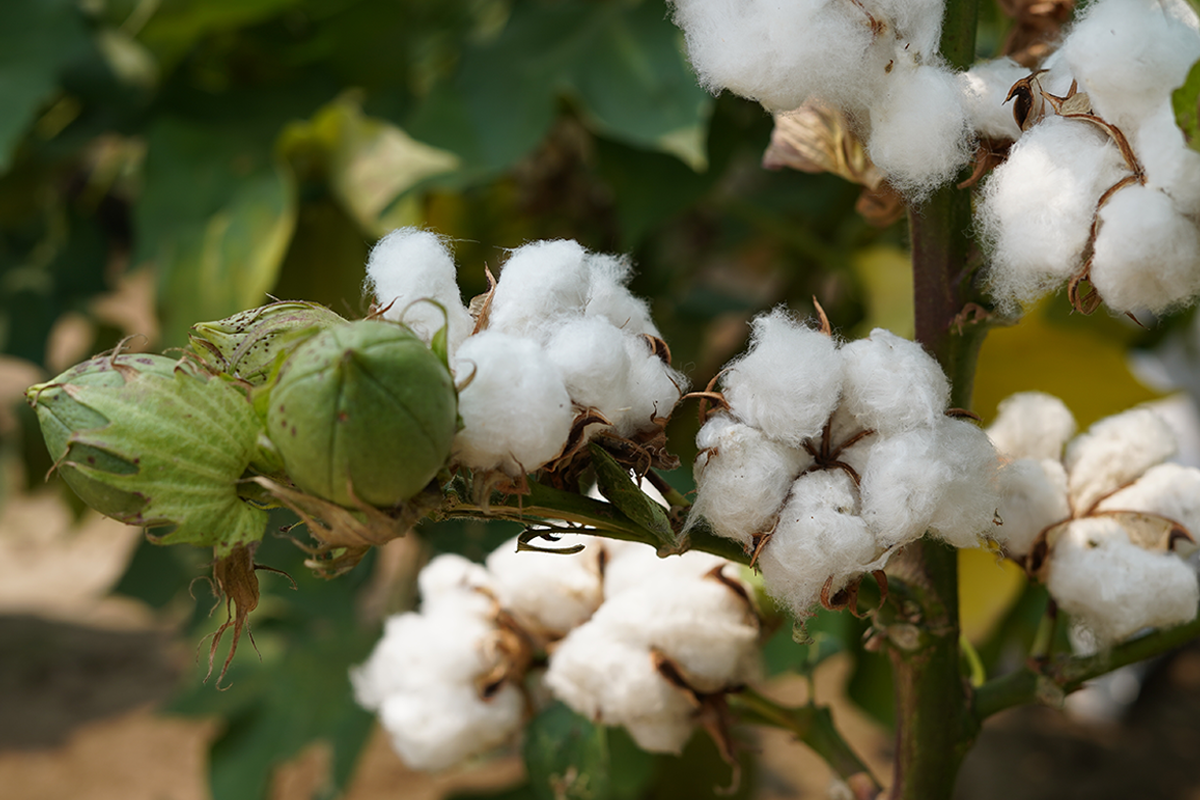
Example 2 - Bt Cotton
Bt cotton is a type of cotton plant that has been genetically modified to produce a protein from the bacterium, Bacillus thuringiensis (Bt), that acts as a natural pesticide.
The Bt protein kills harmful insects like the cotton bollworm, which would otherwise damage the cotton plants. Farmers can use fewer chemical pesticides, reducing the environmental impact and improving crop yields.