Active and passive immunity

Immunity can be gained in a number of ways, such as vaccines, medications, breast-milk and from catching a cold. The ways in which immunity is gained can be classified as active or passive immunity, and then further as artificially or naturally acquired.

Active immunity is when the body responds to a pathogen using the adaptive immune response and memory cells are formed. This type of immunity can last many years and leads to an enhanced immune response to future infections. This is called immunological memory.

Memory cells are formed in the adaptive immune response (for example, memory B cells, memory T cells) on the first exposure to an antigen (the primary response). In future infections, there is a secondary response that is faster acting and enhanced. The graph below shows the typical blood antibody concentration after receiving a vaccine (the 1st exposure), and then a booster shot some months later (2nd exposure).

A graphic depicting an overview of the primary and secondary immune responses. A graph is shown with the x-axis labeled time (days) and the y-axis labeled antibody concentration. The x-axis ranges from 0 to 56, with intervals marked at 7, 14, 21, 28, 35, 42, 49 and 56. A line rises in a curve along the x-axis with its peak at the 14 interval, before descending between the 21 and 28 intervals. The start of this curve, at interval 0 is labeled initial exposure to A, the peak of the curve is labeled short lived plasma cells, and the end of the curve is labeled secondary exposure to A. This entire sequence is labeled primary immune response. The curve then rises again and peaks at the 42 interval before descending slightly and plateauing. As the curve begins to rise, between the 28 and 35 intervals, there is the label memory B cells. At the peak of the curve is the label memory B cells differentiate into plasma cells. As the curve descends there is the label long lived plasma cells in bone marrow. As the curve plateaus there is the label memory B cells and antibodies to A. This whole second sequence is labelled secondary immune response. Source: ResearchGate

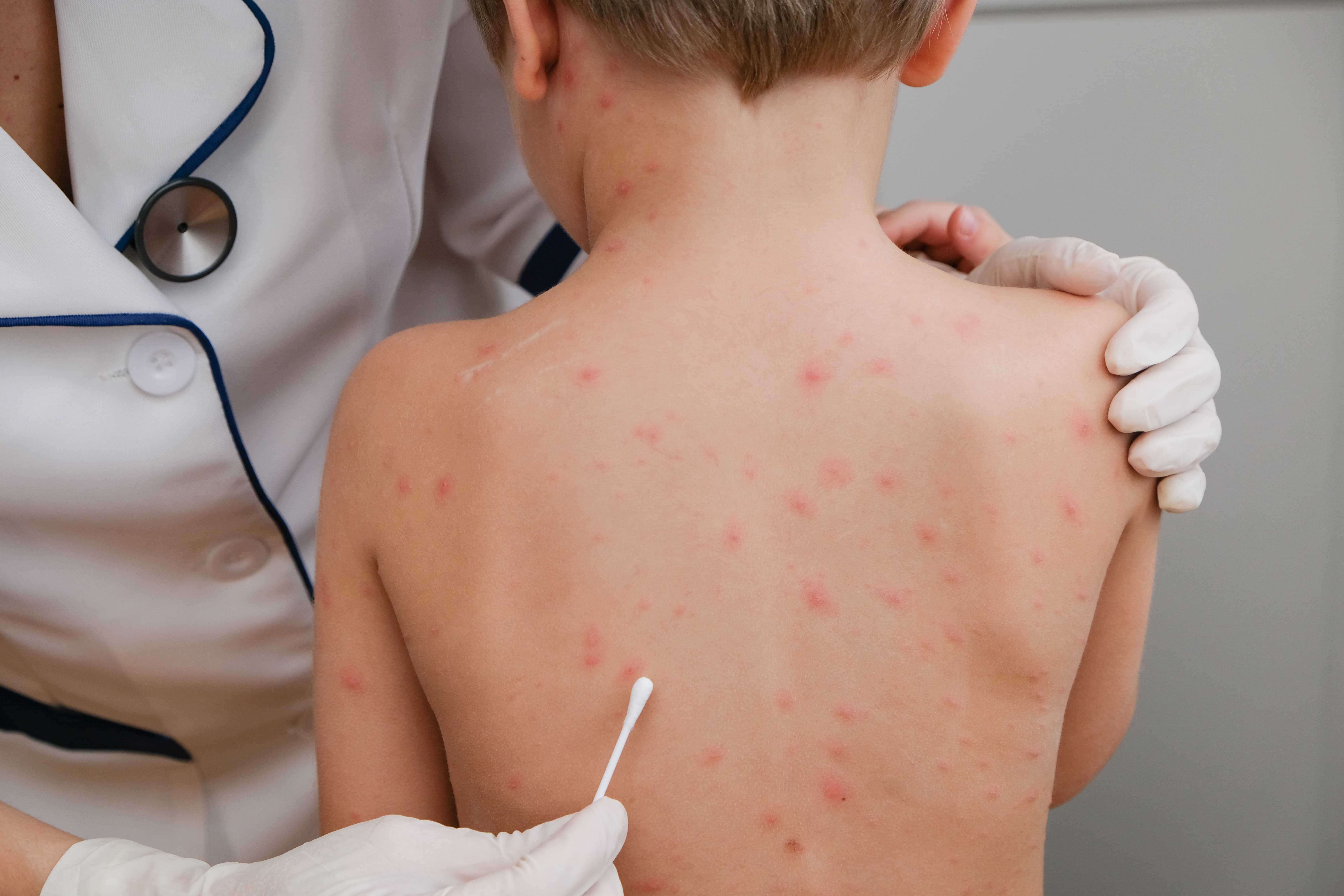
Active immunity can be achieved in two ways:
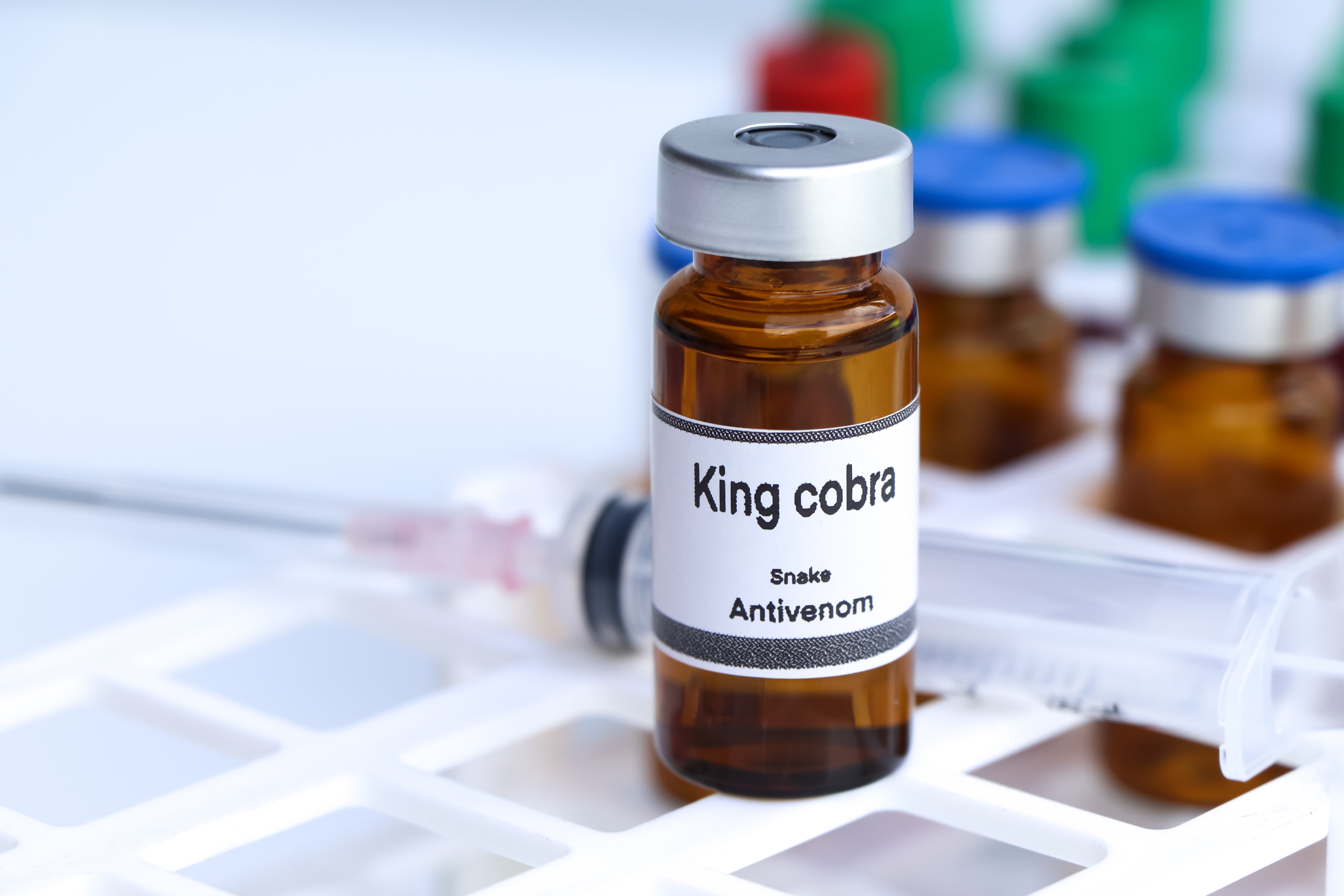
Passive immunity is when a person is given antibodies from an external source rather than by making them internally. This type of immunity is short lasting, does not activate the adaptive immune response, and does not form memory cells. It can also be achieved two ways:

Herd immunity refers to the protection provided to non-immunised individuals living in a population of mostly immunised individuals. The spread of disease is unlikely to occur in a highly immunised population, limiting a non-immunised individual from being exposed to the infectious disease .

A graphic depicting the process of herd immunity, divided into 3 vertical sections. At the top of the graphic, in the first section, on the left side there is a group of people depicted with most coloured blue and two coloured red. To the right of this group is an arrow pointing to the right with the label “no one is immunized” and “contagious disease spreads through the population”. To the right of this arrow is another group of people, with most coloured red and only a few coloured blue, indicating the spread of disease in a population. In the second section, in the middle of the graphic, on the left side there is a group of people depicted with most coloured blue, two coloured red, and six coloured yellow. To the right of this group is an arrow pointing to the right with the label “some of the population gets immunized” and “contagious disease spreads through some of the population”. To the right of this arrow is another group of people, with most coloured red, some coloured blue and some coloured yellow, depicting less spread of the disease in the population compared with the image above. In the final section, at the bottom of the graphic, on the left side there is a group of people depicted with most coloured yellow, a few coloured blue, and two coloured red. To the right of this group there is an arrow pointing to the right and the label “most of the population gets immunised” and “spread of contagious disease is contained.” To the right of this arrow is another group of people with most coloured yellow, and a minority coloured blue and red, depicting very limited spread of the disease in the population.

Source: Wikimedia