
Living With 2°C Plus: Extreme weather events, flood risk and stormwater systems
Extreme global weather events are happening more often. Rising temperatures increase atmospheric moisture and the behaviour of phenomena such as atmospheric rivers, which contribute to catastrophic events.
So how prepared are our existing systems to cope? What are the consequences for flood risk and stormwater systems? Can we afford to rely only on traditional infrastructure, or do we need alternatives? Do we need to engage a broader range of people in understanding the problem and participating in the solution?
In this roundtable we will discuss how these issues are being addressed in Australia, the United States and Asia with leading academics and practitioners, and consider pathways forward.
Panellists
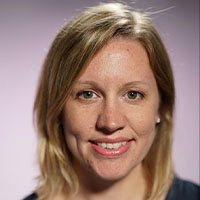 Associate Professor Ailie Gallant, Monash University
A/Prof Gallant works on drought, precipitation variability and precipitation extremes in the School of Earth, Atmosphere and Environment, Faculty of Science, Monash University. She is also Chief Investigator for the ARC Centre of Excellence for Climate Extremes at Monash.
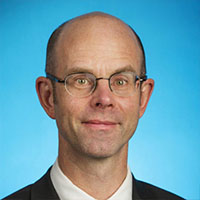 Ben Furmage, Chief Executive Officer, Water Sensitive Cities Australia
Ben is Water Sensitive Cities Australia (WSCA)'s founding CEO. In addition to his executive responsibilities, Ben also leads multidisciplinary local and international projects supporting the valuation and application of water sensitive city approaches.
 Richard Savage, Director, Environment and Planning, Aurecon Advisory Australia
Richard Savage is an engineer with expertise in planning, development and operations of water and wastewater infrastructure. He previously spent a decade working on network planning in South East Queensland with GHD Group and prior to that led the network planning team at WorleyParsons. In 2023 he was presented with the Distinguished Service Award by the Queensland branch of the Australian Water Association.
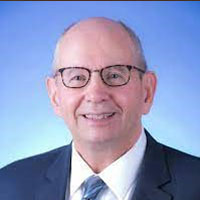 James Murley, Chief Resilience Officer, The Everglades Foundation
James is Chief Resilience Officer for Miami-Dade County in Florida. He was a founding member of the American Society for Adaptation Professionals and Resiliency Florida. He previously served as Chair of the Florida Energy & Climate Commission.
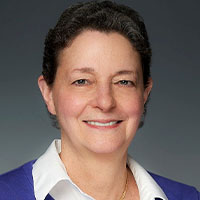 Dr Debra Knopman, Trustee, The Asia Foundation
Dr Knopman is a Professor at Pardee RAND Graduate School. Her expertise in hydrology, environment and natural resource policy, systems analysis and public administration has been applied to projects in the United States and China.
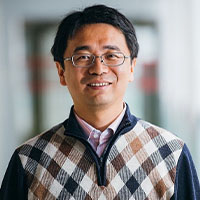 Professor Yuan Xu, The Chinese University of Hong Kong (CUHK)
Prof Xu leads the environmental policy and governance program at the Institute of Environment, Energy and Sustainability at the Chinese University of Hong Kong. His current work explores climate impacts on mega-cities.
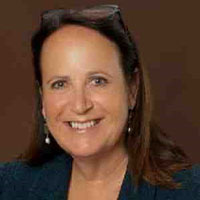 Felicia Marcus, Stanford University’s Water in the West Program
Felicia is a visiting fellow at Stanford University’s Water in the West program and a former Chair of the California State Water Resources and Control Board. She also served as regional administrator for the EPA and President of the Board of Public Works for LA.
Living With 2°C Plus: Roundtable series
Our world will become at least 2.5°C warmer than pre-industrial levels, current indications show.
Following COP29, Monash Green Lab is hosting a roundtable series to discuss the challenges of implementing strategies to live in a significantly warmer world.
In cooperation with the US National Academy of Public Administration (NAPA), the Monash roundtables will bring together leading international and Australian thinkers from government, business and community sectors.
The roundtables will provide insights from current work on climate change adaptation and point to areas where further work is required.
Events in the series
| Where are we, why are we here and where do we want to go? | Thu 28 Nov 2024 |
| Extreme weather events, flood risk and stormwater systems | Thu 13 Feb 2025 |
| Managing risk, value and insurance protection | Fri 14 Mar 2025 |
| Living with wildfire | Thu 26 Jun 2025 |
| New perspectives on financing the adaptation challenge | Thu 31 July 2025 |
| Locally led adaptation; building on place-based approaches to adaptation | Thu 25 Sep 2025 |
| Slow Burn - The hidden costs of a warming planet | Thu 11 Dec 2025 |
Contact
Event Details
- Date:
- 13 February 2025 at 12:00 pm – 1:30 pm
- Venue:
- Online via Zoom
- Categories:
- Alumni; General; Green Lab
Description
Extreme global weather events are happening more often. Rising temperatures increase atmospheric moisture and the behaviour of phenomena such as atmospheric rivers, which contribute to catastrophic events.
So how prepared are our existing systems to cope? What are the consequences for flood risk and stormwater systems? Can we afford to rely only on traditional infrastructure, or do we need alternatives? Do we need to engage a broader range of people in understanding the problem and participating in the solution?
In this roundtable we will discuss how these issues are being addressed in Australia, the United States and Asia with leading academics and practitioners, and consider pathways forward.
Panellists
Associate Professor Ailie Gallant, Monash University
A/Prof Gallant works on drought, precipitation variability and precipitation extremes in the School of Earth, Atmosphere and Environment, Faculty of Science, Monash University. She is also Chief Investigator for the ARC Centre of Excellence for Climate Extremes at Monash.
Ben Furmage, Chief Executive Officer, Water Sensitive Cities Australia
Ben is Water Sensitive Cities Australia (WSCA)'s founding CEO. In addition to his executive responsibilities, Ben also leads multidisciplinary local and international projects supporting the valuation and application of water sensitive city approaches.
Richard Savage, Director, Environment and Planning, Aurecon Advisory Australia
Richard Savage is an engineer with expertise in planning, development and operations of water and wastewater infrastructure. He previously spent a decade working on network planning in South East Queensland with GHD Group and prior to that led the network planning team at WorleyParsons. In 2023 he was presented with the Distinguished Service Award by the Queensland branch of the Australian Water Association.
James Murley, Chief Resilience Officer, The Everglades Foundation
James is Chief Resilience Officer for Miami-Dade County in Florida. He was a founding member of the American Society for Adaptation Professionals and Resiliency Florida. He previously served as Chair of the Florida Energy & Climate Commission.
Dr Debra Knopman, Trustee, The Asia Foundation
Dr Knopman is a Professor at Pardee RAND Graduate School. Her expertise in hydrology, environment and natural resource policy, systems analysis and public administration has been applied to projects in the United States and China.
Professor Yuan Xu, The Chinese University of Hong Kong (CUHK)
Prof Xu leads the environmental policy and governance program at the Institute of Environment, Energy and Sustainability at the Chinese University of Hong Kong. His current work explores climate impacts on mega-cities.
Felicia Marcus, Stanford University’s Water in the West Program
Felicia is a visiting fellow at Stanford University’s Water in the West program and a former Chair of the California State Water Resources and Control Board. She also served as regional administrator for the EPA and President of the Board of Public Works for LA.
Living With 2°C Plus: Roundtable series
Our world will become at least 2.5°C warmer than pre-industrial levels, current indications show.
Following COP29, Monash Green Lab is hosting a roundtable series to discuss the challenges of implementing strategies to live in a significantly warmer world.
In cooperation with the US National Academy of Public Administration (NAPA), the Monash roundtables will bring together leading international and Australian thinkers from government, business and community sectors.
The roundtables will provide insights from current work on climate change adaptation and point to areas where further work is required.
Events in the series
| Where are we, why are we here and where do we want to go? | Thu 28 Nov 2024 |
| Extreme weather events, flood risk and stormwater systems | Thu 13 Feb 2025 |
| Managing risk, value and insurance protection | Fri 14 Mar 2025 |
| Living with wildfire | Thu 26 Jun 2025 |
| New perspectives on financing the adaptation challenge | Thu 31 July 2025 |
| Locally led adaptation; building on place-based approaches to adaptation | Thu 25 Sep 2025 |
| Slow Burn - The hidden costs of a warming planet | Thu 11 Dec 2025 |