Living with 2°C Plus: Locally led adaptation; building on place-based approaches to adaptation

09/25/2025 09:30 am 09/25/2025 11:00 am Australia/Melbourne Living with 2°C Plus: Locally led adaptation; building on place-based approaches to adaptation

Locally led adaptation and resilience are widely discussed but understood and interpreted in different ways.

The Australian Government says adaptation should be place-based, community-led and values driven, involving everyone and underpinned by science.

The former Biden Administration, in its last National Adaptation Plan, said community-driven solutions were at the centre of its climate resilience strategy and essential to building a climate resilient nation.

While its approach is different, the Trump Administration has maintained an emphasis on local community and state leadership on resilience arguing it is empowering states and local communities.

How is it working? What are the successes and shortcomings? Can a national strategy be built around local action? Do we need further institutional change?

In this roundtable we will hear from a range of people working at the frontline of locally led adaptation.

Speakers

Elissa Waters

Dr Elissa Waters, Lecturer Human Geography, Monash University

Dr Waters focuses on the social and political dimensions of climate change adaptation and disaster governance in Australia and the Pacific. She is a chief investigator on the National Environmental Science Program Climate Systems Hub project ‘Enabling Best Practice Adaptation in Australia’.

Amanda Mullan

Amanda Mullan, Hub Coordinator and Project Director, National Academy of Public Administration

Ms Mullan works at the National Academy of Public Administration, which is an initiative of academy fellows Mark and Jane Pisano. The Hub recognises place-based solutions are essential for local problems, and works to identify solutions that can be replicated.

Katrina Graham

Katrina Graham, Manager, Northern Tasmania Alliance for Resilient Councils (NTARC)

The NTARC builds capacity in local government for climate resilience; working collaboratively to increase capacity and capability of councils to understand and respond to increasing hazards and disasters regionally.

Liu Beibei

Prof Liu Beibei, The John Hopkins University

Prof Beibei is Professor of Environment Planning and Management at the School of the Environment, Nanjing University, and Adjunct Professor at the Johns Hopkins-Nanjing Centre. With a background in environmental system analysis and environmental policy analysis, she is working on building resilience of agricultural and industrial systems.

Miles Murphy

Miles Murphy, Senior research analyst - National Academy of Public Administration

Miles is a senior research analyst with the Centre for Intergovernmental Partnerships at the National Academy of Public Administration (NAPA) in Washington DC. He and his colleagues at NAPA completed a report last October on financing strategies for local government to address local level climate impacts.

Mark Pisano

Prof Mark Pisano, Co-Chair - National Academy of Public Administration

Prof Pisano is co-chair of the National Academy of Public Administration (NAPA) Standing Panel on Intergovernmental Systems with a distinguished record of public service in regional planning, environment and infrastructure. With Rob Lempert, he developed the concept of Water and Climate Resilient Boundary Centres. He will provide an update on NAPA’s work on climate change adaptation.

Emma Carmody

Dr Emma Carmody, Wentworth Group of Concerned Scientists

Dr Carmody is an international environmental lawyer and environmental entrepreneur with particular expertise in wetlands, freshwater and the intersection between human rights and water. In early 2022, Emma co-founded a for-purpose business called ‘Restore Blue’, the objective of which is to work with local communities to restore lost blue carbon wetlands at scale in Australia and the Asia-Pacific region. She is a fellow of the Peter Cullen Water and Environment Trust, sits on the Strategic Advisory Council of the Alliance for Global Water Adaptation (AGWA) and is an affiliate of the Australian National University Water Justice Hub.

Dan Guttman

Prof Dan Guttman, Tianjin University Law School

Prof Guttman is a professor at the Tianjin University Law School, an adjunct professor at the Fudan University - London School of Economics Institute for Global Public Policy, and fellow of the New York University US-Asia Law Institute. He will summarise and facilitate audience questions.

Host

Dr Michael Spencer, Adjunct Senior Research Fellow, Green Lab, Impact Labs, Monash Business School

Organised by

Green Lab, Impact Labs, Monash Business School, in collaboration with the US National Academy of Public Administration (NAPA).

Living With 2°C Plus: Roundtable series

Our world will become at least 2.5°C warmer than pre-industrial levels, current indications show.

Following COP29, Monash Green Lab is hosting a roundtable series to discuss the challenges of implementing strategies to live in a significantly warmer world.

In cooperation with the US National Academy of Public Administration (NAPA), the Monash roundtables will bring together leading international and Australian thinkers from government, business and community sectors.

The roundtables will provide insights from current work on climate change adaptation and point to areas where further work is required.

Events in the series

Where are we, why are we here and where do we want to go? Thu 28 Nov 2024
Extreme weather events, flood risk and stormwater systems Thu 13 Feb 2025
Managing risk, value and insurance protection Fri 14 Mar 2025
Living with wildfire Thu 26 Jun 2025
New perspectives on financing the adaptation challenge Thu 31 July 2025
Locally led adaptation; building on place-based approaches to adaptation Thu 25 Sep 2025
Slow Burn - The hidden costs of a warming planet Thu 11 Dec 2025

Contact

greenlab@monash.edu

Event Details

Date:
25 September 2025 at 9:30 am – 11:00 am
Venue:
Online - Zoom
Categories:
General; Green Lab

Description

Locally led adaptation and resilience are widely discussed but understood and interpreted in different ways.

The Australian Government says adaptation should be place-based, community-led and values driven, involving everyone and underpinned by science.

The former Biden Administration, in its last National Adaptation Plan, said community-driven solutions were at the centre of its climate resilience strategy and essential to building a climate resilient nation.

While its approach is different, the Trump Administration has maintained an emphasis on local community and state leadership on resilience arguing it is empowering states and local communities.

How is it working? What are the successes and shortcomings? Can a national strategy be built around local action? Do we need further institutional change?

In this roundtable we will hear from a range of people working at the frontline of locally led adaptation.

Speakers
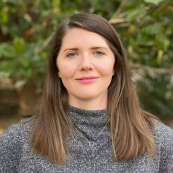
Elissa Waters

Dr Elissa Waters, Lecturer Human Geography, Monash University

Dr Waters focuses on the social and political dimensions of climate change adaptation and disaster governance in Australia and the Pacific. She is a chief investigator on the National Environmental Science Program Climate Systems Hub project ‘Enabling Best Practice Adaptation in Australia’.

Amanda Mullan

Amanda Mullan, Hub Coordinator and Project Director, National Academy of Public Administration

Ms Mullan works at the National Academy of Public Administration, which is an initiative of academy fellows Mark and Jane Pisano. The Hub recognises place-based solutions are essential for local problems, and works to identify solutions that can be replicated.

Katrina Graham

Katrina Graham, Manager, Northern Tasmania Alliance for Resilient Councils (NTARC)

The NTARC builds capacity in local government for climate resilience; working collaboratively to increase capacity and capability of councils to understand and respond to increasing hazards and disasters regionally.

Liu Beibei

Prof Liu Beibei, The John Hopkins University

Prof Beibei is Professor of Environment Planning and Management at the School of the Environment, Nanjing University, and Adjunct Professor at the Johns Hopkins-Nanjing Centre. With a background in environmental system analysis and environmental policy analysis, she is working on building resilience of agricultural and industrial systems.

Miles Murphy

Miles Murphy, Senior research analyst - National Academy of Public Administration

Miles is a senior research analyst with the Centre for Intergovernmental Partnerships at the National Academy of Public Administration (NAPA) in Washington DC. He and his colleagues at NAPA completed a report last October on financing strategies for local government to address local level climate impacts.

Mark Pisano

Prof Mark Pisano, Co-Chair - National Academy of Public Administration

Prof Pisano is co-chair of the National Academy of Public Administration (NAPA) Standing Panel on Intergovernmental Systems with a distinguished record of public service in regional planning, environment and infrastructure. With Rob Lempert, he developed the concept of Water and Climate Resilient Boundary Centres. He will provide an update on NAPA’s work on climate change adaptation.

Emma Carmody

Dr Emma Carmody, Wentworth Group of Concerned Scientists

Dr Carmody is an international environmental lawyer and environmental entrepreneur with particular expertise in wetlands, freshwater and the intersection between human rights and water. In early 2022, Emma co-founded a for-purpose business called ‘Restore Blue’, the objective of which is to work with local communities to restore lost blue carbon wetlands at scale in Australia and the Asia-Pacific region. She is a fellow of the Peter Cullen Water and Environment Trust, sits on the Strategic Advisory Council of the Alliance for Global Water Adaptation (AGWA) and is an affiliate of the Australian National University Water Justice Hub.

Dan Guttman

Prof Dan Guttman, Tianjin University Law School

Prof Guttman is a professor at the Tianjin University Law School, an adjunct professor at the Fudan University - London School of Economics Institute for Global Public Policy, and fellow of the New York University US-Asia Law Institute. He will summarise and facilitate audience questions.

Host

Dr Michael Spencer, Adjunct Senior Research Fellow, Green Lab, Impact Labs, Monash Business School

Organised by

Green Lab, Impact Labs, Monash Business School, in collaboration with the US National Academy of Public Administration (NAPA).

Living With 2°C Plus: Roundtable series

Our world will become at least 2.5°C warmer than pre-industrial levels, current indications show.

Following COP29, Monash Green Lab is hosting a roundtable series to discuss the challenges of implementing strategies to live in a significantly warmer world.

In cooperation with the US National Academy of Public Administration (NAPA), the Monash roundtables will bring together leading international and Australian thinkers from government, business and community sectors.

The roundtables will provide insights from current work on climate change adaptation and point to areas where further work is required.

Events in the series

Where are we, why are we here and where do we want to go? Thu 28 Nov 2024
Extreme weather events, flood risk and stormwater systems Thu 13 Feb 2025
Managing risk, value and insurance protection Fri 14 Mar 2025
Living with wildfire Thu 26 Jun 2025
New perspectives on financing the adaptation challenge Thu 31 July 2025
Locally led adaptation; building on place-based approaches to adaptation Thu 25 Sep 2025
Slow Burn - The hidden costs of a warming planet Thu 11 Dec 2025

Contact

greenlab@monash.edu