
Kate Seear: Fearless, frank and compassionate
50 Years / 50 Voices: Learning law and changing lives is a commemorative volume marking the 50th anniversary of the ongoing Monash Law Clinical Program, a pioneering initiative in clinical legal education undertaken by the Faculty of Law at Monash University. 50 alumni of the Monash Law Clinical Program shared their story with 50 current students of the same program. This is an excerpt from the book.
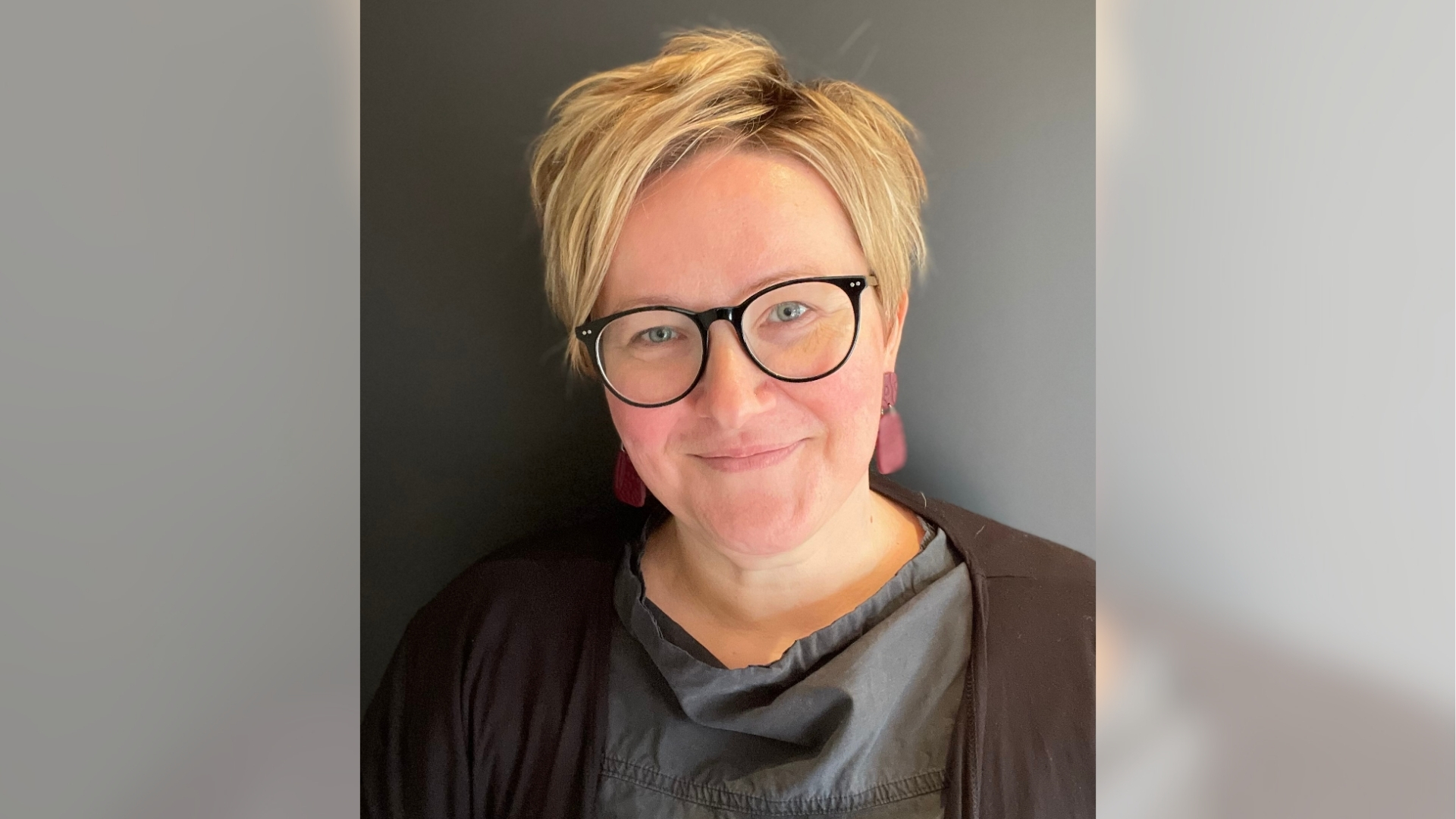
Professor Kate Seear is a practising solicitor, law professor and researcher. She leads research at the intersection of law, drugs, health and gender. Professor Seear’s research into drug policy has influenced law reform in Victoria and the ACT.
Seear’s journey in the law began as a student volunteering in the Family Law Assistance Program (FLAP) at Monash Law Clinics in 2000. Later, she took on an administrative role in FLAP while continuing her studies. During her volunteering and placement, Seear dealt with a wide variety of legal issues, from civil litigation and tenancy disputes to motor-vehicle accidents, criminal law and family violence.
‘The clinical placement was an opportunity to apply everything in practice for the first time. It was a very steep learning curve,’ she says. The placement gave Seear the opportunity to appreciate skills that she did not yet have, including communicating and dealing with clients from a wide range of backgrounds, and learning how to draft affidavits and other legal documents. As part of her clinic experience, Seear was given the opportunity to appear in the Family Court, Magistrates’ Court and Victorian Civil and Administrative Tribunal. ‘It was one of the most nerve-wracking experiences of my life, but also extremely satisfying to have been able to help someone.’
Seear was left with an impression that the law was more complicated in practice than in theory. Clients would come to her with a story and complex emotions, rather than a chronological legal problem as typically presented in a law exam. It was important for Seear to develop rapport with her clients but also to be fearless and frank in her advice, especially if she had to communicate bad news. These were issues that she was only able to turn her mind to within a clinical legal education environment, rather than in a classroom setting.
During Seear’s clinical legal experience, family violence carried far more stigma than it does now. That stigma was reflected not only in the legislation at the time, but also in society, where family violence was not part of the public discourse as it is today.
This directly influenced Seear. After her admission in 2003, she worked as a lawyer at Women’s Legal Service Victoria and as a duty lawyer at the Magistrates’ Court of Victoria in Melbourne, where she represented women who were victims of family violence and sexual assault.
Read more about 50 years of Monash Law Clinics and buy 50 Years / 50 Voices here

Kate Seear with Malcolm Bennett on her law graduation day.
In 2014, Seear returned to Monash Law as an academic and became the inaugural Academic Director of South-East Monash Legal Service. As a supervisor, not only was it humbling for Seear to be reminded of how stressful and exciting the clinical legal program opportunity was for students, but it was also a privilege for her to have the opportunity to guide and teach her students practical skills.
Seear’s research is driven by her concern for stigmatised and marginalised communities, which was cemented by her involvement with the clinical legal program. One area of her research focuses on drug policy, as people charged with, or convicted of, drug offences are often from marginalised communities.
Seear strongly believes that drug policy is a major social justice issue and that drug prohibition contributes to harms such as overdose. In future, she hopes that her research will impact laws around people’s access to sterile needles and syringes to help reduce the spread of bloodborne viruses such as hepatitis C. Seear also hopes to see much more significant drug law reform in Australia, which lags behind other countries.
Seear’s career has directly echoed the early values of her time at the clinical legal program. ‘The most important lesson I learned from being in the clinical programs was the importance of community legal centres and Legal Aid. It was the most consequential part of my law degree,’ she says.
When she first started university, she did not have any interest in commercial law and was unsure whether she belonged in the law at all. Seear particularly recommends the program for students who come from a working-class background or who might be unsure if they are suited for a traditional private practice pathway. ‘A clinical program is often the space where people find their feet and find their place,’ she says.
As Monash Law Clinics celebrates 50 years, Seear sees the program continuing to adapt to developments within the profession, such as the emergence of AI and new technologies, allowing students to identify and stress-test issues they might encounter in the future.
Read more about 50 years of Monash Law Clinics and buy 50 Years / 50 Voices here
Get involved with Monash Law Clinics
Monash Law Clinics combine legal education with real-world impact, supporting access to justice while equipping students with practical, ethical and professional skills.
If you are a student interested in undertaking a clinical unit as part of your studies, explore the available clinical placements and elective options.
Whether you’re an alum, practitioner or organisation keen to support the clinics through hosting placements, partnerships, volunteering or funding, there’s a way to be involved. To learn more, contact Emily Collard, Industry & Alumni Engagement Manager, at emily.collard@monash.edu.