
Voices in Law: Women leading change and rebalancing the scales

Monash Law extended the impact and reach of International Women’s Day 2026 by holding it’s #IWD2026 event eleven days after the globally recognised date of 8 March. Likewise, the event titled Voices in Law, extended the depth and reverberations of women’s experiences in Law to consider clothes, hair, briefcases, salaries and more.
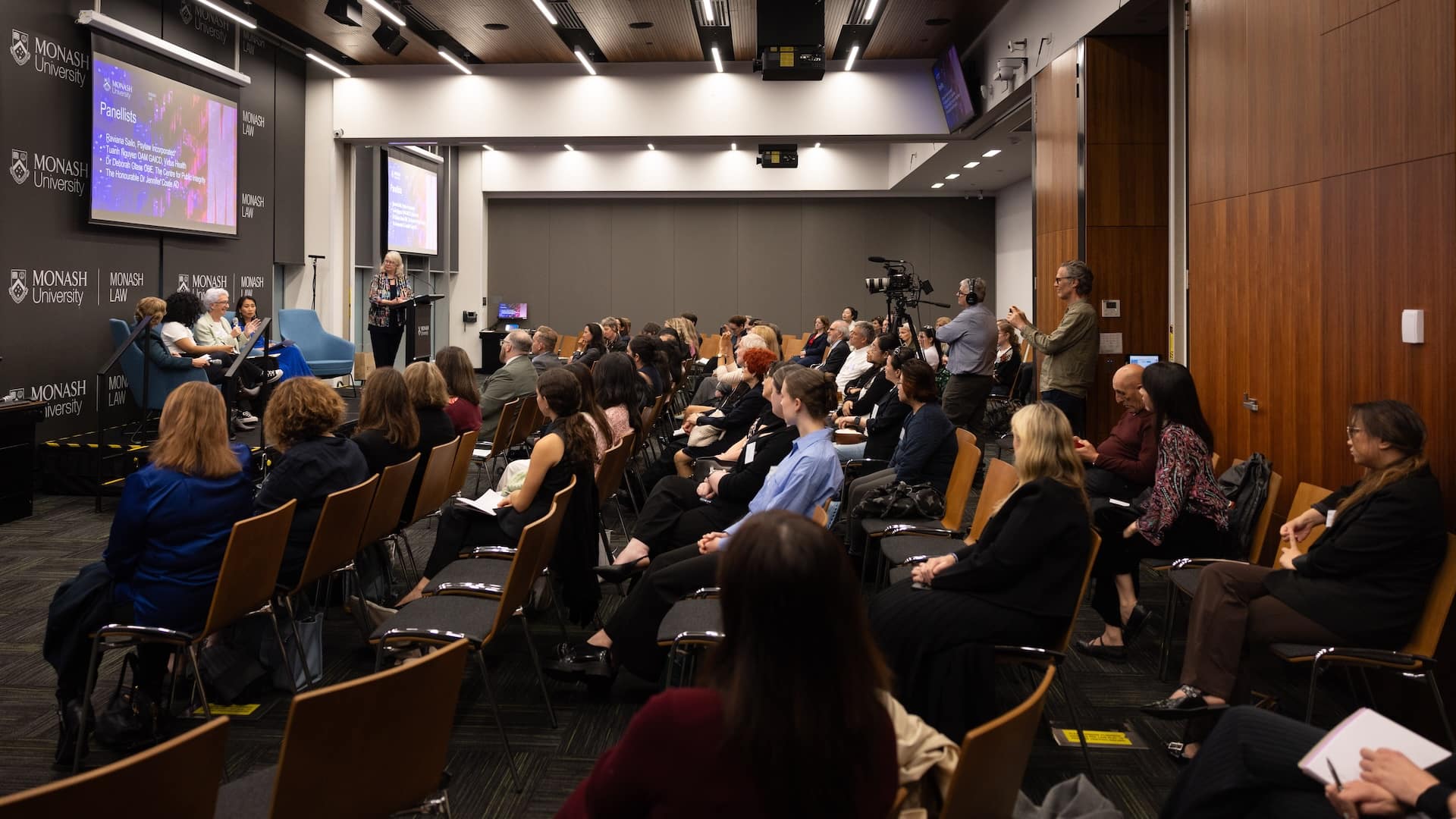
Monash Law alumni the Honourable Dr Jennifer Coate AO, Dr Deborah Glass OBE, Tuanh Nguyen OAM GAICD, Raviana Sailo and Deputy Chancellor Geraldine Johns-Putra shared astonishing stories of their efforts to fit into ‘blokey’ environments.
Over the course of the evening, speakers reflected on progress made, the barriers that remain, and the shared responsibility to create a more inclusive profession. The discussion was grounded in International Women’s Day (IWD) themes and animated by personal stories—of firsts and frustrations, courage and community, advocacy and authenticity.
Watch the full panel discussion on Youtube.
Setting the tone: welcoming the community and naming what matters
Monash Law alum and Director of Engagement in the Faculty, Professor Marilyn Pittard beamed as she welcomed alumni and friends and explained that Voices in Law was the first public event of the Faculty’s Women’s Network which had formed last year.
“I’m going to maximise the time for our panellists and our speakers, so I’ll do the briefest introductions but note that they are very distinguished participants,” Pittard said.
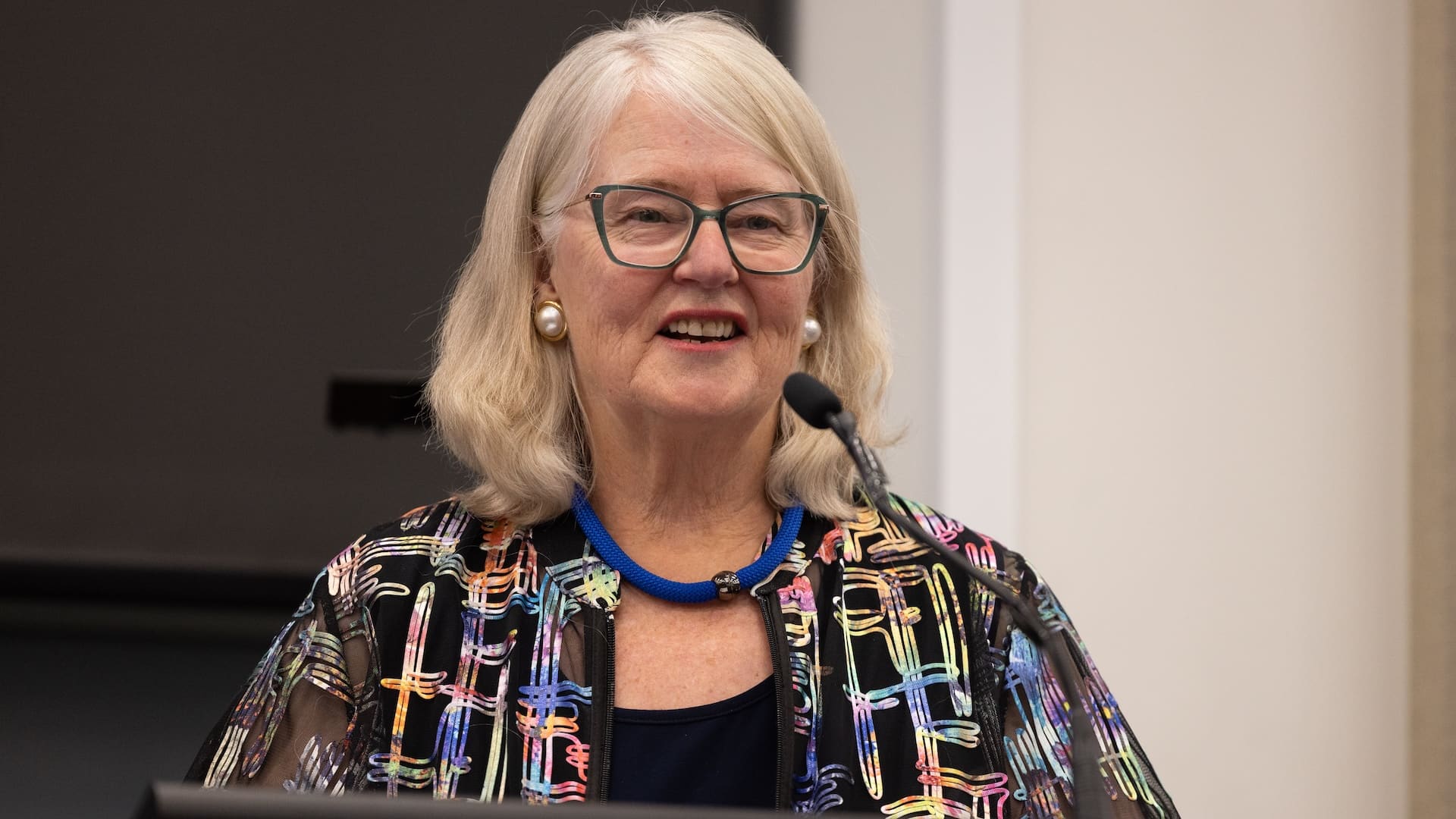
Monash Law alum and Director of Engagement in the Faculty, Professor Marilyn Pittard.
In her welcome address, Geraldine Johns‑Putra framed the night’s purpose through lived experience.
“ For those who were around in the 1990s, I invite you to come back to that time with me, specifically 1992. I started at Monash Law as an undergraduate student in that year, and women were already entering Australian law schools in significant numbers at that time. By the mid nineties, women made up around half of all law students in Australia. It felt entirely natural to assume the profession was going to follow,” Johns-Putra said.
“I was ambitious. I wanted to be a partner in a law firm. I wanted the advancement, I wanted the credibility, I wanted the recognition, and the real world turned out to be a bit more complicated.”
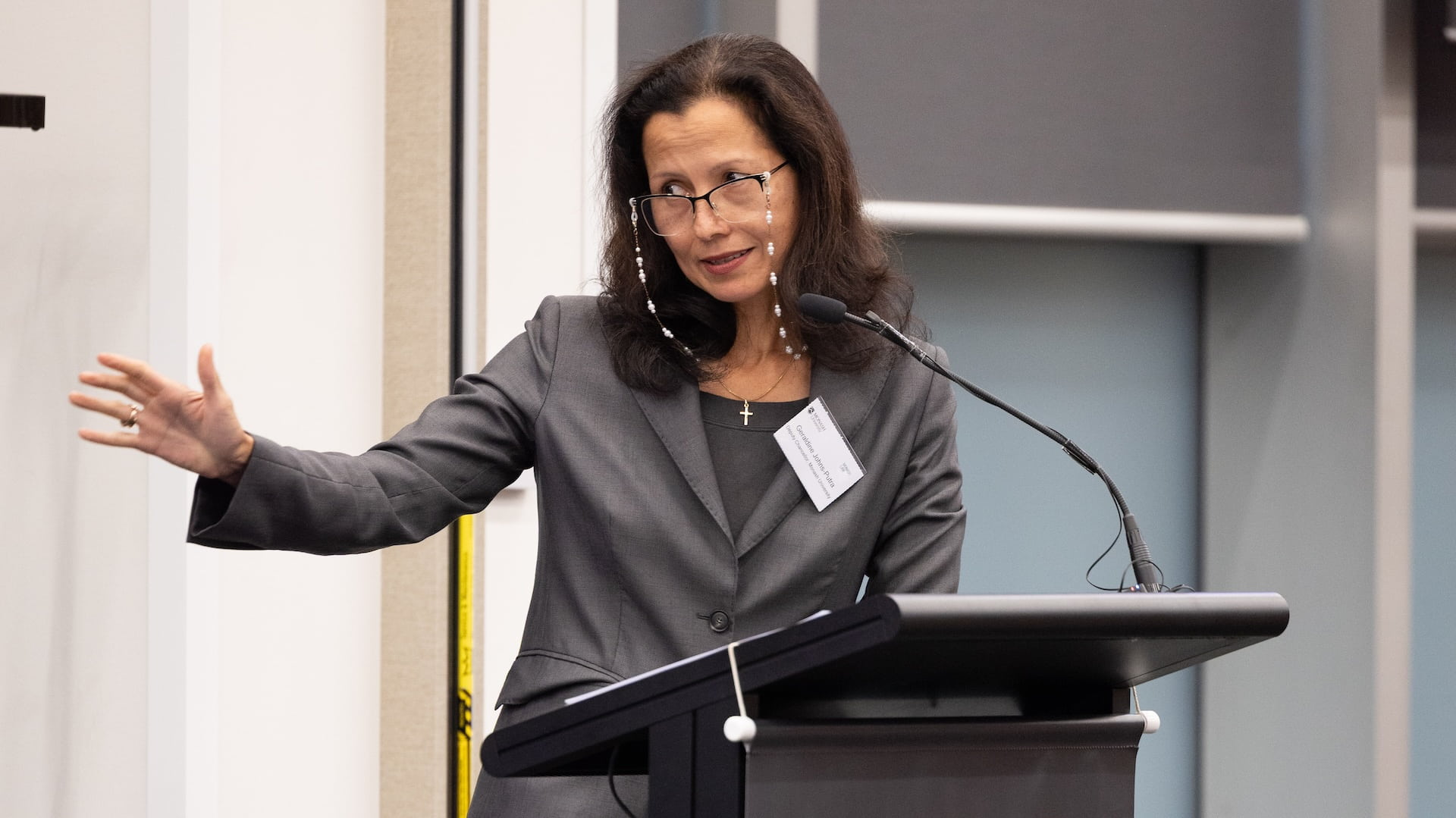
Deputy Chancellor Geraldine Johns-Putra.
Lived experience: progress and the persistence of barriers
Johns‑Putra’s remarks set up a central tension: representation had grown, but systemic assumptions endured.
She shared a passionate story that illustrated how stereotypes drive decisions.
“ Quite a few years after I did graduate, I spoke with a senior lawyer and she was struggling for years to be promoted to partnership and she was a superb lawyer. But her supervising partner didn't put her forward because he hadn't realised that she was the main breadwinner in her household. He had assumed that she had a husband who would support her, and that there were other people in the firm, namely men who needed the promotion more than she did,” Johns-Putra said.
The panellists then were invited by Professor Pittard to explore International Women’s Day’s 2026 theme of Balance the Scales through their own careers. Former Victorian Ombudsman Deborah Glass OBE offered a candid snapshot of early professional life after graduation from Monash Law.
“ I went on to become an articled clerk, as you did back in the day. And I knew on the very first day I was in this office in William Street, that I did not want to be a lawyer. It was something that was really apparent and I suspect that many women of my generation would get this, that you really felt you had to be better than a man to get to the same place,” Glass said.
Returning decades later as the state’s first woman Ombudsman she recalled being repeatedly asked what it felt like to be the first, and being surprised that such “firsts” still existed.
“Did it really take nearly 40 years to find a woman to do the job?”
“ In my conversations with the Department of Premier Cabinet about salary, I hadn't actually thought about it at all. The previous ombudsman had been a former head of Premier and Cabinet, and I figured he was fairly well paid. So I thought I'd ask a question and I said, you wouldn't want to pay the first female ombudsman less than a man, would you?”
“What does balance even look like?”: belonging, identity and voice
Alum and community advocate Raviana Sailo brought a powerful intersectional lens, speaking as a Mizo woman. The Mizo people are a Tibeto-Burman ethnic group originating from the northeastern Indian state of Mizoram and surrounding areas in Myanmar and Bangladesh.
“I’m a Mizo woman. I haven't been back home since I was eight years old, but I feel so proud. I feel the dreams that will never be realised by those who are still back home.”
“I’m here because another woman, my mother, was able to bring me here. She wasn't able to realize what she thought Australia would be for her. So I'm here to realize it for her,” Sailo said,
Reflecting on the pressure to assimilate, Sailo recalled straightening her hair because she thought it made her look more serious, more corporate. On stage with her bouncy, naturally curly hair, she challenged the very metaphor of balance.
“ For me, when I think about balancing scales, I don't know what the scale looks like. I could be happy with what I have now because I have more than what those who came before me have ever had. But does that mean I stop working?”
“ When that weight first came out, we weren't considered in the first place. It wasn't made for us. So what does it mean to have it balanced?” Sailo said.
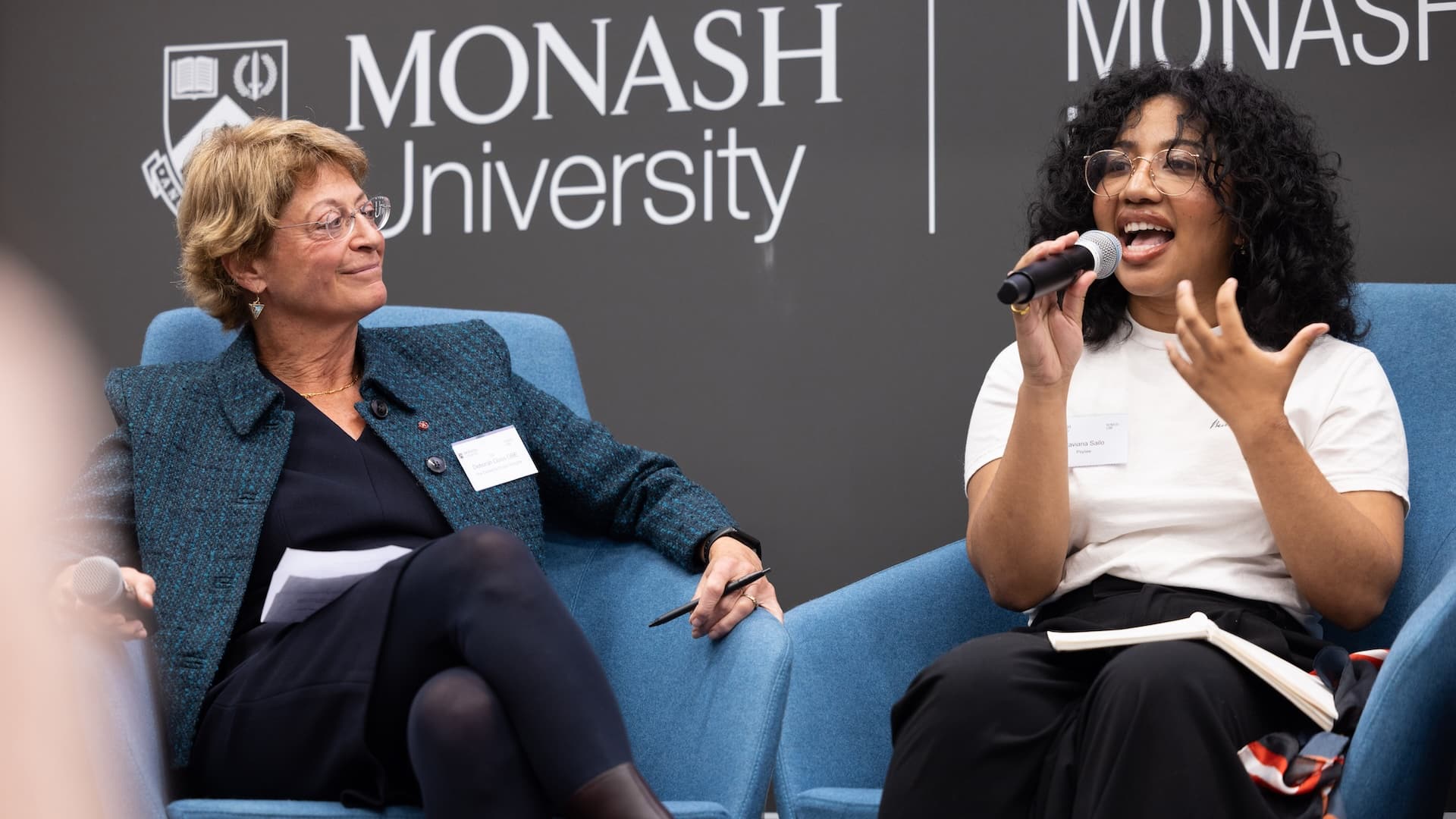
Dr Deborah Glass OBE watches as Raviana Sailo speaks.
For The Hon Dr Jennifer Coate AO, progress has been real but incomplete.
“I came into the law at a time when the scales were starting to tip,” Coate said.
“ In the 80s there were no women on the benches of any state courts in Victoria. When I was in law school, there were no women on the state benches of our courts. By the time I was in practice in the mid 80s, women were just arriving into the Magistrates Court and by the time I was appointed into the magistrates court myself, that was 1992, there were still no women on the benches of the Supreme Court. So our arrival is very, very recent.” Professor Pittard agreed that there was progress, albeit slow -equal pay was granted in Australia in the early 1970’s only.
Coate rejected the premise that women must justify their presence.
“ I was constantly asked, what do you think women bring to the role of magistrate or judge? And I would diligently try and answer that and go through this list of qualities until I reached a point where I thought, why am I being asked that?’
“I'm being asked that because I have to justify why I'm here. I don't automatically belong. So I stopped doing that and I started saying, ‘You go and ask the men who are judges, what qualities they bring to the bench. Come back with that list and ask me, and I'll tell you whether or not I think I match it.’"
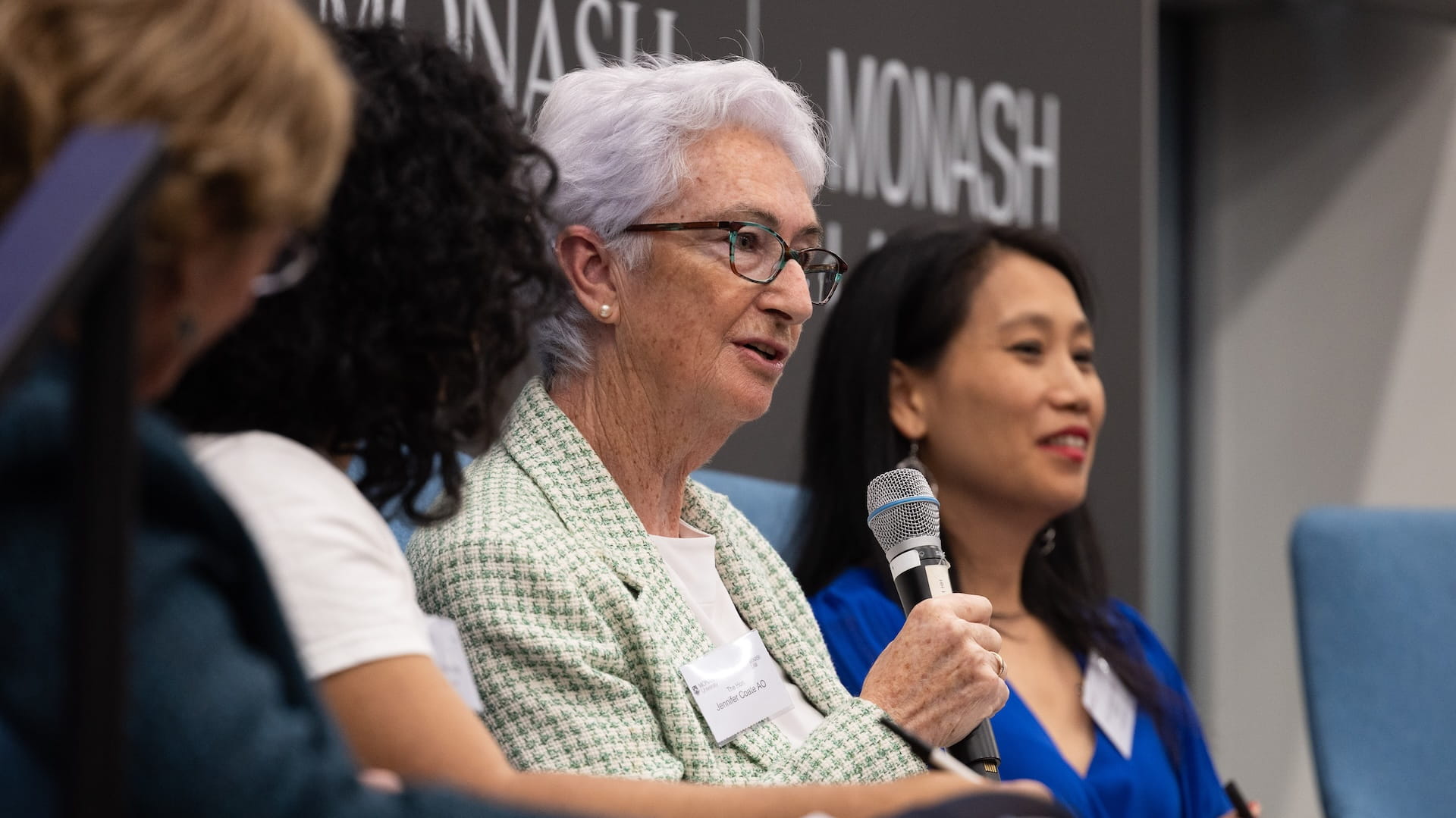
The Hon Dr Jennifer Coate AO speaks as Tuanh Nguyen OAM GAICD listens in the background.
Authenticity over conformity: changing rooms by showing up as ourselves
In her opening remarks, Johns‑Putra urged a redefinition of professional presence.
“ The women who are speaking to you this evening on this stage, they are not trying to be something that they're not. They're not putting on costumes, they're not adopting a persona that doesn't fit.”
“And I would go so far as to say that they are nice. But nice doesn't mean that they're not savvy, firm, formidable and credible. Nice doesn't mean that they stand back or that they avoid calling out bad behavior. Nice does mean being respectful, responsible, and kind, while still owning and demonstrating a sharp mind, a courageous spirit, and a compassionate heart,” Johns-Putra said.
“ Being yourself, being means being able to contribute your voice. A workplace or a community where diverse voices can speak up with authenticity is one where those voices can then gain the experience and maturity needed to deliver their wisdom, and then that collective wisdom benefits everyone.”
“That's why diversity matters, and that's why tonight matters.”
Tuanh Nguyen OAM GAICD echoed the journey from fitting in to leading change.
“ I entered the law in the early 2,000s. After graduating from Monash Law School I went straight into a global, top tier law firm as a corporate M&E lawyer. I was an Asian female from the western suburbs, from a low socioeconomic background, who didn't go to the private schools that the collective did and I was walking into that sort of career in an environment where I didn’t see anyone who looked like me, who had the experience that I had,” Nguyen said.
“It was very immediate that the system that I was walking into was not designed for people who were like me.”
Over time, the discomfort that Nguyen experienced catalysed into advocacy.
“I wanted to figure out how I’m going to fit in that room, how I’m going to present myself, how I’m going to dress, how I’m going to speak. But over time that sense of, ‘I don't fit in here, but I don't enjoy this sense of not belonging and not being who I am’, that actually drove my desire to create the change in that room.”
“ When I think about days like today, it's wonderful that we're still continuing to acknowledge and to celebrate, but also to use this day to continue to remind us why that work still needs to be done. Because the scales, however they look, still are not, quote unquote, balanced,” Nguyen said.
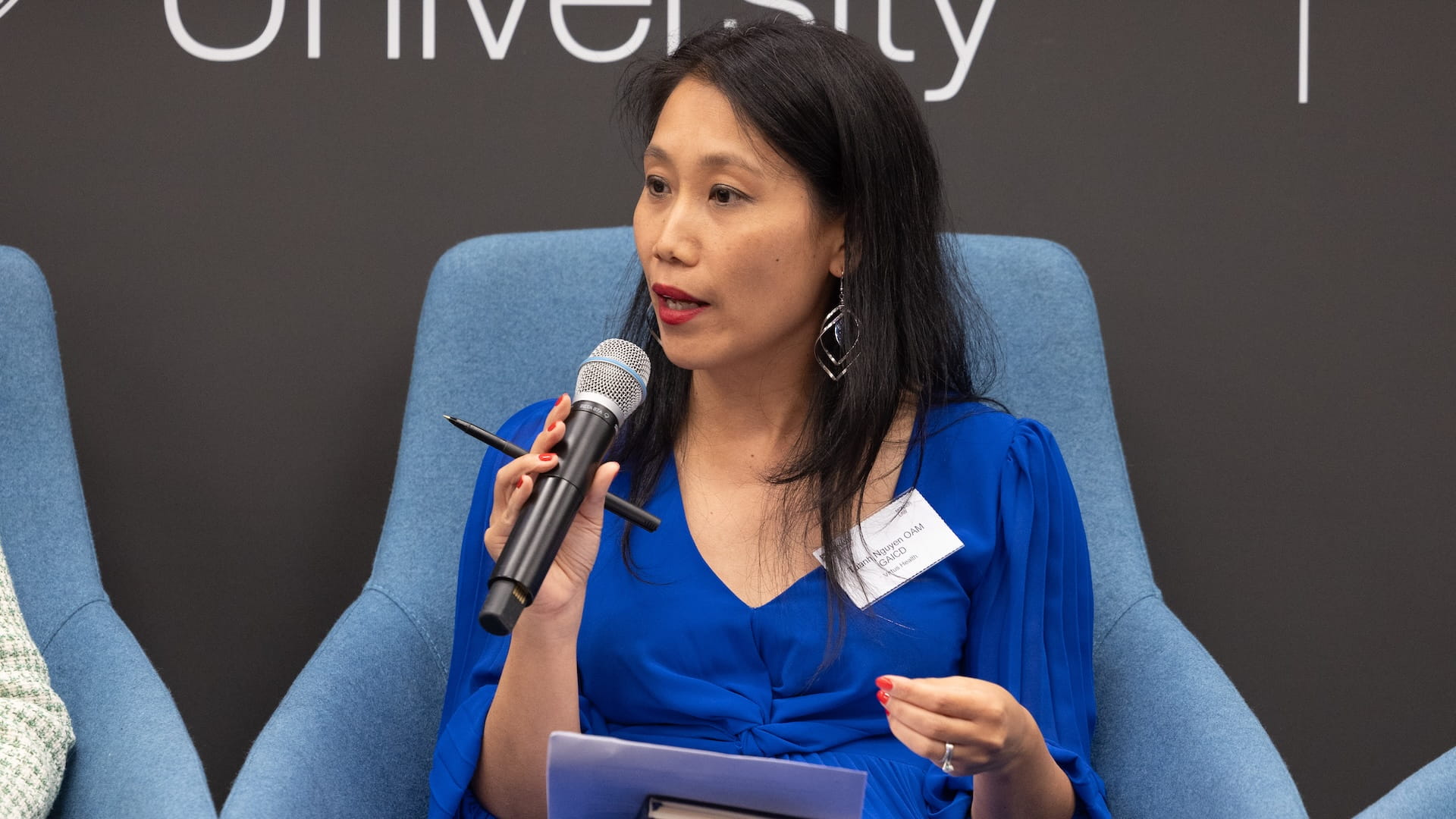
Tuanh Nguyen OAM GAICD.
Why International Women’s Day still matters
One of the questions put by Pittard to the panellists was about whether we still need women’s networks and celebrating International Women’s day in 2026.
Glass changed her mind about the continued need for women’s networks.
“ Do we need women's networks? I was quite dismissive originally but then I became a convert to realize why they were still so necessary.”
“ I remember hearing Julia Gillard a few years ago, and it really resonated with me, that we thought we'd beaten it. We thought our generation had done the hard yards. We'd fought the battle for women's lib and we thought we had won, and we were so wrong. So yes, we needed women's networks,” Glass said.
“We still need to talk about the kind of issues we're talking about tonight, because those scales are not balanced and they need to be.”
When asked whether IWD is still necessary in 2026, Sailo answered with a striking cultural gesture, holding a scarf symbolising recognition in her community.
“ This is called Tawlhlohpuan, which means to not be pushed back in mizo societies and in mizo language. Historically, the act of giving a scarf or putting a scarf on someone means you recognise them as someone who has done a great deed for the people. And historically it's often been men who've been given that.”
“ I'm not going to wait for you or anyone to put the scarf on me. I'm going to take it and put it on myself. I think that International Women's Day, it's moments like this where we do need to platform women because often, regardless of how much they give, they're not honoured and they're not recognised.”
”Oftentimes being a woman is seen as a disadvantage in the first place. So if it wasn't for days like this, weeks like this, platforms like this, people will continue to look at it as if we should be ashamed about it and we shouldn't celebrate. It allows us to be in spaces - just speaking with Jennifer today and hearing Deborah and Tuanh speak, I feel validated, so it's important to have days like this.”
Coate responded simply: “Yes, what she said.”
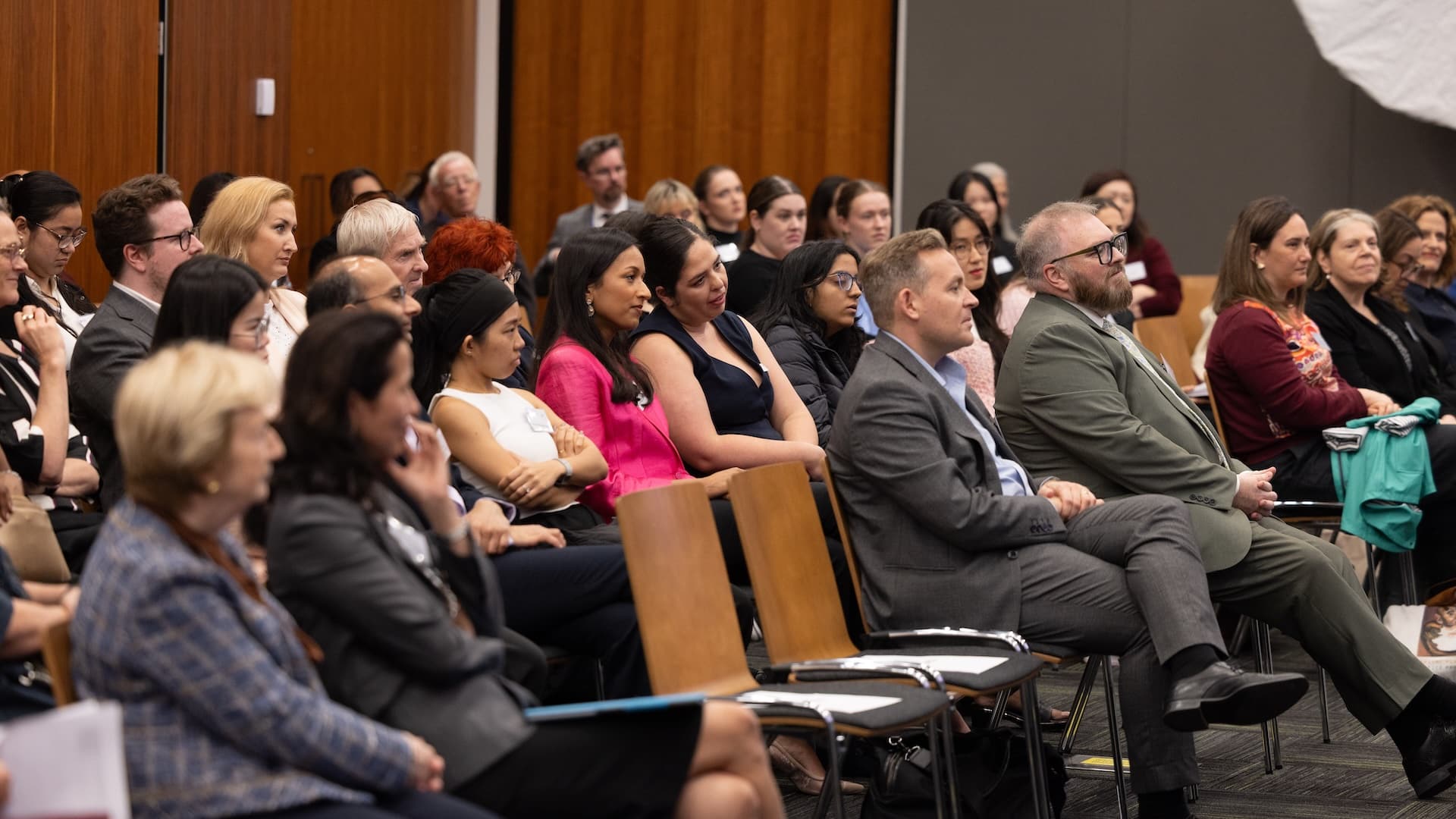
Responsibilities of lawyers: influence, vigilance and everyday equity
Beyond recognising, validating and celebrating women, Voices in Law asked what responsibilities legal professionals hold in confronting inequality.
Nguyen emphasised policy influence:
“We are in a really wonderful position of influence with that influence, we’ve got the ability to shape policy and advocate for inclusive policy settings.”
Coate urged vigilance against regression.
“The pendulum could swing back at any given moment. We have male politicians in this country telling us they want a return to the good old days, the days of traditional marriages, when women did not get equal pay for equal work, when women couldn't get loans from banks, when any number of inequities existed for women in particular inside married life, but in society more generally.”
“ When I walk into these environments where we are talking about what we can do, mostly they're women in the room. It's the women who are doing the work and they're doing the hard yards. But these areas are not the problem of women. They're a men's problem. There are terrific men out there doing good work, there's no doubt about that. But there needs to be more men taking up that space and understanding in particular, those that hold positions of power and influence and that's what we lawyers do. We have knowledge that allows us to move in places where the majority of other people don't,” Coate said.
“So I'm saying to all men in our profession, step up. Step up and take that responsibility that you have.”
Voices in law, courage, gratitude and connection
Associate Professor Becky Batagol facilitated the second half of the panel discussion and brought the conversation to an inspiring close by asking each of the panellists who they would most like to meet for coffee.
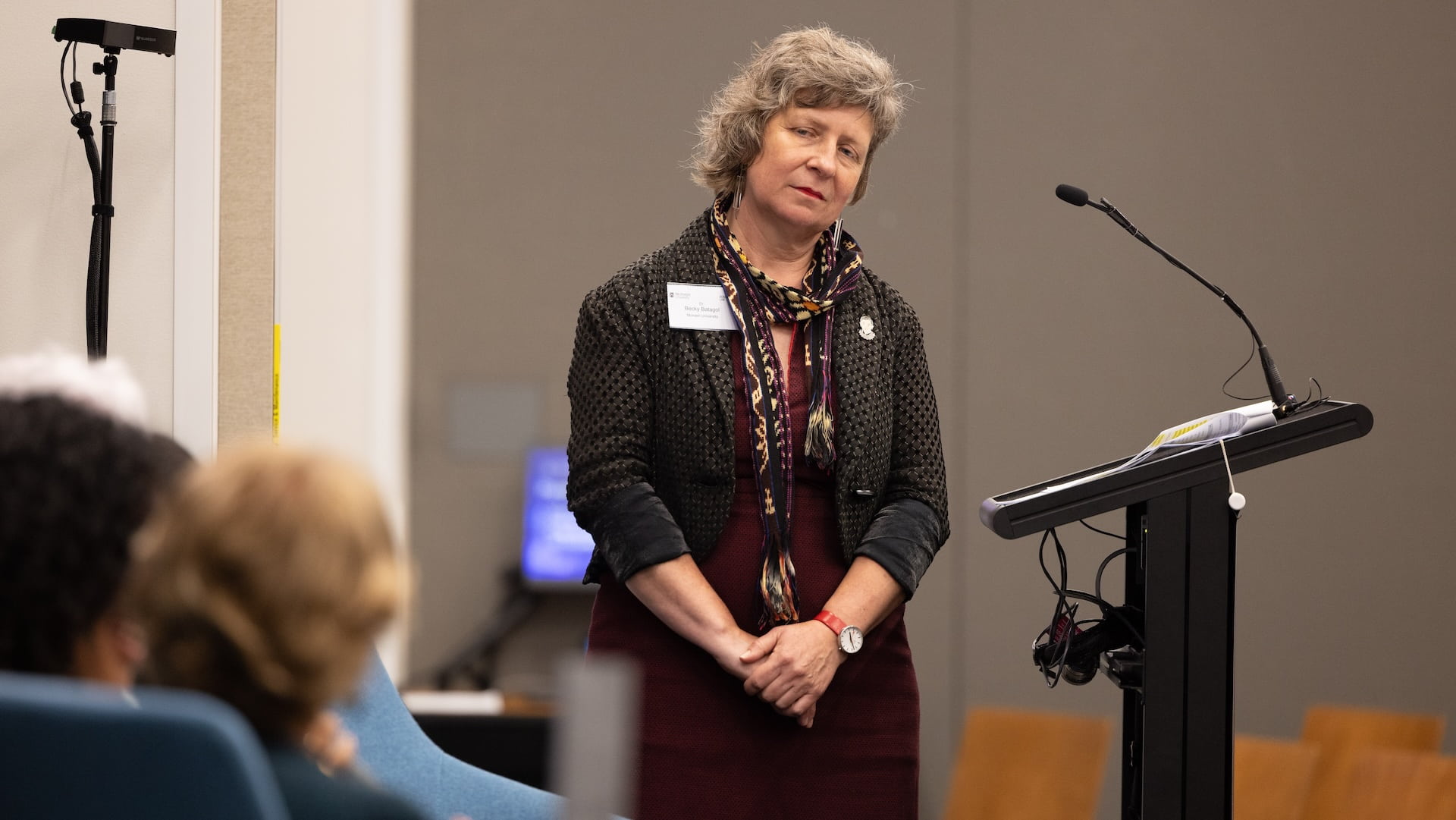
Associate Professor Becky Batagol.
Coate chose singer‑activist Joan Baez as the person she’d most like to share a coffee with. Highlighting women in their own families, Nguyen identified her grandmother and Glass her own mother. To those who still had their mothers in their lives, Glass urged them to capture their stories of resilience to be honoured and preserved.
“ Make sure you get their stories. Make sure you really find out, because one day it'll be too late.”
Sailo chose Jennifer Burnett, one of her first supervisors who she felt really saw her.
As an aside, it is interesting to reflect on who the event’s organising committee (Professors Pittard and Wolf and Associate Professor Batagol) would have chosen to chat with – unanimously it was Ruth Bader Ginsberg, justice of the United States Supreme Court from 1993 until her death in 2020!
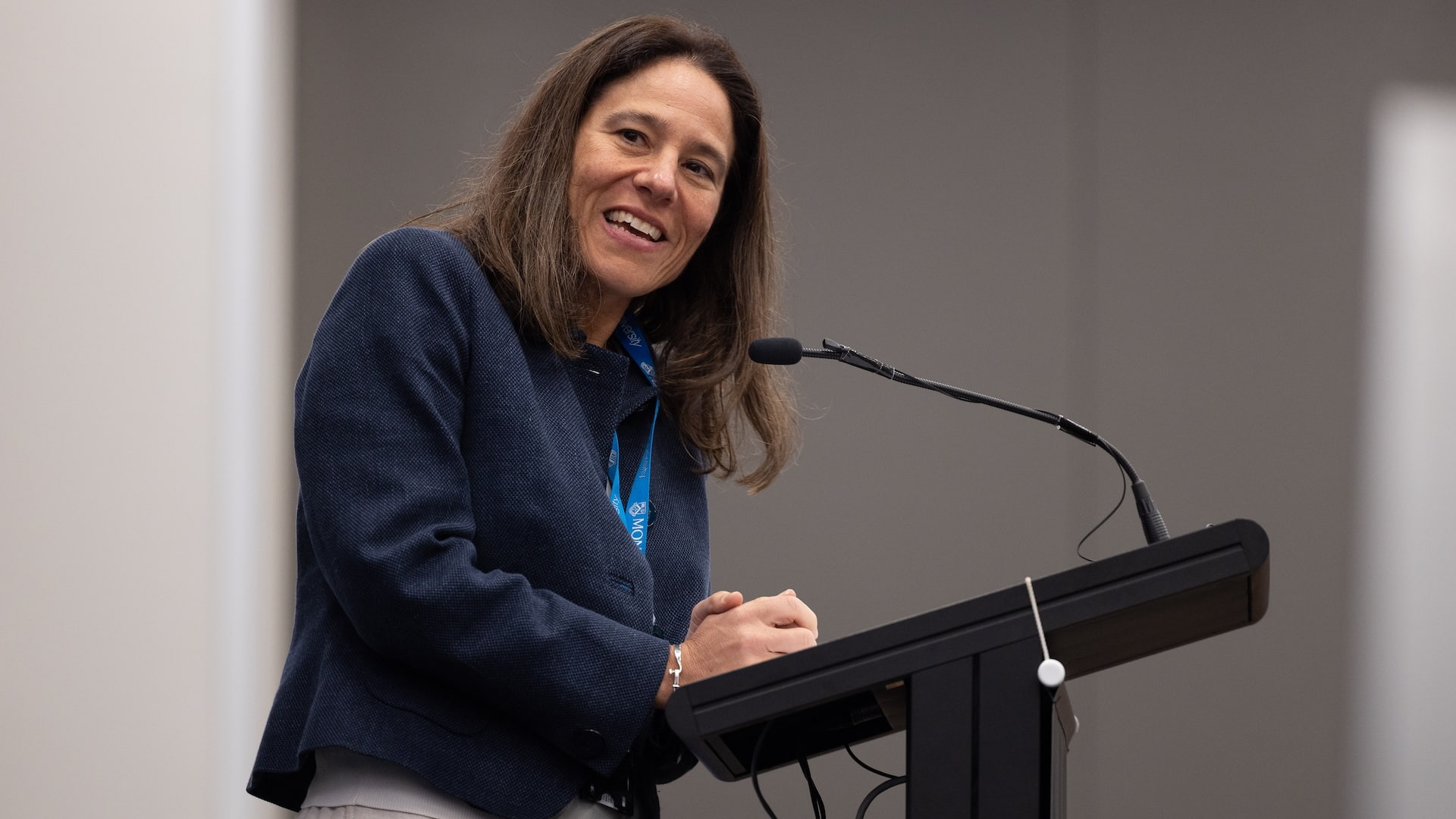
Professor Gabrielle Wolf.
Professor Gabrielle Wolf thanked all of the speakers and offered a reminder that vigilance and advocacy go hand in hand.
“ It takes freethinking, compassionate, courageous people to be able to stand on the edge of society and identify what's not okay, and to address those challenges. I think each of the people that you have heard from this evening, they are those people, and they’ve really given us reasons for optimism. Particularly, that people in the legal profession are in a very special position where they can really advocate for progressing towards greater gender equity.”