
Meet TDILS - Technology, Design, and Innovation in Legal Services
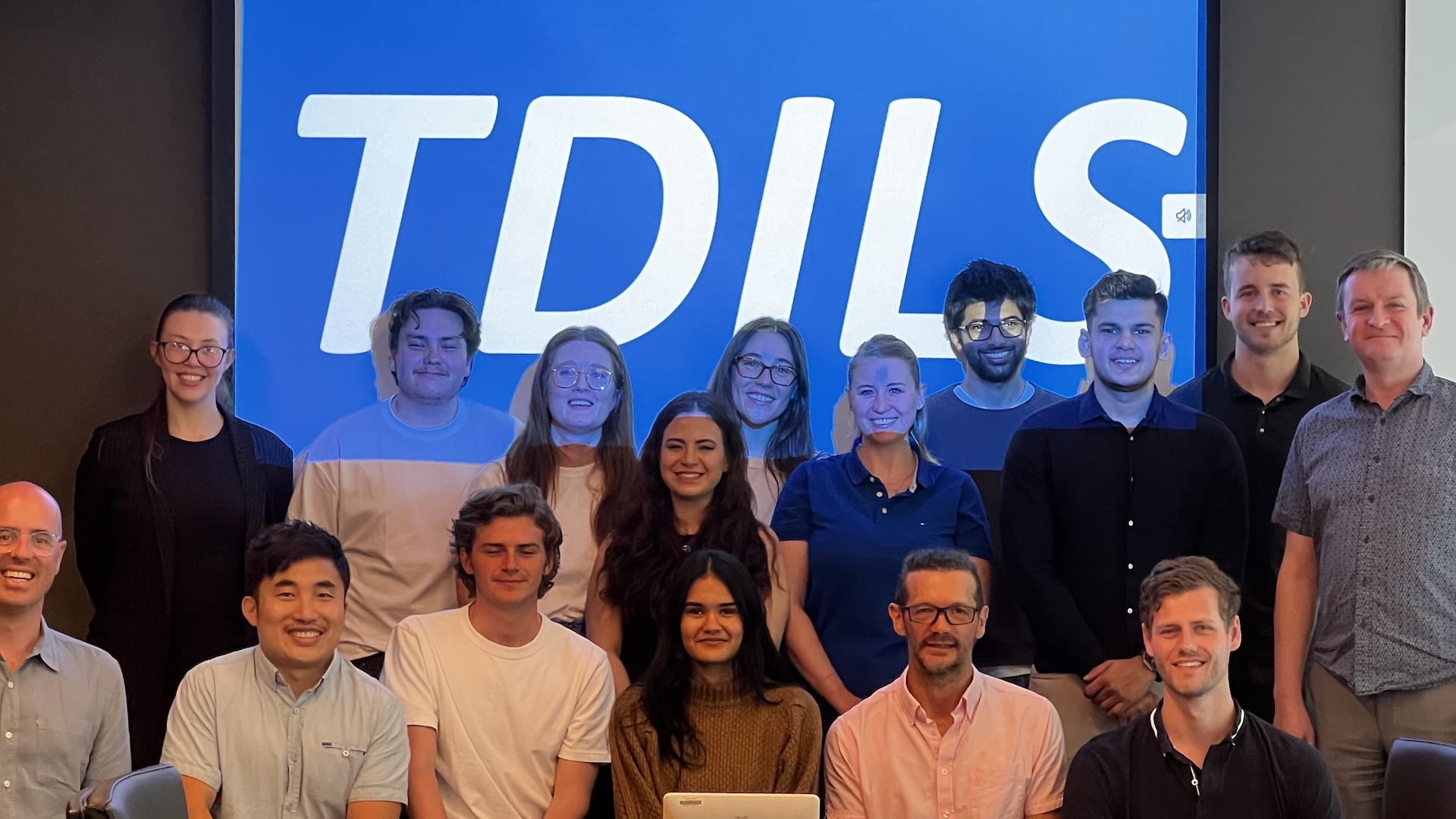
The first thing you need to know about Monash Law’s summer innovation unit is that it is the most non-law law unit. The second and most important thing you need to know is that the non-law elements of this unit will develop the soft skills that law students need to excel in your career.
Reuben Iywan recently completed Technology, Design, and Innovation in Legal Services and describes it as the most non-law unit he has undertaken at Monash Law.
“Technology, Design, and Innovation in Legal Services is a part of law which we’re not talking about often, but it is a part of law that is becoming incredibly relevant,” clarifies Iywan.
Dr Paul Burgess is happy to be breaking new ground with this elective unit, which he’s abbreviated to TDILS and affectionately calls “Tiddles.”
TDILS is part of the Summer 2024-2025 timetable which runs in face-to-face mode as workshops on-campus. It is designed as an intensive unit, so students will not feel overwhelmed like they might in a standard unit that’s condensed into the summer timetable. Students are allowed to enrol into a maximum of two summer units, which means you can pick up 12 credit points toward your degree over summer teaching periods.
Find out how to enrol in TDILS in the Summer 2024-2025 Timetable
TDILS is a new approach to legal education
Clearly, Tiddles is not your typical law course.
While traditional legal education focuses on teaching students to “think like a lawyer,” TDILS encourages students to abandon conventional thinking and embrace an entrepreneurial mindset. This shift is crucial in today’s tech and AI-driven society, where innovative problem-solving is key to making a significant impact.
Dr Paul Burgess, the driving force behind TDILS, emphasises the importance of this new approach.
“I’m passionate about teaching law students to innovate and to problem solve in ways that allow them to make a difference in the world,” Burgess said.
“TDILS places students in a position to change society by maximising their ability to problem solve and gives them the contacts and skills to affect that change.”
TDILS develops soft skills for the working world
One of the standout features of TDILS is its focus on practical skills not typically covered in traditional law school curricula. Students learn agile project management and design thinking, equipping them with the tools to identify and solve real-world problems effectively.
These skills are essential for navigating the complexities of modern legal practice and for driving innovation within the industry.
Reuben Iywan highlights the practical nature of the course and often reassures fellow students that this unit does not require a STEM brain for success.
“You learn soft skills which fit quite squarely with some other flagship units we do, such as negotiations and conflict resolution, and mooting subjects. It’s really a skills-based unit.”
Because of these skills that are not typically covered in traditional law school curricula, Iywan, a Law and Engineering student, often recommends the unit to students like himself who are doing a double degree.
“I've recommended TDILS to quite a few of my engineering law friends, because it sits quite well alongside some engineering units,” said Iywan.

TDILS connects students with industry leaders
TDILS offers students unparalleled opportunities to connect with leaders and change-makers in the legal and tech industries.
Each class features a guest speaker from a relevant field, providing students with insights and networking opportunities that can be pivotal for their careers. The small class sizes ensure that students can engage meaningfully with these industry experts.
“Almost every day we had a different guest speaker. They all build soft skills, which is not something you always get in law. We had speakers from various fields, including teamwork, pitching products, and legal tech innovations,” said Iywan.
The impact of these connections is evident in previous students. One former TDILS student returned as a guest speaker after being hired by a guest speaker from their own class. Others have gone on to influence the use of law and technology in various roles within the public service, legal practice, and private sectors.
This blend of entrepreneurial, problem-focused lawyers with a change-oriented mindset has proven to be a catalyst for significant change.
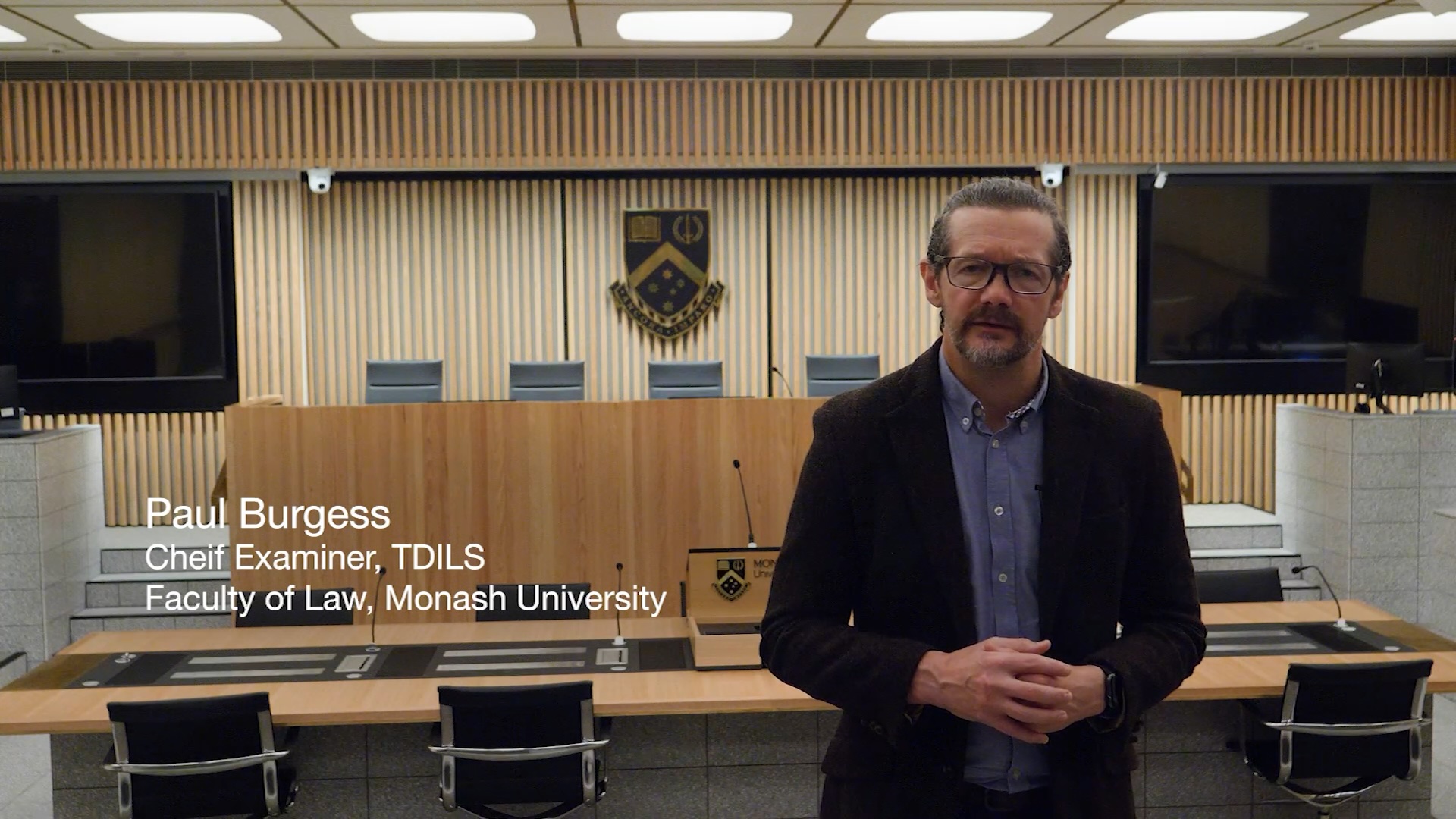
Watch Dr Paul Burgess's introduction to the TDILS unit.
Making a positive impact through legal innovation
The ultimate goal of TDILS is to empower students to make a positive impact in the world. With the skills and connections gained through the course, students are well-positioned to drive innovation and effect change in their respective fields.
“With the skills provided in TDILS, and through the connections forged with guest speakers, TDILS places students in the ideal position to make a positive impact in the world,” asserted Dr Paul Burgess.
Iywan’s experience underscores Burgess’s assertion.
“You just build on so many soft skills. It’s a hallmark that you’ll be able to speak to, and it makes you more employable with those transferable skills.”
TDILS is a unique opportunity for law students who are eager to enhance their traditional legal education and embrace a future-oriented, innovative approach to legal practice.
Find out how to enrol in TDILS in the Summer 2024-2025 Timetable