Hot Air Transformations
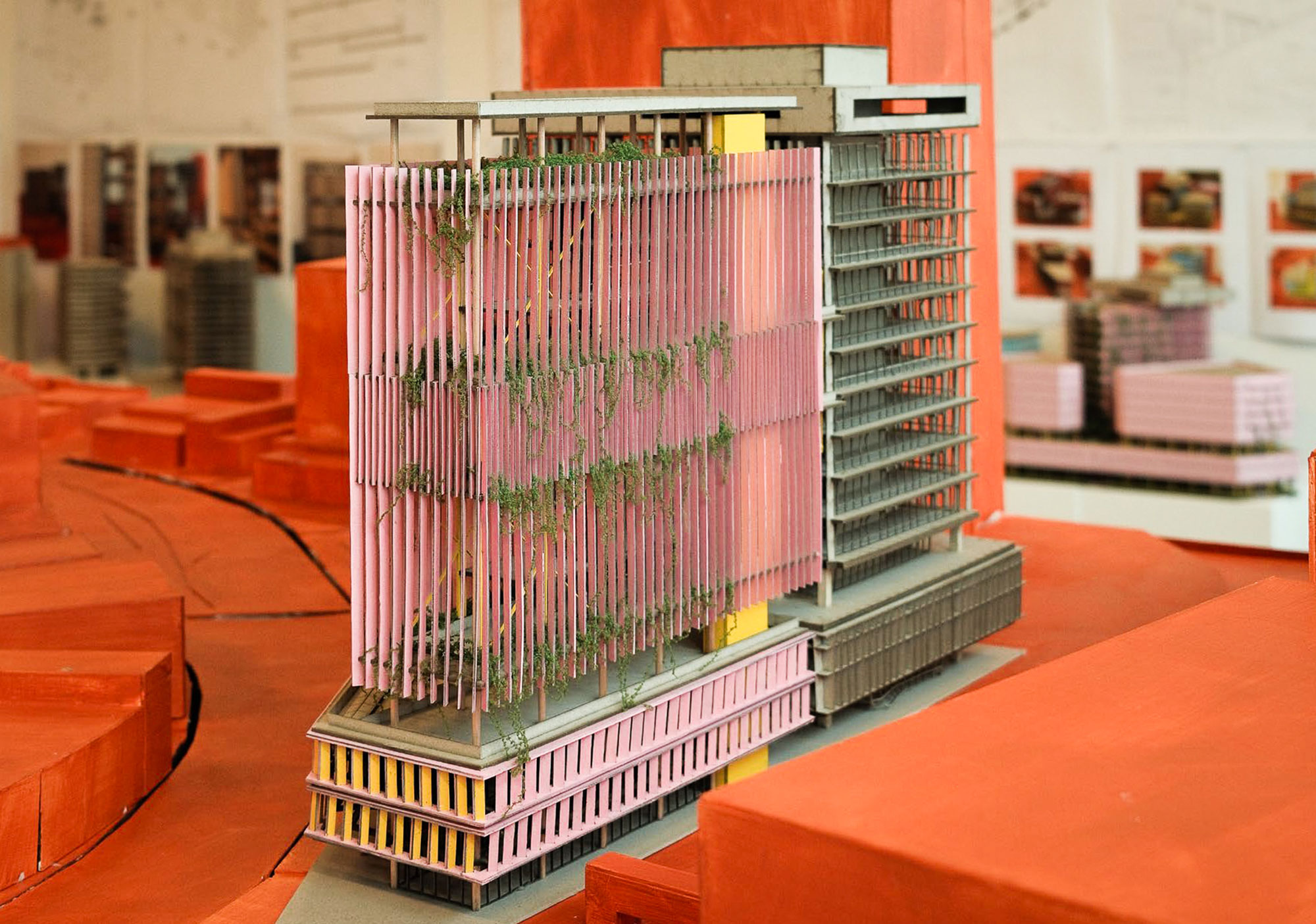
This travelling research studio positioned fieldwork as a central mode of architectural inquiry, using Kuala Lumpur as a live site for studying tropical modernism, adaptive reuse, and low-carbon design. Set within a high-density megacity at the geographic and political centre of ASEAN, the studio examined how architecture can respond to the pressures of tropical climate, urban growth, and a warming world.
Students documented and analysed a selection of 20th-century, tropically calibrated buildings constructed during, or in the spirit of, Merdeka. Many of these buildings have since been vacated, deactivated, or identified as candidates for transformation, including Maybank Tower, the Dayabumi Complex, and the Malaysian Houses of Parliament. These works were studied alongside their surrounding urban, social, and ecological contexts to understand their role within the wider fabric of Kuala Lumpur.
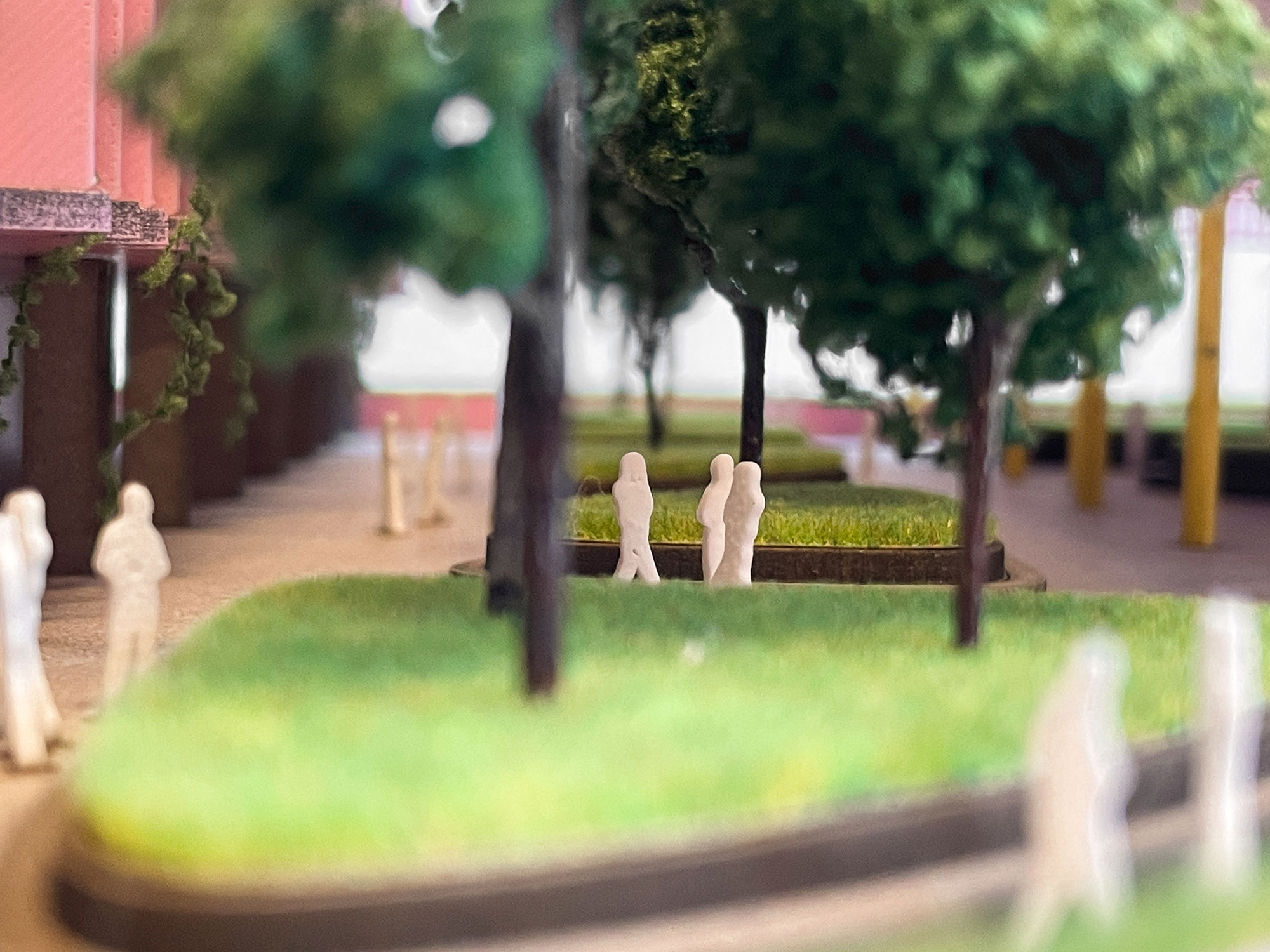
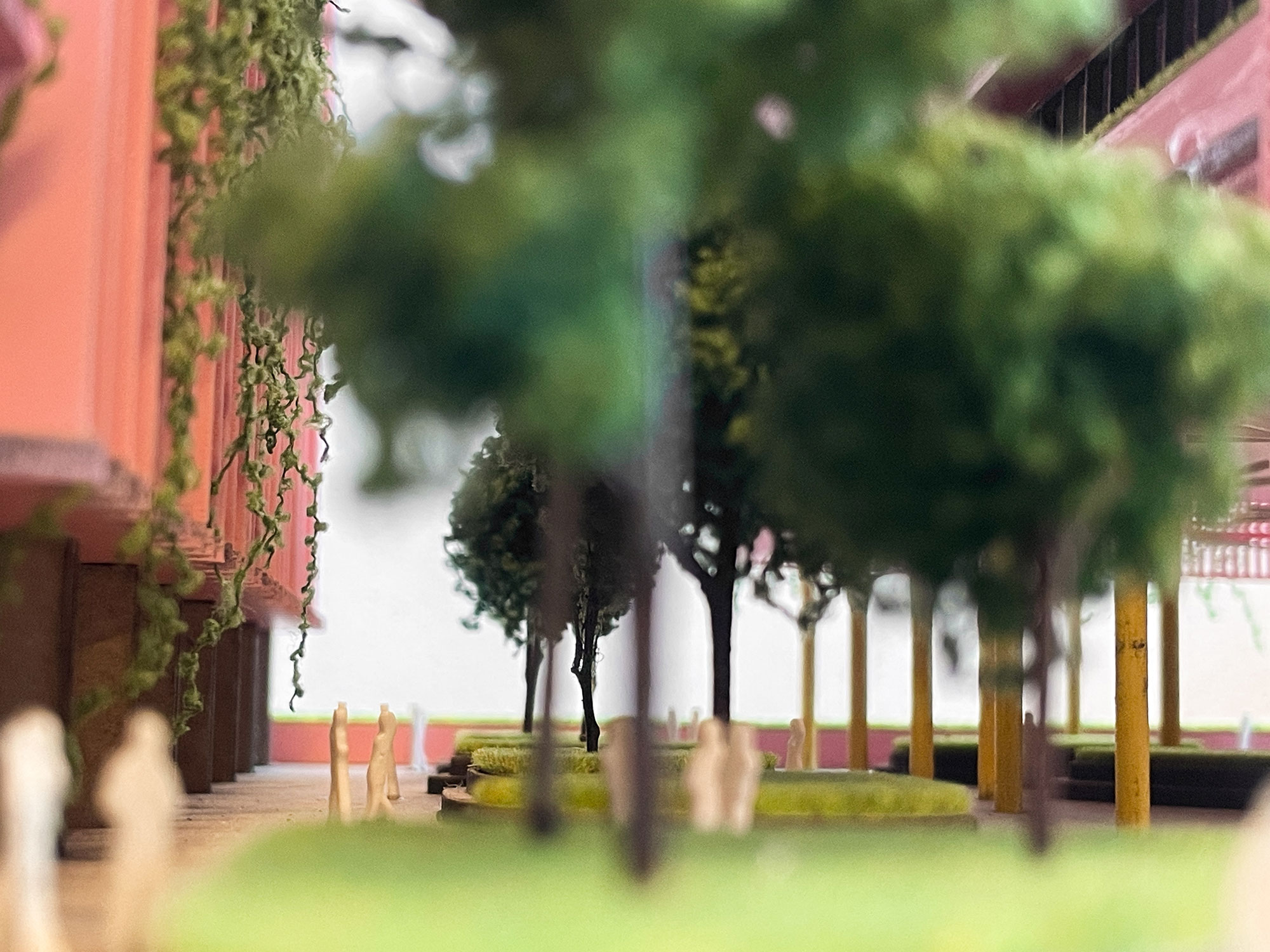
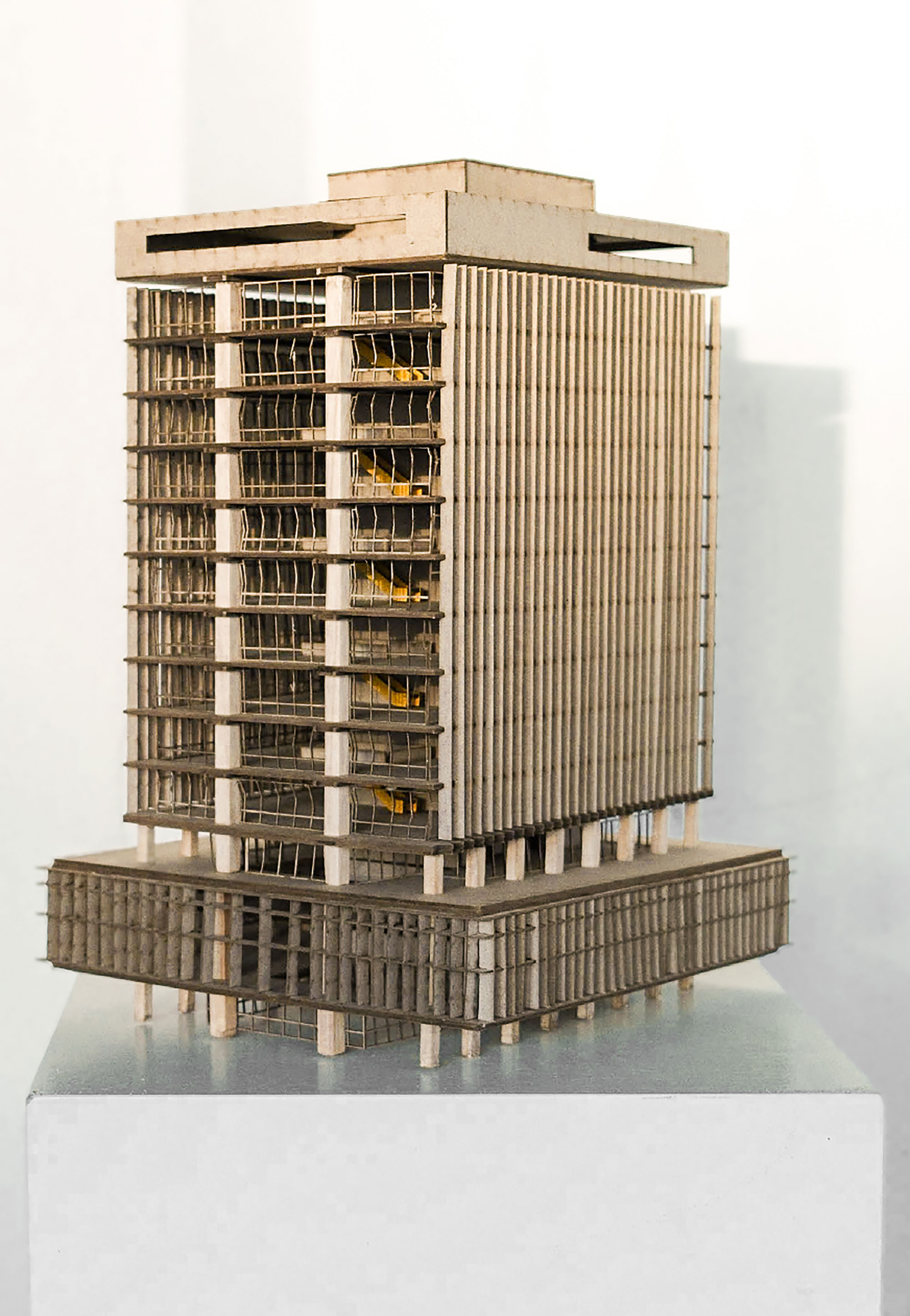
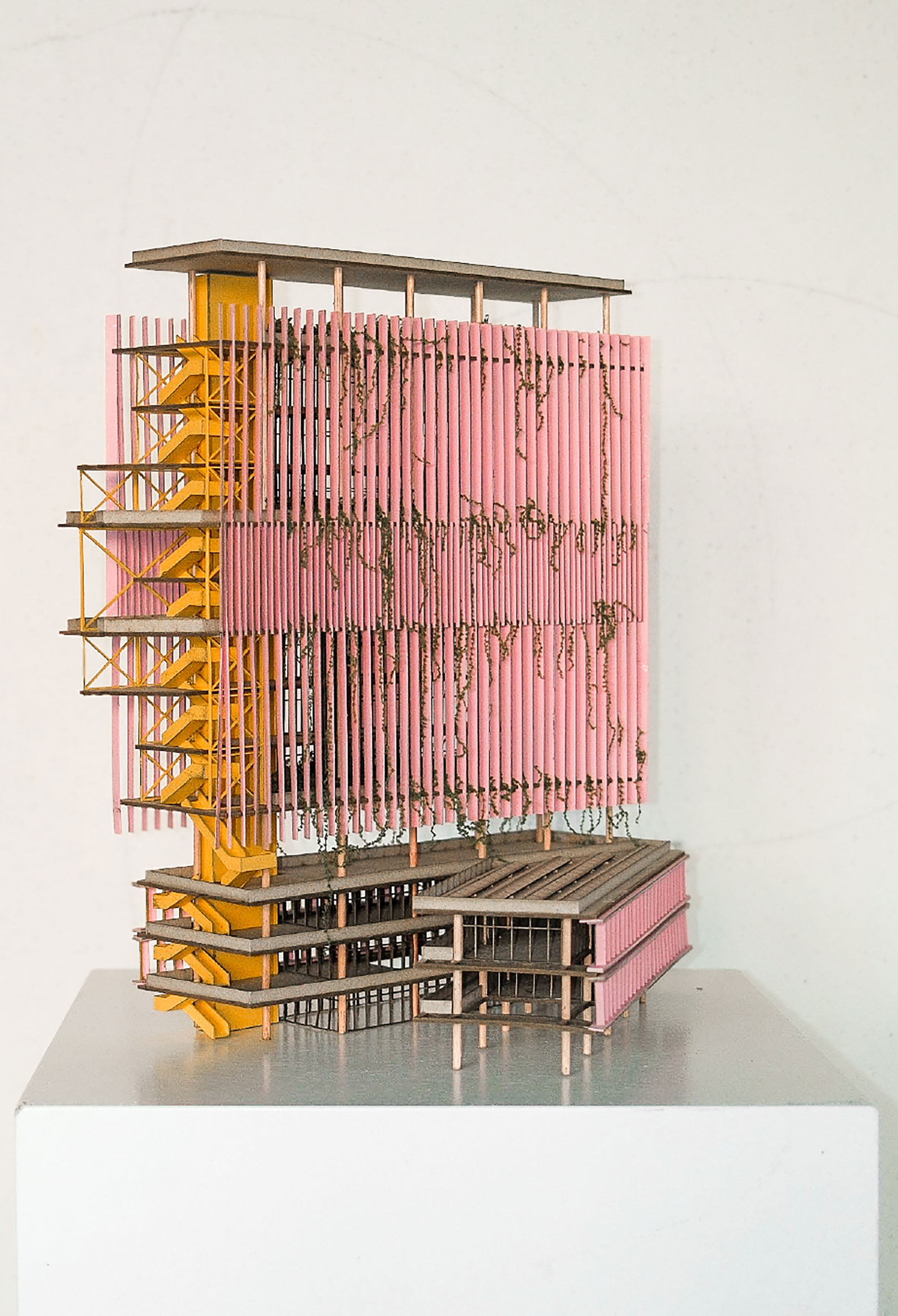
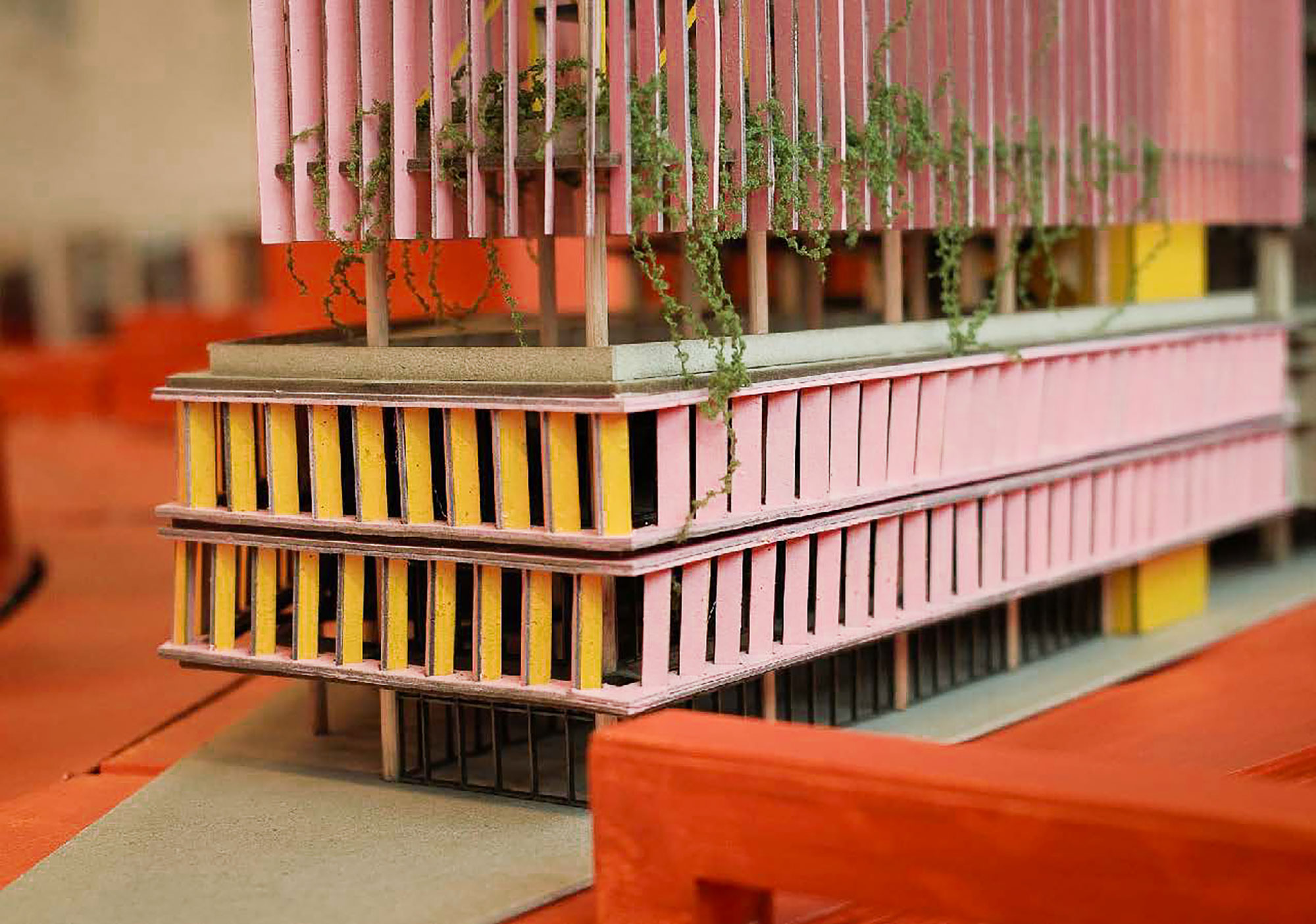
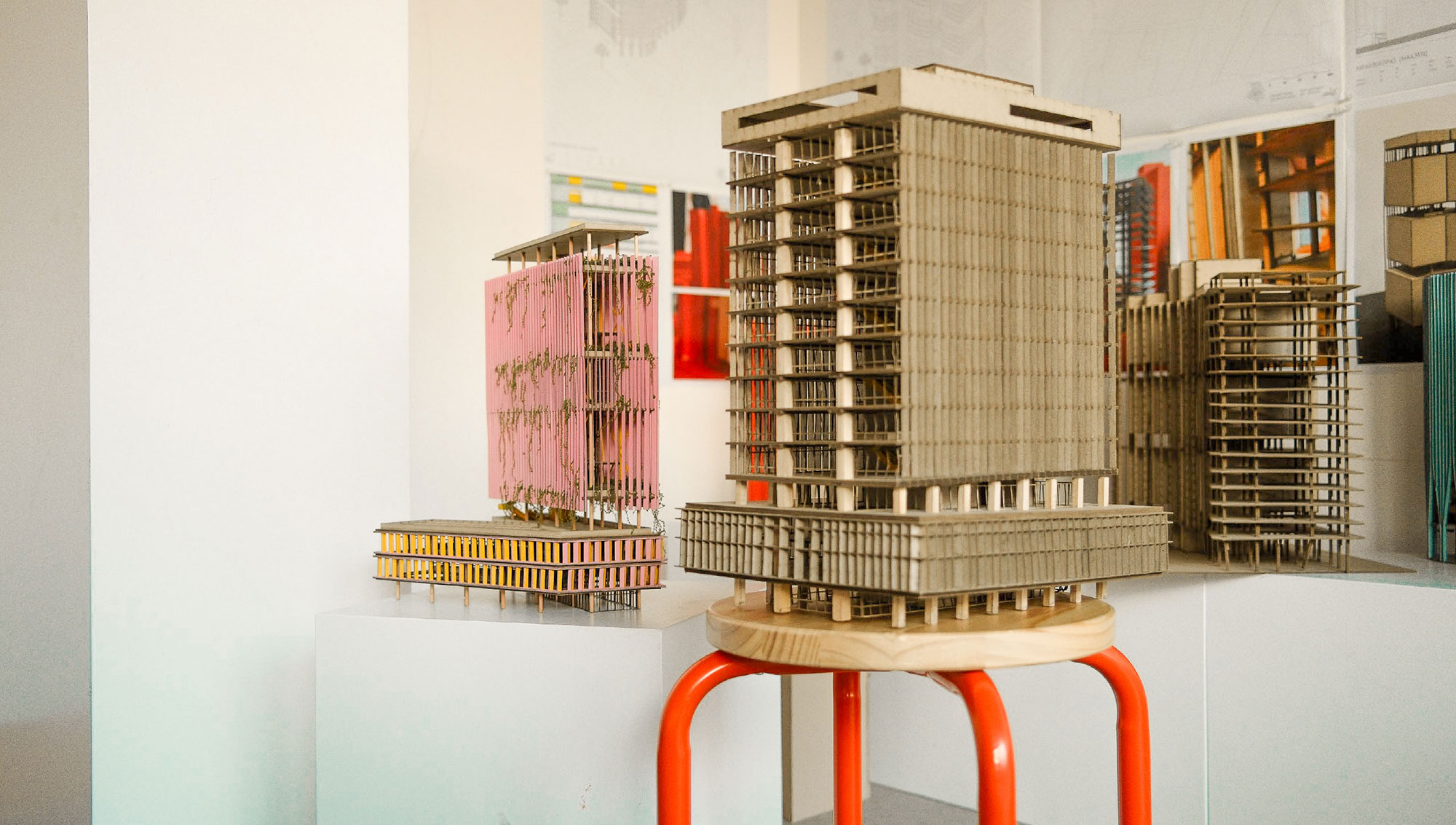
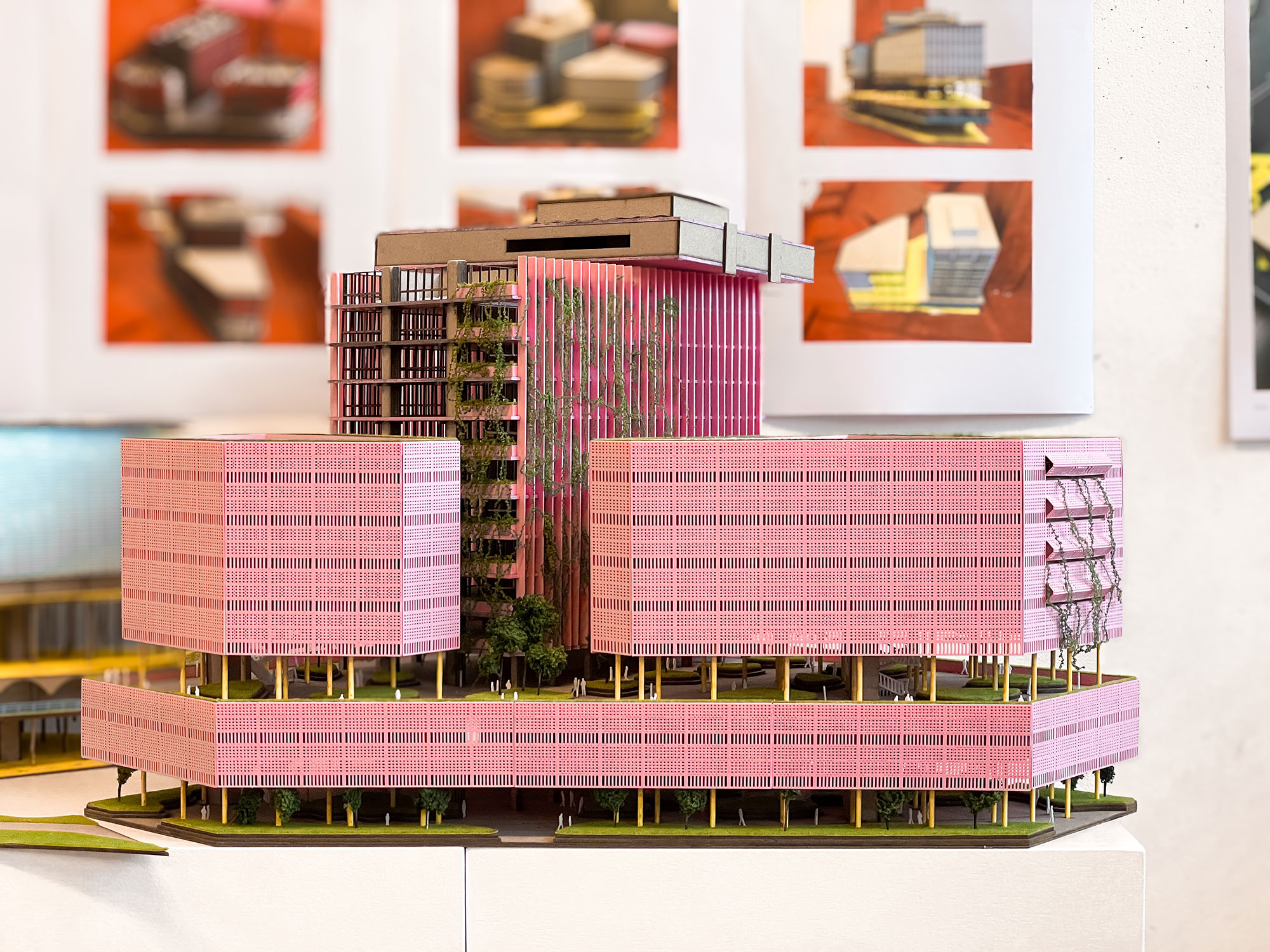
The studio focused on large-scale adaptive reuse, urban regeneration, and the development of low-carbon systems. Students tested design propositions through on-site observation, life-cycle assessment, material research, analogue modelling, and architectural drawing. Final projects proposed net-zero or low-carbon futures for selected buildings, situating architectural intervention within contemporary equatorial discourse and Kuala Lumpur’s vibrant design and architectural communities.
Studio leader: Professor Erik L'Heureux