Gleaning
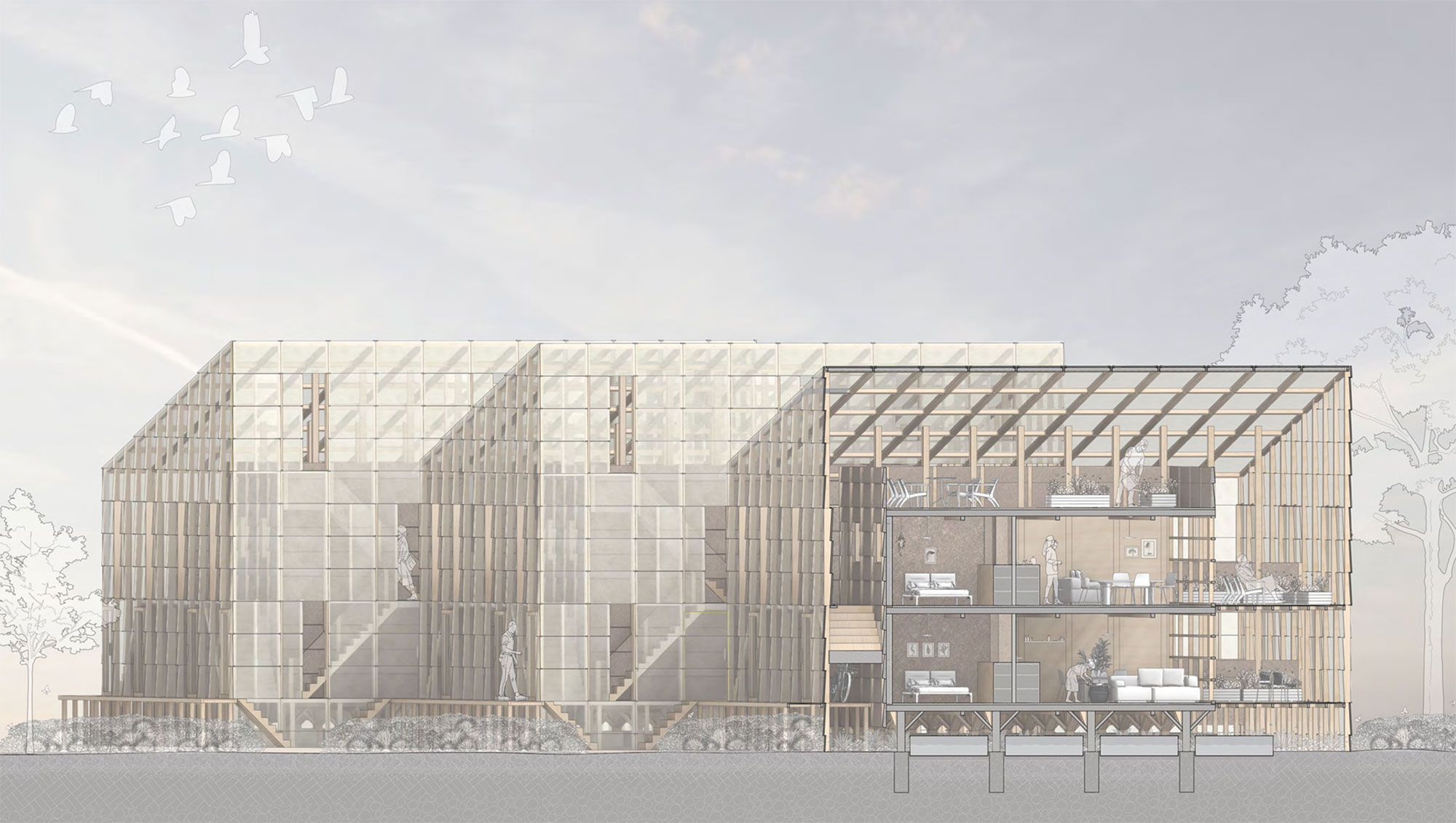
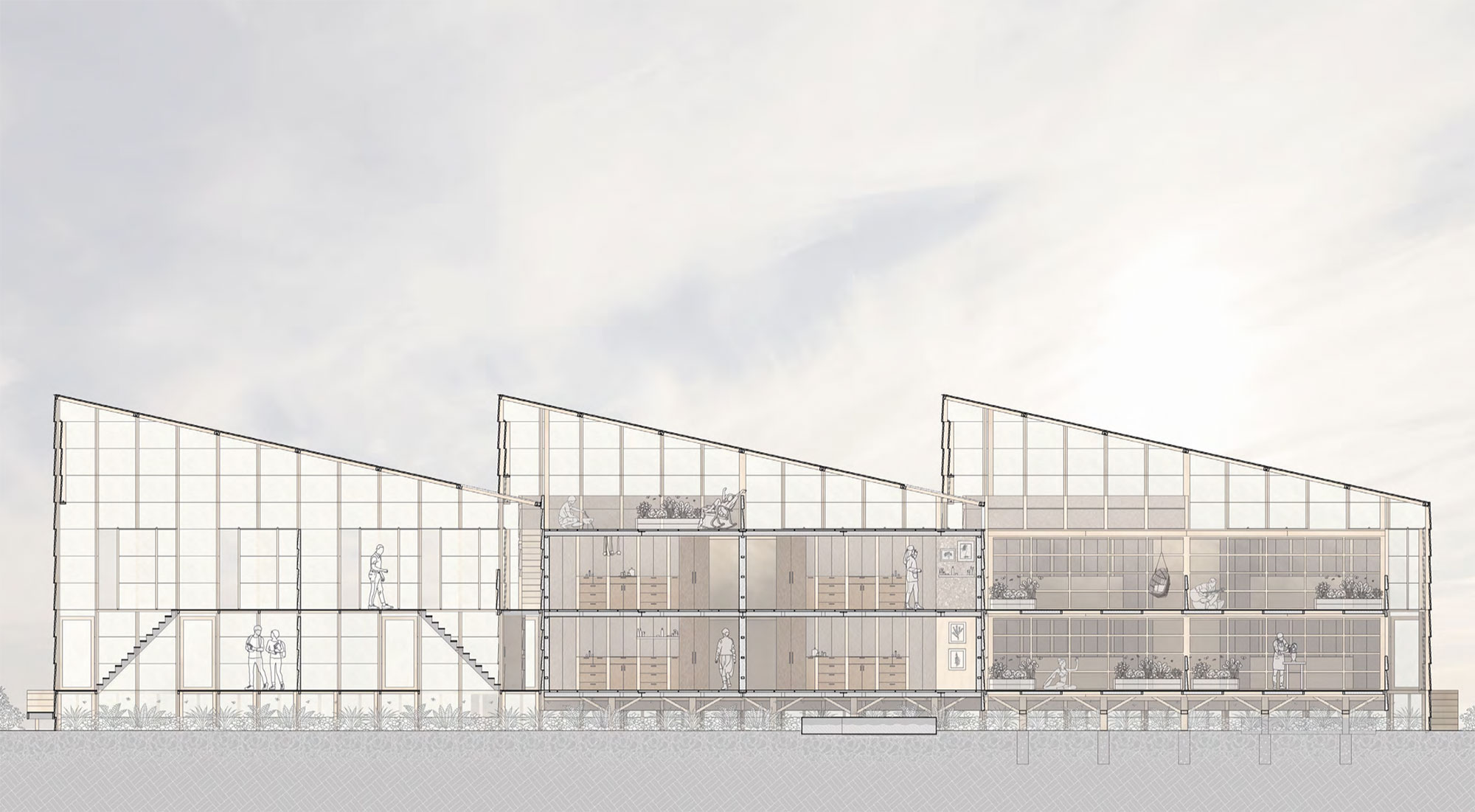
This studio explored the village of Tyabb on the Mornington Peninsula as a site for imagining alternative futures for dwelling, production, and community life. Drawing from the idea of “gleaning” — the careful collection of overlooked information, materials, and resources — the studio challenged assumptions that underutilised buildings and sites should be demolished and replaced with generic urban models.
Students investigated Tyabb’s agricultural context, settlement patterns, low-grade buildings, land-use networks, and material histories to uncover the potential of adding to what already exists. The studio focused on the relationship between socially constructed environments and material extraction, treating architecture as part of a wider resource cycle.
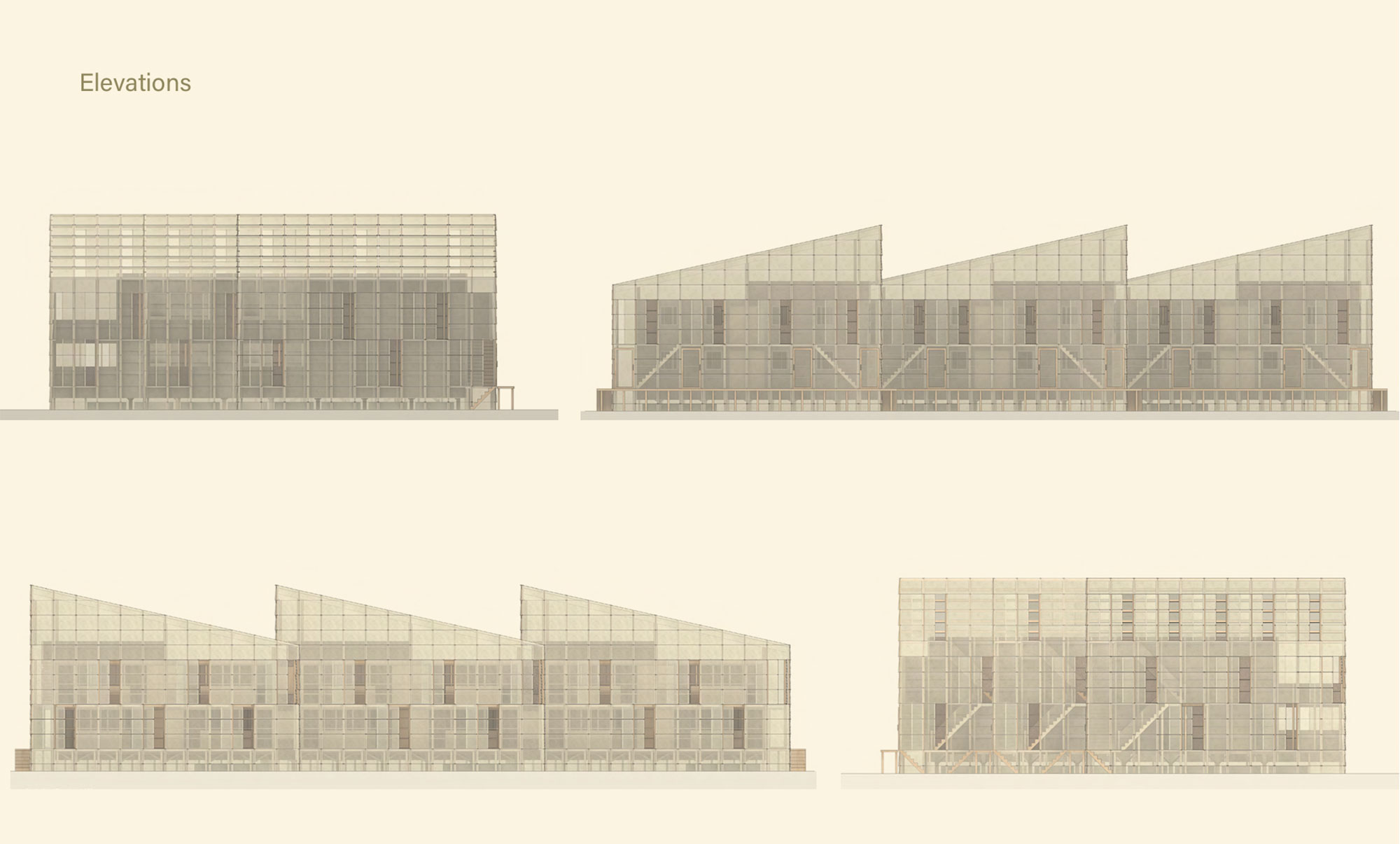
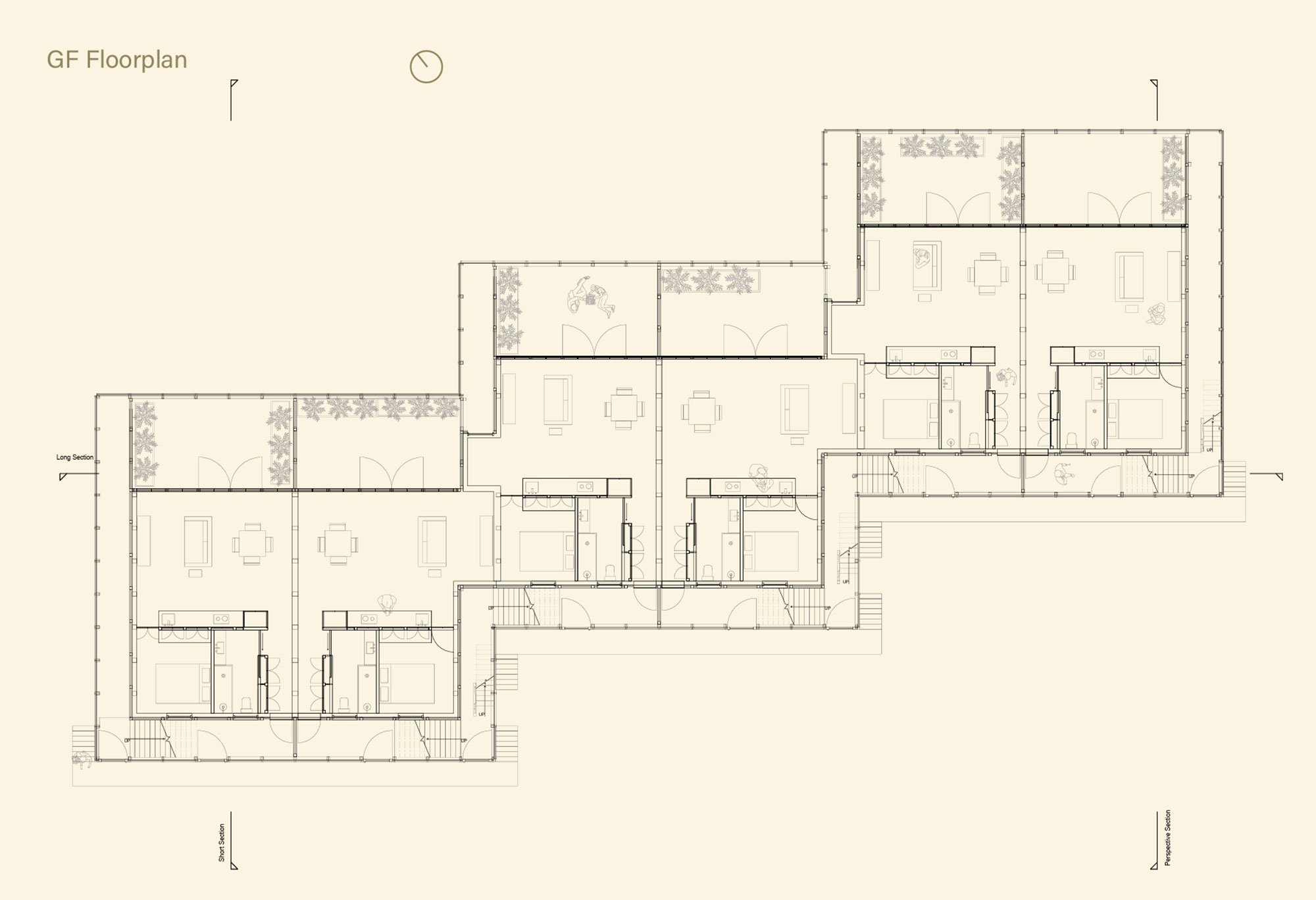
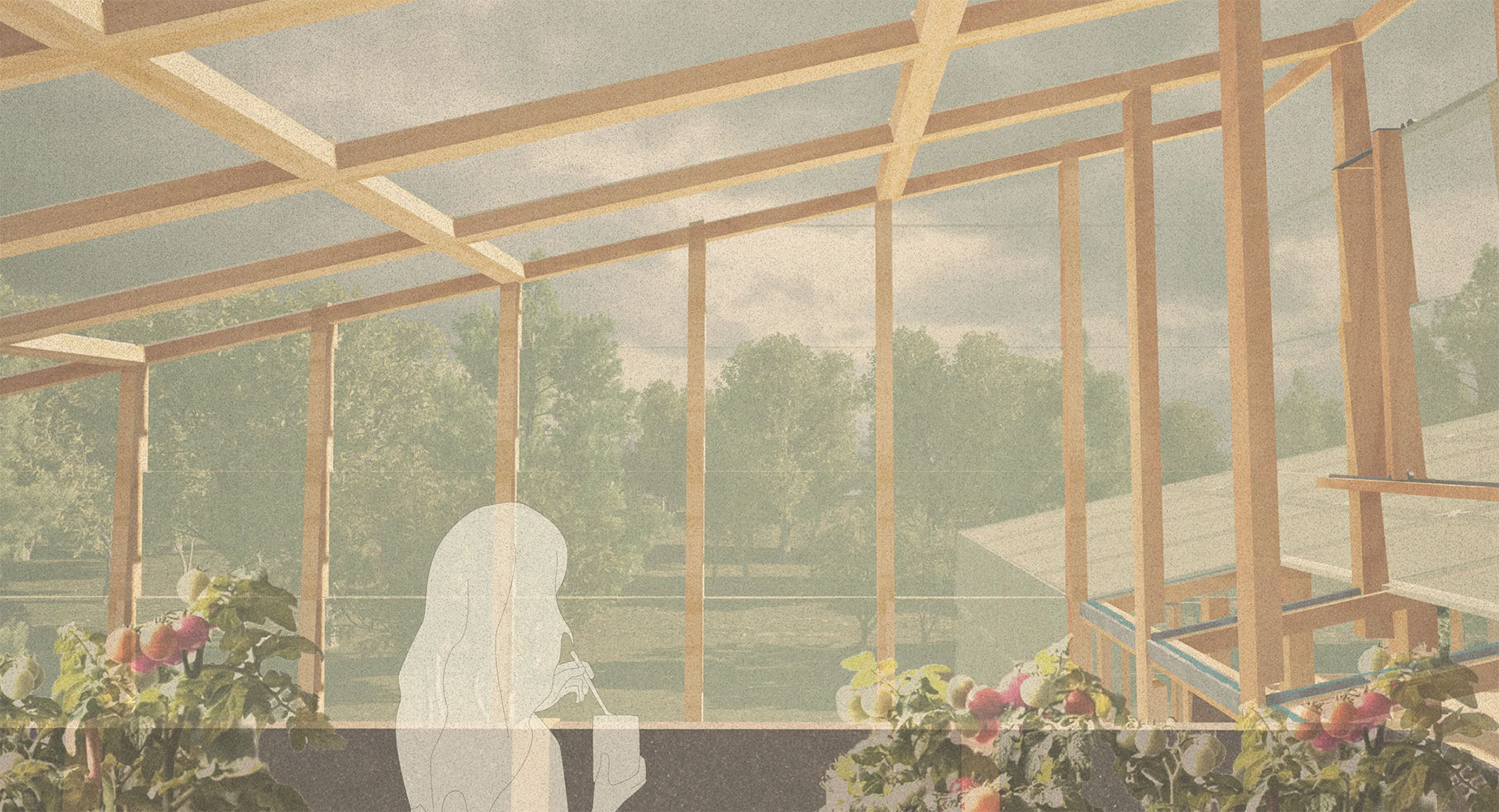
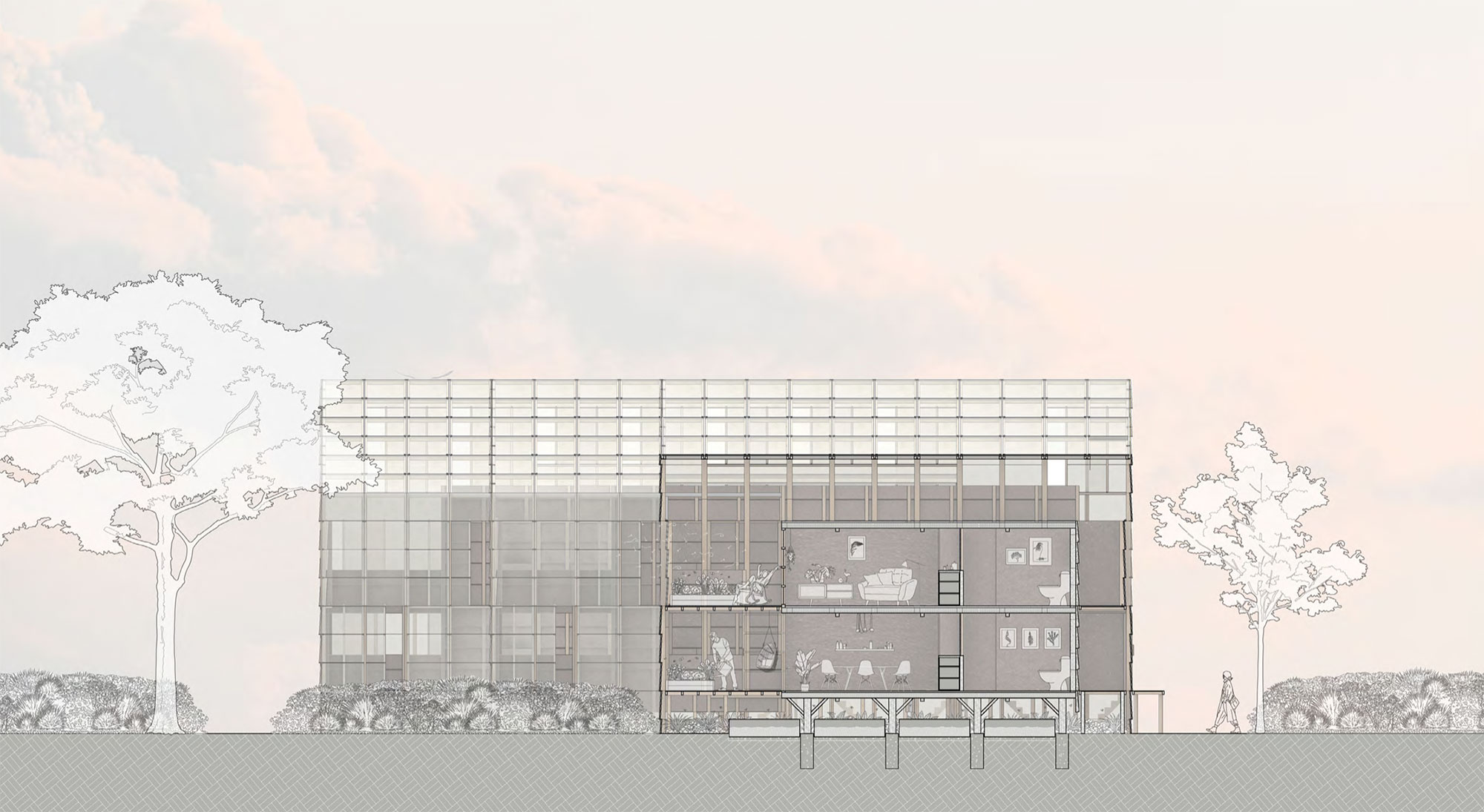
Working in teams, students designed loose-fit, multi-use buildings that combined affordable or short-term accommodation, youth and community infrastructure, and municipal, environmental, or agricultural programs. Each proposal was developed through research, mapping, drawing, writing, modelling, and iterative design testing.
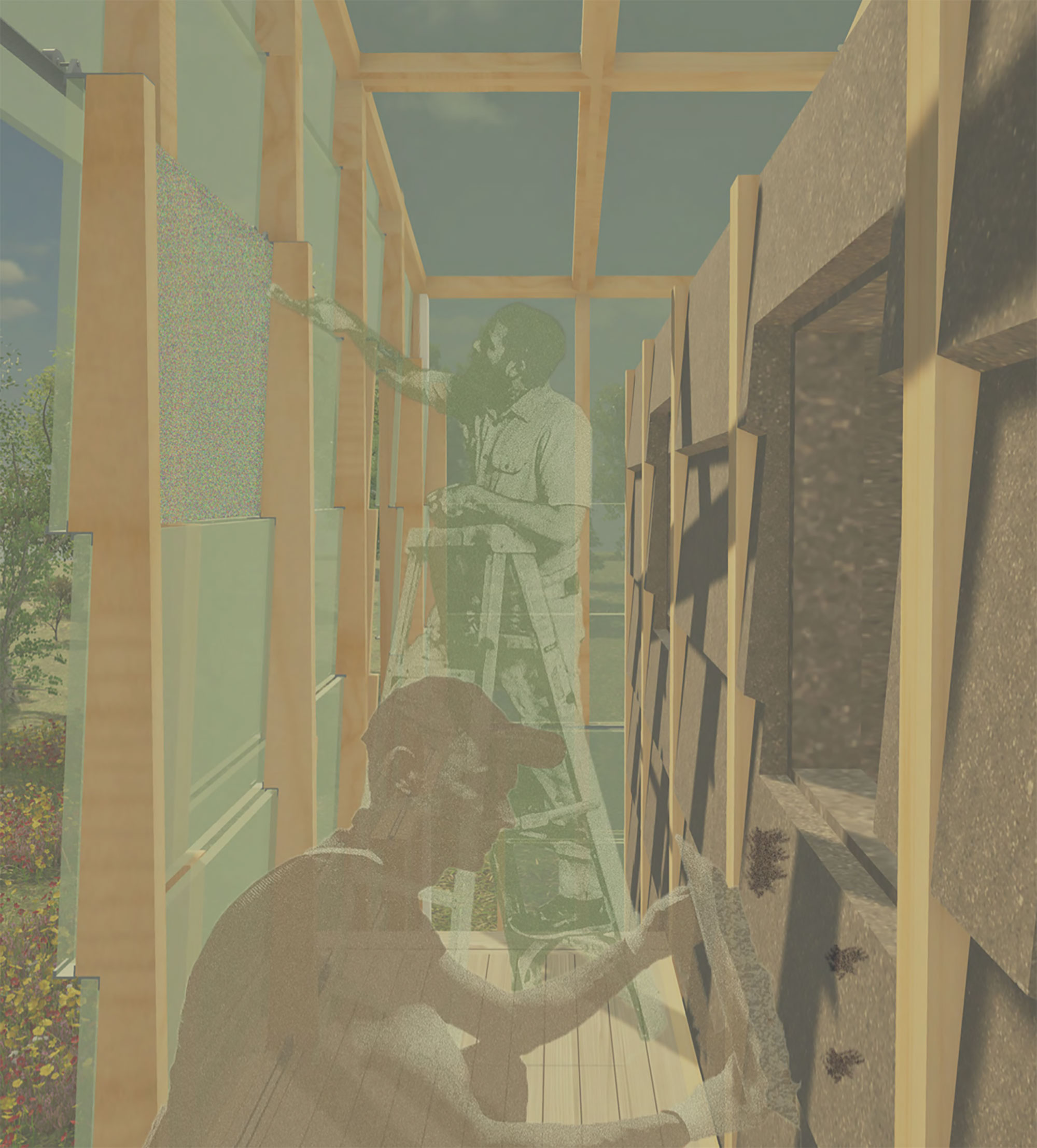
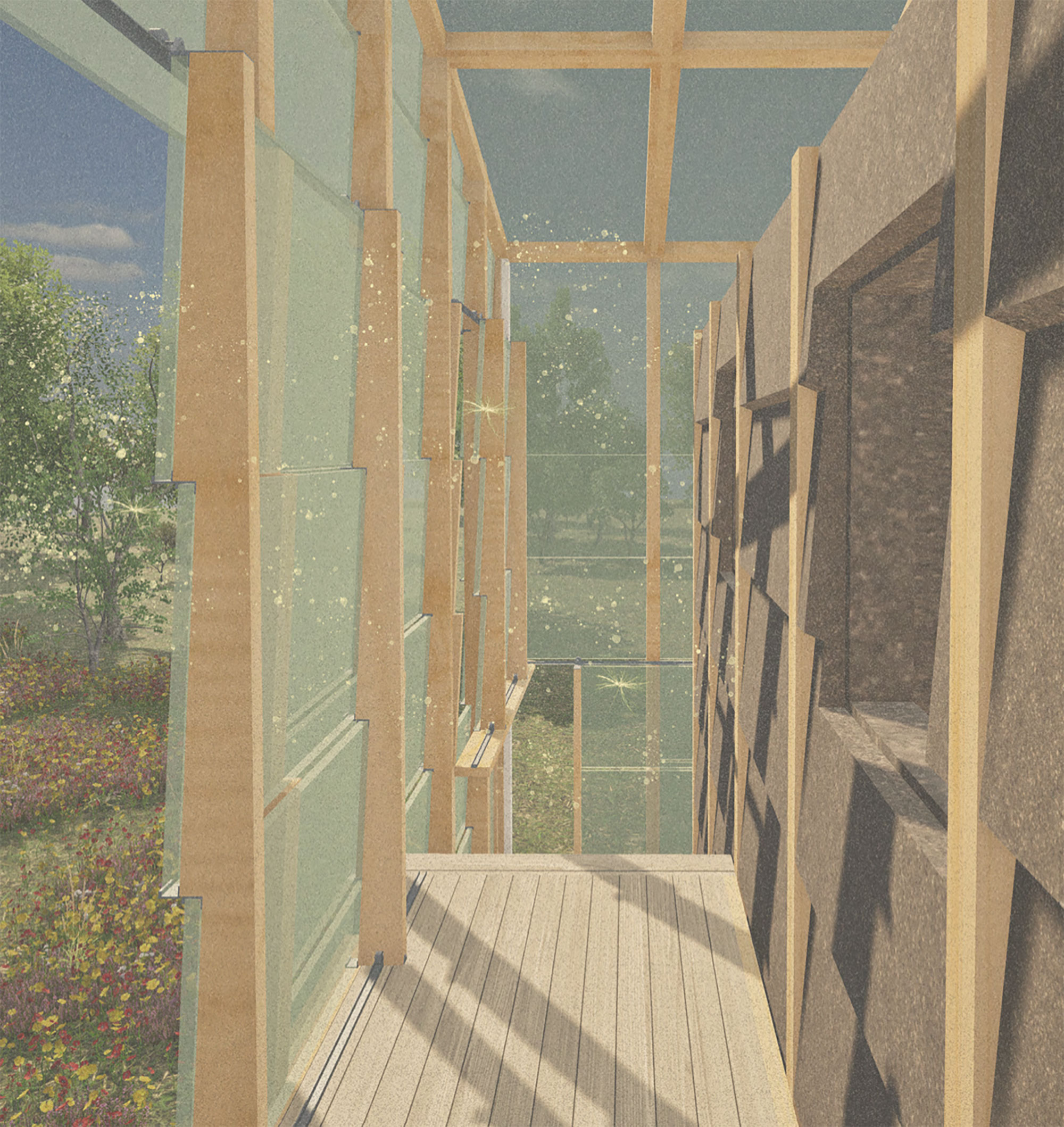
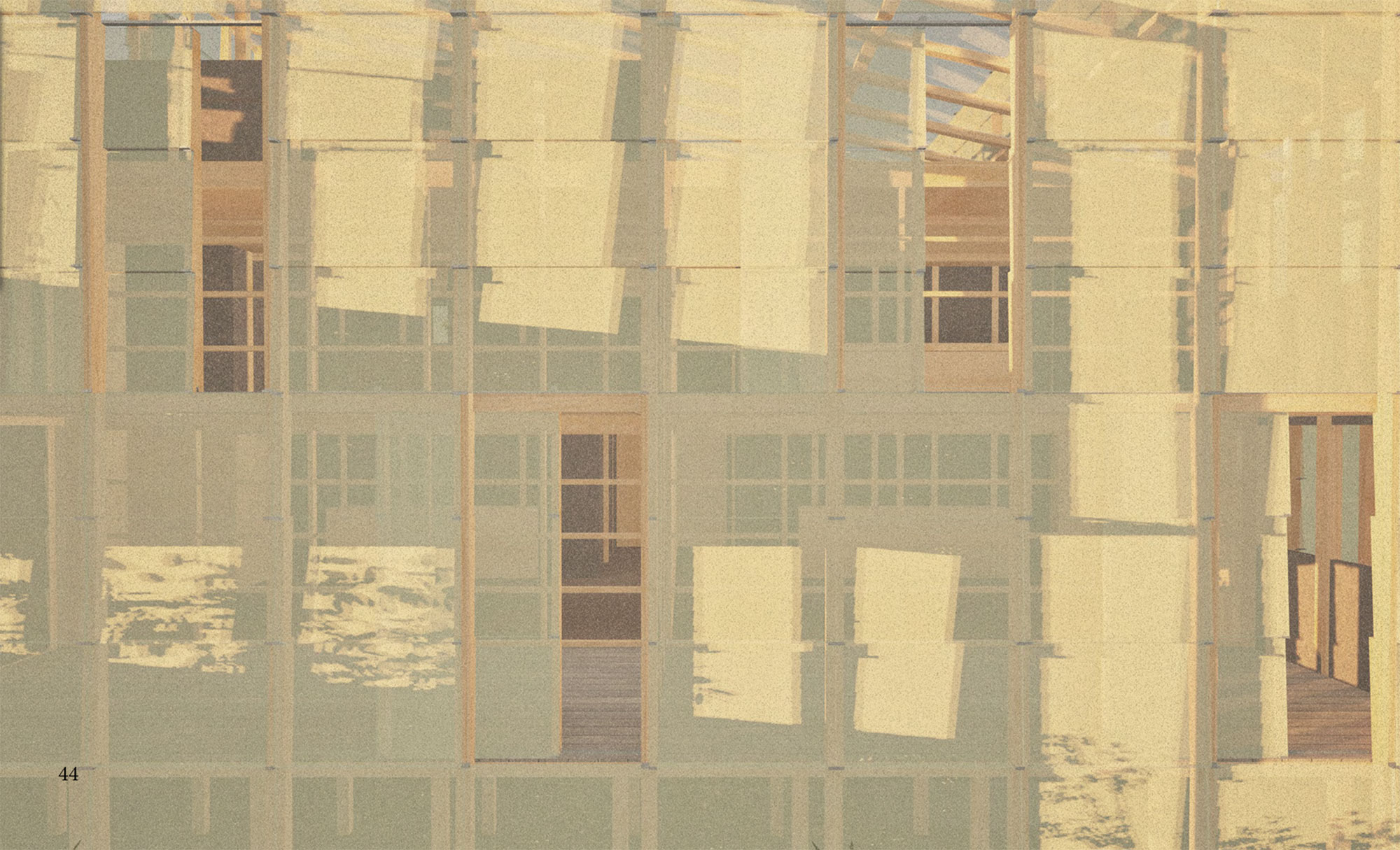
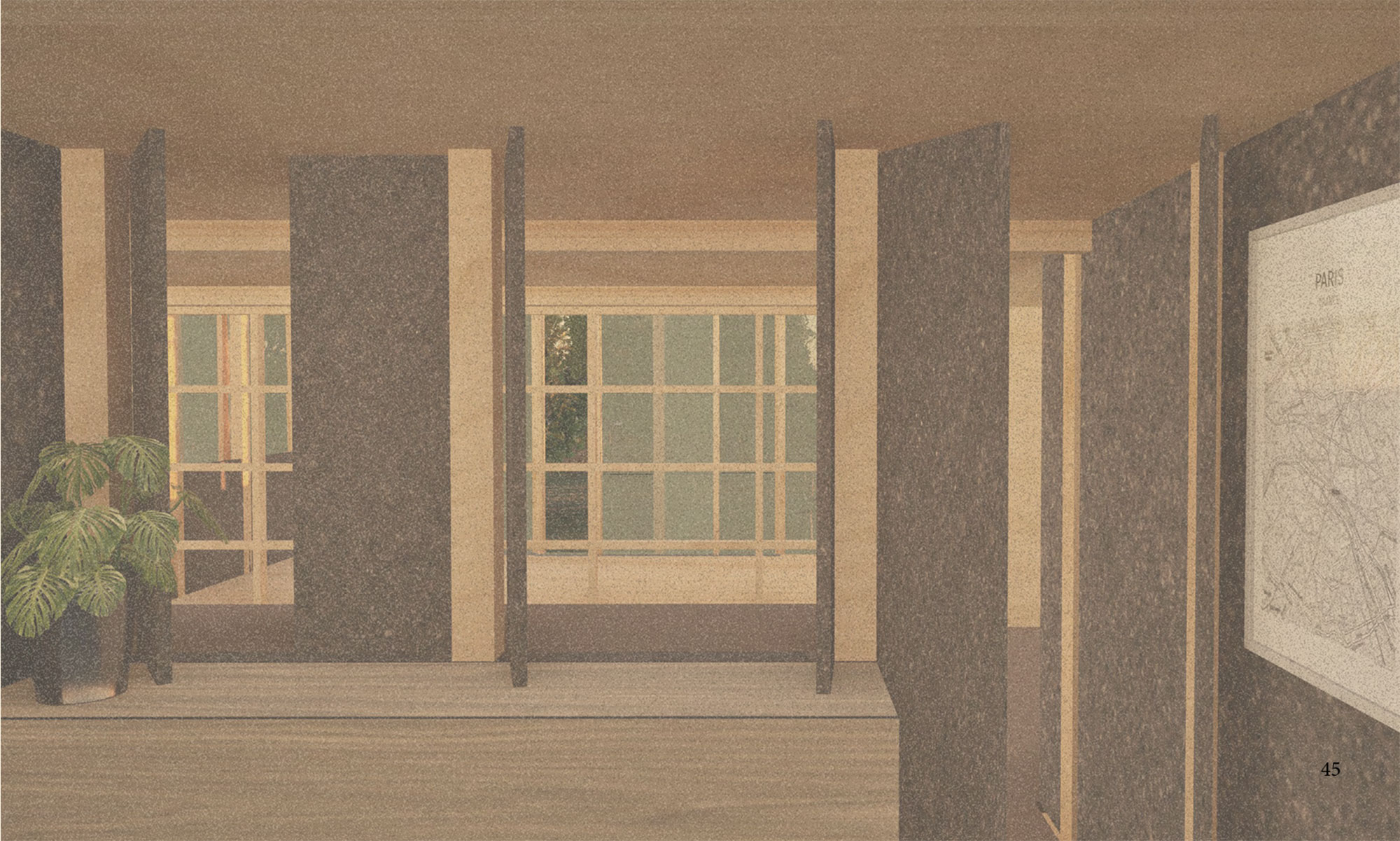
A key focus of the studio was the use of biogenic materials and local assets, such as grasses, wool, clay, and soil, as primary architectural systems for thermal comfort, tectonic expression, and cultural meaning. Through this process, projects proposed less consumption-driven futures rooted in agro-ecology, reuse, social complexity, and the latent value of place.
Studio leader: Lucinda Mason