
Active Images
Please join us for the opening of Annika Koops’ exhibition ‘Active Images’ at MADA gallery Thursday 22 May 5pm – 7pm
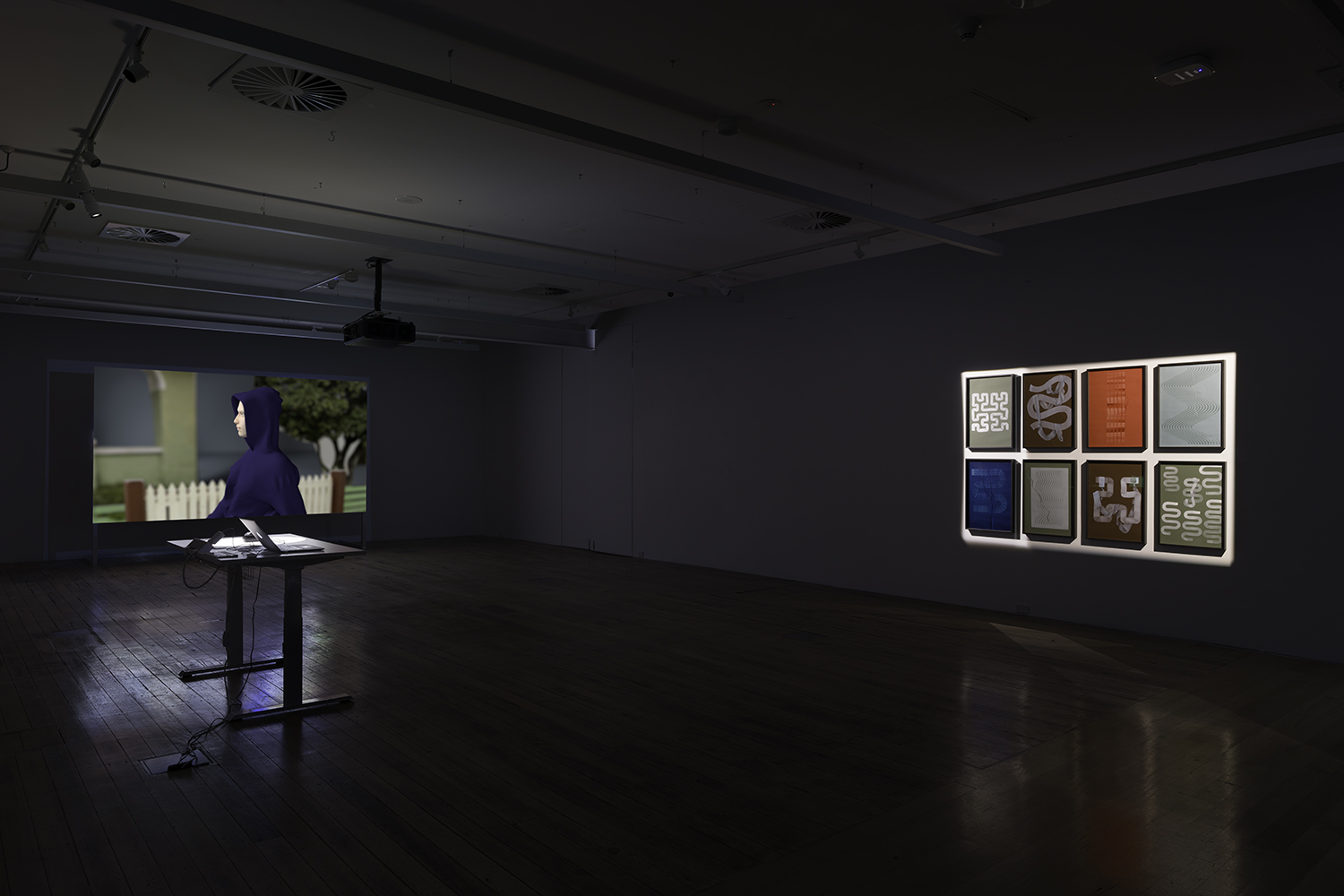
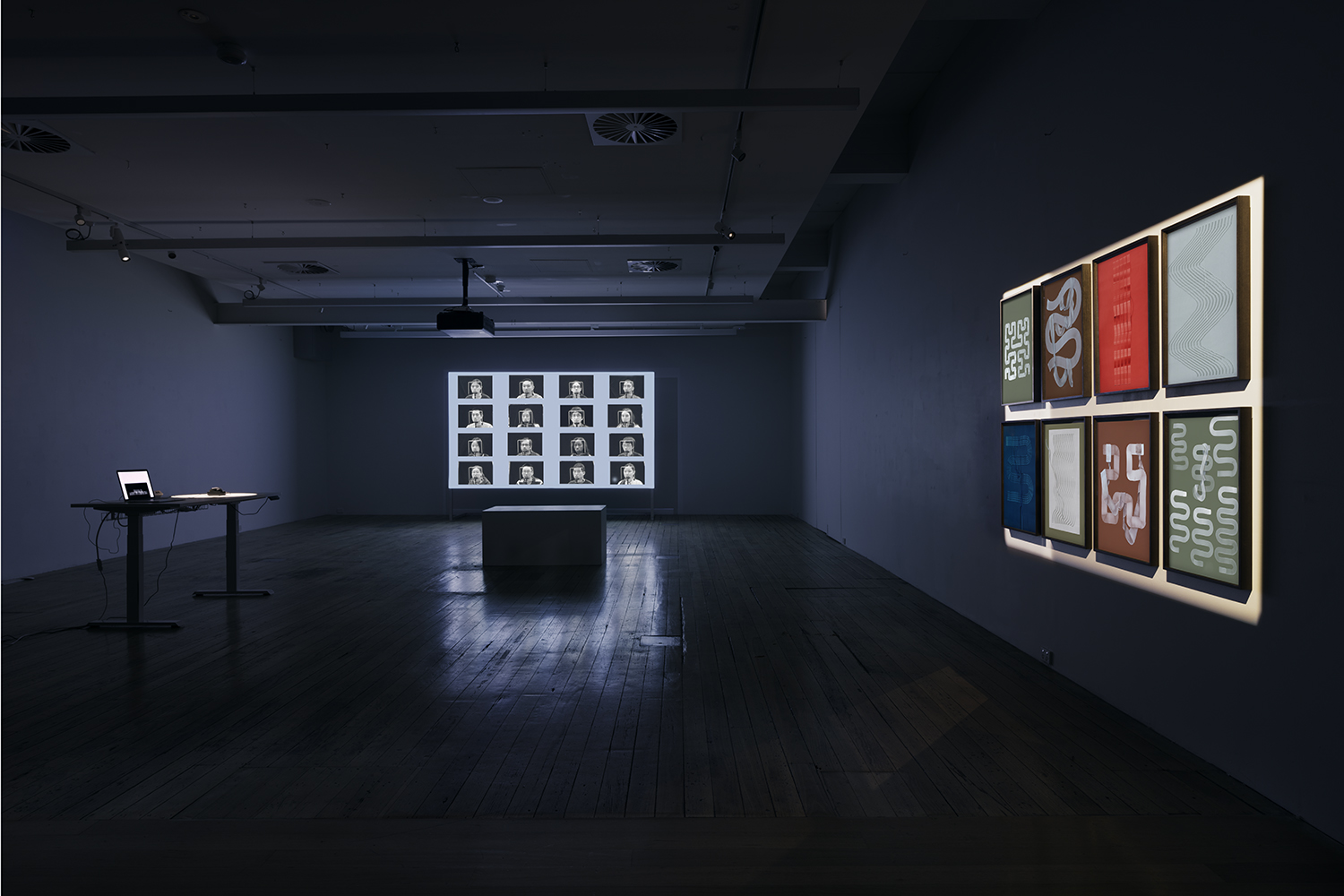
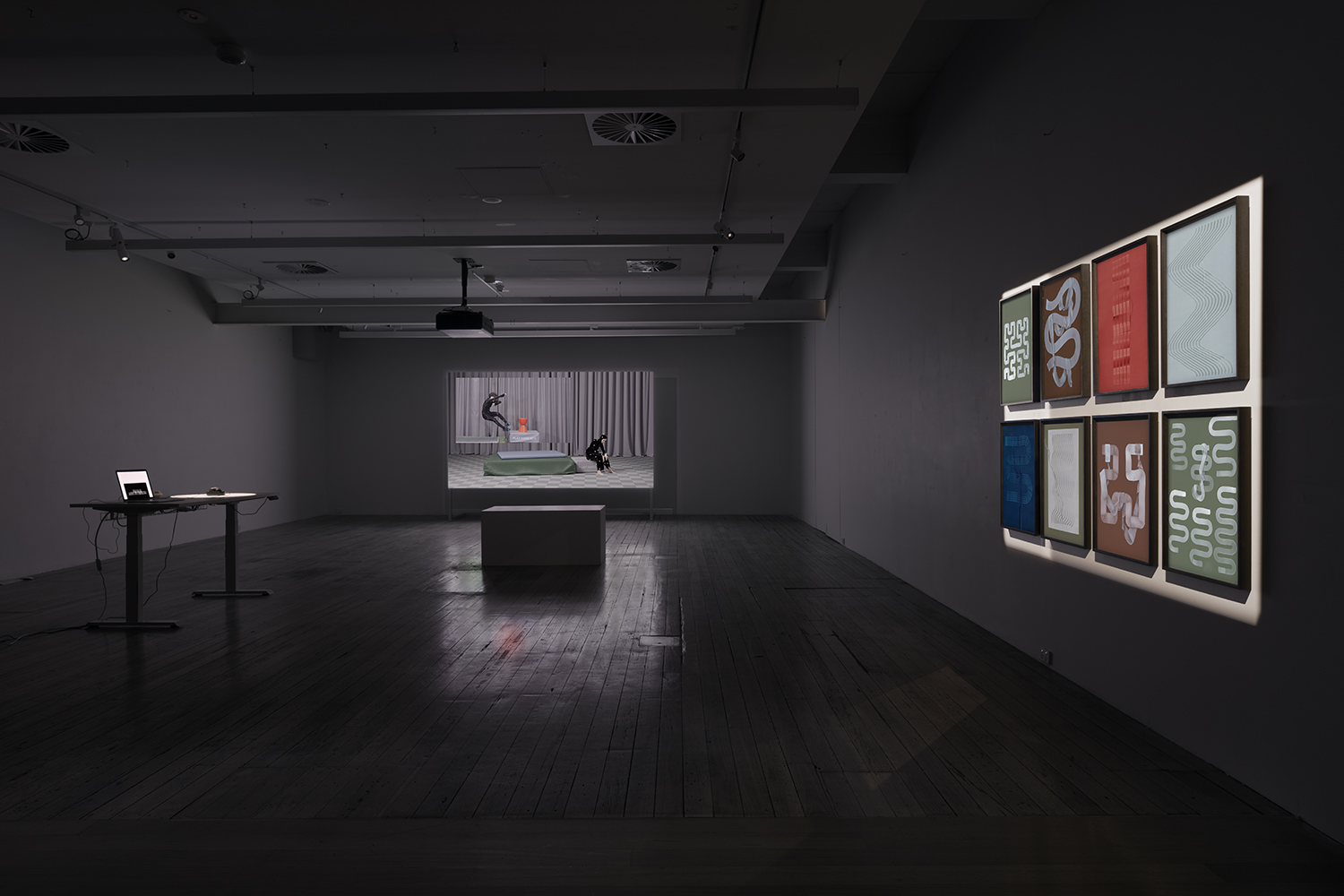
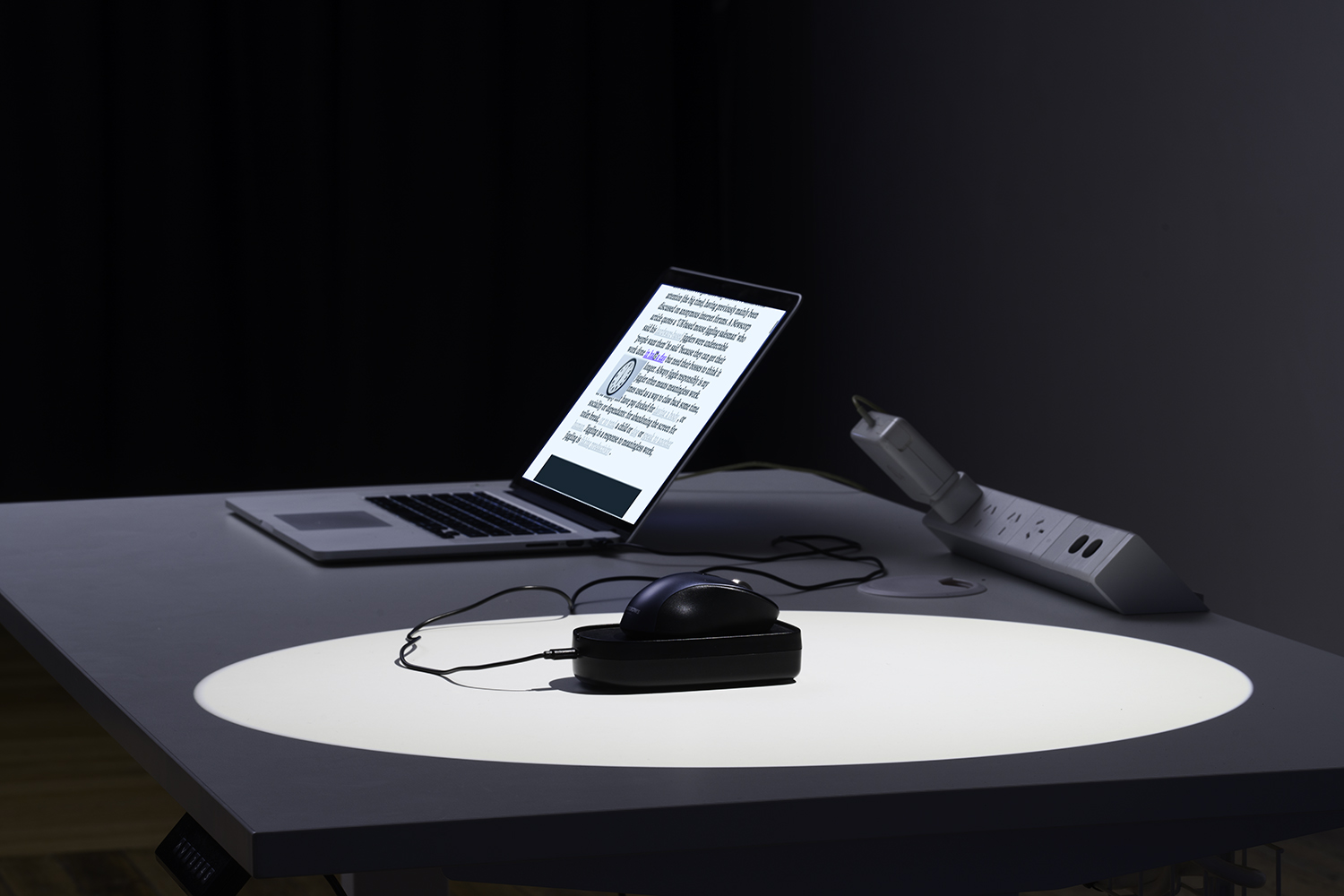
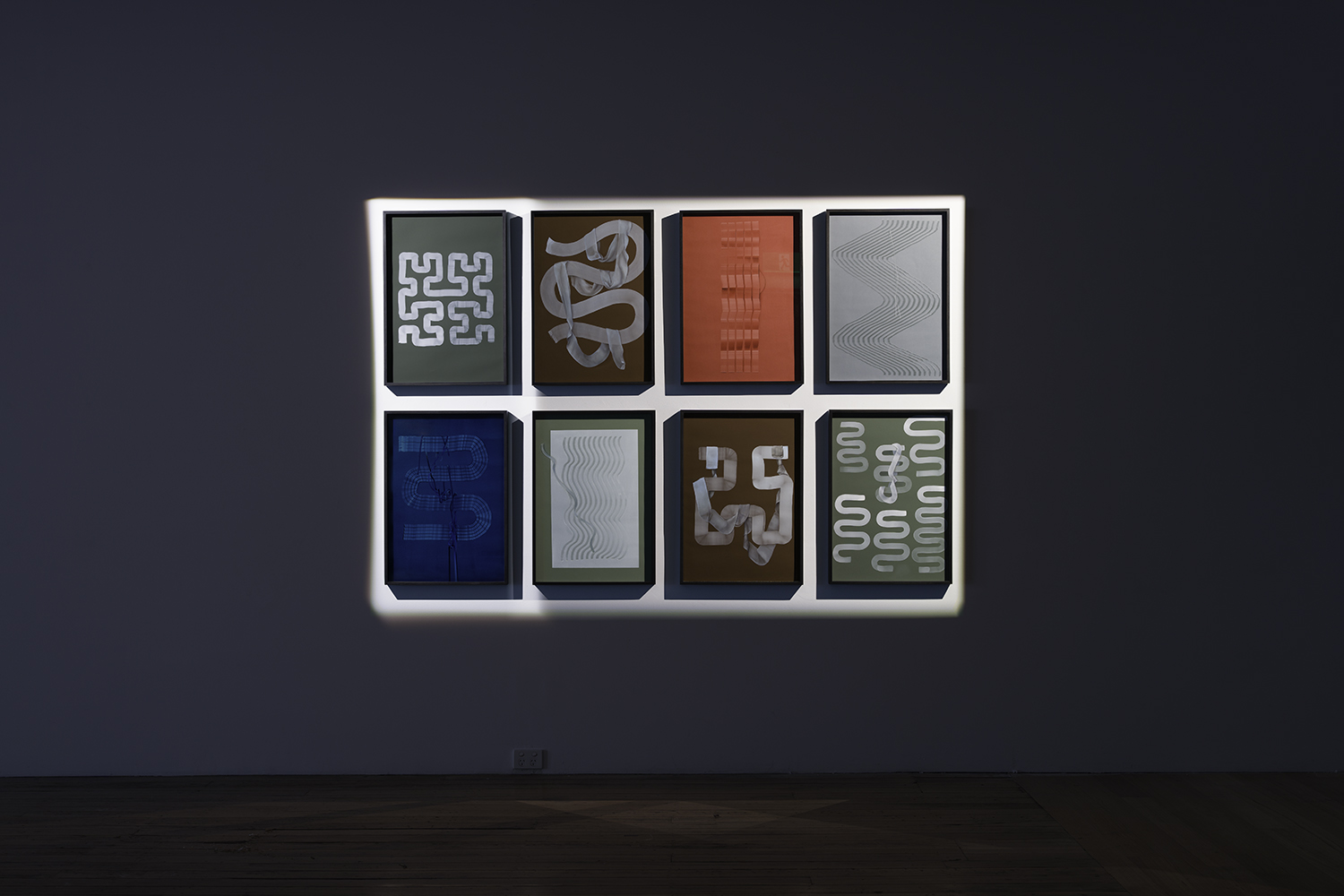
This exhibition comprises a selection of works that form the practical component of Koops’ practice-led PhD Active Images: Re-staging Liveliness in Moving Image and Painting.
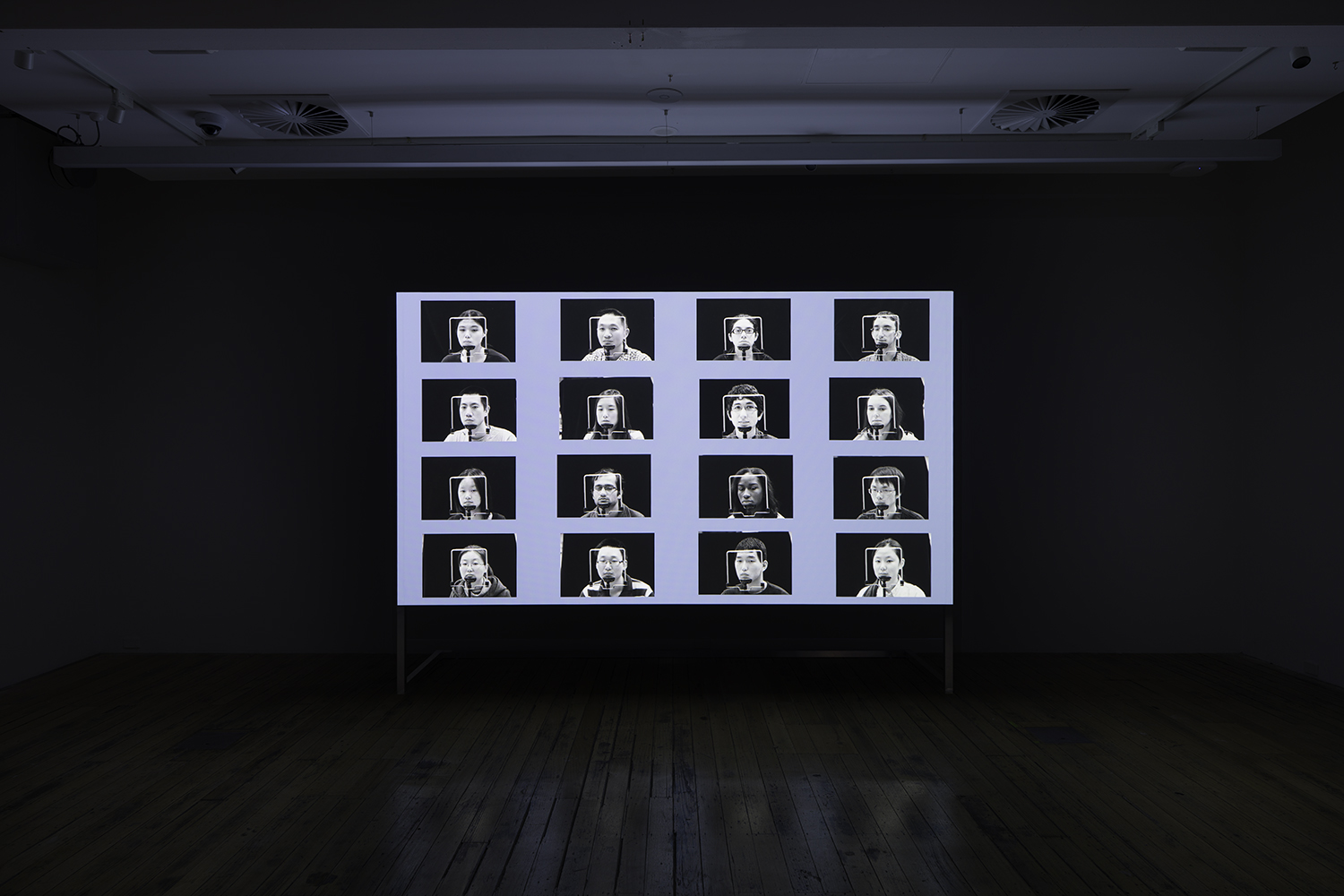
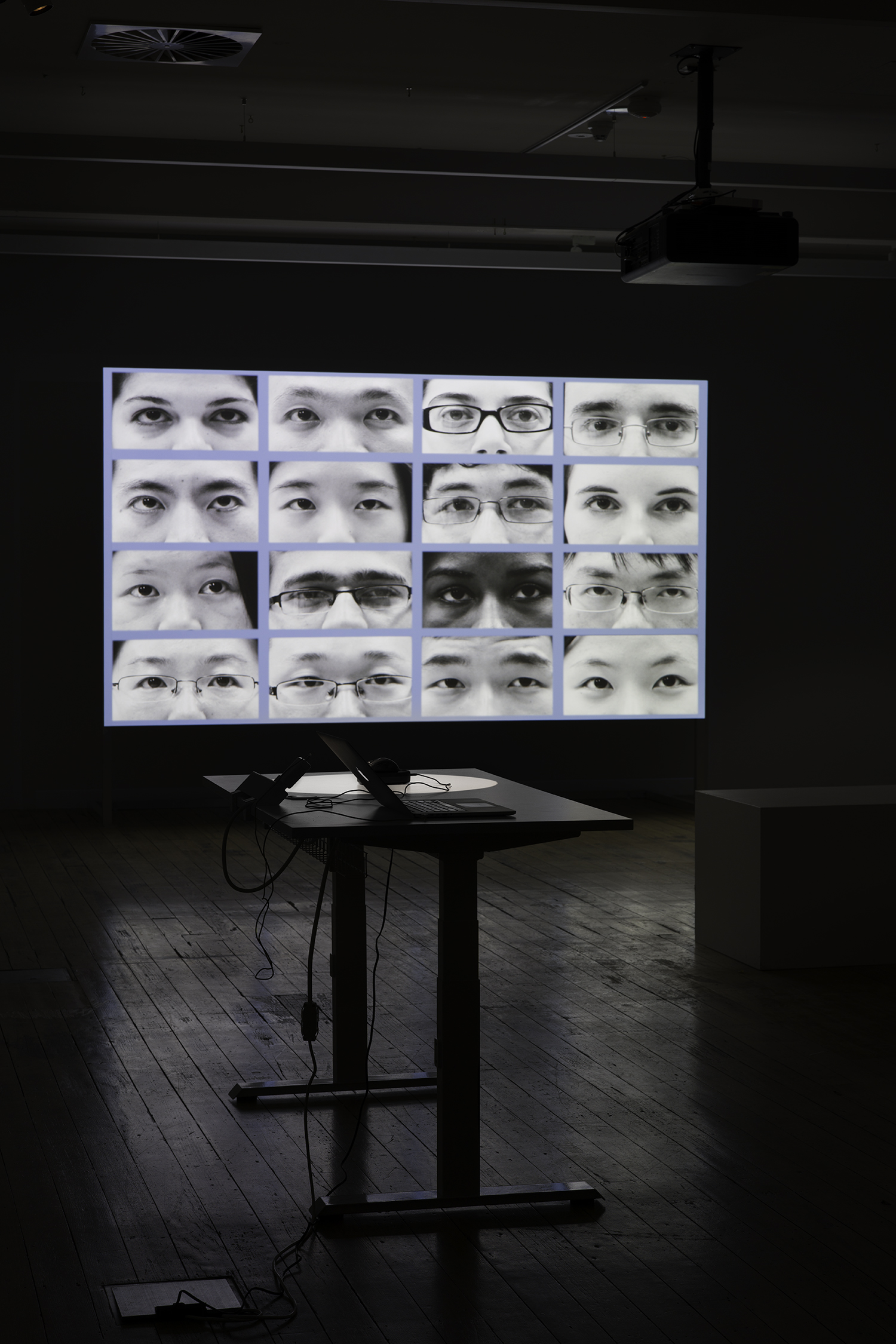
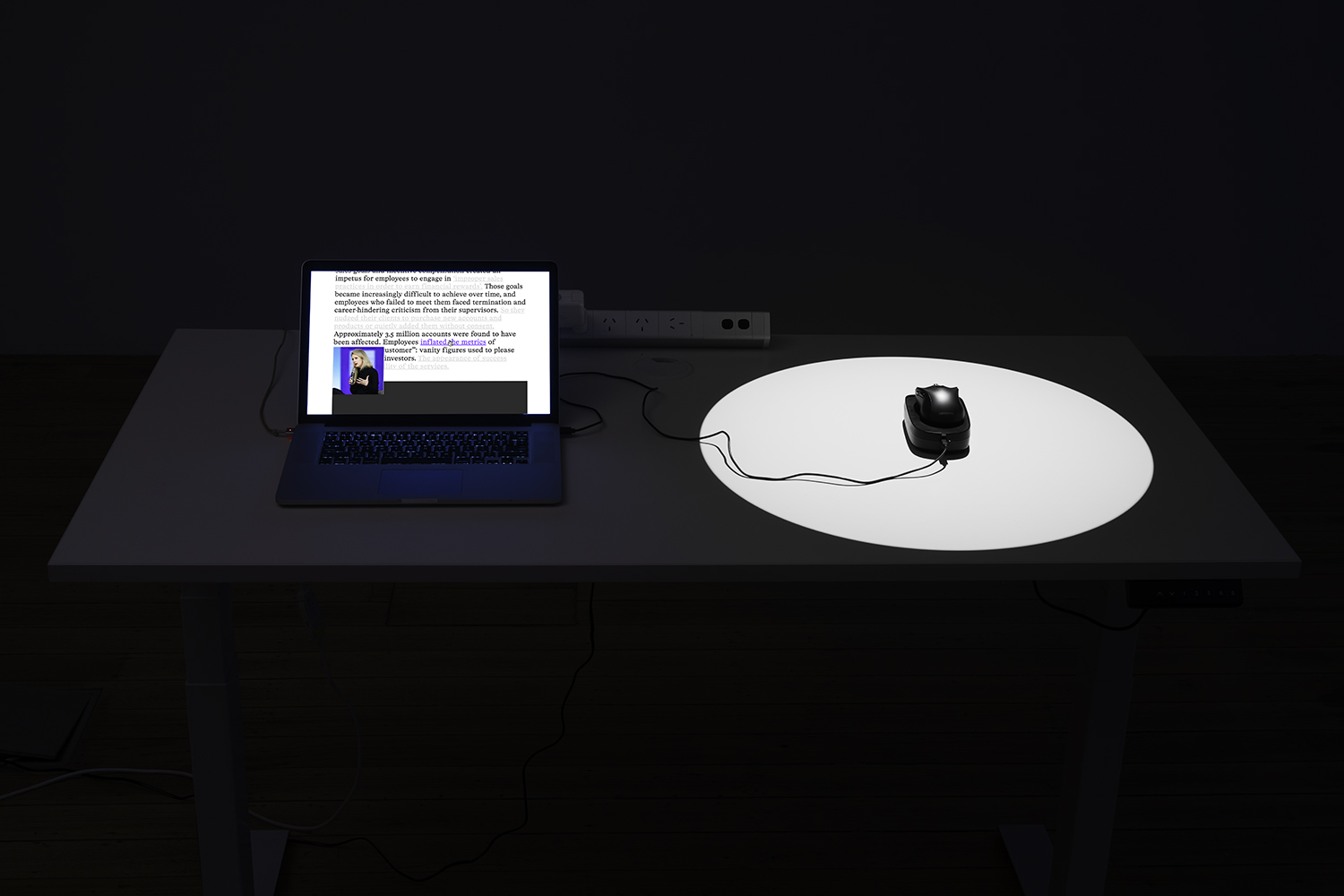
Annika Koops' PhD research connects contemporary imaging technologies with painterly practice to explore the aesthetic and operational registers of 'liveliness'. By examining how technologies capture and encode human movement, the work questions the mimetic capabilities of both digital and painterly methods, exploring the complex relationship between embodied gestures and the algorithmic systems that increasingly shape them. Studio methods deliberately re-stage human movement to highlight the extractive processes through which gestures are deracinated from their embodied contexts and agglomerated into vast datasets.
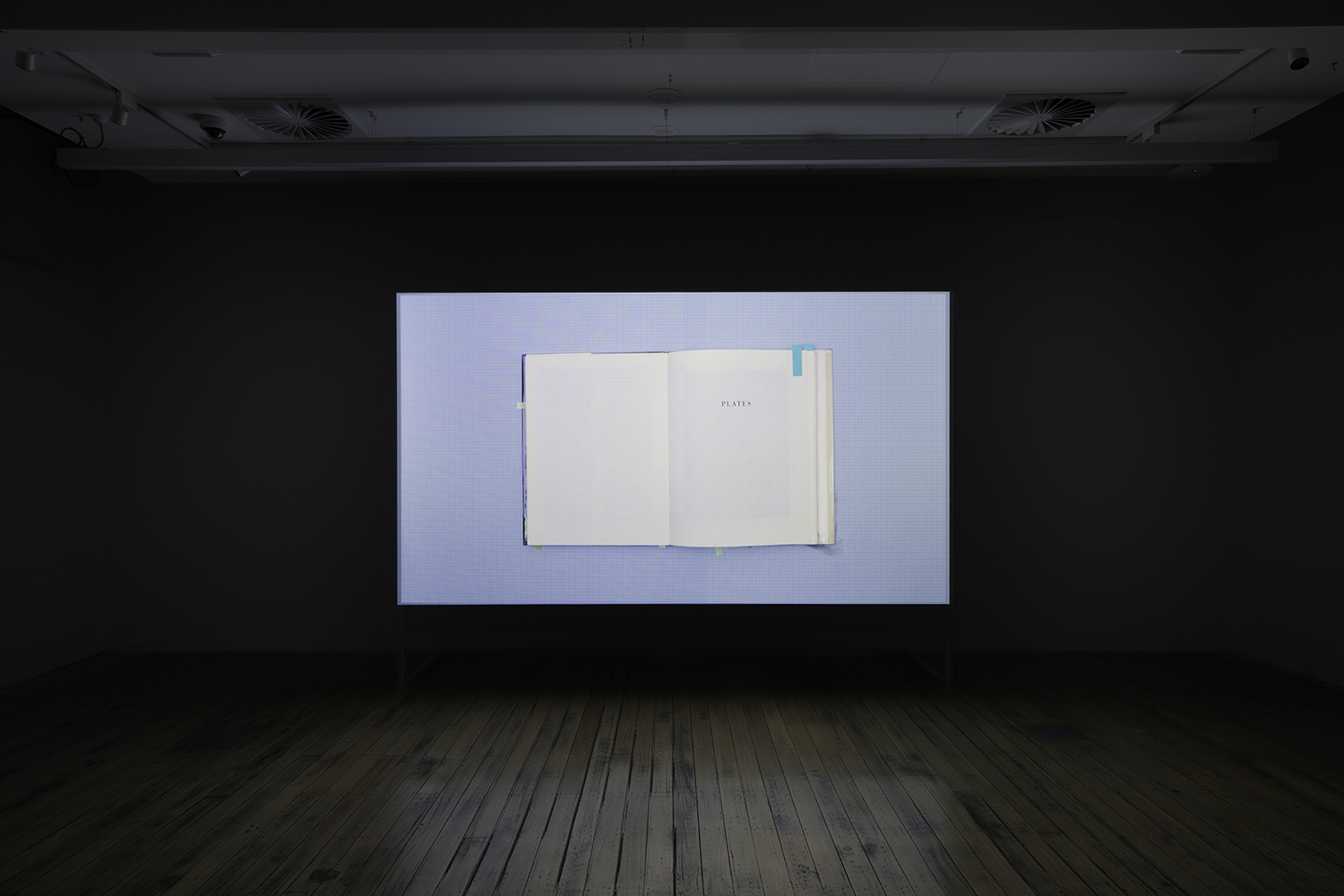
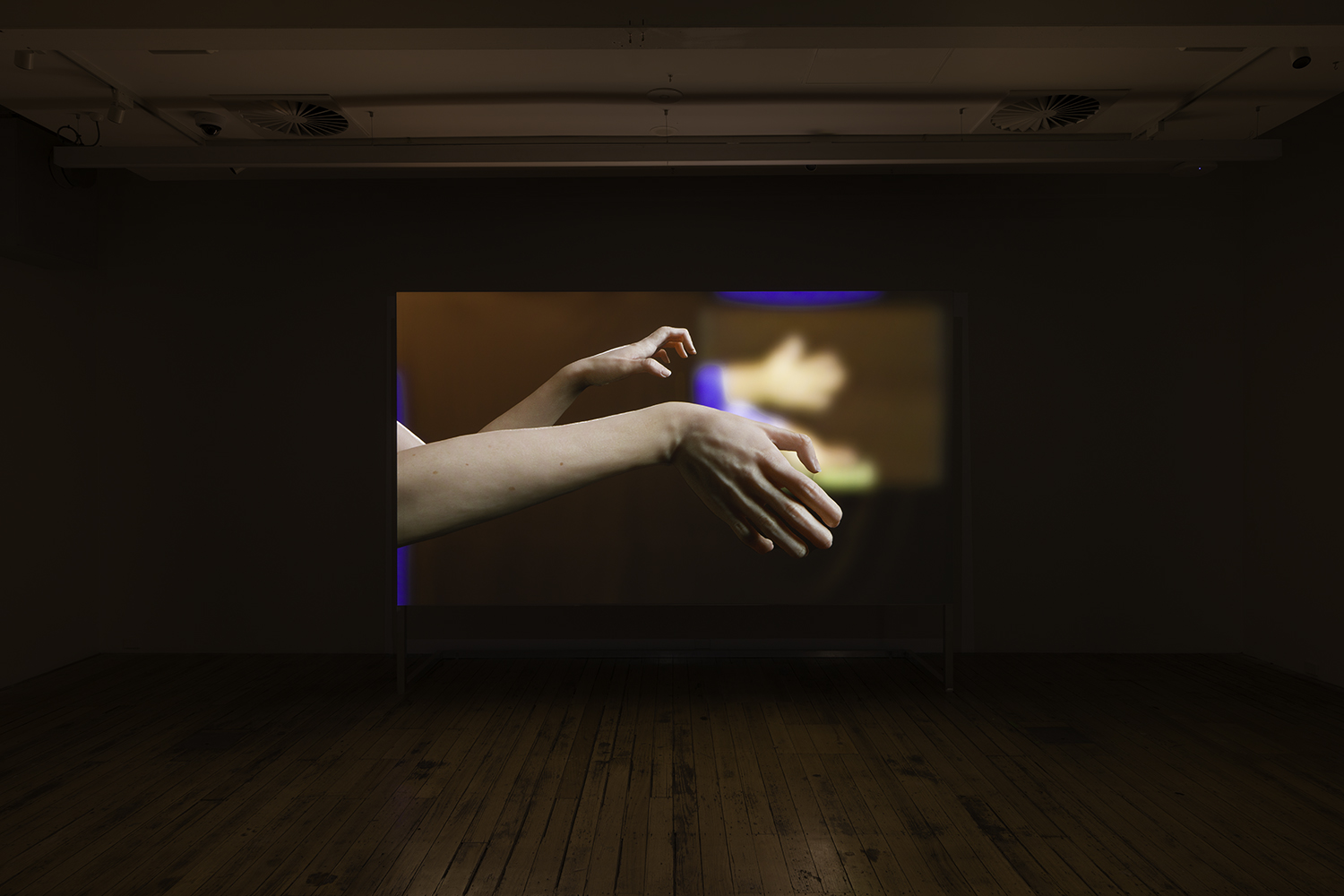
The research employs mime's tragicomic vocabulary as a critical framework for complicating digital technologies' mimetic functions. From Pierrot's hapless, romantic melancholy to the industrial modernity of Chaplin, mime has historically served as an avatar of alienation through its self-reflexive framing of disaggregated movement and in this way the moving image work Hand in Glove (2025) explores digital incarnations of mime through motion capture acting, social media performances, and the repetitive loops of non-player characters (NPCs). The mime is positioned as a profoundly ambivalent figure—simultaneously servile and anarchic, charismatic and anonymous— one is never sure whether the mime’s play is enjoyed or enforced, offering a mirror to the labour conditions that underpin digital economies. The mime acts out of need via the laborious synthesis of gamified morsels of work doled out by platform logics whilst silently acting out —via absurd and inflated performance—against them. The research enacts a tension between two possibilities: wherein mime is positioned as a form of tacit, situated, and embodied knowledge and the much less hopeful progression of mime logic wherein that self-same embodiment performs the flattened codes of algorithmic determination as a survival skill.
Throughout this research, painting serves as a material anchor, allowing for an examination of how the vital signals of our attention economy stretch backwards and across time. As information systems continuously expand their capacity to extract and reformulate human vitality, this project critically deploys the lively gesture within systems that seek to instrumentalise it as a sign of life.
Event Details
- Date:
- 22 May 2025 at 12:00 am – 31 May 2025 at 12:00 am
- Venue:
- MADA Gallery
- Categories:
- Fine Art; Graduate Research; Gallery / Exhibition; Gallery: MADA Gallery
Description
Please join us for the opening of Annika Koops’ exhibition ‘Active Images’ at MADA gallery Thursday 22 May 5pm – 7pm
This exhibition comprises a selection of works that form the practical component of Koops’ practice-led PhD Active Images: Re-staging Liveliness in Moving Image and Painting.
Annika Koops' PhD research connects contemporary imaging technologies with painterly practice to explore the aesthetic and operational registers of 'liveliness'. By examining how technologies capture and encode human movement, the work questions the mimetic capabilities of both digital and painterly methods, exploring the complex relationship between embodied gestures and the algorithmic systems that increasingly shape them. Studio methods deliberately re-stage human movement to highlight the extractive processes through which gestures are deracinated from their embodied contexts and agglomerated into vast datasets.
The research employs mime's tragicomic vocabulary as a critical framework for complicating digital technologies' mimetic functions. From Pierrot's hapless, romantic melancholy to the industrial modernity of Chaplin, mime has historically served as an avatar of alienation through its self-reflexive framing of disaggregated movement and in this way the moving image work Hand in Glove (2025) explores digital incarnations of mime through motion capture acting, social media performances, and the repetitive loops of non-player characters (NPCs). The mime is positioned as a profoundly ambivalent figure—simultaneously servile and anarchic, charismatic and anonymous— one is never sure whether the mime’s play is enjoyed or enforced, offering a mirror to the labour conditions that underpin digital economies. The mime acts out of need via the laborious synthesis of gamified morsels of work doled out by platform logics whilst silently acting out —via absurd and inflated performance—against them. The research enacts a tension between two possibilities: wherein mime is positioned as a form of tacit, situated, and embodied knowledge and the much less hopeful progression of mime logic wherein that self-same embodiment performs the flattened codes of algorithmic determination as a survival skill.
Throughout this research, painting serves as a material anchor, allowing for an examination of how the vital signals of our attention economy stretch backwards and across time. As information systems continuously expand their capacity to extract and reformulate human vitality, this project critically deploys the lively gesture within systems that seek to instrumentalise it as a sign of life.