
Ground Melbourne
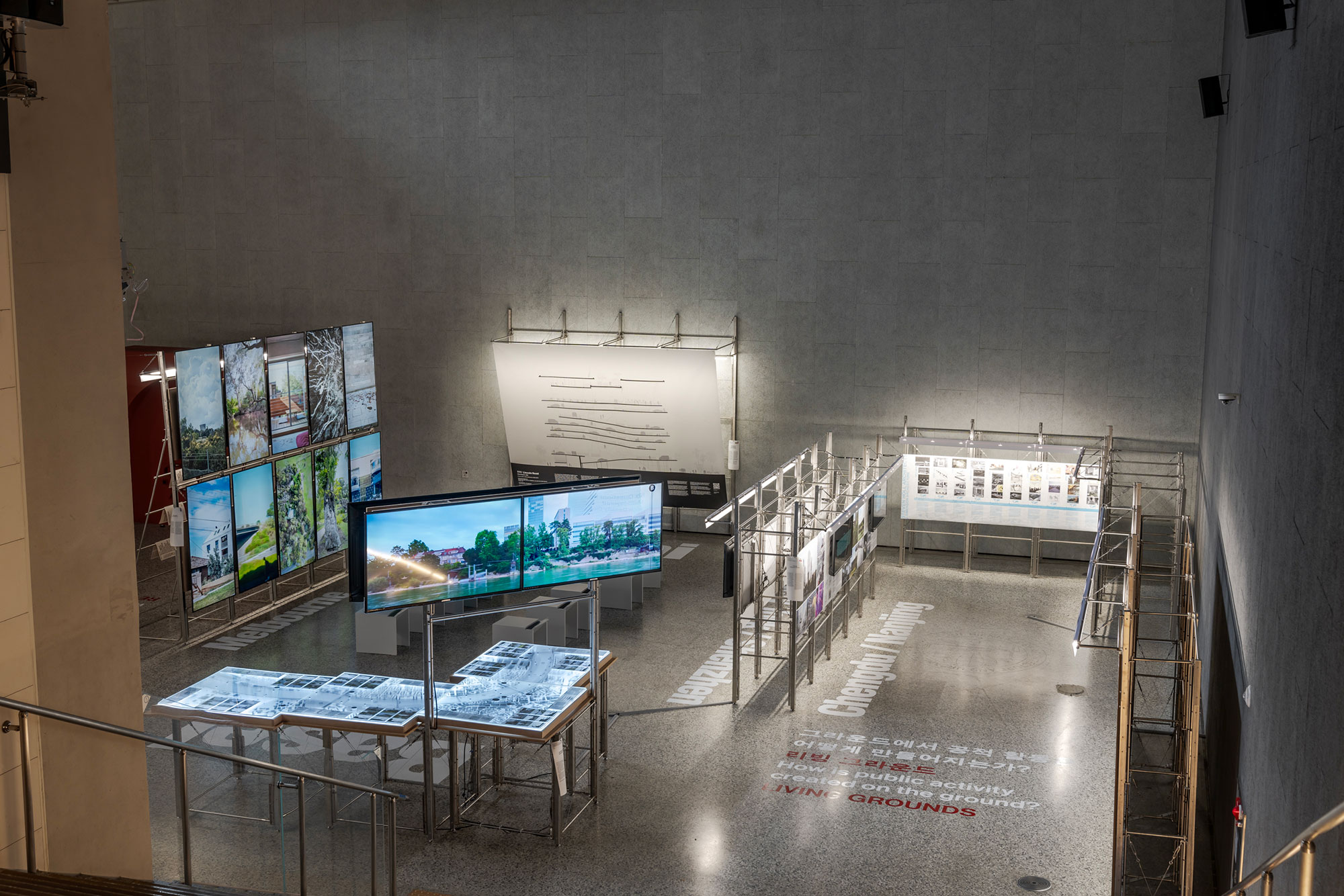
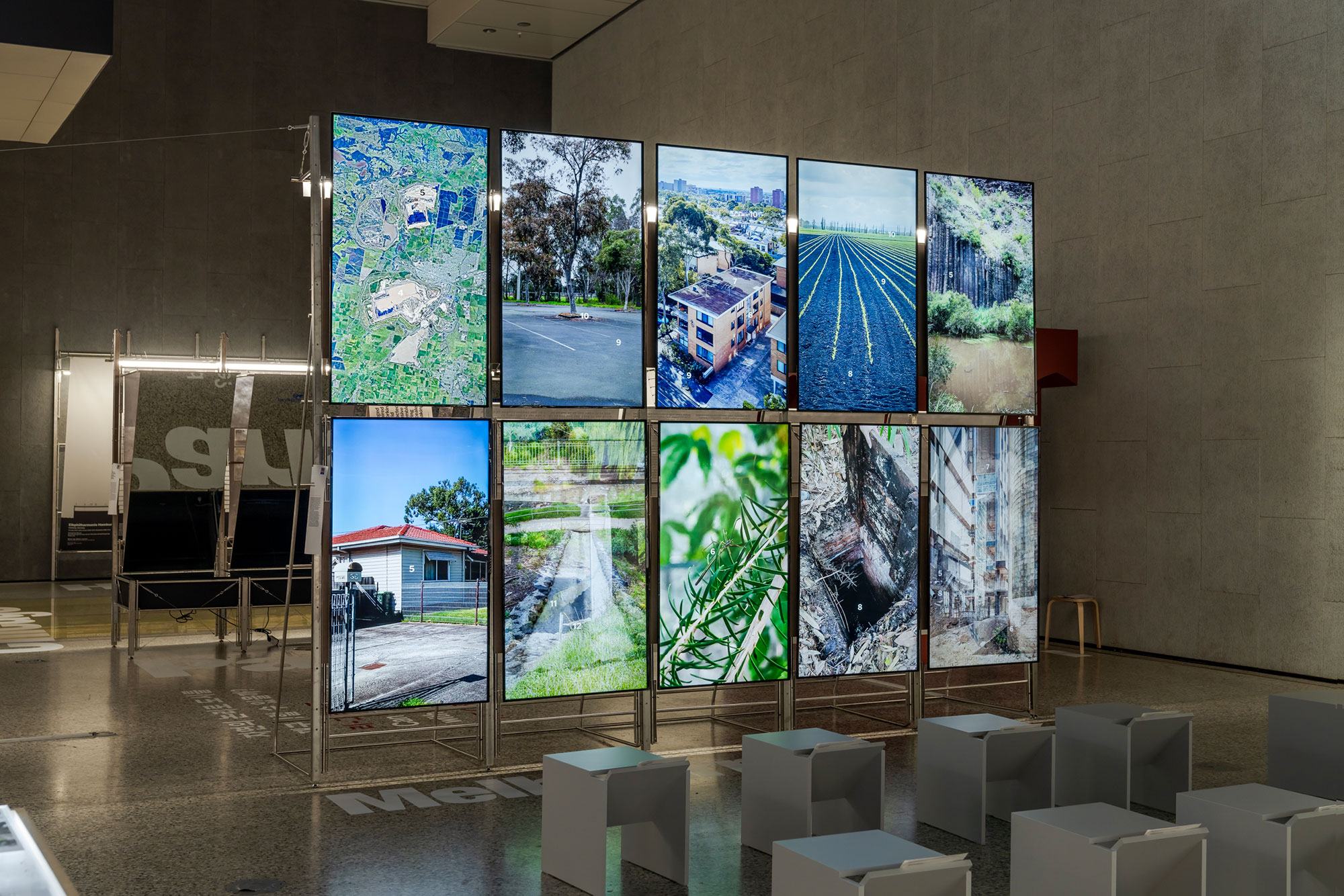
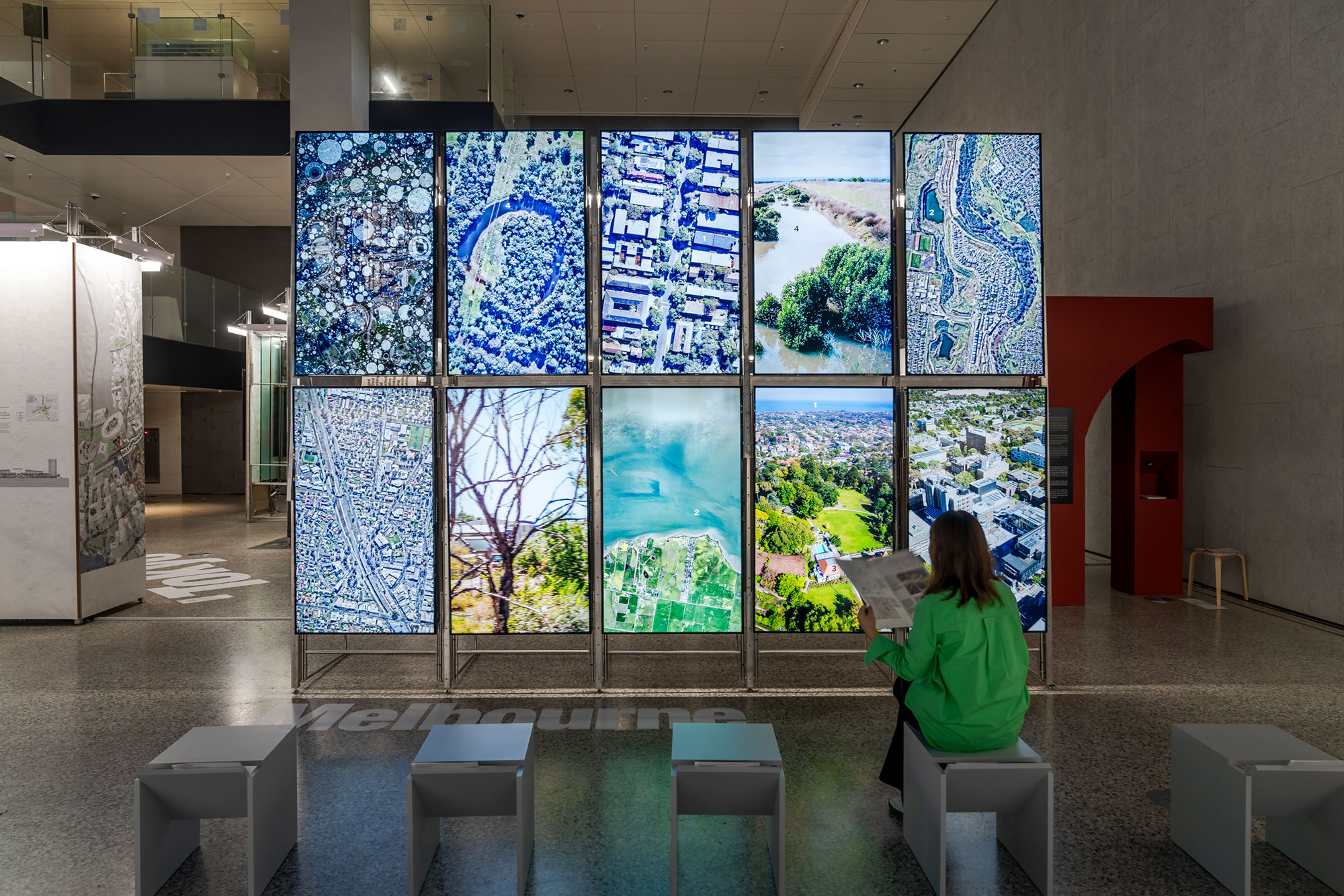
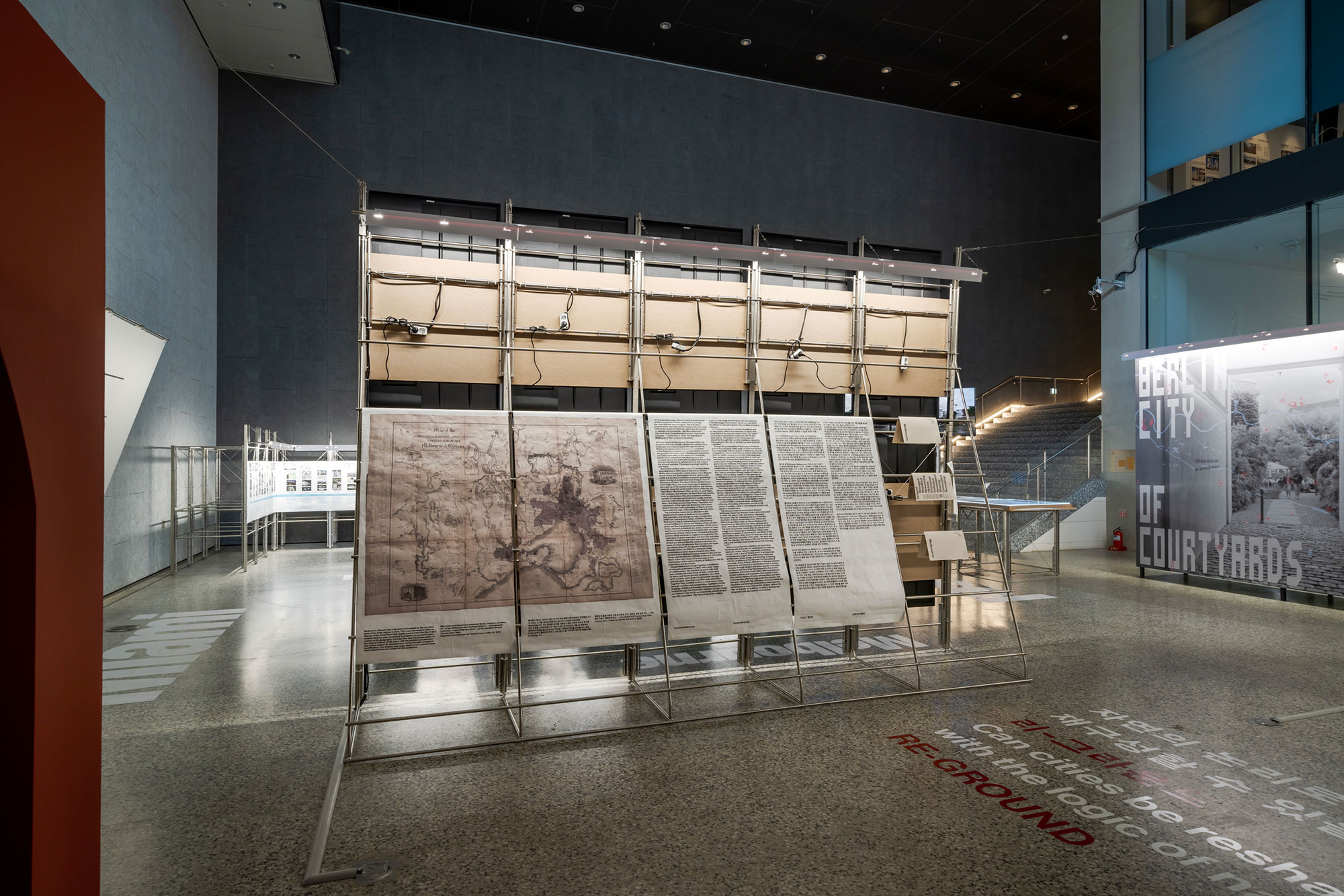
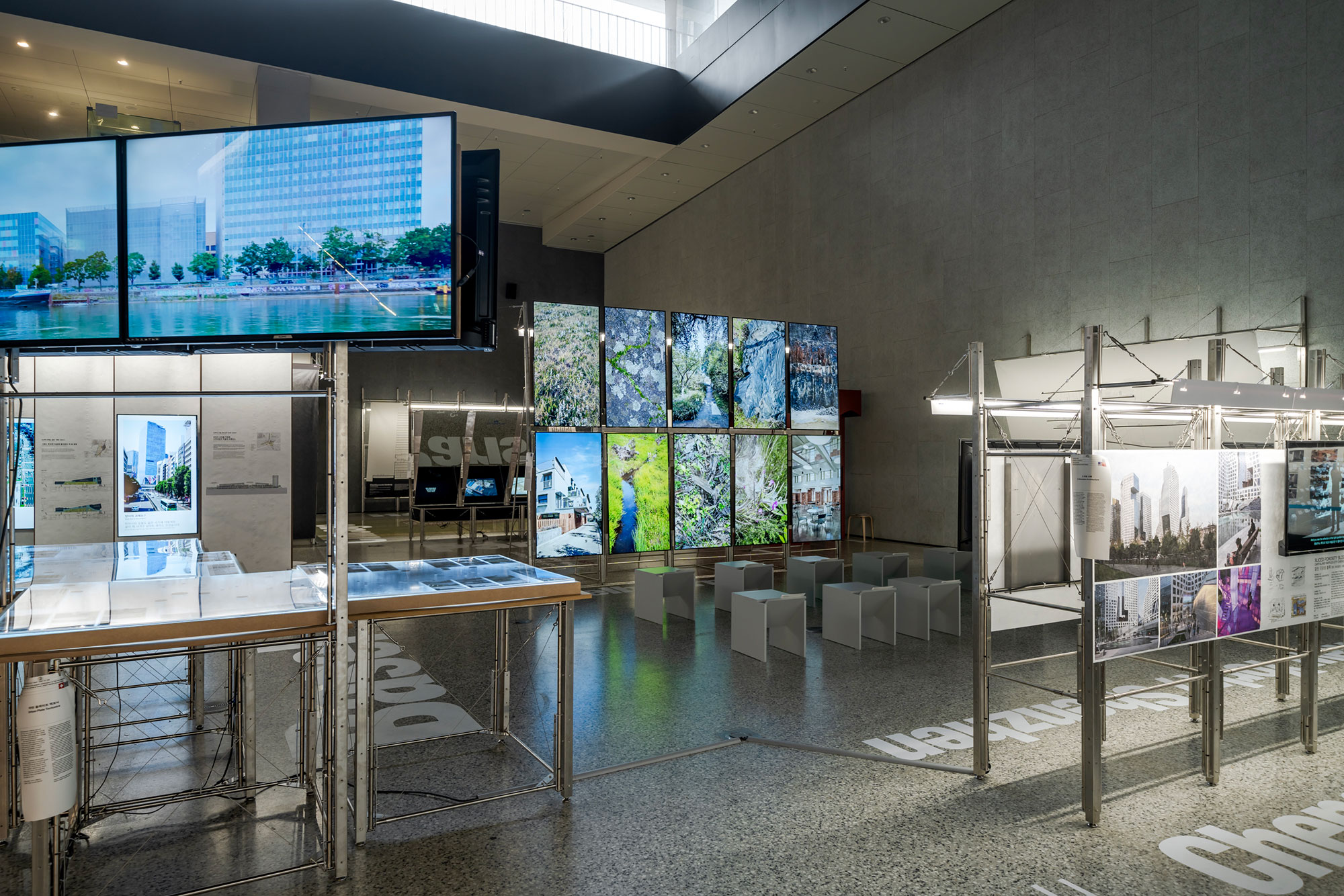
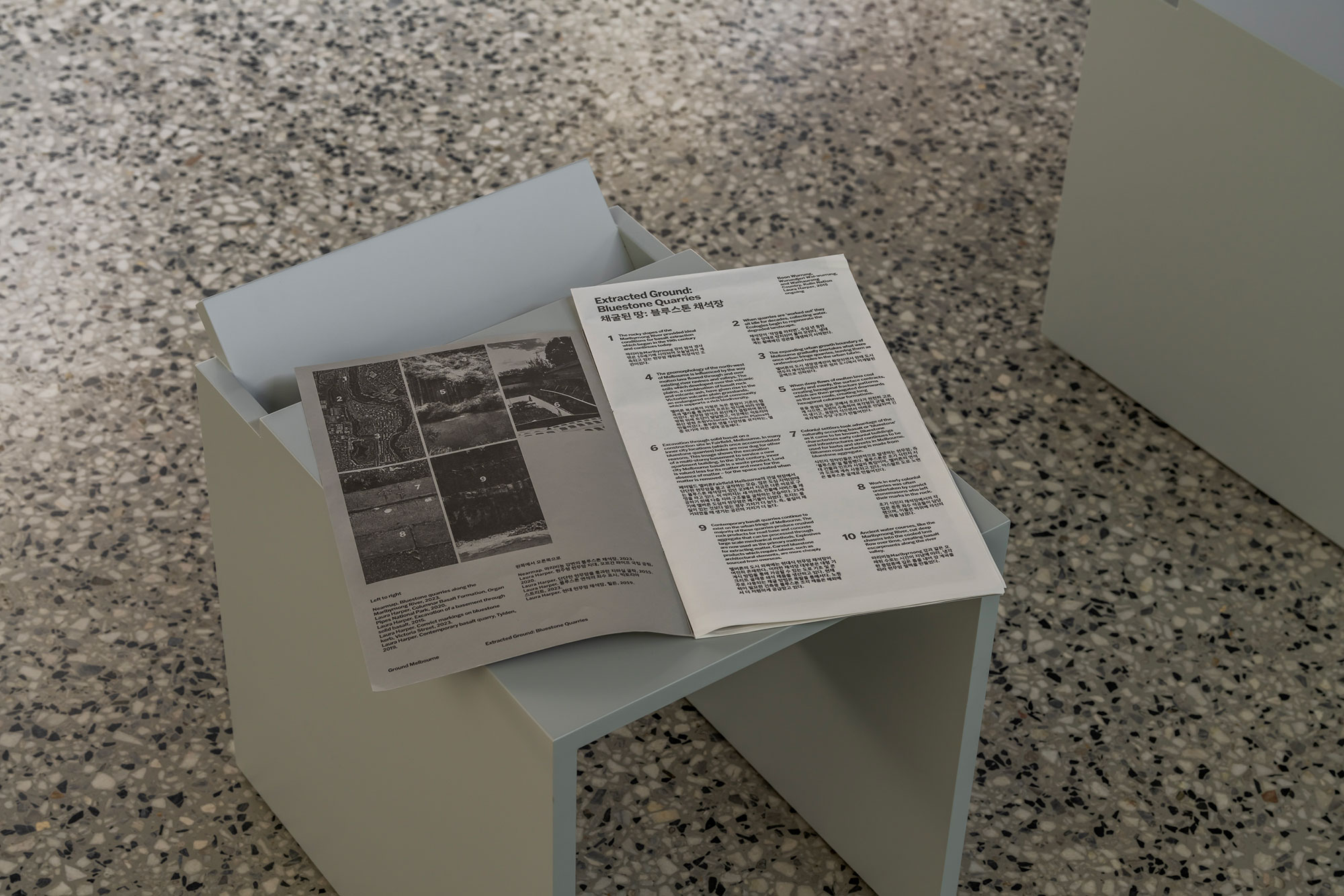
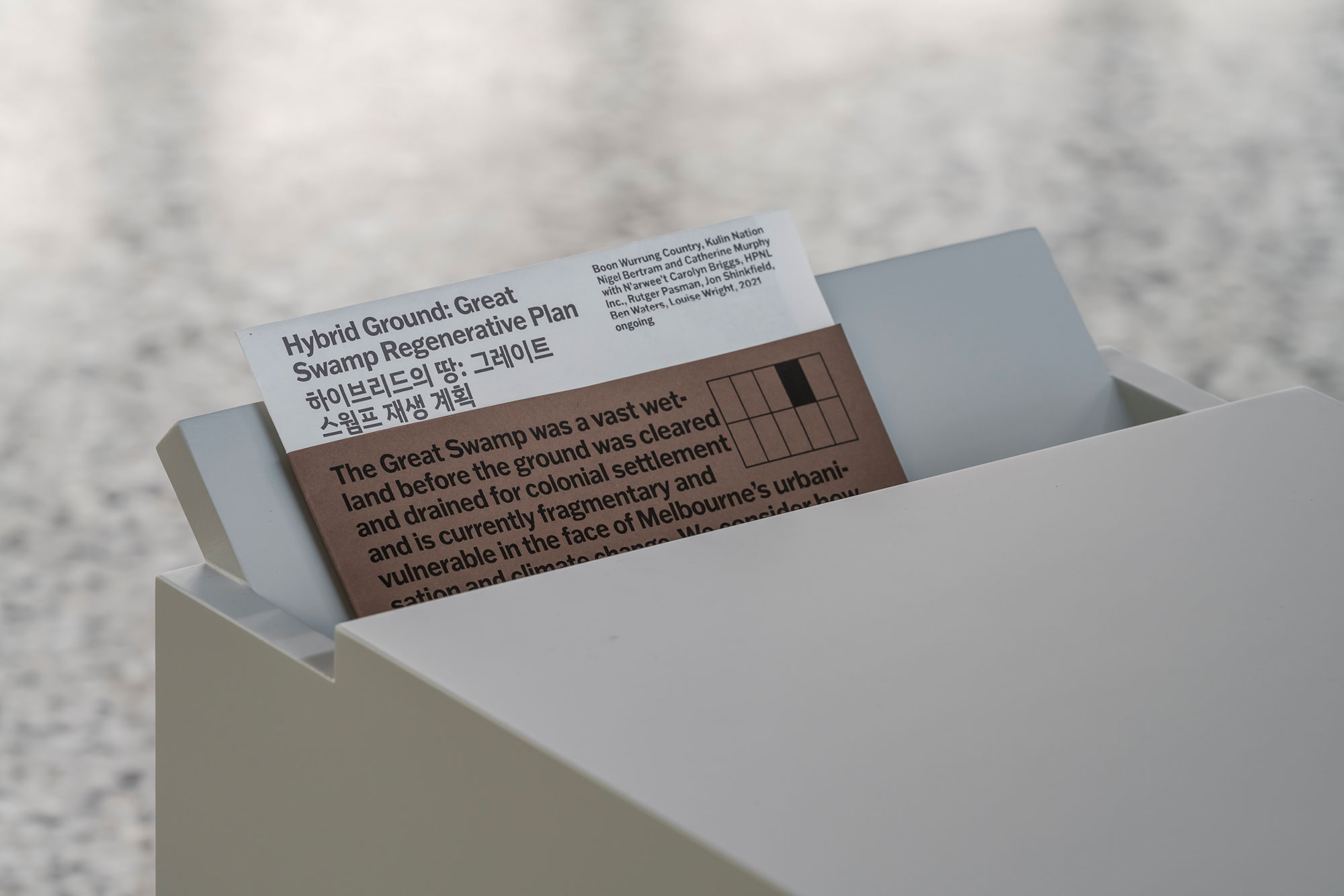
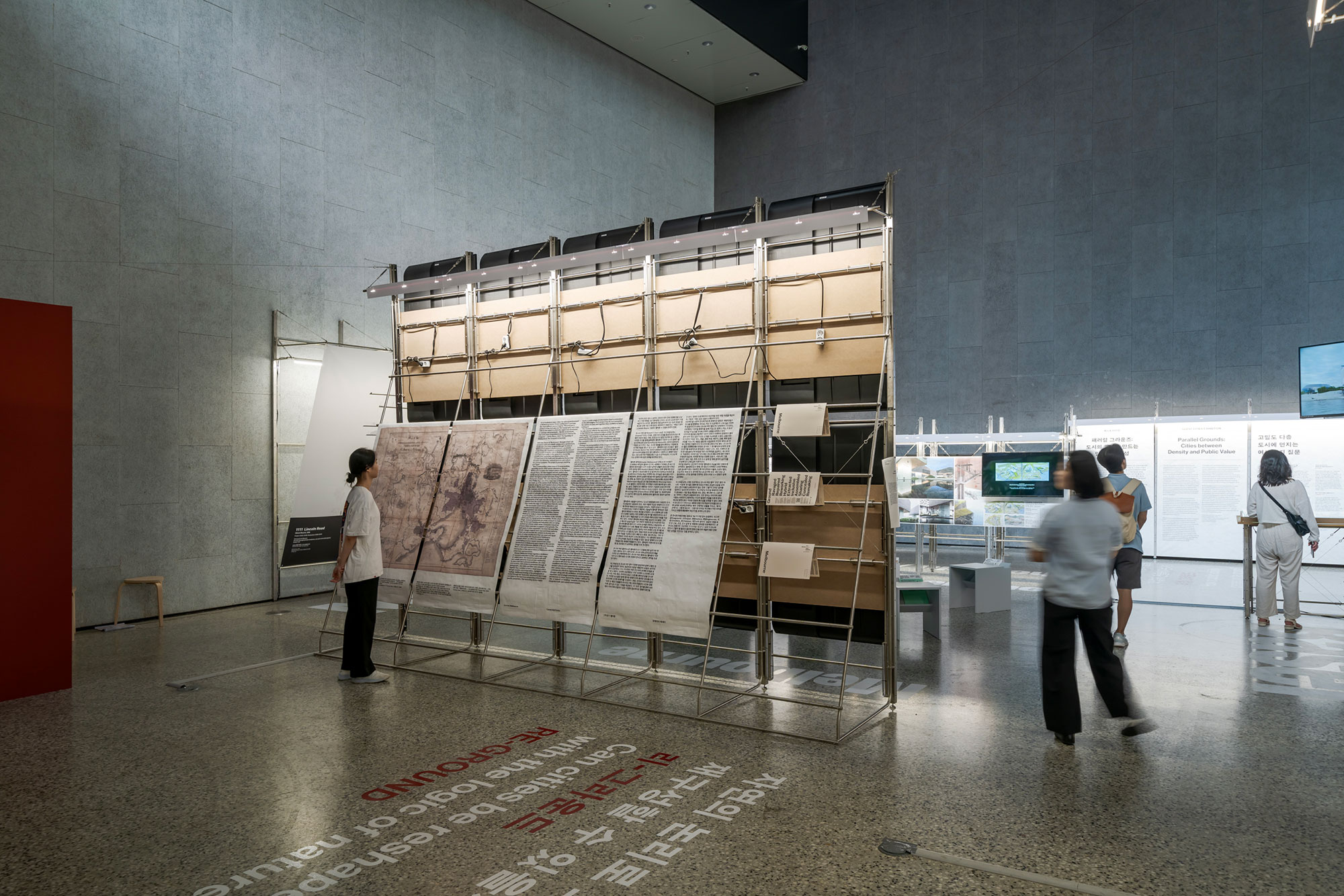
Ground Melbourne presents built and unbuilt architectural, landscape and urban projects through the lens of their present ground conditions.
Investigators
- Mel Dodd
- Hae-Won Shin
- Louise Wright
- Helen Walter
- Nigel Bertram
- Maryam Gusheh
- Laura Harper
- Eduardo Kairuz
- Lee-Anne Khor
- Catherine Murphy
- N’arwee’t Carolyn Briggs
Funded by
- Seoul Biennale of Architecture and Urbanism
Undertaken within
'Of all Australia’s major cities the natural environment of Melbourne before British settlement is perhaps the most difficult now to imagine. This is in part a product of the city’s size and flat topography, but it also reflects the extent to which the region was dominated by swamps and grasslands – the two ecosystems that were most comprehensively transformed by the conquest.’
James Boyce, 1835: The founding of Melbourne & The Conquest of Australia
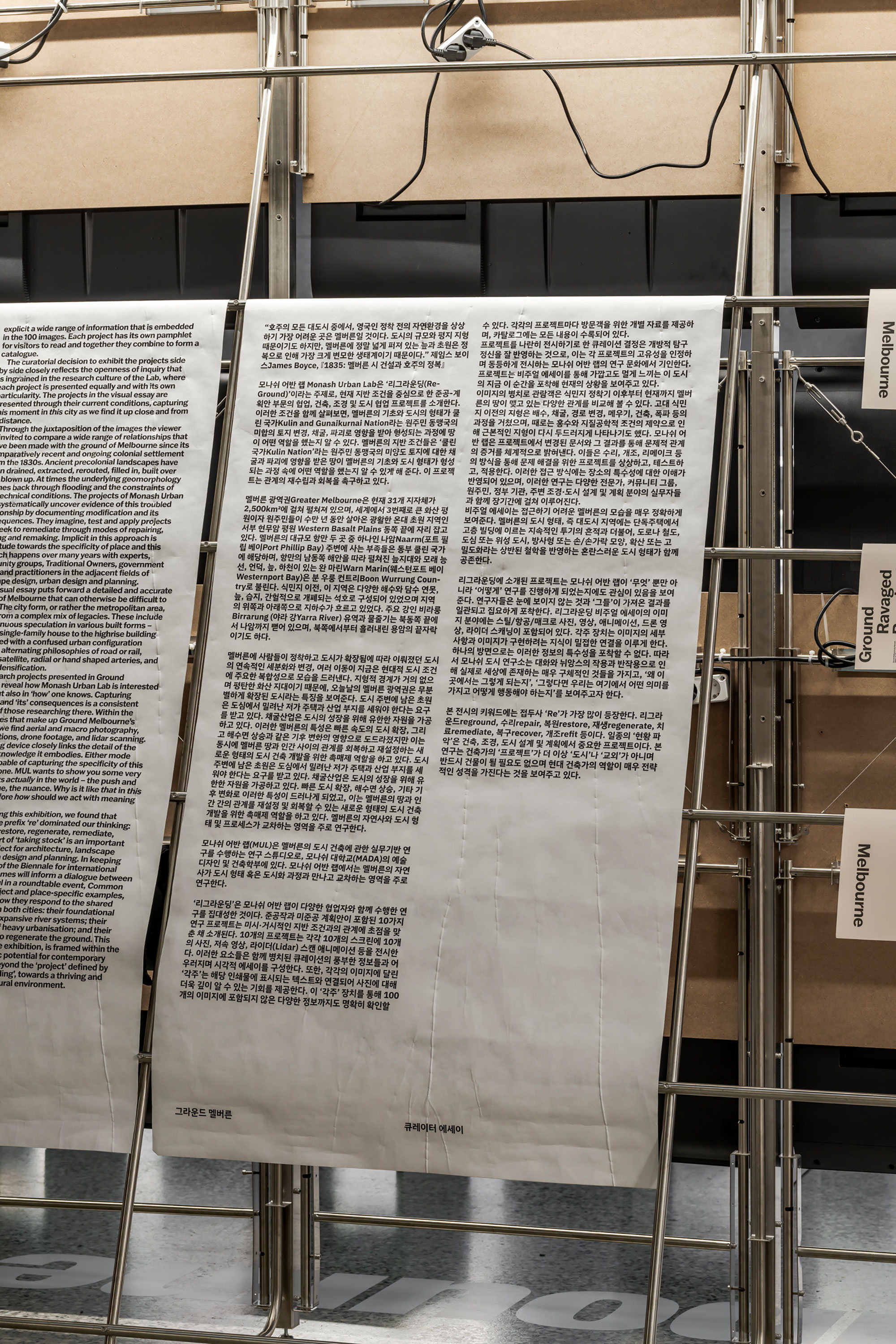
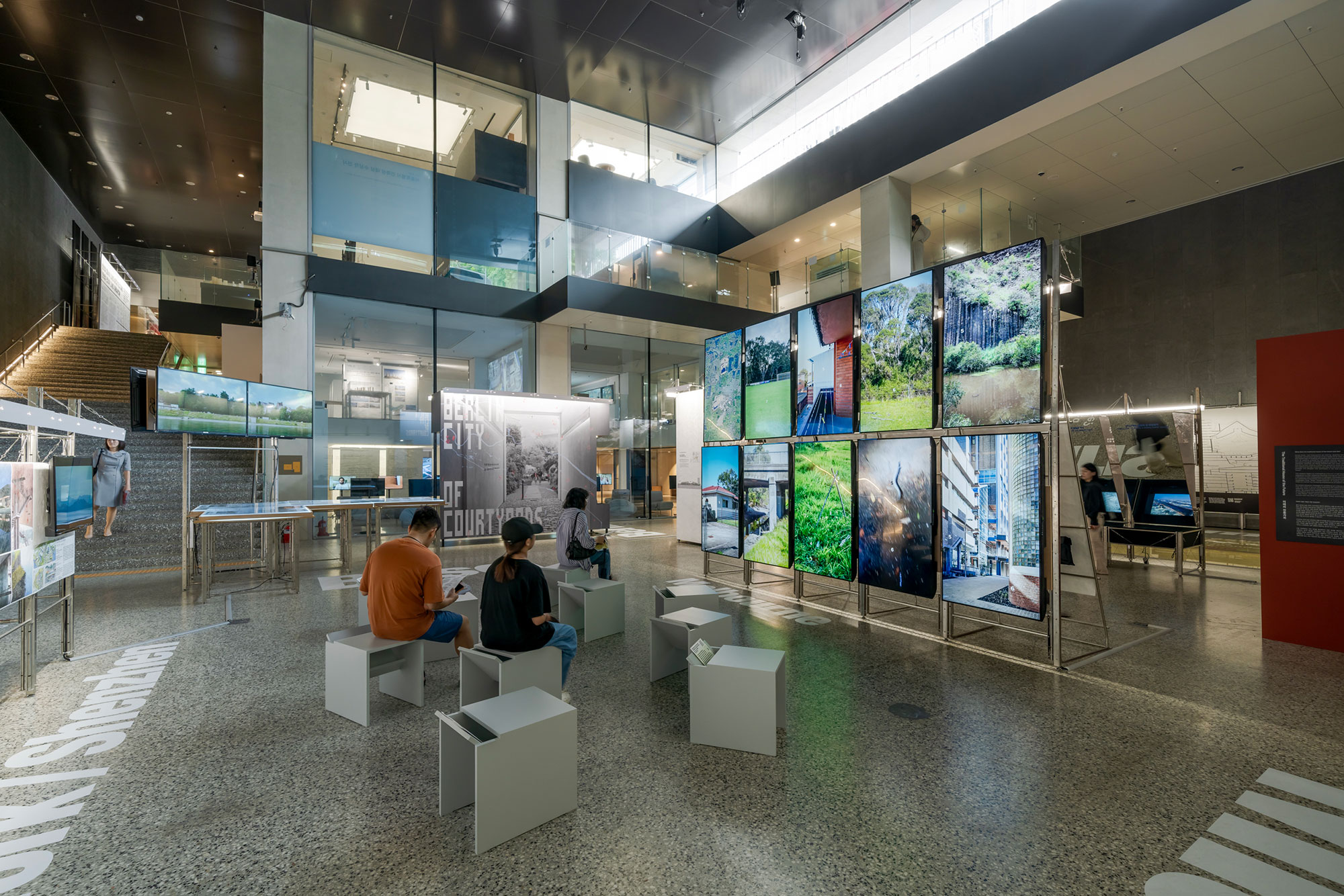
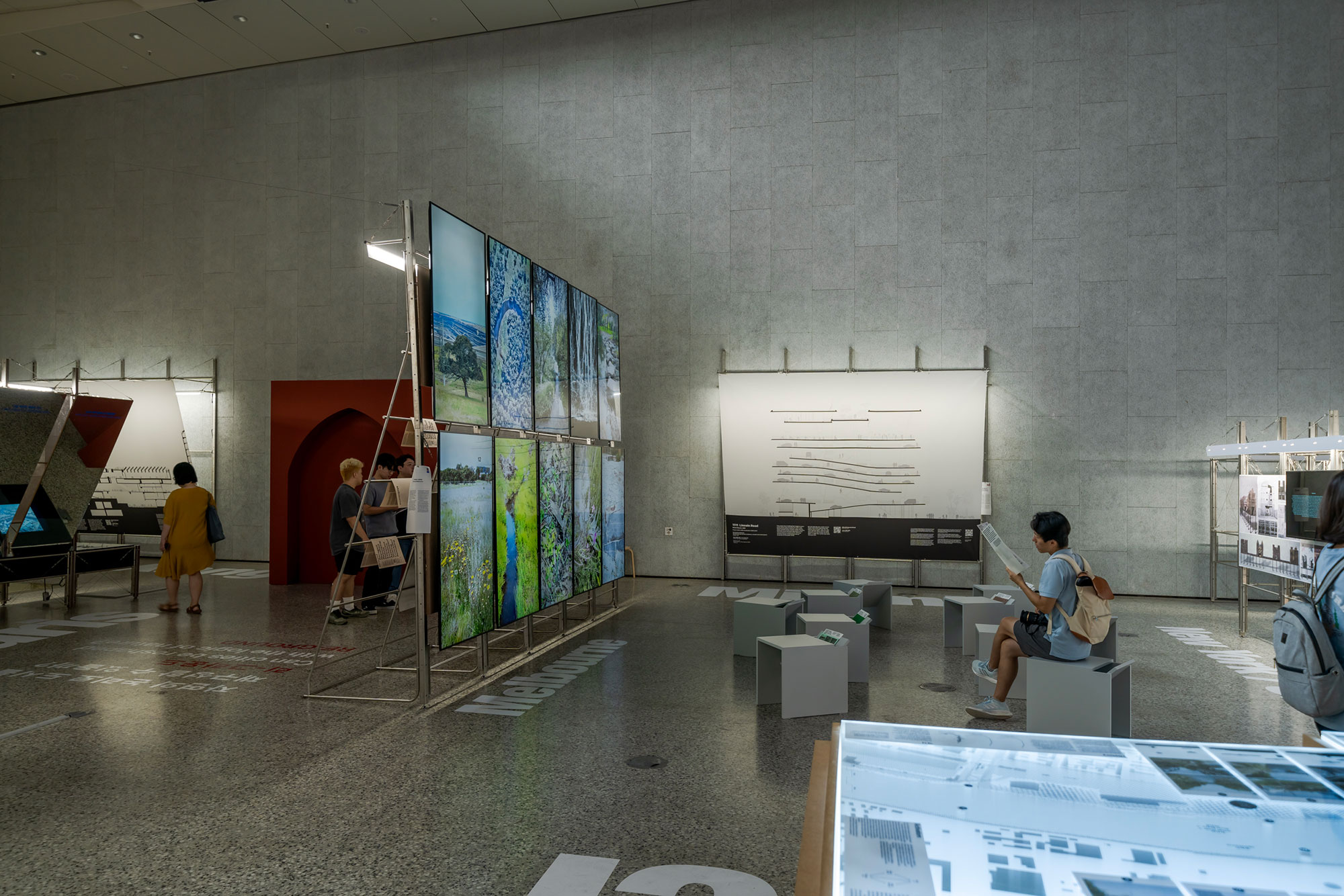
Representing Melbourne at the 4th Seoul Biennale of Architecture and Urbanism, and restaged at 2024 Melbourne Design Week, Monash Urban Lab presented built and unbuilt architectural, landscape and urban projects through the lens of their present ground conditions. Collectively these conditions tell the story of the ground’s formative role in Melbourne’s foundation and urban form but also reveal the extreme modification, extraction and destruction of the unceded land of the Kulin Nation. The projects prompt a resetting and repair.
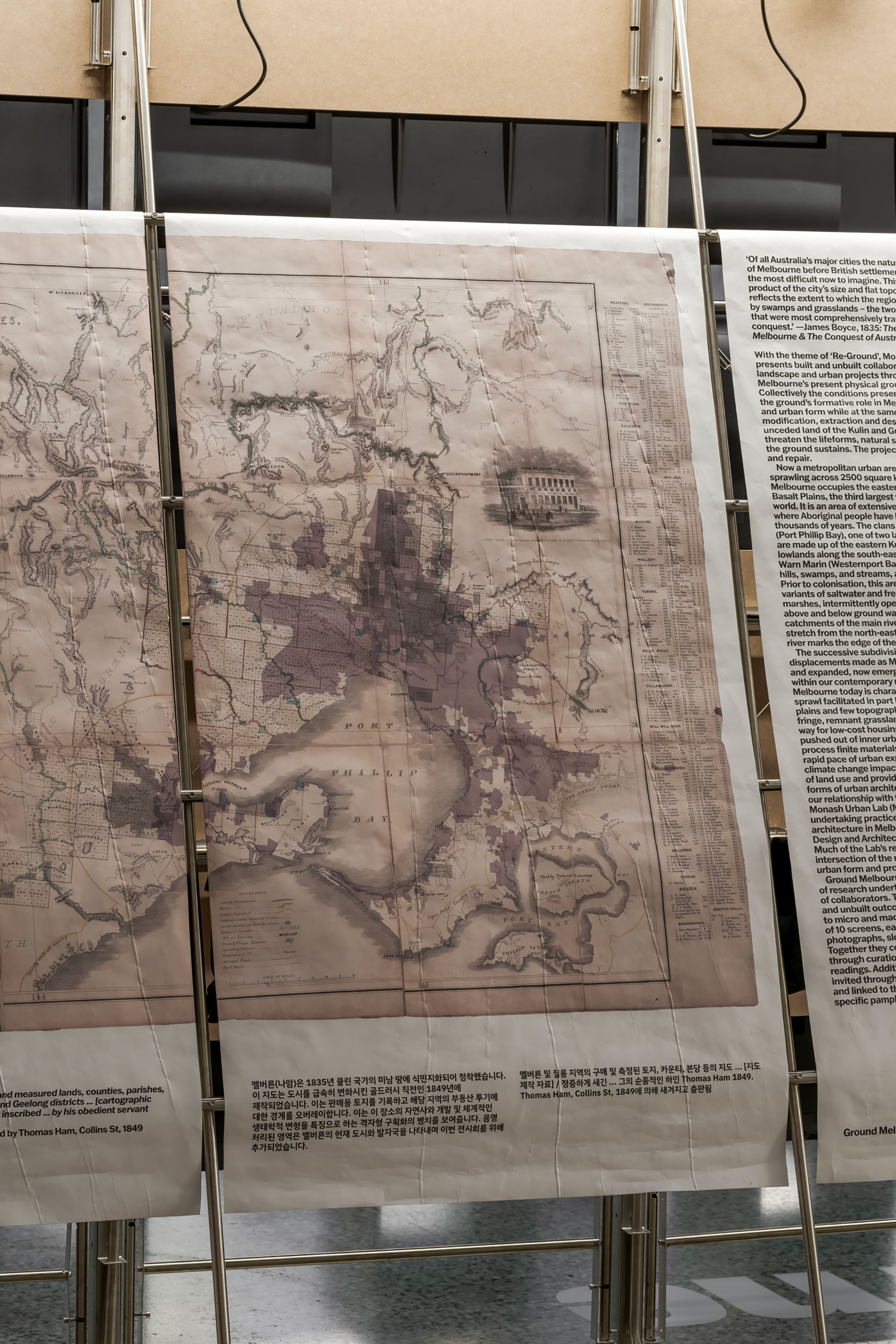
Now a metropolitan urban area of 31 municipalities, sprawling across 2500 square kilometres, Greater Melbourne occupies the eastern extent of the Western Basalt Plains, the third largest volcanic plains in the world. It is an area of extensive temperate grasslands where Aboriginal people have been living for tens of thousands of years. Prior to colonisation, Melbourne contained numerous variants of saltwater and freshwater ponds, swamps, marshes, intermittently open and closed lagoons, and above- and below-ground water flows.
Successive subdivisions, alterations and displacements made as Melbourne was settled and expanded, now emerge as major threats to our contemporary urban condition. Greater Melbourne today is characterised by uncontained sprawl, flatness, a lack of containment and few topographical boundaries. On the urban fringe, remnant grasslands are under pressure to make way for low-cost housing, manufacturers pushed out of urban areas and extractive industries processing finite materials to support urban growth. The rapid pace of urban expansion, sea level rise and other climate change impacts have exposed these characteristics and provide the catalyst to develop new forms of urban architecture that can reset and repair our relationship with the ground of Melbourne.
Media
- 30 October 2023, Exhibition presented by Monash Urban Lab at 2023 Seoul Biennale, ArchitectureAu
Links
Images

Photographer: Byungchul Jun