After Warracknabeal
Re-making ideas, stories, and experiences in local heritage
Since 2018, The Afterlives of Cities research cluster has brought together expertise in architecture, cosmologies, digital fabrication, speculative fiction, and art installation to recover futures in space. At the heart of our research lie questions about how we ethically imagine and enact a future for ourselves and others. Our approach to working together encompasses a range of activities that sit alongside more traditional architectural practices, highlighting concern for the historical, cultural, and technological landscape as it re-composes the urban experience. In our projects to date, the ethical role of play in civic creative practice is explored through ‘making together’: that is, via community-led craft and digital fabrication, local industry collaborations, material reuse, participatory workshops and festivals, and creative media outputs. These ongoing endeavours set up a parallel kind of discussion of what futures can be made in our increasingly urbanising world.
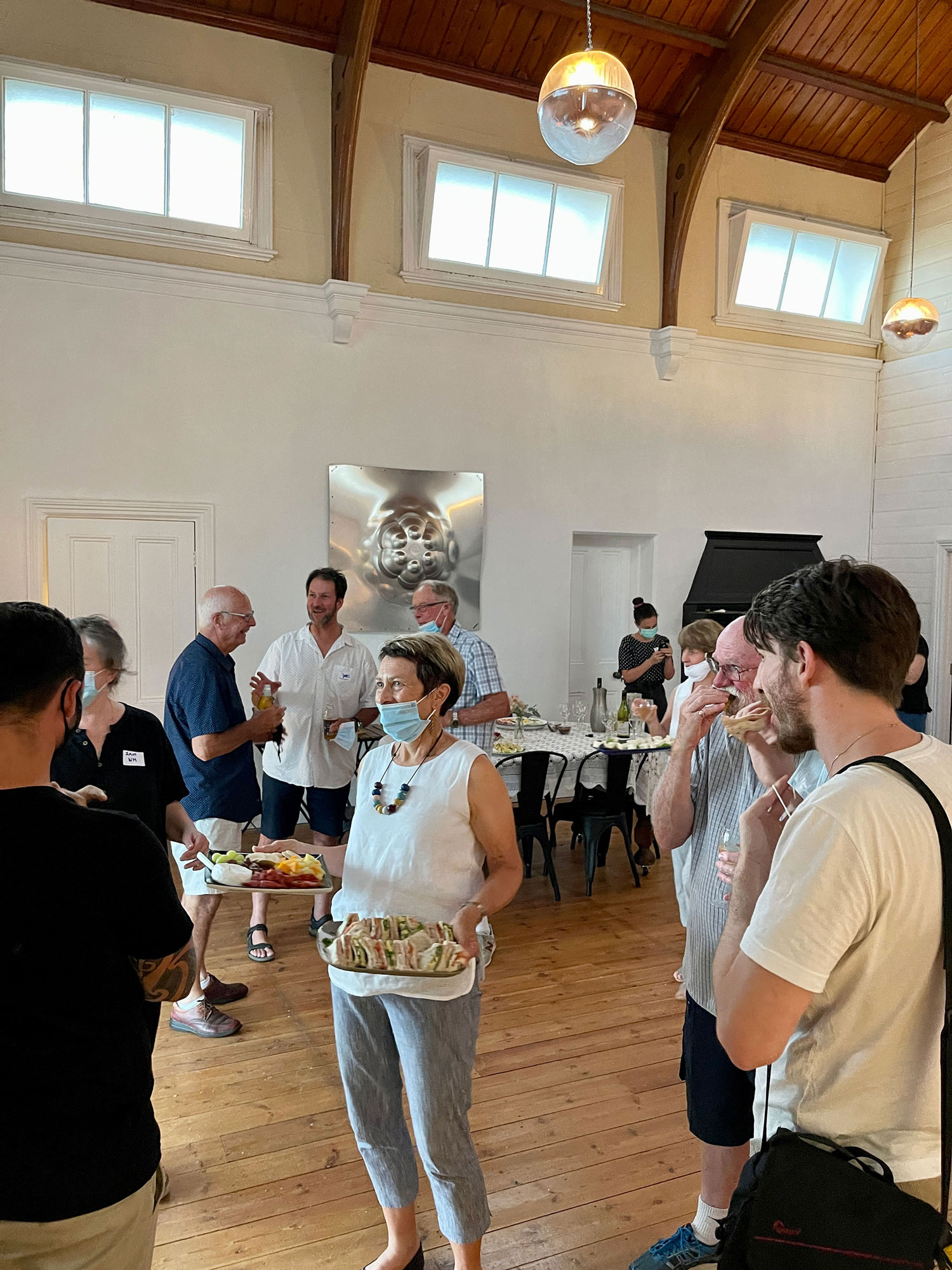
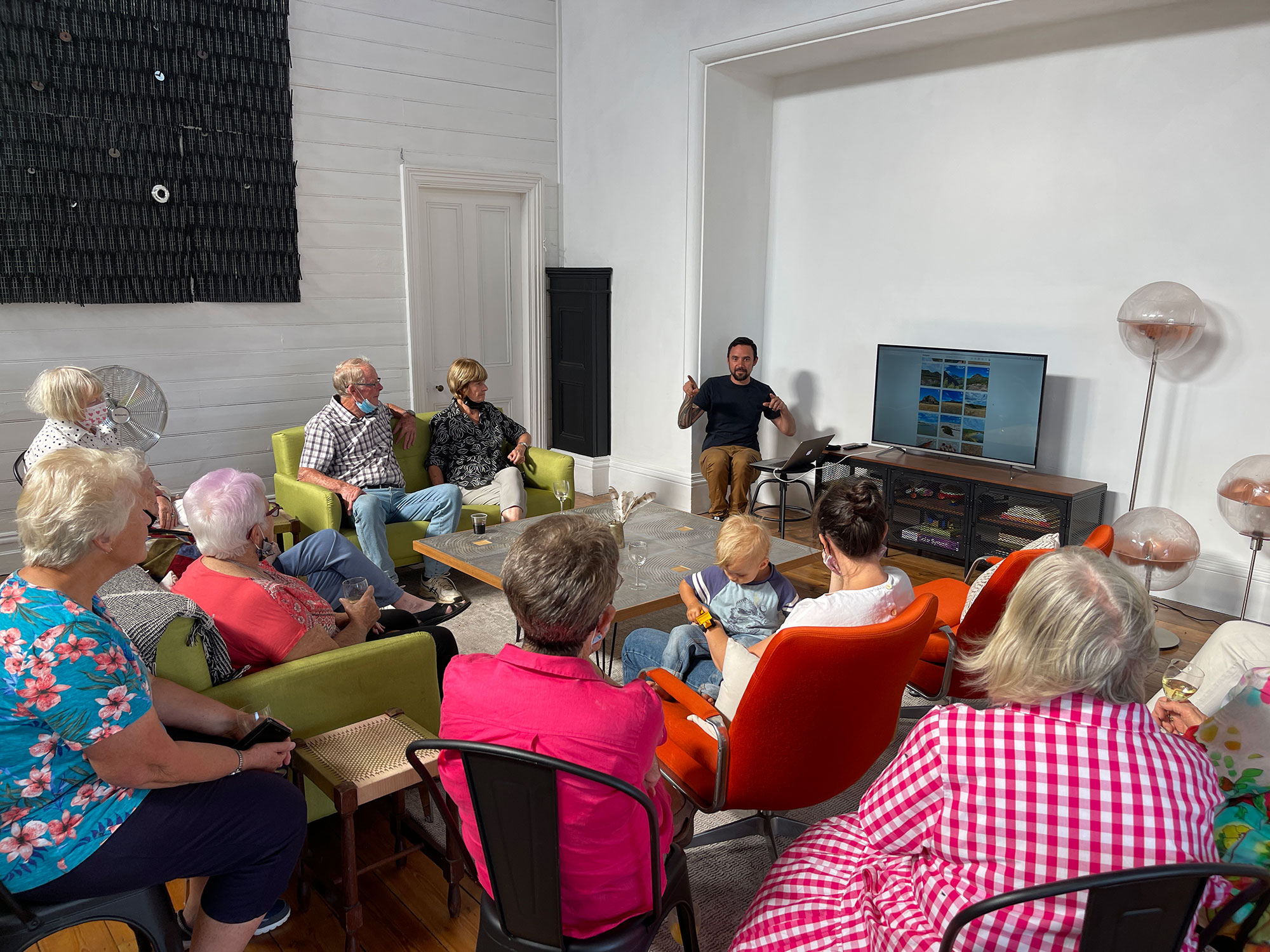
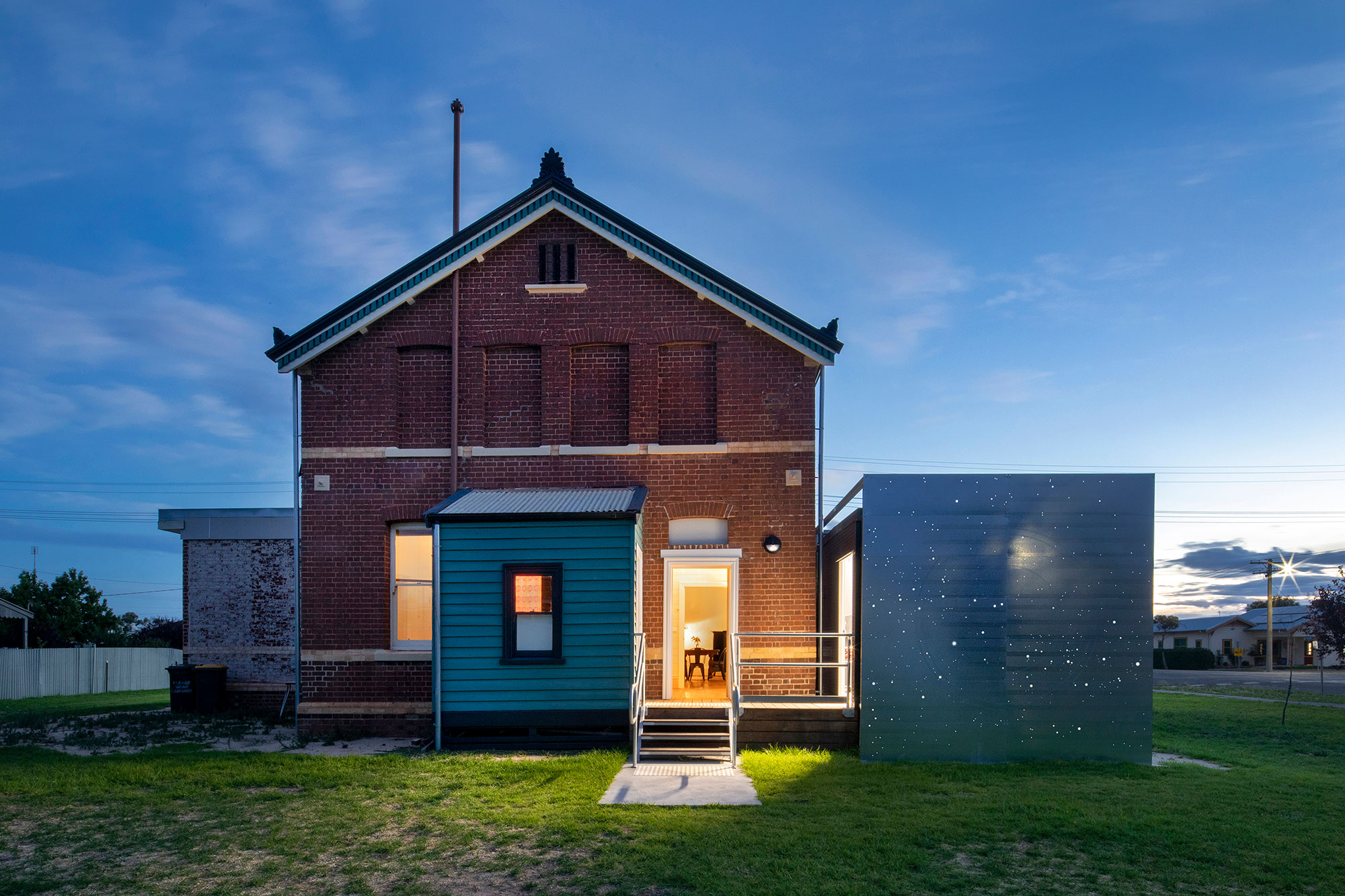
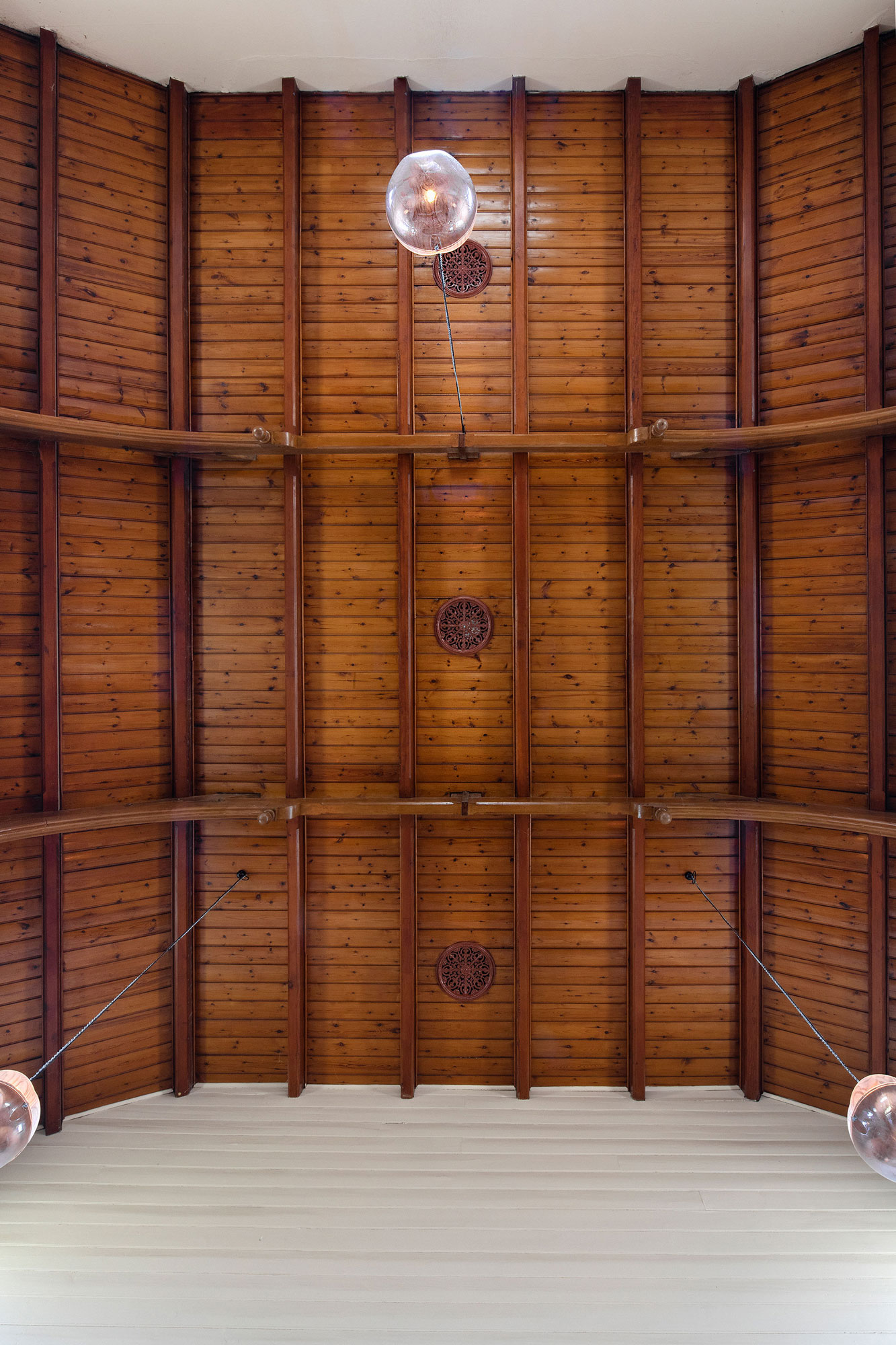
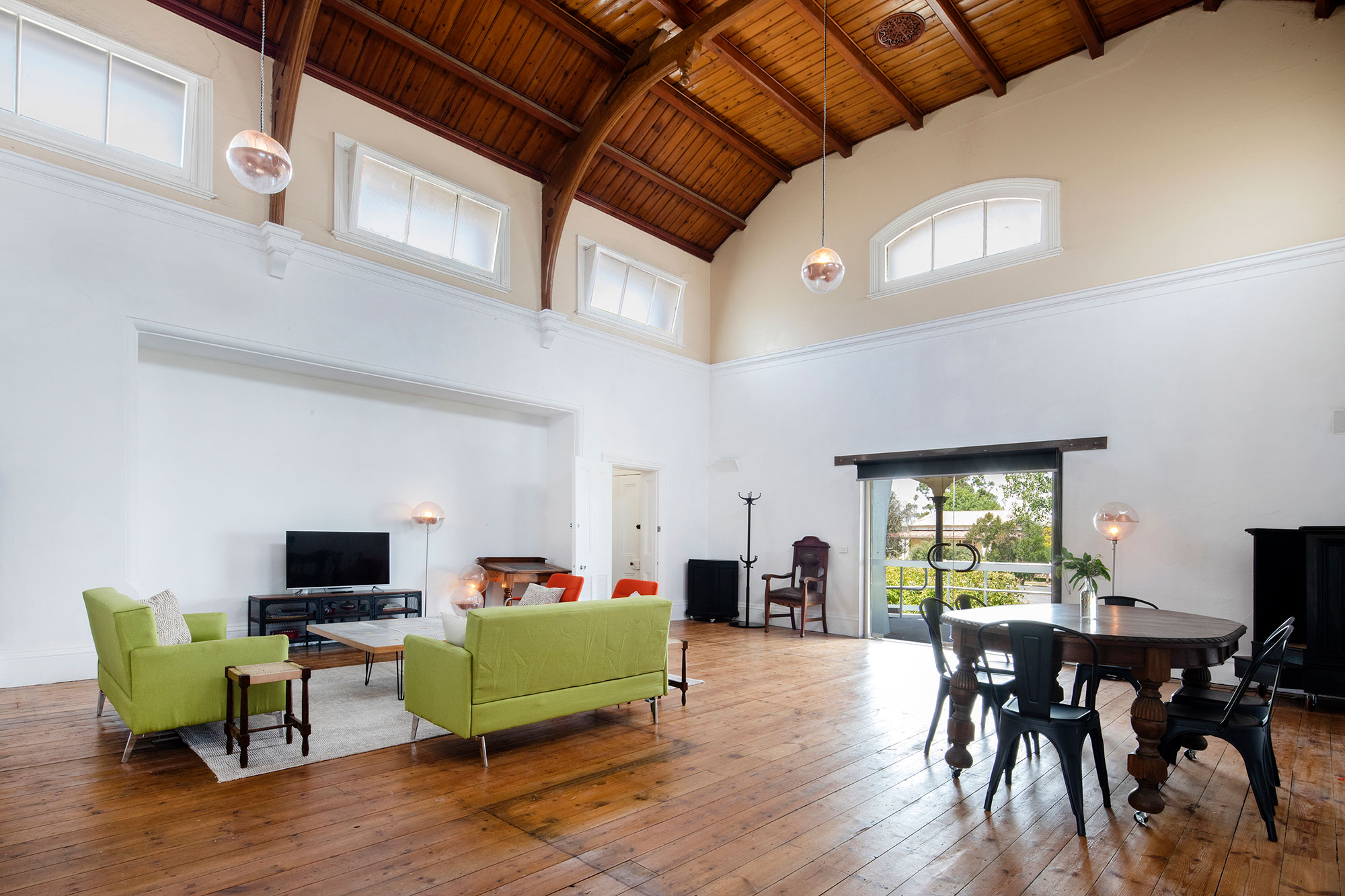
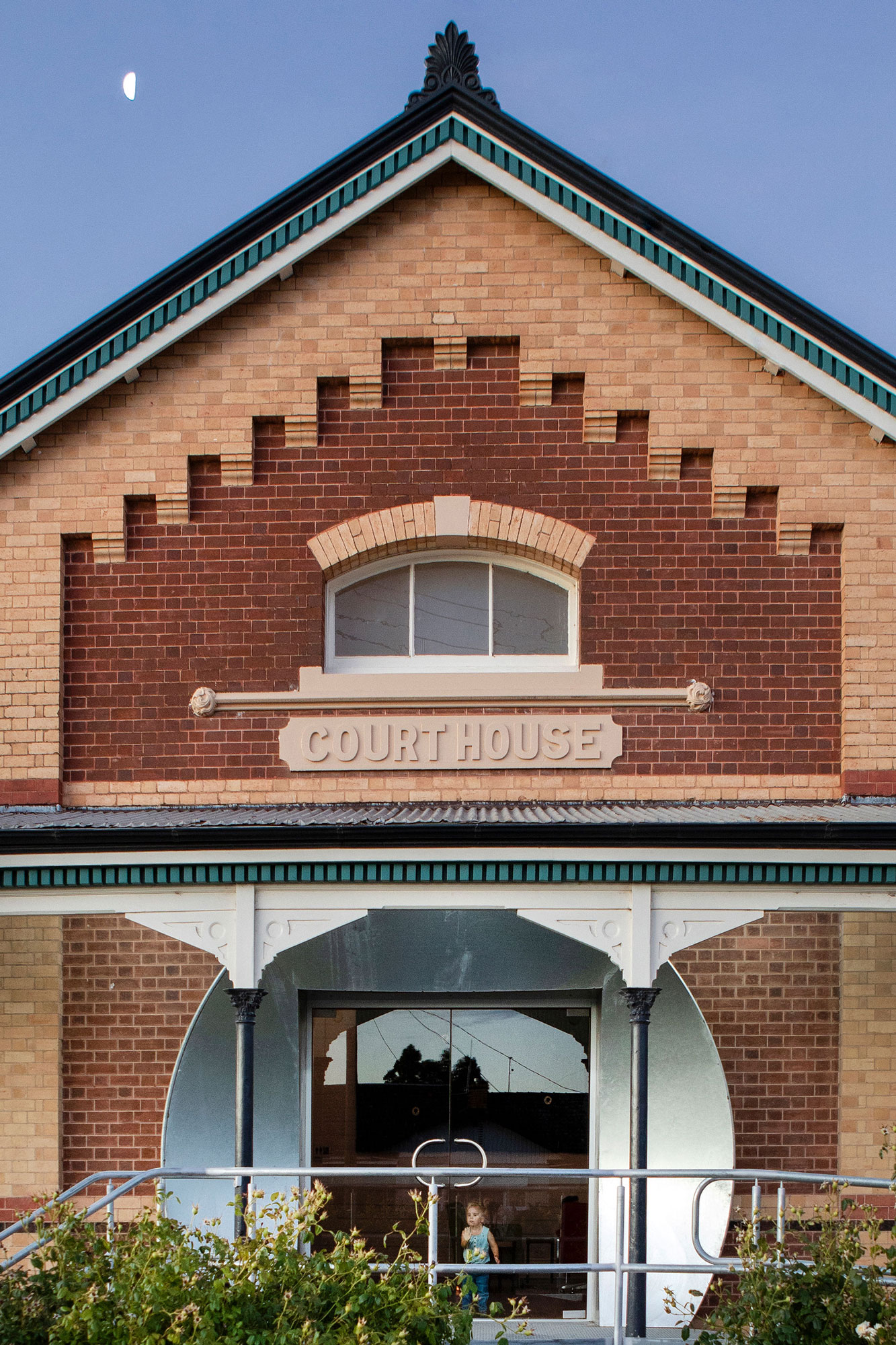
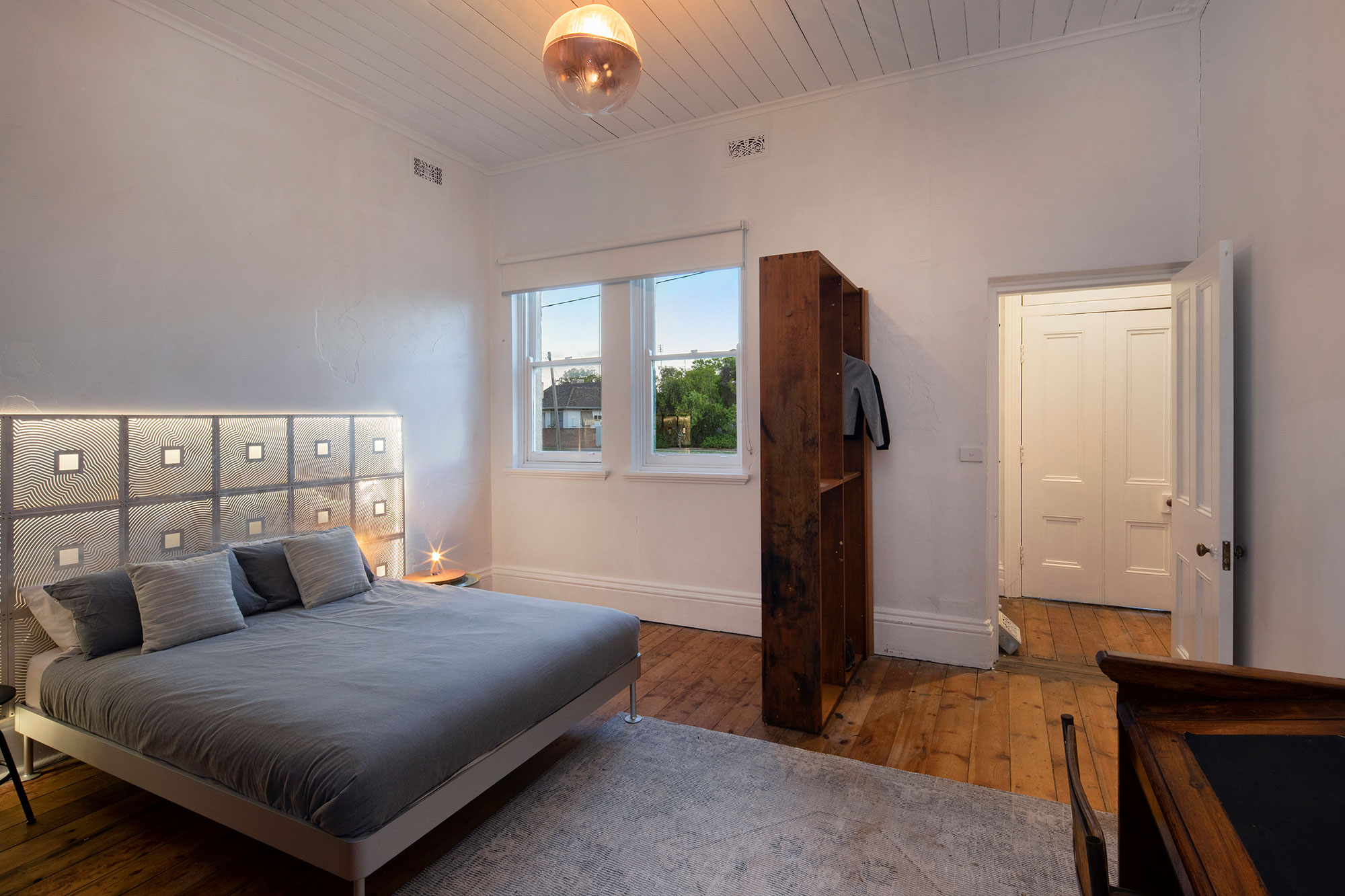
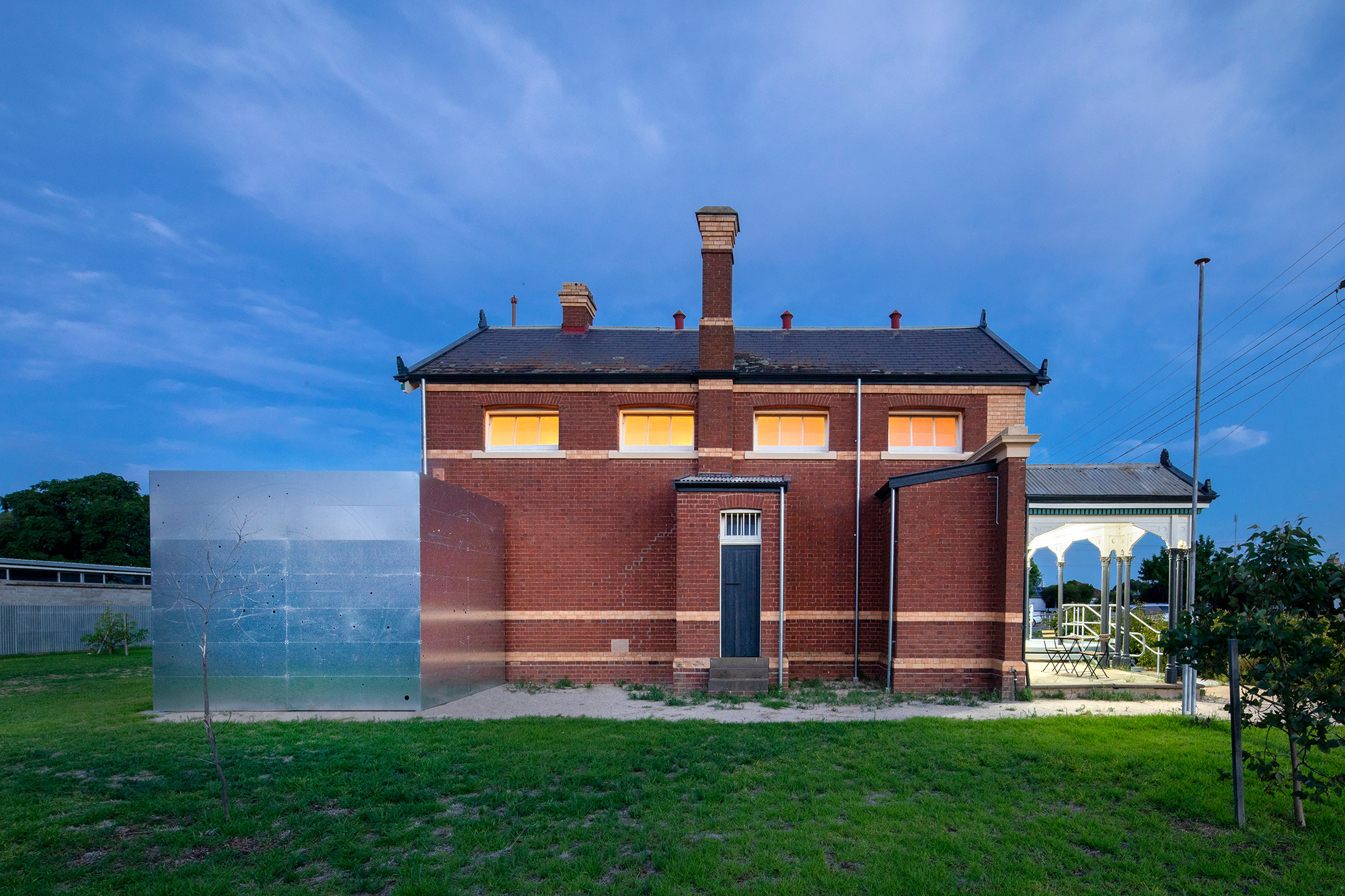
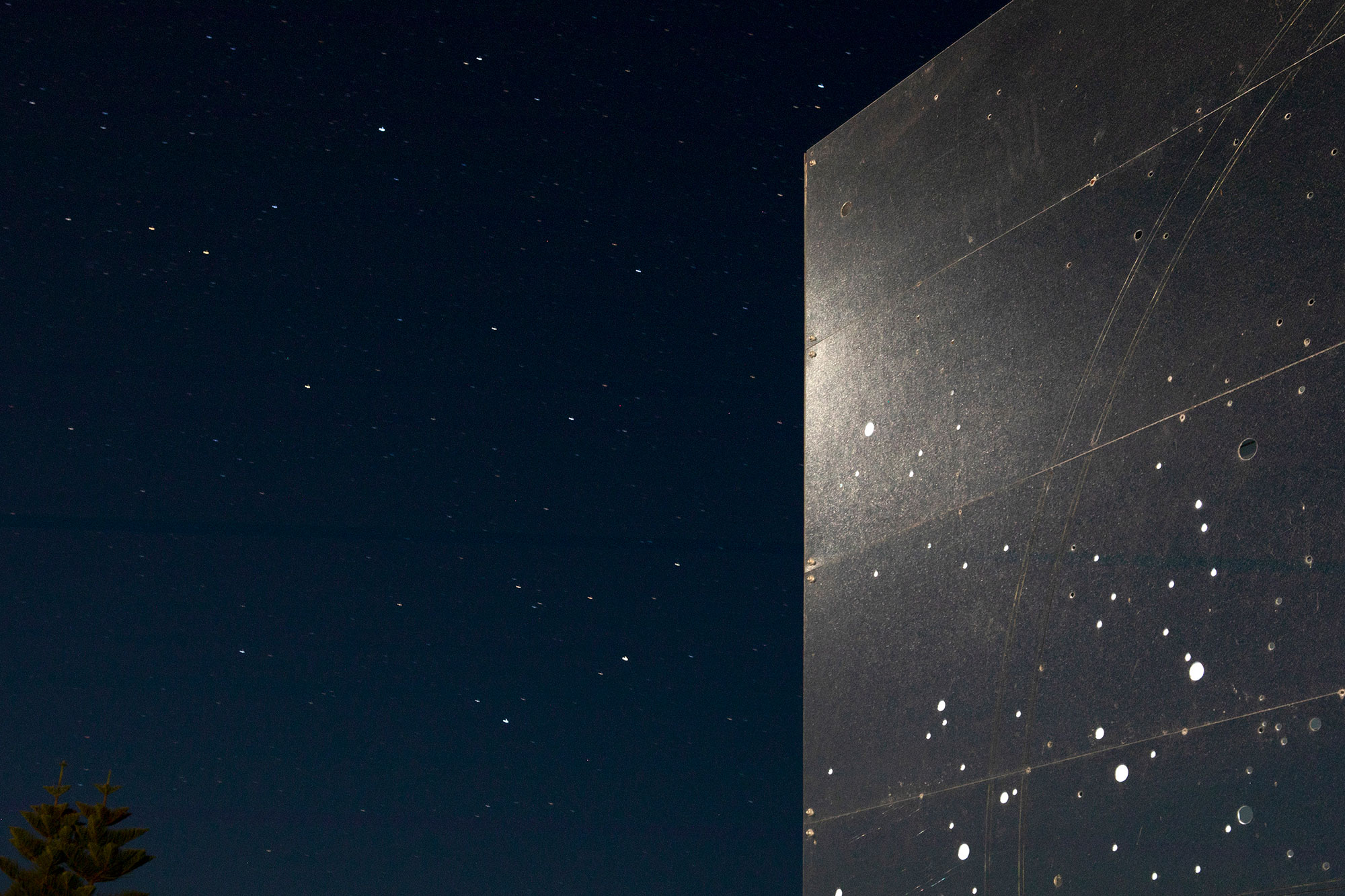
Commencing in 2019, our five-year long design and refurbishment of the Warracknabeal CourtHouse - the After Warracknabeal project - has transformed a long-defunct regional Victorian heritage building into a new art studio, accommodation, and flexible exhibition space at the centre of the Wimmera Mallee. Originally constructed in 1889, the CourtHouse stands on the land of the Wotjobaluk people, represented by the Barengi Gadjin Land Council. The building is a significant reminder of nearly a century of English law dispensed through the region under the centralised control of the Colony, and later, the State of Victoria. The transformation of the Warracknabeal Court House reimagines a Victorian rural community through art and creative activity, and creates a highly visible, exceptional space to explore integral questions about Australian history, knowledge, and understandings of landscape. The short film After Warracknabeal (2019), made in collaboration with cinematographer James Wright, offers a visual record of the Wimmera Mallee context, and glimpses of community discussions regarding the CourtHouse project. With outcomes ranging across community engagement, exhibitions, and informal ‘open studio’ events, an artist residency program embedded at the redeveloped CourtHouse also creates an opportunity for the exchange of ideas, stories, knowledge and experiences between locals, visitors to the Wimmera Mallee, and wider audiences.
Investigators
- Associate Professor Matthew Bird, Monash University
- Associate Professor Jason Crow, Monash University
- Charity Edwards, Monash University
- Dr Tom Morgan, Monash University
Co-Investigators
- Associate Professor Duane Hamacher, University of Melbourne
- Dr Dasha Moschonas, University College London (UCL)
- Dr Kim Munro, University of Adelaide (previously UniSA)
- Patrick Ness, COX Architecture Group
- Søren Fischer, COX Architecture Group
- Dr Prabhat Rai, Monash University
- Dr Mark Richardson, Monash University
Partner Organisations
- Conceptual PlayLab, Monash University
- Yarriambiack Shire Council (Victoria, AUS)
- Working Heritage (Victoria, AUS)
- ARTBOX (Victoria, AUS)
- Warracknabeal Rotary Club (Victoria, AUS)
Funded by
- Creative Victoria
- Yarriambiack Shire Council (Victoria, AUS)
- Working Heritage (Victoria, AUS)
Undertaken within
- The Afterlives of Cities
In the news
After Warracknabeal (2019)
Made in collaboration with cinematographer James Wright, offers a visual record of the Wimmera Mallee context, and glimpses of community discussions regarding the CourtHouse project.
Images