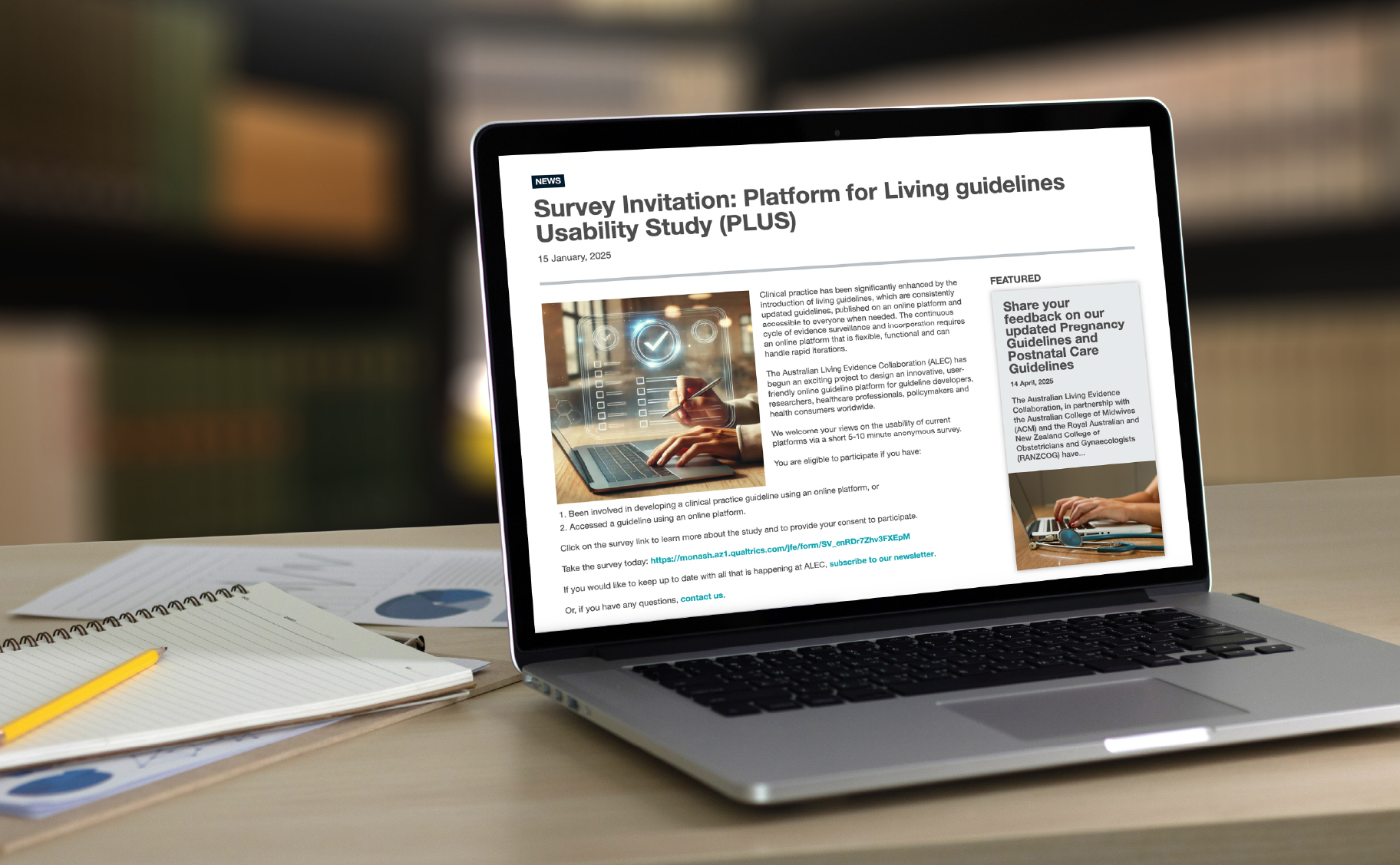
Regional co-design and survey
To understand the needs of South-East Asia and the Western Pacific regarding living evidence to support health decision-making, we convened two regional co-design consultations, engaging participants from 10 countries, and conducted the Platform for Living Guidelines Usability Study: A Cross-sectional survey.
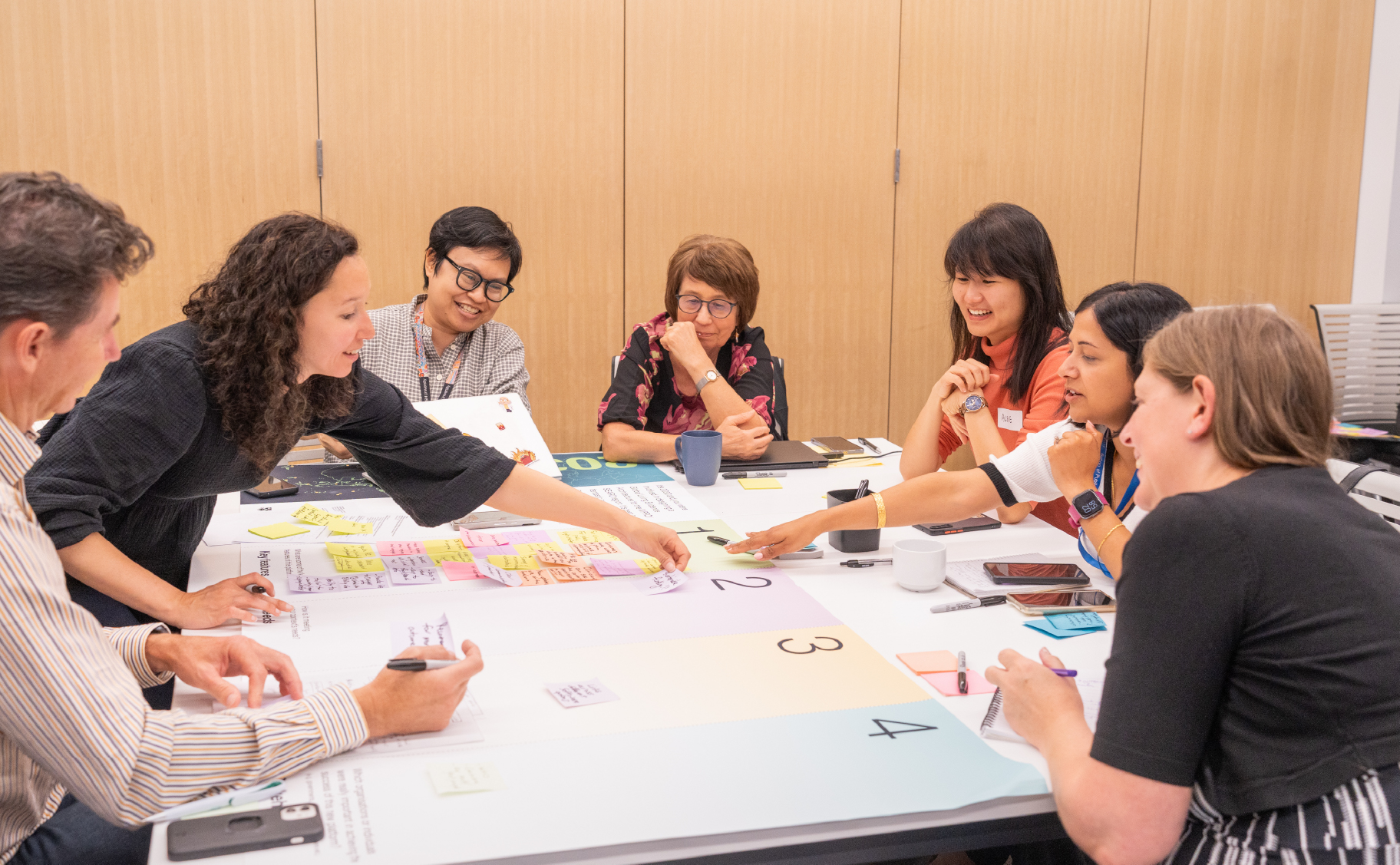
Workshop 1: Understanding challenges and opportunities of current systems and ideating for a future platform
17 February 2025, Monash Victoria
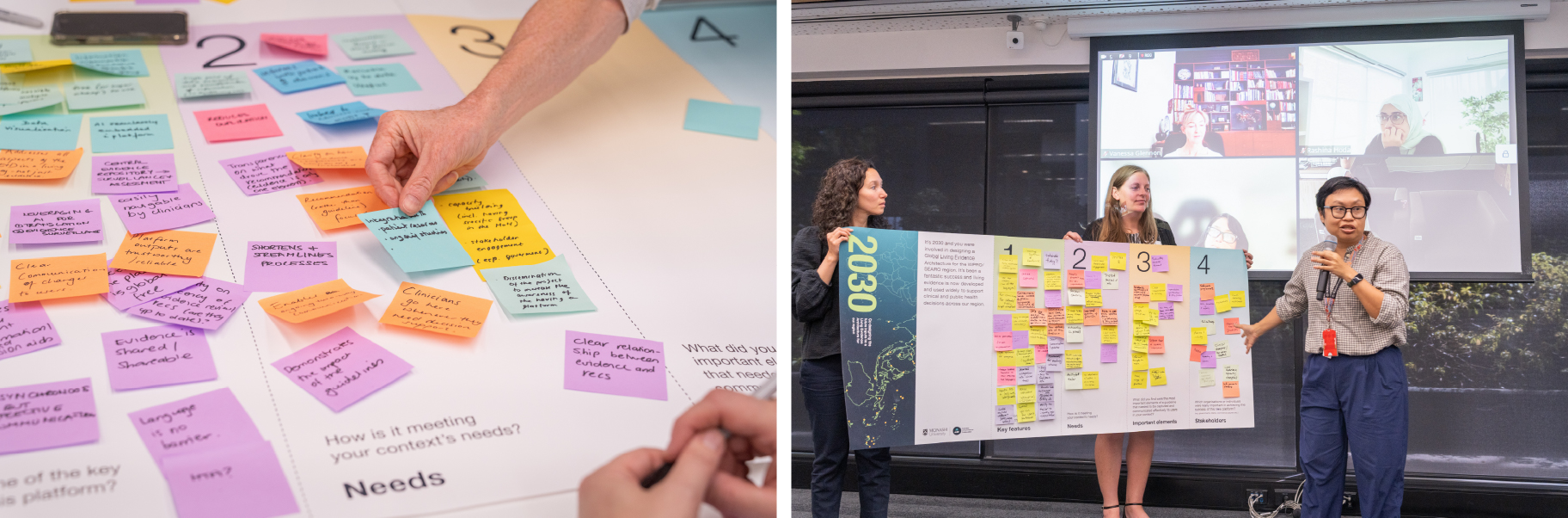
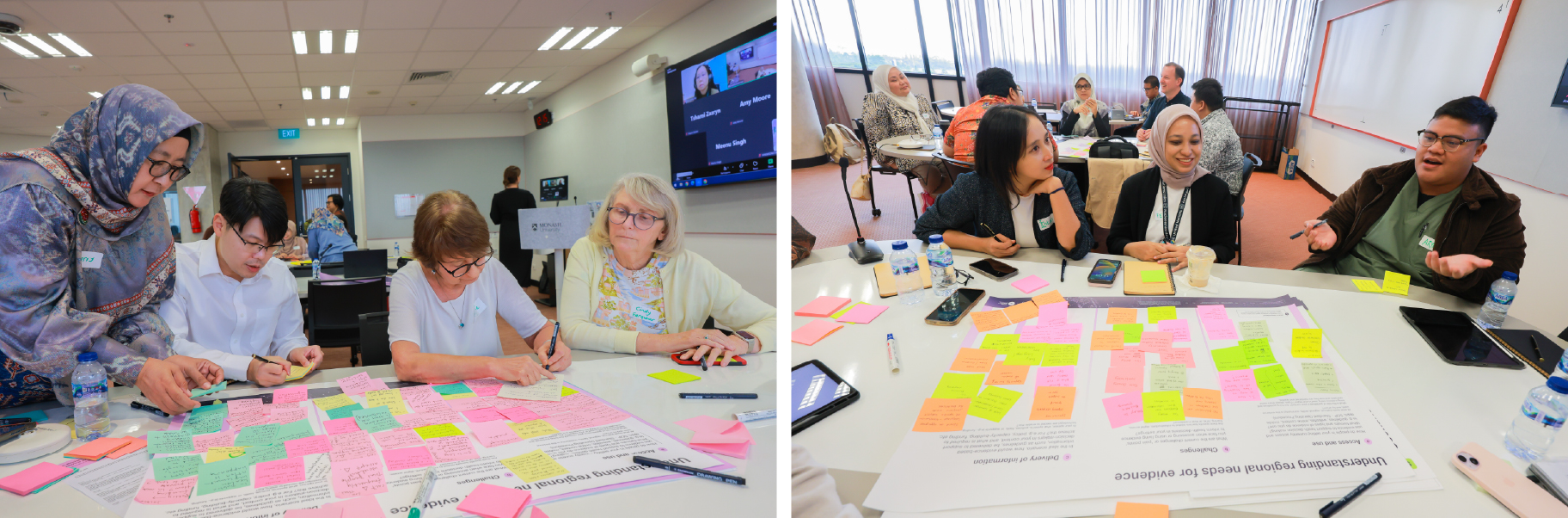
The first Living Evidence Architecture (LEA) co-design workshop was held on 17 February 2025 at Monash University in Melbourne and online via Zoom. It brought together 34 participants from Australia, Indonesia, Malaysia, Thailand, the Philippines, India and Switzerland, representing 15 organisations including Monash University, NHMRC, CARI Guidelines, Cochrane, and the World Health Organization. Stakeholders from across South-East Asia and the Western Pacific critically examined the challenges and opportunities of accessing and using existing evidence systems. Insights from the workshop directly informed the design and framing of Workshop 2, helping to ensure continuity across the co-design process.
Workshop 2: Understanding the needs of our region
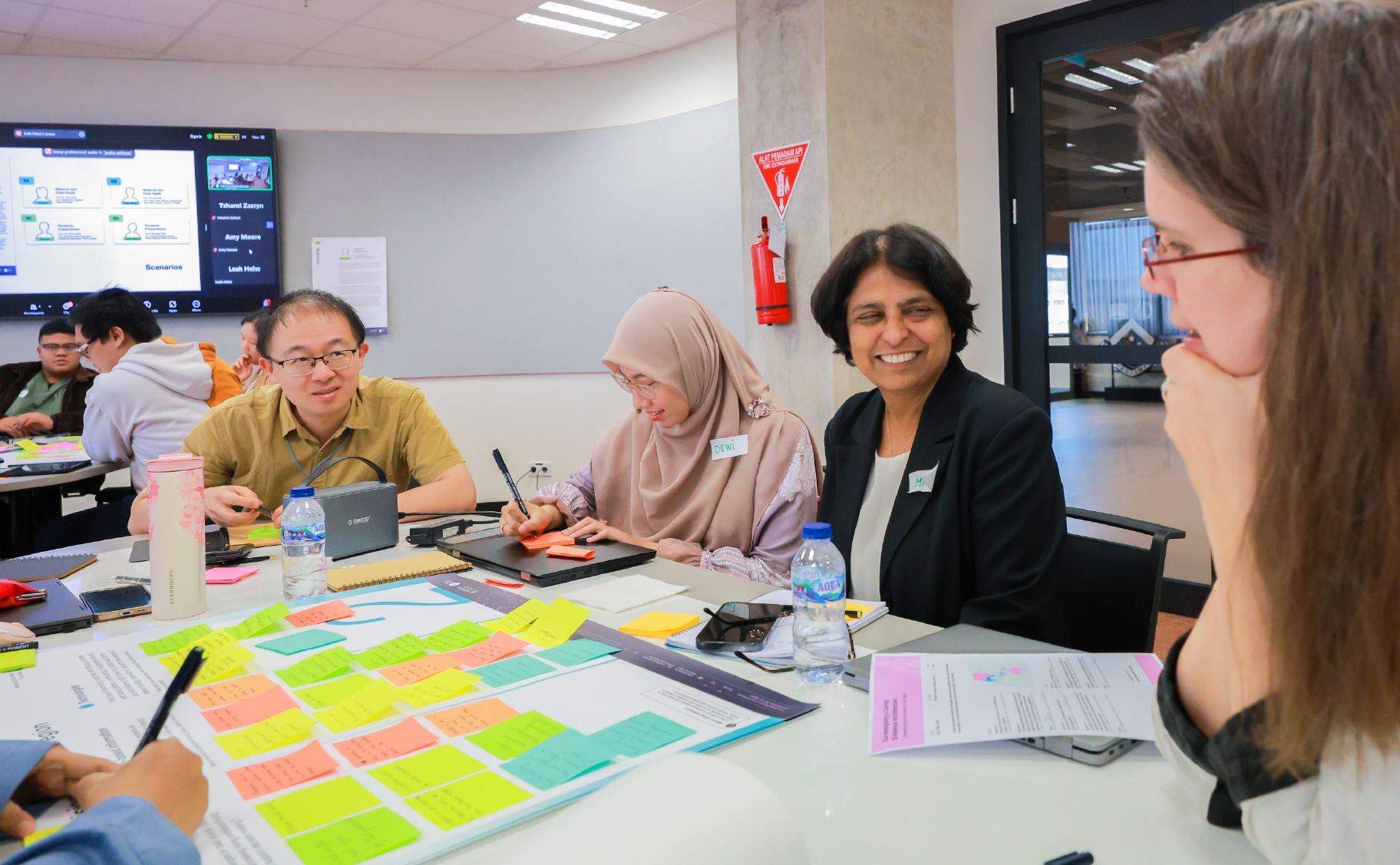
20-21 May 2025, Monash Indonesia
The second LEA co-design workshop was held on 20-21 May 2025 at Monash Indonesia in Jakarta and online via Zoom. It brought together 36 participants from 10 countries across South-East Asia and the Western Pacific, representing clinicians, policy-makers, public health practitioners, consumer advocates, digital health experts and WHO representatives. Participants explored how living evidence could better support real-world decision making. Groups examined how people access and use living evidence, the challenges and ideal conditions for doing so, and the potential and concerns around AI-enabled platforms.
Platform for Living Guidelines Usability Study: A Cross-sectional survey
23 January – 6 February 2025
The PLUS Survey, conducted by the Australian Living Evidence Collaboration from 23 January to 6 February 2025, explored the usability, strengths, limitations and desired improvements of current online guideline platforms. Among 68 respondents, 71 percent were from Australia, around half were guideline developers and half were guideline users, and 44 percent had more than five years of experience. Overall usability scores were below average across platforms, with navigation, performance and suitability for living guidelines identified as key opportunities for improvement. Respondents highlighted linking evidence to recommendations as a strength and called for improved performance, interoperability, data management and clearer, more customisable presentation of information.