
How a Master of Design helped elevate Wenqi’s spatial design career
How a Master of Design helped elevate Wenqi’s spatial design career
Image: Children playing among the boulders seem to be traversing real canyons. Photo by CHENIN Visual
For Master of Design alum Wenqi Chen, the ultimate reward of spatial design lies in watching a concept transition from a flat sheet of paper into a tangible, lasting sanctuary in the real world. She believes that physical structures leave a permanent footprint in our collective lives.
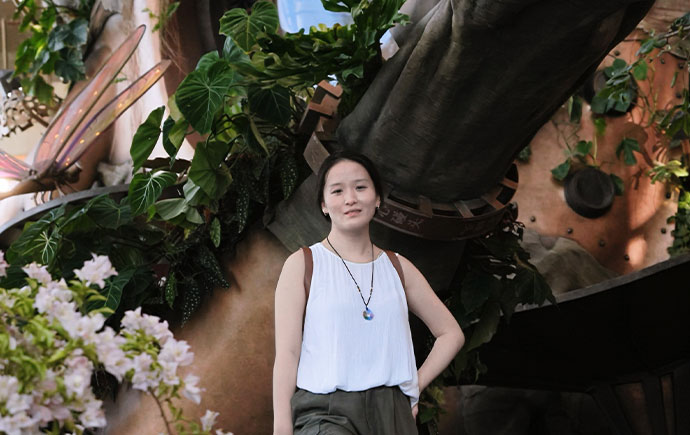
Image: Wenqi Chen
“People walk through them, touch their surfaces, and find comfort within their boundaries.” Wenqi explains. “There is an undeniable magic in watching a child eagerly explore a playground you helped build, or seeing neighbors spontaneously gather in a public plaza that once only existed as a digital sketch.”
For Wenqi, spatial design is never about mere surface aesthetics. Instead, it serves as a powerful medium to orchestrate rich experiences that positively impact people's daily lives.
"Telling stories through space and creating experiences that resonate on both sensory and emotional levels is what makes this work so meaningful."
From Monash to XISUI Design
Wenqi’s professional journey began at Monash Art, Design and Architecture (MADA), where she first completed a Bachelor of Interior Architecture. Inspired by the open studio environment, the creative freedom, and an intellectually rigorous curriculum, she chose to advance her education with the Master of Design program to explore human-centered design principles and digital design methodologies.
This collaborative hands-on foundation directly shaped her current hybrid role at XISUI Design in Shanghai, where she works on family play areas, public installations, and large-scale immersive environments.
"In my current role I combine cross-cultural insights with creative spatial design, to invigorate public spaces by bringing together people from diverse cultural backgrounds," Wenqi explains. By designing welcoming environments that naturally connect people, her work continuously reinforces her core philosophy that "good design should energise and foster meaningful interaction in communities."
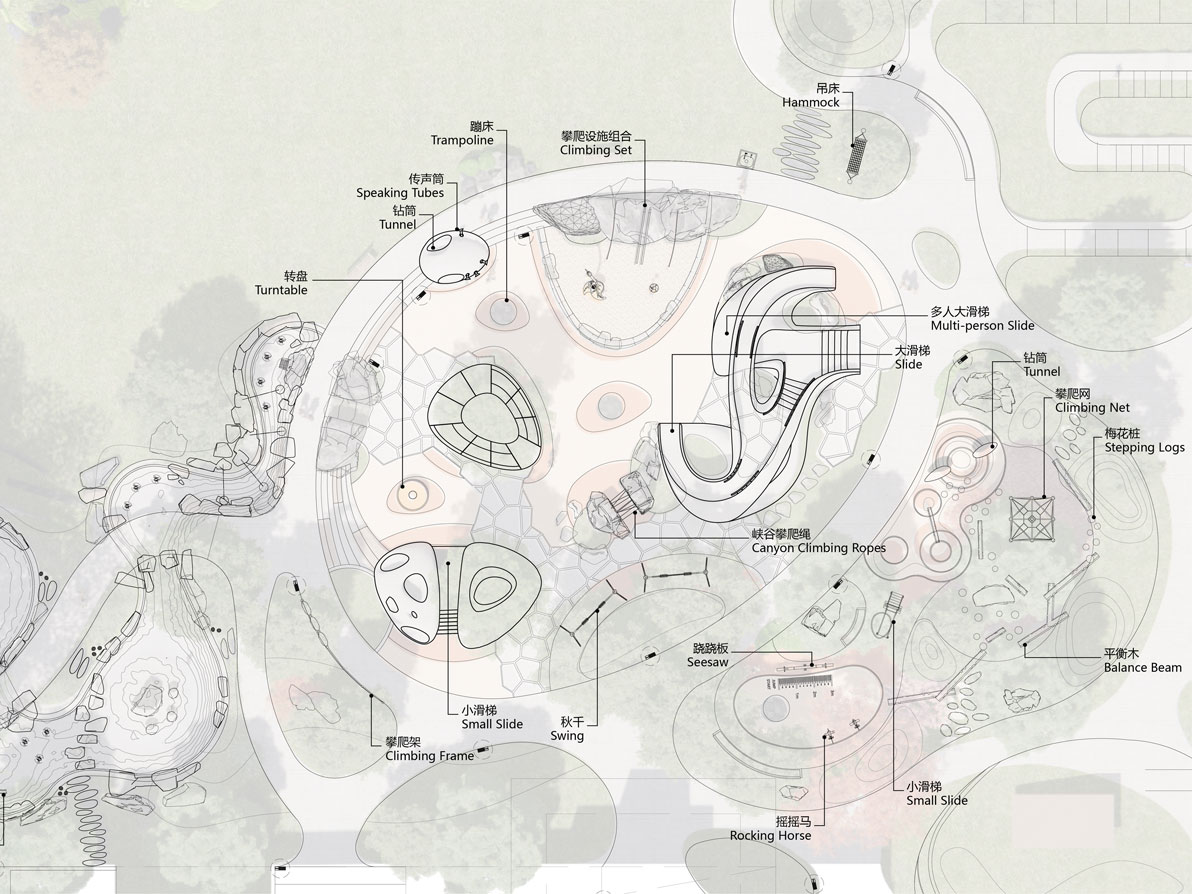
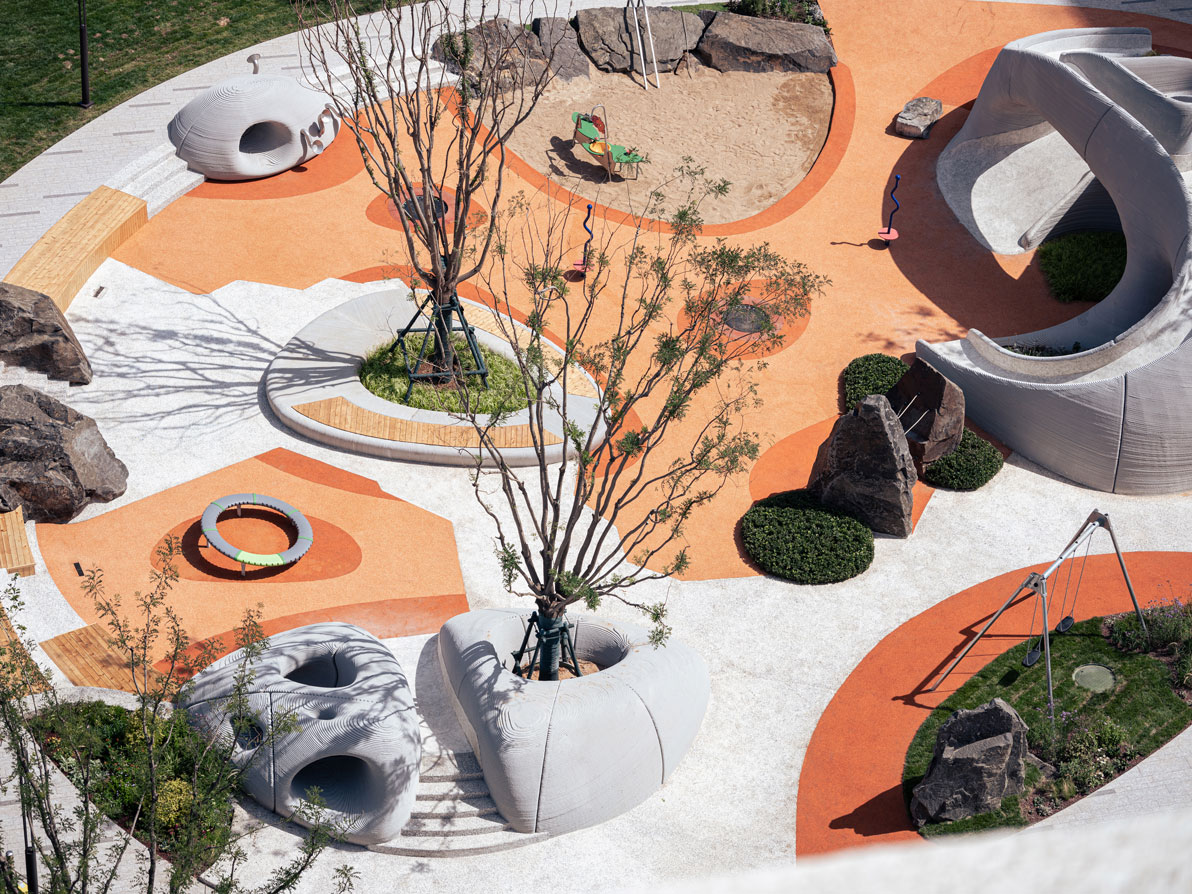
Image: All-Age Boulder Playground, Photo by Hu Yihao, Design by XISUI Design
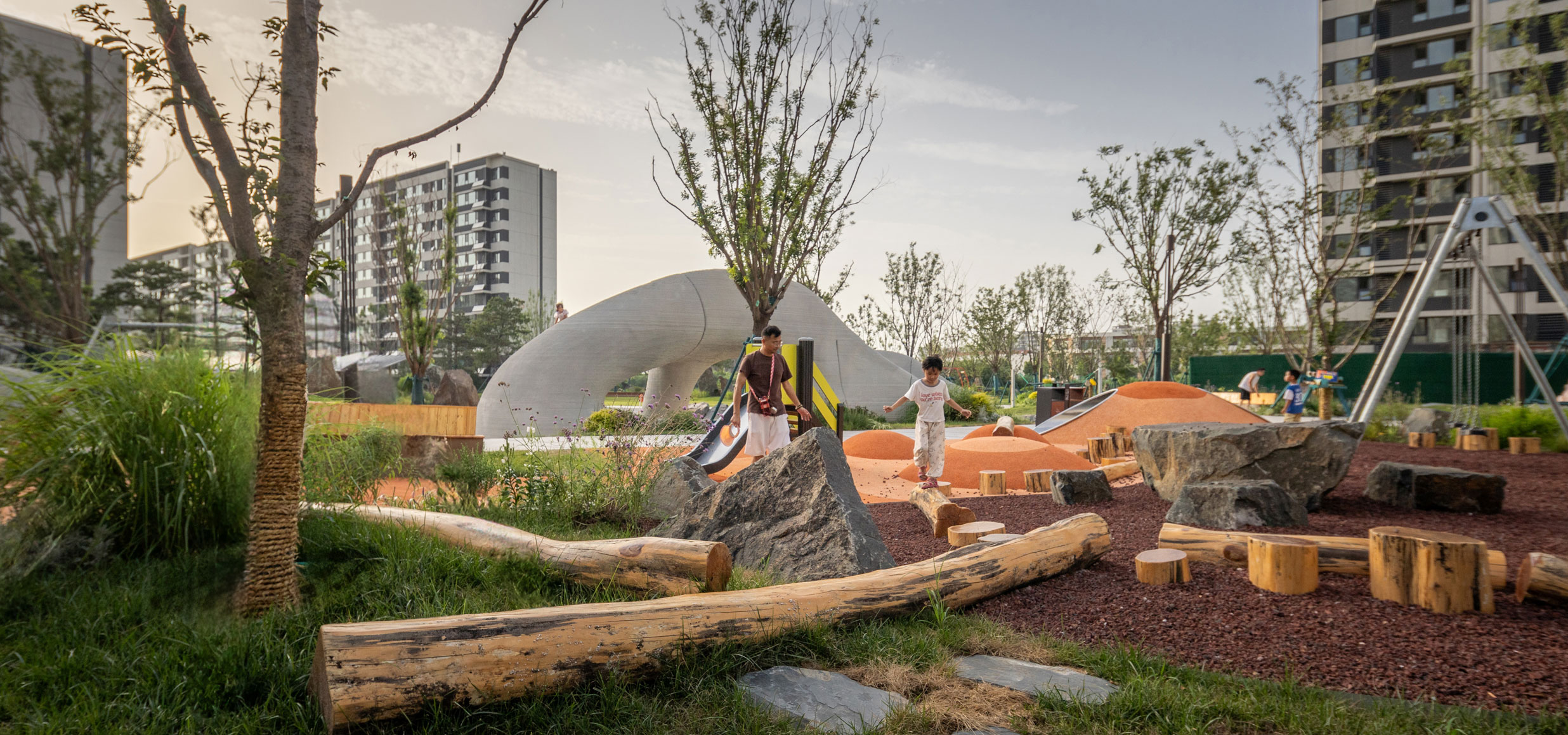
Image: The overall view of the low-age area, Boulder Park. Photo by CHENIN Visual
University mentors and cultural fluidity
Reflecting on her international student experience in Melbourne, Wenqi credits the rich diversity of the city and her peers for broadening her creative worldview. Working alongside classmates from vastly different cultures and non-design undergraduate disciplines exposed her to varied perspectives on problem-solving. This collaborative ecosystem was enriched by dedicated Monash mentors who permanently shaped her design philosophy.
"Several mentors particularly shaped my approach," Wenqi says, remembering how they pushed her to see beyond structures. "Together, they influenced me deeply, emphasising that design is about people and experience, not just aesthetics."
Thinking like a global strategist
It was during her postgraduate studies at Monash that Wenqi fundamentally transformed her professional trajectory, shifting her mindset from a pure designer to a forward-thinking strategist. Through targeted coursework with Dr Wilkie Tan, she learned to launch a Kickstarter platform, developing skills in market research and SWOT analysis. These experiences helped Wenqi build strong business acumen, allowing her to articulate the commercial value and broader social impact of her design concepts to both clients and companies. Coordinating and co-curating the large scale graduate exhibition, Mind Your Mind, allowed Wenqi to bring together diverse design while sharepening her ability to communicate complex spatial concepts to stakeholders in actionable ways.
"That shift in mindset, from thinking like a designer to thinking like a strategist, has proven more valuable than any specific technical skill.’ Wenqi shares. “It has opened up more business opportunities in my career."
Today, she channels this exact toolkit into her current hybrid responsibilities at XISUI Design. She does not simply draw spaces; she manages brand communications and project storytelling, which has helped propel her collaborative projects onto the world stage. Her designs have contributed to major public initiatives like Boulder Park and Cishan Tribe which secured wins at the prestigious Architizer A+Awards and the BLT Built Design Awards. Her latest project, Wonder Tree, continues this streak as a current finalist in the Architizer A+Awards.
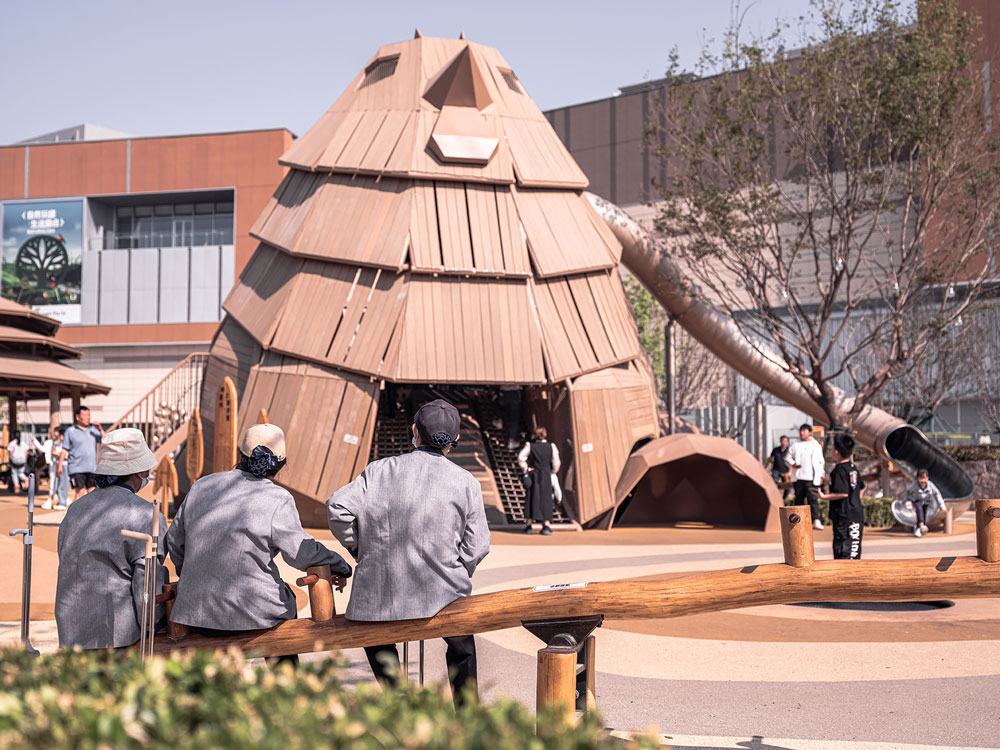
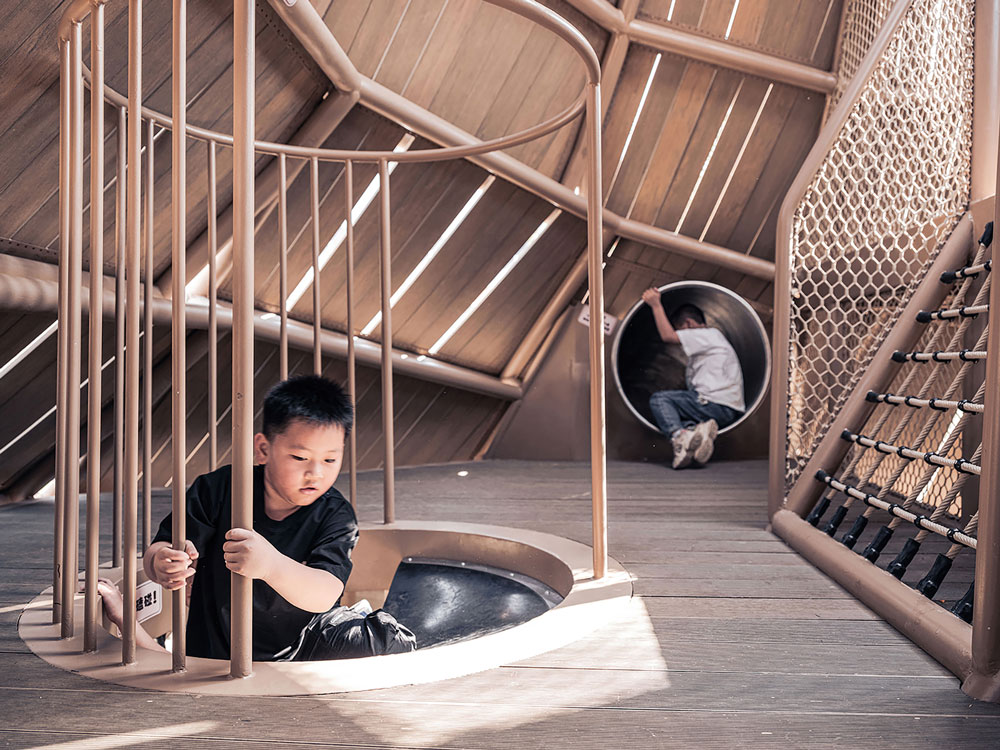
Image: Cishan Tribe, Photos by Hu Yihao, Design by XISUI Design
Advice for the next generation
Wenqi encourages aspiring designers to build bridges with industry early, embrace uncertainty and diversify skillsets by collaborating across disciplines.
“Don’t be afraid to step beyond the traditional boundaries of the field. A broader toolkit makes for a more resilient career,” she explains.
By advocating for interdisciplinary skills and embracing career uncertainty, Wenqi continues to demonstrate how spatial designers can leave a positive, physical imprint on the world.
"Monash gave me a strong foundation and taught me to see design as a strategic tool. That mindset still guides my work today"