
High Care Housing
Course
- Bachelor of Architectural Design Semester 1, 2020
Studio leaders
- Sarah Lewandowski Silver Thomas Hanley (STH)
- Andrew Curnow Carr Design Group

Melbourne is experiencing unprecedented growth in population and built form. With this comes an increased reliance on our public housing and health care systems, that are typically under resourced and overburdened. In March 2019 the Australian Government released a National Action Plan committed to reducing the estimated 2,500 younger Australians entering into aged care facilities each year by finding alternative, age appropriate housing.
This design studio will seek to explore new typologies, methodologies and approaches for the design of a low-medium density housing model that supports the social, emotional and physical needs of the residents whilst seamlessly integrating into the urban fabric of Melbourne’s inner city.
Research into the current situation drawing on resources from the various Government and private entities will provide students with the basis to undertake their own independent reading and precedent studies which will facilitate in-class discussions and charettes establishing the framework for their projects. A series of fragmented design studies will inherently encourage students to explore and test the generators of their design ideas through the iteration of a variety of physical models and developing their ability to employ different communication techniques to explain their conceptual thinking.
This studio will be taught as a collaboration between international award-winning firms and leaders in their respective fields, Silver Thomas Hanley (STH) for healthcare design and Carr Design Group for residential design, and will provide students with real-world experiences and input from other various practice professionals.

Cyndy Li, High Care Housing
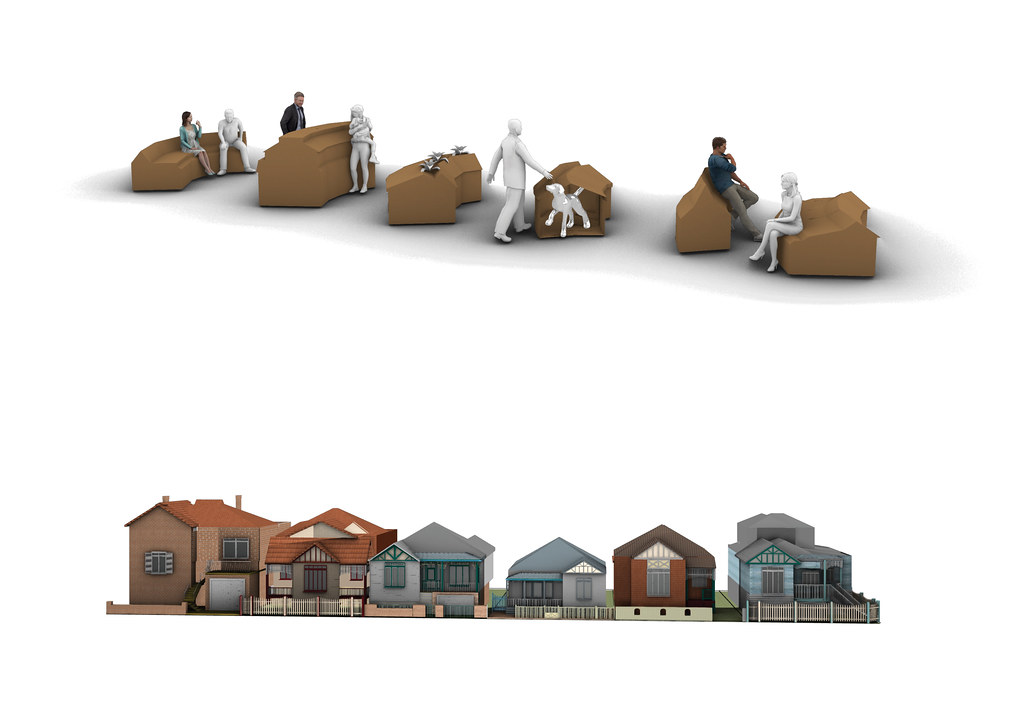
Cyndy Li, High Care Housing

Cyndy Li, High Care Housing

Cyndy Li, High Care Housing
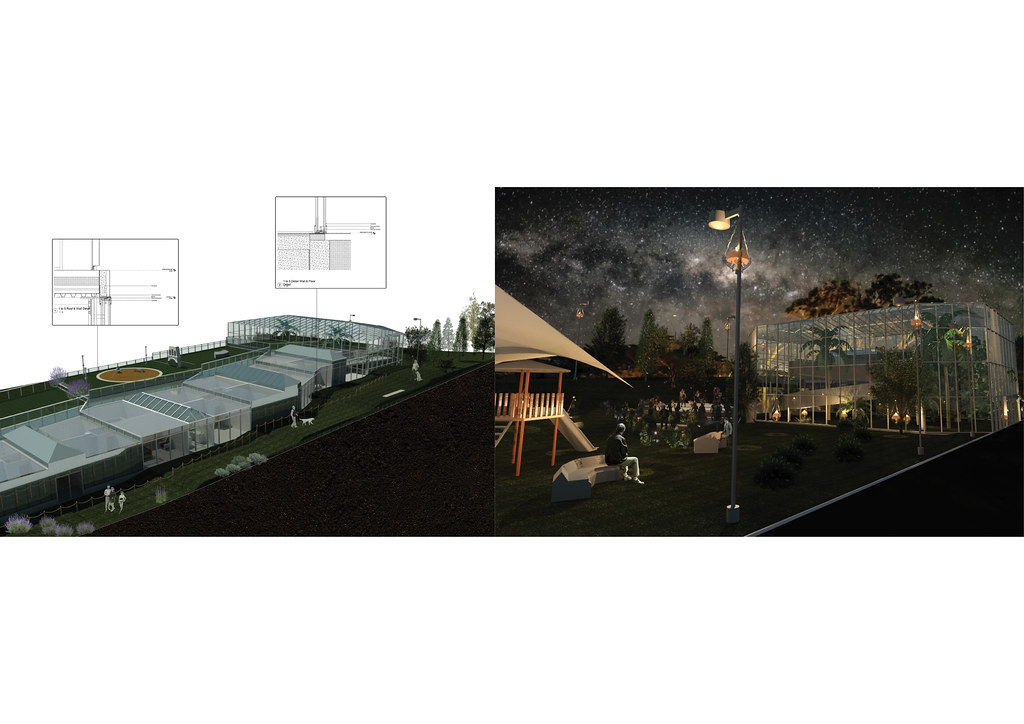
Cyndy Li, High Care Housing

Noma Furrukh, High Care Housing
High Care Housing has been an insightful studio, based on the process of designing for those living with cognitive, intellectual, sensory or physical impairments. Essentially, the Sensory Activation Housing Complex aspires to create a multi-sensory environment for the visually impaired, to help improve user experience and spatial perception by activating the five senses as an experience through sensory spaces, building layout, materiality and connection to nature.

Noma Furrukh, High Care Housing

Noma Furrukh, High Care Housing

Noma Furrukh, High Care Housing

Noma Furrukh, High Care Housing

Madeleine Edwards, High Care Housing 1
The Lyndhurst Homes provides housing for people undergoing rehabilitation for a physical impairment. The project is comprised of private apartments, rehabilitation facilities, a hydrotherapy pool and a public pool. The project aims to facilitate the residents’ rehabilitation in a comfortable, engaging and homely environment and also provide opportunities for community interaction which is primarily done through the inclusion of the public pool on site.

Madeleine Edwards, High Care Housing 2
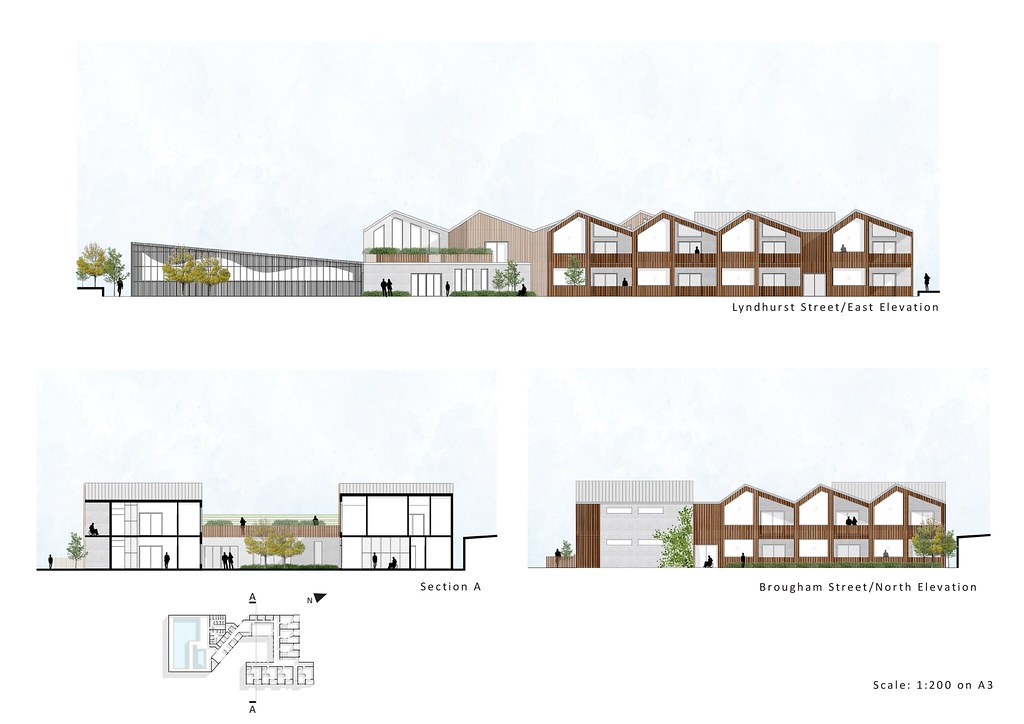
Madeleine Edwards, High Care Housing 3

Madeleine Edwards, High Care Housing 4
