
Urban planning and design: shaping the future of our cities
Urban planning and design:
shaping the future of our cities
What is urban planning and design?

Urban planning and design is a critical field that impacts the environments in which we live, work and play. It is the strategic process of shaping cities and regions to create thriving, sustainable, and well-functioning communities. It involves planning and designing land use, infrastructure, housing, and transportation systems that respond to current needs and future growth—balancing social, economic, and environmental needs.
Senior Advisor to the Victorian Planning Minister, Giselle Osborne explains:
“Urban planning is about shaping how we live, move, and connect. It’s about designing places that work now and into the future.”
Graduate planner at Maribyrnong City Council, Jenny Yang says:
“Urban planning isn’t just about the present—it’s about imagining and forecasting the future.”
As cities continue to grow and face new challenges, the expertise of urban planners and designers becomes increasingly vital in creating spaces that are sustainable, inclusive, and resilient.
Are there jobs in Urban Planning?
Yes, and the demand is rising sharply. Jobs and Skills Australia projects 16,200 urban and regional planning roles by 2026, up from 13,700 in 2021—an 18.6% increase. This growth reflects urgent national needs—housing supply, infrastructure coordination, and adapting to climate challenges (Jobs and Skills Australia).
There’s a shortage of planners in Australia. Nearly two-thirds of planning organisations are struggling to recruit staff. This shortage poses risks to housing delivery, urban development, and sustainable development (Planning Institute of Australia).
Planning Institute of Australia (PIA) CEO Matt Collins emphasises:
“Urban and regional planners are critical to addressing long-term challenges like housing affordability, population growth and the transition to net zero" (The Fifth Estate The Australian ).
As cities grow worldwide, the United Nations Sustainable Development Goals (SDGs) highlight the urgent need to address rapid urbanisation, climate change, and population growth. These global challenges are driving rising demand for skilled urban planners to help build sustainable, resilient, and inclusive cities.
For students, this means urban planning is not only a field of growing opportunity but also one where your skills can directly shape the future.
What do Urban Planners do?
Urban planners play a vital role in shaping cities and communities. They collaborate with councils, developers, and local residents on the planning and design of a range of land uses and public spaces that are functional, sustainable, and enjoyable to live, work and recreate in. Some of their work involves analysing demographics, environmental challenges, and planning regulations, while also engaging directly with communities through surveys, workshops, and public meetings.
Careers span town planning, transport, climate resilience, community engagement and policy. While many planners work in local or state government, others work in consultancy or development. Some examples of jobs include:
- Policy Analyst/Advisor
Researches and advises on housing, population growth, or climate adaptation—guiding decision-making at state or national levels.
Giselle explains:
“My role involves cutting through dense information, preparing briefs, attending stakeholder meetings, and helping steer the policy process.”
- Statutory planner
Statutory planning focuses on development approvals and compliance with zoning laws and policies, balancing the interests of developers, councils, and the community. - Strategic planner
This is visionary planning focused on long-term growth, land use, and policy. It involves community consultation to develop housing strategies, neighbourhood plans, and transport frameworks.
Jenny explains:
“Statutory planners assess applications and issue permits, while strategic planners look at long-term policies and neighbourhood plans.”
“In my role, we work with design, transport, engineering, and open space teams, and consult with the community to understand their expectations for housing and public spaces.”
- Urban designer
In the public sector, they guide large-scale planning frameworks, like urban renewal strategies. In the private sector, they design specific projects like residential developments, mixed-use precincts and master plans.
Senior urban designer at Spiire Emily Vongsaraphanh says:
“The best part of urban design is there is no typical day. One day I could be designing a small residential pocket, another day a strategic document for the council. Sometimes it’s 10 lots, sometimes 500.”
- Transport or Traffic Planner
Designs efficient systems for walking, cycling, public transport and road vehicles.
Active transport officer at Merri-bek City Council, Evi Janse de Jonge explains:
“You need to be willing to listen—to parents, shift workers, commuters and people with disabilities—and understand their needs. Our streets have long been designed for cars, but that’s changing. We need to think creatively, challenge outdated ideas, and design for everyone.”
Why study urban planning and design?
It’s a dynamic, interdisciplinary field in demand both in Australia and globally. Studying planning and design together offers a holistic understanding—planning sets policy frameworks; design brings them to life.
Together, they equip professionals to address challenges like climate change and urban growth, creating more sustainable and adaptable cities.
Emily explains:
“I liked that Monash University offered the Masters of Urban Planning and Design, because in the built environment they’re so interlinked. Having a background in planning makes me a better urban designer.”
Evi adds:
“Urban planning is key to addressing global issues like climate change, housing and social equity. There’s so much scope to specialise and shape cities that work better for people.”
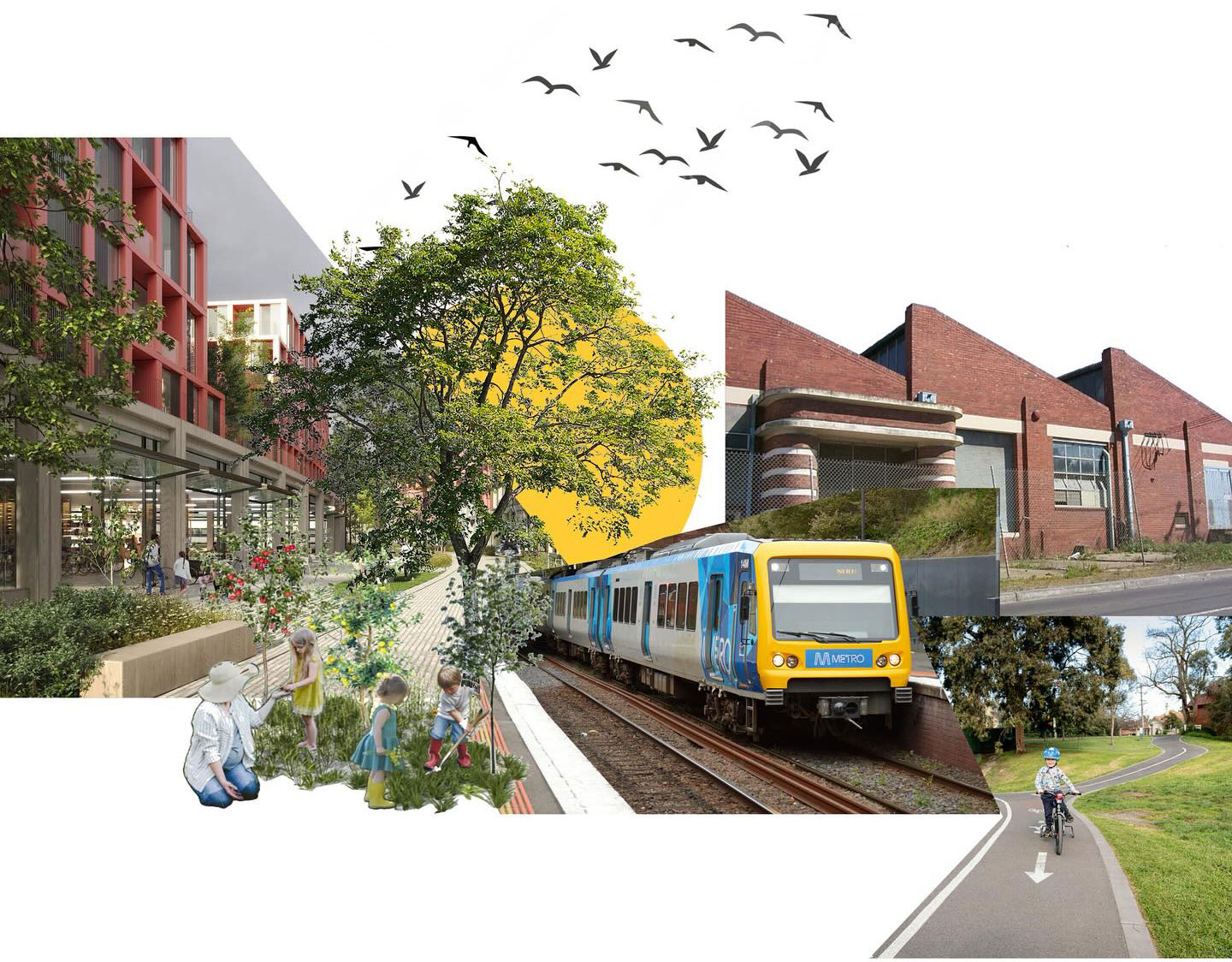
Image: Work by Tasmim Wahhab, part of Planning Project 1: Compact City, reimagining Tottenham.