
alumni-alumni-mentoring-volunteering week
Be a mentor, change a life
Been there, done that, got the T-shirt. End of story, right? Not quite. All the experience you’ve gained as you’ve built your career is a massively valuable resource. Monash students and young alumni would love you to share it with them.
But how to get started? This is where Monash’s Alumni to Alumni Mentoring comes in. A flexible, cross-industry program, it provides the details of more than 5,000 mentors and mentees across industries, countries and roles. Whether you graduated last decade, last year or are on track to don your cap and gown this year, it’s the best place to find practical hints and tips about the best way to use the platform and start your mentoring journey.
For Michael Hendricks (Bachelor of Business (Marketing), 1984), Chief Risk Officer for the fintech company Revolut in Australia and New Zealand, mentoring is “the best way to give something back”. During his 40-year career, which has spanned stints in various cities including Sydney, Leeds and now Melbourne, he has given advice to numerous graduates and colleagues.
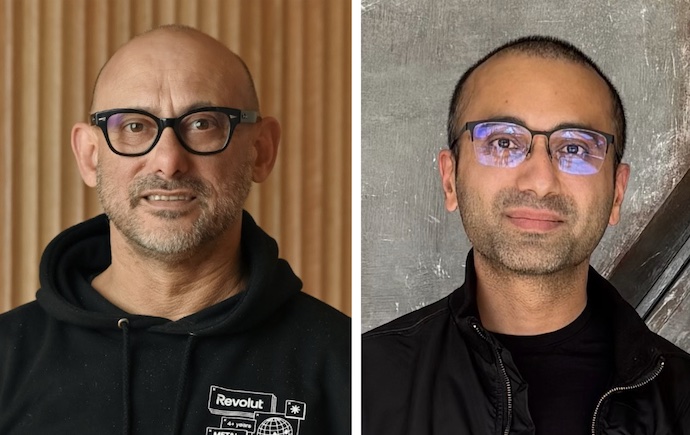
“I became interested in mentoring when I realised how much I enjoy learning from others, so it’s a natural fit for me to pass on my knowledge from my experiences. I’m still learning from those I mentor,” he says. “And I’m happy to say that many people who have mentored me and who I have mentored, have become close friends too.”
Always be prepared. Don’t waste a second of an opportunity you may get with someone you want to impress or learn from.”
His advice? “Always be prepared. Don’t waste a second of an opportunity you may get with someone you want to impress or learn from.” Michael recommends preparing and perfecting an ‘elevator pitch’ and to always have “three questions ready to ask. Make yourself be remembered.”
Michael highlights storytelling as a way to impress stakeholders and colleagues. And most importantly, he says, be open to guidance. “Some people have already made up their mind about the advice or direction they want from me, before we’ve even met. But being mentored is a skill too. It’s about 100 per cent active listening and being open to new ideas.”
Vikrant Kapoor (Master of Applied Finance, 2011) is a technology project manager at ANZ, and has been mentored by Michael through the Alumni to Alumni Mentoring to discuss the topic of leadership and influence.
“I was reflecting recently on areas I felt I needed to develop, particularly how to better communicate with and influence executive-level decision makers,” says Vikrant. “I came across Michael’s details as I was browsing mentor profiles; it looked really interesting as he’s worked at a variety of institutions in senior positions, and most people within the banking industry are aware of his brand. I asked him for his advice on what has worked in his career, particularly with senior personnel and executives.”
Vikrant says the advice he received resonated, “particularly how to construct better storytelling, and the importance of connecting with strategy, rather than being linear and one-dimensional.”
While it’s early days, Vikrant says he is becoming more confident about putting Michael’s advice into practice. “At a large organisation it’s easy to get lost in the crowd,” he says. “You need to be able to build relationships with people that are not transactional.
“Michael taught me the importance of connecting with individuals by going beyond what they expect from you, and how to talk about the value of your work in the broader sense – in terms of profitability, structure and strategy, for example. The best advice is usually simple. We tend to overlook what’s obvious.”
You have to be authentic when you’re a mentor. It’s not about giving advice, it’s about guidance.”
And to complete the circle, Vikrant is now putting all he’s learned to good use and is a mentor himself to current students in the Business School Mentoring Program, mostly helping international students fill the gaps he remembers experiencing during his own student days. “You have to be authentic when you’re a mentor. It’s not about giving advice, it’s about guidance.”
It’s important, he says, to put the advice you receive into perspective. “It’s a piece of the puzzle that you’re trying to fit into the larger picture.”
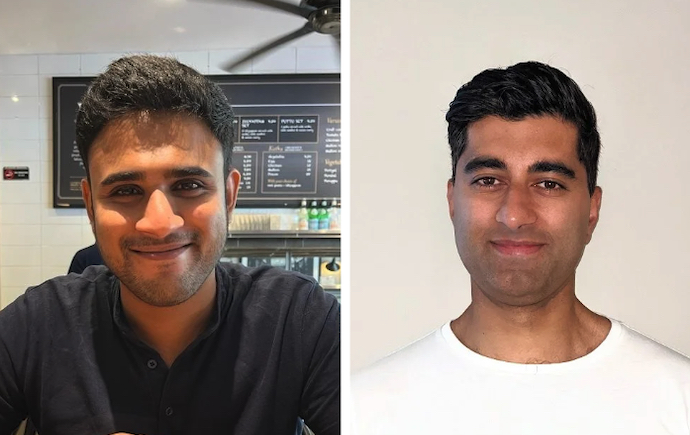
Another pair of Monash graduates, Bhavik Maneck (Master of Information Technology, 2014; Bachelor of Science (Mathematics), 2010) and Pravin Muruhaya (Bachelor of Medicine and Bachelor of Surgery (Honours), 2015; Bachelor of Science (Physics and Mathematics), 2021; Master of Data Science, 2024) have been meeting regularly for the past two years.
Pravin now works as a Data Engineer at Ignite Data Solutions in Melbourne. “When I began my Master of Data Science degree, I decided I needed a mentor,” he says. “I’d been reading about the importance of having someone a bit further along in your career to help guide and advise you. I wanted that.”
Pravin used the compatibility percentage, which is designed to help match mentors and mentees according to qualifications and needs. “Bhavik’s experience at Microsoft interested me,” he says. “Once we connected, we got along straight away. He was full of wisdom and very dedicated in his role as a mentor.”
Bhavik, Senior Data Scientist at Microsoft, in Melbourne, had decided to take on the role as a mentor in order to pay it forward. “I had had a lot of senior people and mentors who had helped me, especially my lecturer at Monash University, and I wanted to help someone more junior.”
Often, it’s not about saying what you should do. It’s about coaching or even just listening, to allow the mentee to reflect on their thought process.”
He says that he had slowly come to realise the benefits of networking and keeping abreast of the industry. “No-one had told me that and it is so important. I like to share what I have learned over the past ten years with the people I mentor.” Giving advice in a constructive way is a must, he says. “Often, it’s not about saying what you should do. It’s about coaching or even just listening, to allow the mentee to reflect on their thought process.”
The two continued to meet once a month during the two years of Pravin’s Master of Data degree. But the connection didn’t end there. After graduation, Bhavik was on hand to guide Pravin through the nerve-wracking interview process. “He gave me great advice on the process in Australia. Compared to Malaysia, interviews are more structured and formal. Bhavik suggested role-playing sessions so he could objectively assess my answers.”
For Pravin, the connection between the two is as valuable as the advice and support he has received over the past two years. “Bhavik is very easy to talk to. He doesn’t coddle you, but gives me a broader, considered perspective.”
AI has changed Pravin and Bhavik’s industry tremendously throughout the last two years, something they reflect on when they meet, along with other elements of their shared career interests. “Even though our formal mentoring relationship has ended, we have a friendship now. It’s nice to know we can speak to each other about what’s happening in our industry on an even level now.”

Alumni to Alumni Mentoring
There are endless opportunities to connect with other alumni all over the world. Whether you need advice to get your foot in the door, you’re looking for help getting to the next level, or you want to offer your expert advice, 1:1 alumni mentoring is for you.
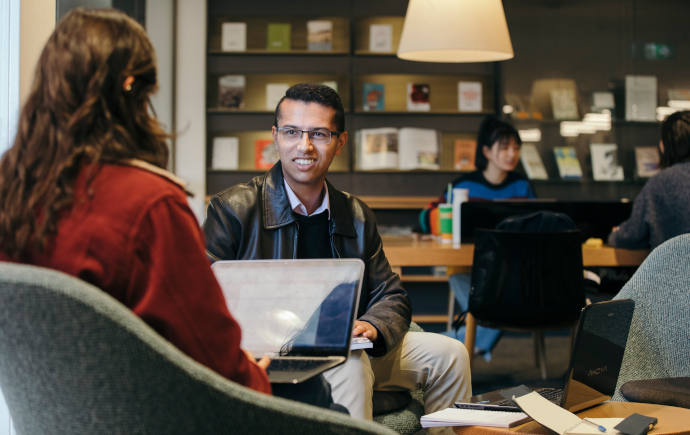
Alumni to Student Mentoring
Support the next generation, access the latest talent, and prepare students for the future with Monash’s Alumni to Student Mentoring. We’re looking for both general and industry specific mentors excited to give back to the community by sharing unique insights and knowledge.