
Monash decoded Neurodiversity
The not-so-hidden power of neurodiversity
Forget normal: accepting diversity could be the key to unlocking your true potential.
Look around your team or friendship group and you’ll notice a wide range of character traits – some good, some just plain annoying. Late for everything? That’s Jane. Always using 20 words when one would do? Step forward, Martin. And loud, brash and always on the go? Shout out to Alyssa.
Often enough those differences are what makes it work – whether that’s completing a big project on time or the big night out that goes down in legend. But while accepting diversity is a part of most people’s everyday lives, in recent times it’s also become a core part of understanding how we function. Indeed, an increased focus on neurodiversity in all its forms is changing the way we look at ourselves – and others.
Diversity is normal
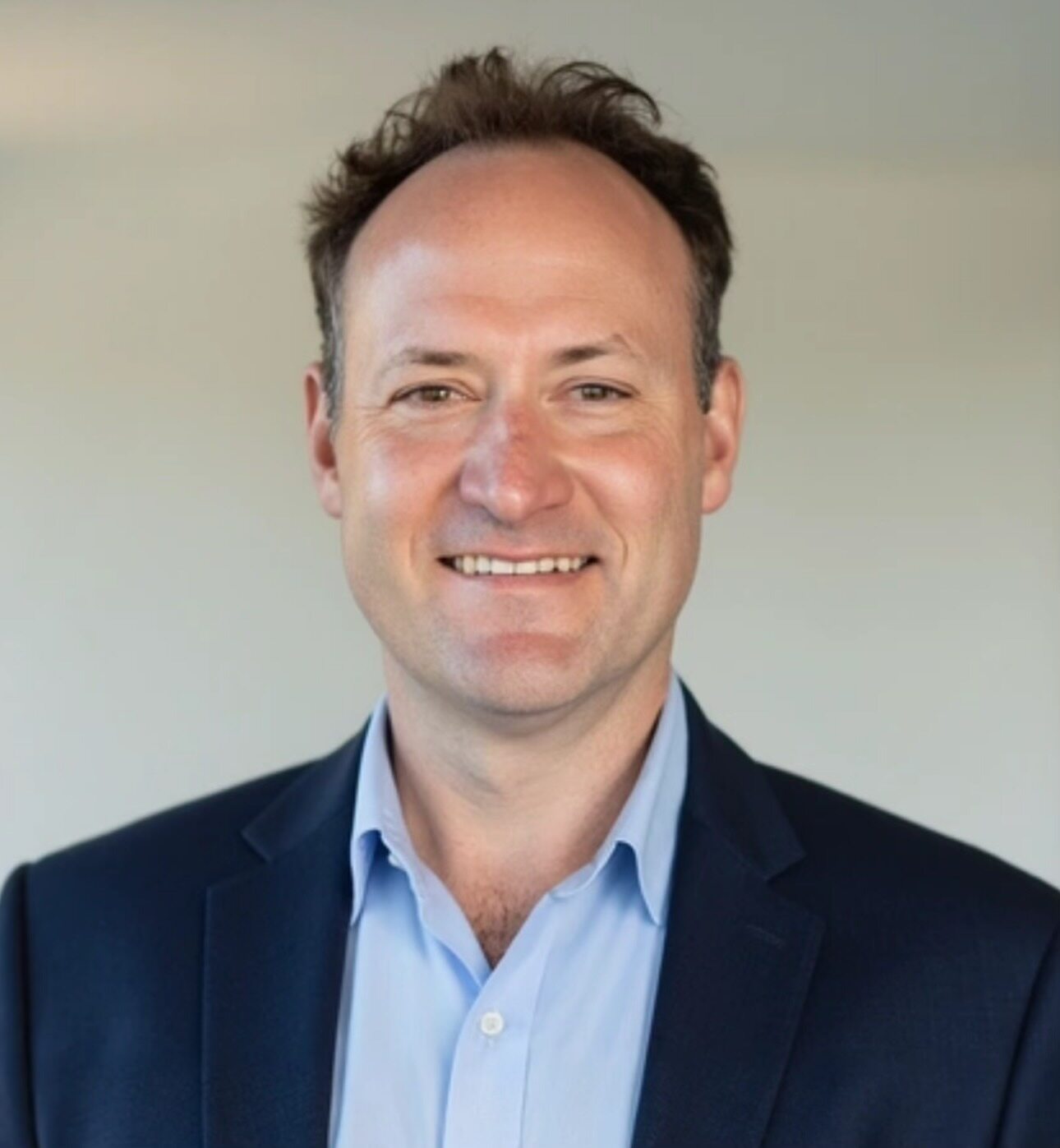
So could traits that are generally thought of as negative be part of unlocking our true potential? Professor Mark Bellgrove, Director of the Turner Institute for Brain and Mental Health and a Professor in Cognitive Neuroscience in the School of Psychological Sciences, thinks they might.
“The study of neurodiversity seeks to understand the diversity of human brain function – the different ways we think, remember and act – and to appreciate that we all exist somewhere on that spectrum,” he says.
The central tenet is that this diversity is normal.”
- Professor Mark Bellgrove, Director of the Turner Institute for Brain and Mental Health and a Professor in Cognitive Neuroscience in the School of Psychological Sciences
And the way we think about those brain differences may be just as important as the science behind them, says Bellgrove. Traits such as attention, memory, sensory sensitivity and social communication cannot be neatly packaged up as ‘normal’ and ‘abnormal.’
“So if someone exists at any point on this spectrum, they shouldn’t be viewed as necessarily having a neurological disorder or condition,” he says. In other words, variation in how we think, feel and process the world is part of what makes us human.
Integrating models
The concept of neurodiversity challenges the purely medical approach to neurological differences – that sees differences as deficits to be corrected – and builds on the social model of disability. This suggests that disability doesn’t come from the individual, but from the interaction between that individual and an inflexible environment. Under this view, a person may struggle not simply because of how their brain works, but because the world around them is designed to suit only one type of mind.
That’s not to say that diagnosis is unnecessary or that treatment has no role. Embracing neurodiversity does not require abandoning science – we just need to integrate scientific understanding with our own lived experiences.
“There are many, many different types of traits in psychology, and this reflects normal variation in our neurology, temperament and personality styles that make up who we are as humans,” says Bellgrove. “The medical model, on the other hand, acknowledges that these traits can have a functional impact on a person’s life and cause impairment.”
Emphasise the strengths
What does that mean for our day-to-day understanding? A true appreciation of neurodiversity emphasises its strengths, so rather than a focus only on challenges, it highlights characteristics that can give someone an advantage in the right context. Things such as creativity, energy, authenticity and, in some cases, an ability to focus intensely on tasks of high personal interest.
Neurodivergent characteristics are increasingly being phrased in a positive or strengths-based way. “So if we look at attention deficit hyperactivity disorder (ADHD), for example, the indications are that neurodivergent people are creative, have energy, have passion, and can sometimes have what’s called hyperfocus – where they lock into something that is motivationally very important for them and are able to engage in this activity for hours on end. And we’re seeing this strength-based approach across a range of these other neurodivergence, as well.”
Language, Bellgrove argues, is central to that cultural change. “All these have a subtle influence on the way we end up thinking about neurodevelopmental conditions.” Whether communities prefer identity-first or person-first language, the key is respect.
Massive opportunity
This shift is slowly reaching workplaces. Organisations are experimenting with neuroinclusive hiring and team design, recognising that cognitive diversity can enhance performance. Bellgrove views this as an extension of the broader diversity movement. If teams can benefit from varied cultural and educational backgrounds, why not varied minds?
Stigma remains a significant barrier, however.
Negative attitudes reduce the likelihood that individuals will seek care when they need it.”
- Professor Mark Bellgrove
But while there is a cost – lost productivity linked to unsupported neurodevelopmental conditions can have a substantial economic burden – there is also a “massive productivity opportunity” if health systems, schools and workplaces are designed to enable people to thrive.
Looking ahead, Bellgrove argues that research must become more inclusive. Girls and women have historically been under-recognised, and older adults, First Nations communities and gender-diverse individuals remain understudied. A genuine commitment to neurodiversity requires broadening the evidence base to reflect the full diversity of lived experience.
Continue your learning with free #Decoded webinars
This article is a write-up of the alumni-exclusive #Decoded webinar, Neurodiversity and ADHD, led by Professor Mark Bellgrove. You can watch this and other webinars, on demand, in the Alumni Portal.
In the #Decoded webinar series Monash experts break down complex topics into bite-sized chunks so they’re easy to understand. To access these and other webinars, and to be notified about opportunities and discounts that are exclusive to Monash alumni, sign in to the Monash Alumni Portal.
Access Portal